

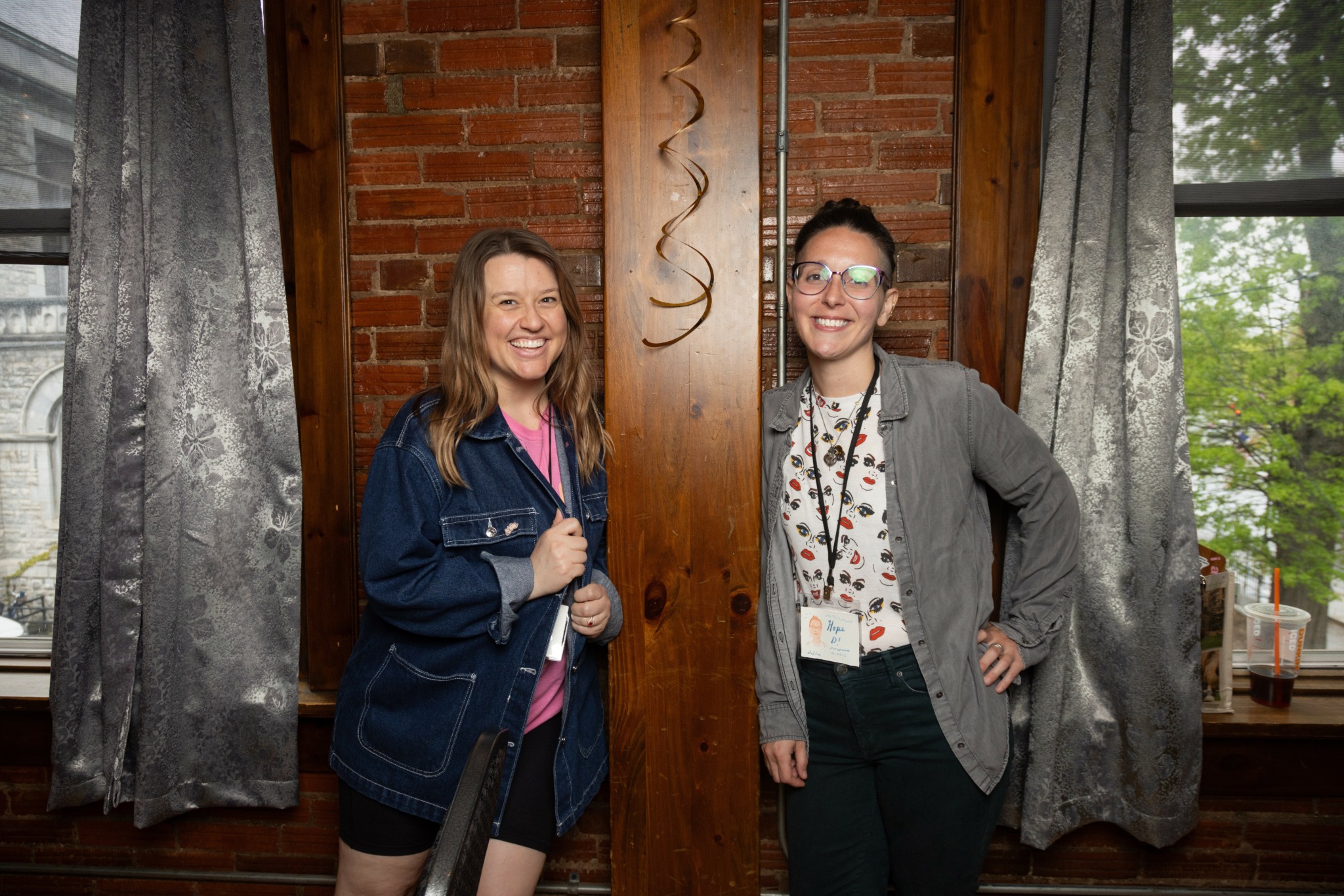

We were lucky to catch up with Hope Dobrzynski and Christi Somers recently and have shared our conversation below.
Hope and Christi, looking forward to hearing all of your stories today. How did you come up with the idea for your business?
The LaughtHER Collective wasn’t born from some meticulously crafted business plan or a sleek, glossy vision statement. It came out of something a little less corporate and a lot more real—grief. A comedy school born from pain! Because nothing says, “Let’s make a business” like deep existential loss and awkwardly laughing about it! We had both lost our moms, and in the midst of that overwhelming sorrow, we found humor to be incredibly healing. It wasn’t the “everything’s fine, laugh it off” kind of humor—it was the kind of humor that lets you laugh because if you don’t, you might just cry forever. It was in those dark moments that we realized: if humor could help us heal, it could help others heal, too.
As we processed our grief, we both began to see a gap in the world of comedy. Yes, there are schools, workshops, and classes, but they tend to be designed around a specific mold—a mold that often leaves out womxn+ and marginalized voices. The way we saw it, there was a need for a space where those voices weren’t just heard, but celebrated and amplified. So, we decided to build it.
What sets TLC apart? Well, it starts with the fact that we’re two women who’ve lived in the worlds of entertainment, higher ed, and career counseling. We’ve been there, we’ve worked with diverse groups, and we know the landscape. But what truly makes TLC stand out is our approach to teaching comedy: we’re not just trying to turn people into the next Netflix Special. We’re teaching them how to use comedy, because comedy isn’t just for the stage. Most comedy schools focus on teaching you how to do comedy—how to nail a set, land punchlines, and get on stage. We do that, too, but with a twist. We teach how to use comedy to navigate the world—to connect with people, to break down barriers, to find empowerment in your own voice, and, yes, to heal. Comedy is a tool, not just a career path, and that’s the kind of value we’re bringing to our students.
Our modern, flexible approach—both in-person in NYC and virtually—means we can reach students everywhere, from Birmingham, Alabama to Barcelona, Spain, and create a community that’s not bound by location. We teach blueprints, actionable guides, and frameworks that help students find their unique comedic voice—whether they want to use it for therapy, personal growth, or as a professional comedian. Because here’s the thing: comedy can work for you, no matter what your goal is.
Was this a problem no one else was solving? In a way, yes. We felt that mainstream comedy education often left out people who don’t fit the “classic” comedic mold—especially underrepresented voices, womxn+, and gender-expansive folks. Comedy schools can be pretty exclusive, with a narrow focus on traditional stand-up or improv. They tend to assume that everyone shares a certain background, personality, and confidence level. To top that all off, those schools are only predominantly found in a select few major cities that tend to be expensive to live in and a tad scary for those from small towns.
Our goal was to create a school that’s not just for some ideal comic—it’s for everyone. We’re not here to force people into a one-size-fits-all system. Instead, we empower our students to build their own blueprints, to create a comedy style that’s authentic to them. This is a space where you can laugh without judgment, experiment without fear, and build a community of like-minded people who are all in the same boat. And, that boat is virtual so space isn’t limited and we can pick up anyone, anywhere.
So, why did we feel this would work? The world needs more inclusive spaces where people can express themselves creatively and authentically. Comedy has always been a way for people to connect, but if you’re not a part of the “right” group or don’t fit the traditional mold, it can feel like an exclusive club. We’re changing that by making comedy something accessible to everyone, regardless of background, experience, or identity. Our unique approach of co-teaching and creating supportive classrooms means that no voice gets lost in the sauce.
And let’s not forget the magic that happens when people realize they have a place to take risks without fear of failure. That sense of empowerment is contagious, and it’s exactly why TLC resonates. People come in unsure of themselves and leave with a renewed sense of confidence—not just in their comedy, but in their ability to take up space and speak their truth.
What excites us most? What gets us out of bed every day? It’s watching our students transform, from unsure beginners to people who own their voices. We get so many people in our Welcome To Stand Up class that have never taken a class or had any kind of formal training, and when they are themselves, we’re keeling over! When we look at the future, we see this: The LaughtHER Collective isn’t just a comedy school; it’s a movement that empowers underrepresented voices and helps people use humor to create meaningful change in their own lives and the world around them. That’s what we’re building—and we’re just getting started.
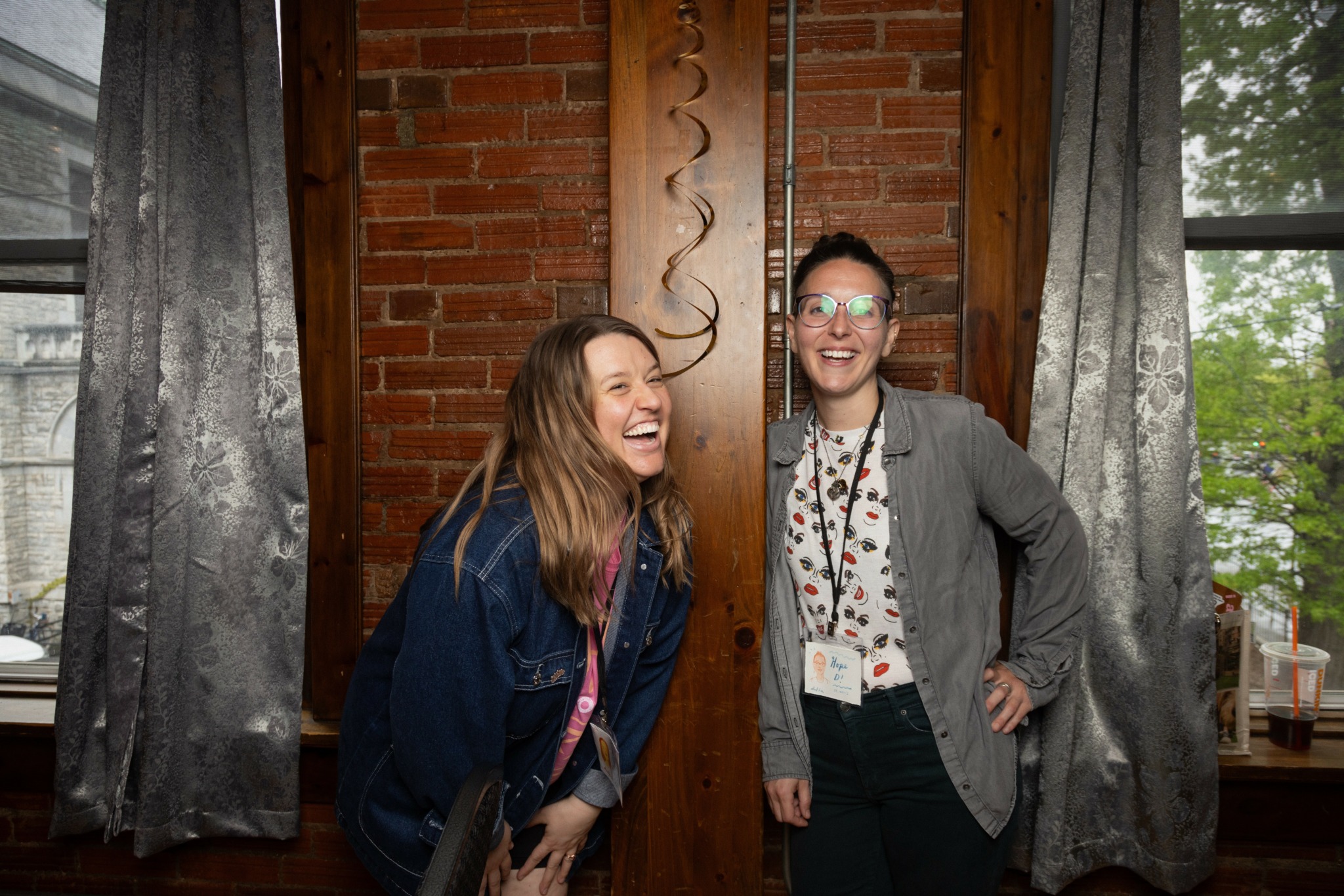
Great, appreciate you sharing that with us. Before we ask you to share more of your insights, can you take a moment to introduce yourself and how you got to where you are today to our readers.
The LaughtHER Collective was founded by Hope Dobrzynski & Christi Somers (formerly Chiello). Hope has over 15 years of experience in high education and non-profit. Hope also has a B.A. in Psychology, Black studies, & Disaster Studies along with a M.S. in Organizational Leadership. Hope is also a writer and comedian. Christi has almost two decades of experience in stand-up comedy. She has extensive television and festival credits as a comic and is also an accomplished voice over artist and actress. Christi has been a comedy educator for 7 years, having taught at several clubs and colleges pre-TLC.
Hope was a former student of Christi’s, so the relationship was already there, and both of us wanted to see shifts in the comedy world, and we believe that starts with education. We joined forced and have created comedy curriculum that is tangible and easy-to-follow. We offer courses to learn stand up, accountability programs, comedy coaching, and we are constantly recreating offerings to meet the needs of the rising comedian. We make stand-up comedy accessible to everyone — not just those that want a Netflix special. What really sets us apart though is that we are two women, and that cannot be found at any of the schools out there. As two women, we incorporate aspects like healing and connection because we don’t subscribe to the hustle culture and genuinely invest in our students. 100% of the students we served are underrepresented, and we only work with women and underrepresented communities. Periodt.
There is so much we are proud of. Our ‘Laughing Through Loss’ class is especially special. It takes shared loss and adds community, laughter and healing. We’ve created curriculum and activities that can’t be found anywhere else, and we are beyond proud of the art that has come out of these courses. It expanded so much this year, we added a second level.
We’d love to hear about how you keep in touch with clients.
We are super intentional about everything we do—yes, intentional is one of our pillars, and while we didn’t add it until a little later in the game, it’s honestly been one of the most impactful decisions we’ve made for the business. Nothing we do is “just because”—we’ve got pre-programmed emails going out all year, but it’s not some generic “Happy Birthday!” auto-response. We’re talkin’ emails for anniversaries, important dates, and if we hear one of our students has a show coming up or they mentioned something big in their life, we’re on it. We make a note and schedule that email so we don’t forget—because let’s be real, we’ve got lives, too, but these little details matter.
If we were running an in-person school only, we’d probably see our students passing by all the time, but alas, that’s not our reality. We don’t get that luxury. What we do have is social media, where we can stay connected with everyone, which we love. And we use that connection! We don’t just wait for our students to come to us with show updates—we’re the ones reaching out, saying, “Hey, need help promoting?” We know that sometimes, especially as women, asking for help doesn’t come naturally. So we’ve really made it a priority to be intentional (there it is again) about asking what our students need, particularly the women who are just starting out in stand-up. Starting comedy is tough enough, especially in a male-dominated field where the odds are stacked against us. But that’s exactly why we’re here—to help offset those odds. It’s not easy, but as the saying goes, ‘many hands make light work’.
Instagram has been a hugely impactful tool for us. Some of our best connections with students happen in DMs and group chats. We’re constantly getting messages, whether it’s about a great night they had or an inside joke from a coaching session. And guess what? We love it. We absolutely respond, because we’re not just instructors—we’re part of this collective. Who can resist? Our students are hilarious, vulnerable, daring, and doing things that constantly make us say, “How do I get to be this cool?” They’re incredible.And, yes, I know—technically, we’re not supposed to be “friends” with our students, but in comedy, especially in the startup phase, it’s all about community. How could you not get close to these amazing people? Honestly, we could go on and on (I think we already have) about how proud we are of this cohort and how much we’ve all grown together in just a few years.
Speaking of which, one of the things we’re doing this year? Sending out New Year’s cards. And no, we’re not spilling the beans on what’s inside just yet, but trust me, it’s a little something special. We’ve had a lot of wins this year—growth, changes, expansion—but we wouldn’t be here without our collective. It’s the people around us—our students, our community—that have propelled us this far, and for that, we’re incredibly grateful.
Comedy doesn’t happen in a silo. It’s a collective, and we’re just lucky to be part of it.
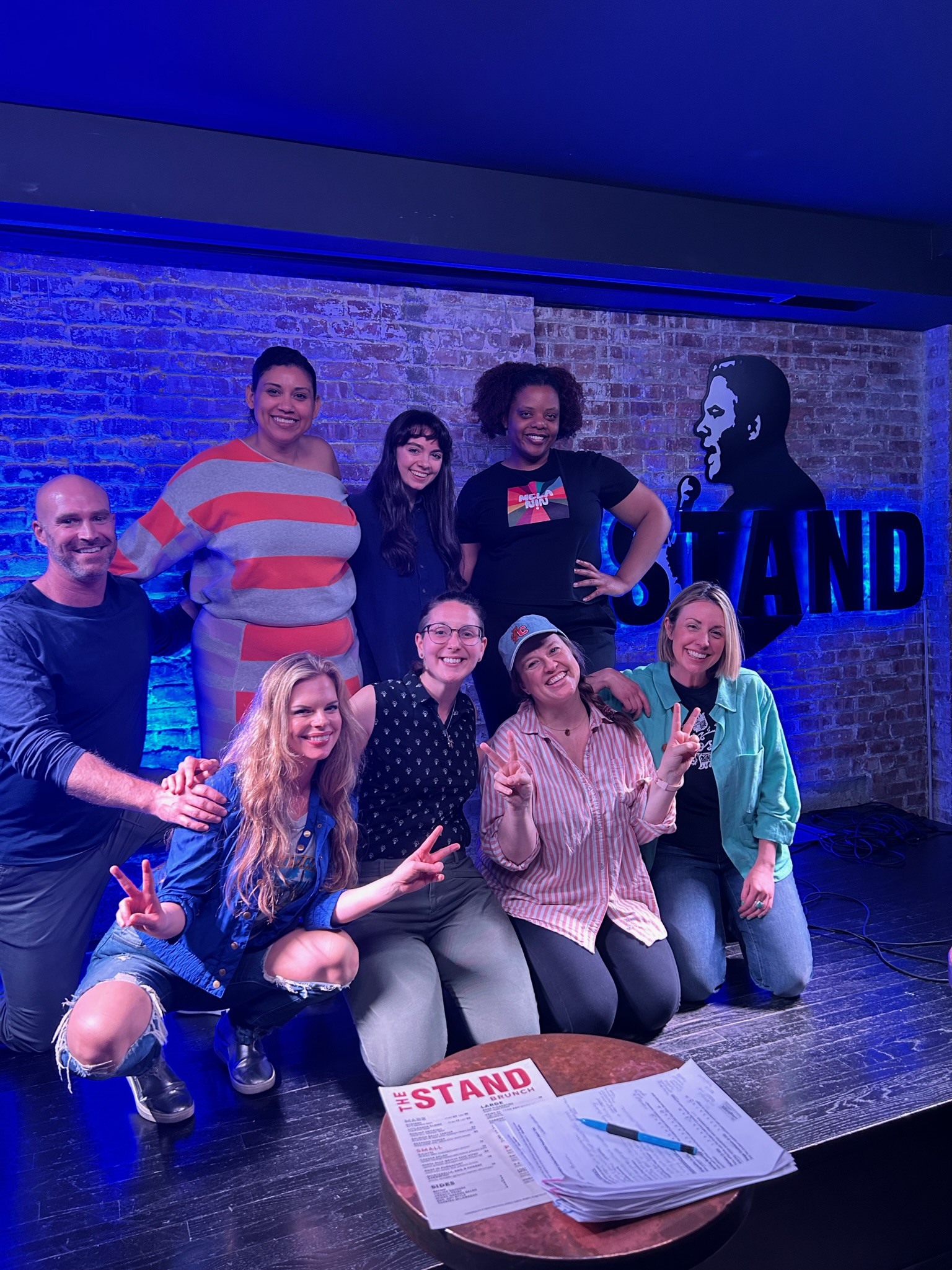
Any advice for managing a team?
Oh, this question really hit home for us because, honestly, our team is just us—a team of two—for almost three years now. How ironic for something called a collective, huh? For the last three years, we’ve met every day, Monday through Friday, 10AM every morning, and then however many times needed throughout the day. We are human and just like a typical human, we have bad days. Some really bad days. We still call in sick to each other, have a pity party, vent for hours, complain about everything under the sun… basically do all the things that normal coworkers do. The difference? There’s only two of us. So, when one of us is having a moment, the other one has to step up. We are always on back-up, which can be tiring, but we’ve found a way to stay on top of priorities for TLC and take care of each other. It’s not odd for one of us to text the other, “Take the day! I got everything.” Because the other person does have to take care of everything.
And here’s the thing, too: we’re not just business partners. We’re truly best friends. We spend so much time together that it gets personal — three years means we get really personal. And we’ve run into this a number of times—spending more time with each other than we do with our families, partners, or friends. We bicker. Believe it or not, we don’t always agree. (Shocking, right?) But we’ve learned how to check in with each other, because at the end of the day, our goals are the same: we want each other to be happy and our business to succeed.
Our advice? Someone always has to keep it positive. We all have bad days, but when you’re in a partnership this small, it’s essential to ebb and flow with each other. The first time things got rocky, I remember we both admitted thinking: Is this going to work? Are we strong enough to get through this? It sounds a little like a romantic relationship, doesn’t it? And honestly, in the business world, it feels the same way. The emotions are real.
In our relationship, we talk about “rolling to the middle” — it’s like never going to bed angry, but professional. It’s our way of making sure we’re always meeting each other halfway. We’re not out here trying to hurt each other or make the other person feel bad, but we also have strong opinions and are wildly passionate. We have to make concessions and kill some darlings. That’s crucial when you’re working in such a small team. Christi and I have really gotten down to the nitty-gritty of how we work best together, styles and such. And after three years, we’ve pretty much nailed it. But that didn’t happen overnight—it took time.Three years, if we haven’t mentioned it before.
And just this year, we’ve brought on two amazing people to help us with the parts of the business that are expanding quicker than we can manage. We’ve brought on two people we’ve been working with for years, Ro and Jiana. And honestly, bringing them on has been exceptional. We have formed such a strong, stellar team and just added two powerhouses. We all know what we’re doing and have fantastic senses of humor — that definitely helps!
It’s a lot of hard work, but the rewards have been worth it and continue to be.
Contact Info:
- Website: https://www.theLaughtHERcollective.com
- Instagram: https://www.instagram.com/thelaughthercollective/
- Facebook: https://www.facebook.com/TheLaughtHERCollective
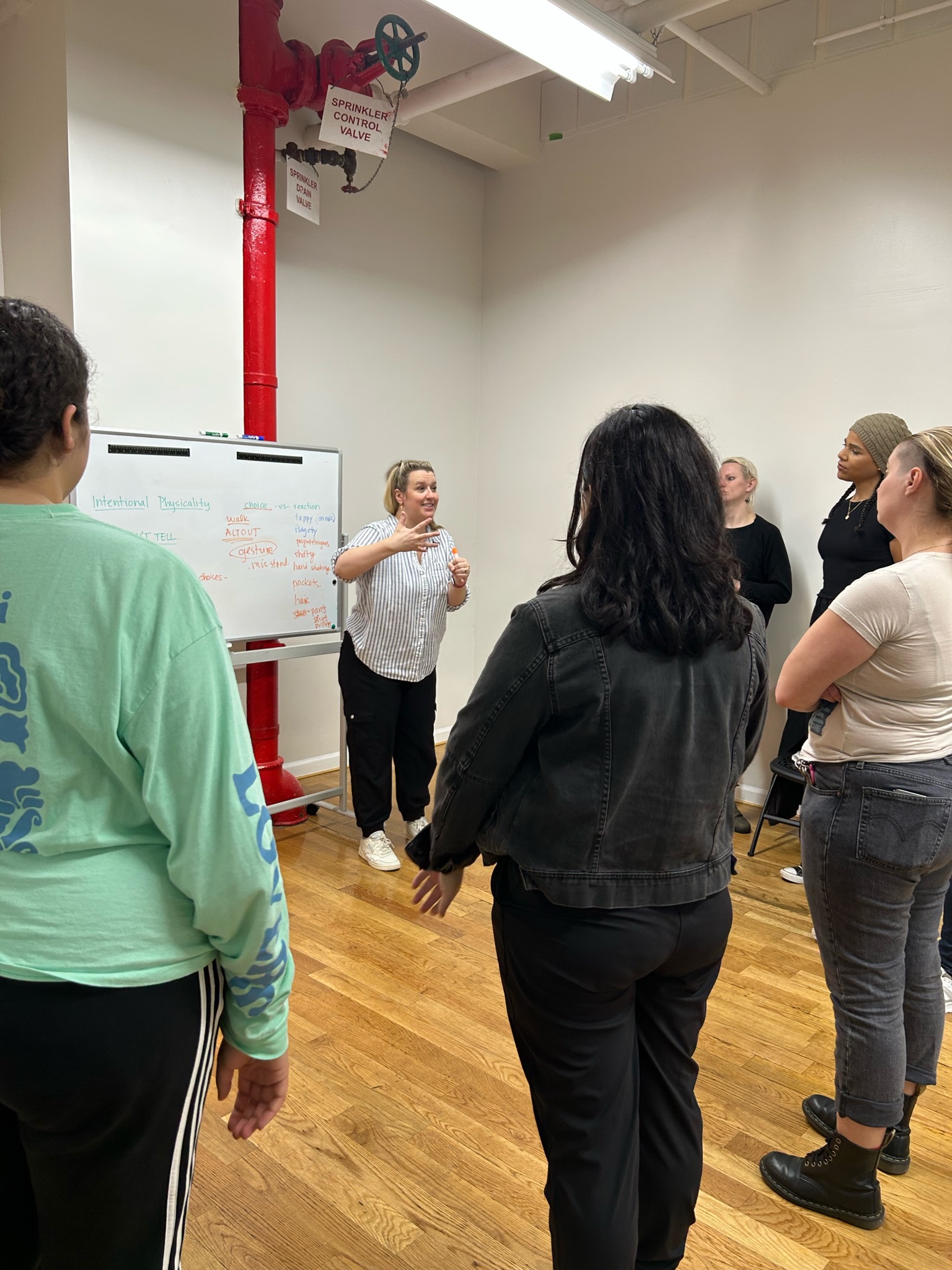
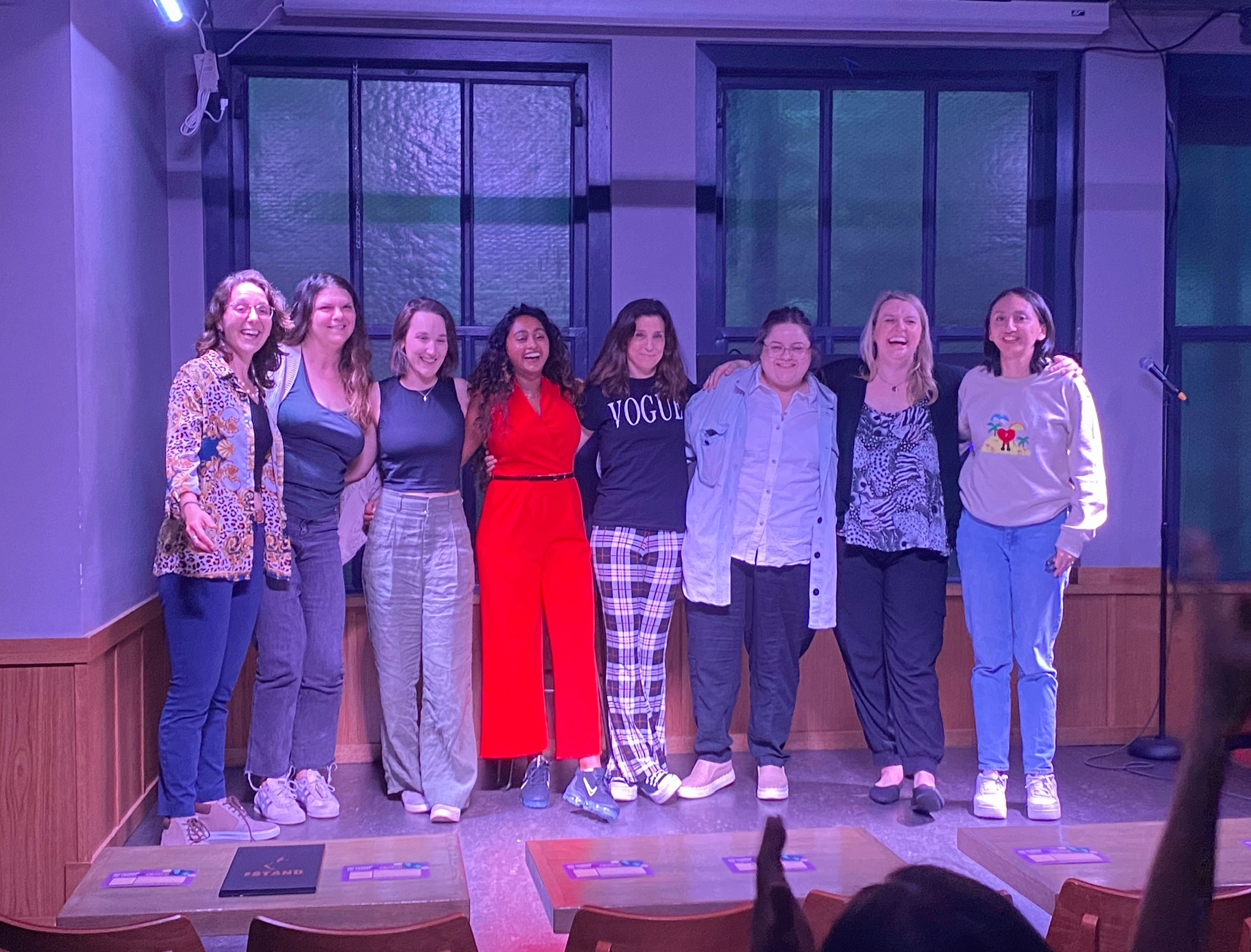
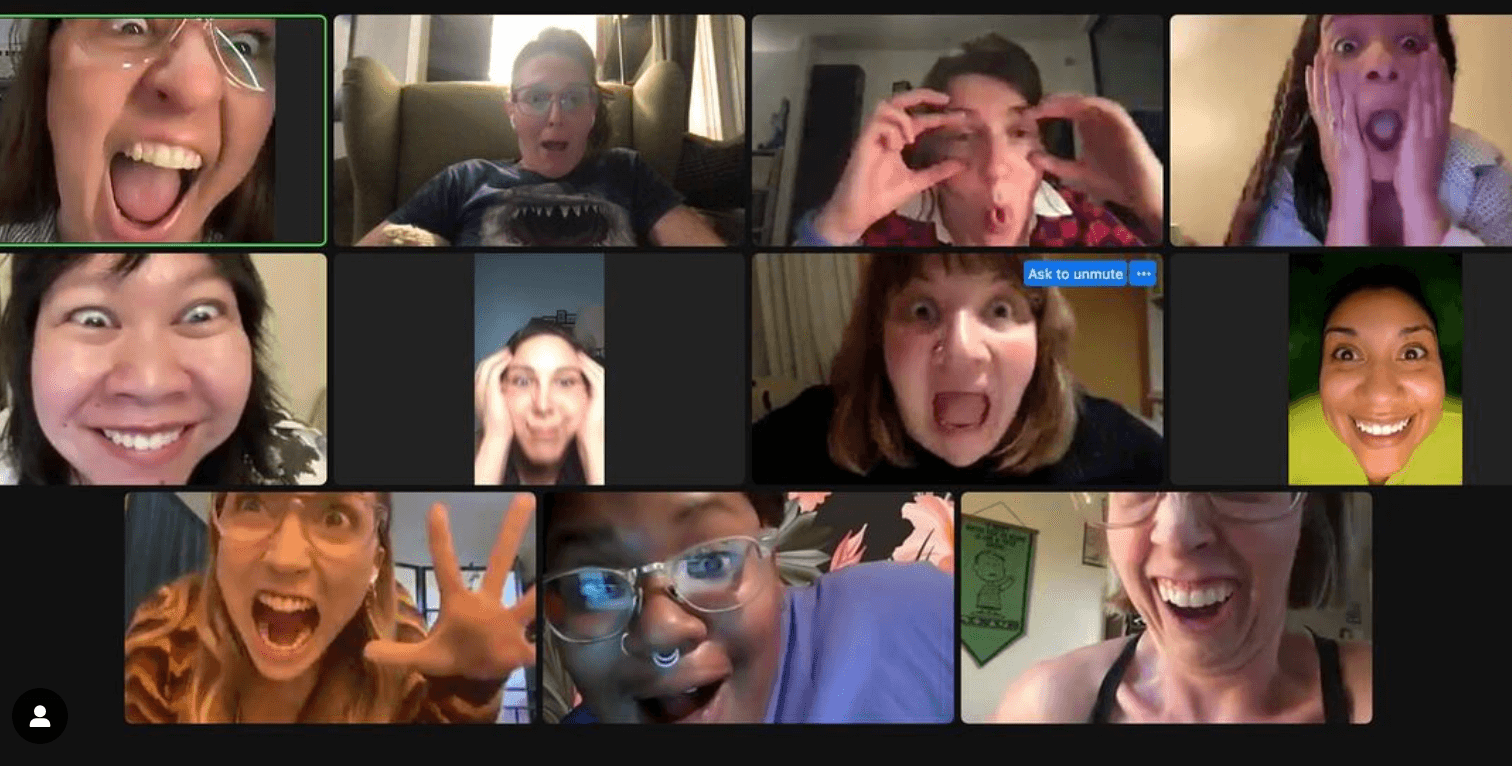
Image Credits
Mindy Tucker for the first 3 (cover, and matching 2).