

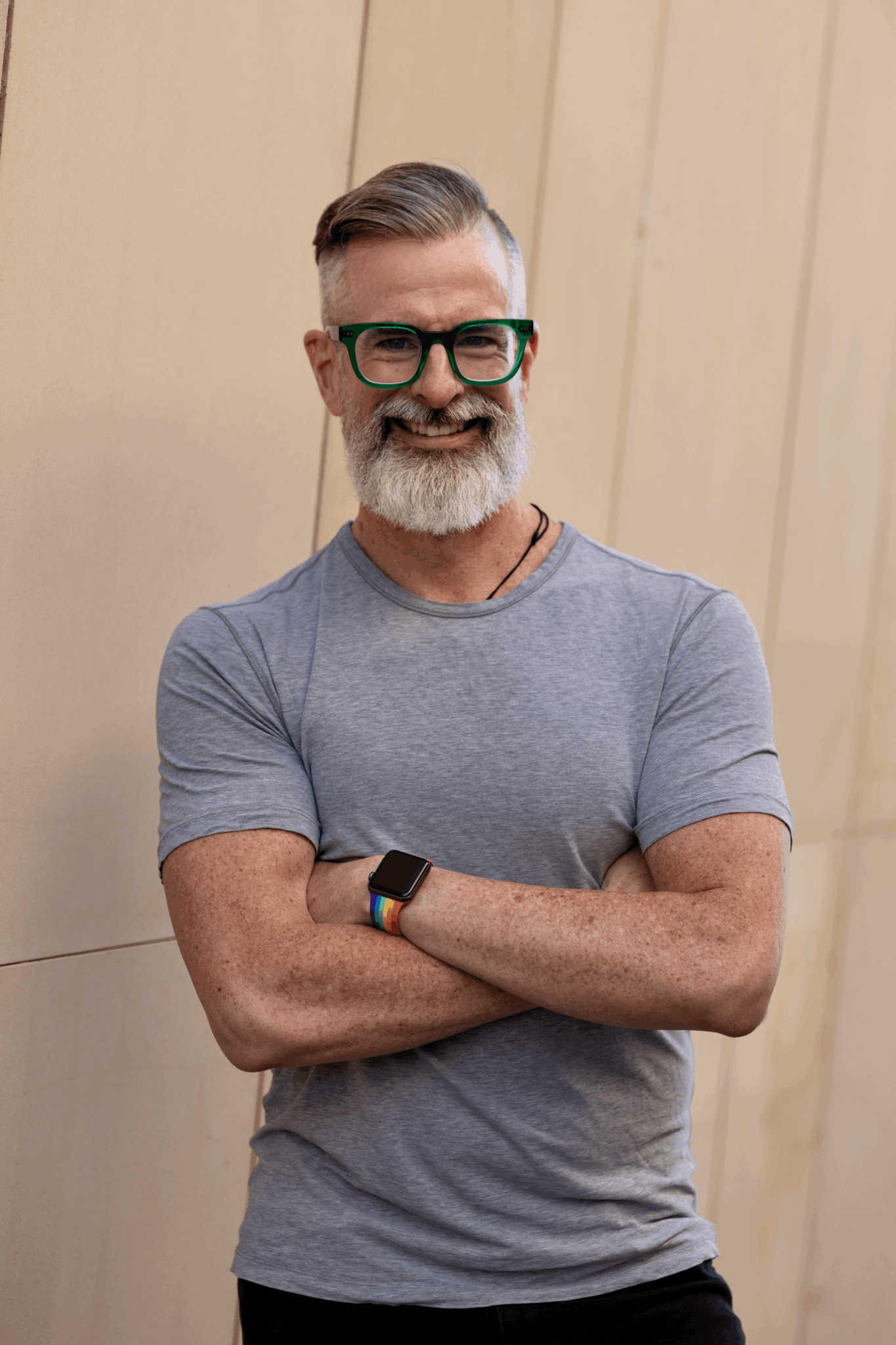

Today we’d like to introduce you to Phil McAuliffe
Hi Phil, so excited to have you with us today. What can you tell us about your story?
I came to do this work because I realised that I was lonely. I’ve always felt like I struggled to belong. I was always trying to edit myself so I could fit in: so I’d not be too much in some situations or not enough in others. I let these thoughts and feelings – which came beliefs – rule how I showed up in the world.
In my career in the Australian government – including as an Australian diplomat – I became very, very good at saying what needed to be said to the right people at the right time to get the right result.
There were many postings, promotions and multiple opportunities to showcase my awesomeness throughout that career.
But I lost me somewhere along the way.
I no longer knew who I was. I was a husband and a Dad. I had a job that conveyed a status and a life of privilege. I hated myself for not feeling happy. It felt like life was happening around me and didn’t include me. I was missing from my own life.
There’s a lot more in my story, but in the interests of brevity I simply want to say that I knew that things weren’t right. Frustratingly, despite being great with words and learning five other languages, I didn’t have the words to ask for help. How do you ask for help when you can’t even describe what you’re feeling?
Then, sometime in 2016, I happened to read an article in the Boston Globe about how loneliness appears in middle-aged men.
The article centred on what we now call lived experience. The words in that article really landed. They were uncomfortable. I really didn’t want to be lonely because of what I knew loneliness meant: that I was boring, clingy, needy and broken.
But I knew I needed help to feel connected again and I was afraid of what would happen if I fell into the growing abyss within.
I got some help and – cue the movie montage – I started on a path that has a direct line from that time to you reading these words now. Along the way I learned that I was far from alone in these thoughts and feelings.
Critically, I learned that loneliness support had a focus on loneliness in the elderly and the bereaved. Neither of which applied to me, so I set about creating the support and advice that I wish that I had when I was feeling lost, invisible and empty.
I do that using my voice, my experience and my insight – and that of the wonderful and diverse Humans:Connecting team – to create a podcast and other products and services that de-stigmatise loneliness and support humans feel authentically connected.
There’s a lot to do. I now know – we now know – that loneliness is everywhere. This isn’t a surprise, as loneliness is a natural human emotion and is a part of the human experience. We all feel it from time to time, and we’re supposed to. We now know that globally, 1-in-4 humans feel lonely. Loneliness affects humans at every age and no job, job title, salary, education qualification, address or social media followers makes us immune.
I work to de-stigmatise loneliness and to help humans – however they identify, whatever they do for work and wherever they are in the world – to get the connection that they need and deserve. A critical part of this is talking about loneliness openly and frequently.
Making loneliness mean anything more than it being how our bodies have evolved to tell us that we missing some kind of connection that’s meaningful for us isn’t helping us. Not talking about it isn’t helping us.
The good news? We already know what cures human loneliness.
Human connection is the antidote to human loneliness.
Further, loneliness isn’t a condition that needs a clinical diagnosis for us to apply the solution. Connection needs no prescription.
Connection simply needs to be meaningful to you. We’re here to help you understand what your loneliness is trying to tell you and then support you as you get the connection you haven’t been getting.
Would you say it’s been a smooth road, and if not what are some of the biggest challenges you’ve faced along the way?
It has most definitely NOT been a smooth road.
Loneliness is a tough topic upon which to work.
Loneliness is one of those life experiences – like grief – that we feel happens to other people. When we do engage with it, we want to do so cleanly and keep the discomfort away from us.
When loneliness is talked about, it’s often spoken about in a conceptual way in the third person. This sounds like ‘Loneliness is…’, ‘People experiencing loneliness need support’, and ‘A percentage of the people in this place report experiencing loneliness over the past year.’
This is great for awareness raising, but humans cannot connect with the concept. We connect through stories.
But it’s tough to speak about loneliness in the first person. This sounds like ‘I felt lonely when…’ or ‘I’m feeling lonely now.’
It’s tough to speak of loneliness for a few reasons. It’s an uncomfortable topic and – because of the eternally optimistic, ‘good vibes only’ society we live in, we don’t know how to talk about it because we don’t talk about it.
This silence or waiting for the right words to speak about the loneliness we feel feeds our loneliness.
We often get the feedback, ‘Your work is AMAZING. It’s really going to help other people’. We lovingly challenge this feedback by saying ‘You’re other people, too.’
The uncomfortable irony is that it’s in the acknowledging our loneliness and sitting with the discomfort for a little while that we can see what connection we’re missing. The key to connection we each need is in our own loneliness.
Not everyone is ready to do that, and that’s ok. Some people will only want to engage at the conceptual level. Others will want to jump in, but are afraid. We’re well familiar with that fear, so were simply here when they’re ready enough (knowing that we’re rarely ever ‘ready’).
And, if I’m honest here, I need to be careful. I’m driven by a calling to support humans experiencing loneliness, but I’m learning that I can only do that when I’m well-rested, well-fed and well-connected myself. Working every day is not the way to follow that calling.
Alright, so let’s switch gears a bit and talk business. What should we know?
We’re creating a social enterprise committed to:
– being a leader in the effort to reduce loneliness globally;
– de-stigmatising loneliness through sharing stories; and
– providing upstream support and advice about loneliness and human connection for humans before they require individual mental health support or crisis support.
We are a team of humans who knows that loneliness feels terrible, because we’ve all felt lonely. We also know that human connection is the antidote to human loneliness.
With our tools and guidance, you can build the relationships and connections that are meaningful for you.
The team and I have a range of high-quality and accessible products and services that help you feel the kind of connection you deserve at home and at work.
Our approach is grounded in empathy, compassion and understanding, because we experience loneliness, too.
Contact Info:
- Website: https://www.humansconnecting.org/
- Instagram: https://www.instagram.com/humans_connecting/
- Facebook: https://www.facebook.com/profile.php?id=61550256548414
- Youtube: https://www.youtube.com/@humansconnecting
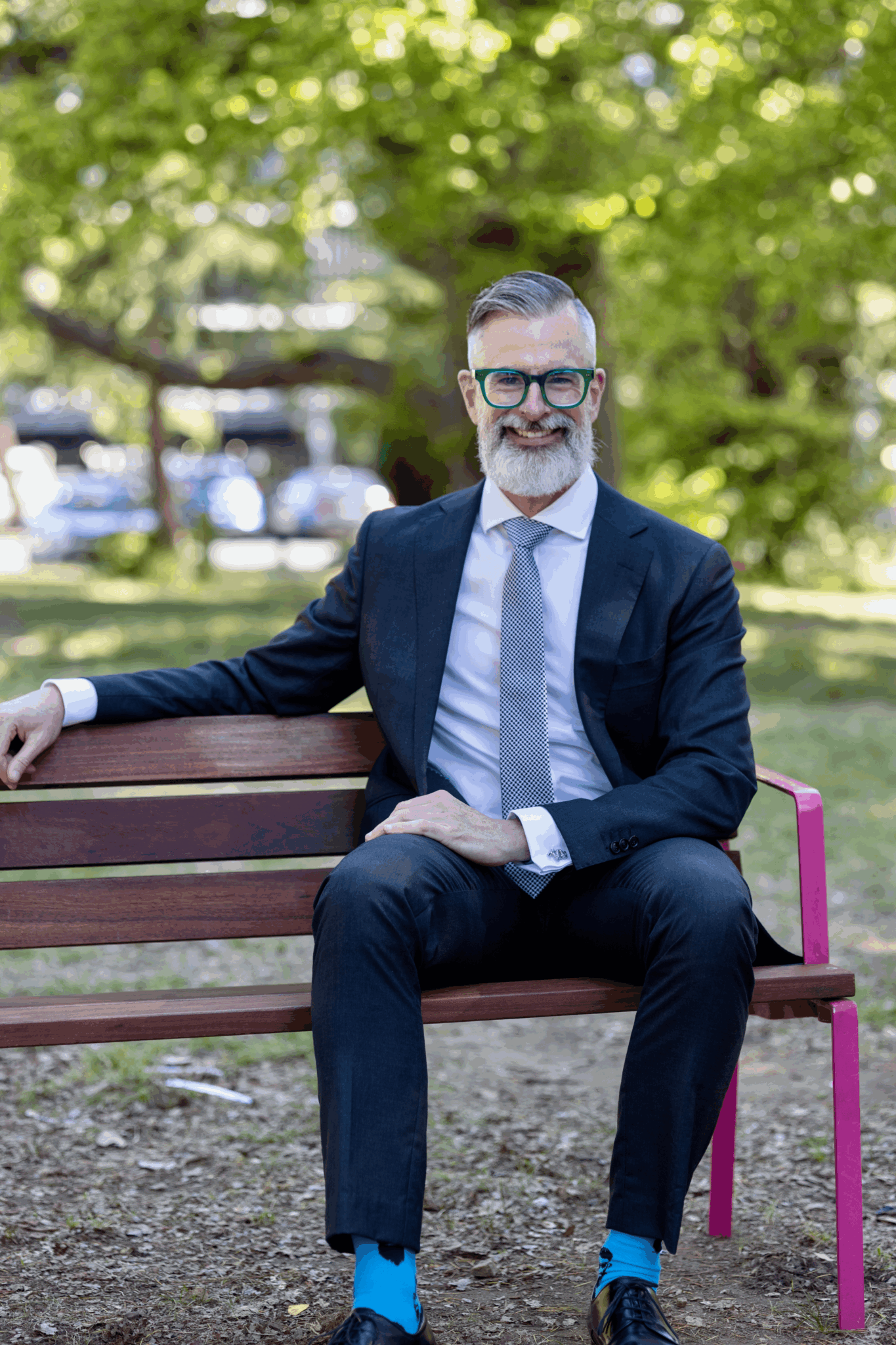
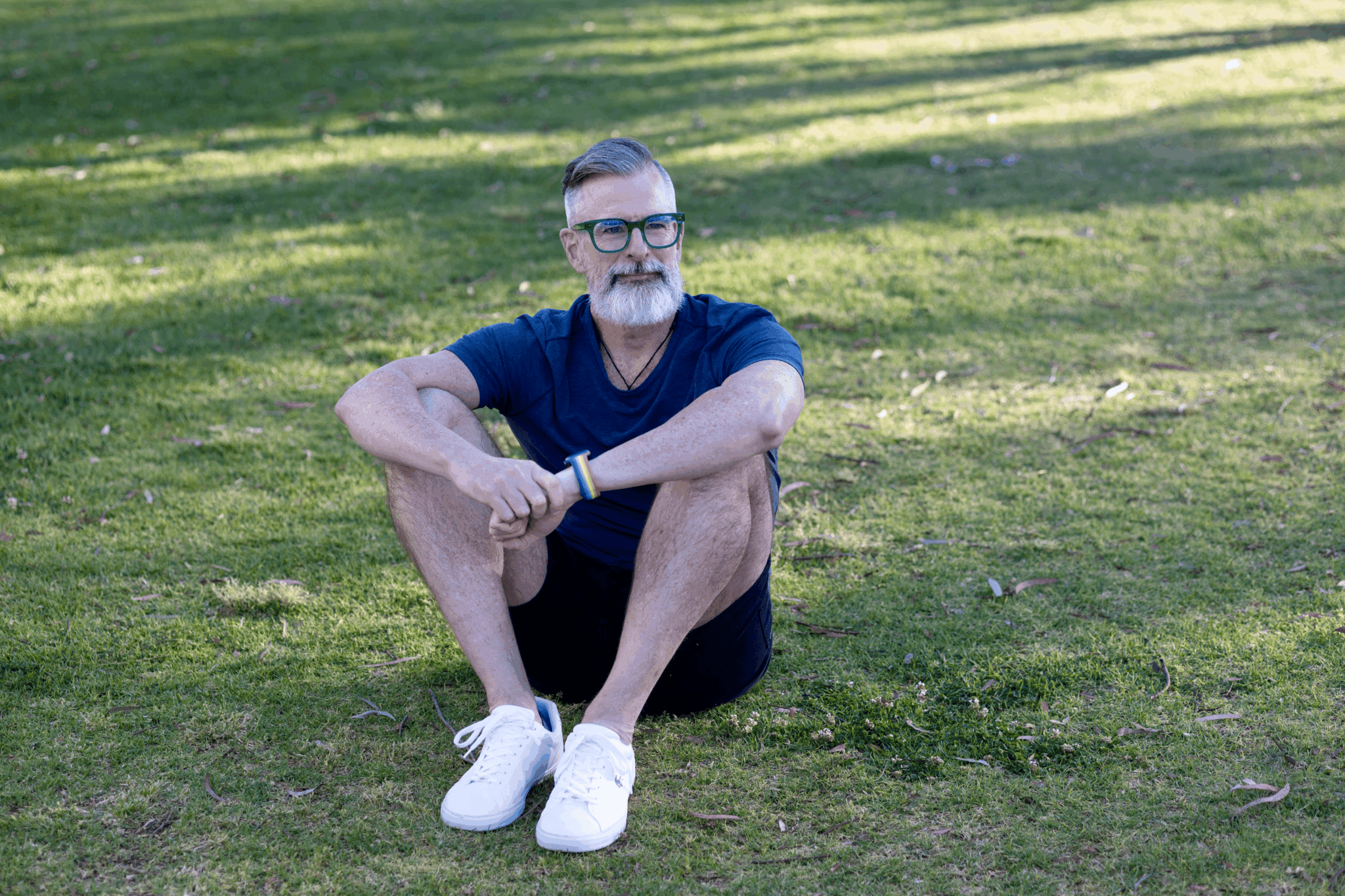
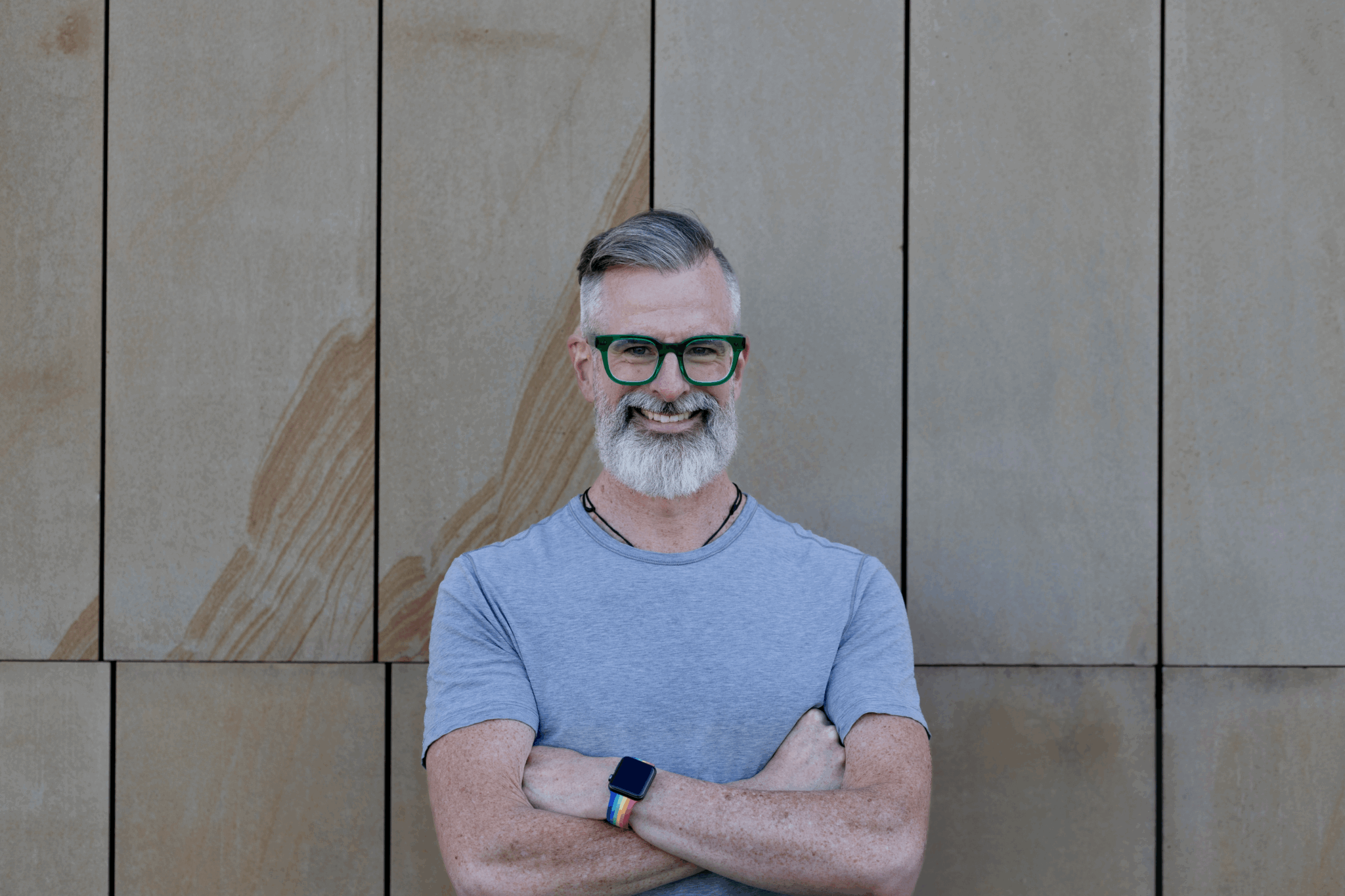


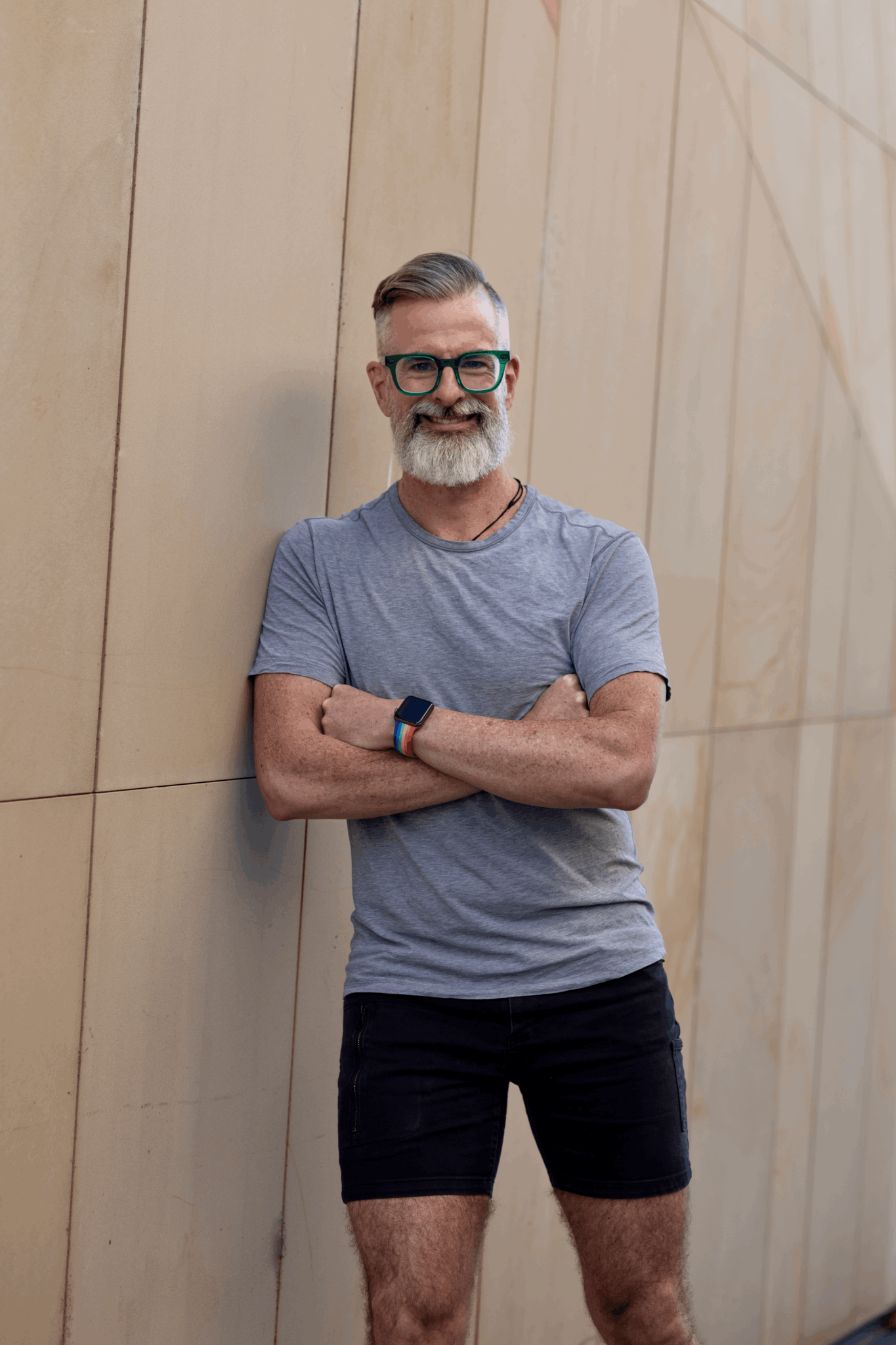
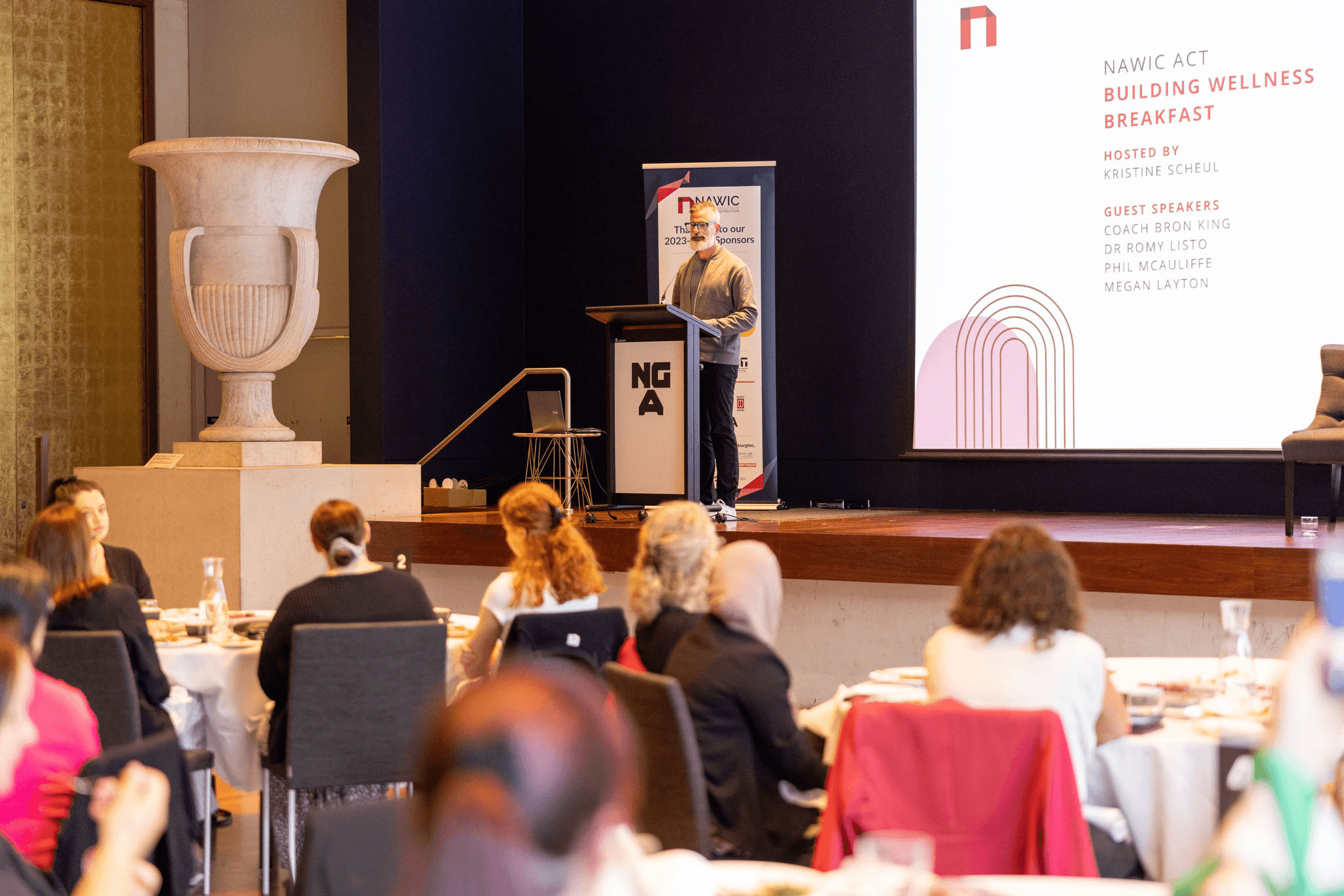
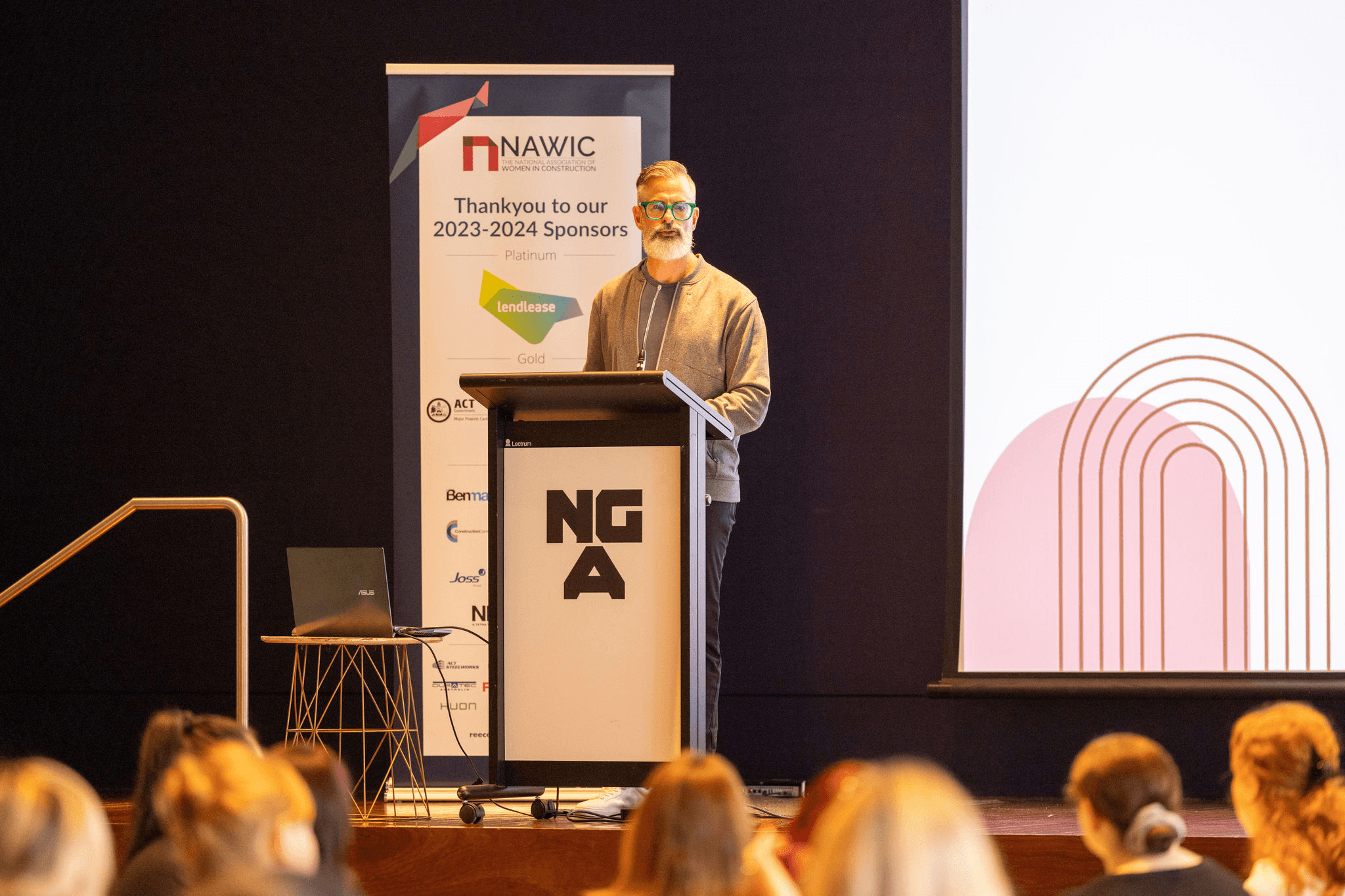
Image Credits
Images courtesy of Michael White Photography
Speaking images courtesy of Ben Appleton – photox.com.au