
Today we’d like to introduce you to Teeg Stouffer.
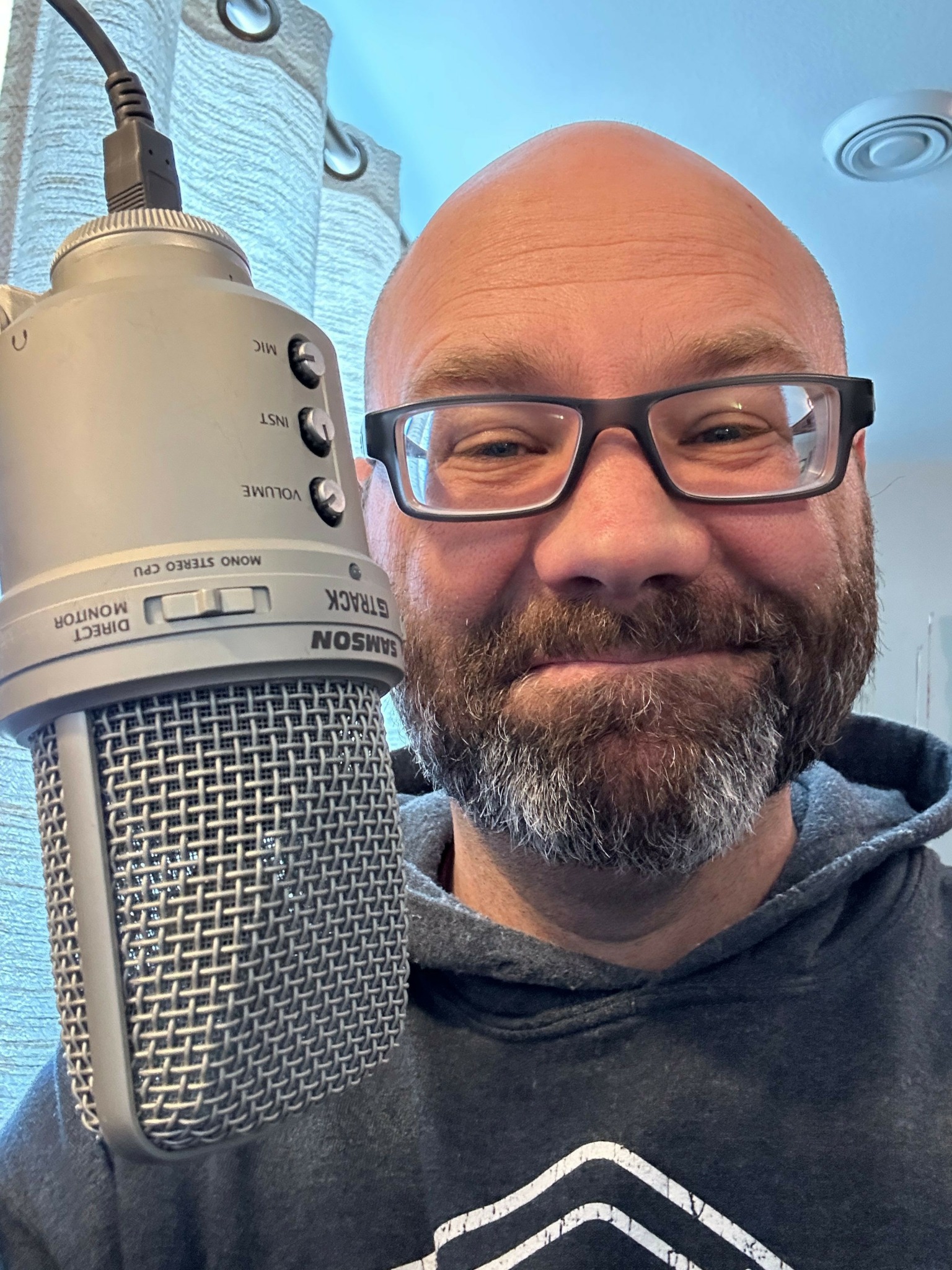
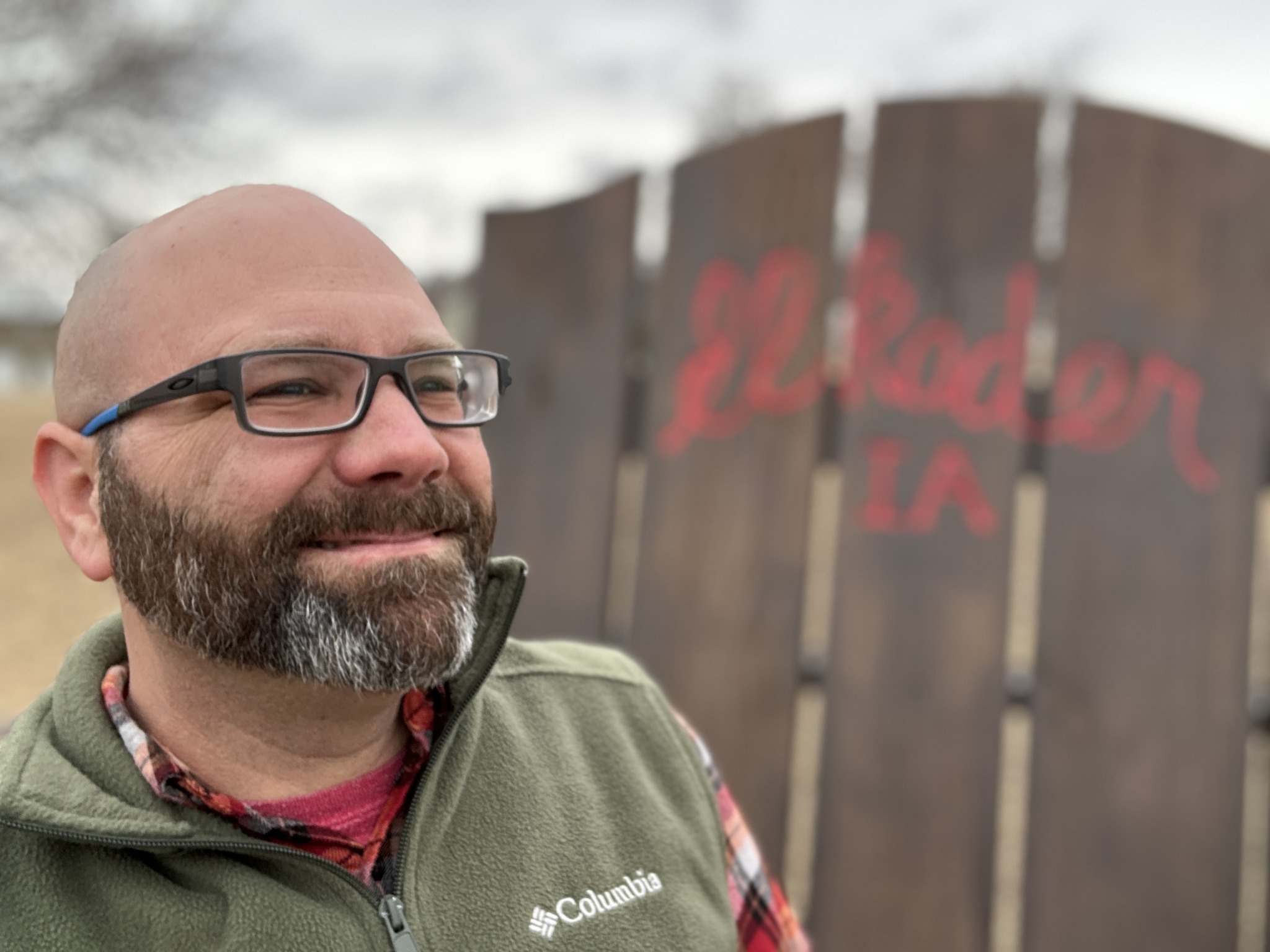
Hi Teeg, so excited to have you with us today. What can you tell us about your story?
Our legacy doesn’t start on the day we die, it’s created in how we live.
My life has been built on blessing.
There are ways that I could share my story to heighten the hardships because like all of us, my life has had it’s share.
But for the most part, my life story is a good one.
My Mom and Dad loved one another and they loved us. That’s a tremendous advantage.
We lived in a big old turn of the century home – it was built in 1901. It was in the historic district of an Iowa town that got absorbed into a city. We had a double lot which meant a big fenced in yard for playing, with apple trees and a swing set and neighbor kids nearby.
We had good schools and we had freedom and stability. We spent a lot of time outside; fishing was big. Bikes were big.
We ate dinner together every night.
Work ethic, creativity and individualism were the high values in our house. Art. Speaking up. Speaking out.
My parents were artists.
There were some sports, but also school plays. I was in a commercial short film. We got a camcorder and my buddies and I made movies.
But what shaped my story most was getting a radio show on our student radio station when I was 14 years old, and that led to an internship at WHO-Radio by age 16, and then a morning show through my last two years of High School, and then a college experience that involved launching the first all-digital student run radio station in America.
I was born into story.
And now, if you let me, I’ll help you tell yours.
That’s what I do: it’s what’s become of an Iowa boy who was born into story.
Alright, so let’s dig a little deeper into the story – has it been an easy path overall and if not, what were the challenges you’ve had to overcome?
Hard to believe that a little kid from Iowa with loving parents, freedom, stability, creative encouragement, and everything going for him could be ate up by stress, but I was.
I’d get these debilitating migraines.
Some of it might have been chemistry.
Some of it might have been the 5-pack a day secondhand smoke habit that I grew up with.
But most of it was the perfectionism that I guess I was born with.
My parents weren’t like: Tiger Mom or Screaming Bleacher Dad or something.
But for whatever reason, I was a little kid who expected perfection from myself and the people around me, which is a weird thing for a kid to expect.
Predictably, neither I nor anyone else ever measured up to my standards so I spent a lot of my time frustrated and stressed out.
One of the best things my parents ever did for me was getting me into a child psychologist. This was the 80’s when that sort of thing was more rare. But they were progressive in that way and man am I glad they did that for me, looking back as an adult.
At the time I was livid. Mortified. I can still remember feeling like it was the dirtiest secret. I cried for a day when they told me they’d made me the appointment.
But without that help, I don’t know what would have become of that kid.
I’m so grateful that they did that for me.
It’s a tale as old as time: the creative person who has some kind of trouble with anxiety and stress management or depression or whatever. The gift my parents gave me was helping me deal with it when I was young, but nurturing the creative spirit through that.
I’m a testimony to the fact that you can be creative and also be OK.
“Tortured” doesn’t have to be in the job description.
Thanks – so what else should our readers know about your work and what you’re currently focused on?
In my radio career I won some awards.
Later, in experiential marketing, same.
Then I was part of a team that did some award-winning work in designing experiential retail.
But the work I’m most proud of is what we are doing at Fascination Film Studio.
We may never win an Emmy or an Oscar but every film we produce is a treasure to the people we make the films for.
Our specialty is Heritage & Legacy film production.
These films tell the stories of the people & places who have shaped the world around us.
Have you ever seen a movie that really impacted you?
Imagine seeing a movie ABOUT you.
Imagine what that could mean: seeing your life framed up in that way.
It means a lot, every single time. People see themselves differently afterward.
It shapes their legacy.
That’s all the award I need, and it’s a big reward every time.
What has been the most important lesson you’ve learned along your journey?
I was standing in the big, bright, vibrant central hallway of our church.
We call it “Main Street,” and on Sunday mornings it’s alive with smiles and handshakes and coffee, noisy with the conversation of people connecting and reconnecting.
People stand around in pairs and small groups, nodding and laughing over stories, and once in a while, weeping over life’s pains meeting with care and comfort, back rubs and hugs. Kids dash around like happy little dogs, gleefully playing with their friends, dodging the legs of grownups. There is coming and going and all kinds of happy traffic. It’s love-filled air.
My friend Dixie walked up.
She has 30 years more experience being alive than I do.
“I heard what you’ve been doing,” she said. “Making these movies about people. I wish … so much … that we had done this for my mom, before she was gone. She had the most amazing story.”
I looked at Dixie, who is a sparkling lady whose career years are behind her.
“Dixie,” I said, “It’s not too late to tell your story.”
“Oh NO! Me!? Not ME!” She put her open hand on her chest and acted like I’d just proposed that we hop outside for a little skydiving real quick.
With a garbage bag for a parachute.
This is the lesson.
We always think someone else’s life is story is worth telling, but not ours.
It’s because we can’t see the picture of our own life when we’re inside the frame.
We can’t see our own face.
But everyone else can.
Behind every door is a fascinating story.
Most people just aren’t that good at telling their own.
With help from someone else, you can suss out a story worth telling.
And it’s worth telling the story, and it’s worth it for the people who mean the most to you.
Dixie’s mom probably didn’t think her story was very special.
But Dixie did.
Dixie didn’t think her story was special at all.
But her kids do.
And her story is theirs to lose.
Or to save.
And saving the story: that’s how you shape legacy.
We don’t think about it much. We don’t think about it enough.
But one key to making our ceiling the floor for those who come after us, is living a life worth writing about, and then telling that story in a way that our kids and grandkids can lay hold of.
It’s not automatic. Nobody teaches us how to do this.
Which is why I’ve started to.
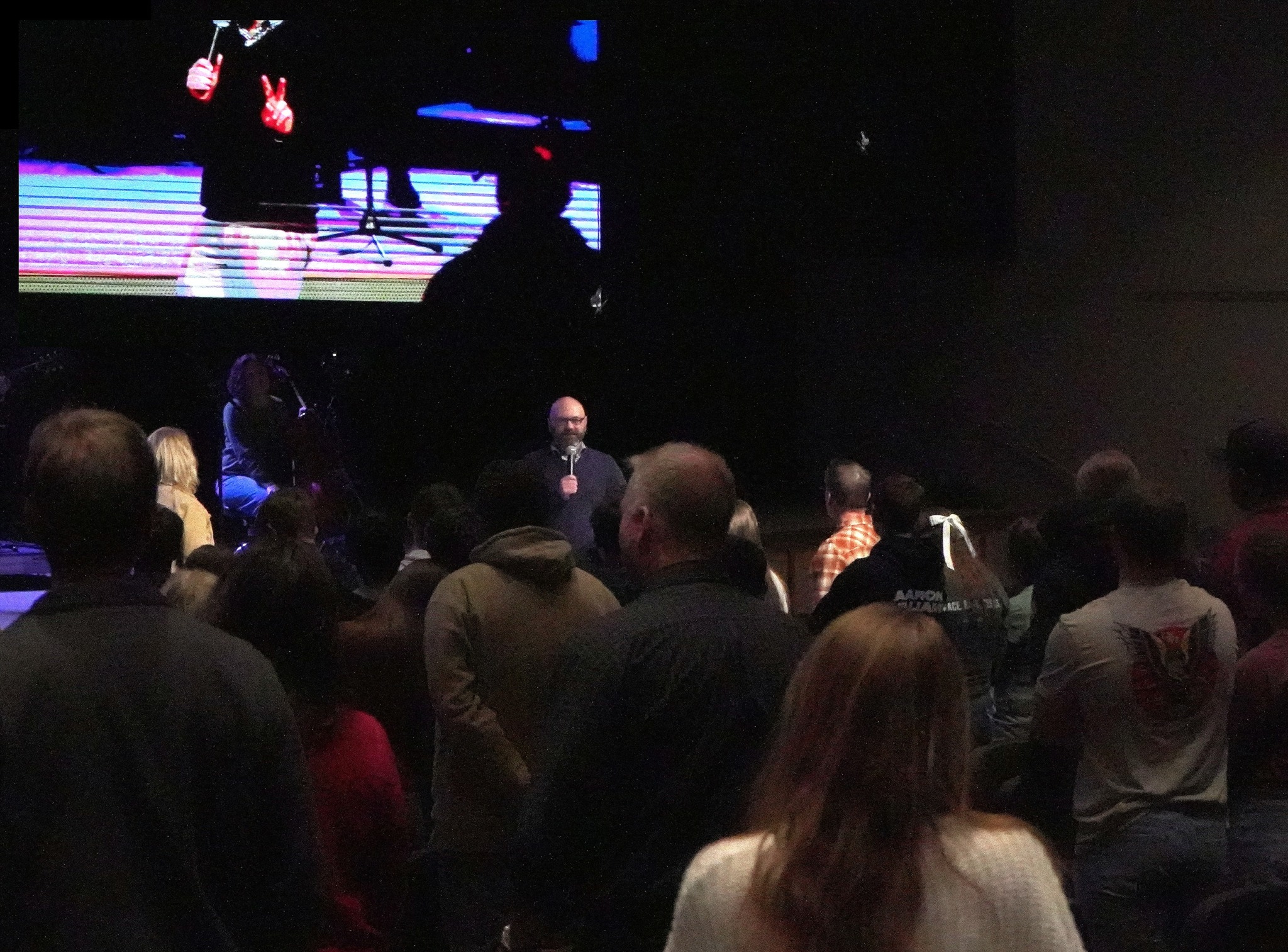
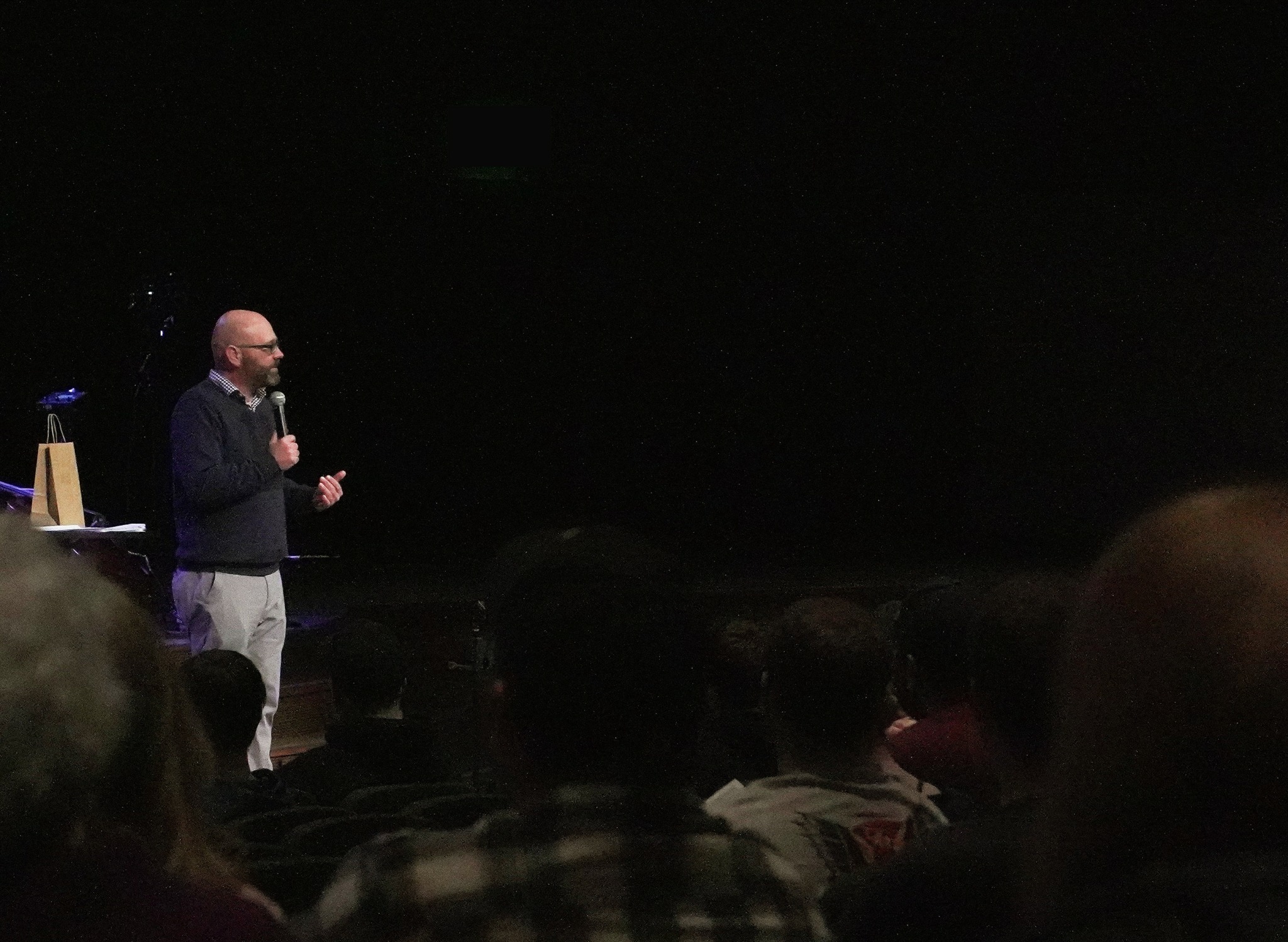
I speak to groups of all sizes about how to do it.
I write about it.
I do workshops.
And of course, I make films.
Because I want to make the lessons I have learned (and continue to learn) yours, too.
Contact Info:
- Website: https://www.fascinationfilms.com/
- Instagram: https://www.instagram.com/fascination.film.studio/
- Facebook: https://www.facebook.com/FascinationFilms/
- LinkedIn: https://www.linkedin.com/company/fascination-film-studio/
- Youtube: https://www.youtube.com/@FascinationFilmCo