


Today we’d like to introduce you to John Copenhaver
Hi John, so excited to have you on the platform. So before we get into questions about your work-life, maybe you can bring our readers up to speed on your story and how you got to where you are today?
My compulsion to tell stories pre-dates my seeing myself as a writer. When I was eight or nine, I began drawing comic books. Eventually, I got into D&D and loved being a dungeon master, making up the adventures. I didn’t like the pre-fad adventures at all. I also began writing screenplays for my friends and directing them in these crazy murder mystery stories. At some point in high school, I realized that all this added up to was telling stories, and the most efficient way to tell stories was to write fiction.
At that point, I caught the writing bug. I took every creative writing class I could in my undergrad program at Davidson College, eventually earning my MA in literature at Middlebury and my MFA at George Mason University. However, I eschewed “popular fiction” for a while because it was considered low-brow, especially in my MFA program. I shook off that pretension and returned to crime fiction but with the desire to develop layered and complex characters, which was a focus of my formal education in creative writing; my aim, then, was to tell gripping stories with multifaceted characters. I wrote my first novel teaching full-time English at an independent day school outside Washington DC, found my talented agent, Annie Bomke, and after a lot of rejection, published my first novel, Dodging and Burning, with Pegasus. That journey took ten years. The watchword for a career in writing is perseverance.
Can you talk to us a bit about the challenges and lessons you’ve learned along the way. Looking back would you say it’s been easy or smooth in retrospect?
I don’t know many writers who have a smooth road to publishing or in publishing. It’s a difficult business, and most writers, at least at first, need another means of making money, such as teaching or editing. Selling my first novel was a challenge. It’s a historical mystery about a gay WWII photographer and the photo he takes of a crime scene, about which he tells a story that, well, has a few holes in it. It’s as much a twisty mystery as it is a character study and exploration of PTSD and being a gay man in a homophobic culture. When trying to sell it, editors rejected it, saying some version of the following: “This is too genre for us” or “This is too literary for us.” But I read between the lines: What they were actually saying was: “This is too gay for us.” Things have changed now—*are* changing. But I was up against an idea in publishing that only LGBTQ+ readers want to read about LGBTQ+ characters. Therefore, the market for such books—even books like Dodging and Burning, which is told through the perspective of straight women about a gay man—was slim. My new novel, Hall of Mirrors, which is more overtly queer and told through only queer point-of-view characters, has been covered by the New York Times, LA Times, Today Show, Oprah, People, etc. Publishers need to 1) realize good storytelling is good storytelling and 2) help guide readers to these books, urge them to understand that there’s a lot to learn and enjoy by reading about queer lives. Our stories are for everyone.
Thanks for sharing that. So, maybe next you can tell us a bit more about your work?
I write historical mysteries set in the post-WWII era about gay and lesbian men and women navigating this socially conservative, paranoid, and oppressive period in history. I’m writing a trilogy that begins with The Savage Kind (2021) and continues with my latest Hall of Mirrors (2024) and will continue into a third book, tentatively titled Goddess of Love (WIP). As I was writing The Savage Kind, I knew I had more to say about Judy and Philippa, my central characters, and wanted to trace their development from teenagers to young women to finally grown women during a challenging time to be an independent-minded woman, especially if your queer and, Judy’s case, mixed race. During the McCarthy Era, the government-sanctioned discrimination against Blacks and queer people, from overt political figures grasping for power like McCarthy to the FBI, led by J. Edgar Hoover, shaped a lot of the attitudes of the time, many of which still lingers with us today, so it struck me as the perfect backdrop to explore questions of identity through a mystery plot that remains domestic but is interwoven with some dark corners of the government.
How can people work with you, collaborate with you or support you?
You can always contact me through my website, www.johncopenhaver.com, or find me on social media. I’m most active on Instagram (@johncope74). I’m also Facebook, Bluesky, and Threads. You can find my “(Not So) Daily Sentence” videos on TikTok where I share thoughts about amazing sentences from some of my favorite books. If you want to follow me more closely, sign up for my newsletter through my website or find the link through all my social media channels.
Contact Info:
- Website: https://www.johncopenhaver.com
- Instagram: @johncope74
- Facebook: @johncopenhaverauthor
- Twitter: @johncopenhaver
- Other: TikTok: @johncope74
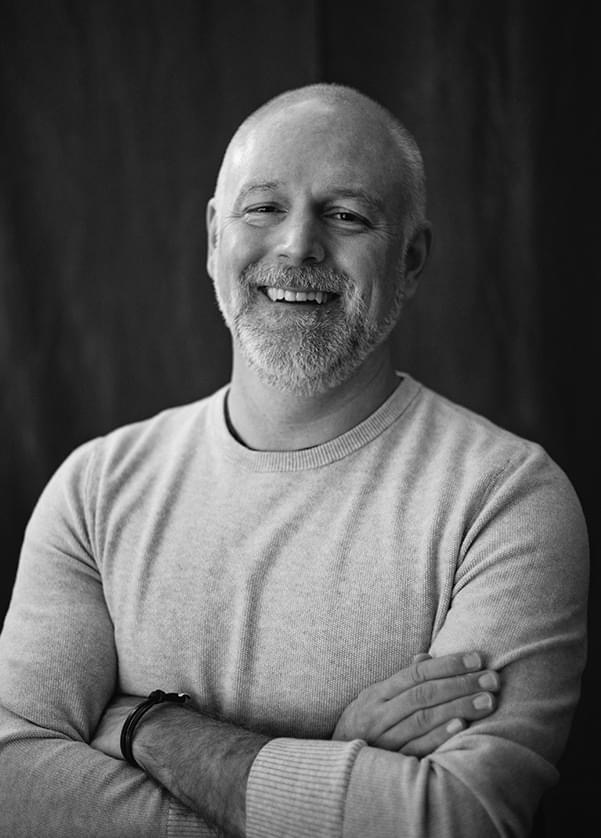
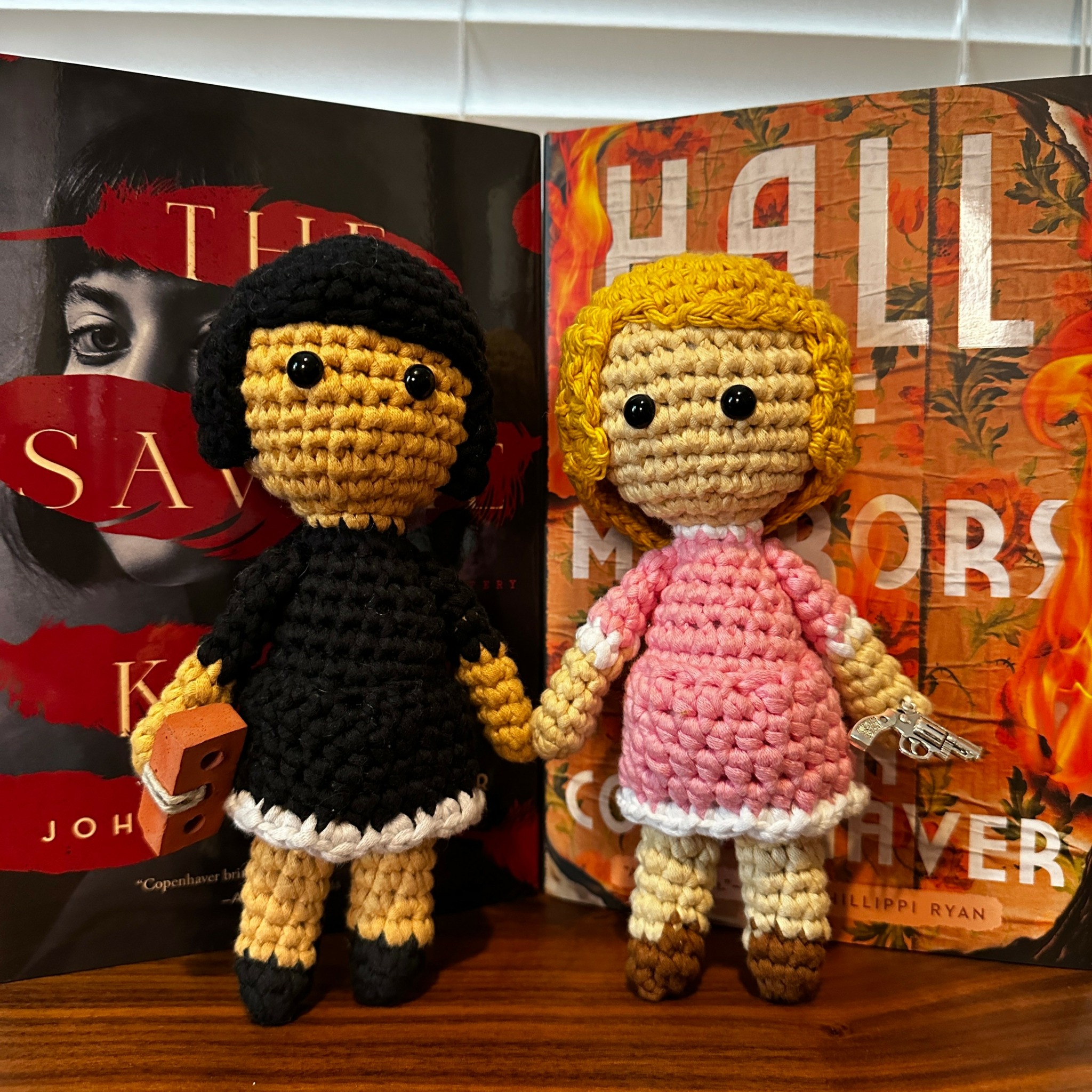
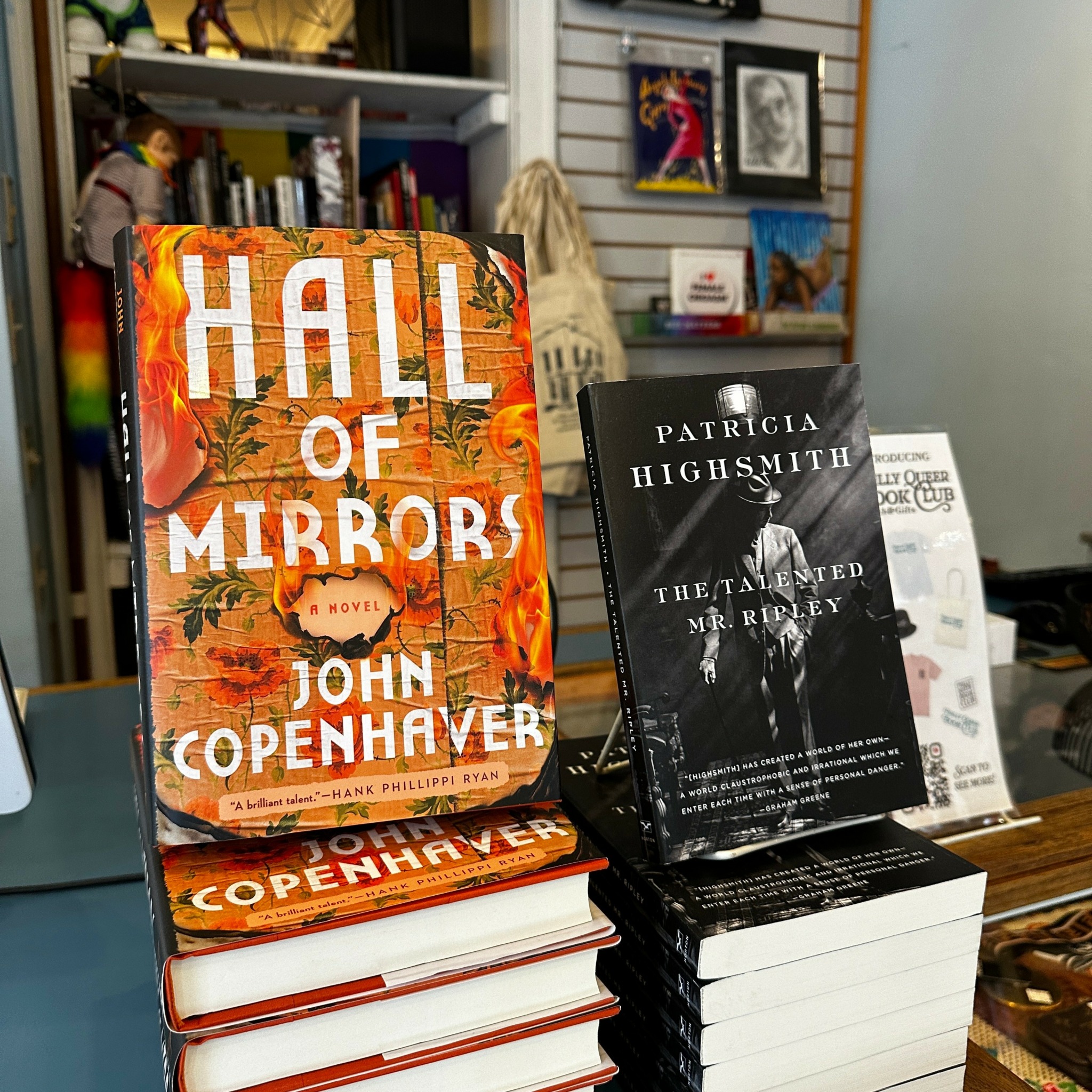
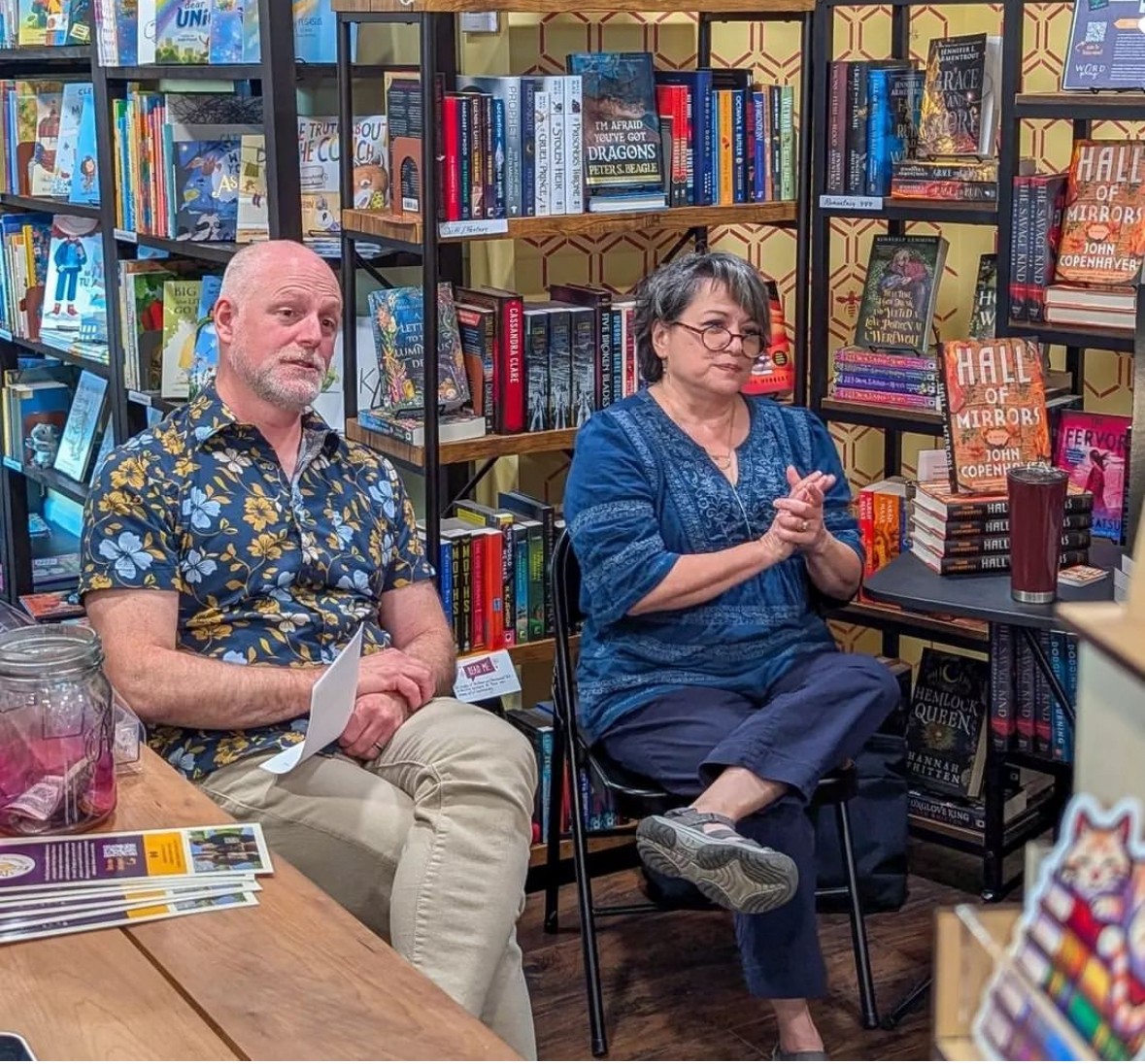
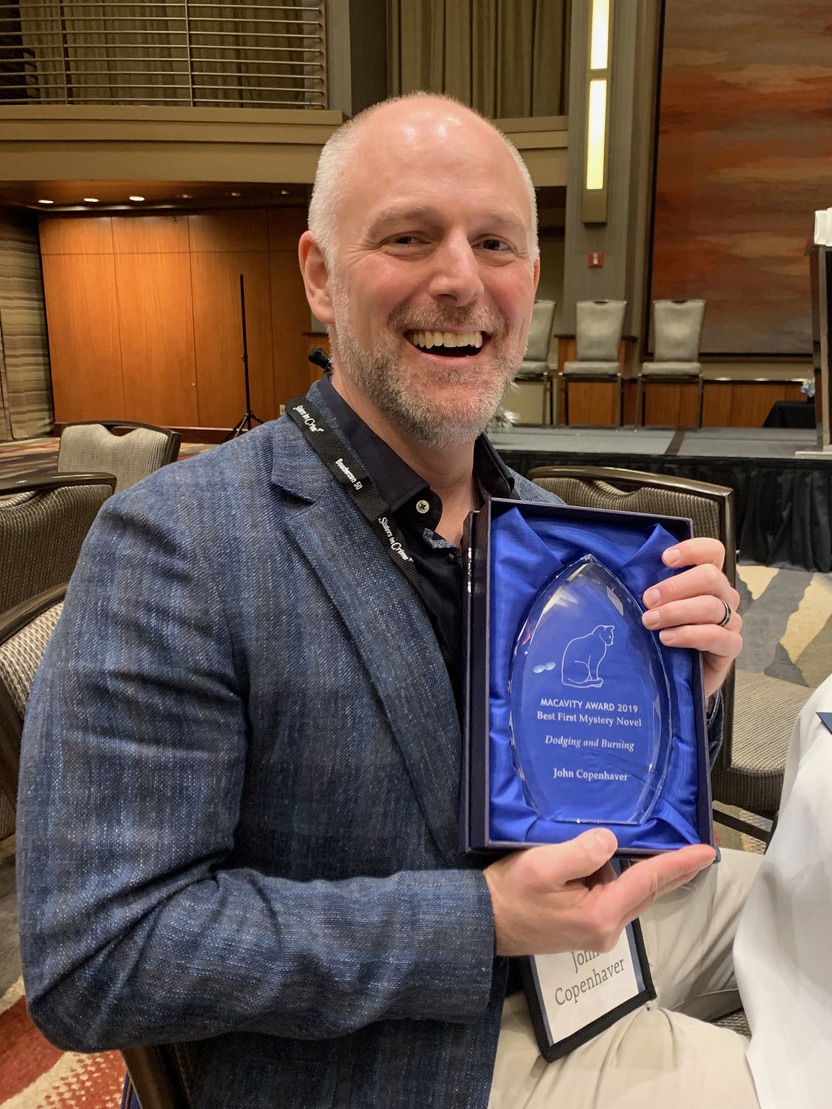
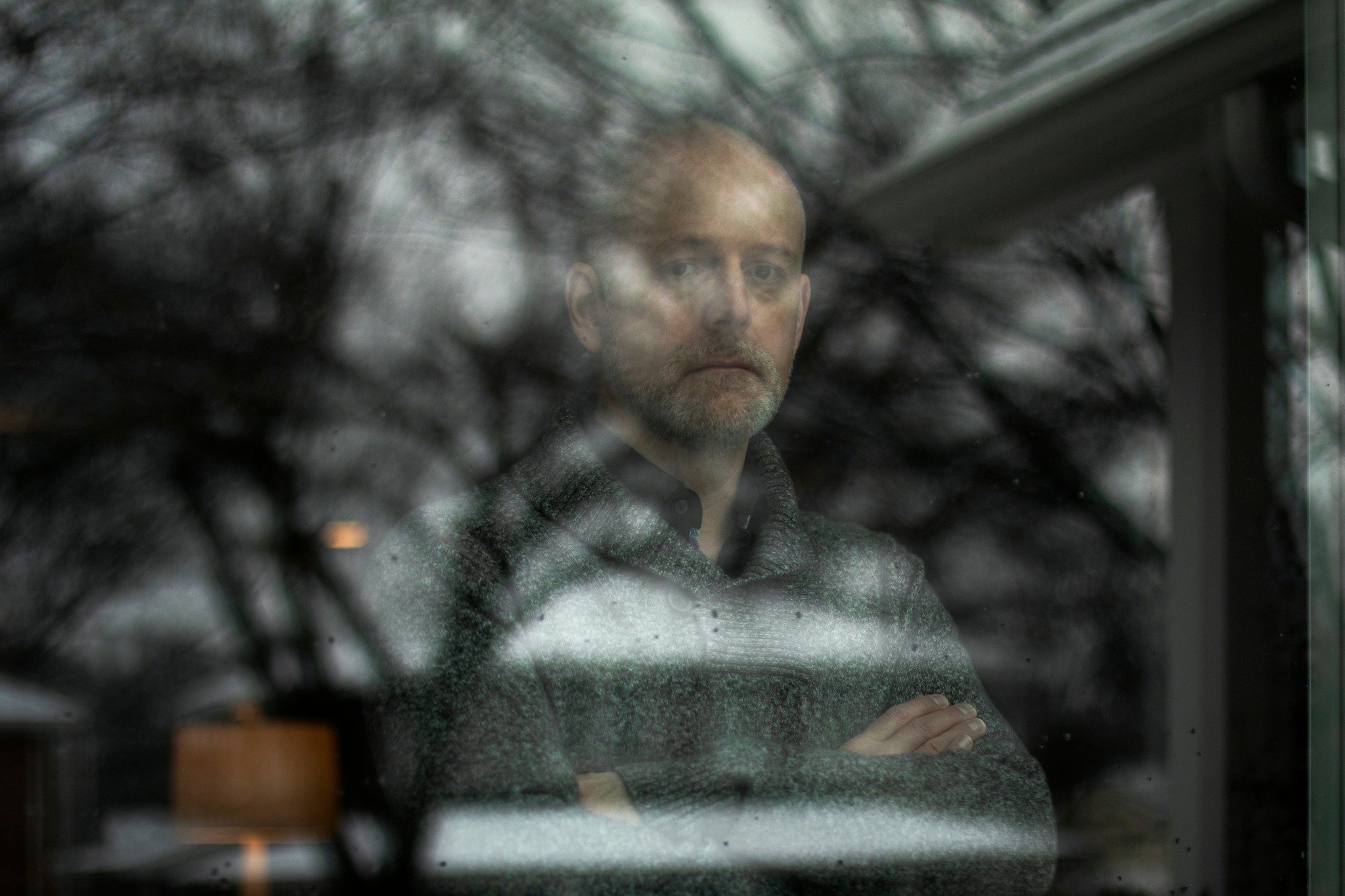
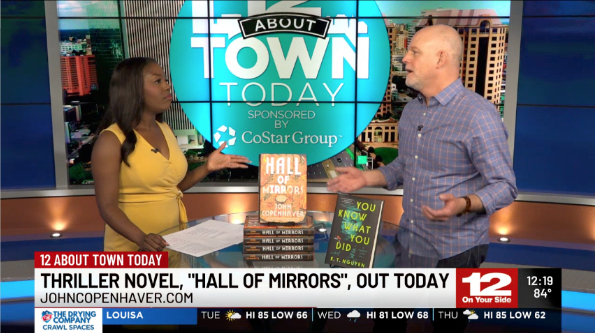
Image Credits
Nic Persinger (Photo credit for both b&w portraits and the photo of moody me behind the window.)
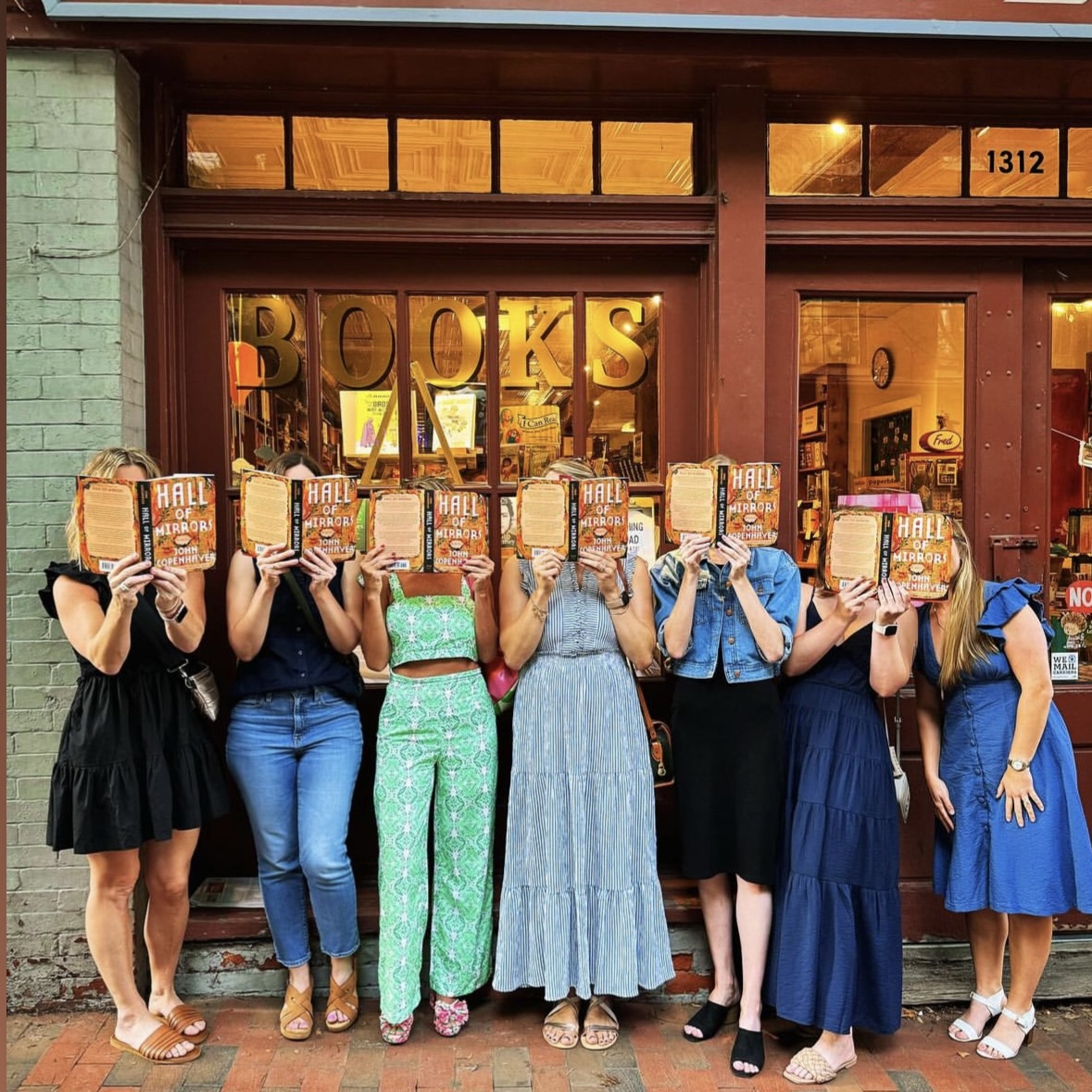
April Palmer (Photo credit for readers with books in front of their face)