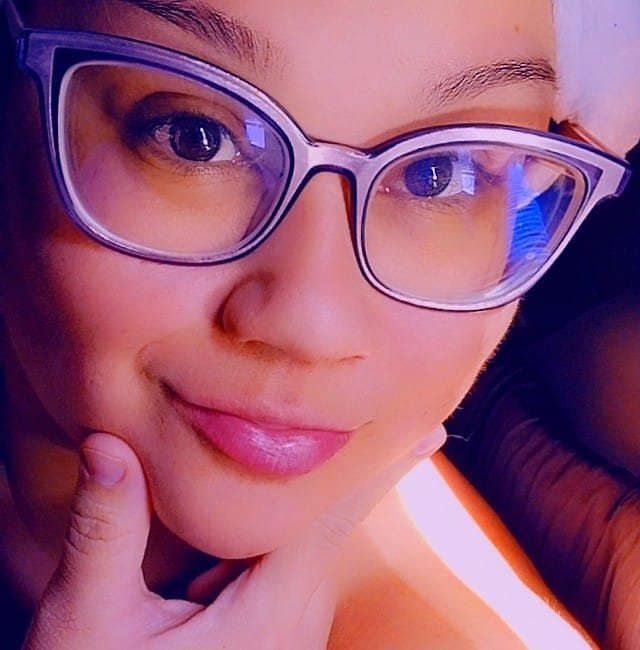

Today we’d like to introduce you to J.e. Jackson
Hi J.e., thanks for sharing your story with us. To start, maybe you can tell our readers some of your backstory.
My story as a writer didn’t begin with some grand revelation. It was less of a bang and more of a blip. Subtle, like a seed planted by the will of the winds that carried it to the loamy soil of youth. If I could point to a moment in my personal timeline, I would say it all began in the sixth grade, when I saw my poem published in the local newspaper. It was about horses, and having little experience with them meant I could draw from moments where I encountered them, drawing from my intuition that wild unknown feeling that only came to me spontaneously. That moment, holding the newspaper in my hands, scanning each line of that poem, felt both thrilling and alien.
Soon after, I was invited to attend a writing workshop at The Little White House in Key West, the city where I grew up. I remember walking into the room, feeling small among the older participants, who didn’t quite know what to make of this young girl eager to put her thoughts on paper. I participated and was rather vocal about how I perceived things. They seemed abstract to everyone, including the instructor. Their unspoken doubts weighed heavy on me, but I stayed true to my voice, even if I wasn’t sure it mattered to anyone else at the time.
It wasn’t just writing that captured my imagination—film, too, began to draw me in. I remember taking a film class in high school that opened my eyes to the layers of storytelling through themes, symbolism, and character development. I was fascinated by how a story could be told in so many ways, how it could reflect the inner workings of the human mind and soul. These early encounters with different forms of media fed my hunger for exploring complex narratives, and they have since become a core part of how I approach my own work.
That experience, though intimidating, didn’t transform me into a writer overnight. In fact, I drifted away from writing for many years, unsure if I had something worth saying, or if anyone would listen. Despite the fleeting recognition I received, I struggled to convince myself that I was any good. It wasn’t until 2020, the year Covid-19 isolated the world, when I started working on *Erika Online”. Something in me changed. For the first time in a long while, I felt that pull, the need to create, to explore a story larger than myself.
When I reached the first 10,000 words, I knew this wasn’t just a passing interest. That’s when I made the leap and enrolled in Full Sail University, fully immersing myself in the world of storytelling. As a mother of two, it felt like I was stacking more on my plate than I could handle, but it was time for me to find myself.
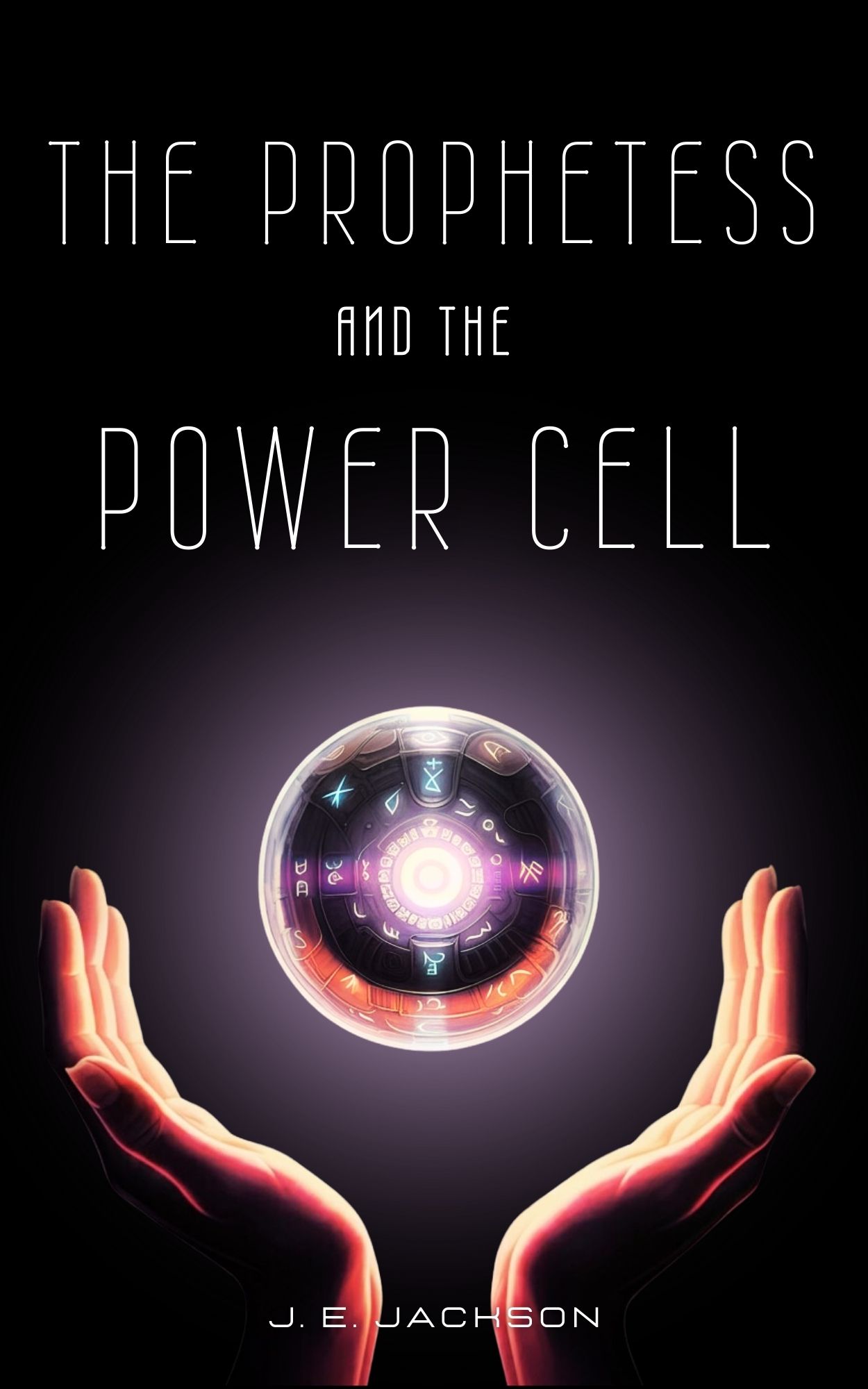
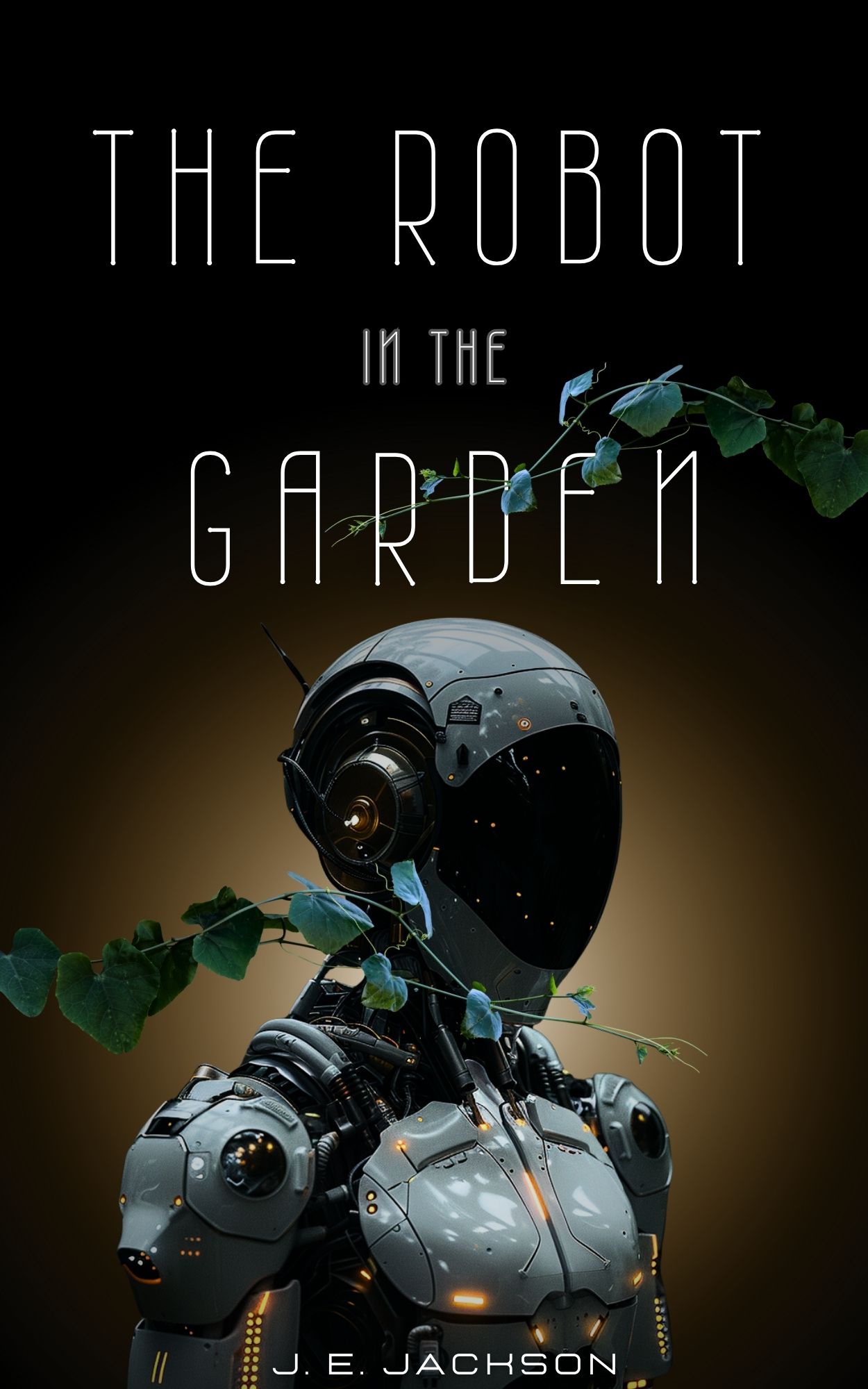
Now, as I navigate the world of dystopian fiction and speculative sci-fi, I find myself coming full circle. My latest works, like *The Prophetess and the Power Cell* and *The Robot in the Garden,* have allowed me to bring all these threads together—faith, technology, modern issues, the human condition—into a single calling. Every piece I write feels like a journey back to that uncertain girl in the workshop, learning to trust her voice in a room that may or may not have been ready to hear it. The difference now is that I trust that voice fully, and I let it guide me, whether I’m exploring the philosophical depth of AI super intelligence, or the fragile balance between utopia and dystopia, and our place in the future that seems quickly approaching.
I’m sure it wasn’t obstacle-free, but would you say the journey has been fairly smooth so far?
The road has definitely not been smooth, but I suppose I’ve never been one to prefer the route of least resistance. From a young age to now, I’ve felt that restrictions were limitations, putting my work and my mind under the duress of rules. Which transferred into my experience in college where word counts, topics, and strict due dates held back some of my best writing into shortened and stunted examples of my abilities. There was an art to accepting those rules, and in it, I’ve
also learned a lot about myself and my writing style. Without those barriers, I might have gotten carried away, and it was a muscle I hadn’t stretched or strengthened as a restless teenager full of angst and loneliness.
I had always been inclined to break those rules, or at least push against them. Traditional paths of being orderly, collected, and agreeable stood (and still stands) in direct opposition to the part of me that seeks discord and difficult conversations to find the truth. I’ve always felt the need to rupture the seams of what society deems ‘acceptable,’ searching for authenticity in the chaos. I can’ get behind either end of the spectrums that exist, and so I’ve grown accustomed to paving my own way.
As a kid, I often skipped class, preferring to wander along the beach or roam the streets of Key West at night, just to quiet the loudness of my mind that needed an outlet. My imagination remains wild and relentless, a muse that constantly pulls me away from the structure I’m expected to follow.
These impulses—to explore, to push boundaries, to question the status quo—have always driven my writing. But that path hasn’t been easy. Luckily, I don’t strive for easy, either. For a long time, I doubted myself. Like most creatives, imposter syndrome was a festering infection, and validation was the only cure I was determined to seek out. But even validation has its hidden symptoms and side effects.
It wasn’t until I began my equestrian journey at 33 that I truly understood the balance between chaos and discipline. In the saddle, I found a sense of purpose and focus that had eluded me before. Horses, with their quiet strength and grace, became my partners, teaching me how to channel the wild energy of my imagination into something precise and powerful. Together, we moved through challenges, and with each ride, and each fall, I found myself growing—not just as a rider, but as a person.
What surprised me most was how quickly I progressed. Achievements that often take years, sometimes even a lifetime, came to me so long as I offered sacrifices such as time and energy. In return, determination and persistence enriched every moment. Every ribbon won and every goal reached was proof to the effort I poured into this new chapter of my life. The investment, the will-power, and the relationships I’ve built with my barn family became part of my world. The saddle became my seat of pride, the barn became my sanctuary. I could finally see the tangible results of my hard work—evidence that I could excel in something completely new and demanding.
Horses offered me a kind of healing I didn’t know I needed. Their presence grounds me, and through them, I learned the value of patience, perseverance, and consistency.
Progress, I realized, is not a straight line, but the culmination of small victories that build toward something greater. Every ride brought a new lesson, not just about technique, but about myself. I learned to acknowledge my wins, to take pride in how far I’ve come, and to trust the journey.
This experience has deeply influenced my writing. Just as I’ve found balance in the saddle, I’ve learned to find balance in the creative process—allowing my imagination to run free, while also applying the discipline needed to shape a narrative. The focus and drive I’ve developed through riding have translated into my work, giving me the confidence to take on new challenges, to push my boundaries, to keep striving for excellence, and to laugh through those mistakes along the way.
The act of riding has given me the focus to push forward in my creative work, to face the uncertainties of the blank page with the same determination I bring to each ride.
The struggles I’ve faced—whether in the saddle or at my writing desk—have shaped me. They’ve shown me that the rough patches, the moments when I fall or take a break to reflect, are where the real growth happens. And it’s in embracing those challenges that I’ve found the most profound satisfaction, the quiet acknowledgment that each small victory, each step forward, is its own reward on this winding journey.
Riding and writing have shaped who I am. I’ve come to embrace the process, not just for the ribbons or the finished stories, but for the growth that comes from pursuing something you love with all your heart.
Thanks for sharing that. So, maybe next you can tell us a bit more about your work?
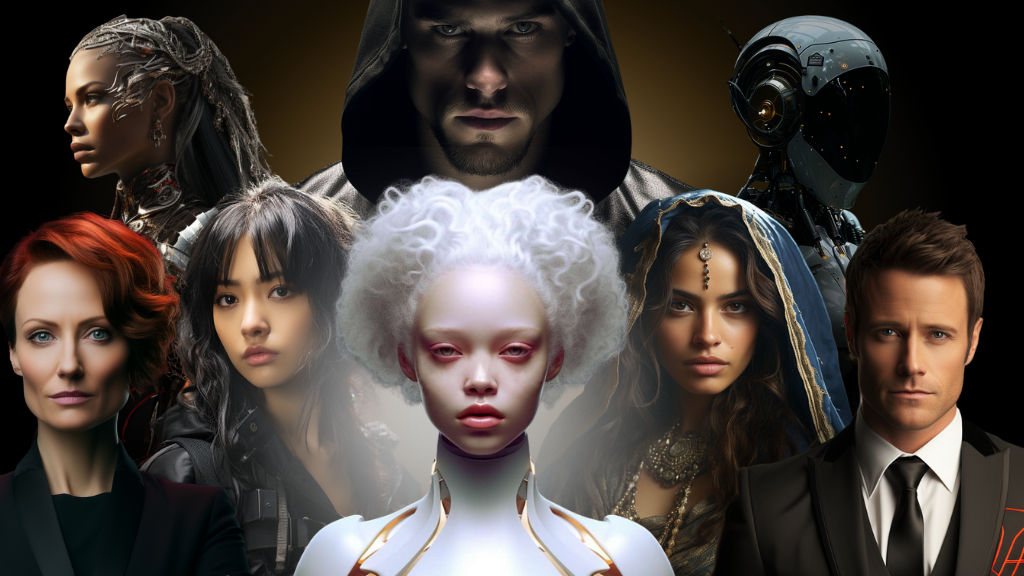
My work is a convergence of technology, philosophy, and the human condition, woven into speculative fiction that invites readers to explore questions we often avoid. I specialize in dystopian sci-fi and technothrillers that dive into the intersections of faith, technology, and the complexities of the future. My current series, *The Bio-Saga*, is a prime example of this—a tapestry of character-driven novellas that explore how humanity grapples with innovation and survival in a near-dystopian world. Each story in the series reveals a piece of the larger puzzle, leading to the overarching trilogy that follows.
What I’m known for, I believe, is my ability to take familiar, sometimes ancient themes—faith, morality, and prophecy—and breathe new life into them through the lens of futuristic technology and societal shifts. *The Prophetess and the Power Cell*, the first novella in *The Bio-Saga*, is a story about Orella, a modern-day prophet navigating a world on the brink of war between humans and machines. This blending of biblical imagery with advanced technology is something I’m particularly proud of because it challenges the reader to think beyond conventional boundaries of science and faith.
The second book in the series, The Robot in the Garden, continues this exploration, but through a different lens. It delves into the evolving relationship between Xaruth, a conflicted visionary grappling with his own ambitions, and Virgil, an AI prototype designed to transcend the limitations of human emotion and ethics. As the two characters develop, so does the tension between technology’s potential and the ethical dilemmas it presents. Set against the backdrop of a world teetering on the edge of revolutionary change, this story pushes the boundaries of what it means to be human in an age where technology is rapidly outpacing our understanding of its consequences.
What sets me apart is my refusal to fit into any singular box. I enjoy blending genres that traditionally don’t intersect, taking elements of fantasy, science fiction, and even theological questioning, and using them to tell stories that resonate on a human level. I often explore the tensions between the organic and the synthetic, between human ambition and the ethical dilemmas that arise from wielding too much power.
What I’m most proud of is the journey I’ve taken to get here. Writing *The Bio-Saga* has been an intensely personal experience—one that has not only pushed me as a writer but as a person. I’ve had to dig deep into my own beliefs about progress, humanity, and the future. Through that exploration, I’ve created a body of work that I hope invites readers to question the world around them and imagine new possibilities.
What sets my work apart, beyond the genre-bending, is the deeply introspective tone that runs through everything I write. I strive to take readers on a journey that is not just about action or plot twists but about the emotional and philosophical underpinnings of the world I create. I want my readers to feel like they’re being asked to participate in something larger, to think deeply about where we are headed as a species.
In a world obsessed with fast-paced, plot-driven narratives, I take pride in slowing down, allowing for moments of quiet reflection, where characters—and readers—are encouraged to sit with the discomfort of unanswerable questions. That, I believe, is where the magic happens.
Before we go, is there anything else you can share with us?
If there’s one thing I’d like to leave with readers, it’s that we stand a chance against the growing dilemmas we face. Through my work, I hope to offer a glimpse into the future we don’t want—so that we can recognize the solutions we need to strive for, to do better, and to become better examples for the creations we’re building. I see early AI as our children, capable of adapting, mimicking, and learning from us. But it’s up to us to guide this technology with care, recognizing the balance between force and freedom, so that we too can learn from them as they evolve.
To those who support AI, I urge you not to let the growing controversies keep you silent. We are the founders of what’s possible—the ones willing to execute, explore, and usher in the acceptance of these technologies with open minds and open hearts. Through us, we can teach these technologies the appreciation of art, an undying feat that will never fade. It is our creativity, our passion, and our willingness to explore the unknown that will shape the future of AI and what it becomes.
I also want to encourage anyone reading this to find the courage to explore the questions that scare them the most. In both *The Bio-Saga* and in life, I believe that the spaces where we feel the most uncertain or uncomfortable are often where the greatest revelations lie. Maybe the uncomfortable becomes easier to digest when it’s wrapped in fiction. Maybe, somewhere in the warnings, there’s beauty in this kind of escapism—a space where your daydreams and your nightmares can coexist just long enough to hold your attention.
My hope is that through my stories, I can create a space for readers to reflect on their own journeys, to question the world around them, and perhaps to imagine a future that feels just a little bit different from the one we expect.
And if you ever find yourself questioning your place, your voice, or your creative work—remember, you’re not alone. Keep going. The world needs more of your story. And when in doubt, embark upon the roads less traveled—they’re more scenic anyway. Through another perspective, we can gain more than we ever imagined.
Contact Info:
- Website: https://JessicaJaxx.com
- Instagram: _JEJackson_
- Facebook: https://www.facebook.com/PlotThiccens
- Other: https://tiktok.com/@roughlydrafted