



Today we’d like to introduce you to Clementine Zenner
Hi Clementine, we’d love for you to start by introducing yourself.
When I made the decision to leave behind the familiar comforts of California and start a new chapter of life in Boise, Idaho over six years ago, it represented a profound shift and turning point. This dramatic life change allowed me to pursue my artistic pursuits in new and exciting ways. Immersing myself in the Graduate program for Studio Arts enabled me to hone my skills and artistic vision, developing my sculpture and ceramic practice and honed my skills as a multi-disciplinary creator. Putting my degree to work, I then stepped into a fulfilling role teaching sculpture and foundations at a local college, sharing what I learned to hopefully inspire the next generation of artists.
Now, as I reach a pivotal midpoint in my life’s journey, I find myself eager to take the next steps in my evolution. Driven by a desire to utilize art as a powerful healing modality, I am determined to become a full-time studio artist and healing arts facilitator. This transition reflects a deepening of creative purpose – not just to make art for its own sake, but to wield it as a transformative tool that can help and heal others. The isolating effects of the COVID-19 pandemic have only strengthened this conviction, showing me the vital importance of play, wonder, and unbridled self-expression to the creative process and to healing trauma.
Embracing this ethos, I am now poised to explore new frontiers in my work, daring to experiment with innovative techniques like copper forming and crystal growth integrated into my sculptures. This allows the inquisitive scientist within me to flourish alongside the seasoned artist, fueling fresh discoveries and a boundless sense of creative possibility. As I navigate this next chapter, I am driven to create art that uplifts, inspires, and heals – my hope being to leave an indelible mark on all those who encounter my work and who I encounter along the way.
Alright, so let’s dig a little deeper into the story – has it been an easy path overall and if not, what were the challenges you’ve had to overcome?
I would say it has been a challenging road full of potholes, dangerous curves but many possibilities. Coming out of graduate school, it can be quite a challenge to find your community in which you fit. Being an artist can still feel lonely especially when you are delving into a non traditional path and away from academia. What they tell you in graduate school is to make work that is highbrow and appealing to critics but not really how to market yourself or sell your own work. I thought for a long time that my only option was to be an adjunct and work my way up to a tenured professor. I did teach sculpture and foundations at a community college for two years but I found that the environment apart from my students and seeing them thrive was alienating. It was mostly data driven and money focused and I came out of that environment wanting to reach and inspire students but not in a data driven and money making venture.
The journey from graduate school into the world of being a professional artist can certainly be a challenging one, fraught with obstacles and uncertainty. It’s a road filled with potholes and dangerous curves, but also rife with exciting possibilities. Upon completing ones graduate studies, finding a true sense of community and belonging can feel elusive. The life of an artist, especially one pursuing a less traditional path outside of academia, can often be a lonely endeavor. The advice given in graduate school tends to emphasize creating work that is intellectually elevated and appealing to critics, but provides little guidance on how to effectively market and sell one’s own creations. For a long time, the presumed default trajectory was to become an adjunct professor, slowly working one’s way up to a tenured position. This was the path that I initially followed, teaching sculpture and foundations at a community college for two years. However, I found that while connecting with and inspiring my students was immensely rewarding, the overall environment felt increasingly alienating – overly focused on data, metrics, and revenue generation rather than fostering a true passion for the arts. This experience left me disillusioned, craving a way to reach and uplift students that wasn’t so rigidly beholden to quantitative measures and financial concerns. The road ahead may be full of potholes and hairpin turns, but it also brims with untapped potential for those willing to forge their own unique artistic journey, unbounded by the constraints of traditional academia.
Thanks – so what else should our readers know about your work and what you’re currently focused on?
As a ceramic sculptural artist, I employ materials that emulate the work of re-membering in order to repair signifiers and moments in time. Themes emerging from my work and mirroring ceramic constructions speak of ephemerality, disintegration, and impermanence. My art practice is intuitively driven and inspired by my observance of nature and its fragile ecosystem, the cycles found within, and by my fascination with documenting the processes of deterioration. This practice lends itself to my own archeological process fired in clay slip or hand built with stoneware. Each iteration is created for its ability to conceptualize decay or arrested disintegration. Organic matter as well as my collections are hand built or covered with layers of porcelain slip. In the firing, only a transformed carapace is left to articulate absence. Unforseen interactions of the clay body and the organic material emerging from the kiln is akin to an alchemical and transformational process for me.
Where do you see things going in the next 5-10 years?
The challenges that women face in establishing themselves as respected artists within a male-dominated industry are undeniable and deeply rooted. For centuries, the art world has been shaped by patriarchal structures that have systematically marginalized and overlooked the contributions of female artists. Breaking through this centuries-old bias is akin to steering a massive, slow-turning ship – a painstaking and gradual process that requires immense perseverance and determination. Yet, despite these formidable obstacles, there have been countless inspiring female artists, both historical and contemporary, who have paved the way and continue to inspire others to keep forging ahead. From the Old Masters like Artemisia Gentileschi and Judith Leyster, who fought tirelessly to have their talents recognized in their own time, to the modern trailblazers and my heroes, Yayoi Kusama, Judy Chicago, Kiki Smith, Louise Borgeois and the many talented women within my own personal and professional circles, these artists serve as beacons of hope and resilience. Their stories of overcoming adversity, challenging the status quo, and leaving an indelible mark on the art world are a testament to the power of the female voice and vision. While the journey towards true equality and representation in the arts may be long and arduous, the sheer determination and brilliance of these artists provide the motivation to keep pushing forward, to keep raising one’s voice, and to keep carving out a space for women to thrive as respected, celebrated creators. I would say the outlook is looking up.
Contact Info:
- Website: https://clementinezennerart.com
- Instagram: clementine_zen_clay
- Facebook: Clementine Zenner
- Youtube: Boise Art Scene Striving to Preserve the Ephemeral: An Interview with Clementine Zenner
- Other: [email protected]
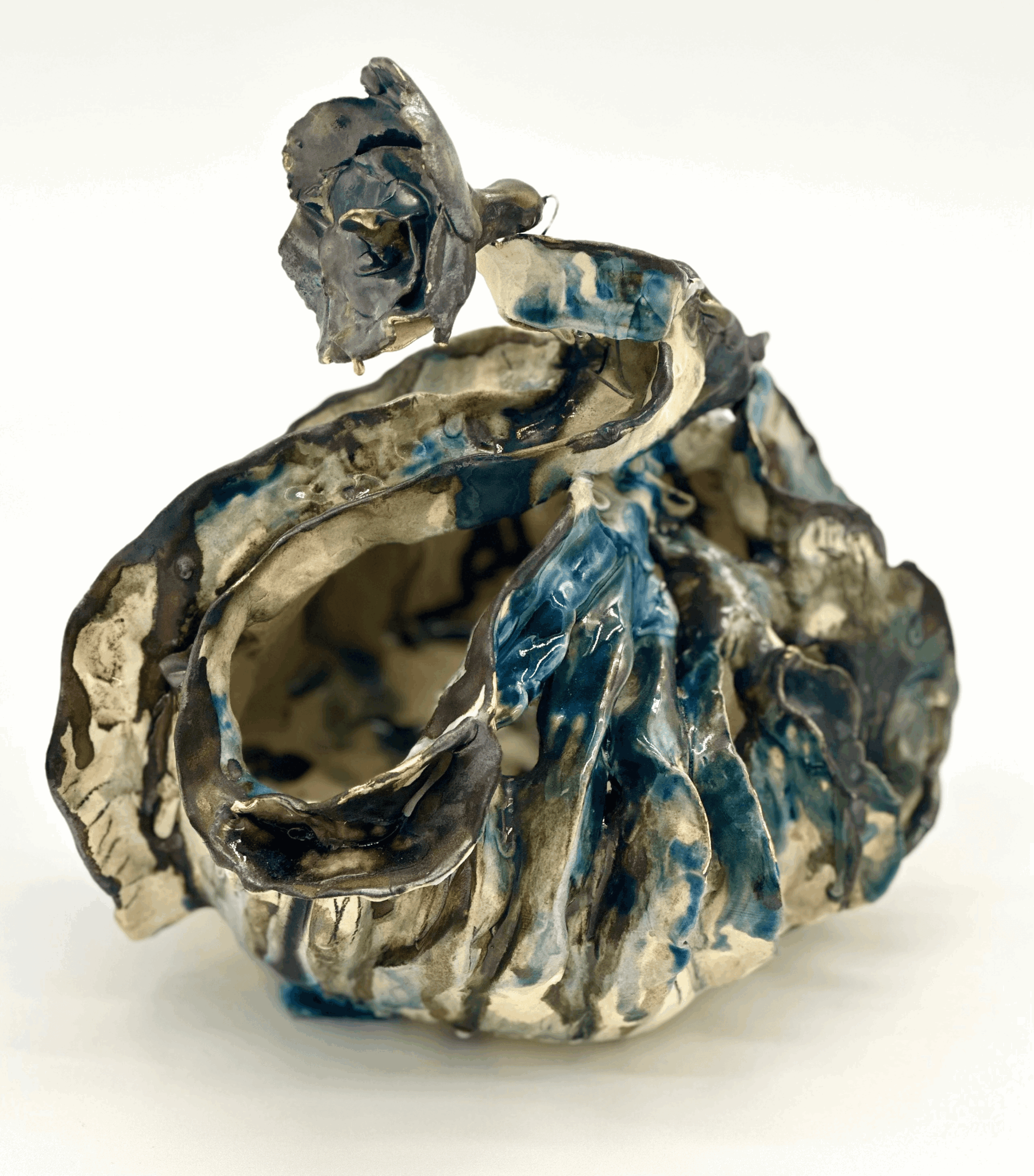
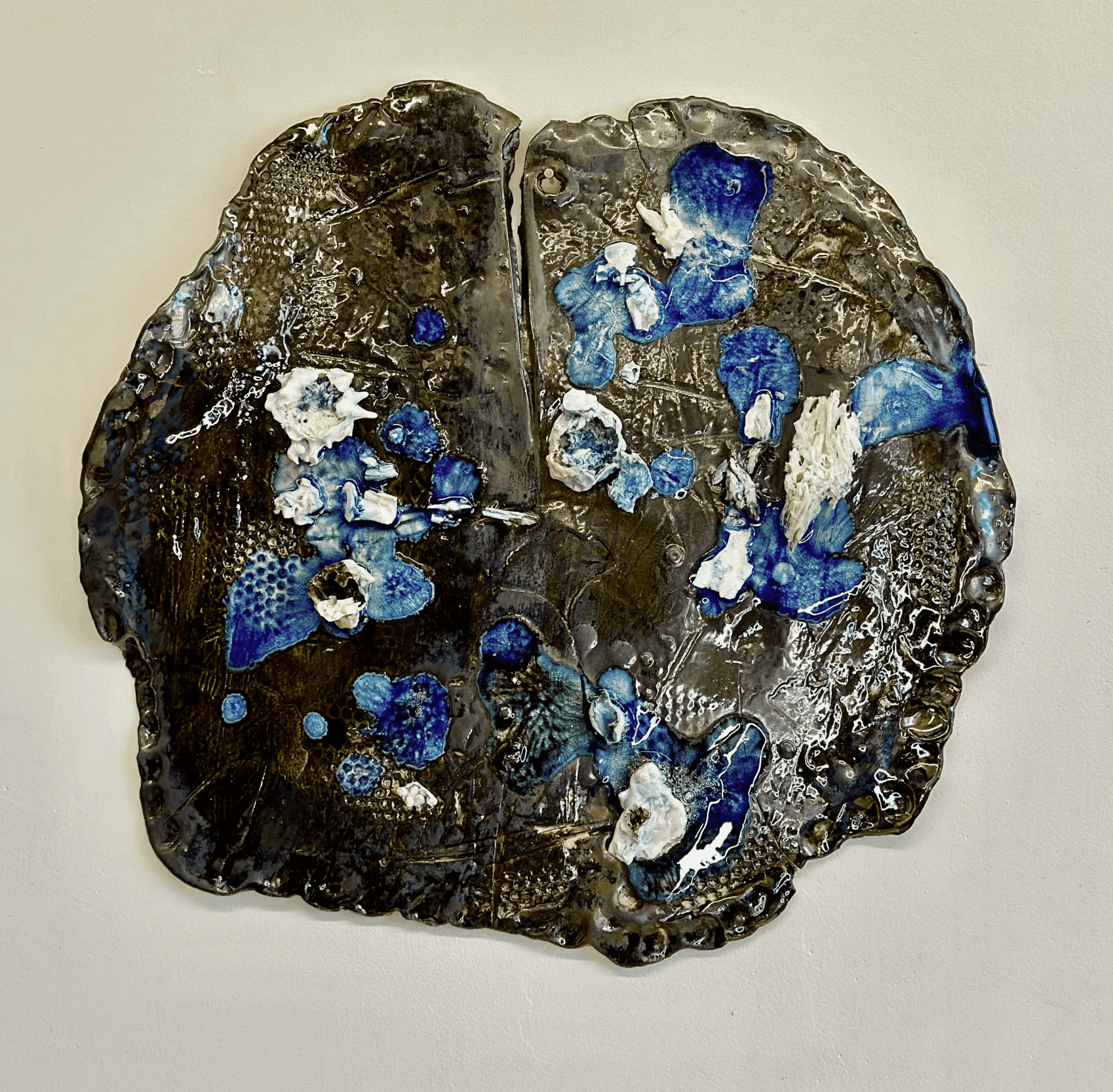
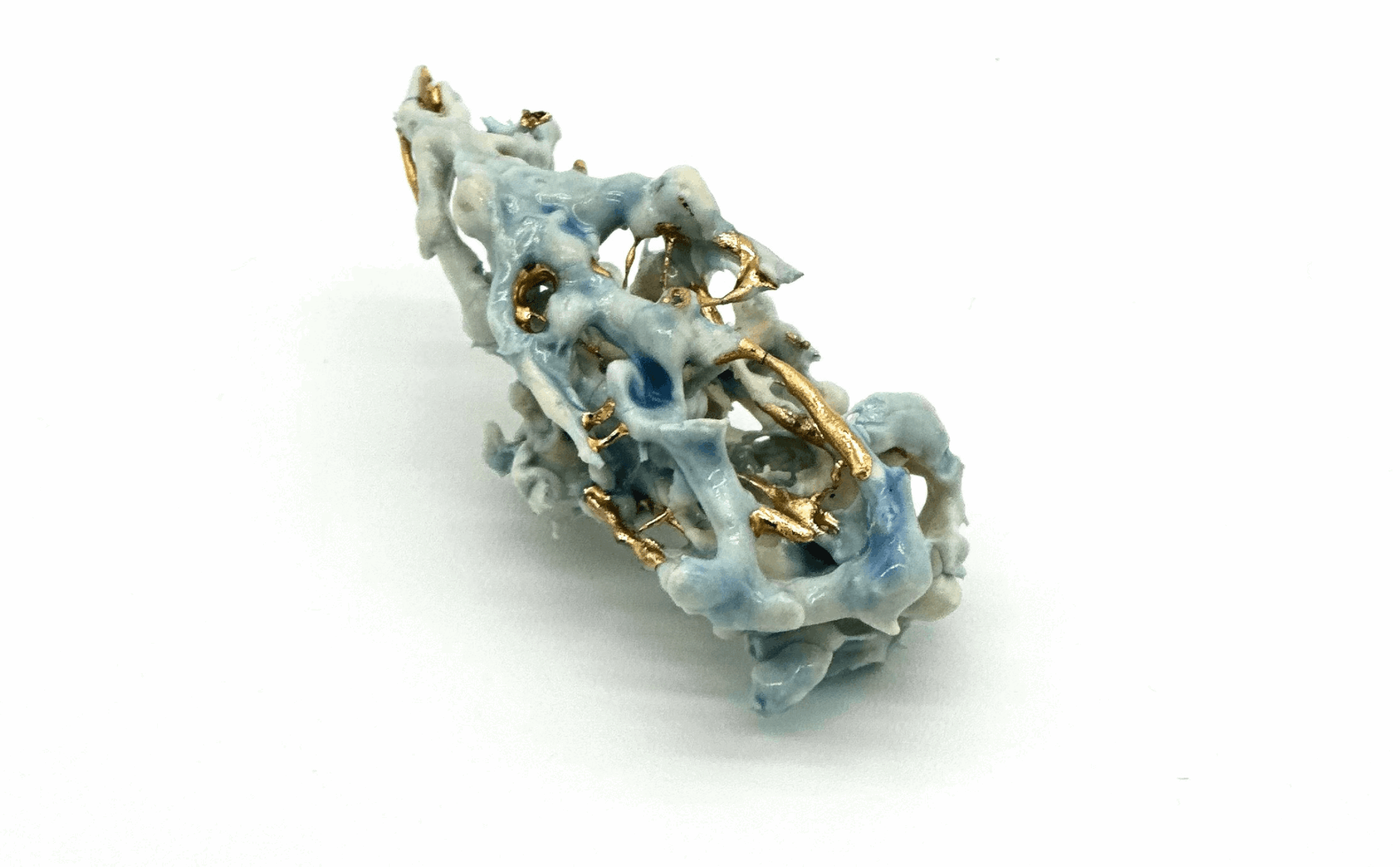
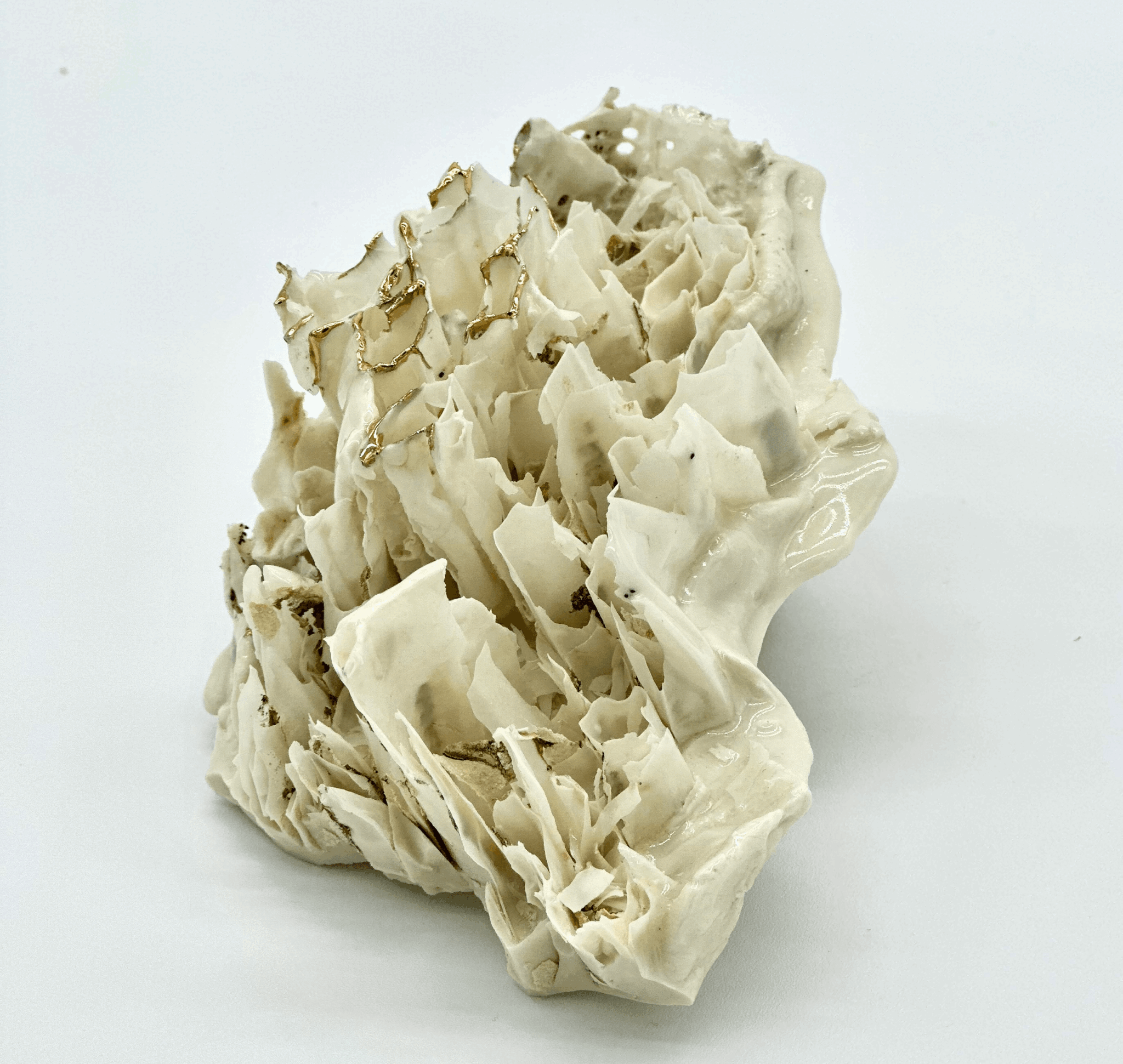
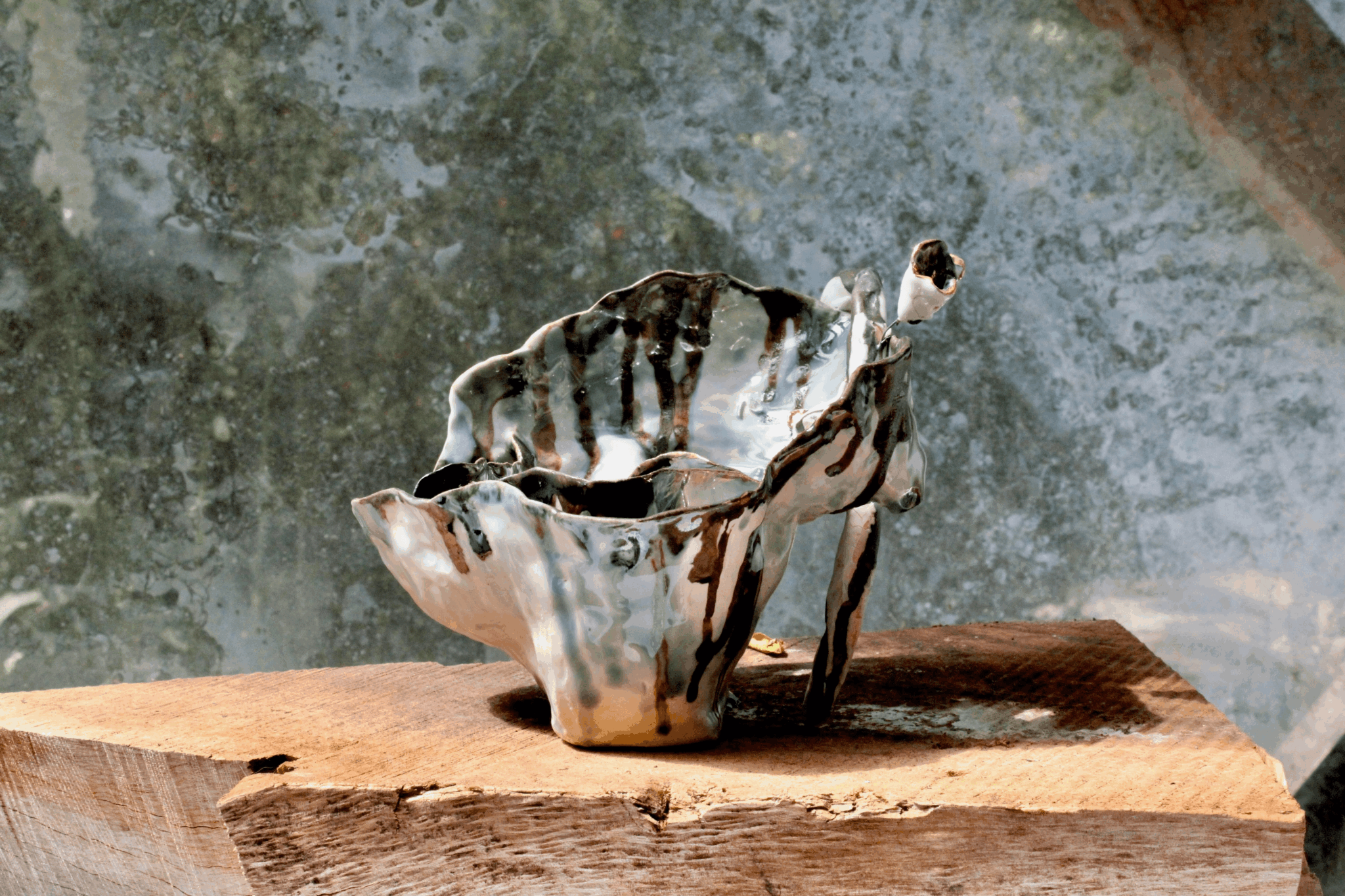
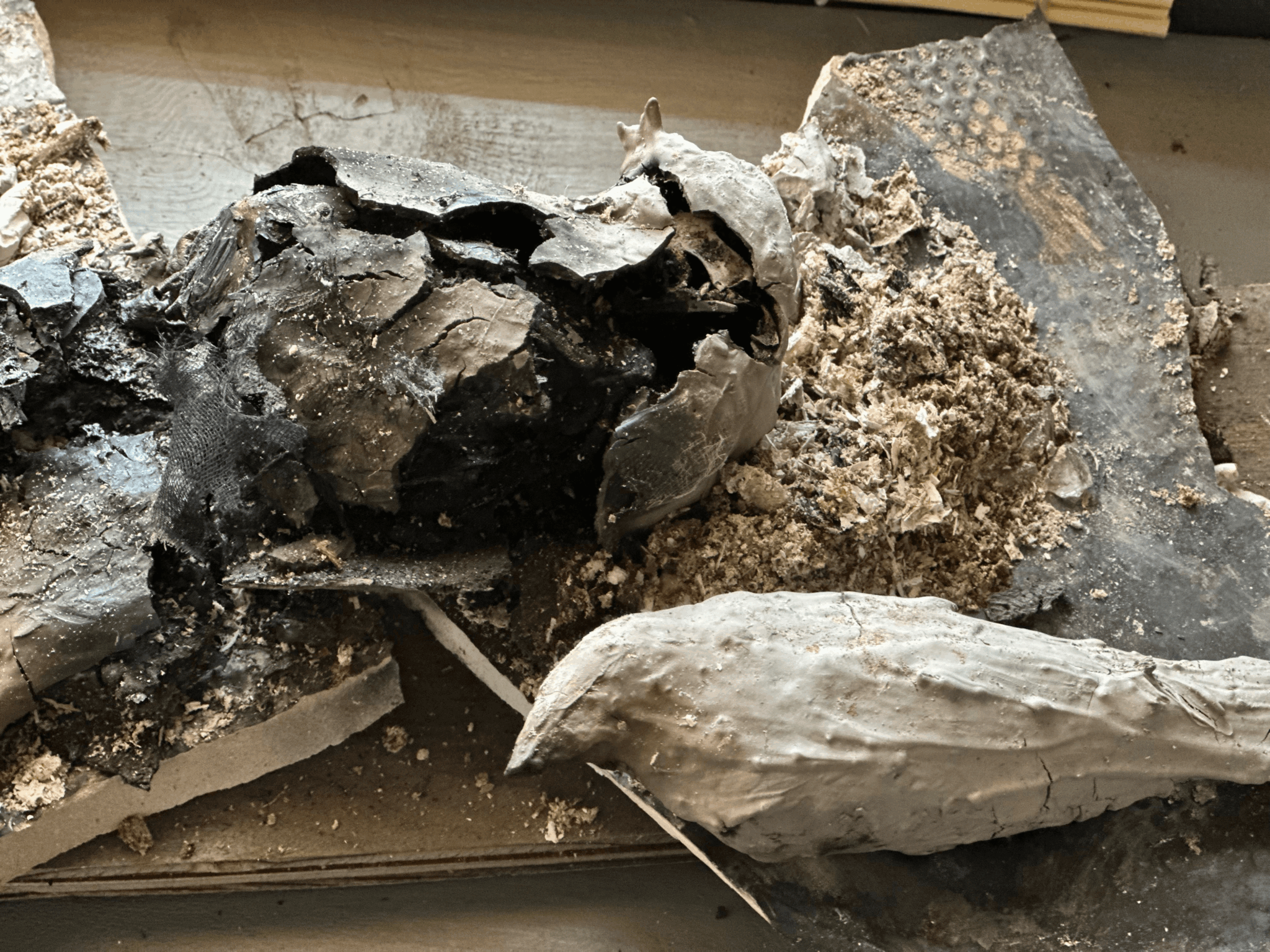
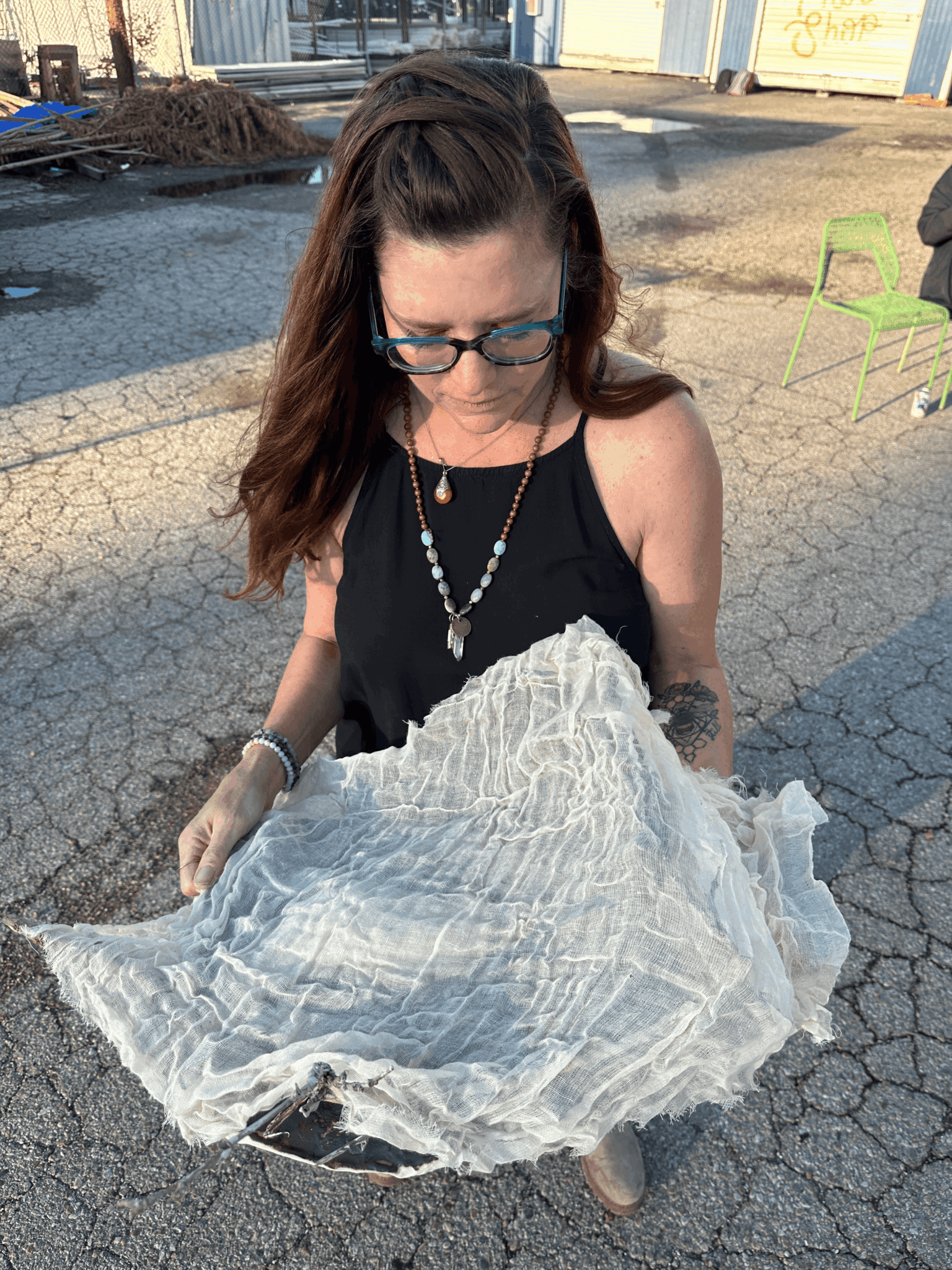
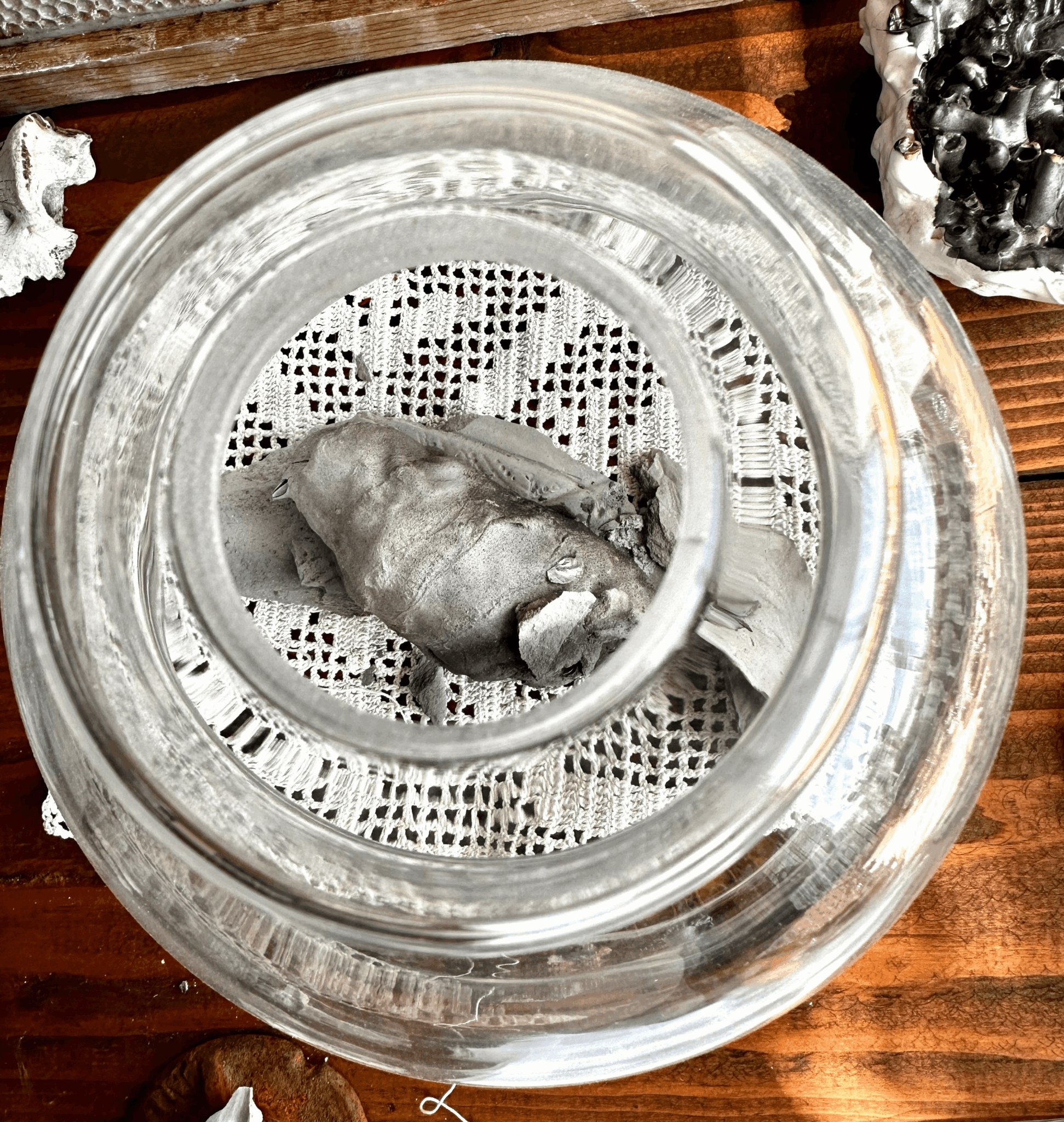
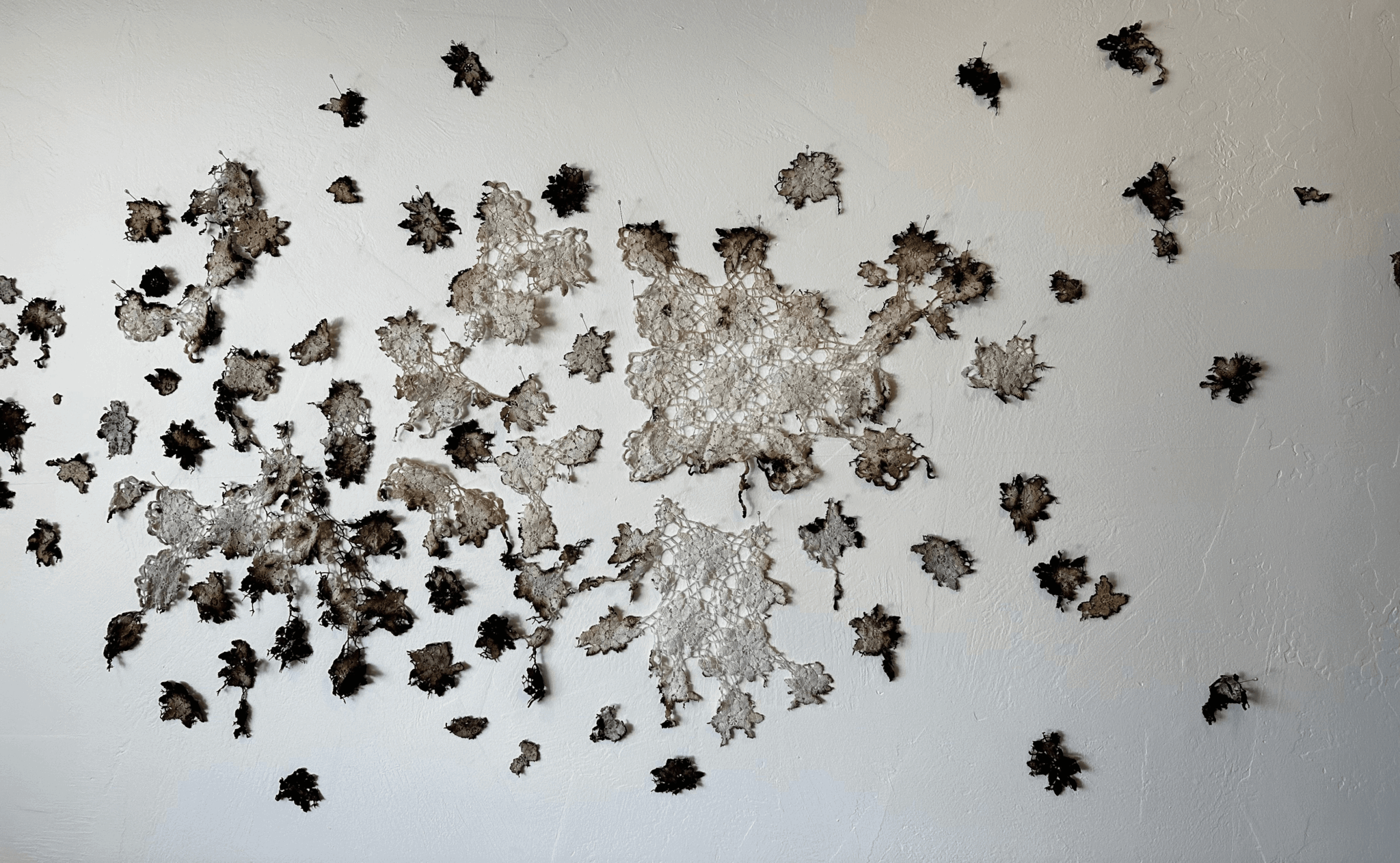
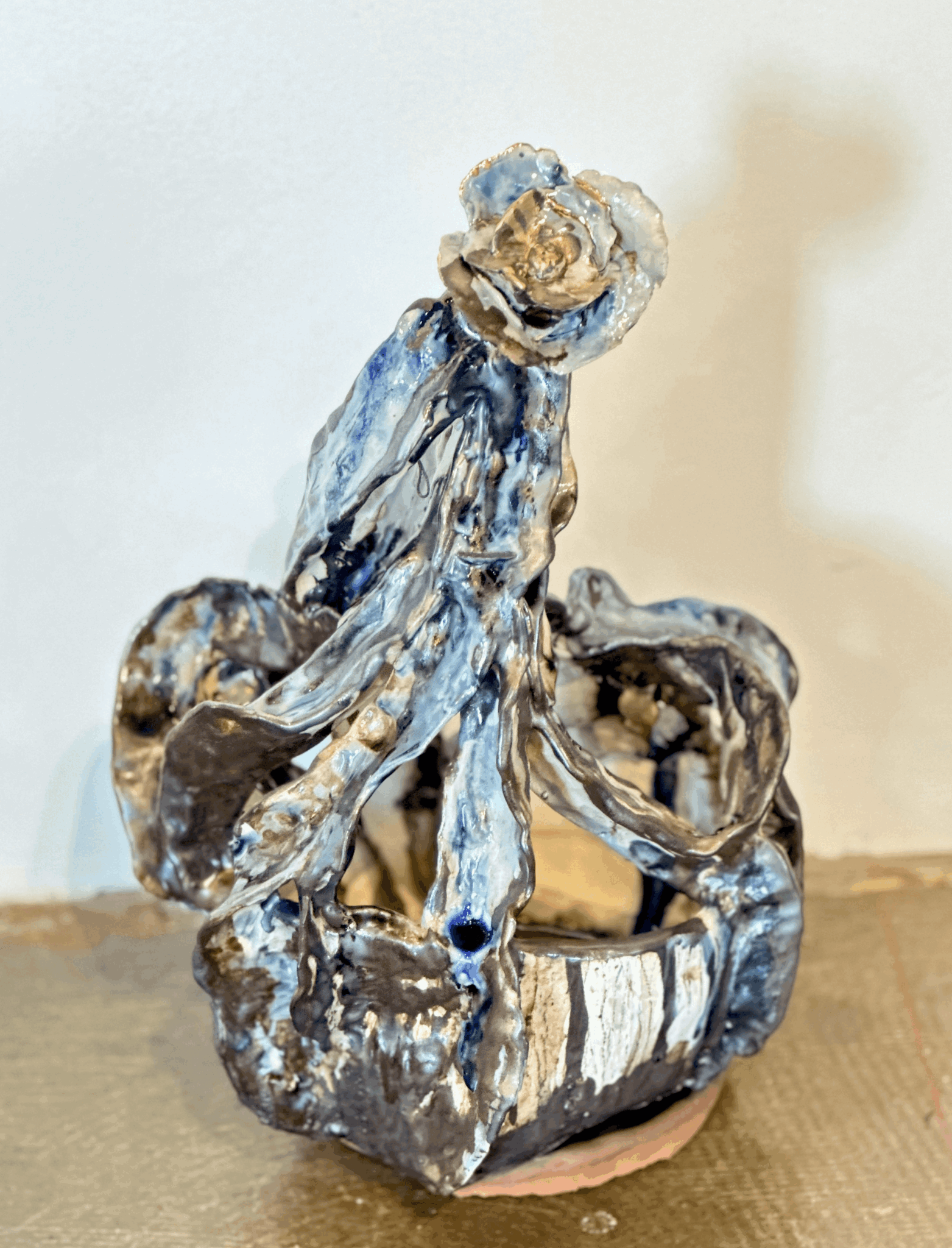
Image Credits
Aaron C. Zenner