

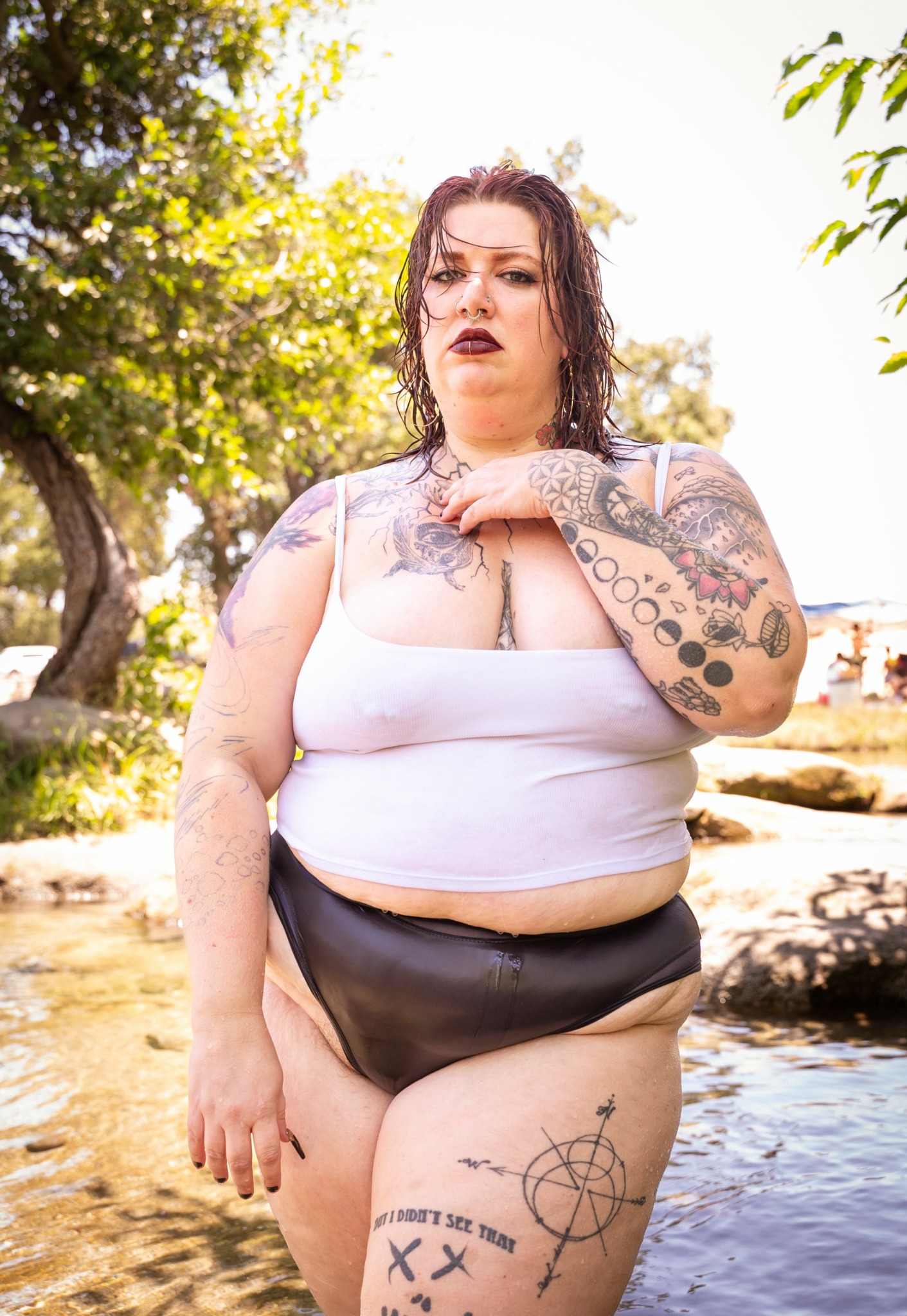

Today we’d like to introduce you to Alexandra Tiscareno
Hi Alexandra, can you start by introducing yourself? We’d love to learn more about how you got to where you are today?
I started rigorous dance training quite late in my “career” as some people would put it. I began taking classes consistently in 2012 at my local community college. Before that, most of my training came from a colorguard background.
I thought that going from a highly competitive sport like colorguard into a highly competitive program for dance was going to be a cake walk but I was grossly mistaken. I received a lot of verbal abuse regarding how my body looked. Back then, I was 5’9 and about 180 lbs, give or take. I was very curvy meaning, I had a butt and a chest. Which automatically made me the target for a lot of fatphobic treatment when I was in my dance program.
I was constantly told by my ballet teacher that “fat people shouldn’t be allowed to dance, fat people made dance a mockery,” just a lot of awful things. He encouraged me to get weight loss surgery, take up an eating disorder, and even threatened to kick me out if I did not lose the weight he thought I should lose.
He wasn’t the only one either. I would have other teachers tell me that “fat people can’t do what real dancers can do.” I’ve had teachers typecast me as the “she’s so brave – just look at her love her body” role. You name it, I experienced it.
It took its toll on me. I can’t tell you the amount of times I would have breakdowns because I just didn’t feel good enough. It made me relapse back into my ED and it made me have the worst mental health. I just was never good enough – correction, my BODY was never good enough, never thin enough, etc.
My entire dance career I’ve had people tell me that because I was. “fat” I would never be taken seriously. That I’d never dance professionally. That I’d never amount to anything. I believed them. I really let these people in this instructor role, these people who had professional, well-known companies, tell me I would never amount to anything. And I believed them.
It wasn’t until I started my grad program with some of the most wonderful humans I’ve ever met that I realized that everyone who told me I was too fat to do anything was full of shit. (sorry if I am not allowed to cuss). Those professors showed me how valuable I was and my voice was. Even when people still to this day tell me otherwise.
For some context on what I look like now, I am still 5’9 and almost 300 lbs. I am heavily tattooed and pierced. Anytime I say I am a dancer, the looks I get…HA! I used to be so heartbroken when people would give me the up-and-down look and/or make a comment like “A dancer? Really?”
But now, I challenge them because who is someone to say/judge what a dancer can and should look like? The idea of what a dancer “should” look like is archaic and rooted in racism. Something I am very glad to know now.
Something 19-year-old desperately needed.
We all face challenges, but looking back would you describe it as a relatively smooth road?
It has not been a smooth road. It has probably been one of the most heartbreaking roads I have been on.
I’ve lost countless opportunities because of how my body looks. In my hometown, a director told me she would hire me for her company, only to take it away at the last minute citing “I have the skinniest dance company in this town and fat people make dance companies look trashy – not mine.”
I’ve had a well-known Bay Area choreographer tell me that not all inclusion is good inclusion when I called him out for saying he had an inclusive dance company but refused to hire dancers of size.
I’ve lost out on job opportunities because “fat dancers are not appealing to what the public wants.”
It truly drove me to quit dance for a while once the pandemic hit because I realized that no one (or at least I thought no one) saw me as a dancer. They saw me as a fat girl cosplaying as a dancer. They patronized me severely and it broke me.
Thanks – so what else should our readers know about your work and what you’re currently focused on?
I think that from my time in my hometown and through my time in the Bay Area, I learned that what I wanted was to see real representation in work. I wanted to see the people who had a story to tell but maybe didn’t have the means to do it.
I was raised in the Central Valley of California. A lot of people from where I am from and the surrounding areas come from lower socio-economic backgrounds, especially those who I danced with. They had heart and soul but were never really taken seriously and I wanted to change that. I still want to change that.
When I first started choreographing and making work, I did it to appease those who gave me an opportunity. They would always tell me that I’d never be a dancer but I could, maybe, be a choreographer. But, the more I tried to appease them, the more disconnected I felt. It honestly wasn’t until I went to the Bates Dance Festival that I realized that I didn’t want to make work for others. I wanted to make work that meant something to not only me but the dancers I worked with and once I came back, I made that a part of my mission.
I wanted to show that anyone, any BODY can dance regardless of what they looked like or where they came from. I didn’t care if they were trained since they were a baby or just started dancing. What I cared about was how they felt inside the movement and once I switched to that, I found that we as collaborators together, made magic.
I take a lot of my inspiration from choreographers like Merce Cunningham, Anne Teresa De Keersmaeker, Remy Charlip, and even Ohad Naharin. But I like to put my spin on it. And with that, I find that the work that I make along with those who I am creating with tends to have more authenticity and unfiltered rawness than it was when I was acting as a “dictator”. Just handing down choreography and making the dancers try to “look like me”.
They are individuals with their own experiences and life events within dance, I don’t need to see 5,6,7,10 dancers all looking like me. That isn’t what I want and that doesn’t feel authentic to my mission. I want to see what they have to say. I want to hear their story.
What quality or characteristic do you feel is most important to your success?
To be honest, I am not sure how to answer this. I feel like resistance, maybe? But also, just pure rage, which not many people would admit to.
It was anger and a drive to prove everyone who told me I’d never amount to anything and I’d never be taken seriously as a dancer, wrong. If there is one thing about me – which must come from the colorguard background- if you tell me I can’t do something, I will prove to you that I can.
Is it stubbornness? Hardheadedness? Or just a petty drive to prove that “I can do anything you can do but I can do it better”? Again, I don’t know.
But what I do know is that I wanted to be a voice for those who don’t fit the status quo. I wanted to be the support and advocate I desperately wished for and needed.
Contact Info:
- Instagram: Personal IG: ohwowalex / company IG: alenodanceproject
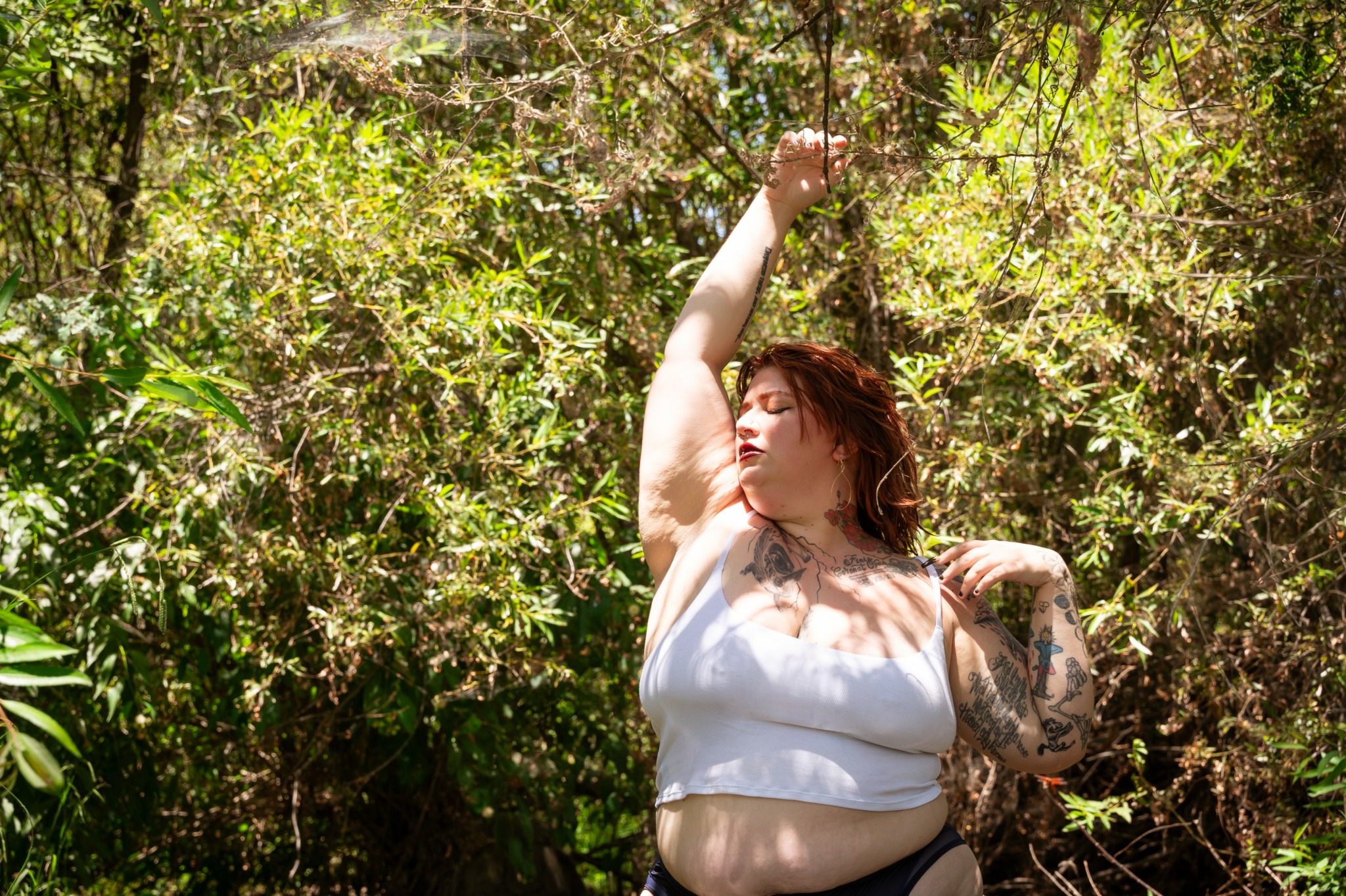
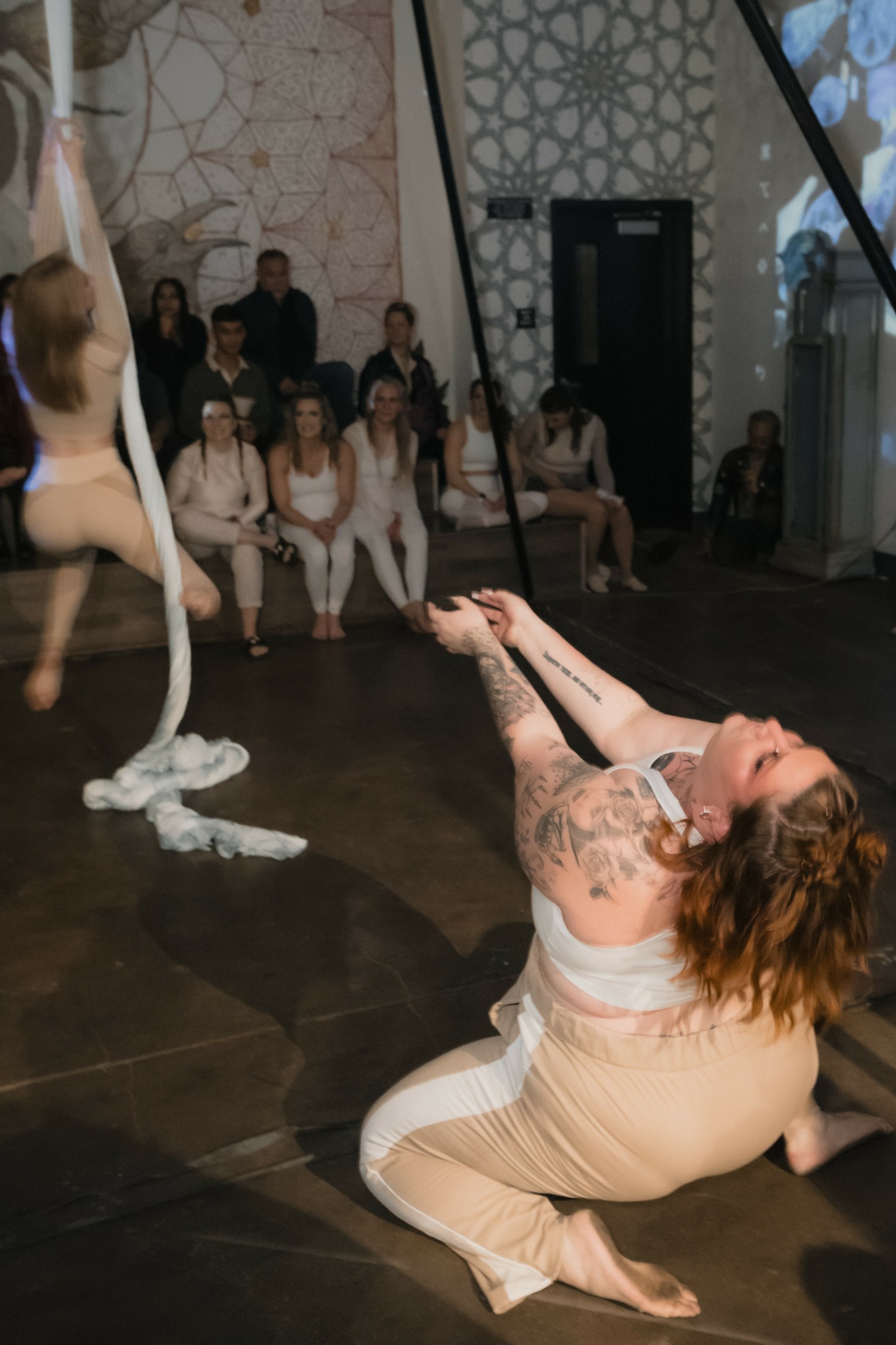
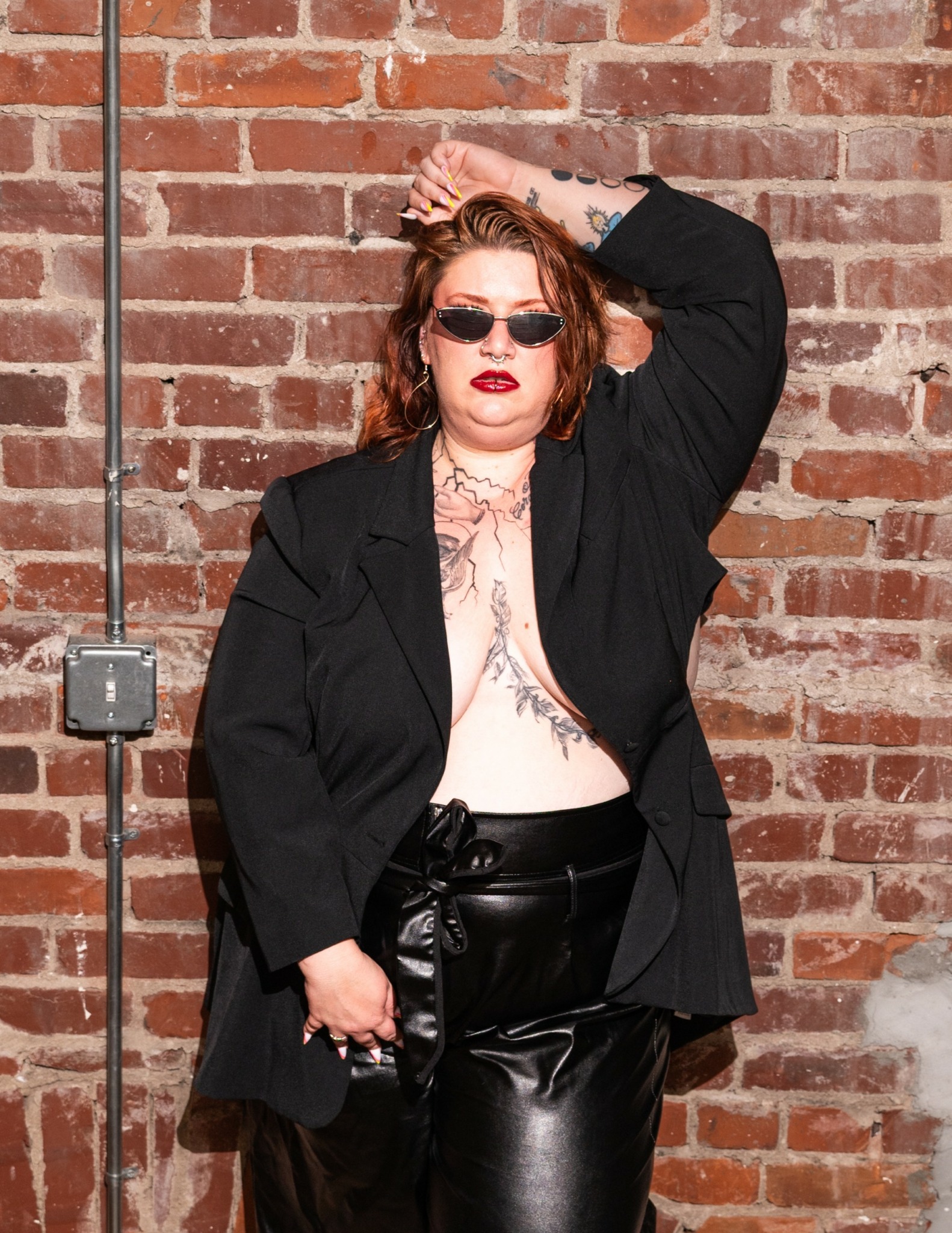
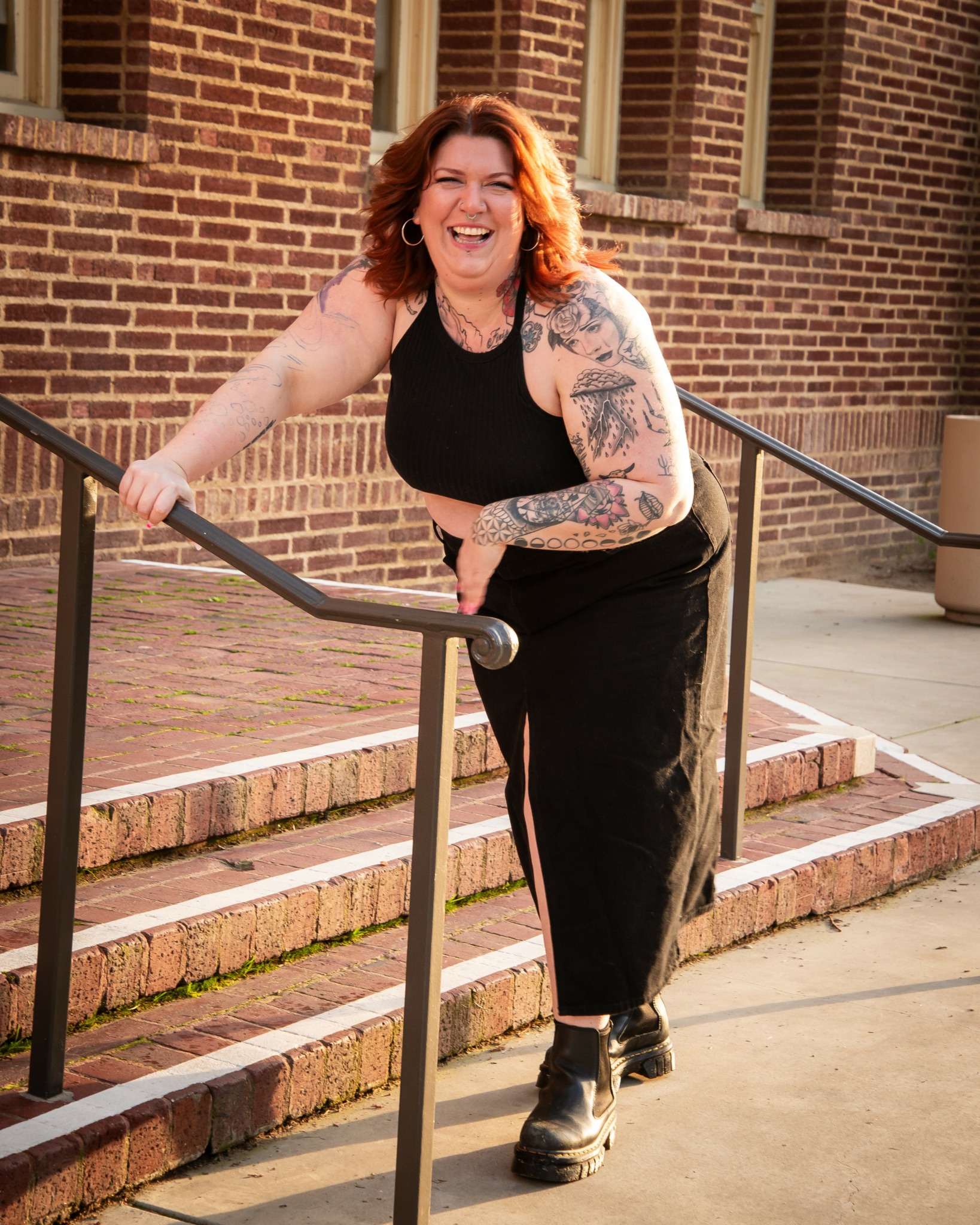
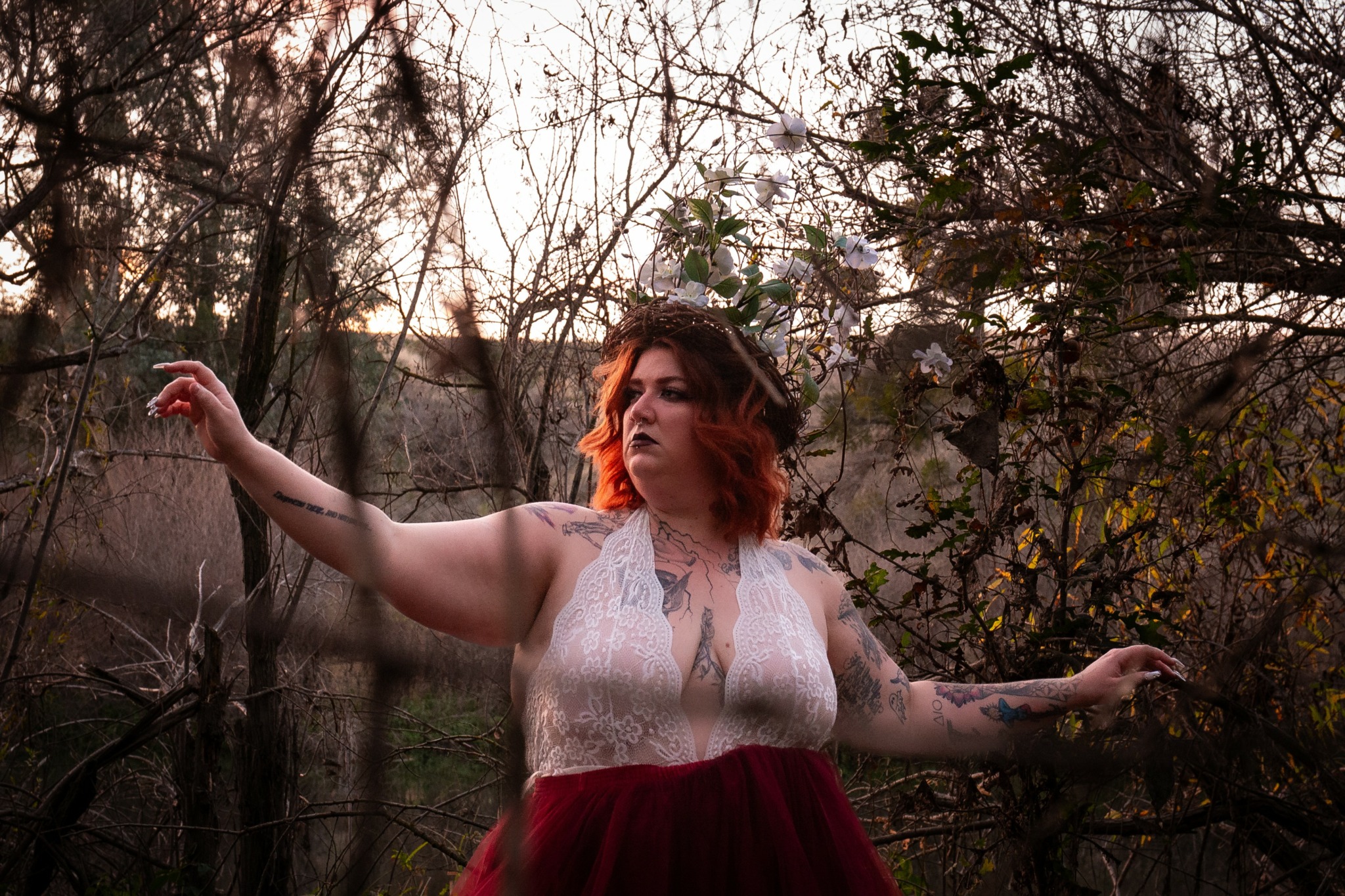
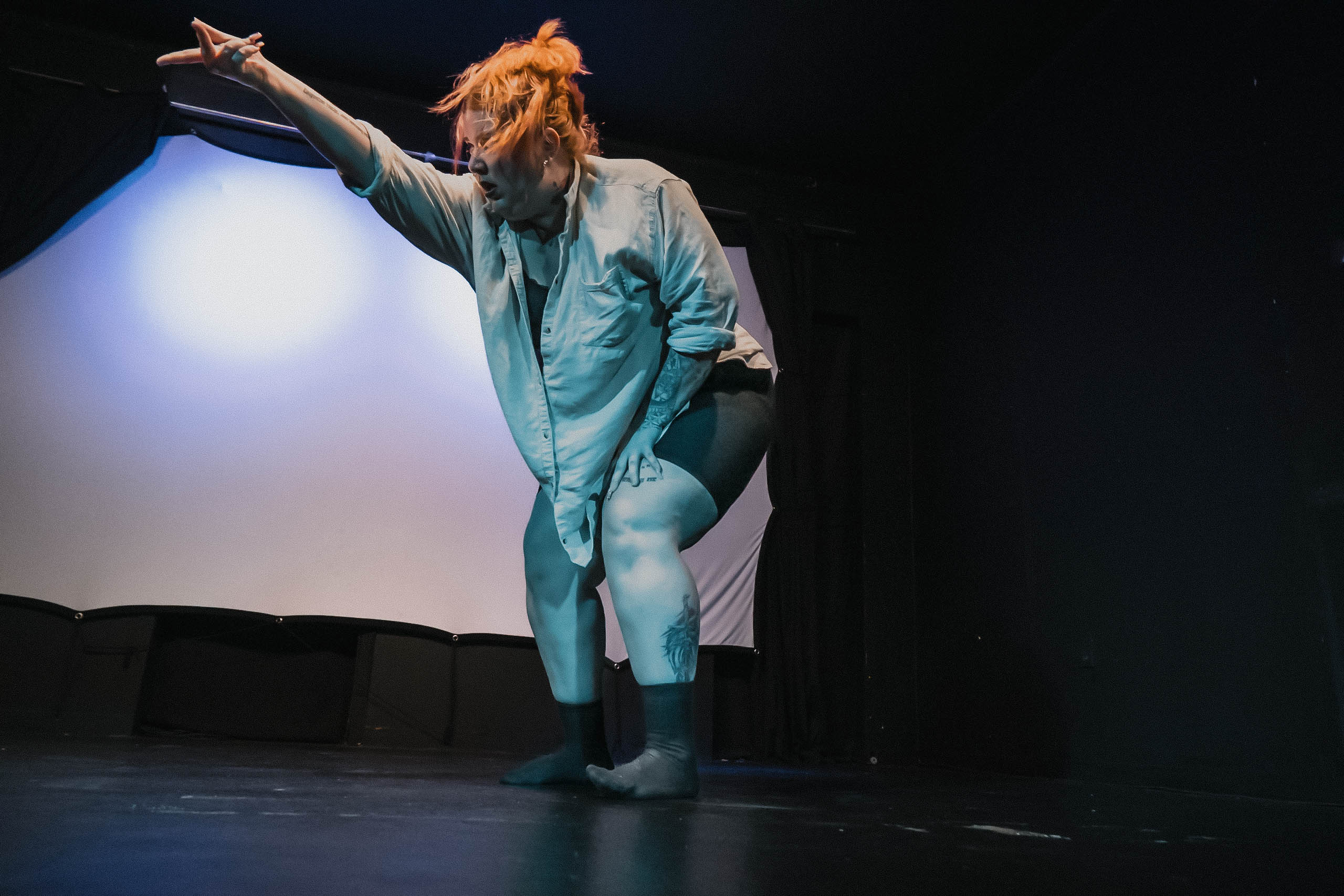
Image Credits
Alenya Joy Photography
Arthur Robinson Photography