

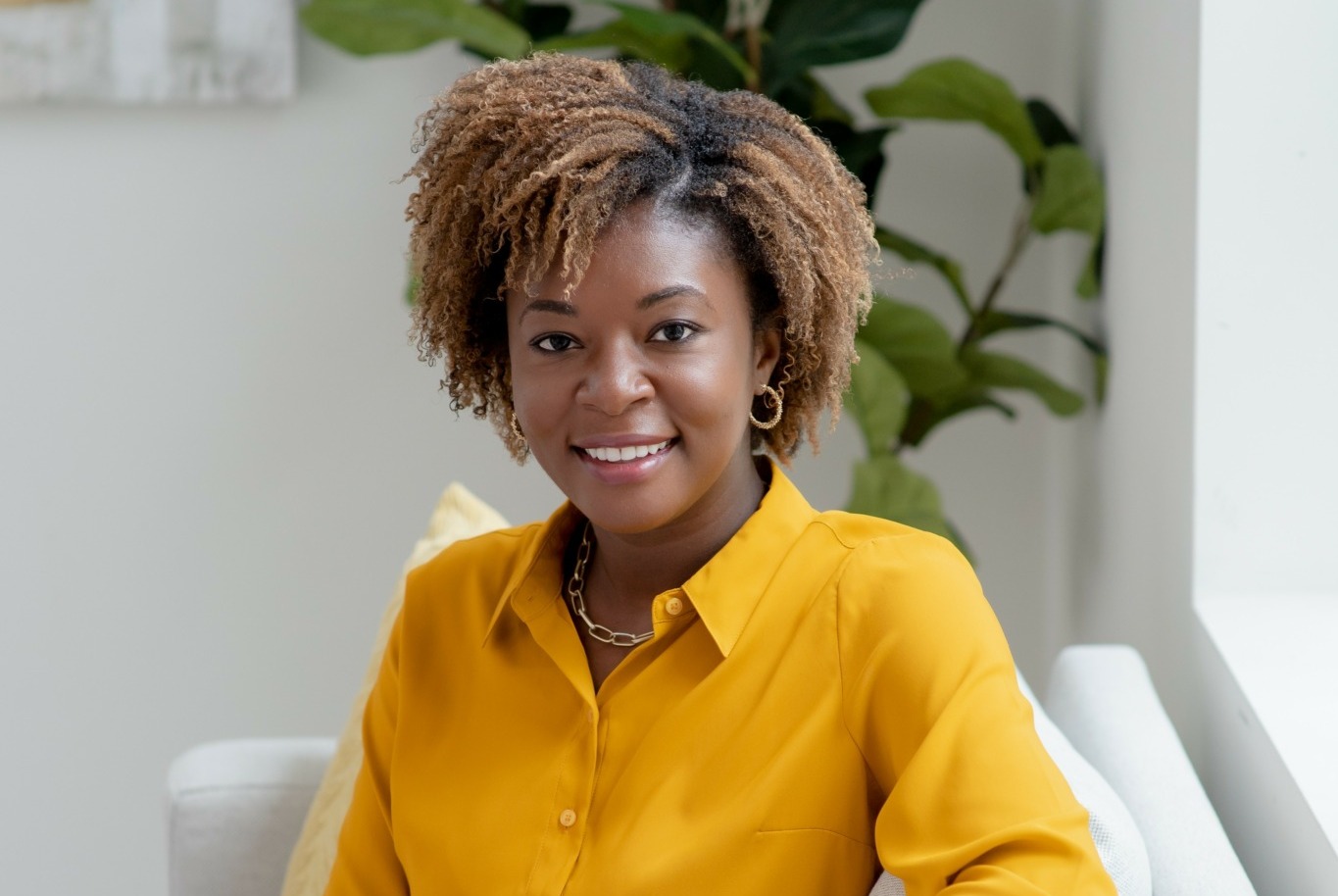

One of the most powerful things about being a business owner is the ability to create a work environment according to your own principles. So many of us have worked within a company or organization and been disappointed by the way things were run, the way team members were treated. So, we wanted to ask some fantastic business owners and operators how they’ve gone about creating a more inclusive workplace.
Dr. Clover Perez
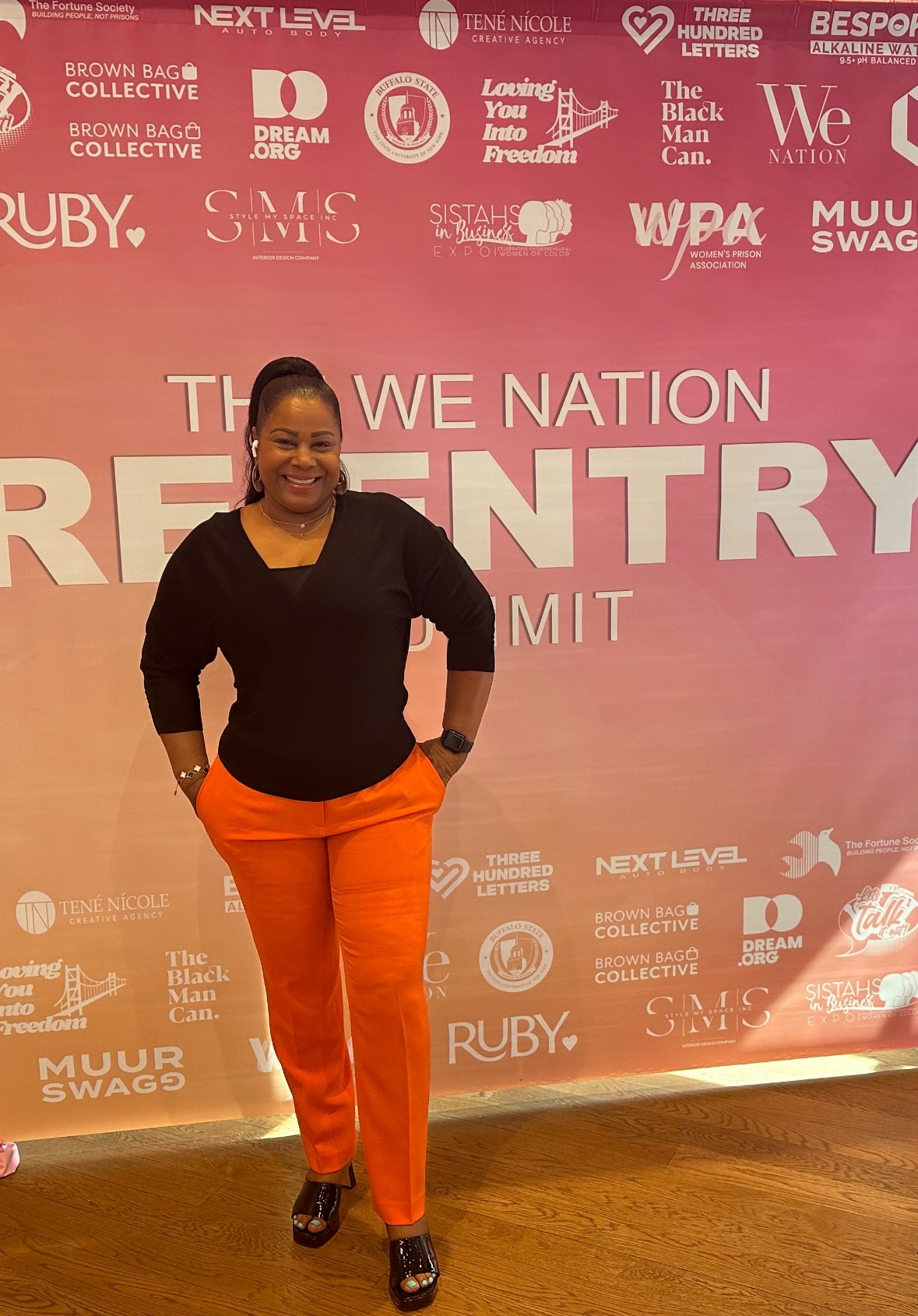
Creating a more inclusive workplace requires a commitment to recognizing and valuing the diverse backgrounds and experiences of all employees, including those who are justice-impacted. One of the most significant steps in achieving this is to adopt fair hiring practices that give second chances to individuals with felony records. As a justice-impacted person, I have experienced firsthand how discouraging it can be to be overlooked for positions despite having the right qualifications, simply because of past conviction. This exclusion is not only unfair but also deprives businesses of dedicated, hardworking individuals who are eager to prove their worth. Read more>>
Madjeen Lorthe
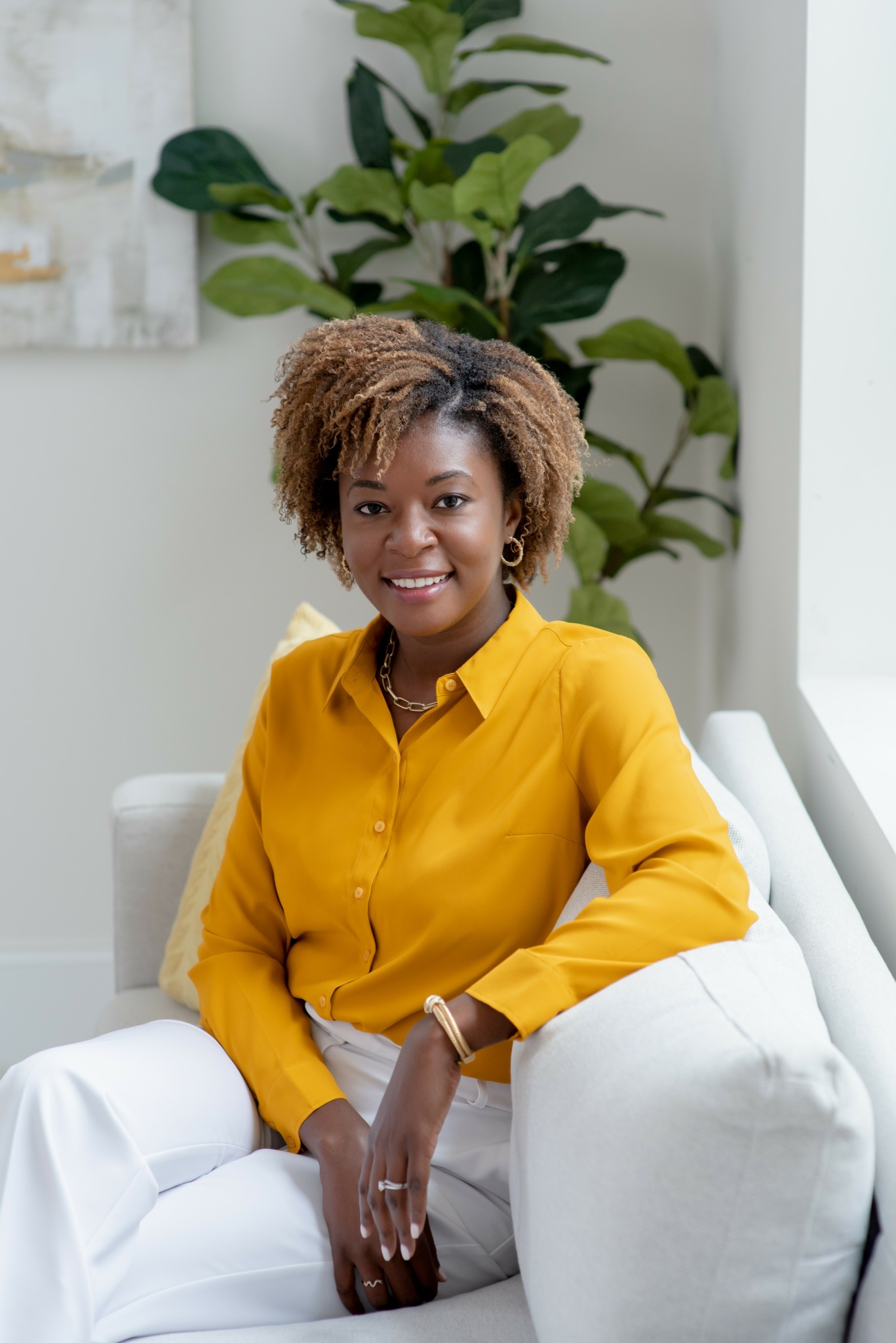
Companies must focus on developing a leadership pipeline that reflects the diversity of their workforce. Otherwise, any progress made at the top is just a band-aid for a deeper issue. One of the biggest challenges is the “broken rung” — the first step into management that disproportionately holds back women, especially women of color. This barrier slows their progress early on, making it much harder to reach senior leadership roles down the line. To close the leadership gap, companies should prioritize addressing the broken rung by intentionally preparing and promoting more women, particularly women of color, into management roles. This involves providing targeted training and ongoing resources to ensure they are fully equipped for success. By investing in women at this critical stage, organizations can improve diversity in leadership and reduce the high failure rate among newly promoted managers, creating a stronger and more inclusive leadership pipeline for the future. Read more>>
Oz Billig

As a photographer working in live music and cosplay spaces, I strive to create an inclusive space, and focus on community building within my work. There have been many times where I see incredibly talented people be looked over by other photographers in the respective communities because they don’t check the ‘conventionally attractive’ boxes. There is so much talent out there, and creating an inclusive community through photography is a great way to showcase incredibly talented people, and it also shows artists and viewers alike a wider scope of talent than they might have otherwise been exposed to. Read more>>
Terry Smith-rawecki
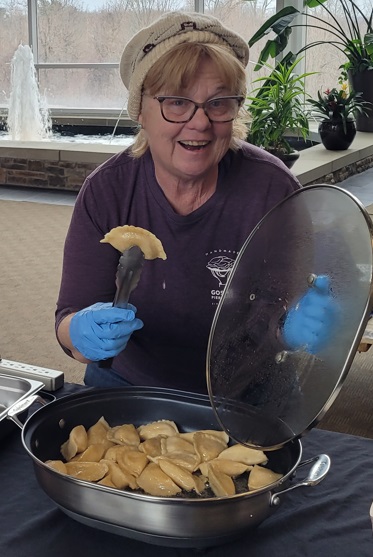
Previously, I worked as a Geologist at the Department of Defense in California. While Geology was what I majored in college, the work wasn’t fulfilling and the work environment was frustrating. I was the only Deaf employee with maybe two or three hearing people who were willing t0 learn enough ASL to communicate the basics. There were no Video Phones or even cell phones to text with at this time. Imagine! I then became an Assistant Professor at a local college for the Interpreter Training Program. I enjoyed teaching others how to communicate and interact appropriately with Deaf individuals and the Deaf community. This was a much more fulfilling job, but there were still barriers. One example is at staff meetings, I was once again the only Deaf person. Also, I had no decision making authority. When I would make a suggestion or recommendation, it was often turned down by those above me because they were hearing individuals who did not fully understand the impact or importance of my requests. Read more>>