


Today we’d like to introduce you to Jo Davis
Hi Jo, can you start by introducing yourself? We’d love to learn more about how you got to where you are today?
As the daughter of an academic scientist and a librarian, I grew up in a home of intellectuality and order. My mind operates in a more bubbly, floaty sort of way. I thought there was something deeply wrong with my thinking. I did well in school so my differences went under the radar, but I just didn’t grasp certain things that came easily to others. People around me seemed to know better, so I learned to distrust my instincts and listen to others first. I now see how we live in a culture that rewards rationality and linear thinking. Like many artists, it’s counter to how my brain works.
In my twenties, my world was shattered by the loss of my father, mother, and sister in a plane crash. We were very close, and as the youngest in the family, I relied on them as my guides in life. Losing them all at once was a devastation that I didn’t know how to process. For years, I tried to outrun the grief—ignoring it, numbing myself to its weight, and seeking solace through medication, alcohol, and avoidance.
During that time, I was working in the art and design world, using my creative talents professionally but keeping a distance from my personal struggles. I moved back to the East Coast, started a family, and took on roles where creativity was central. But while my work felt rewarding on the surface, I was disconnected from it emotionally. I was suppressing my pain, gradually increasing my medications, and living under the illusion that I was managing my grief.
I felt a need to prove that I could be what society expected of me. Balancing motherhood, I pushed myself to excel at a 9-to-5 bureaucratic job. I gave 110% of myself to the position, grinding and hustling in hopes that this might make me finally feel good about myself. This all came crashing down when, facing burnout, I took a mental health leave and was fired a few weeks later.
Ironically, it was the best thing that could have happened to me. It felt like my life was ending, and in a way, it was. The person who didn’t trust herself and relied on others was dying. That loss, painful as it was, became a turning point. For the first time, I was forced to confront how much of myself I had lost along the way. I started meditating, spending time in nature, and reconnecting with my children and my art. But this time, I approached art differently—not as a product, but as a spiritual practice, a process for self-discovery and healing. Slowly, I began to strip away the layers of sorrow and shame that had been building for years.
Around this time, I was diagnosed with ADHD. I had always believed that my bubbly brain was a major defect, but the diagnosis showed me that there isn’t anything wrong with me. This way of thinking is intricately woven into the fabric of who I am and the talents that I possess. I realized the value in my unique way of thinking and started to embrace it.
As I weaned myself off medication and substances, I began to hear my inner voice more clearly, guiding me toward my truth. I recognized that my marriage was not healthy and that I was in relationships that were actually hurting me. Deciding to end my marriage was the most brutal and painful decision that I have ever made, and it came with the loss of loving relationships I had valued and leaned on for so many years.
The aftermath of my divorce nearly broke me. I felt the pain of a broken family, loss of community, and for the first time I was able to feel the deep pain of the loss of my original family as well. Fortunately, I had my creative and spiritual practice to hold onto, along with some amazing friends, and a great therapist. I worked through the grief, using drawing and painting as tools for healing rather than escape. Every piece of art became a step toward reclaiming my voice and purpose. With each drawing, I shed another layer of pain and started to see myself in a new light. I rebuilt my community, surrounding myself with people who see my true self—the self I had hidden for so long. I began to acknowledge the dreams that I had once discarded and took bold steps toward fulfilling them.
Today, my art practice is thriving, and I help others connect with their deeper selves through the process of creative expression. I’ve come to understand that the artistic process is my greatest source of resilience and a powerful tool for self-discovery and healing. My story is one of survival, yes, but more than that, it’s a story of transformation—of using the depths of grief to find a new path, one where I help others tap into their own creativity and resilience.
We all face challenges, but looking back would you describe it as a relatively smooth road?
The loss of my family, my divorce, etc have all felt insurmountable at times. Leaning into my creative spirit has helped me get through these challenges and that I why I want to share that experience with others.
Thanks – so what else should our readers know about your work and what you’re currently focused on?
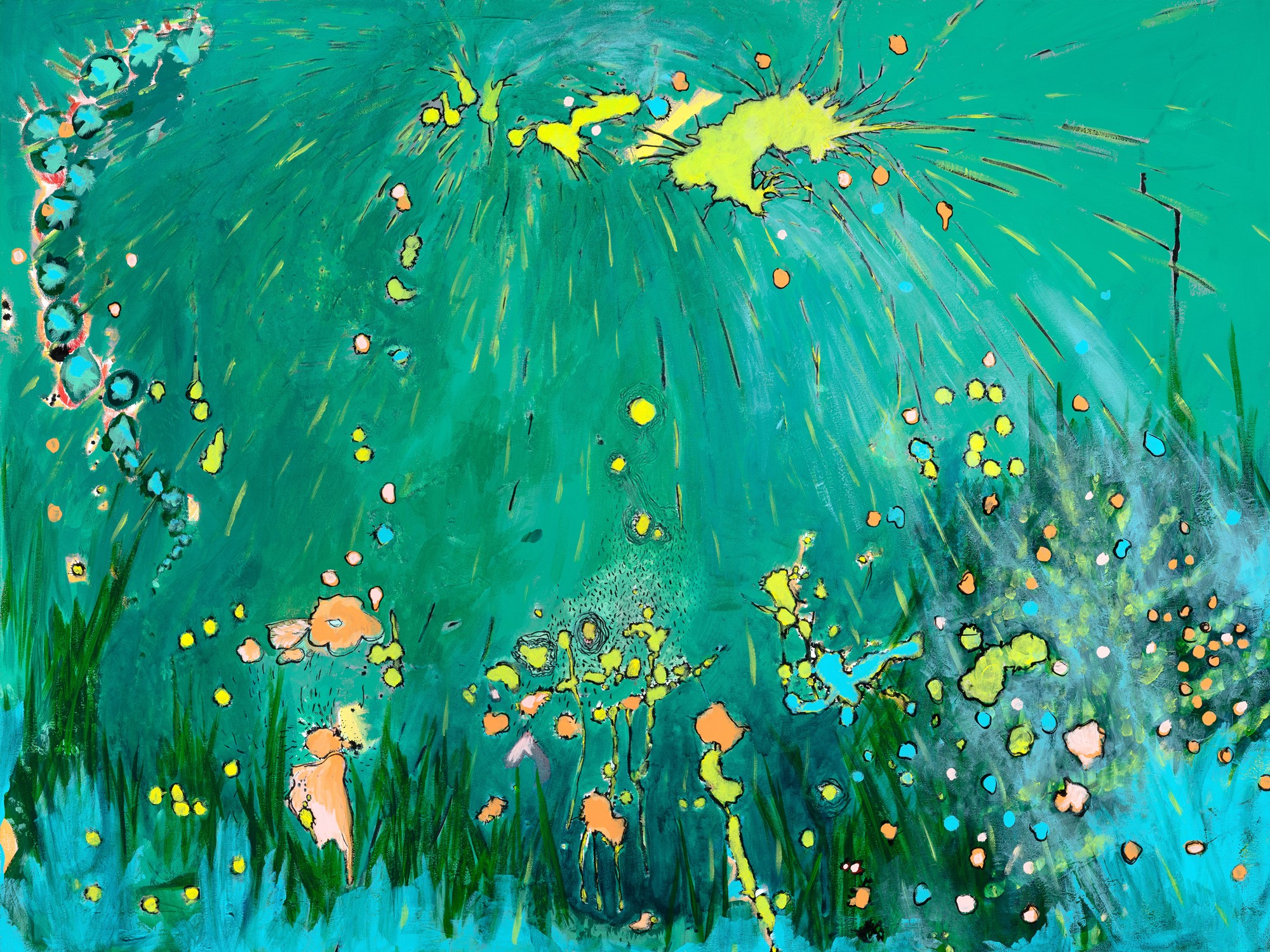
I am a visual artist, and I create paintings for exhibitions and private collections. My painting practice is a deeply personal exploration of emotion, vulnerability, and storytelling, and it’s where I find the deepest connection to myself as an artist. I also collaborate with brands to visually tell their unique stories through custom projects, using my skills in illustration and design to create dynamic visuals that resonate with their audiences.
In addition to my work as a painter and illustrator, I help individuals and organizations incorporate art into their lives in meaningful ways. Through workshops, live illustration, and creative consulting, I focus on using art as a tool for well-being, personal connection, and creative expression. I guide people through process-focused art experiences where the emphasis is on the act of creating, not just the final result. This helps people tap into their inner creativity, release stress, and find healing through artistic expression.
What sets me apart is my holistic approach to creativity. Whether I’m creating a painting for an exhibition, collaborating with a brand, or guiding someone on their creative journey, my goal is always to foster connection—both to oneself and to others. I’m passionate about the power of creativity to transform lives, and I’m proud to use my work to help others find their voice and resilience through art.
Are there any books, apps, podcasts or blogs that help you do your best?
BOOKS:
When I read The Power of Now by Eckhart Tolle, it put into words things I had never been able to articulate when I was younger. In many ways, it set me free.
When I need grounding, I like to read The Alchemist by Paulo Coelho. It’s so short you can read it in one sitting.
The Artist’s Way by Julia Cameron is a seminal book that I love to return to. It’s filled with insight and encouragement. I lead a group through this book annually, and there is always something new to learn.
PODCASTS:
I listen to a lot of different podcasts, but these are my current go-tos.
The Gathering Room with Martha Beck
I can’t get enough of Martha Beck these days. She reassures me by reminding me to follow my true nature and trust in the universe. It’s like a cozy blanket and a cup of tea.
Huberman Lab
I love brain science, and Huberman breaks things down in a way that is easy to digest. His in-depth interviews are fantastic.
Mayim Bialik’s Breakdown
They have great guests, and I love the blend of science, spirituality, and humor.
Eckhart Tolle: Essential Teachings
Calming and enlightening.
Contact Info:
- Website: https://jodavis.art
- Instagram: https://www.instagram.com/jodavis.art
- Facebook: https://www.facebook.com/j0davis.art/
- LinkedIn: https://www.linkedin.com/in/jodavis-art
- Youtube: https://www.youtube.com/@jodavisart
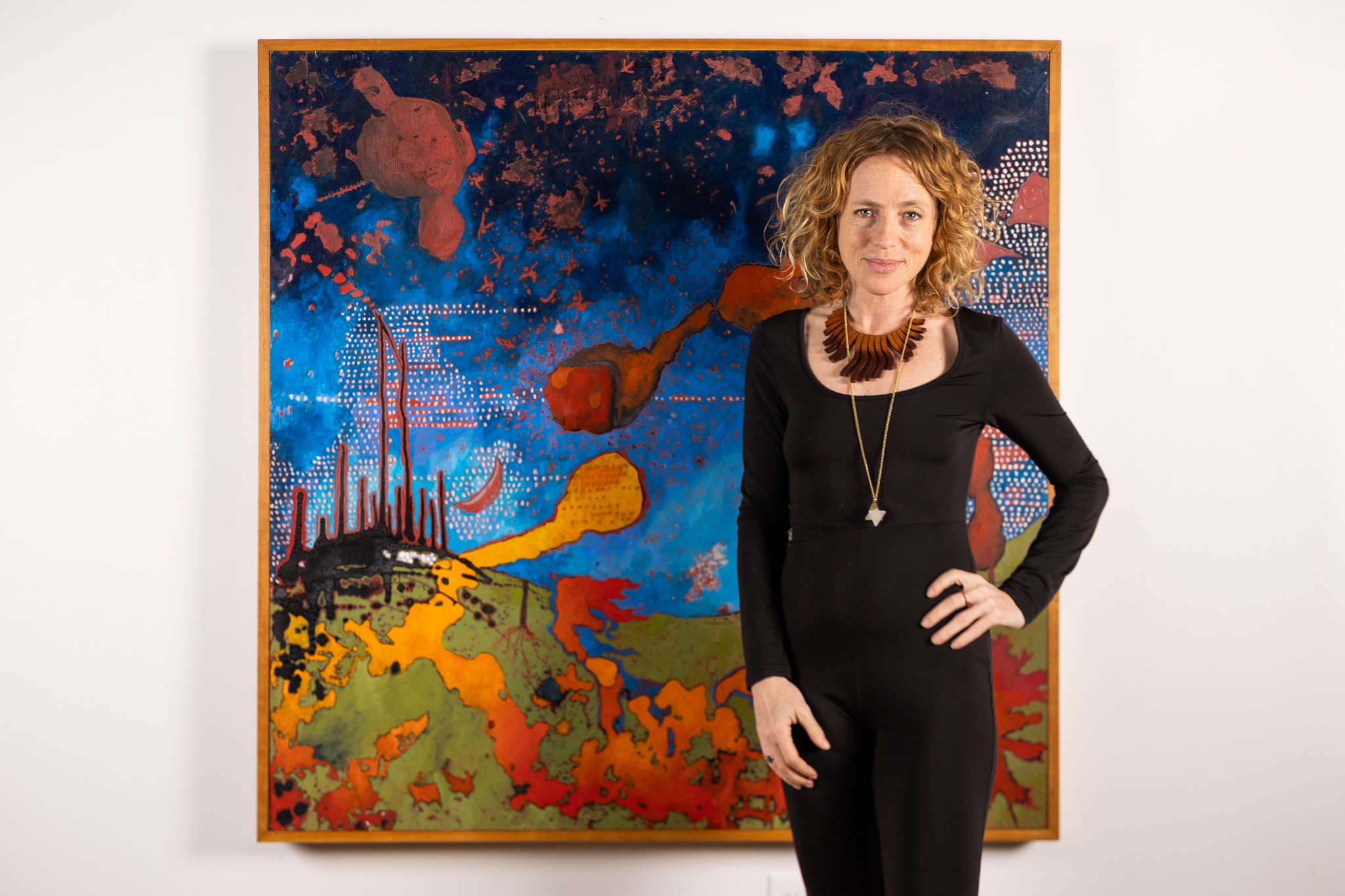
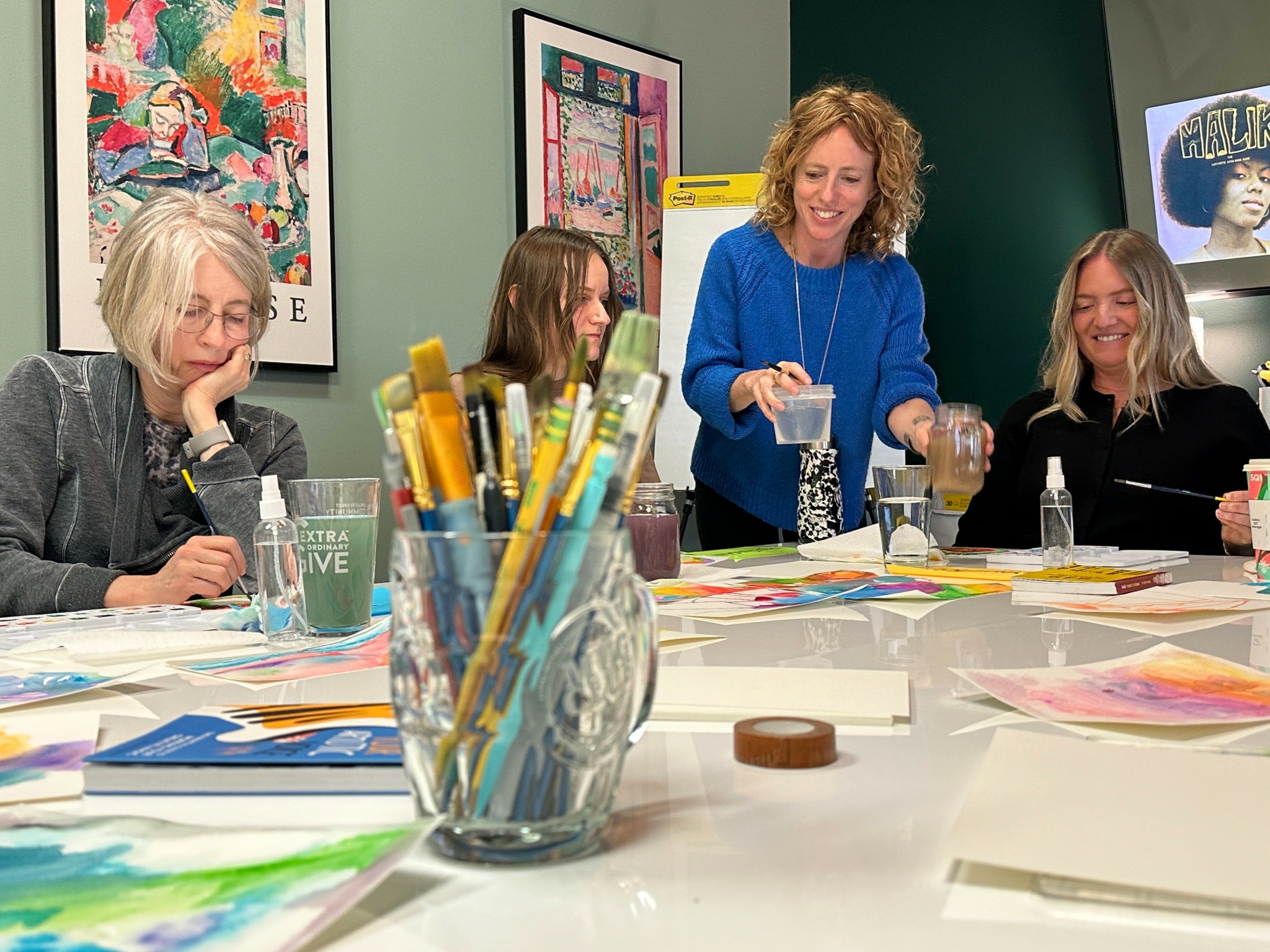
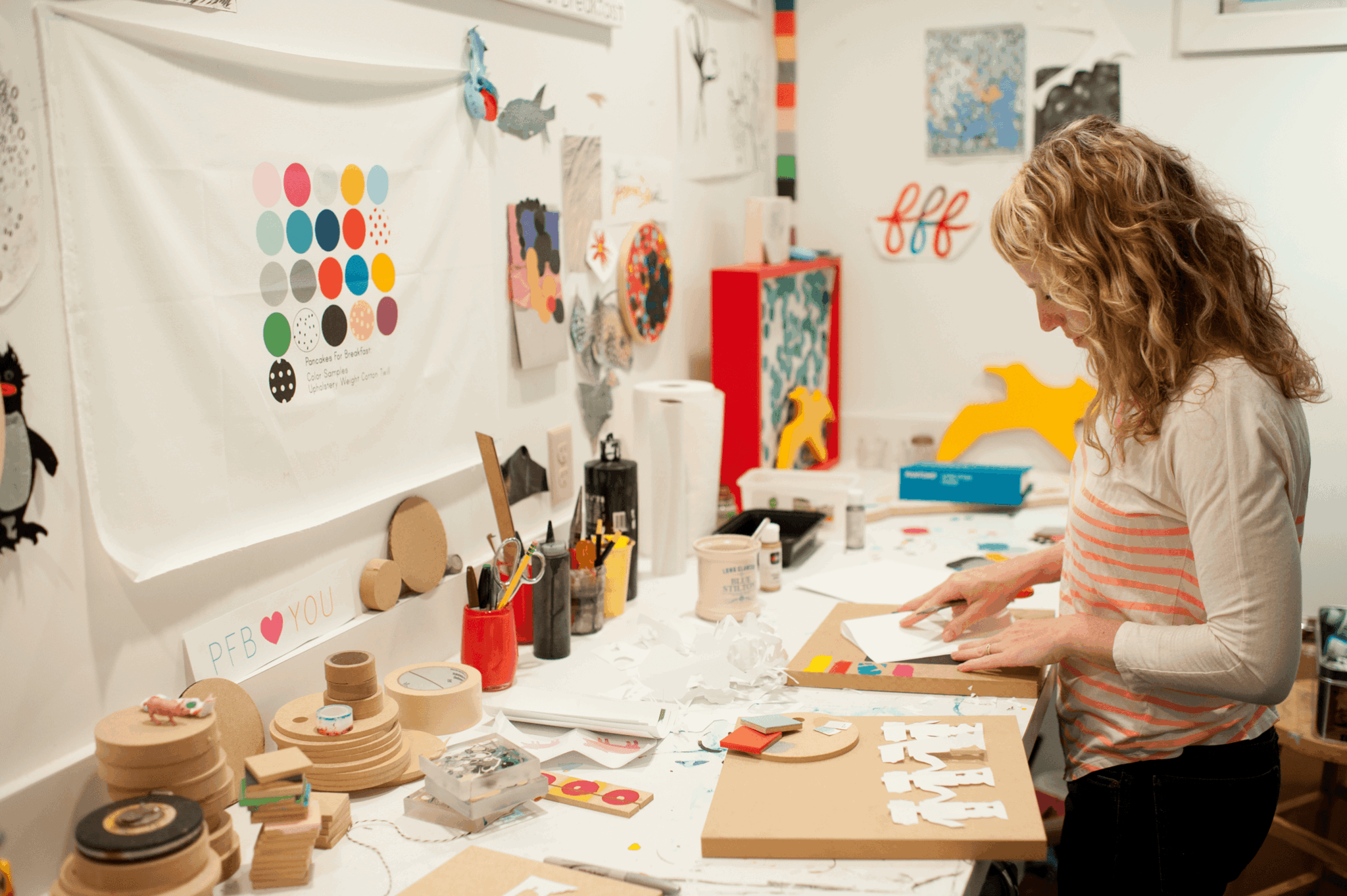
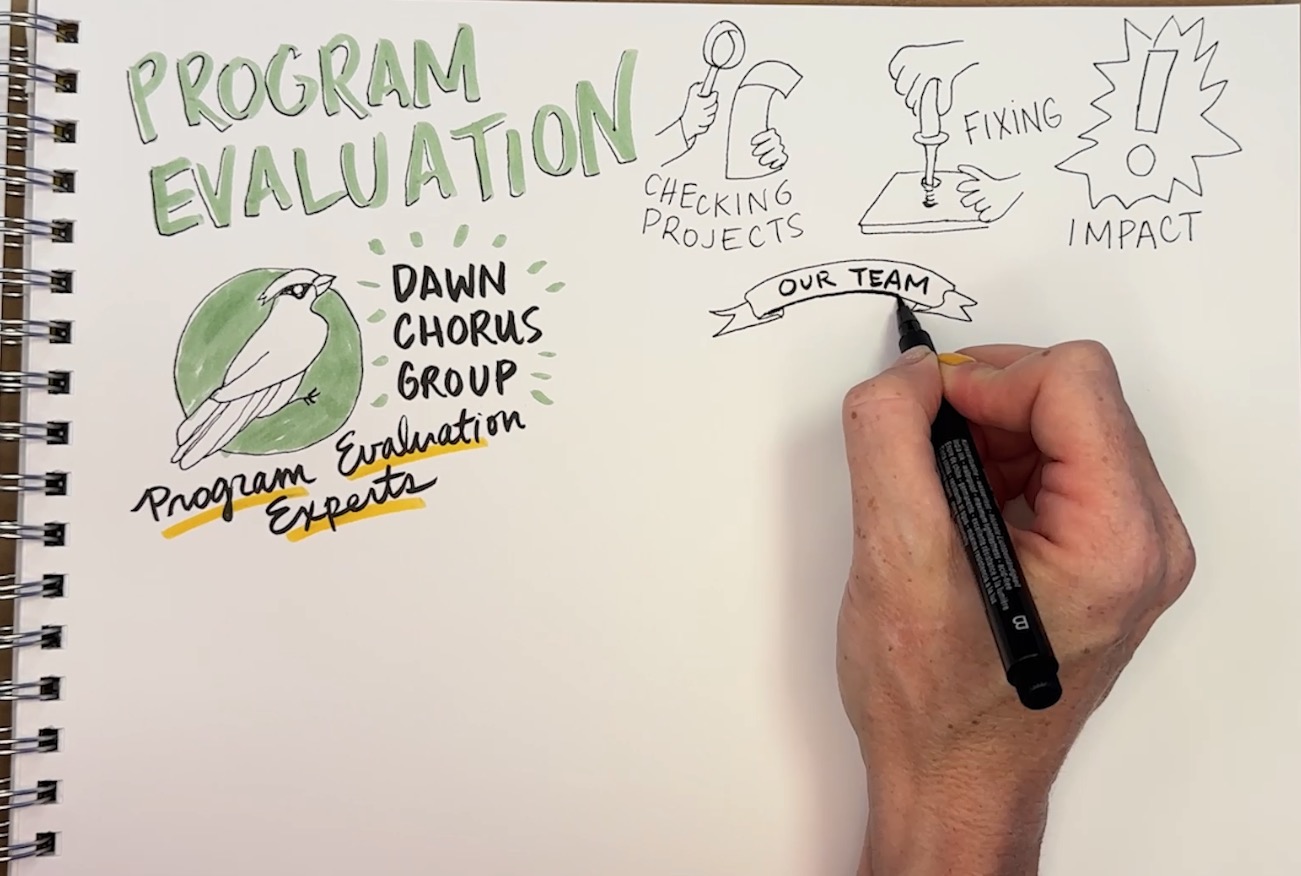
Image Credits
Headshot: Josh Carrigan