

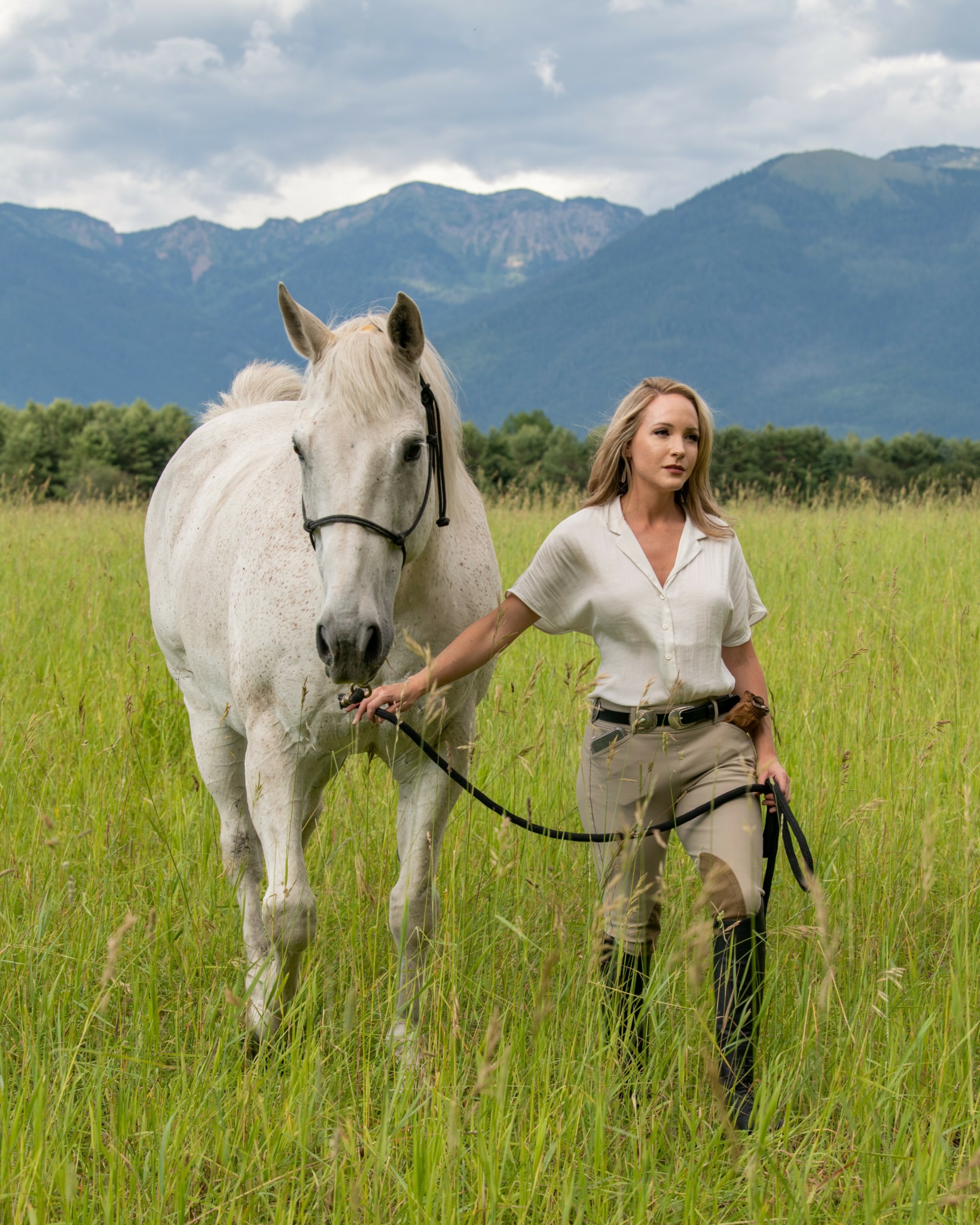

Today we’d like to introduce you to Emily Swisher
Hi Emily, it’s an honor to have you on the platform. Thanks for taking the time to share your story with us – to start maybe you can share some of your backstory with our readers?
I was raised in northern Colorado where my fascination for the western landscape and horses was first developed. In college, I saw the Golden Retriever emotional support animals respond to the victims and families of Sandy Hook and knew I wanted a career that connected psychology with animals and nature. After graduate school, I worked as a wellness coordinator for a large community mental health agency and a therapeutic horseback riding instructor while I worked on building a therapy practice that provided equine-assisted psychotherapy. That effort eventually paid off and in 2017, I became the program coordinator for a non-profit called Mustard Seed Ranch that provided equine therapy services to teens in Colorado.
I have always been pulled to living in Montana, and relocated to Whitefish five years ago. I have built a strong private practice in counseling and now offer equine interventions through weekend wellness retreats. In April of 2024, I published my memoir, STABLE: A Therapist and the Healing Nature of Horses.
Alright, so let’s dig a little deeper into the story – has it been an easy path overall and if not, what were the challenges you’ve had to overcome?
No journey is free from obstacles, but I have been fortunate to have found a strong sense of purpose in my work that helps me navigate those challenges. The beginning stages of my career were difficult in finding equestrian facilities where I could work as a contractor providing equine psychotherapy. Unfortunately, like many of us early in our careers, my passion and time were exploited by the organizations I worked for and left me feeling defeated. But fortunately, those years of dedication did not go unnoticed by a colleague who recommended me for a salaried position at a new non-profit called Mustard Seed Ranch. Even later in my career, I still encountered an organization that was committing insurance fraud while offering equine therapy services. Starting my own practice has eliminated the risk of relying on others, especially when professional licensing and fraudulent behavior is involved.
Thanks for sharing that. So, maybe next you can tell us a bit more about your work?
I have been a psychotherapist now for eight years and have a private practice specializing in equine interventions and EMDR (Eye Movement Desentization and Reprocessing) for trauma work.
Being the ‘horse therapist’ for several years was a large part of my identity and I was extremely proud of having established myself as a reputable provider for an emerging psychotherapy approach. Working as the director of Mustard Seed Ranch, I was first exposed to the systemic effects of trauma in the groups of teenagers who were dealing with trauma, abuse, or neglect. Experiencing traumatic events early in life can lead to increased mental and physical health issues, systemic poverty, continuation of the cycle of abuse, and addiction, amongst many other issues. At the hope of playing a tiny role in any one of those teen’s trajectory, I hoped they could at least feel encouraged, supported by adults, or valued by their community and choose a different path.
Hearing so many stories of trauma lead me to start exploring how emotional trauma becomes physically stored in our bodies. We are so familiar with expressions such as ‘stomach in knots’, a ‘pain in the neck’, ‘uptight’, or a ‘gut feeling’ without recognizing how many symptoms can be attributed to continual stress or tension. I wanted a more impactful way to help clients regulate their nervous system and I became trained in EMDR therapy. EMDR mimics the Rapid Eye Movement (REM) during dreaming to help process traumatic events and lower distress. Now having worked with well over one hundred clients who have processed their varying traumas, I feel so incredibly proud and humbled to watch them flourish in their daily lives with increased self-compassion and awareness.
In April 2024, I published my memoir STABLE: A Therapist and the Healing Nature of Horses that explores my early career in equine-assisted psychotherapy and the lessons I have learned from horses. Currently, I am using equine therapy methods in weekend wellness retreats for women in Montana.
Are there any books, apps, podcasts or blogs that help you do your best?
I am a huge bookworm and love continuing to learn about psychology as it may impact the way I view treatment for clients or connecting with their experiences. Several books that I recommend to clients or that have guided me in my practice are the following:
The Body Keeps the Score: Brain, Mind, and Body in the Healing of Trauma by Bessel Van Der Kolk
Attached: The New Science of Adult Attachment by Amir Levine
Lost Connections by Johann Hari
Care of the Soul: A Guide for Cultivating Depth and Sacredness in Everyday Life by Thomas Moore
Waking the Tiger: Healing Trauma by Peter A. Levine
Contact Info:
- Website: https://www.emilyswishercounseling.com
- Instagram: https://www.instagram.com/monradoswish/
- Facebook: https://www.facebook.com/profile.php?id=61556105593715

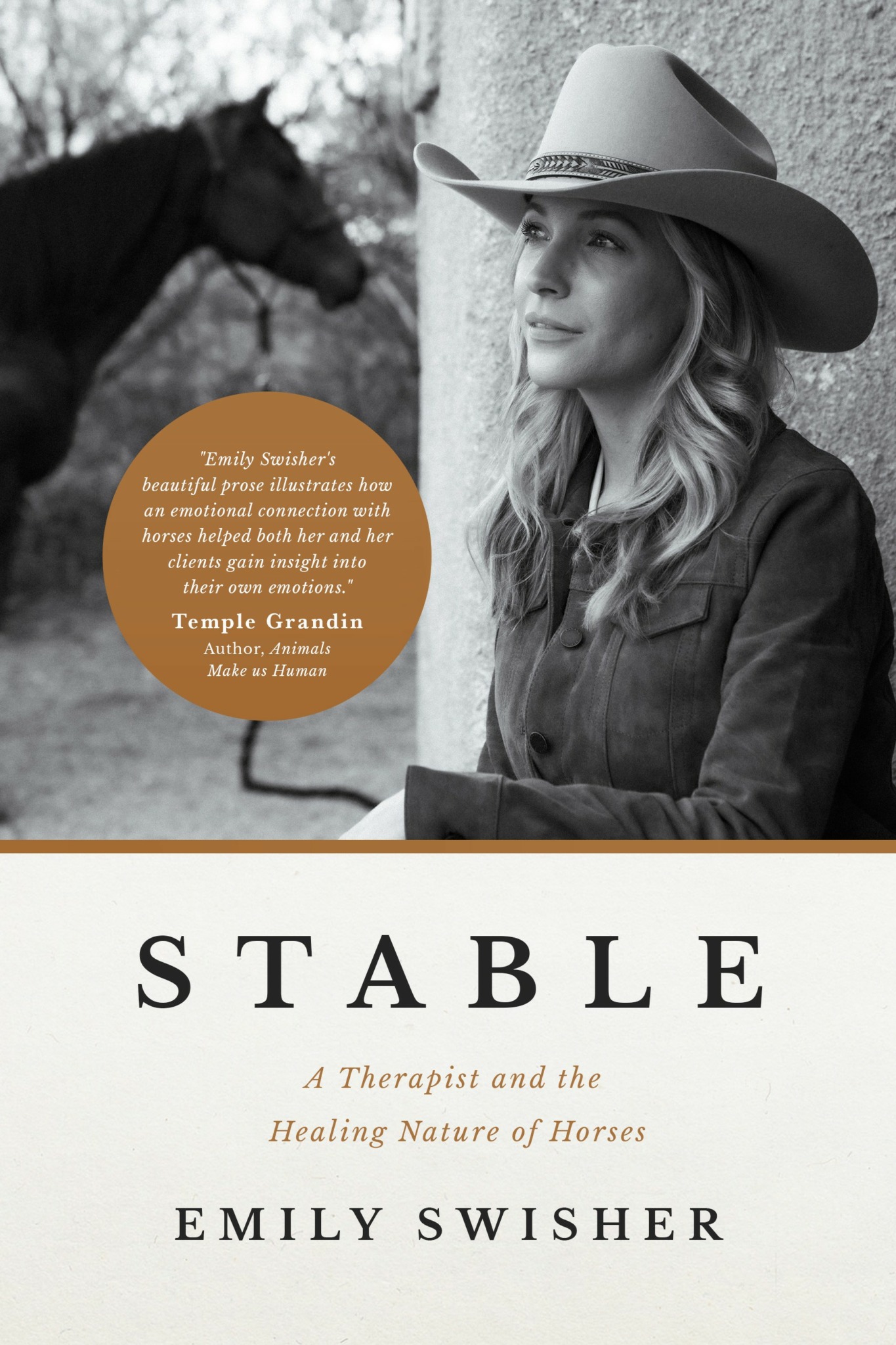
Image Credits
Jameson Images, Stephanie Jean Photo, and Sinuhe Xavier