



We love contrarians. We love hearing unique view points and so one of our favorite things to ask folks is for them to tell us something they believe that most people in their industry disagree with. Check out some of those responses below.
Naomi Hattaway

I believe that board chairs (and other board members of nonprofits who are active voting members) should never serve as an interim executive director of the organization. There are limited situations where I believe it can be helpful and even strategic to ask a *former board member to serve as interim, but I feel strongly about current board members staying out of the role of interim. Often organizations will suggest the board chair serve as interim, however this leaves the organization at risk for a bifurcated set of responsibilities when the board chair needs to stay consistent with board chair duties at the same time they are leaning into the big role of holding space for the team, the work of the org, and the necessary goals and metrics being reached. These are two very different roles: board chair and executive director. Read more>>
Sara Szelagowski
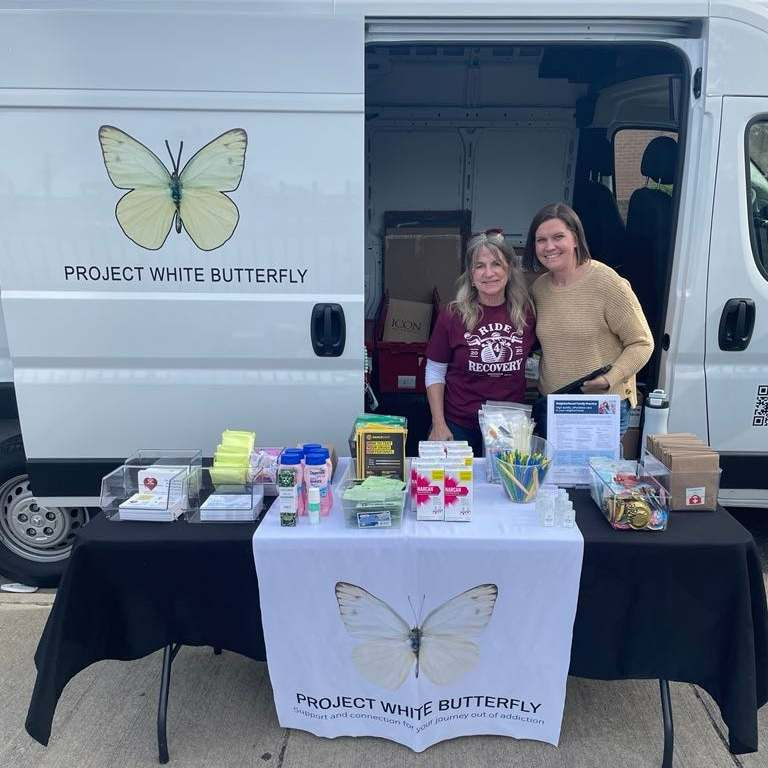
Harm reduction is often misunderstood, but at its core, it’s about promoting safety and dignity, meeting people where they are, and reducing the negative consequences of risky behaviors. The concept is familiar in many everyday situations. When we use seatbelts, wear sunscreen, or practice safe sex, we’re not eliminating risk altogether, but we are minimizing potential harm. Harm reduction for substance use operates on this same principle. However, stigma surrounding drug use often leads people to label harm reduction efforts as “enabling.” In reality, these measures—like clean needle distribution, fentanyl test strips, supervised consumption sites, and medications for opioid use disorder—are evidence-based practices that save lives and improve health outcomes. These interventions do not “enable” drug use; instead, they create a pathway for people to engage with support services and reduce their risk of fatal overdose or other health complications. Read more>>
Arnold Ludd

One unconventional belief I hold is that youth-led programs should be truly youth-driven—not just involving youth but granting them full control over decision-making and planning. Many organizations engage youth as participants or advisors, but adults still often control key decisions and resources. However, I’ve found that when young people are genuinely empowered to lead with minimal adult interference, their unique insights, creativity, and approaches to problem-solving lead to authentic, impactful solutions. Read more>>
Morgan Shuler
One of the biggest concerns people have with AI is the fear of losing their jobs. It’s an understandable worry—change often feels uncertain. But the reality is, AI doesn’t just take; it transforms. For those willing to adapt, it presents a remarkable opportunity not only to grow professionally but to also increase their earning potential. Read more>>