

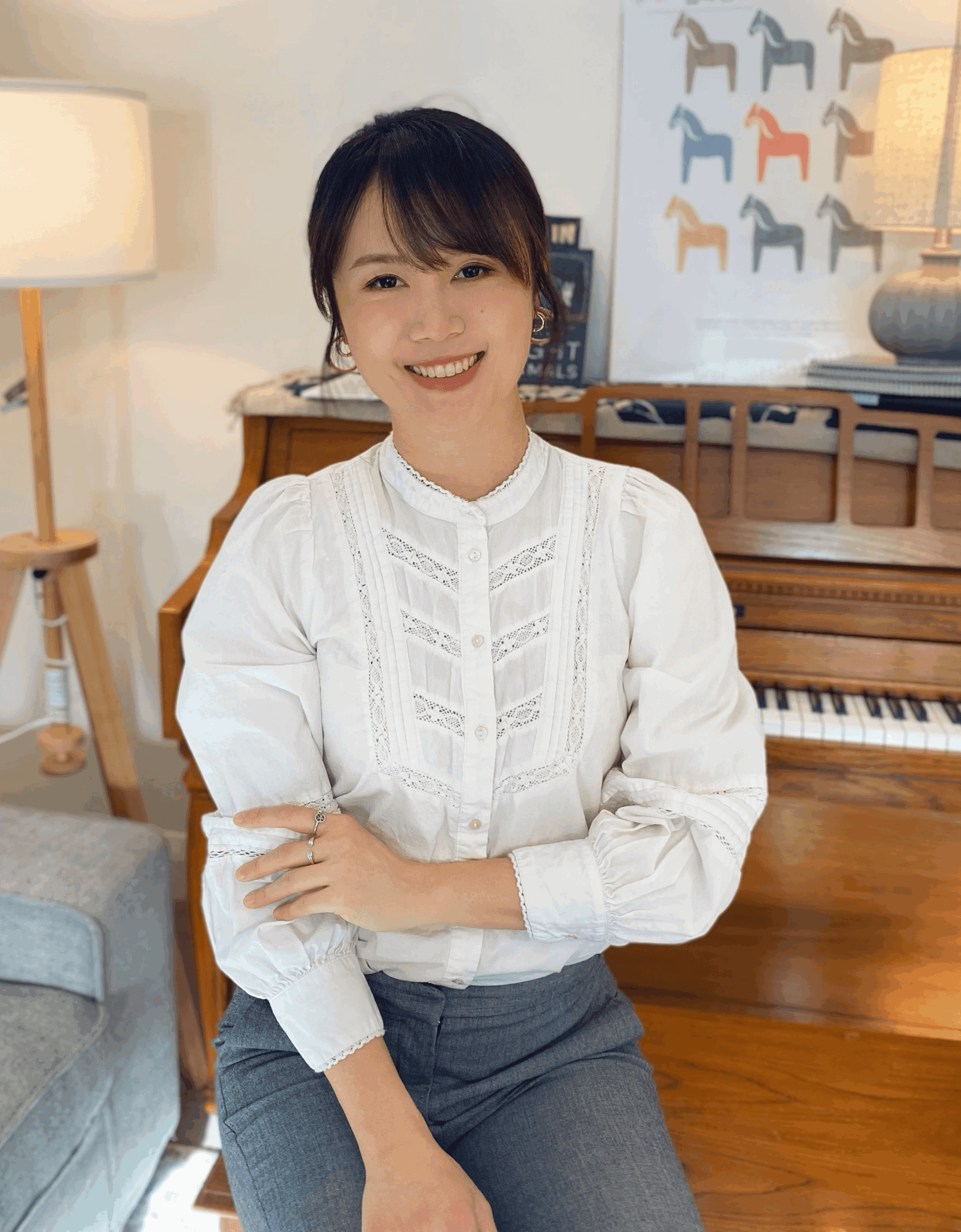

Today we’d like to introduce you to Yiqing Xiang
Hi Yiqing, thanks for joining us today. We’d love for you to start by introducing yourself.
My name is Yiqing (Mandarin, pronounced “Yee-Ching”), and I am a board-certified music therapist currently practicing in Simcoe County, Ontario, Canada. After graduating from the music therapy program and working in the US for over a year, I moved to Canada with my husband to start a new life. I now work with a variety of populations, including those in hospice settings, school settings, neurodivergent children and teenagers, youth with emotional needs, and adults with disabilities. Driving around Simcoe County and visiting nursing homes and group homes is a typical part of my daily work.
Ontario has a significant number of retirement and nursing homes, making music therapy in long-term care a major focus. I usually spend from an hour to a full day at one nursing home, providing group and individual music therapy services to the residents. Music and engaging in music benefit residents experiencing isolation and dementia in long-term care.
At other times, I see clients at the music therapy clinic where I work or travel to their homes, providing both in-person and virtual music therapy. I enjoy using music as a tool for neurodivergent children and teenagers to explore their emotions. For example, teenagers explore tense family relationships through songwriting, express their emotions by sharing their preferred electronic music, and manage anxiety through music and imagery relaxation techniques.
I’m sure it wasn’t obstacle-free, but would you say the journey has been fairly smooth so far?
Moving from the US to Canada was a difficult decision for me, as it meant saying goodbye to my friends and professional network and pursuing a new life in a different country. Initially, I felt overwhelmed at the prospect of practicing music therapy in Canada because I knew little about both the field and the culture here. Fortunately, I have begun to meet new friends and build connections with local music therapists through the Music Therapy Association of Ontario.
Professionally, the development of music therapy in Ontario differs greatly from my experience on the East Coast of the US. Job opportunities for music therapists here are much fewer due to differences in financial systems, healthcare systems, and the number of available music therapy programs. As a result, the clinic where I work has many contracts with nursing homes, which means I’ve had to learn a lot of country and Western music from the 1930s to 1950s. This has been a significant shift for me, as I previously worked mainly with younger populations, from children to adults. I’ve also had to educate myself about the history and cultural influences that shaped older generations of immigrants. Additionally, there are far fewer facilities offering music therapy services compared to the US. On the bright side, this also means there is still a lot of potential for creating new opportunities.
Despite the personal and professional challenges, Toronto feels like home to me, largely due to its substantial Cantonese Chinese immigrant community and the abundance of authentic Chinese food and services. Visiting the fantastic Asian grocery stores and enjoying food from my hometown has helped alleviate my stress.
Thanks for sharing that. So, maybe next you can tell us a bit more about your work?
As an emerging music therapist, I’m still exploring my specialty. Since my internship, I’ve developed a particular interest in using music therapy to support individuals with mental health needs, including anxiety, trauma, depression, stress, grief, and addiction. I’m also keen on integrating music therapy into psychotherapy and working with immigrants, as I can relate to their experiences and struggles with cultural identity, a sense of belonging, and family isolation.
In 2023, the book Portraits of Everyday Practice in Music Therapy by Dr. Noah Potvin and Dr. Kate Myers-Coffman was published, featuring a chapter I contributed about culture shock during my internship as an international student, where I used hip-hop and rap music with teenagers from BIPOC communities. This experience of working with children and adolescents living with mental health challenges has deepened my desire to incorporate more creative expressive art therapies with these populations.
How can people work with you, collaborate with you or support you?
Please feel free to contact me if you are interested in bringing music therapy in mental health to your facility.


Image Credits
Grove Park Home provided the pictures of Yiqing working with the residents in music therapy sessions.