

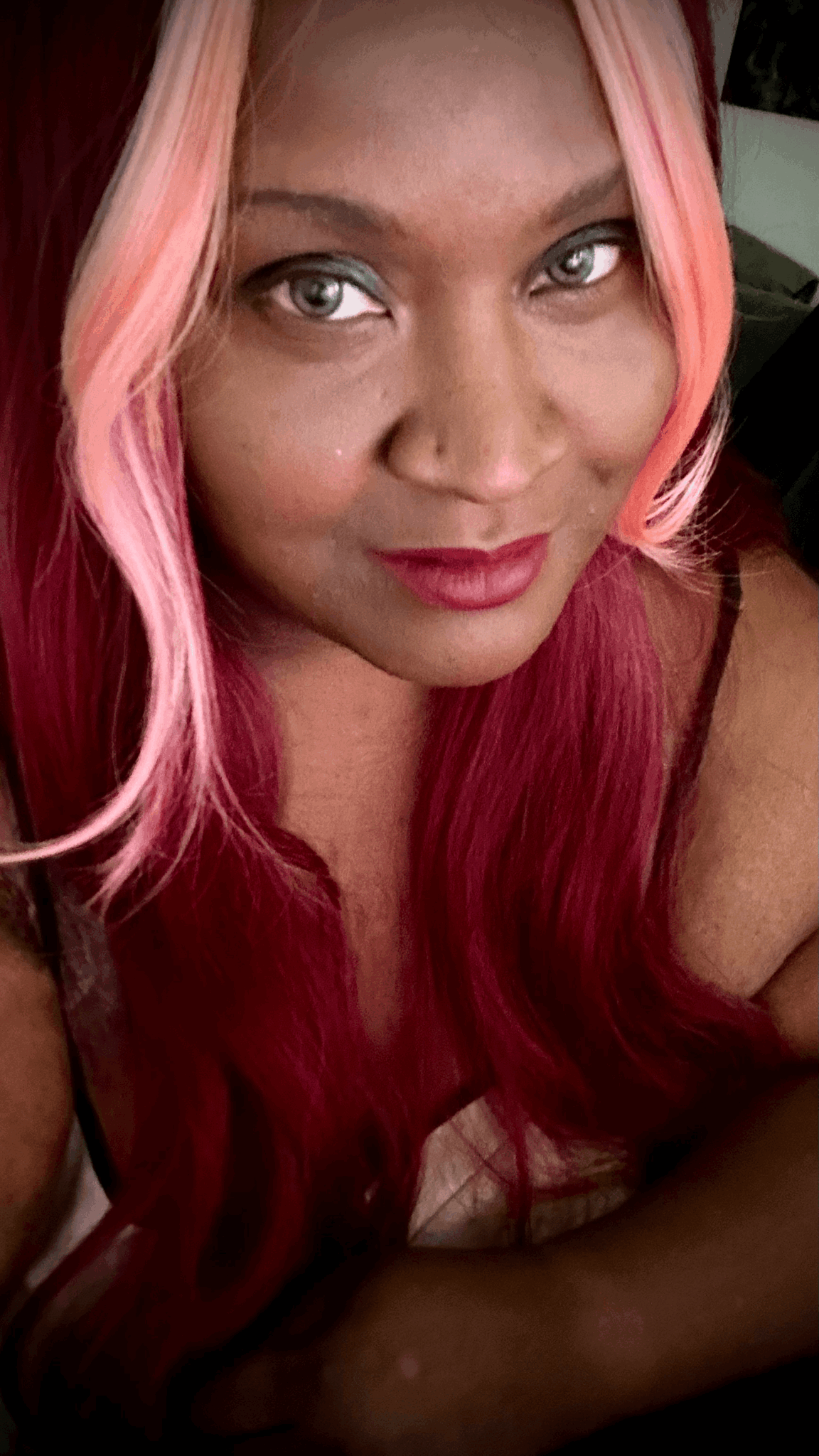

Today we’d like to introduce you to Stells Di Rossi Hurst
Hi Stells, so excited to have you on the platform. So before we get into questions about your work-life, maybe you can bring our readers up to speed on your story and how you got to where you are today?
I come from a family deeply rooted in the arts and entertainment industry, with generations of musicians, writers, painters, models, and dancers- we are a creative bunch is just something a lot of us are drawn to right from childhood. Creativity has always been a natural part of my life, shaping my passions from an early age.
I am person of many hats and talents, but I am mainly known for my grunge rocker persona, Stells Hells Bells, as the dynamic lead singer of the alternative rock band Method to the Madness. Additionally, I am the creative force behind The Velvet Crush, an EDM project and I am the Executive Producer Babel-On Studios. Beyond music, I host the THOR Radio podcast talk show and am one of the co-founders of RH Media Productions. I am also a designer of fashion and home decorum, under the alias EdRH. These ventures reflect my dedication to exploring and sharing creativity and expression of innovative ideas in music and media and the arts.
We all face challenges, but looking back would you describe it as a relatively smooth road?
The journey has certainly not been smooth, but as the saying goes, “Anything worth fighting for isn’t going to be easy.”
My path began with the spark of a dream in childhood but realizing it, grasping ownership of it and evolving has required perseverance and resilience. Being an artists is always an uphill battle and few get recognition in the light many strive for many reason including social, economic or other bias because of societal concepts of what an artist should be.
As a plus-sized woman of color in alternative rock, I’ve faced significant challenges, including indifference to my individuality and skepticism from those who couldn’t grasp my out-of-the-box approach as an artist. In many ways, my presence in this space feels like being a unicorn—rare and often doubted. In acceptance of existence. When I do appear, reactions range from disbelief to outright criticism including sexism, racism and outright hostility that my more fairly pigmented, skinner and majority male peers don’t quite as much as I do regularly as a social norm- often rooted in societal conditioning and limited perspectives.
However, these struggles have only strengthened my resolve to remain authentic, both as a person and as an artist. The more criticism I faced for defying stereotypes, breaking stagnant creativity and questioning my right to not be pigeonholed, silenced, ostracized- the more I realized my purpose: proving them wrong.
Yes, a woman of color can create grunge rock.
She should not be pigeonholed by stigma, prejudice, or bias for simply expressing herself.
This journey has also exposed the broader, uncomfortable reality of an invisible creative apartheid and social attitude that is masked in plain sight.
Why are the arts still predominantly male, overwhelmingly fair-skinned, and why do female rockers often conform to a narrow, “acceptable” image? Art, especially music, should not be confined by pigment, size, or stereotypes. Yet, the mainstream continues to perpetuate these cliches—not by accident, but as part of a systemic issue.
Breaking through this invisible ceiling is not easy, but it’s necessary. My goal is to challenge these norms, expand representation, and inspire others to embrace their authenticity without compromise. So when I am performing, giving interviews, and still out there- be careful there is broken glass under my heels. I’m breaking the walls again one step at a time.
Thanks – so what else should our readers know about your work and what you’re currently focused on?
I am a creative activist dedicated to expressing my truth from a perspective that is both unique and underrepresented. Growing up, I fell in love with rock ‘n’ roll, but I rarely saw anyone in the genre who looked or sounded like me—a reality that remains true in many mainstream outlets to this day. Female rockers of color are always hidden figures, downplayed or a token. Why?
After 2020, there was a push in creative industries to highlight marginalized voices, but even then, the representation often adhered to stereotypes and cliches of what black voices should be. So if you were not singing Gospel, Hip-Hop, R&B or Soul they didn’t want to hear you or respond. You didn’t exist because you were not Black enough to recognized. Where were the artists of color in Metal, Country, and Rock? The few that exist are majority male, and weren’t innovating beyond the base of the stereotype.
I am proud that my original music has reached international audiences, allowed me to tour globally, and sparked conversations about this lack of diversity. For over 26 years, I have inspired women, people of color, and other marginalized voices to break free from the societal and generational limitations that persist. The sad part is my own country doesn’t recognize my art the way others do for its worth due to racial engrained stigma.
Despite receiving hate mail, threats, and pushback (all from within mainly the United States)—often from individuals who do not experience intolerance firsthand—I continue to shed light on what I call “creative apartheid.”
By raising awareness of the systemic imbalance in the arts, I aim to inspire others to recognize inequality and support artists breaking through these barriers. Art has the power to bring humanity closer together, and I believe it’s worth the risk to advocate for inclusion and authenticity in creative spaces. Art has no pigment, no set rules, it is the voice of the artists be what it may it should be censored by limited societal stigma like sizeism, sexism and racism.
This mission is what ultimately brought me back to the Bay Area, where I was born and where there is greater recognition of the need for diversity and inclusion in the arts and communities. It’s good to be home, continuing the work that matters deeply to me. And it is good to accepted by peers rather than have constant intimidation for just speaking my creative truth.
Risk taking is a topic that people have widely differing views on – we’d love to hear your thoughts.
I believe that every time I participate in an interview, perform a show, or make a public appearance, I am taking a risk. Challenging societal norms that resist change often comes with significant pushback. Many people are uncomfortable confronting their own contributions to microaggressions, racism, or systemic bias. However, ignoring these issues or making excuses for them only perpetuates the problem, which is why I feel compelled to address them, even when it’s difficult.Taking these stances has brought both positive and negative effects.
My family and I have faced harassment from individuals who oppose my views—racists, chauvinists, trolls, and others who seek to silence or intimidate me. I’ve experienced floods of online insults from strangers, been subjected to racial slurs, ostracized for my beliefs, and even publicly silenced. At one point, the harassment forced me to relocate leaving my home in several places and even leave state. These moments often left me questioning the times we live in, wondering if those who remain in their “assumed lanes” are unaware of these realities simply because they don’t experience them firsthand.
This realization profoundly shifted my approach to art and music. What began as creative expression evolved into creative activism, embedding a strong and intentional message into my work. While the risks are significant, I believe they are necessary to spark dialogue and inspire change.
Contact Info:
- Website: https://express.adobe.com/page/E4rcXE9dkh7K2/
- Instagram: https://www.instagram.com/rhmediacorp?igsh=OGQ5ZDc2ODk2ZA%3D%3D&utm_source=qr
- Facebook: https://www.facebook.com/stellshellsbells?mibextid=LQQJ4d
- LinkedIn: https://www.linkedin.com/in/stells-di-rossi-hurst-088878272
- Youtube: https://youtube.com/@methodtothemadness?feature=shared
- Other: https://anchor.fm/thorradio
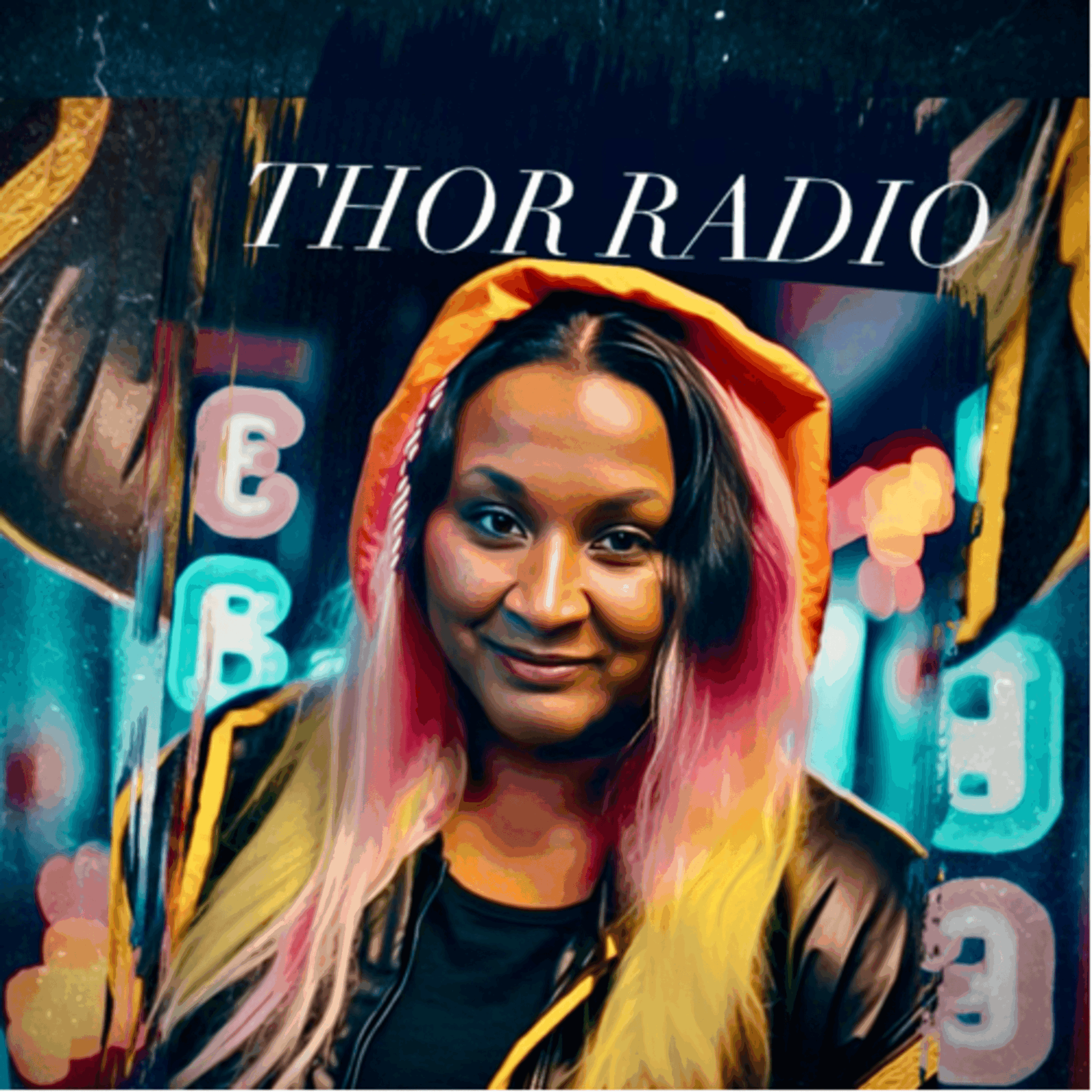
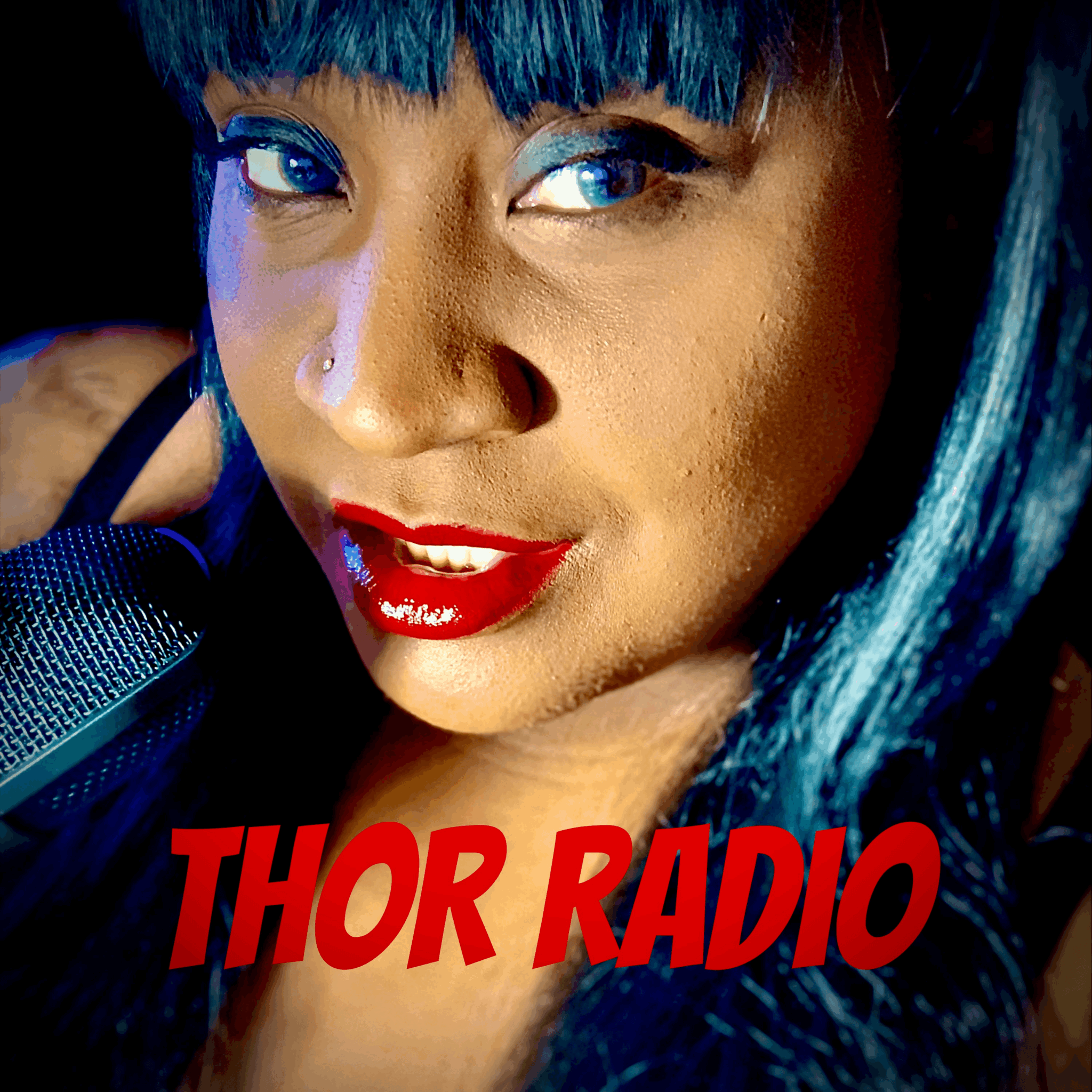
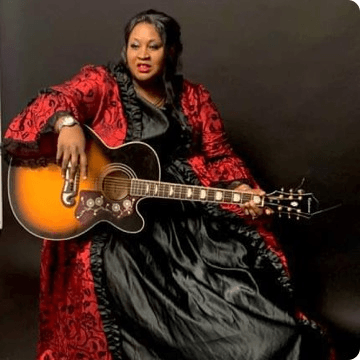
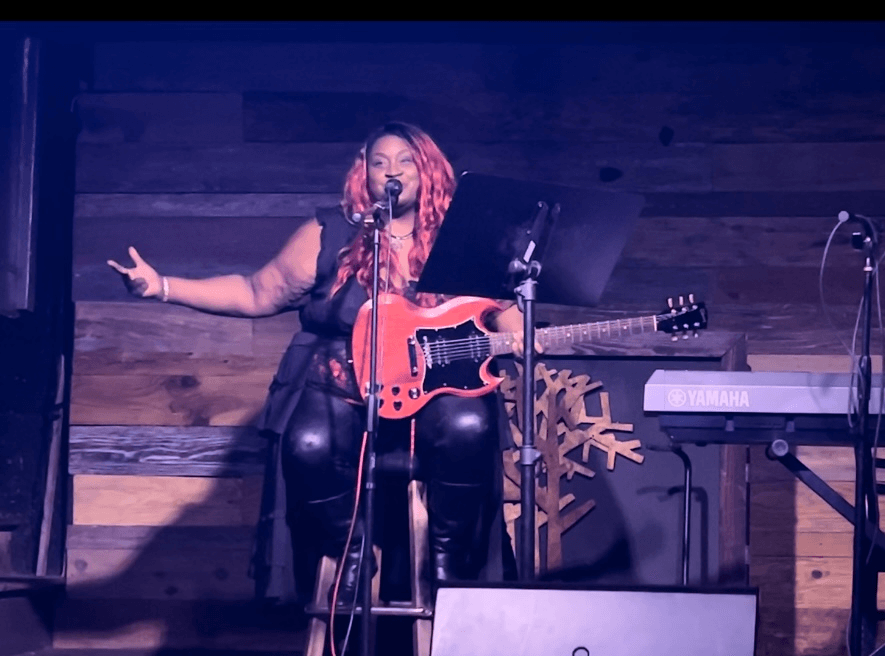
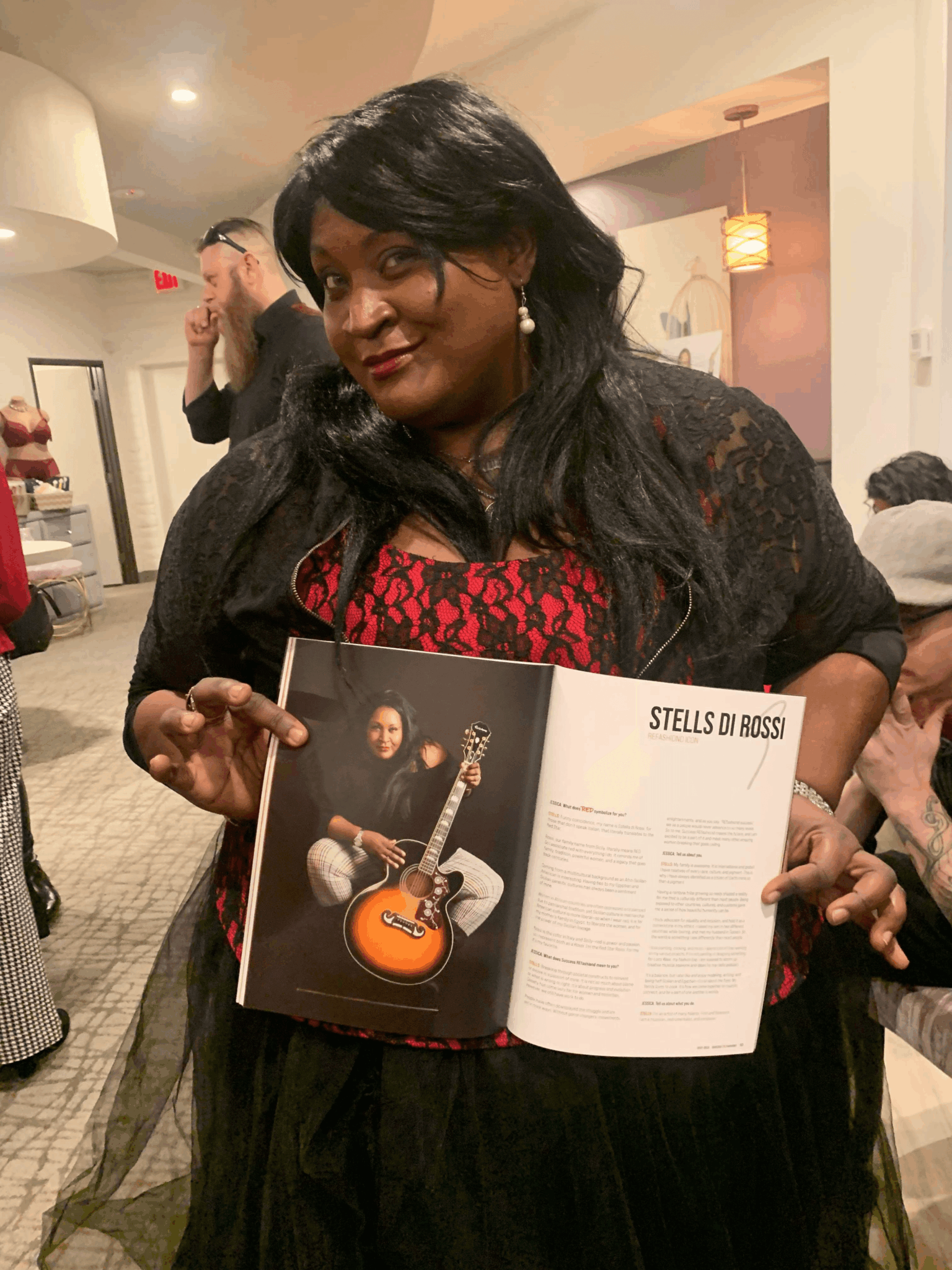
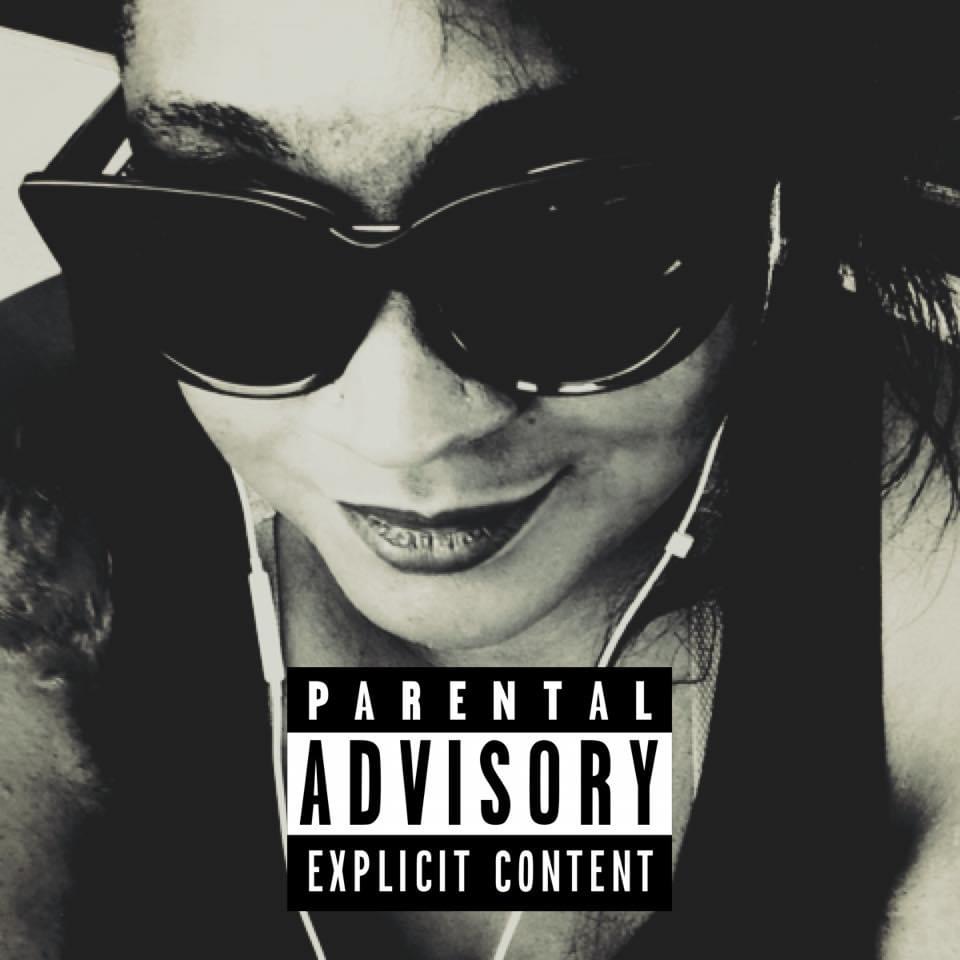
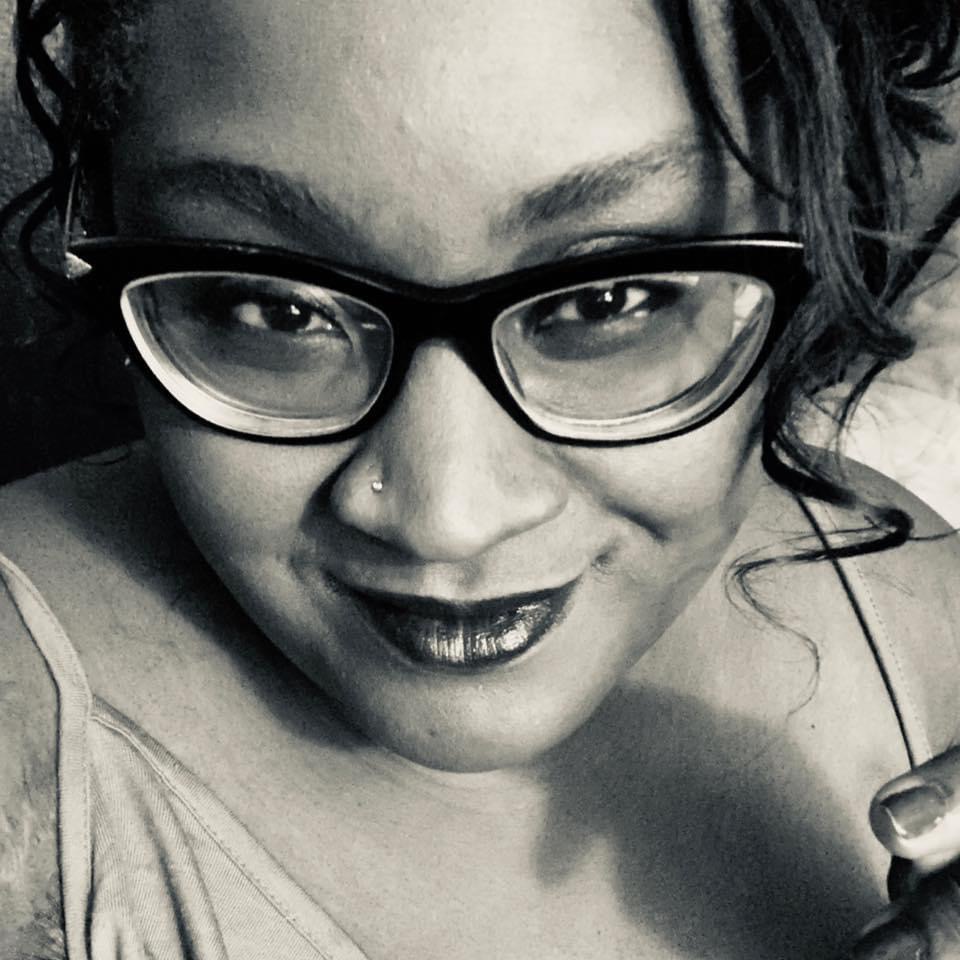
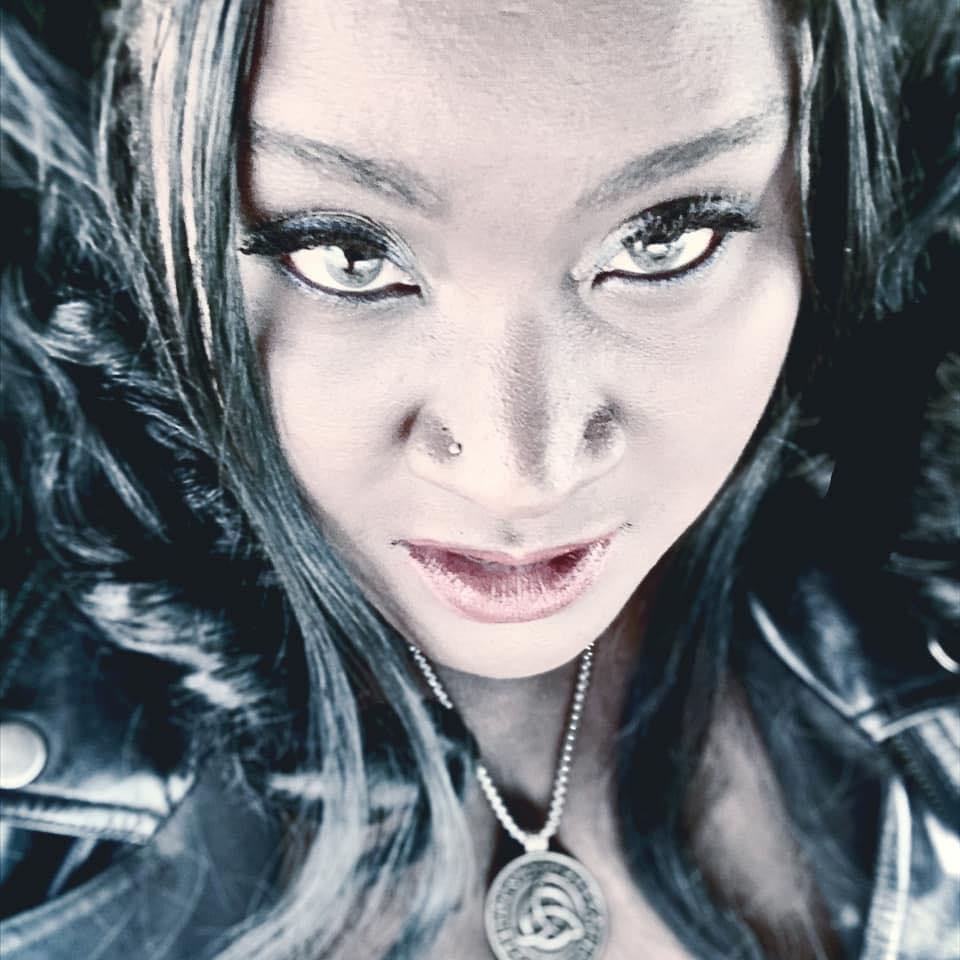
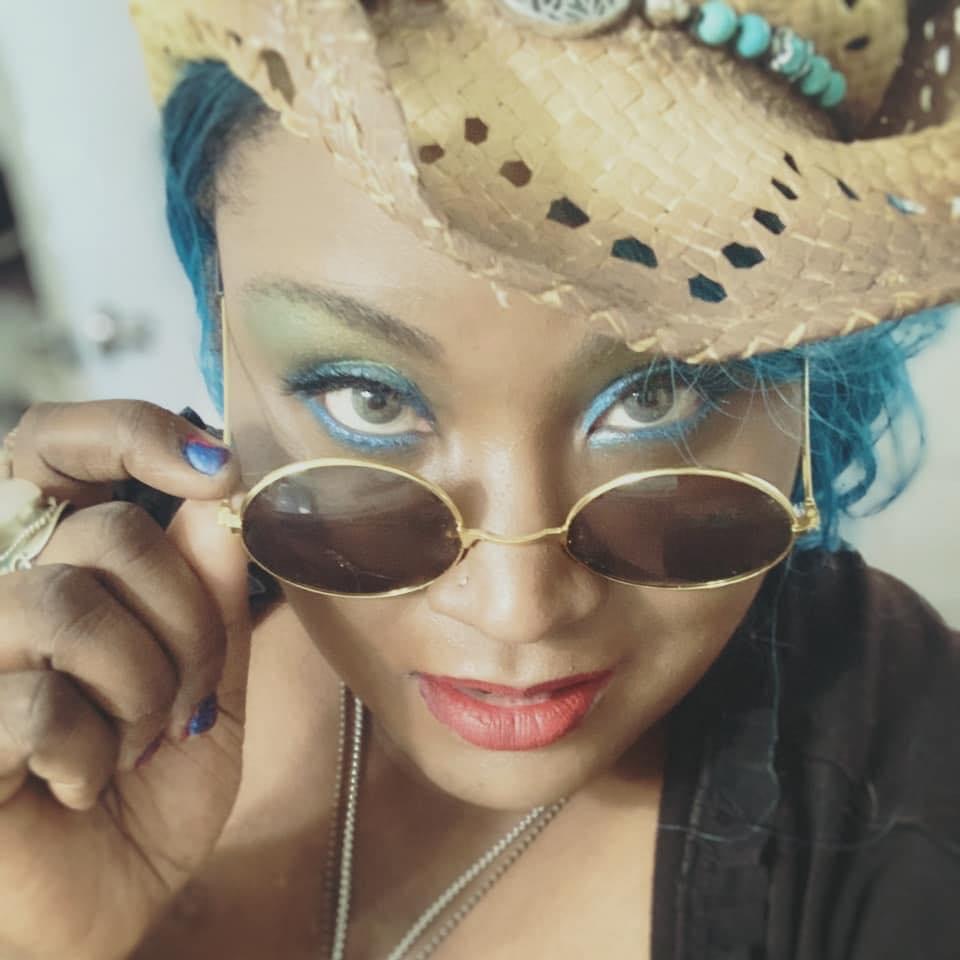
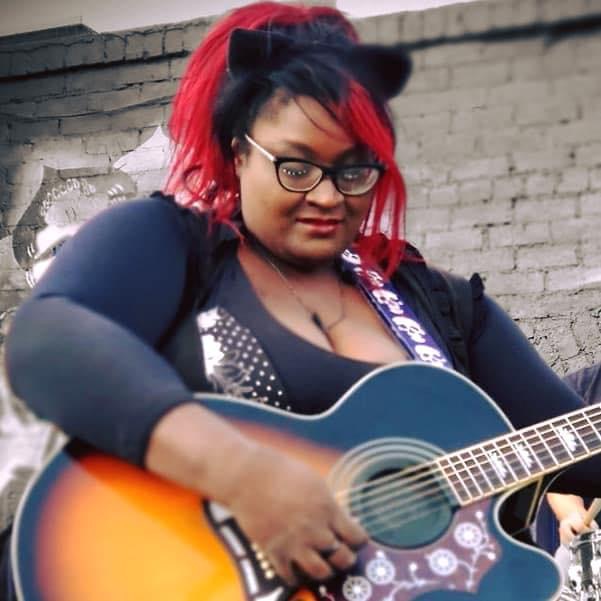
Image Credits
Images Courtesy of RH Media Productions and Method to the Madness