



Today we’d like to introduce you to Sandra Kluge
Hi Sandra, so excited to have you on the platform. So before we get into questions about your work-life, maybe you can bring our readers up to speed on your story and how you got to where you are today?
I am a tap percussionist and composer based in Brooklyn, NY. My work centers around creating frameworks for tap to function as a full music instrument embedded in the rhythm section. This includes composing, recording, and performing projects, both in solo and collaborative contexts.
Born in Bremen (Germany), I grew up in a family of musicians: Both my parents and three of my grandparents are and were professional musicians, in both classical and jazz realms. I started learning how to play the clarinet with my Dad when I was 9. At age 10, I learned my first tap steps from my Mom, who, at that point, had been tap dancing for about 30 years. The area we lived in didn’t really have tap classes so me and my Mom started attending as many workshops as possible whenever teachers were around. This allowed me to study with international master tap dancers, build a network, and be exposed to a wide variety of styles and approaches. In between workshops, I would practice, improvise, and create by myself which had me form my very own relationship and approach to this art form from a very early age.
I never really cared about the movement or theatrical aspect of tap – to me, the enjoyment always lied in making music with my feet. A pivotal point occurred in 2015 – the year I moved to NY – when I attended Heather Cornell’s Rhythm Tap Intensive. In it, we did an exercise in which guitar player Tony Romano asked us to accompany one blues form with our taps. Everyone failed grandiosely, playing way too much, and soloing instead of accompanying. The seed of tap as a music instrument was already within me at that point, and thus I got so mad for not being able to play appropriately that it sparked my quest of establishing tap as a music instrument that is fully capable of accompanying and can be a part of the rhythm section.
From that moment on, I fully embraced the path of tap as a music instrument, of tap percussion – playing, experimenting, composing, with this very goal in mind: I want to be a pocket tap percussionist, in the same way that there are pocket drummers.
The composing led to recording, and soon I started making beats and songs with tap as the exclusive percussive instrument. I call myself a tap percussionist, because it just doesn’t feel fitting to say I’m a tap dancer. Because I don’t think like a dancer. I think like a drummer. I don’t choreograph, I compose. I don’t dance to the music, I play it. The movement for me serves one single purpose: To create the exact sound that I want – much in the same way that a drummer needs to be aware of how high to lift the stick in preparation of the sound, or how a piano player needs to consider what body parts initiate the touch on the keys. In line with the Miles Davis quote, “Play the music, not the instrument”, I find that tap percussion is a very embodied way to, in fact, play the music.
I’m sure it wasn’t obstacle-free, but would you say the journey has been fairly smooth so far?
I want to preface with a paraphrased quote by Ray Dalio: “Life is not about reaching goals, it’s about struggling well.” This has become one of my guiding principles. Obstacles are opportunities for growth if I choose to treat them this way.
The path I am on is one that not many others are on. Which is exciting and challenging at the same time. I feel that the few people who really are on the path of tap as a music instrument all create such different work (which is awesome!) – allowing lots of space for unique expression. It is thrilling to conquer uncharted territory, and I hope to share my music with as many people as possible.
However, this excitement can also feel lonely at times, with not much to really reference, because I’m literally creating something fundamentally new.
On a practical level, there were definitely challenges on the way. A big one has been the joys of the US immigration system. The very first time I applied for my artist visa was very challenging because I was very inexperienced, overwhelmed by the whole process, and frustrated by processing delays. At the same time, it made me appreciate the success of getting approved even more.
A consistent challenge is mental health. As someone with a history of panic attacks and anxiety as well as a highly sensitive, introverted nature, it can at times be difficult to maintain a productive, healthy headspace, especially when I find myself in difficult situations. Managing my time as efficiently as possible in order to maximize financial abundance as well as space and time to create is a fun, yet sometimes overwhelming challenge. But I wouldn’t trade it for anything else. I like the feeling of being challenged because I know that on the other side is always a reinforced sense of self-trust and confidence.
Alright, so let’s switch gears a bit and talk business. What should we know about your work?
As a tap percussionist and composer based in Brooklyn, NY, my work centers around creating frameworks for tap to function as a full music instrument embedded in the rhythm section. This includes composing, recording, and performing projects, both in solo and collaborative contexts.
With my work, I strive to elevate tap beyond the superficial image of being a mere entertainment act, or a special gimmick, but rather, a music instrument that can be part of the rhythm section if it’s treated that way. Thematically, my music touches on themes such as mindfulness, all the ways in which we can embody self-love, and befriending our emotions. A lot of my compositions are like emotional collages and diary snapshots.
The bulk of my creative work at the moment happens in the studio – composing, producing, and exploring ever-new sound worlds. Over the past two years I’ve released two singles, “Clementine” and “Misty Rose”, and I’ve got another one that’s coming out soon. I’m also working on an EP that I’m planning to release later this year – it centers around my project of building my own sample kits from my tap sounds, creating a variety of multilayered sound textures.
And then of course I will release a full album sometime in the next few years. That will be very exciting because music is universally impactful. Whether it’s the song we play to boost our confidence before an important event, or the song we allow ourselves to cry and release heavy emotions to, or the song that reminds us of a special someone. In this day and age, most of these songs are readily available to us wherever we are. To see a tap dance performance you have to either go to a theater or pull up a video. But a tap-based piece of music you can just access through your phone and listen to no matter where you are. The idea of people taking my music with them, hopefully getting to be a part of someone’s go-to playlists, fills me with deep satisfaction.
I also have a few live projects that I’m working on: My ongoing solo set, in which I play tap percussion, keys, and vocals through my loop station is constantly developing and shifting, and I’m also experimenting with translating that to a band setting. Then I also started workshopping some ideas for a live concert that utilizes multiple tap percussionists, effectively translating the elements that, in a solo context, I layer either through looping or recording multiple tracks, to multiple people. It feels like playing with a human drum machine, and it’s an exciting new way to approach my rhythmic composition and arranging.
I’m very proud of everything I’ve achieved already, and super excited for everything that’s to come. I can confidently say that what I do is a niche within a niche – tap already is a fairly specific field, and the concept of tap percussion even more so. I am proud of how confident I feel about my vision, and how I’m in a place that feels like I’ve truly refined my approach. I’m also very grateful to call New York City my home, and to be a full time working creative human in this wonderful city that, even after 9 years of living here, sparks so much joy in me.
What were you like growing up?
Most of my childhood was either spent creating something with my hands or dreaming up things in my mind. I was very introverted and did not really socialize much. I felt that my own company was more than enough (which, looking back, was partly rooted in fear). I spent hours and hours creating elaborate worlds on paper, from imaginary countries with their own language that I made dictionaries of to elaborate store catalogues, stories, magazines, cartoons, and much more. My biggest project that I worked on from about age 8-15 was a whole universe of Playmobil. I did not simply play with the figures and the scenes they came in. With the help of my Mom, I built a whole city for the figures. They lived in apartments made of cardboard boxes, their rooms furnished with a mixture of the pieces they came with and ones that we built out of painted cardboard. I cut out and sculpted all the tiny items of everyday life, from food to books to fashion items, etc. The city had a functioning street system for cars, bikes, and pedestrians, as well as a bus, and external attractions such as the beach (aka the bath tub). I made a big spreadsheet that listed everyone’s name, address, and other distinct characteristics such as favorite color, job title, birthday, and much more. It’s no surprise that one of the first jobs I could imagine doing was interior designer. Ultimately, music won, but I still think about the time of building a model city very fondly.
Contact Info:
- Website: https://www.sandrakluge.com
- Instagram: https://www.instagram.com/sandra.kluge
- Youtube: https://www.youtube.com/sandrakluge
- Other: https://open.spotify.com/artist/6ZXJr6MXhJxUZghMklF2yx?si=oNAL2s2aRySTttv60aGWJw
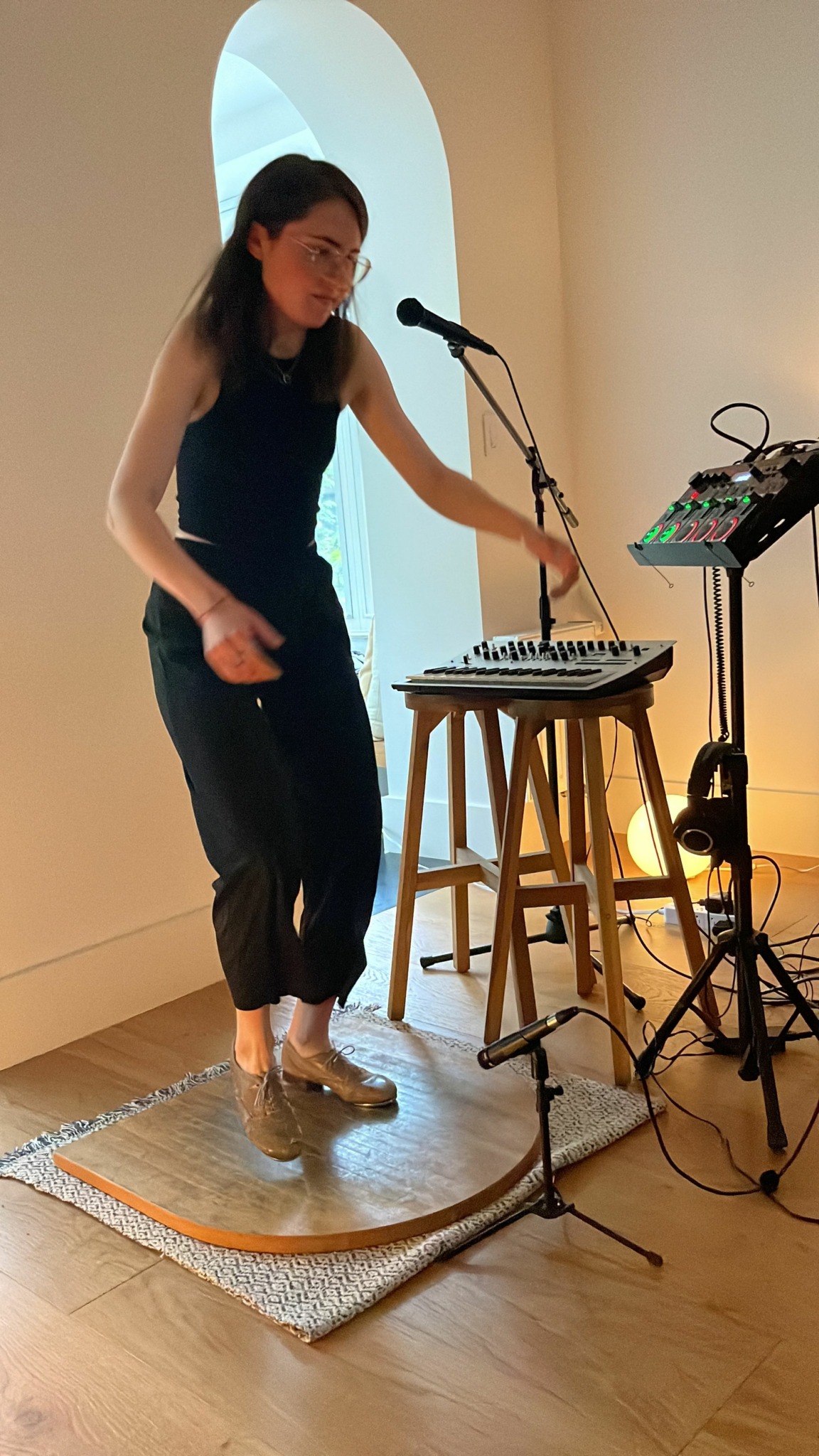
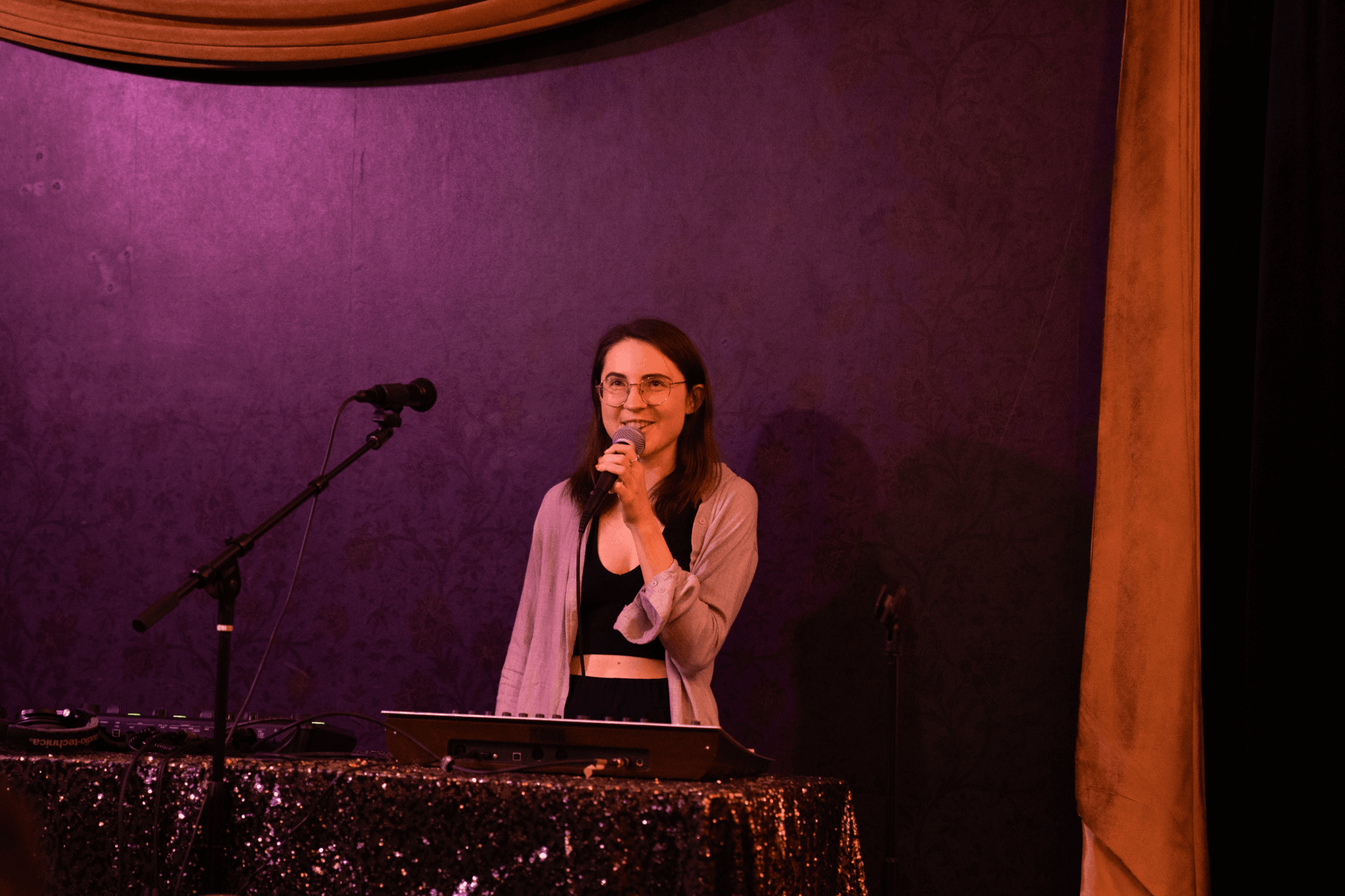
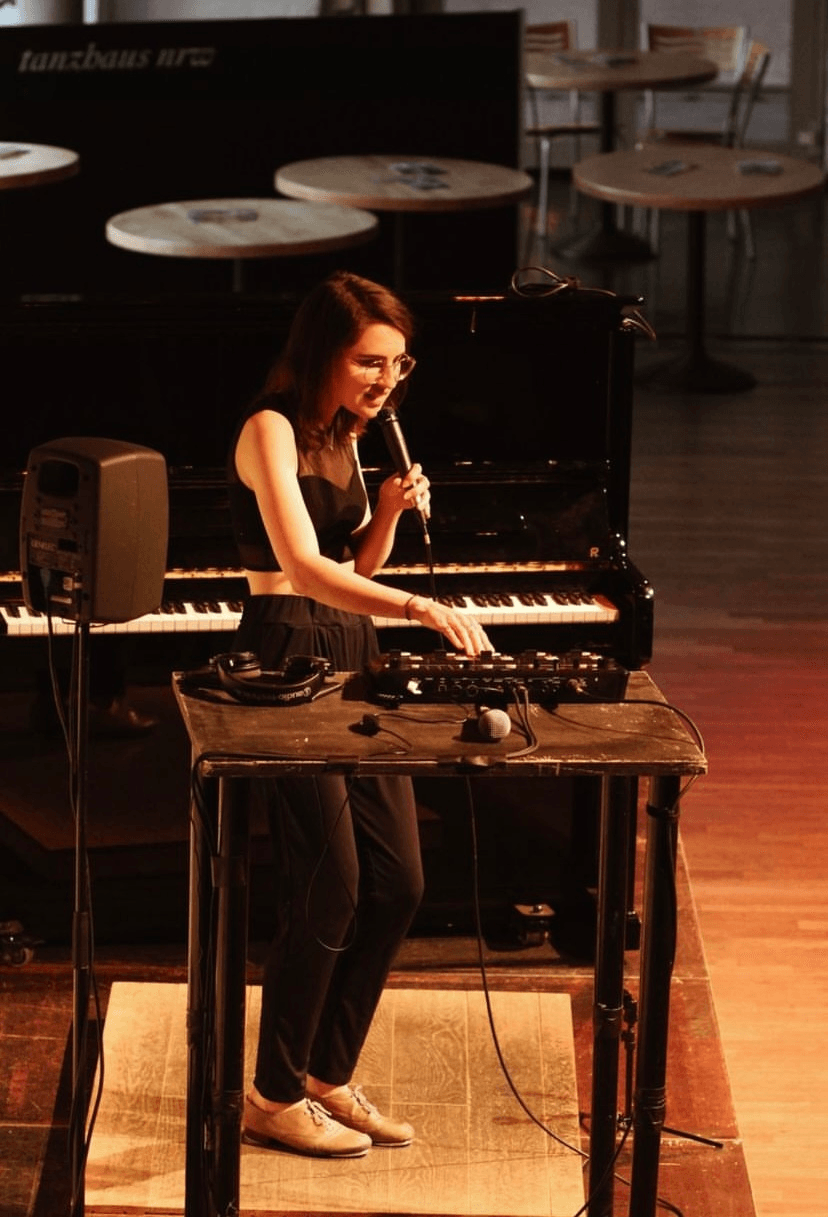
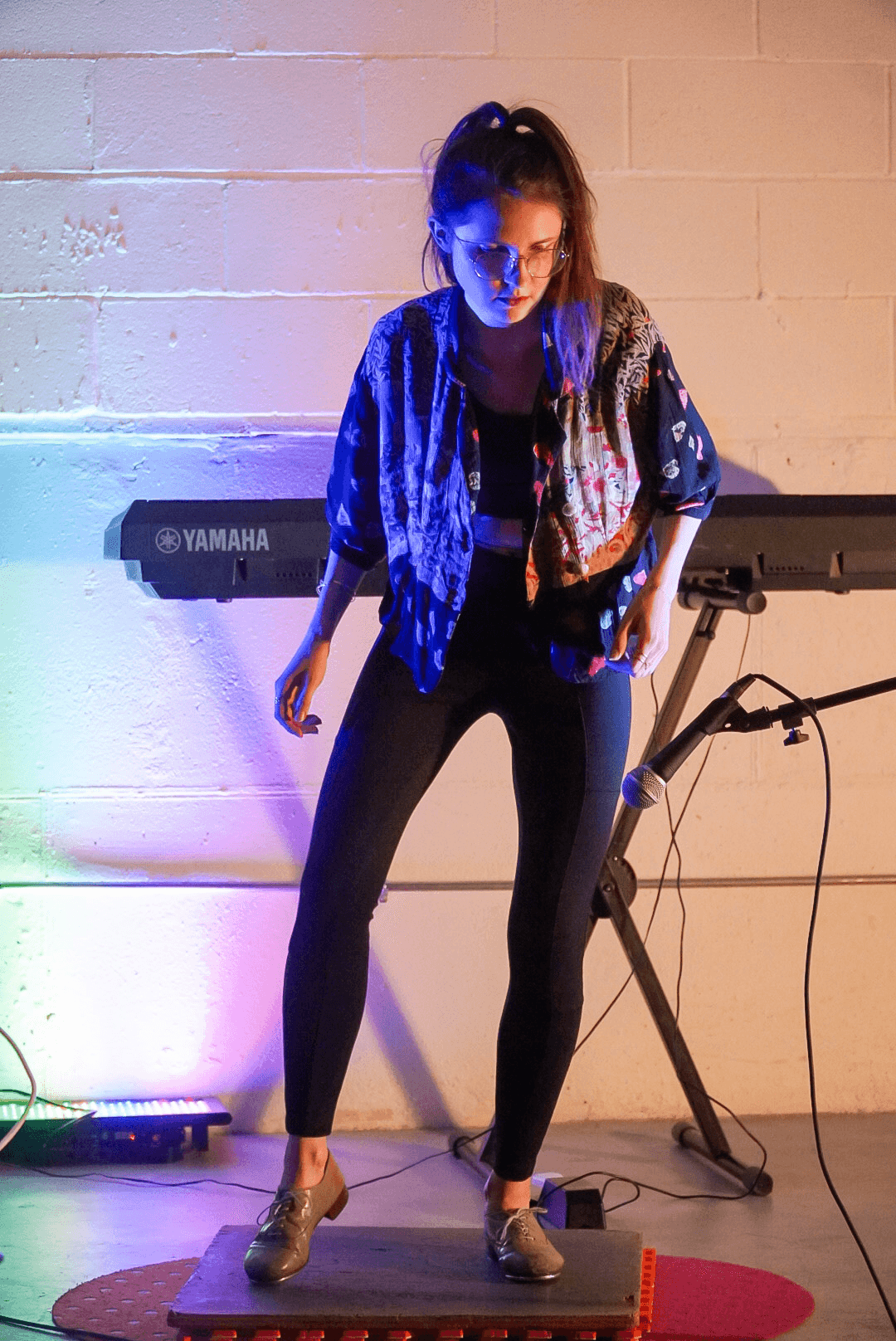
Image Credits
Xenia Vogel, Ayesha Zangaro, Taylor Steele