

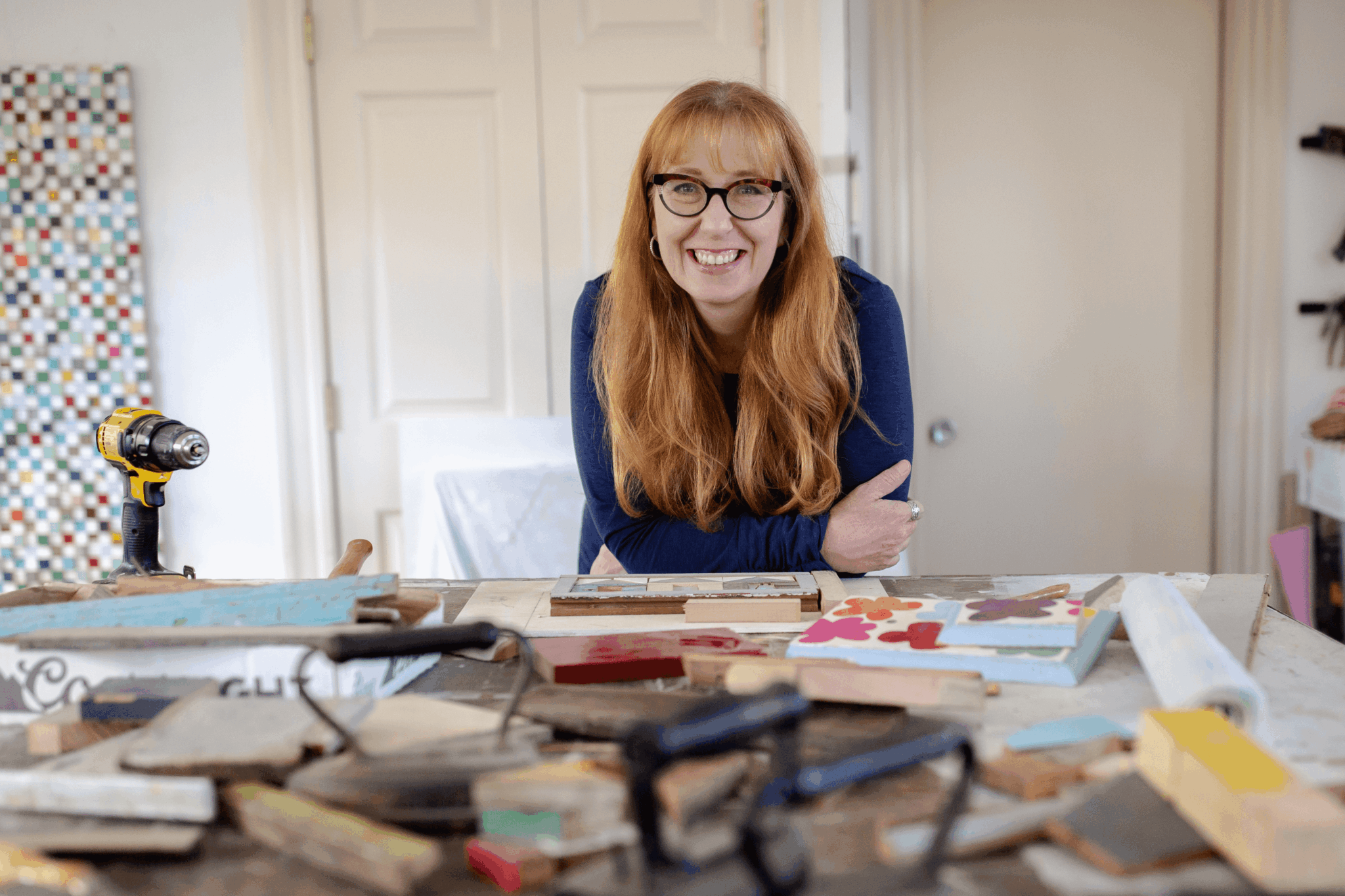

Today we’d like to introduce you to Laura Petrovich-Cheney.
Hi Laura, we’d love for you to start by introducing yourself.
My mother never understood my fascination with textiles and art even though she tried. I remember her taking me to an antique and craft show , probably at the Haddonfield (New Jersey) Fortnightly Club. As soon as we walked in, she recoiled from the musty smell of old that permeates antique shops and emporiums. Me? I ran right in and fell in love with a bright yellow, nine-patch quilt. I begged her to buy it for me—really begged. Her reply was swift and sure, “I am not buying someone’s else used blanket!” We left, promptly. I was stubborn, though, as any teenager could be. I vowed that I would get a quilt no matter what my mother thought. So, I started babysitting and working at the mall to buy a sewing machine and fabric. My first quilt demonstrated all the impatience of a seventeen-year-old. But I loved that old blue-and-yellow quilt with the pink back. The seams eventually fell apart, no matter how many safety pins and patches held it together, and that old quilt eventually became lost to the wear and tear of time.
At Dickinson College, I studied drawing and painting. After graduating in 1989, the bleak job market provided an opportunity to explore graduate school. I enrolled in Drexel University’s fashion design program where my love of sewing, textiles and drawing were all seamlessly combined. Roy H. Cambell, in his article titled “Drexel Students put on a Dynamic Fashion Show” for the Philadelphia Inquirer on June 6, 1993, named me as the top Philly designer to watch. This recognition played a significant role in securing employment as a junior designer for Mothers Work Maternity, now known as Destination Maternity Corporation. For nearly six years, I dedicated my skills to help the company expand its reach specifically targeting younger moms in their early to mid-20s. Life changes and career burnout, lead me to teaching. From 2001 until 2014, I taught art education at the Lakewood Public Schools. Striving for excellence, I studied for National Board Certification (2008-2018).
In 2009, I decided to pursue my artistic voice again by enrolling at Moore College of Art and Design graduate program because the classes were held in the summer. Practically minded, I could still teach full time and study for my Master of Fine Arts.(I am so proud to say that I graduated summa cum laude. ) At Moore, I fell in love with woodworking. But I didn’t use wood purchased from a store. Rather, I opted for wood found on walks with my dog – tree limbs, driftwood, branches. During a walk on the beach after a powerful storm, I found two severely damaged wooden boats, one orange and the other turquoise. I hauled them off the beach and added them to the collection of salvaged wood in my studio where they sat for several years.
A few weeks before my graduation in August 2011, a professor, who knew that I had been a fashion designer, said “Too bad you never incorporated any fabric into your work, given that you have a fashion degree. I had hoped to see textiles,” he said. I was annoyed that he saved that little gem of an insight for the end of my schooling. However, he planted a seed. I knew he had wanted me to sculpt with textiles, but my takeaway was to push wood and fabric into something new–like a kind of wooden cloth. So, I thought of combining my old love of sewing with my new love of woodworking in an innovative, new direction. As innovation often happens, the idea of a wood quilt popped into my head when I least expected, sparked by the magazine headline, “Decorating with Quilts,” that caught my eye as I was waiting in line at a grocery store. Intrigued, I opened the magazine and there it was: a turquoise blue-and-orange quilt dappled with white and dark and blue. I couldn’t believe it. The colors of that quilt matched exactly the colors of those boats that I had found. I felt inspired, energized, attuned. I completed my first wood quilt in January 2012, the year Superstorm Sandy devastated the coastal towns of New Jersey and New York. After the devastation, I collected as much wood as I could find—cedar siding, dressers, kitchen cabinets, screen doors.
I believe that material has memory; it reminds us of times long past. I also found that recreating abstract patterns of quilts comforted and strengthened me in a world so chock-full of chaos. Creating abstract patterns has helped me deal with life’s ambiguities and uncertainties of which there are too many. My first major solo exhibition, By the Block, at Kean University in 2015 garnished plenty of attention from Popular Woodworking Magazine, The Weather Channel, TV News 12 New Jersey, Uppercase Magazine and several other quilting and craft magazines. My main body of wood would be these wood quilts using wood from Hurricane Sandy from 2013 to 2017. Currently, I still create wood quilts, but the source material has expanded from wood collected from this disaster to other sources of salvaged wood and salvaged fibers.
We all face challenges, but looking back would you describe it as a relatively smooth road?
There have been some disappointments in my career. Firstly, as a woman artist, I’ve faced significant challenges. A 2022 study reported that works by female artists make up just 11% of acquisitions across 31 major United States museums.
Like many artists, I’ve experienced numerous rejections for every acceptance. My dream gallery still hasn’t decided to represent me yet. The pandemic shutdowns were particularly impactful, as they canceled my second exhibit at Kean University and a scheduled television interview.
On a more personal note, in 2021, I lost my best friend from Moore College to a rare bone cancer just before her 50th birthday, leaving behind her husband and a young daughter. The following year, I curated an exhibition of her work at the Abington Art Center, where I had my first solo show.
Appreciate you sharing that. What else should we know about what you do?
As an artist, fashion designer, and educator, I have been creating wood collages inspired by traditional textiles for nearly a decade. My work blends the ideologies of feminism, domesticity, and traditional textiles into sculptures made from reclaimed wood from destroyed homes. Memories are central to my work, shaping recurring motifs and themes such as harm and care, caution and vulnerability, and chaos and control—ultimately creating paradoxes. Recently, I have been writing about my memories and reading more books on art history and philosophy.
Gaston Bachelard’s “The Poetics of Space” has profoundly influenced my relationship with my home and its objects, particularly furniture and textiles. Bachelard contends that domestic spaces deeply affect our experiences, perceptions, thoughts, memories, and dreams. As a woman, I find it impossible to overlook the storied history of women and homes. I use abstract, geometric patterns, similar to those in quilts and weavings, to break away from stability and rigidity, embracing a language of sensation, perception, and experience.
My practice has always involved using reclaimed materials, giving them a second chance at life. While I intuitively understood the appeal of discarded materials, I struggle to articulate the reasons—essentially, to give value to something rejected and considered useless. To show paradoxes and absurdities that surround life. My work contrasts the softness and warmth of fabric with the hardness of wood and the danger of the tools used to create them. These grid-based designs provide a calm and orderly response to the chaos of life experiences.
Who else deserves credit in your story?
Broadly speaking, people are not meant to be solitary creatures. I say this as a sworn introvert with speckled moments of extroversion. More specifically, I mean that I couldn’t survive without help from my community. From the professor at school who planted the idea of using fabric in my work, the adversity from disappointments that kept me questioning why I create art in the face of blatant rejections, to my husband making me dinner during long workdays, to acupuncturist fixing my shoulder, my friends giving me honest and productive feedback on my work, and my neighbor who thinks my work is the greatest art she’s ever seen. All the people in my life have helped shape me into the person and artist I choose to be. I am also really honored to exhibit my work again at the Fuller Craft Museum (Brockton, MA) this winter for the Waste Not, Want Not: Craft in the Anthropocene, where artists are employing craft techniques and knowledge, with reuse being just one facet of the desperately needed response to our current era of climate crisis and consumerism.
Contact Info:
- Website: https://www.lauracheney.com
- Instagram: @laurapetrovichcheney
- Facebook: https://www.facebook.com/LauraPetrovichCheney
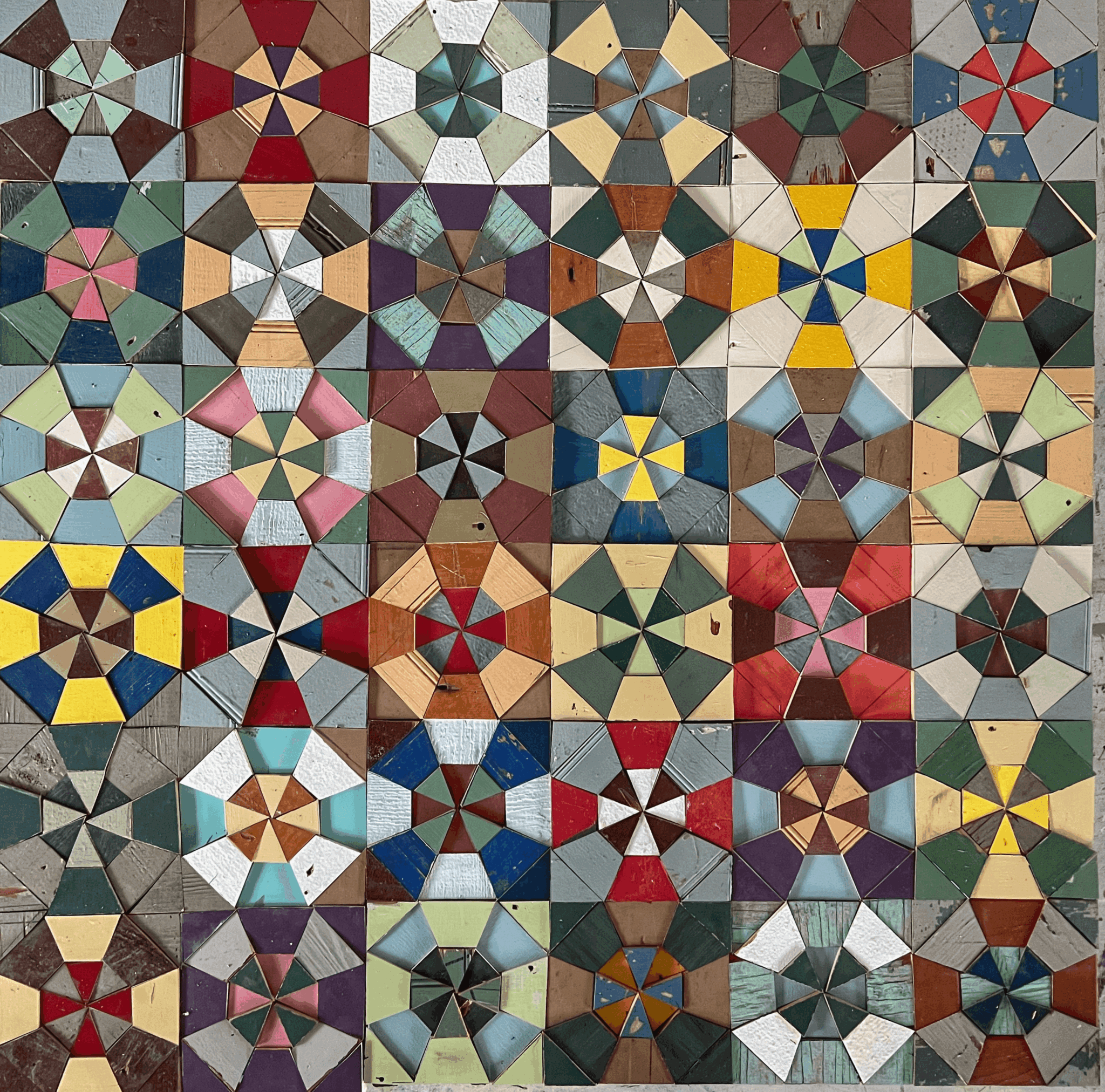
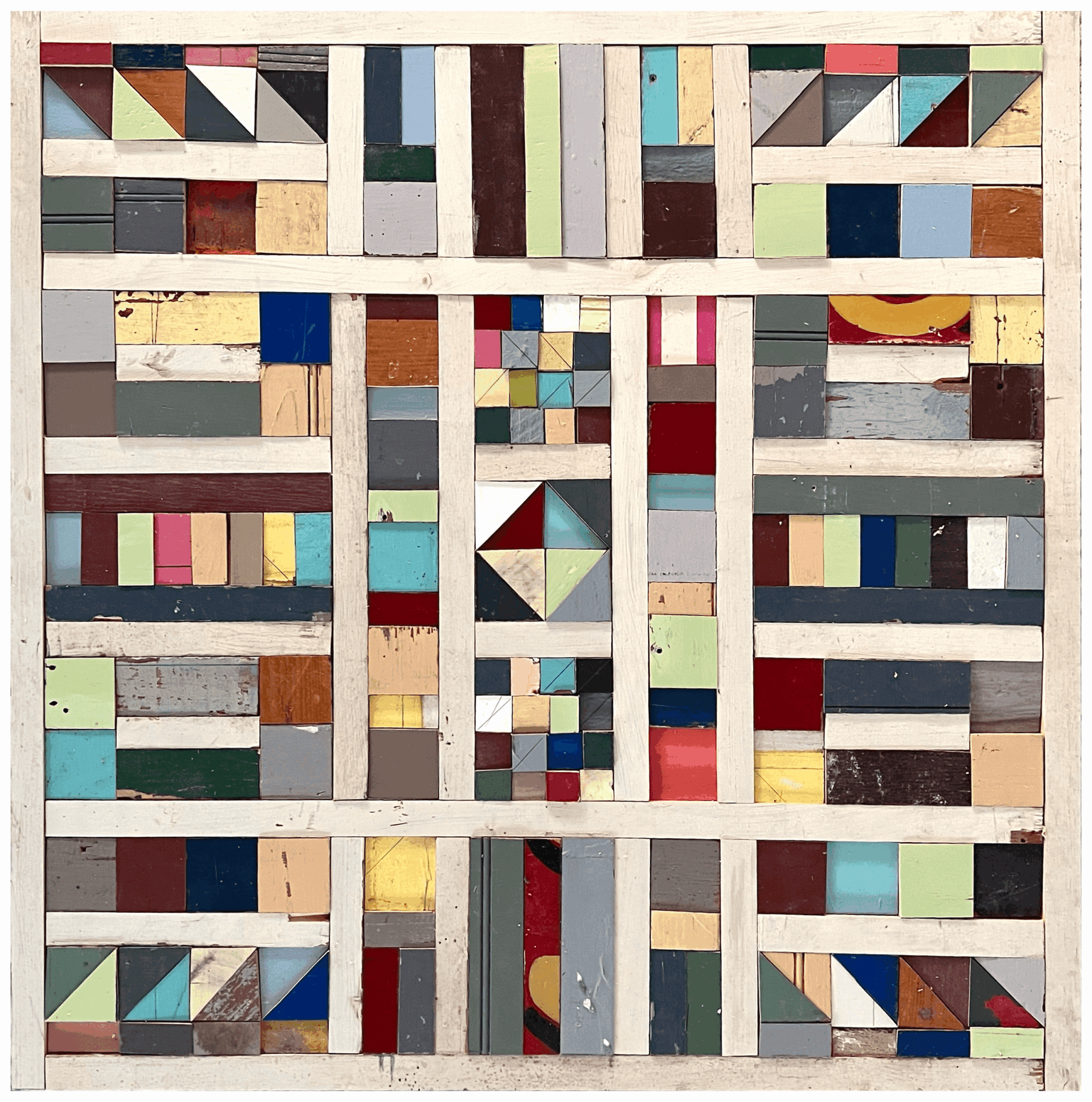
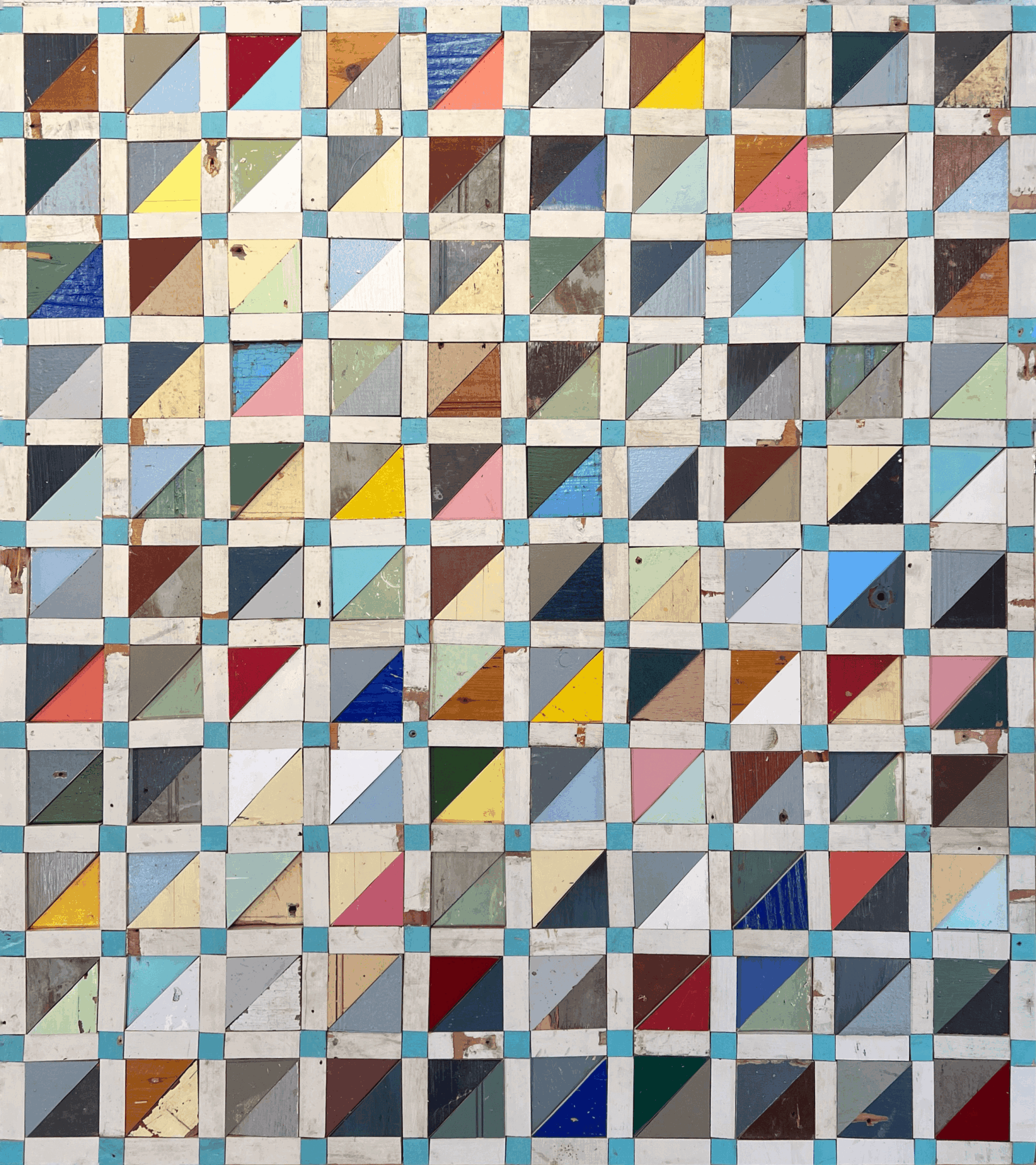
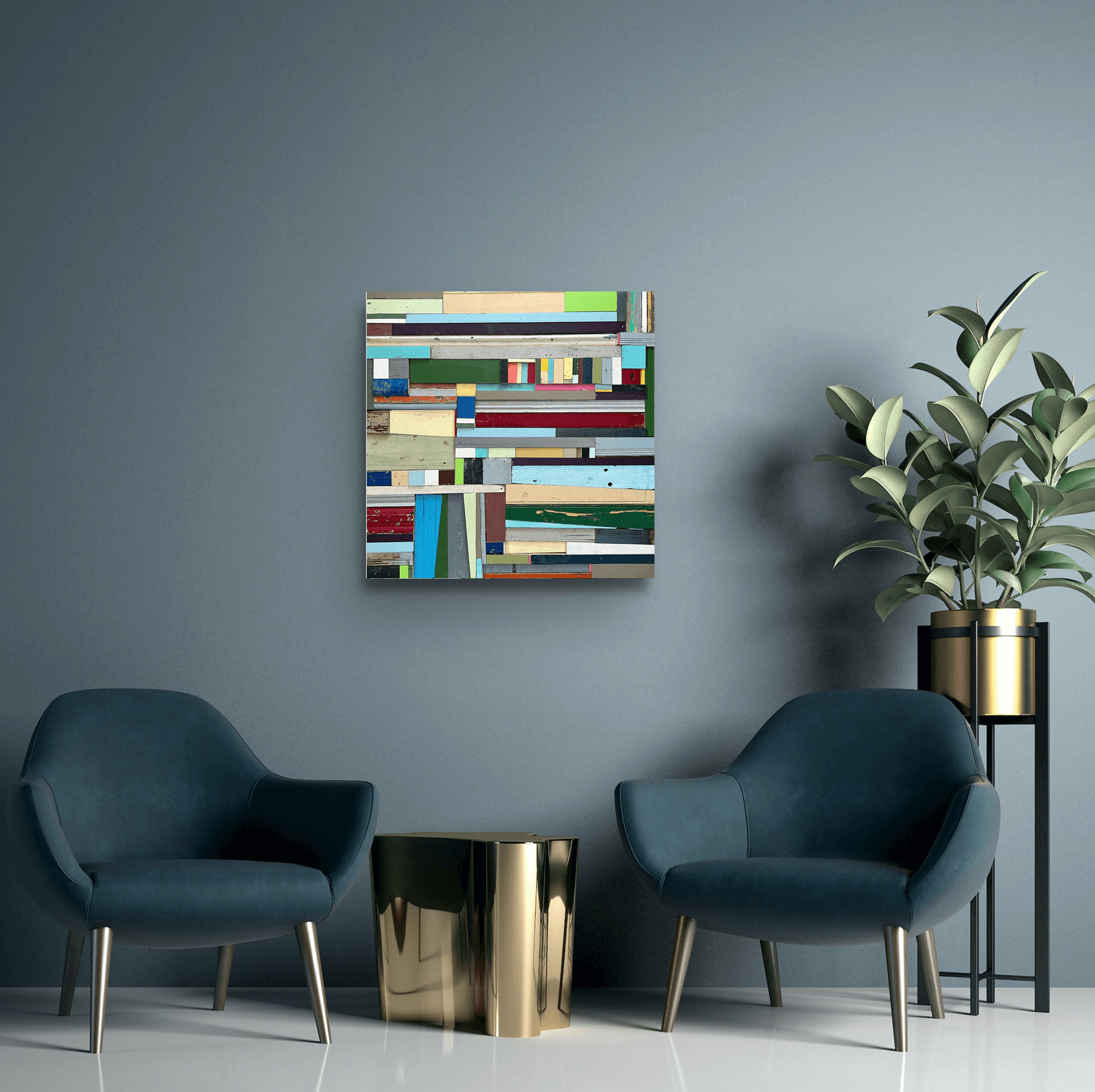
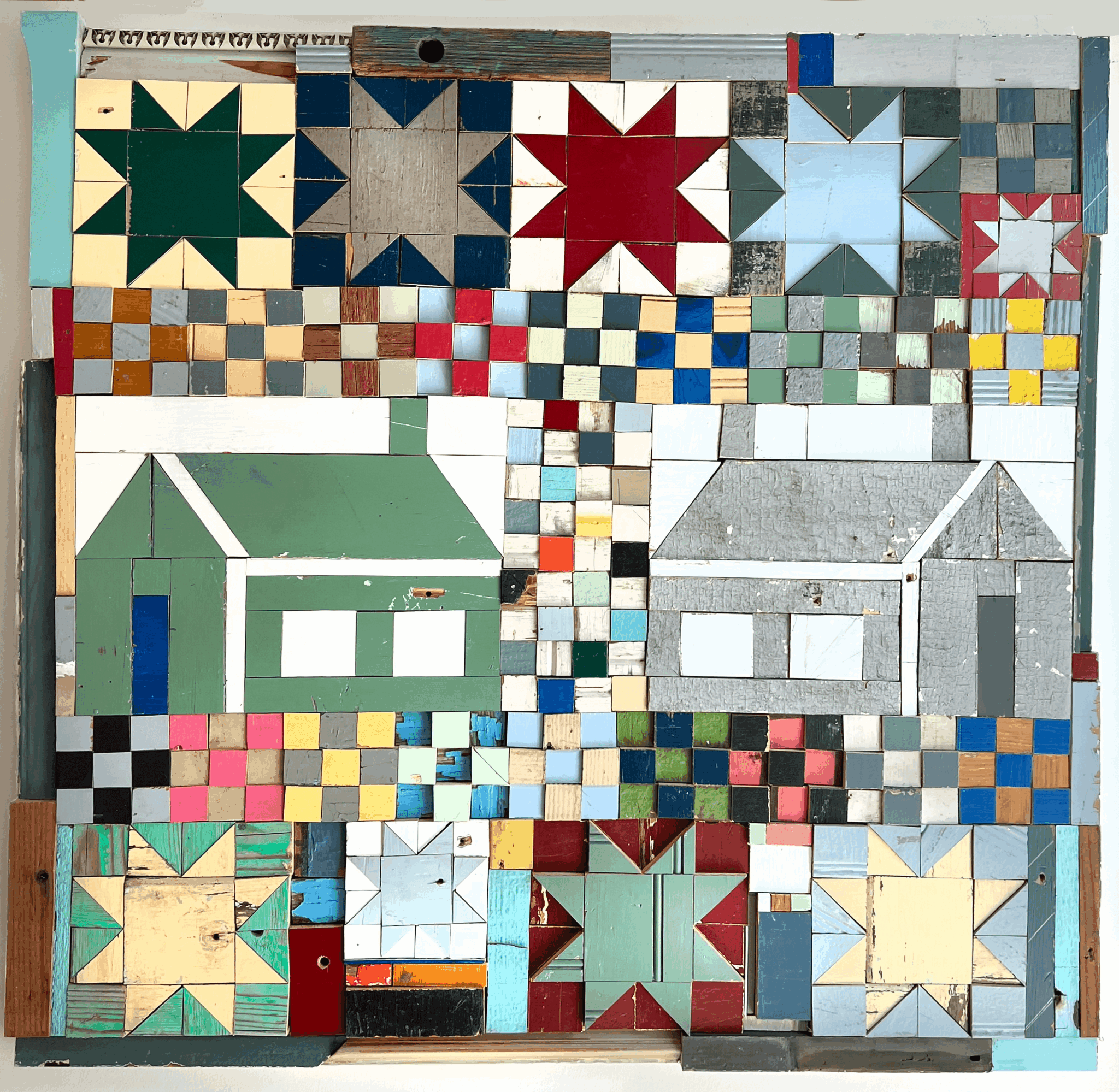
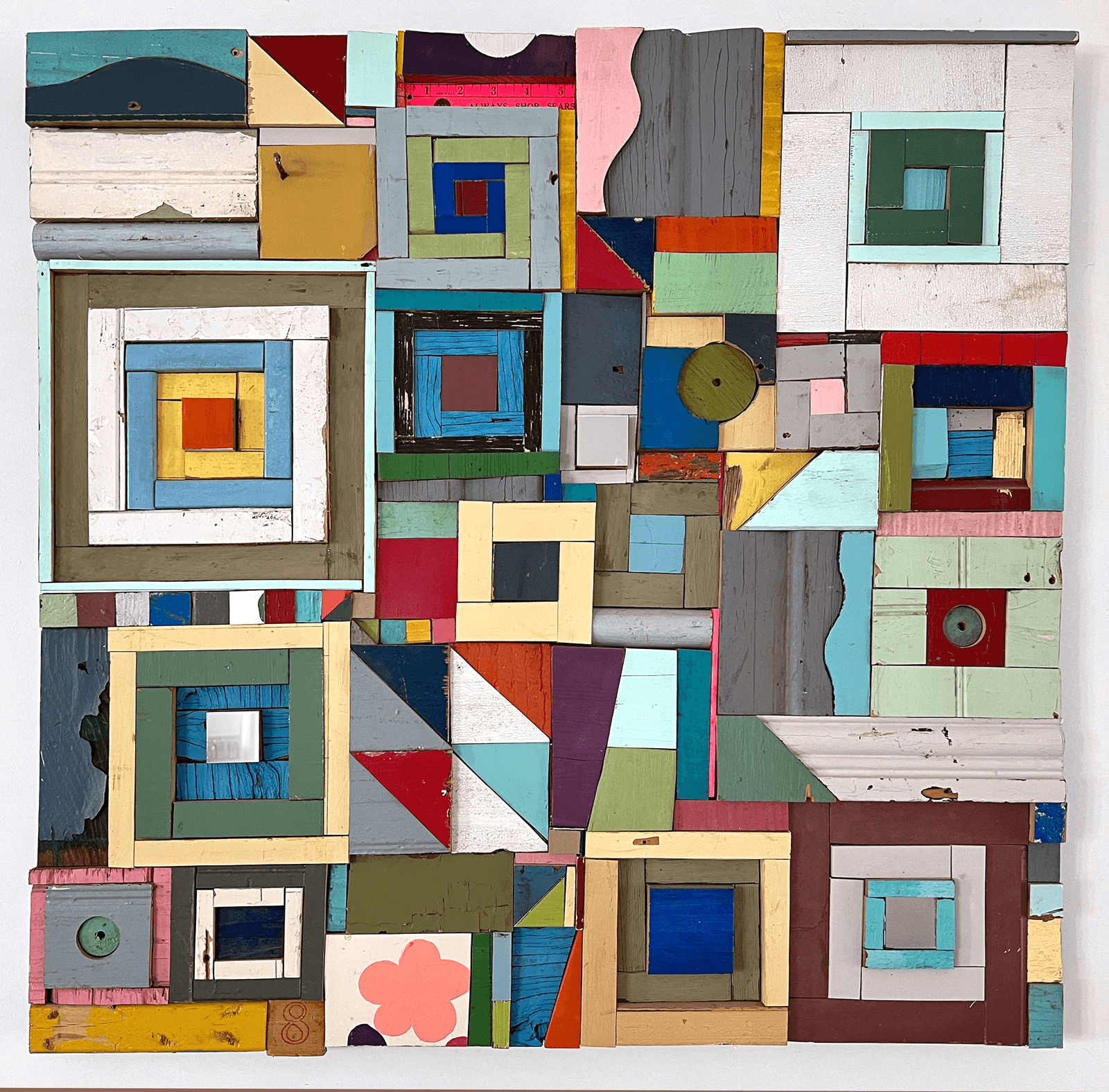
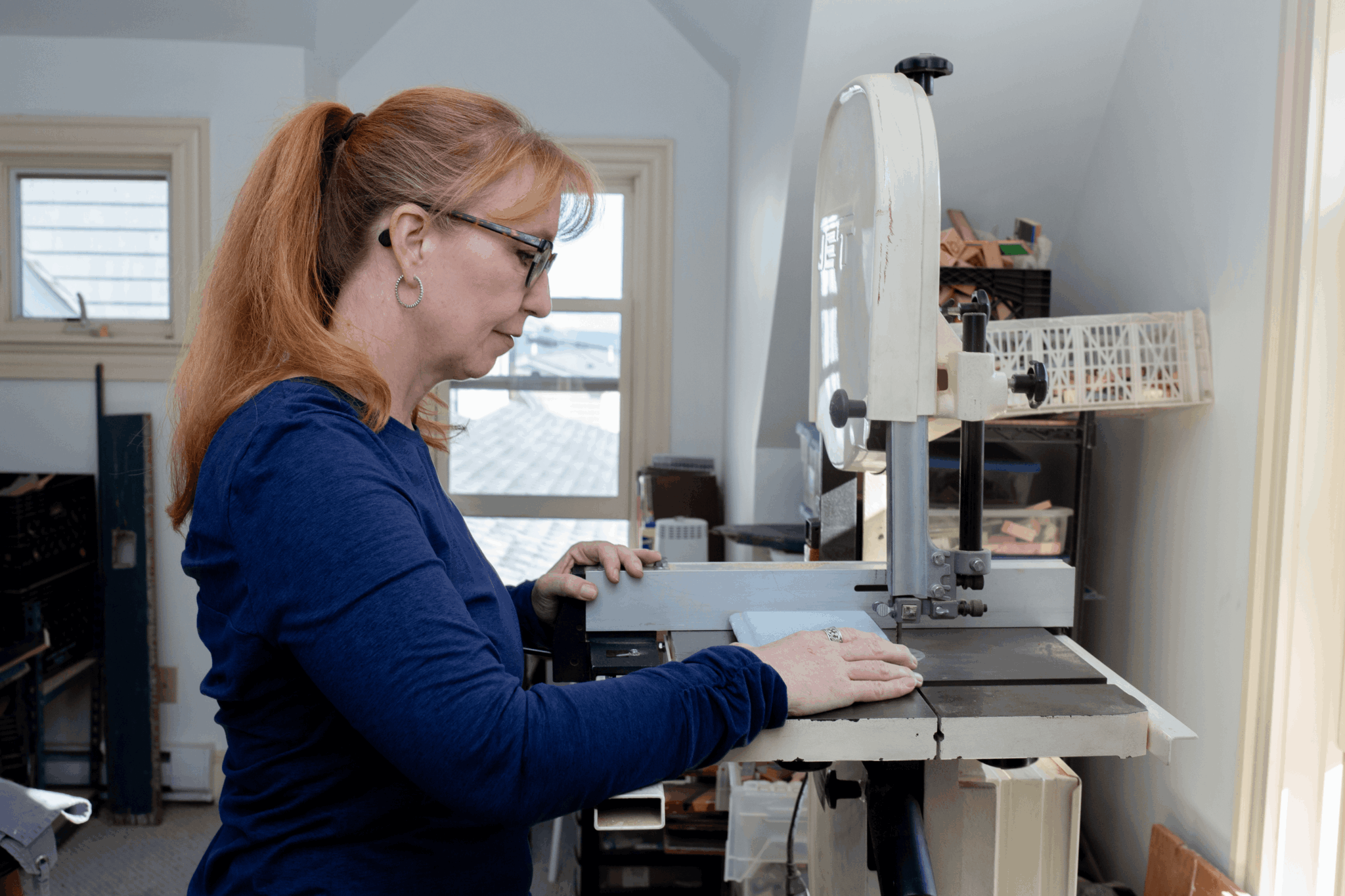
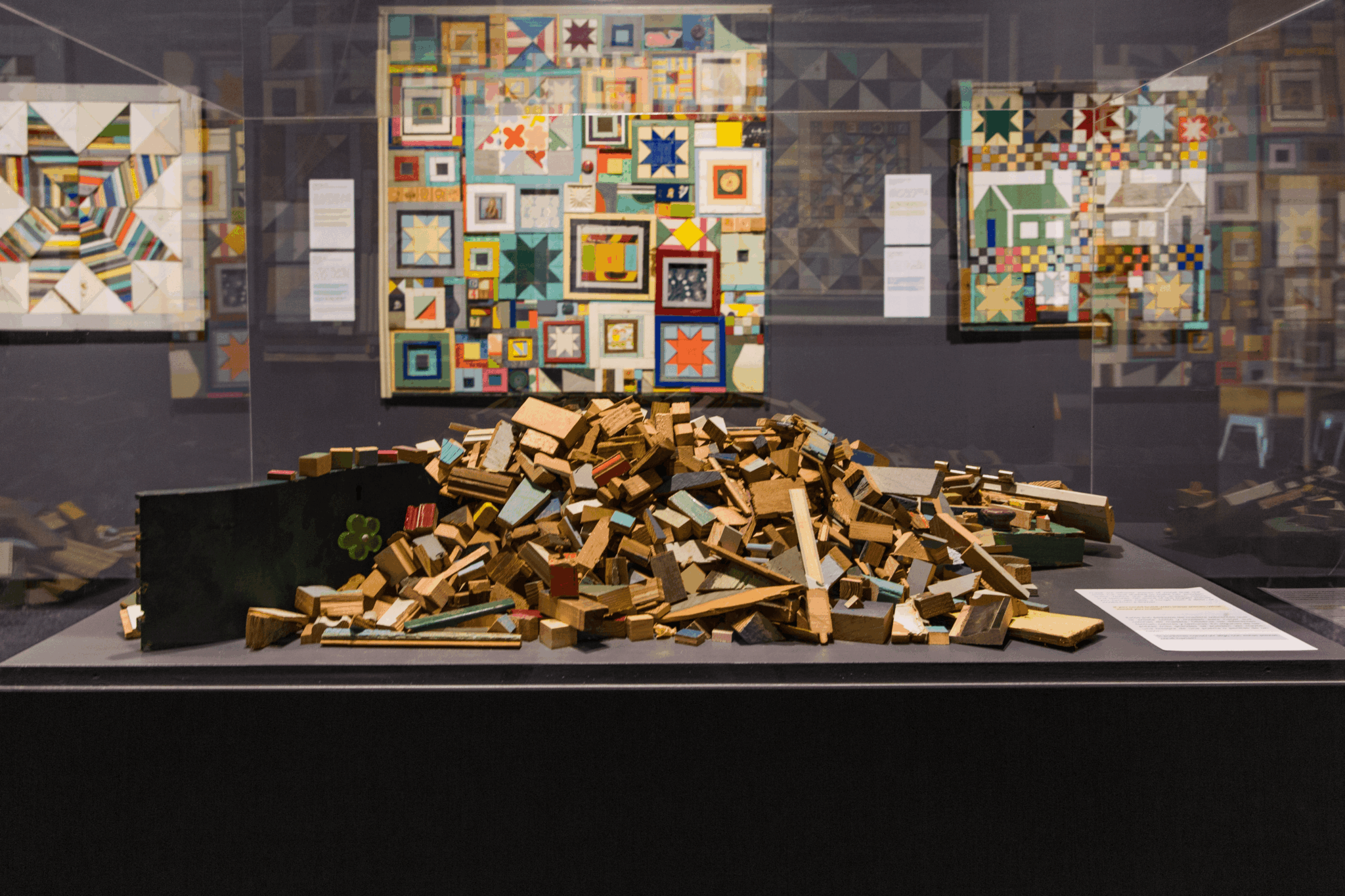
Image Credits
images of artist by Anna Wistran Wolfe
images of art work by Laura Petrovich-Cheney