



Today we’d like to introduce you to Jennifer Hartman
Hi Jennifer, thanks for sharing your story with us. To start, maybe you can tell our readers some of your backstory.
Hello! Yes- My career as a wildlife biologist began as an intern on a Student Conservation Association project (https://thesca.org/). I was part of a research crew with the University of Washington studying endangered Northern spotted owl (Strix occidentalis caurina). As the project progressed, an idea was formed to utilize Conservation Detection Dogs. Could dogs assist in locating roost sites by detecting owl pellets? That’s when I started my journey towards becoming a bounder, or Detection Dog Handler. It was around this same time that I met a rescue-dog -turned-working-dog named Max, a blue heeler mix, and from that day forward, my heart was his.
We all face challenges, but looking back would you describe it as a relatively smooth road?
Ha, no. It has not been a smooth road to get here. My field is wildlife and science, but my background is English Literature. While I embrace my education as a strength (science writing, communication, reports, and publications) in the early days, I had a lot of imposter syndrome.
Other aspects of my career that have been and still are challenging are the long hours, low wages, and a life spent on the road, traveling from one project to the next. The nomadic lifestyle is often romanticized but we spend months away from our homes and family and are often living out of our cars, camping for many weeks. My greatest joy comes from working alongside our special dogs for wildlife research initiatives, but it’s not an easy path to choose.
Can you tell our readers more about what you do and what you think sets you apart from others?
I am a Co-Director of a Conservation Dog Program called Rogue Detection Teams (https://roguedogs.org/). We adopt high-drive dogs from rescues & shelters and in exchange for locating important information on rare and endangered wildlife, our dogs are rewarded with their favorite game: fetch! Often these dogs are labeled “unadoptable,” & are the “rogue” dogs of the shelter world. But when we pair their insatiable need to fetch with locating odors in the wild, we collect important data from a diversity of at-risk species including endangered whales, threatened butterflies, mountain lions, wolves, caribou, turtles, and more. Our commitment to adopting the “misfit” rescue dogs, and watching them transform from shy, nervous dogs into kind, confident, loving, and happy Wildlife Detection Dogs is the most wonderful gift. These dogs have altered the trajectory of my life’s path and given me hope for a new, and noninvasive way to study rare animal species.
What matters most to you? Why?
I care deeply about wildlife. That is what initially led me along this career path. That being said, when we respect and care for wildlife, this has a direct relation to human health and wellbeing. By honoring wildlife, we respect ecosystems, which in turn contribute to all aspects that are important for the quality of life, human or otherwise: healthy water, soil, and air quality.
Contact Info:
- Website: https://roguedogs.org/
- Instagram: https://www.instagram.com/roguedetectionteams/
- Facebook: https://www.facebook.com/roguedogs/
- Twitter: https://twitter.com/roguedetection
- Youtube: https://www.youtube.com/channel/UCij7s9rwMGma9GS_rp3rbZw

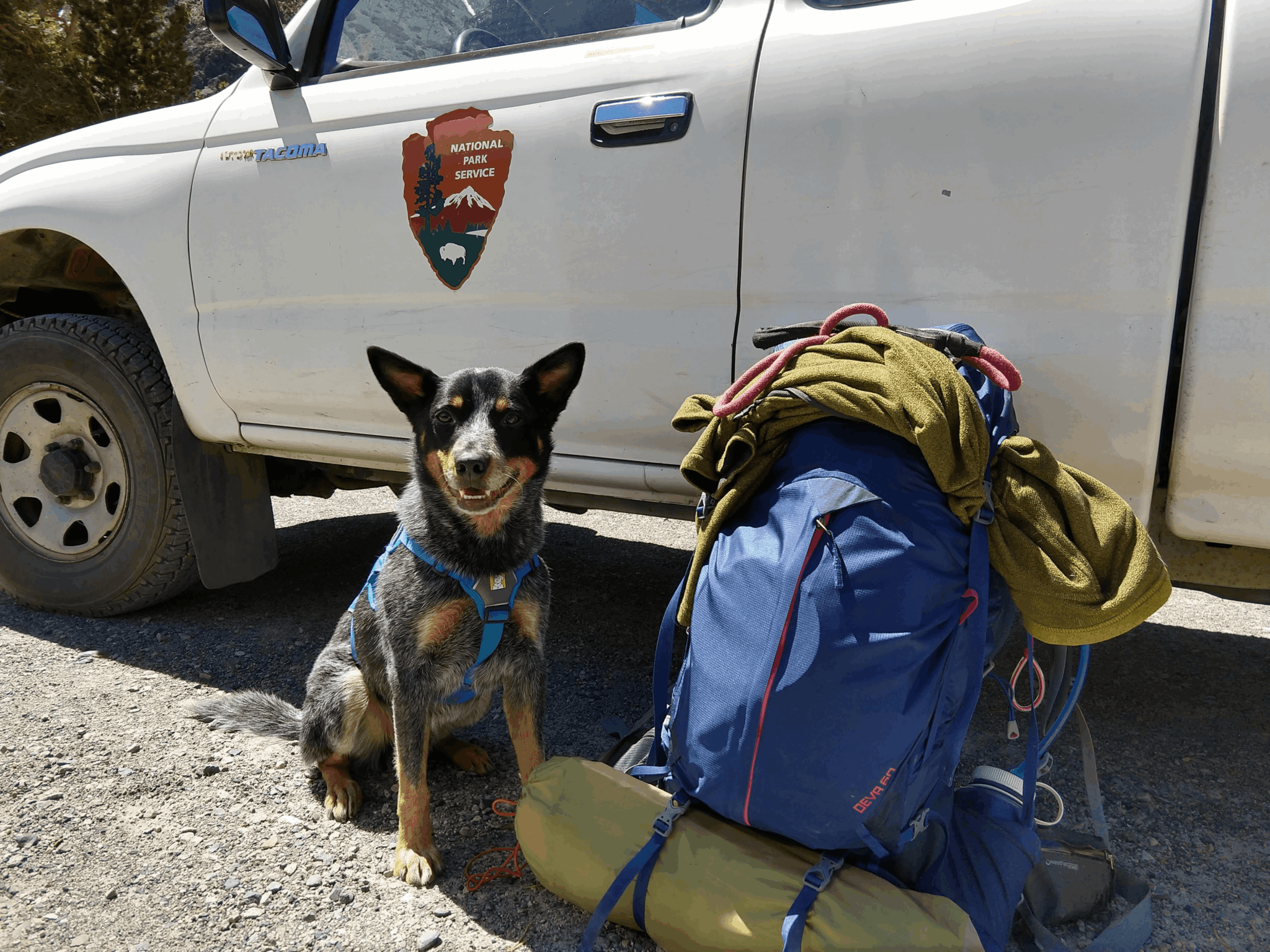
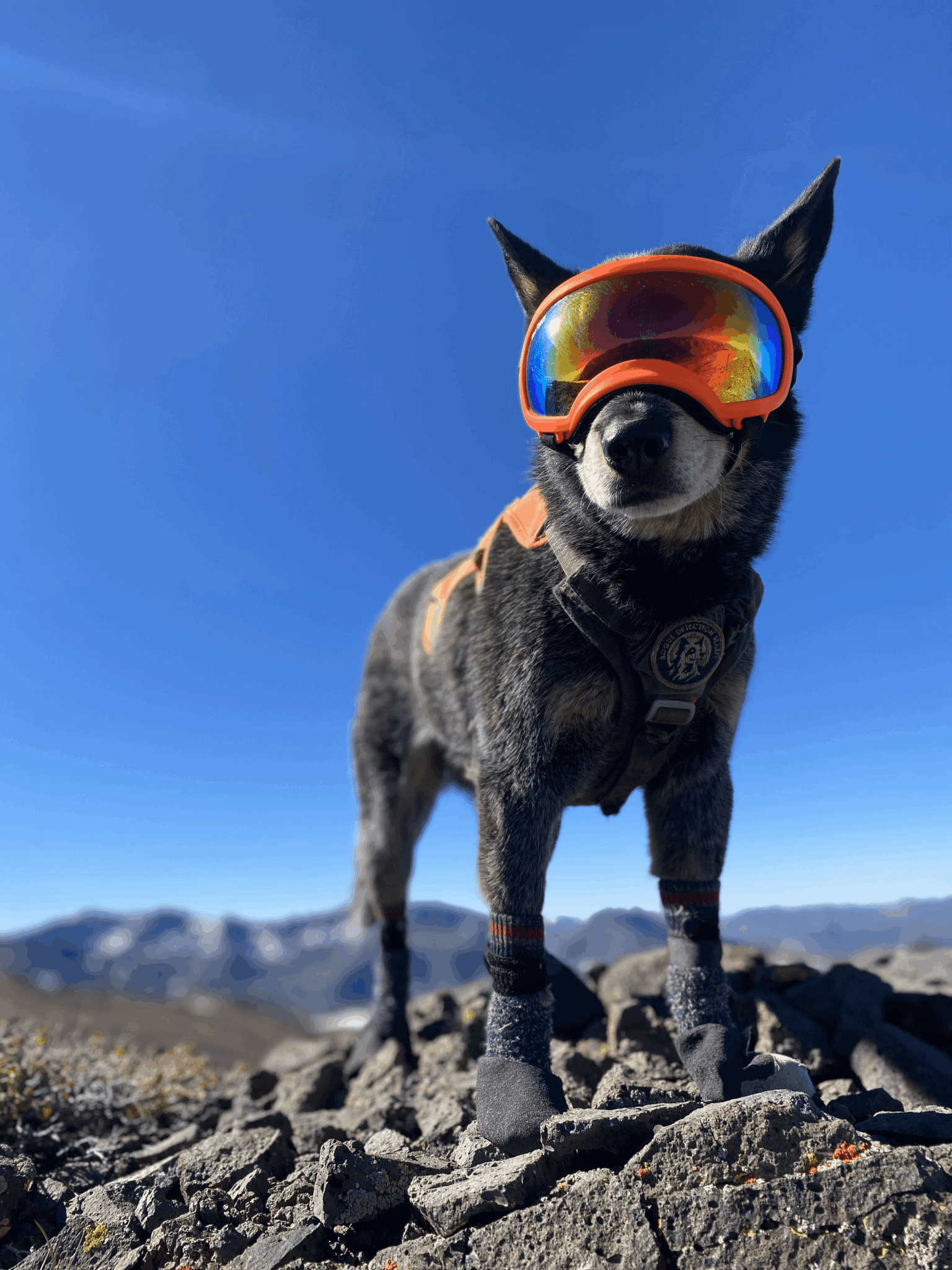
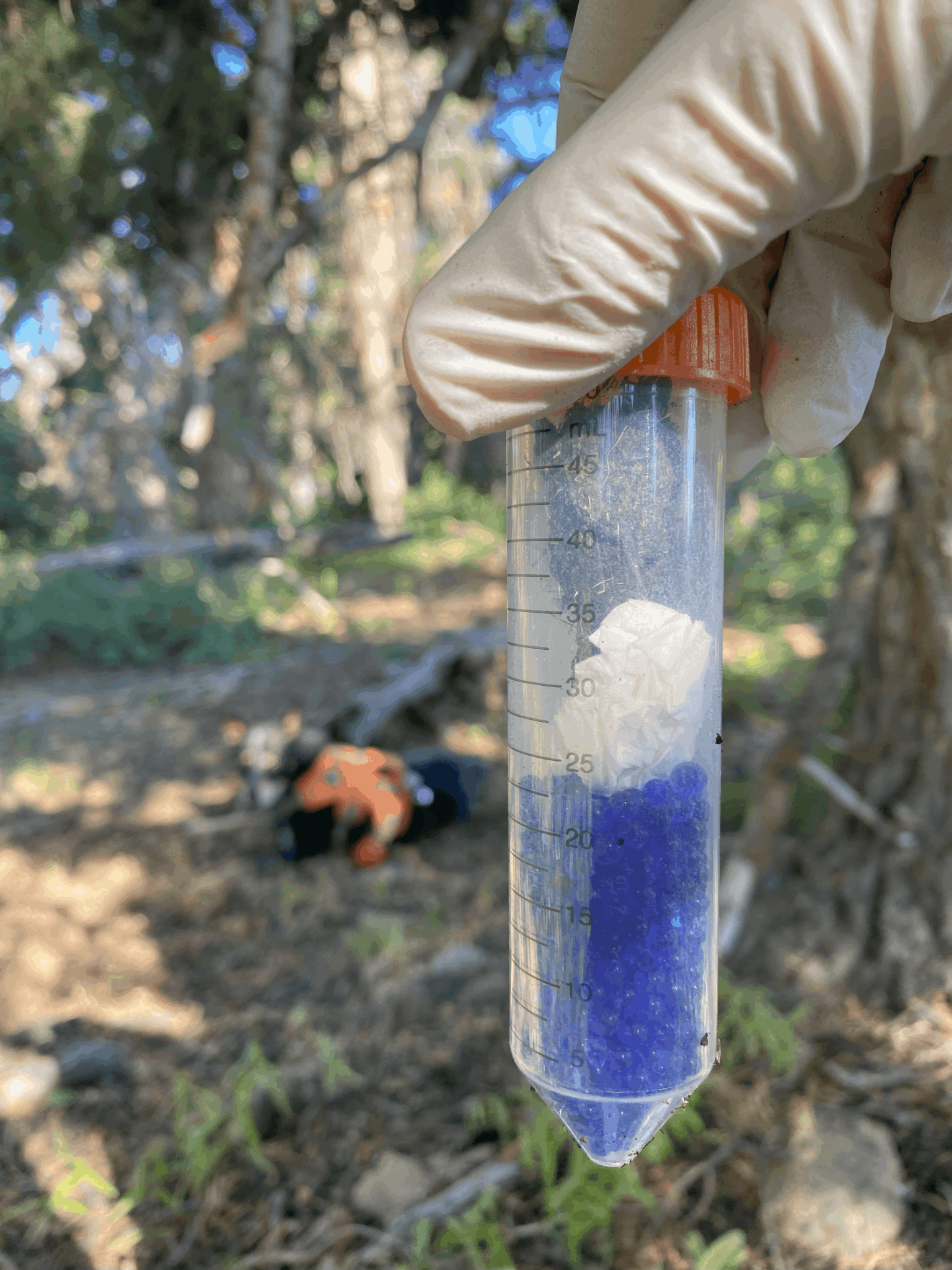
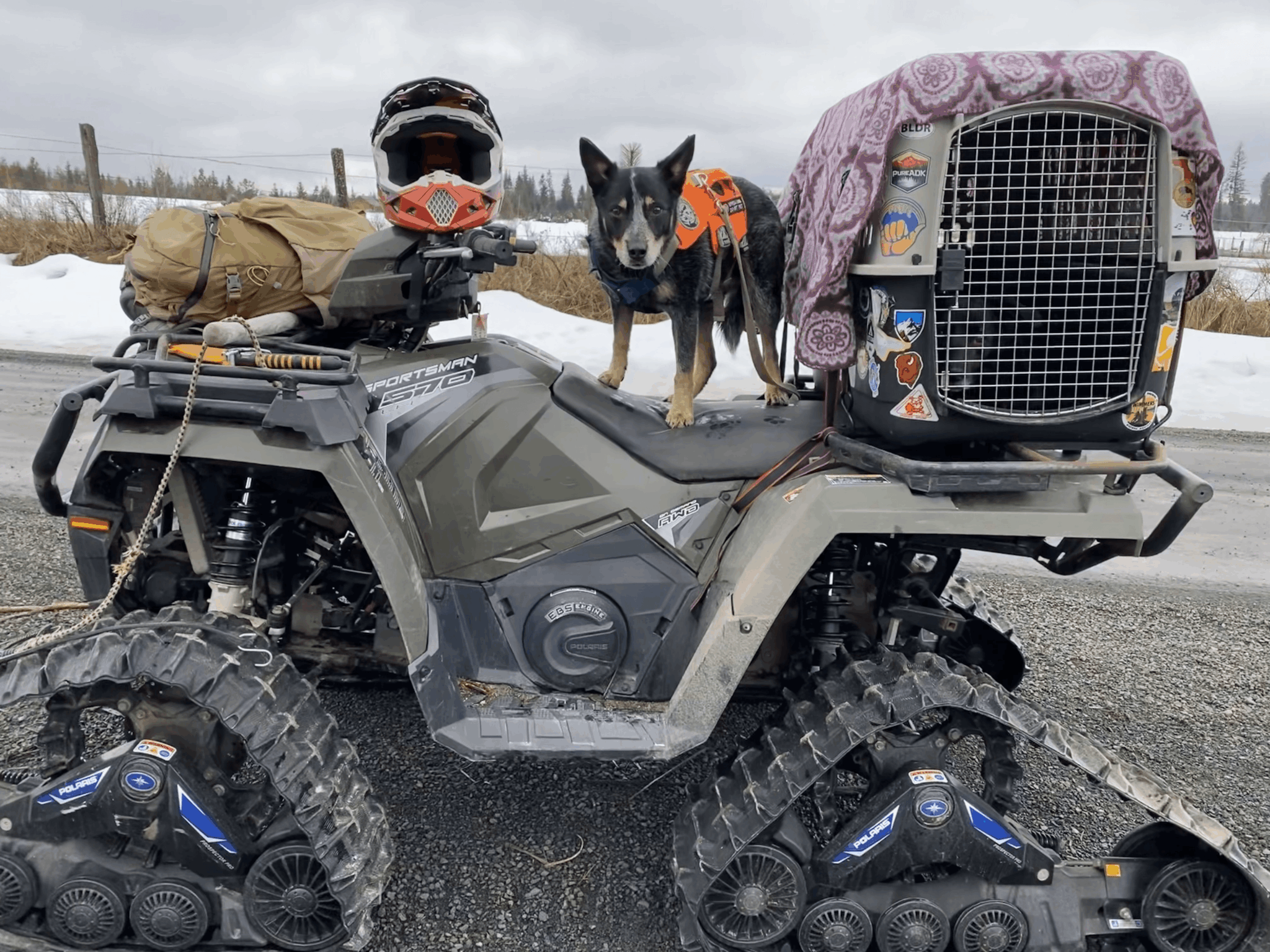
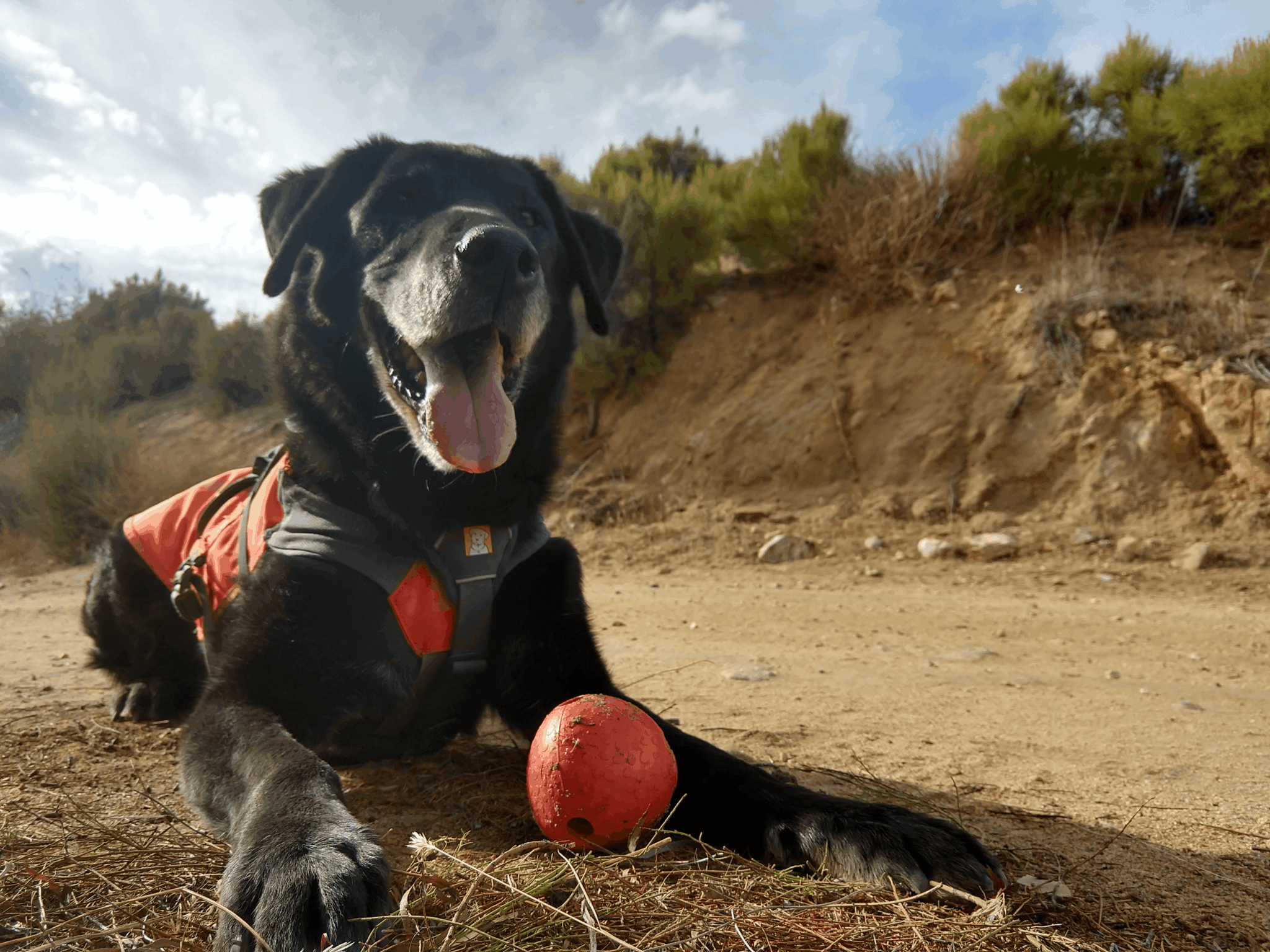

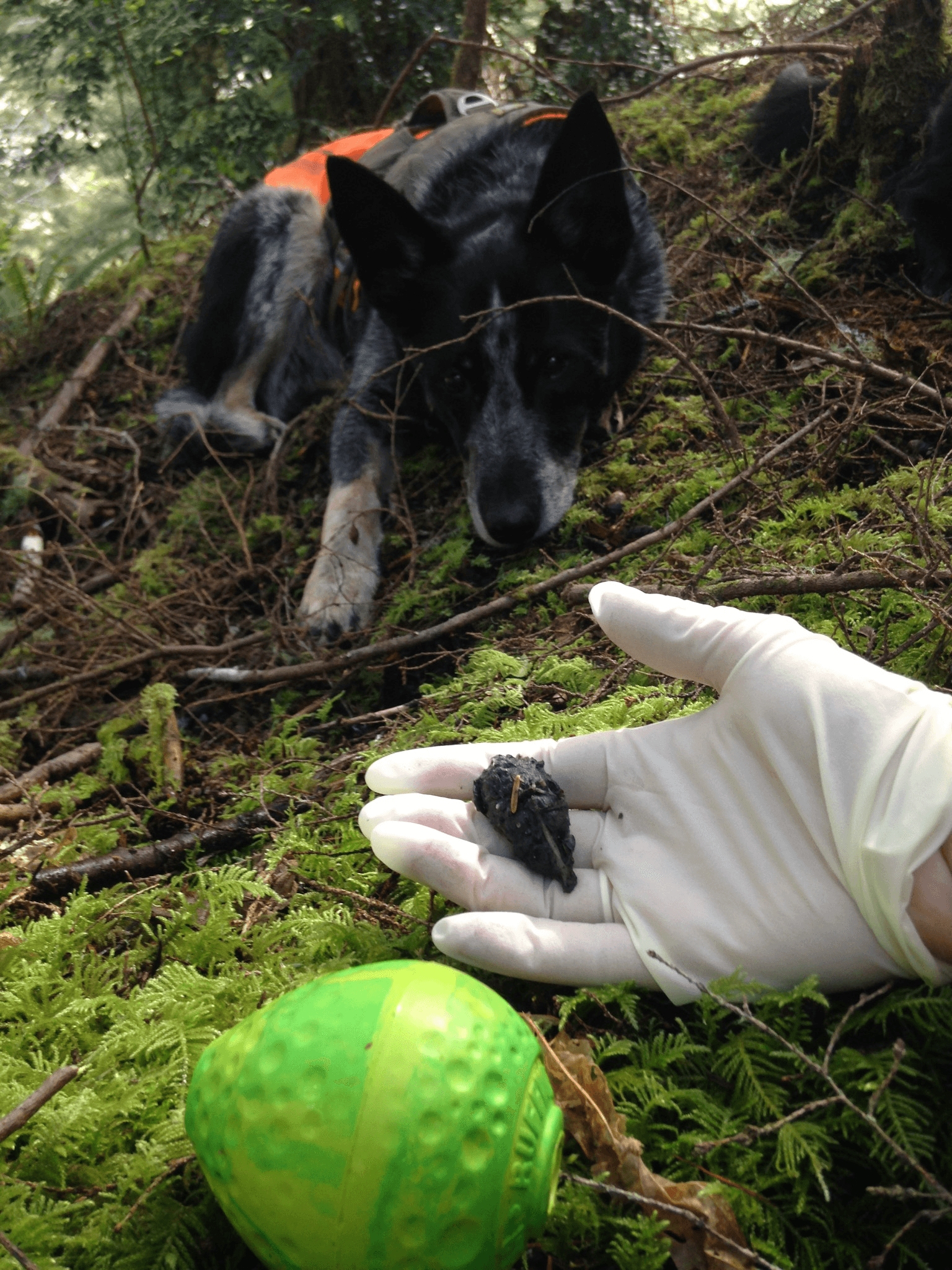
Image Credits
J. Hartman