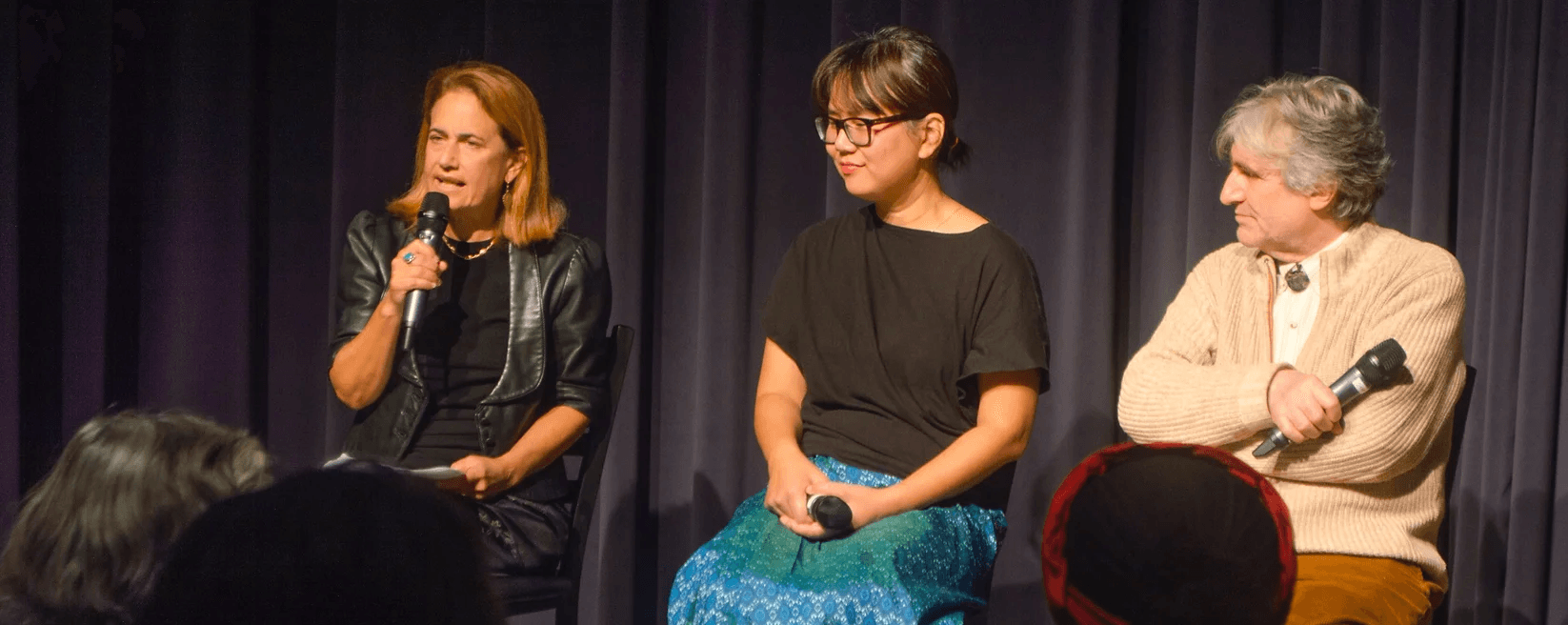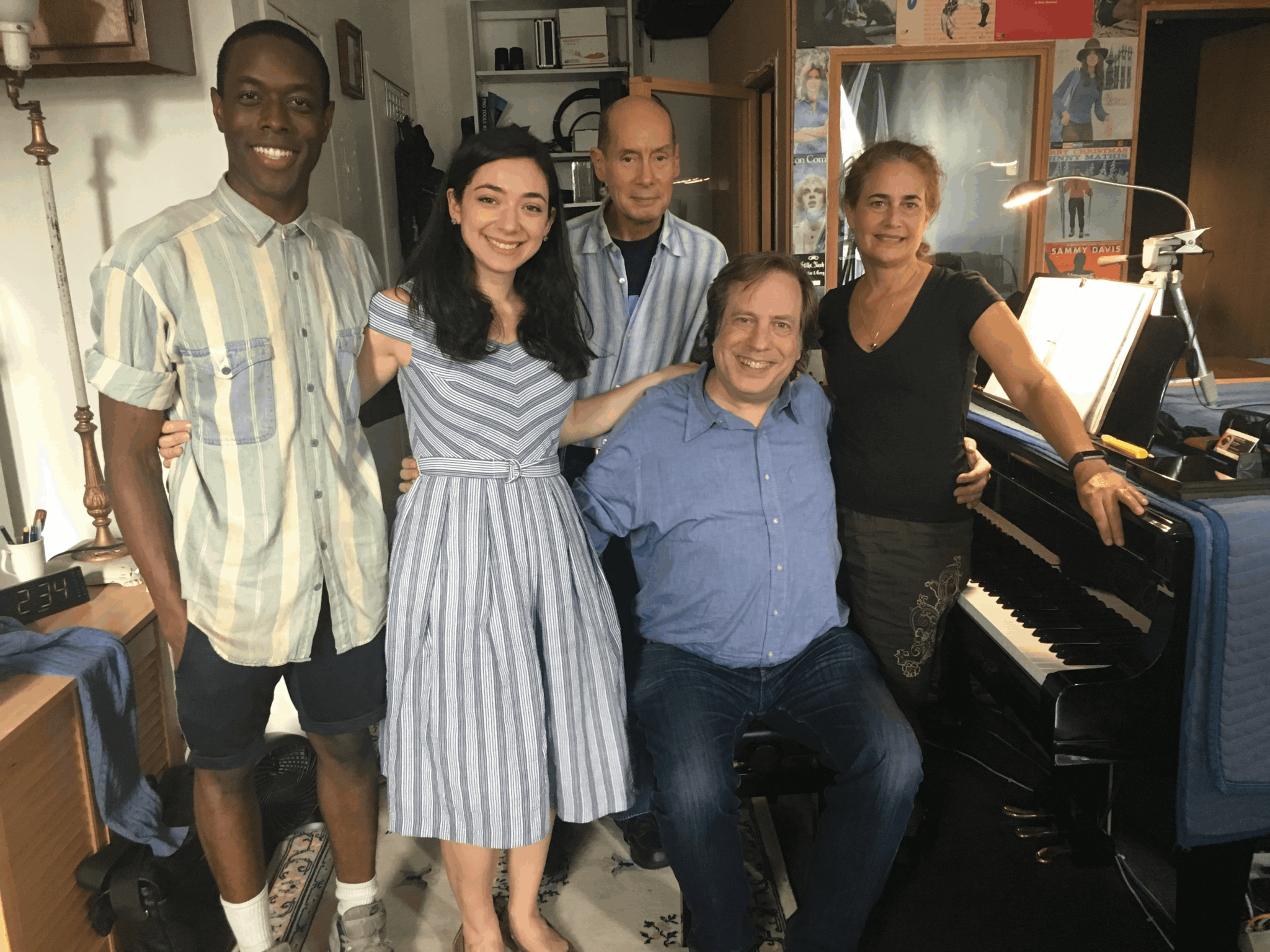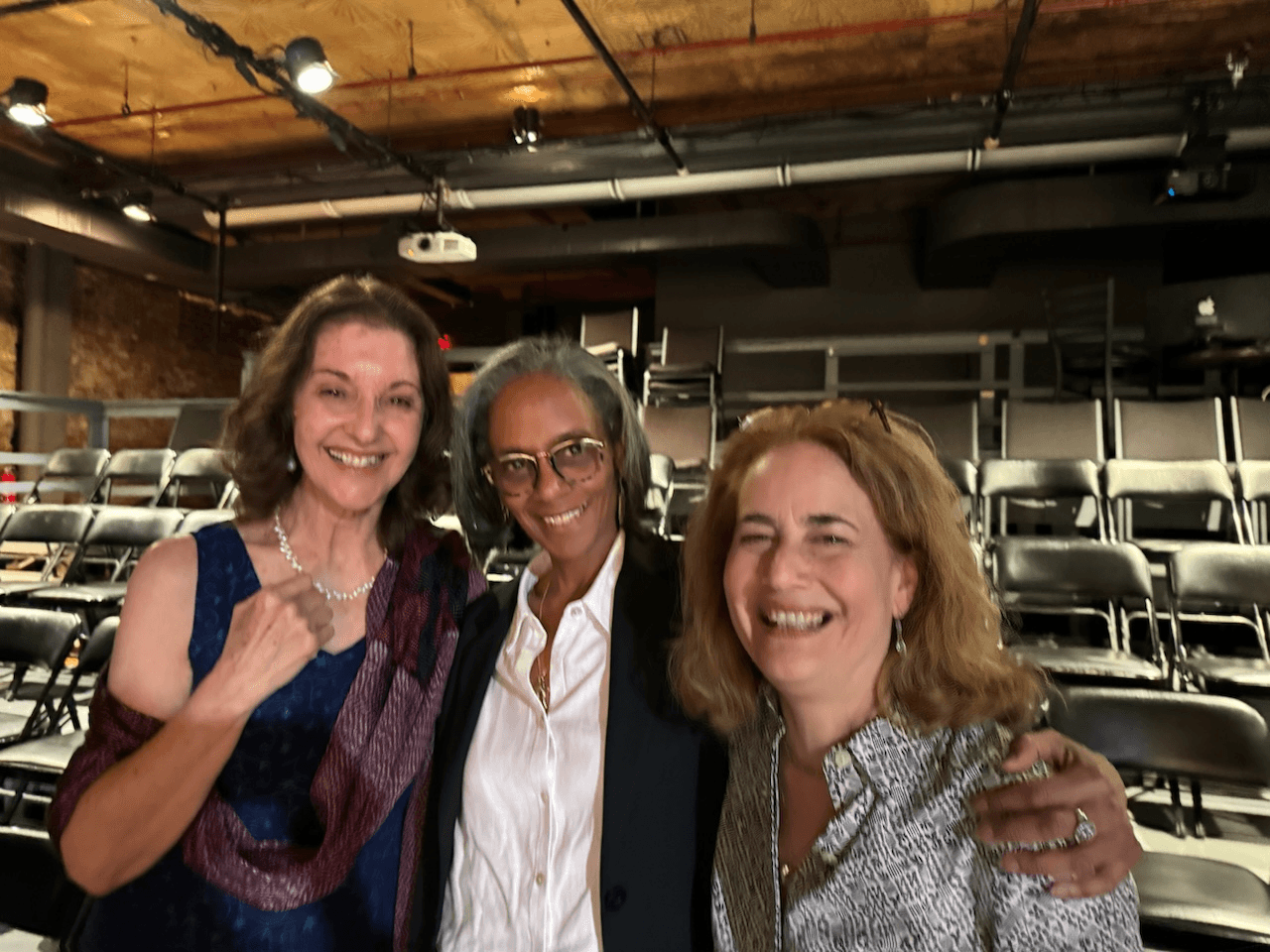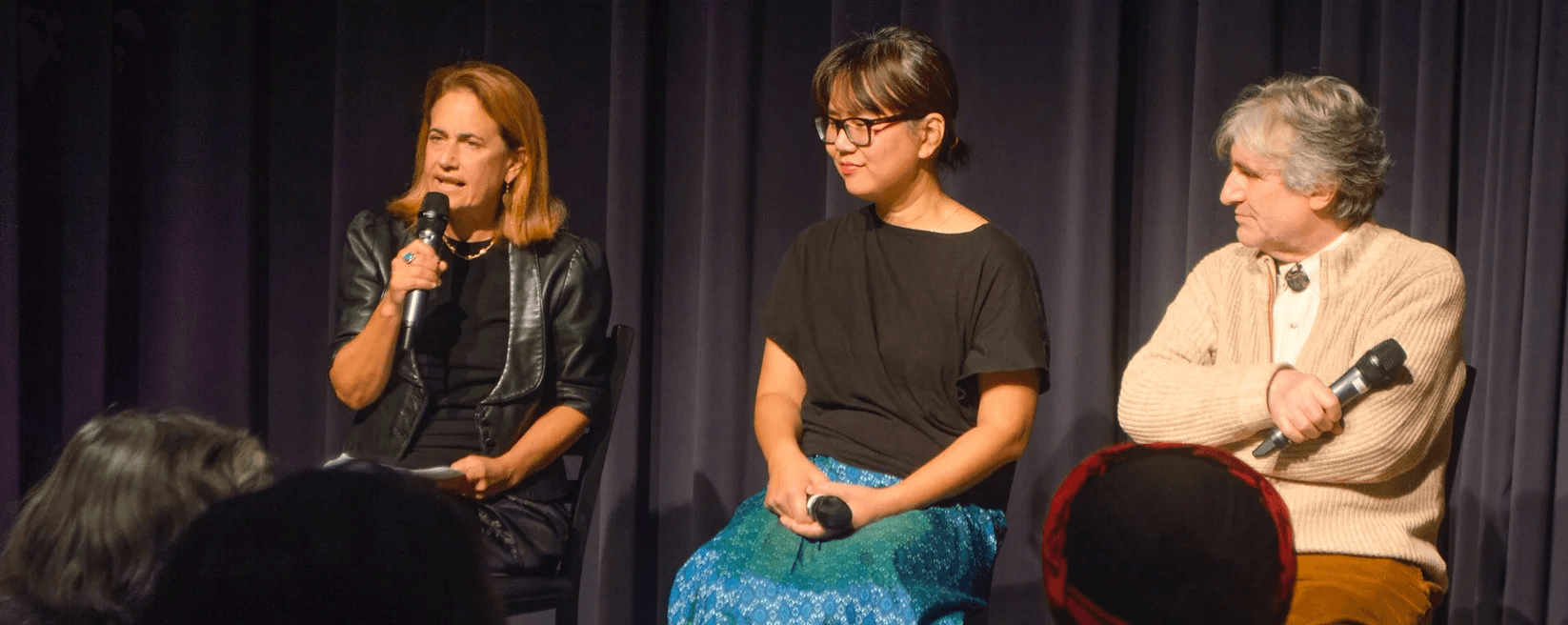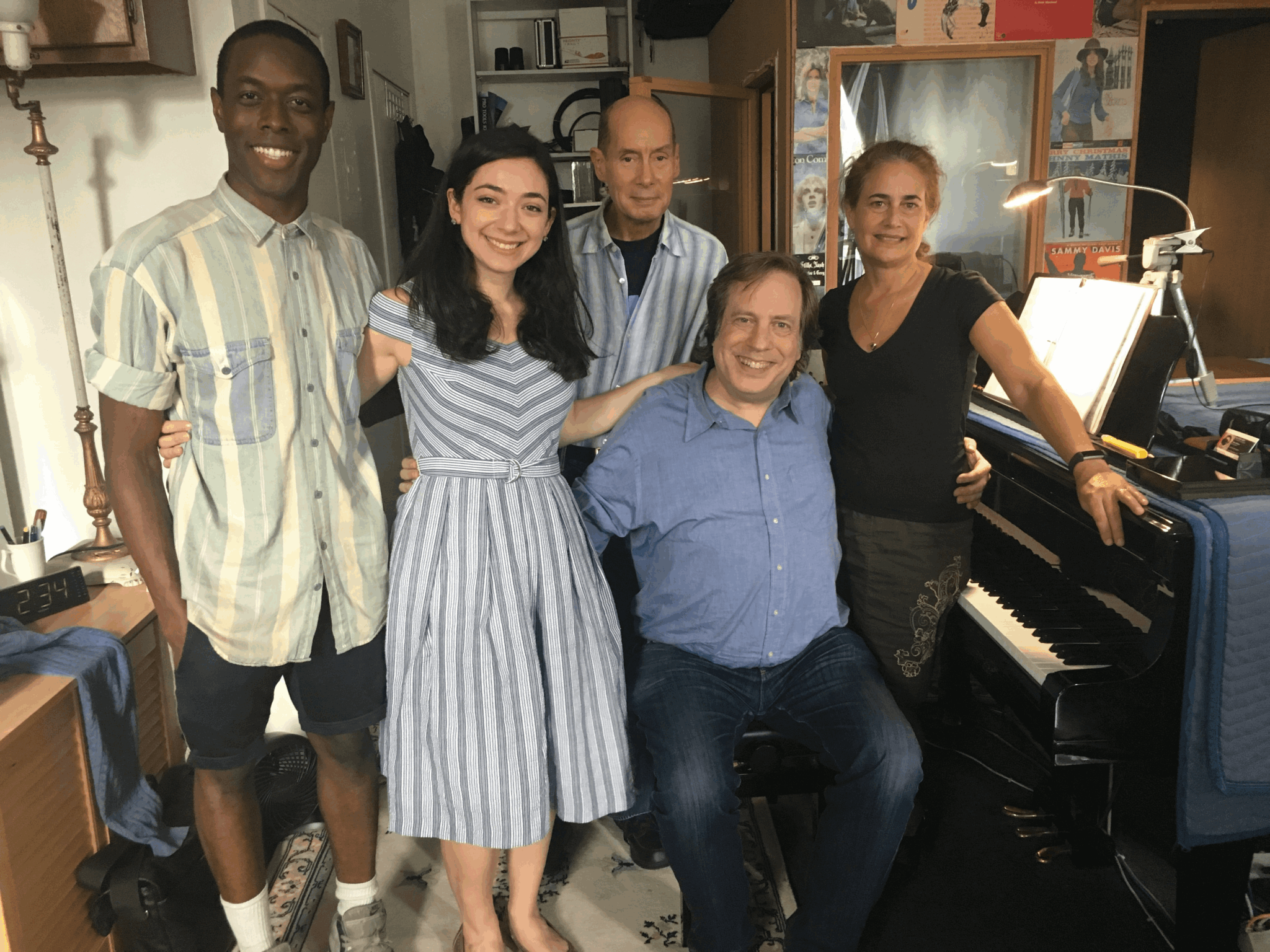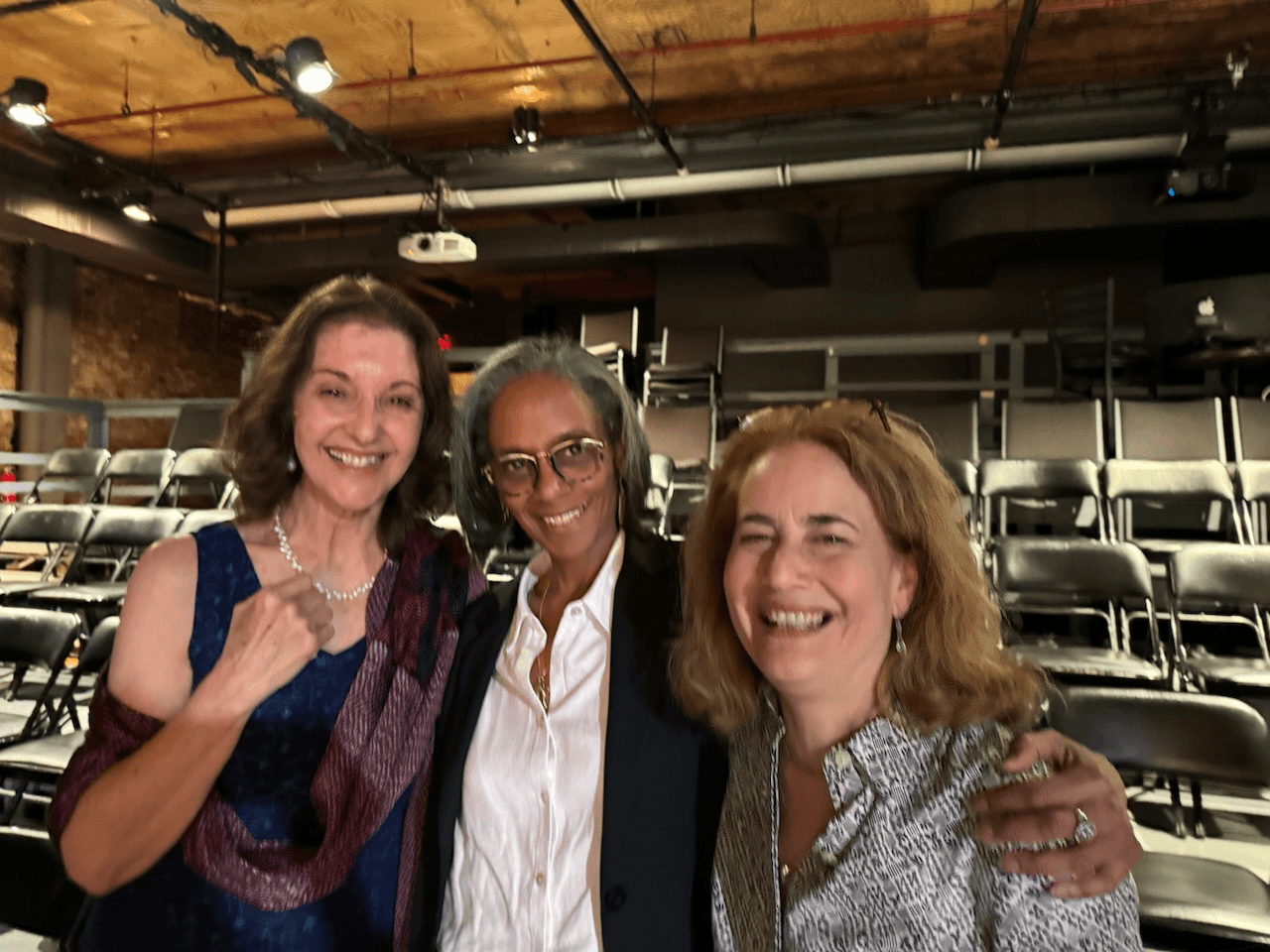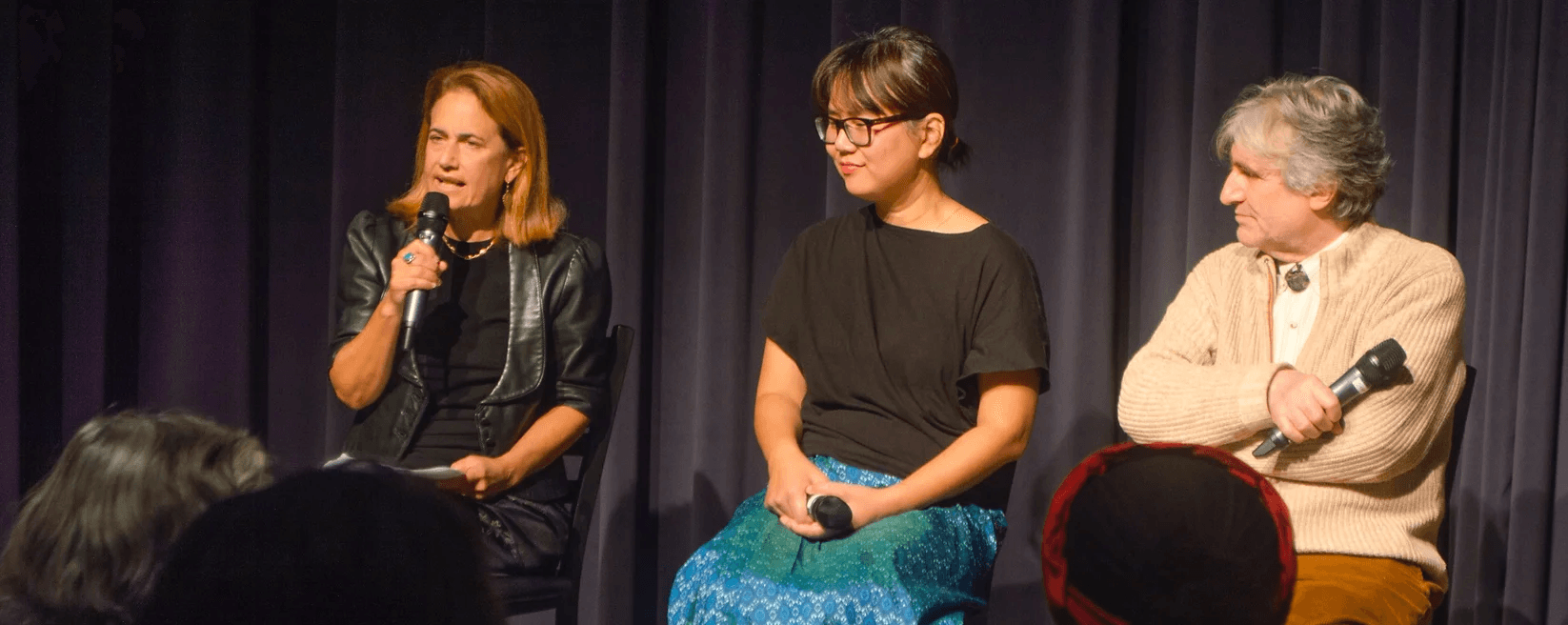

Today we’d like to introduce you to Catherine Filloux
Hi Catherine, thanks for sharing your story with us. To start, maybe you can tell our readers some of your backstory.
In first grade I won Bookworm of the Year and was given a book of verses by my beloved teacher Miss Doss. French was my first language and when I learned English I consumed it with joy. Each week at the public library I checked out my limit of books. Five. It is because of borders and migration that I am the first-generation artist I am. I grew up on the border between San Diego and Tijuana and was very familiar with that border and with Mexico. My father grew up in France during the Nazi occupation when the country was split into zones. My mother’s French-Belgian-Corsican family lived in Algeria, North Africa, for 3 generations before her. And, yes, I’ve been to Kansas! (“There’s no place like home,” but where is home? I have asked myself.) I went to Kansas for a playwriting residency at the William Inge Center for the Arts. There I visited William Inge’s tombstone, which says one word “Playwright.” I find that a beautiful word. I am an artist who finds my place in theatre. https://www.instagram.com/catherinefillouxwriter/ After thirty years I see PTSD, violence against women and censorship as an activist who works for change.
My father was the first to sail a catamaran across the Atlantic, he was born in the middle of France, far from oceans. My mother felt as an exilée: “Dans ce vaste pays qu’il avait tant aimé, il était seul.” ― Albert Camus, Exile and the Kingdom. Borders, economic inequity, multiculturalism, the international community became part of me.
My plays can raise awareness regarding challenging subjects, creating a space for dialogue, and a commitment to the power of language and the power of healing. As a playwright, librettist and activist, I have traveled to places including Cambodia, Bosnia, Northern Iraq, Haiti, Guatemala, South Sudan, Northern Ireland and Morocco. My play “whatdoesfreemean?” about women and mass incarceration in the U.S. has taught me about the writer and civil rights activist, Michelle Alexander’s “The New Jim Crow.” We hold the power of history in our hands and the important lesson that history repeats itself. I write my plays often relying on a historian’s depth. My play “Eyes of the Heart,” is about Cambodian refugee women in California who suffer from psychosomatic blindness after what they witnessed during the Khmer Rouge regime. It is about U.S. complicity. I’ve also written about Raphael Lemkin, the Polish, Jewish lawyer, who invented the word “genocide.” Lemkin believed in his word and the Genocide Convention, which he worked tirelessly to ratify.
Would you say it’s been a smooth road, and if not what are some of the biggest challenges you’ve faced along the way?
I often hear from audiences that they did not know the details surrounding the human rights stories I write plays and operas about. They say that they knew perhaps about “the tip of the iceberg” but not what lay beneath the surface. The characters in my stories are people in action performing drama and comedy, about being vulnerable, where the stakes are high, as are the stakes, of course, for audiences. Cambodia – Theatre, Memory and Grappling with Complicity, Catherine Filloux; Acting Together – Performance & Peacebuilding https://www.youtube.com/watch?v=6Idf88K6FCY
The conviction that history is our ally for paving a better and more just future is crucial. My play “Selma 65” is about the Selma Voting March and the white civil rights worker Viola Liuzzo who was shot dead by the Ku Klux Klan. Fair voting and the knowledge of the cost to achieve it have never been more important.
Appreciate you sharing that. What else should we know about what you do?
People outside the art world often talk to me about the power of art. Theater can have a responsibility to foster civic discourse and to spark people to think critically. It can offer ethical queries and put marginalized communities onto center stage. I see myself as a witness in my work in theater. In terms of theatrical language, I like to design a kind of poetry, which lives and breathes through action and characters onstage. The poet Wallace Stevens says: “The poem must resist the intelligence / Almost successfully.” The language of theater onstage and the audience are involved in a collaboration–a co-creation. I believe theater as an art form exists every time differently – it lives and breathes in a community. Albert Camus, the French and Algerian author, says theater is, “The night when the game is played,” he means each time with a different outcome, like a sports match. And for me theater pieces are prisms, which cast different lights for each audience member; everyone imagines and interprets the plays differently, which allows a shared personal experience.
How have different audiences reacted to my work? They refer to “the synergy between the play and present-day issues” The “dramatization of the issues and of history.” They remark on a “piece of history seen through the eyes of complicated and diverse characters.” How a play can “humanize an issue of conflict and retain its significance.” How it’s important for “students who did not live through a time or history.” And they say: “Also so often in life the perpetrator is not so much ‘other’ as ‘part of’ – part of the culture in which we live – part of us.” And: “A way to start a discussion.” “The power of theater in remembering and honoring human rights atrocities.”
My play “Mary and Myra” is about Mary Todd Lincoln and the first U.S. woman lawyer Myra Bradwell, who got Mary out of the asylum where she was unjustly placed by her only living son Robert, after the deaths of her husband and other sons. We hold the influence and the tools to help people make distinctions between truth and lies, and to nurture intellectual freedom. Myra Bradwell was written out of history by her adversary Susan B. Anthony and needed to be resurrected. And Mary’s reputation was maligned through biographers.
Also, I wrote this play about immigration and family, so anyone can watch it at no cost and, if you want, you can watch it in 360 with your phone (“turning your body into a compass” Catherine Filloux’s web drama about children and U.S. deportation)
Theater places stories in front of hearts and minds, as an experience that is living and transforming. Theater is live, and if you think of it as words touching air, there are many ways that you can use theater, even at its simplest, by reading plays aloud. Books, libraries, the theater – “There is no place like home.”
Any advice for finding a mentor or networking in general?
I am a mentor to a variety of people and happy to hear from you. You can see a Mentoring section on my website and
please contact me at “contact” on my website
www.catherinefilloux.com
Contact Info:
- Website: https://www.catherinefilloux.com/
- Instagram: https://www.instagram.com/catherinefillouxwriter/
- Facebook: https://www.facebook.com/catherine.filloux.5
- LinkedIn: https://www.linkedin.com/in/catherine-filloux-47a92b24a/
- Twitter: https://www.twitter.com/cfillouxwriter
- Other: https://www.facebook.com/CFillouxWriter