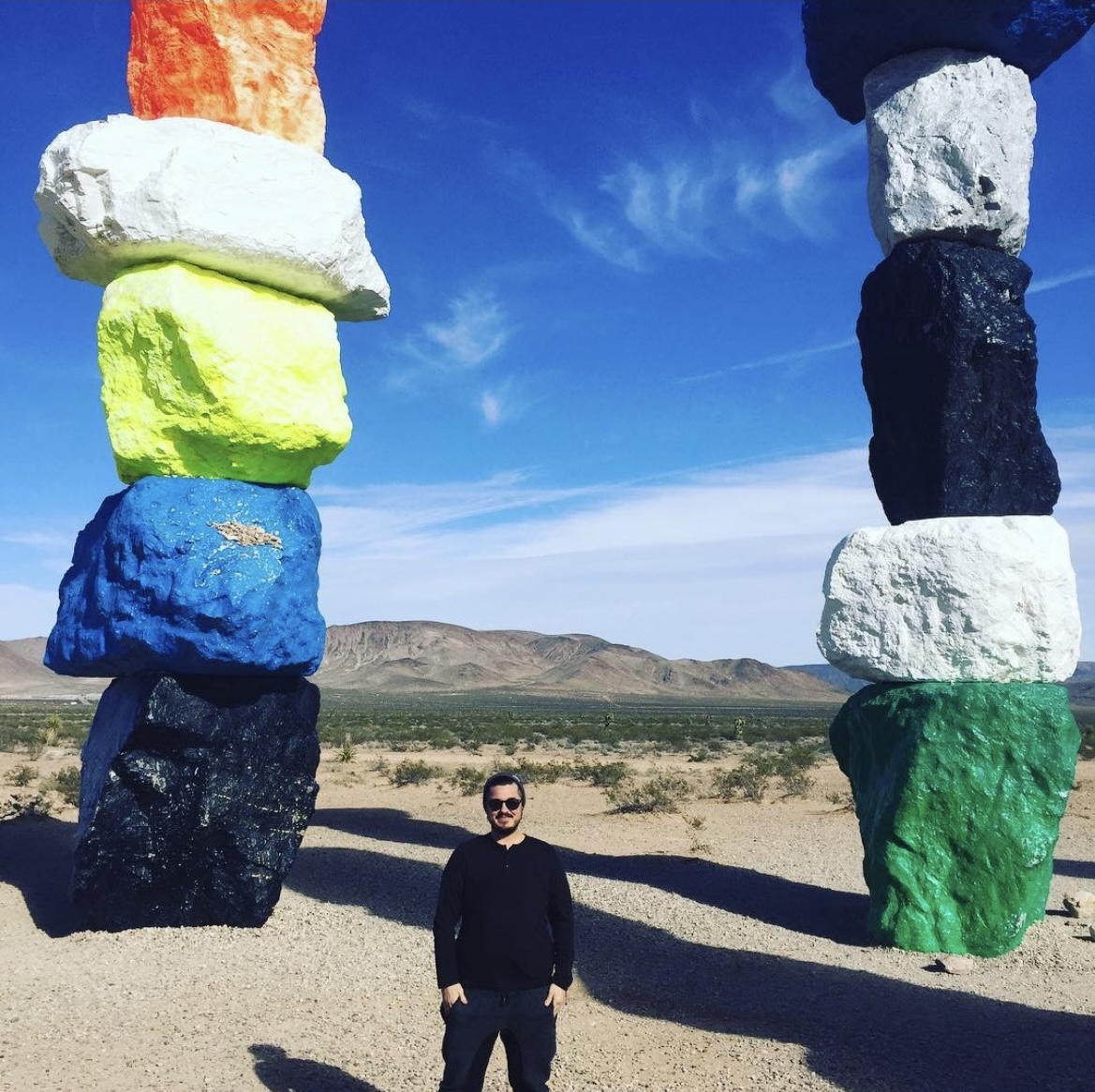
Today we’d like to introduce you to Brandon Mead
Hi Brandon, thanks for sharing your story with us. To start, maybe you can tell our readers some of your backstory.
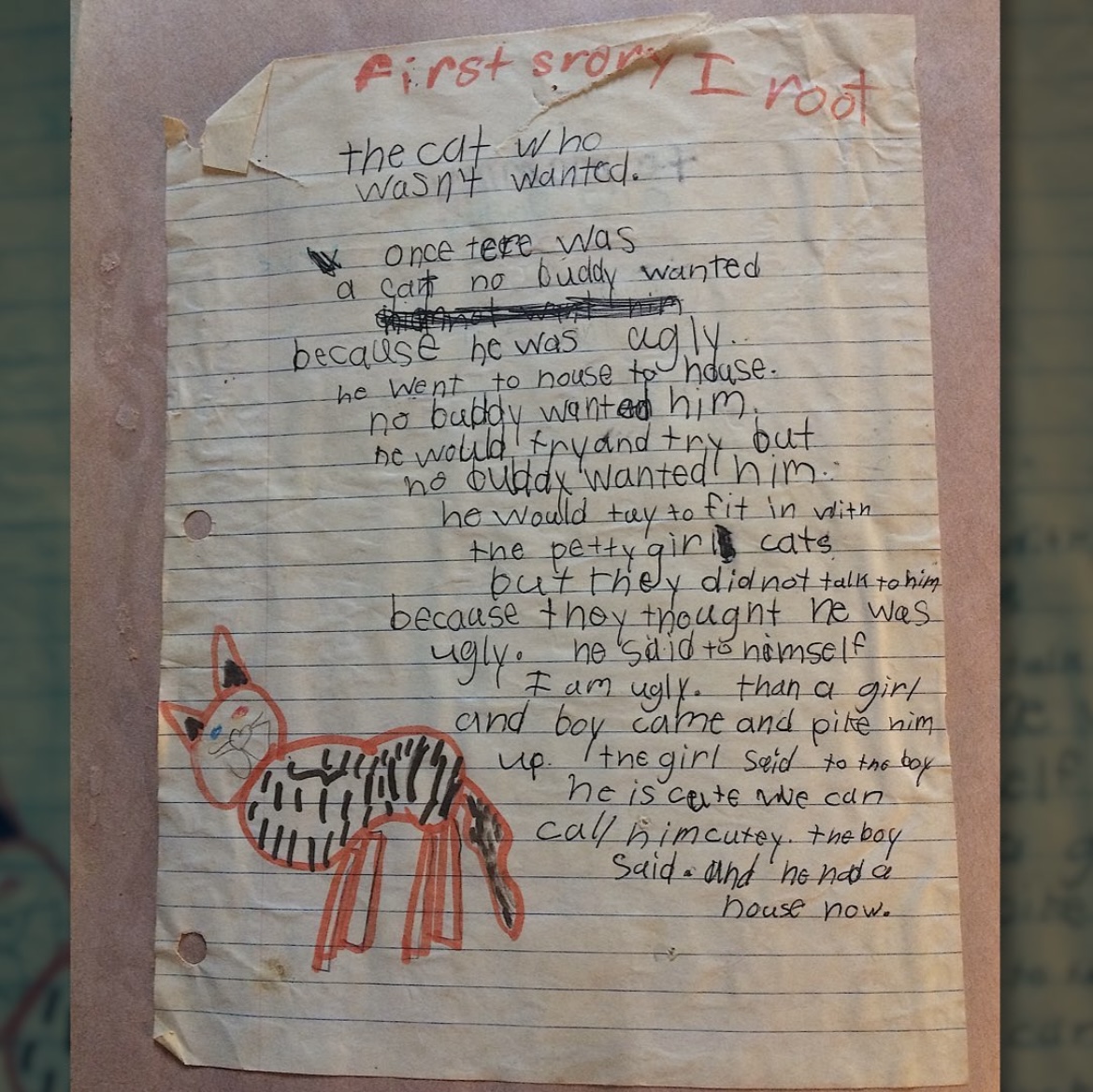
There’s this joke about young gay men and their emotional support English teachers. In middle school, I absolutely had one. My mom still has pictures of the first story I ever wrote, something about a cat that I’m certain was some form of Ugly Duckling fanfiction. But the first piece of nonfiction I remember was a persuasive essay I wrote in seventh grade. My teacher read it out loud to the class and added, “This is how you know someone is destined to be a writer.”
That moment ignited something in me. It wasn’t just about putting words on a page; it was about being heard. Since then, I’ve been fortunate to have many lovely teachers and mentors who reinforced that storytelling wasn’t just a talent—it was a destiny. They framed writing as a way to make sense of the world, to reshape it into something meaningful, even beautiful.
Now, I write to reflect the world I’ve lived in and dream it can one day be. From smalltown Florida to the neon chaos of Las Vegas, and now in Seattle, my journey has been as much about self-discovery as it has been about craft. Every new chapter of my existence adds another layer to who I am as a storyteller.
I’m sure it wasn’t obstacle-free, but would you say the journey has been fairly smooth so far?
Growing up as a queer kid in southwest Florida was a challenge. Every step forward was met with some new form of resistance. But in that adversity, I found my voice. Writing became a tool for survival.
I pull so much from those early years. Many of my characters wrestle with the same obstacles I did—homophobia, small-mindedness, the constant pressure to dim your light. For example, I think of the gender-nonconforming kid who was bullied so severely they gave up their dream of art school. I used to picture them at the hardware store where I worked during college, mixing paint and rediscovering the importance of color in their own time. Writing lets me rewrite these stories, give them endings they might not have had in real life.
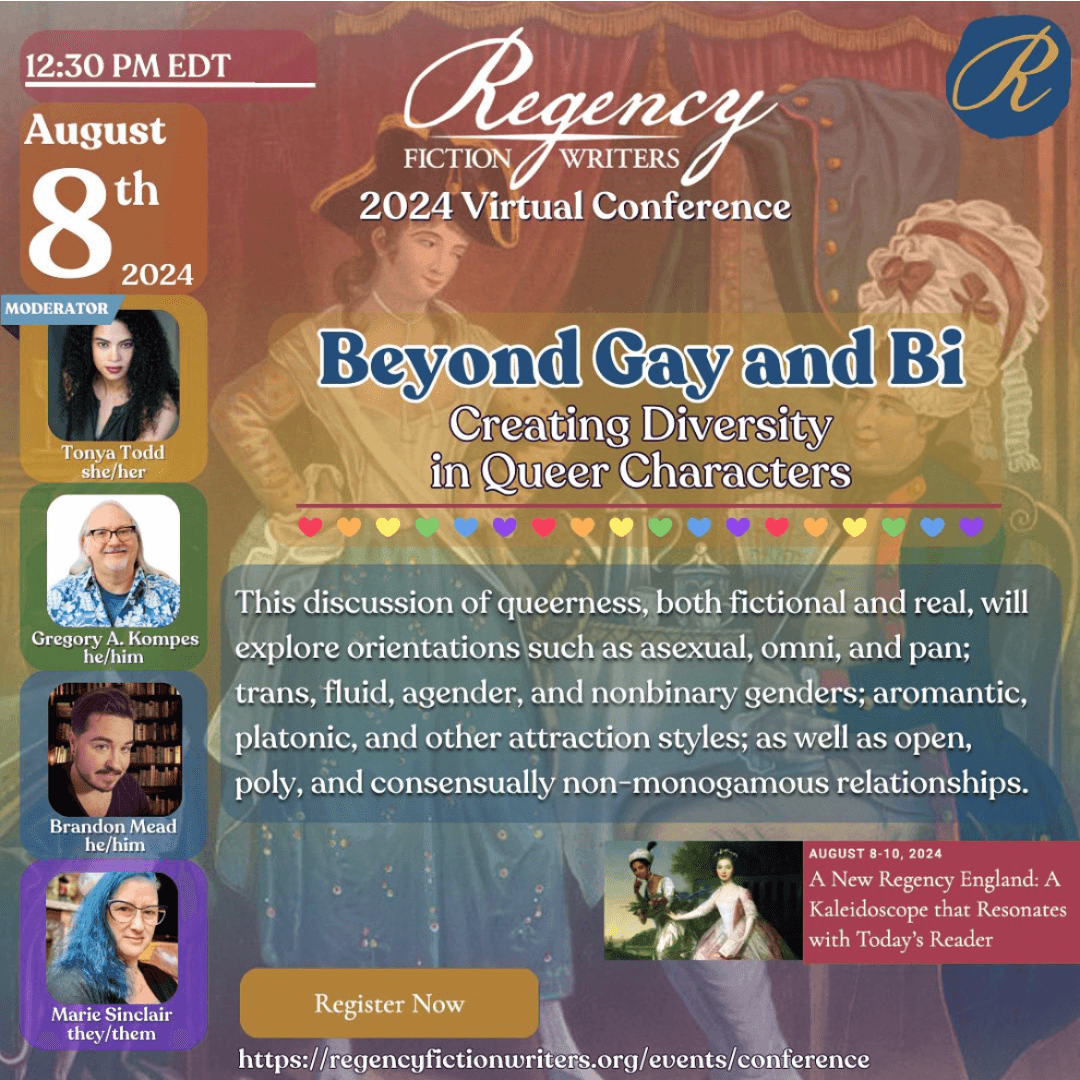
From being a shy kid to now being the kind of person who jumps on stage to be featured at art gallery openings and open mics, I know it was discovering those words that gave me power. When I present on panels and writing conferences to speak on topics relevant to queer writers and characters, it’s because I remember what it was like to not have that representation in my life.
Thanks – so what else should our readers know about your work and what you’re currently focused on?
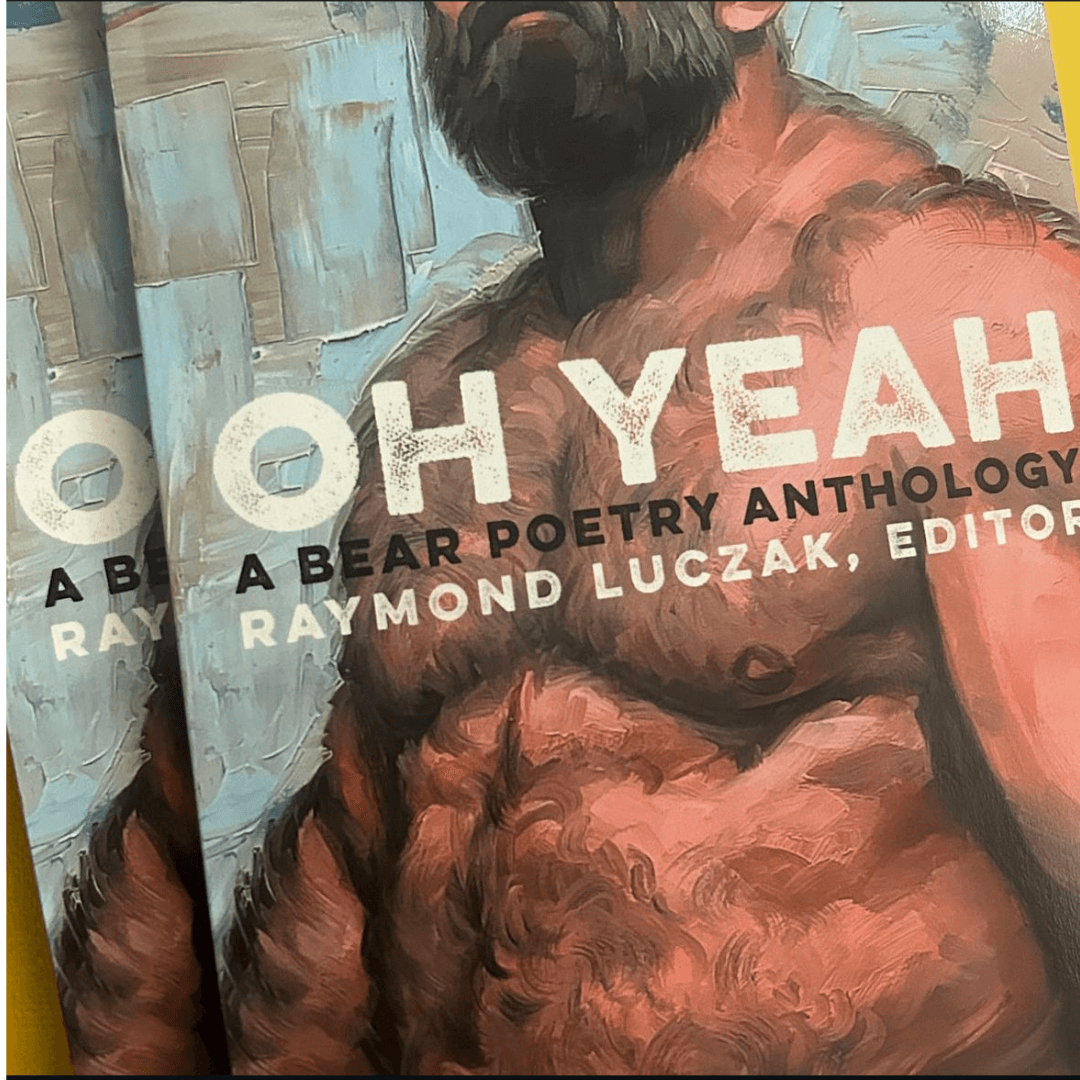
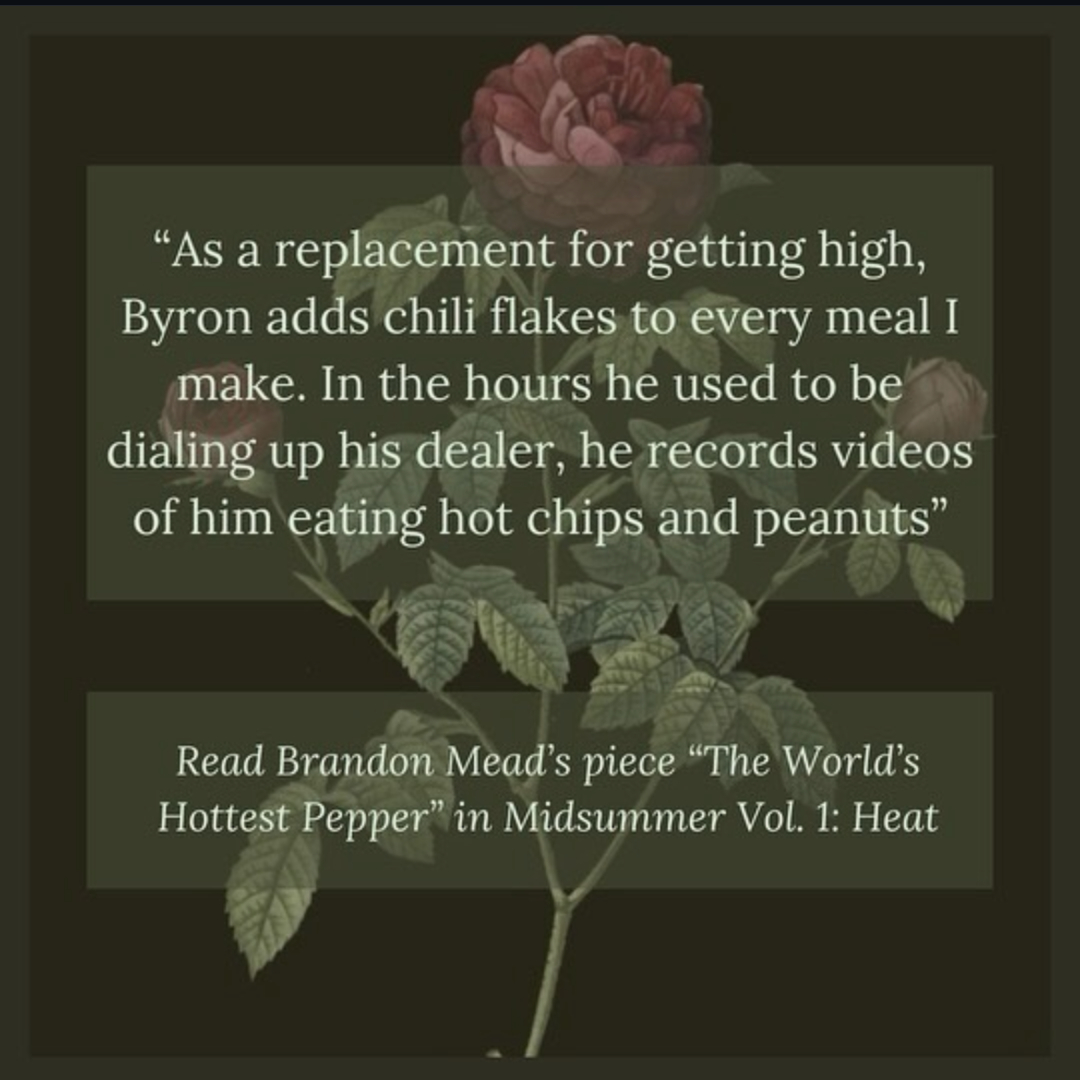
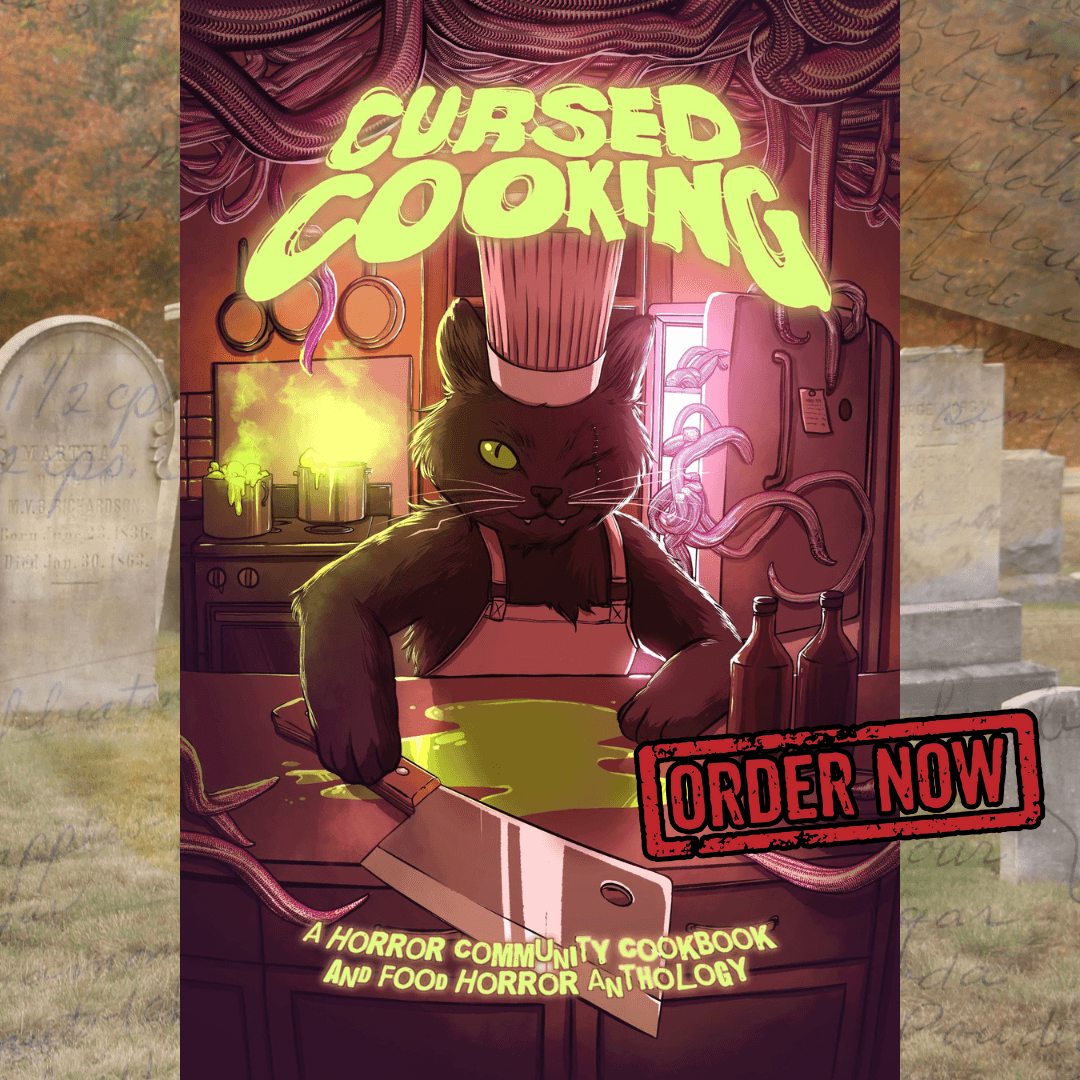
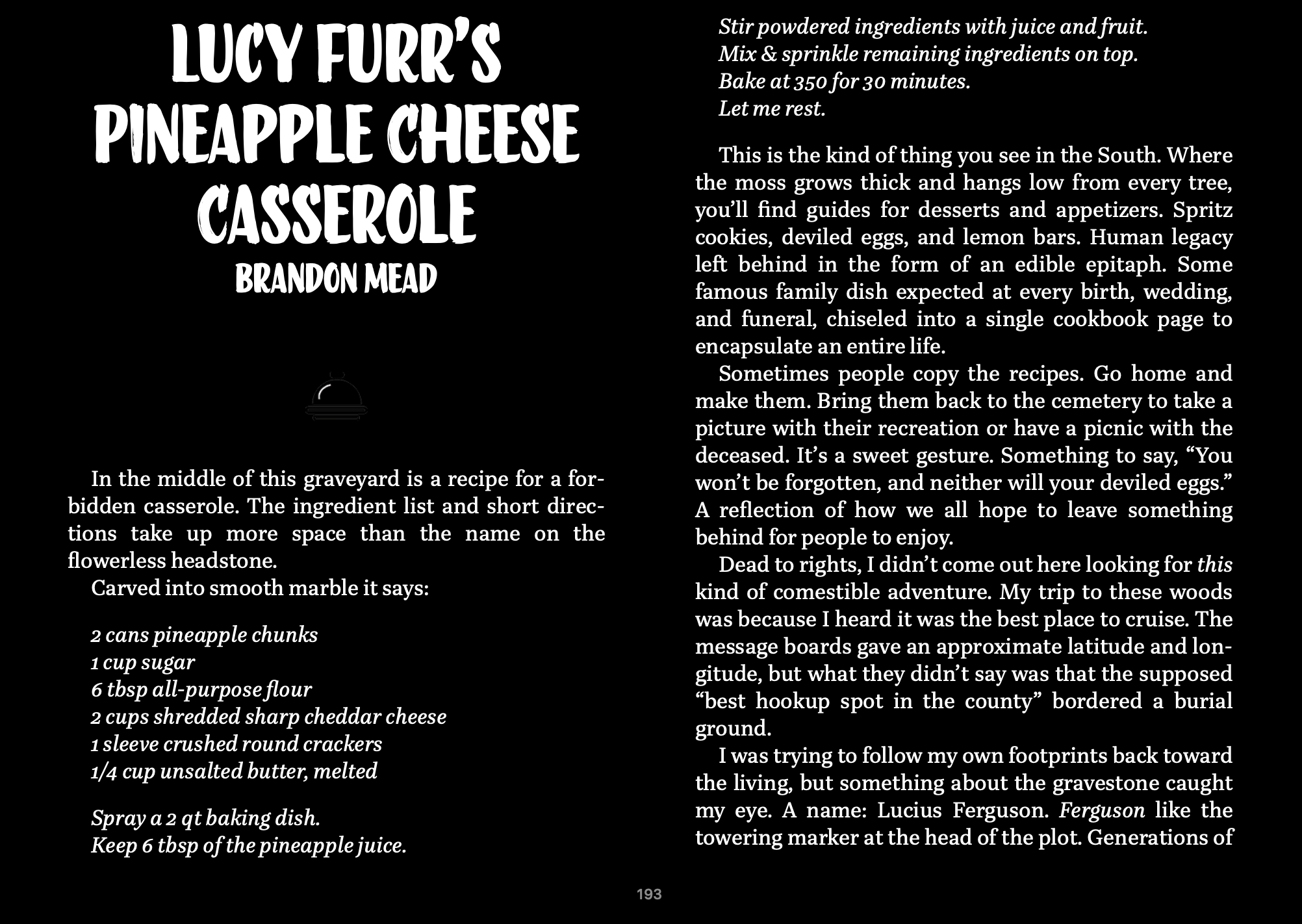
I specialize in telling authentic queer stories and creating complex, imperfect characters. Sometimes my short fiction is a bit transgressive, on occasion speculative, recently one of my pieces even found a home in a horror anthology called Cursed Cooking from Cat Eye Press and I had some poems published in ‘Oh Yeah Bear Poetry’, a trans-inclusive collection for members of the gay bear community. I’m particularly fond of a story called ‘The Summit’ that can be read online for free from T’Art Magazine and another called ‘The World’s Hottest Pepper’, which was picked up by Skeleton Flowers Press. Regardless of the genre, potential drug or supernatural influence, or even the identity of the main character, my work is always deeply rooted in my experiences.
I’m proudest of the moments when people tell me my work made them feel seen. Representation isn’t just about ticking a box; it’s about showing queer joy, anger, grief, and resilience in ways that feel real. I like to think my writing sets me apart because it’s unapologetic. I don’t like to hide from the messiness of identity or the humor in adversity.
Are there any books, apps, podcasts or blogs that help you do your best?
This may be controversial, but I think slice-of-life writers undervalue TikTok. The generally accepted view is that social media is a time suck, but I say you’re using it wrong. Where else can you observe pop culture evolve in real time? The internet is a goldmine for understanding language, humor, and trends as they happen. It’s also a space where queer people, in particular, create communities, tell stories, and carve out space in a world that often doesn’t make room for them.
I recognize that not every creator is going to have that emotional support English teacher come into their lives at the right time. And for them, I hope I can be that person. That they somehow discover my work in a bookstore or online. I hope my words and stories or poems can find them when they need to be reminded they’re not alone. So they can feel empowered to create art in any medium about the way they see and experience their world.
What I want more than anything is to use the written word as two cans on a string. Every story–fiction, poem, or nonfiction–is an opportunity to create a direct line between you and the person who needs to hear what you have to say.
Contact Info:
- Website: https://www.fiercestorytelling.com
- Instagram: https://www.instagram.com/fiercestorytelling/
- Facebook: https://www.facebook.com/fiercestorytelling/
- Twitter: https://twitter.com/fiercestories
- Youtube: https://www.youtube.com/channel/UCR2124z5zU7qfcDjELcvOJQ
- Other: https://bsky.app/profile/fiercestorytelling.bsky.social