


Profits differ from net income, and no where is there clearer than for small business owner-operators, artists, and creatives. Just because you have a certain amount of money left over after covering expenses doesn’t mean you’ve made profits. Why? Because you have to factor in the cost of your labor and the risk you took and so after factoring that in, millions of small businesses and artists and creatives are operating with little to no profit. However, it doesn’t have to be this way and so we wanted to create a space where sharp entrepreneurs and creatives could come together and discuss the challenges to profitability and potential solutions. If you have something valuable to add to this conversation that can help others achieve profitability, please reach out to us as we want to get your ideas in front of our readers.
Shayla Boyd-Gill

While I help service-based female entrepreneurs across various industries, a consistent challenge I’ve noticed, particularly for those around the $250K revenue mark, is what I call the “$250K Crisis.” On the surface, it may seem that reaching this revenue is a testament to success, but it often comes with overlooked pitfalls that threaten profitability. Read more>>
Crystal Cuevas

FindHerFootball is driven by the mission of bringing visibility to professional women’s soccer. We wanted to validate the passion, talent, and dedication we see contributing to media coverage. FindHerFootball platform is to serve fans interest in following their favorite female players and an advocate for women’s soccer to have their rightful place in mainstream sports. Read more>>
Alexander McLaurin
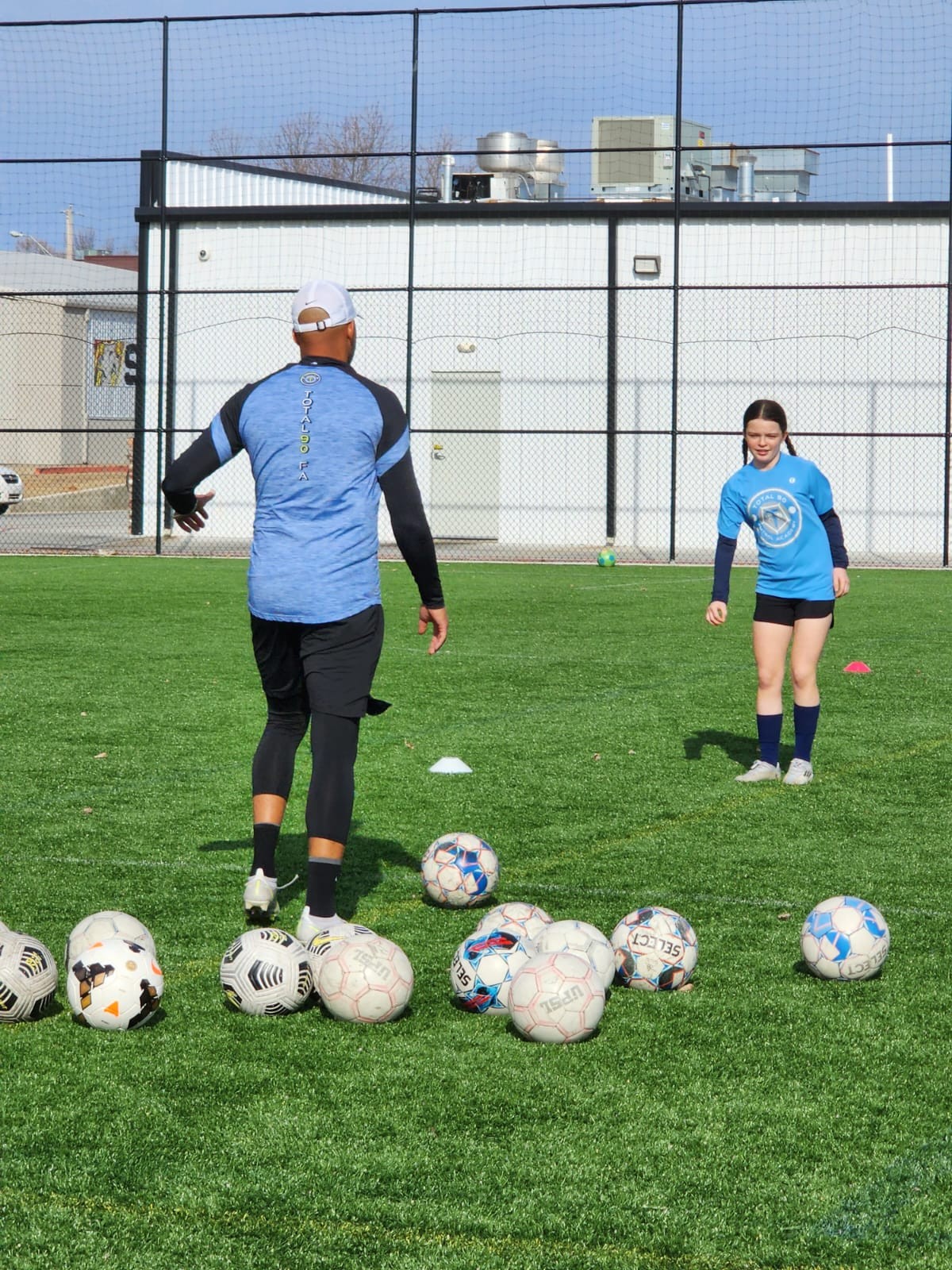
It all depends on your mission and how you set up a soccer training business. I would say that it can be profitable if you strictly look at it as a business and just creating programs that generate revenue rather than provide good training value. The biggest challenge to profitability in my opinion can be finding the balance between wanting to provide good training to all players, regardless of their financial background. That is major reason on why we plan to create a non-profit branch that will go along side our for profit business. Our hope is that we can use the non-profit component to scholarship players who want to really develop and put the work into training, but maybe they/their families can afford it. Read more>>
Alexander Nguyen
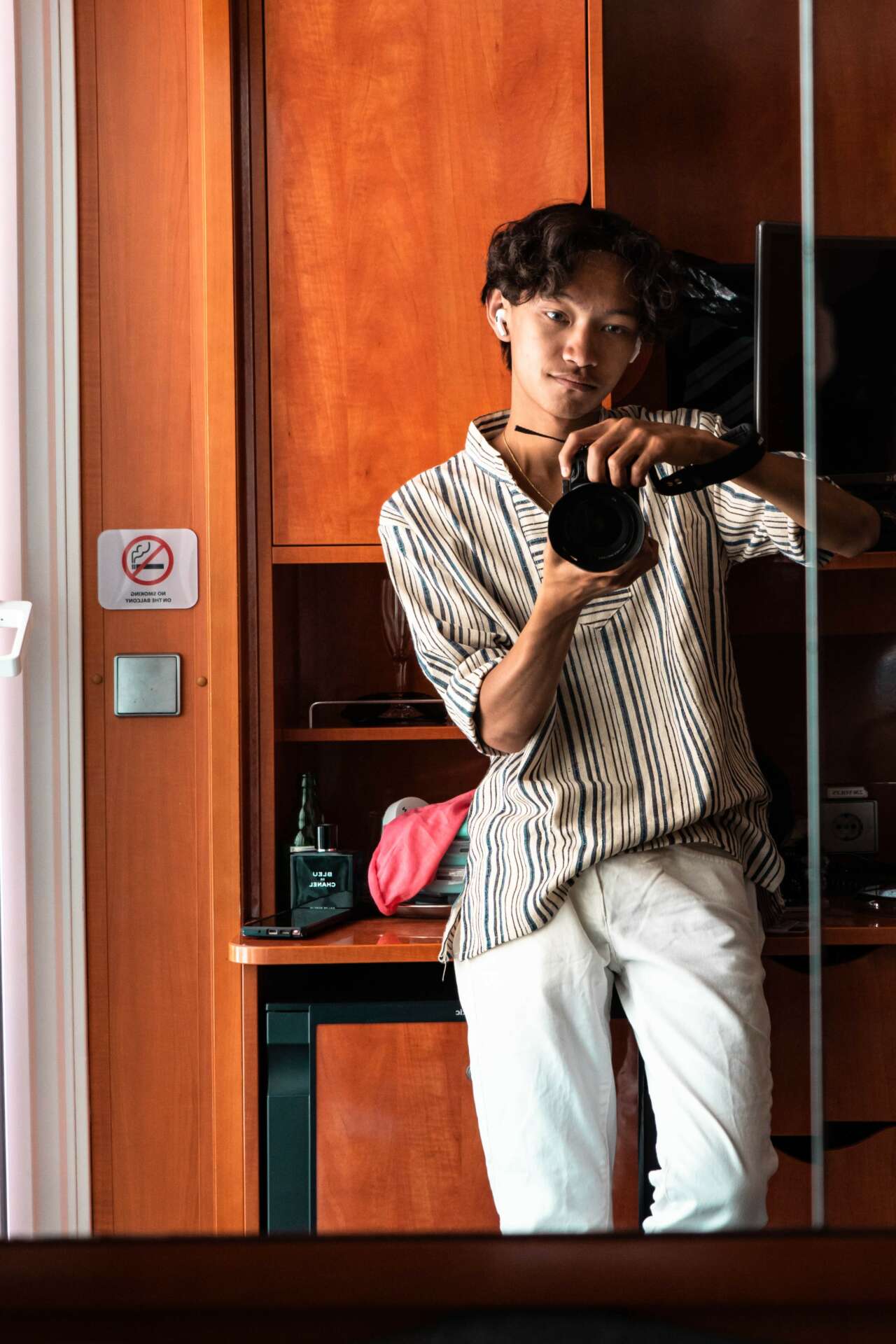
One of the biggest challenges in the photography industry, especially starting off, is getting work. Nowadays, anyone can pick up a camera and start taking photos, and there are a ton of competition out there now. Getting your name out there and differentiating yourself from others can be proven to be quite difficult. When I first started my business, I started by photographing close friend’s senior portraits in high school which generate a steady amount of income. However, I eventually hit a wall where I no longer had friends who were graduating from high school and needed photos leaving me with less work. I would, however, get some work here and there from references. Having consistent work has still been difficult, and with only certain periods of the year being busy profits can be challenging. Read more>>
Kelsea Richmond
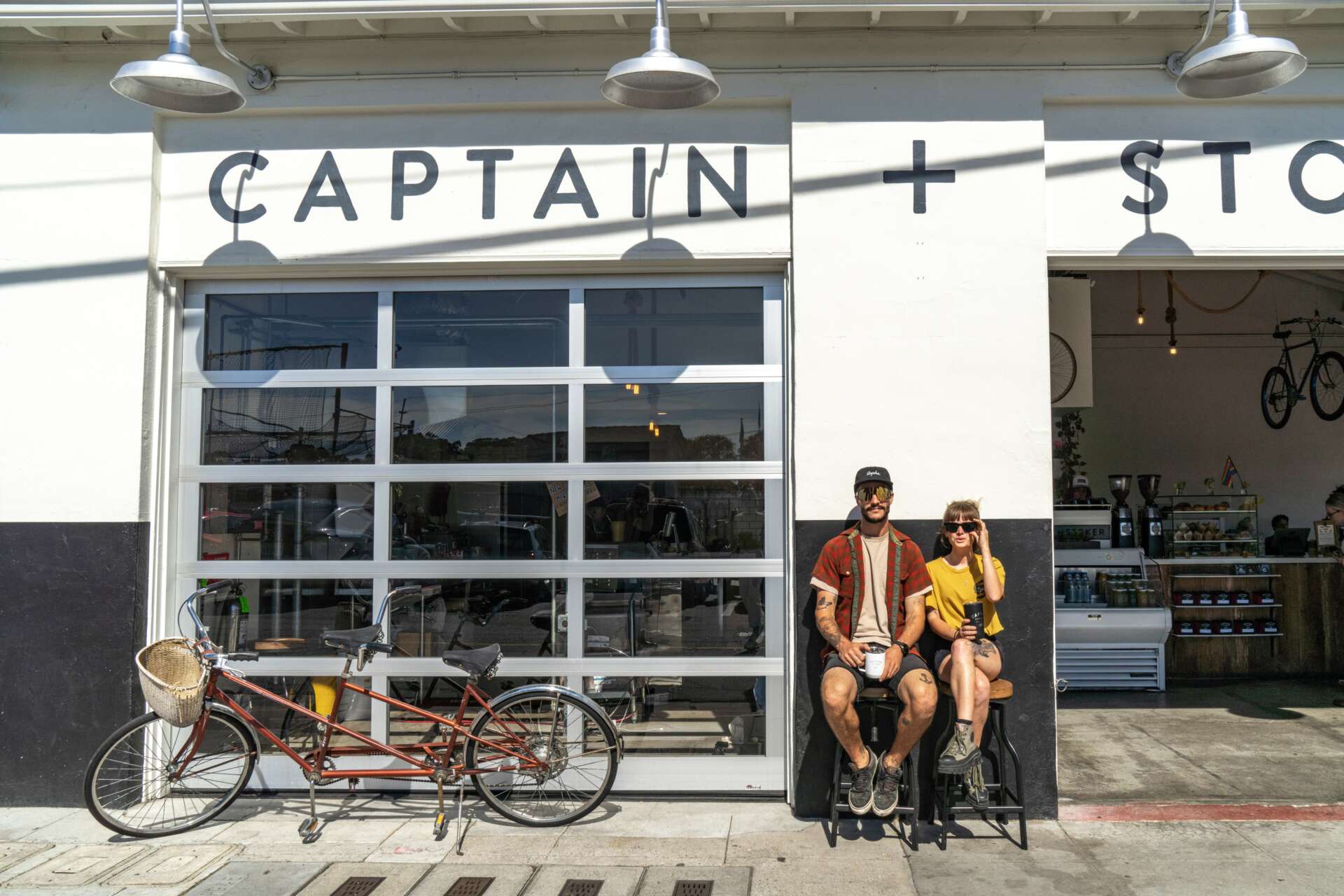
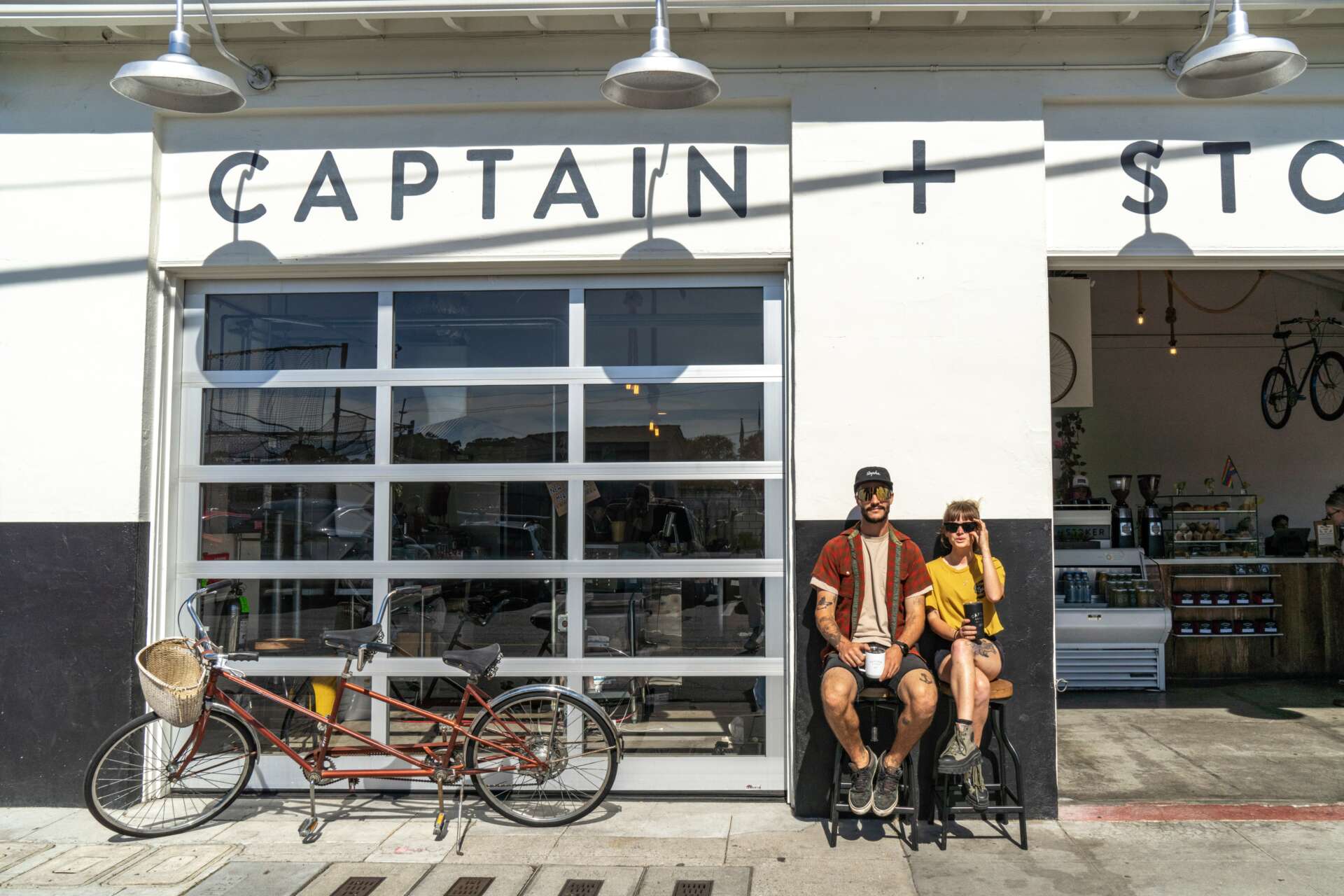
We felt this issue most right outside of the pandemic, when inflation rates were skyrocketing. Everything cost so much more; our compostable to-go products went up 40%, all of our food products were substantially more, our employees (and ourselves) could barely afford gas or groceries.. it was just insane. The kicker here is that a coffee shop can only charge so much for a latte! If we actually raised the price to what it should now cost, you’re looking at $10+ for a drink. At that point, we will start to lose customers, which means we cant pay our bills, and we have to close. Read more>>
Randy Bigler
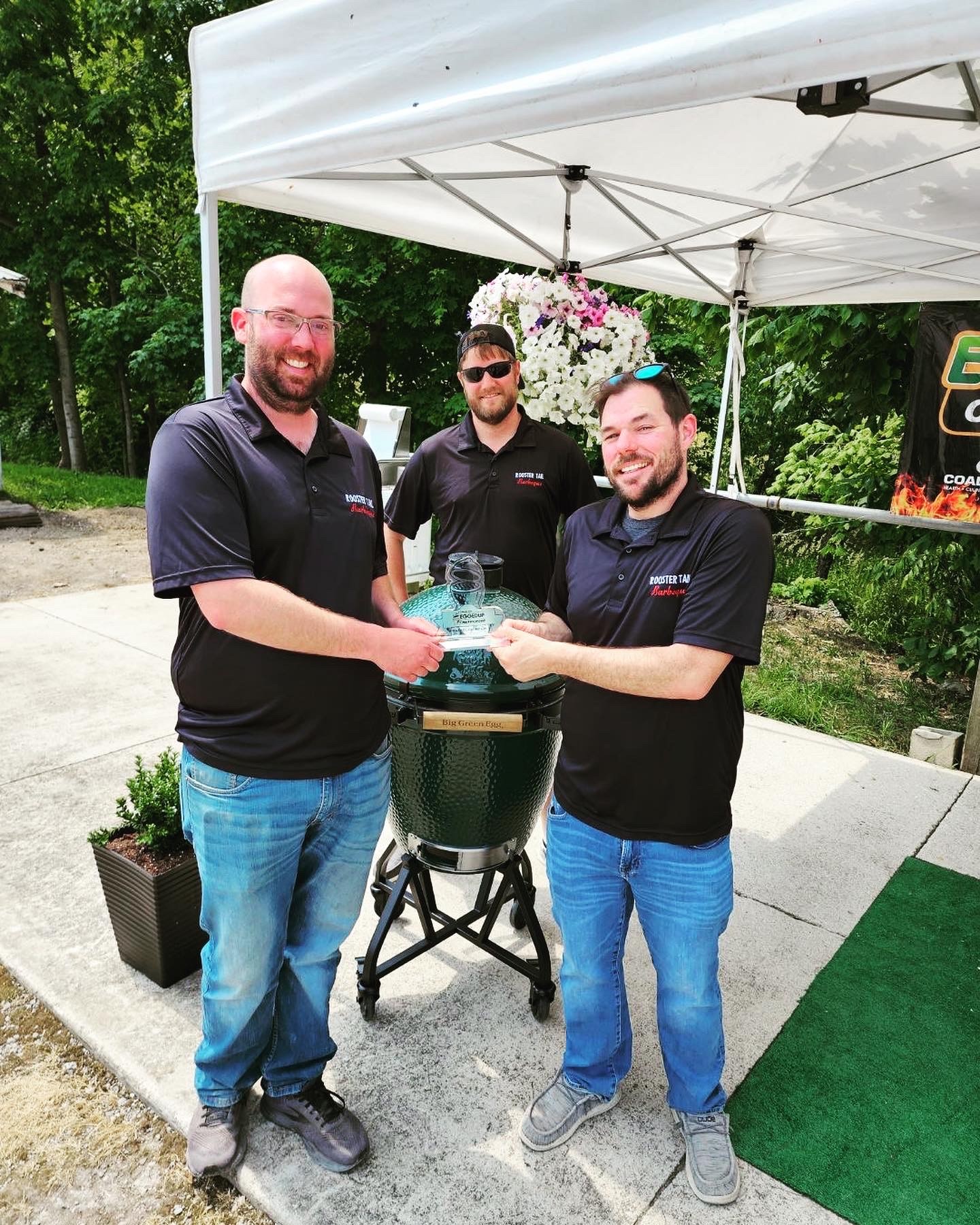
The biggest challenge in our industry, the barbecue rub industry, is definitely the competition. Over the last 5 to 10 years rubs in seasoning blends have taken off. There’s lots of big box retailers that have a whole aisle dedicated to barbecue, rubs and seasonings now. Covid really helps that take off as more people were staying home and cooking. Also, social media has changed the industry greatly as well. You have to build a name for yourself on a social media platform to make it in this industry. In the past you used to build your name by winning competitions and having great flavor profiles. Read more>>
Belle Motter

You know, we’ve all heard that classic stereotype of “the starving artist,” and I’ve got to admit, it’s got some truth to it. One of the most daunting obstacles we face is trying to stand out in an incredibly crowded and hyper-competitive market. It can be a real struggle to get noticed and build a loyal following that actually translates into sales, especially when there’s an abundance of ridiculously talented artists out there. Read more>>
Ruiqi Zhao

Yes, so as film composers, we do freelancing most of the time. I would say the biggest challenge to profitability is that our income is not stable. It varies a lot based on how many projects you get this month and the timetable of the projects. For example, I worked on some short films with low budget when I graduated. It is a good way to start the career but the income is minimal. Now, I have more experience and more credits, I got my own feature film and I can set my rate higher. So I would say it’s a long process but it will get better. In another scenario, people will choose to be an composer assistant to gain more first-hand experience and improve themselves by doing something like orchestration, score production and music arrangement, etc. Read more>>