

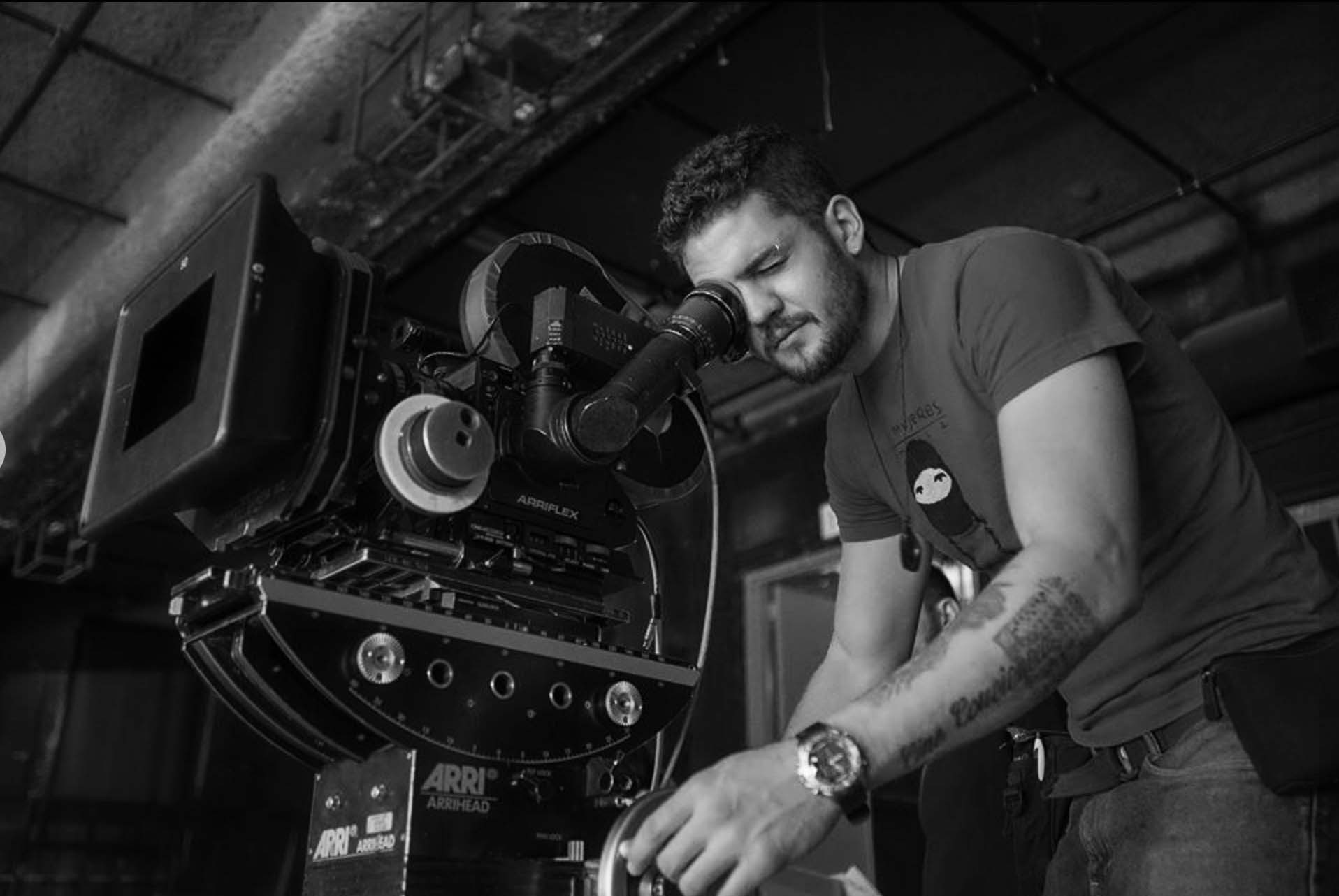

Alright – so today we’ve got the honor of introducing you to Andrés Solórzano. We think you’ll enjoy our conversation, we’ve shared it below.
Hi Andrés , thanks for joining us today. What sort of legacy are you hoping to build? What do you think people will say about you after you are gone, what do you hope to be remembered for?
I would like my legacy to be portraying stories that give hope for a better future and encourage any person watching those movies to strive for a better world. I want a legacy of untold stories of minorities and small communities that fight for their place in this world. I want a legacy of inclusion and understanding, of stories from everyday heroes that stand for what they believe and make the world better.
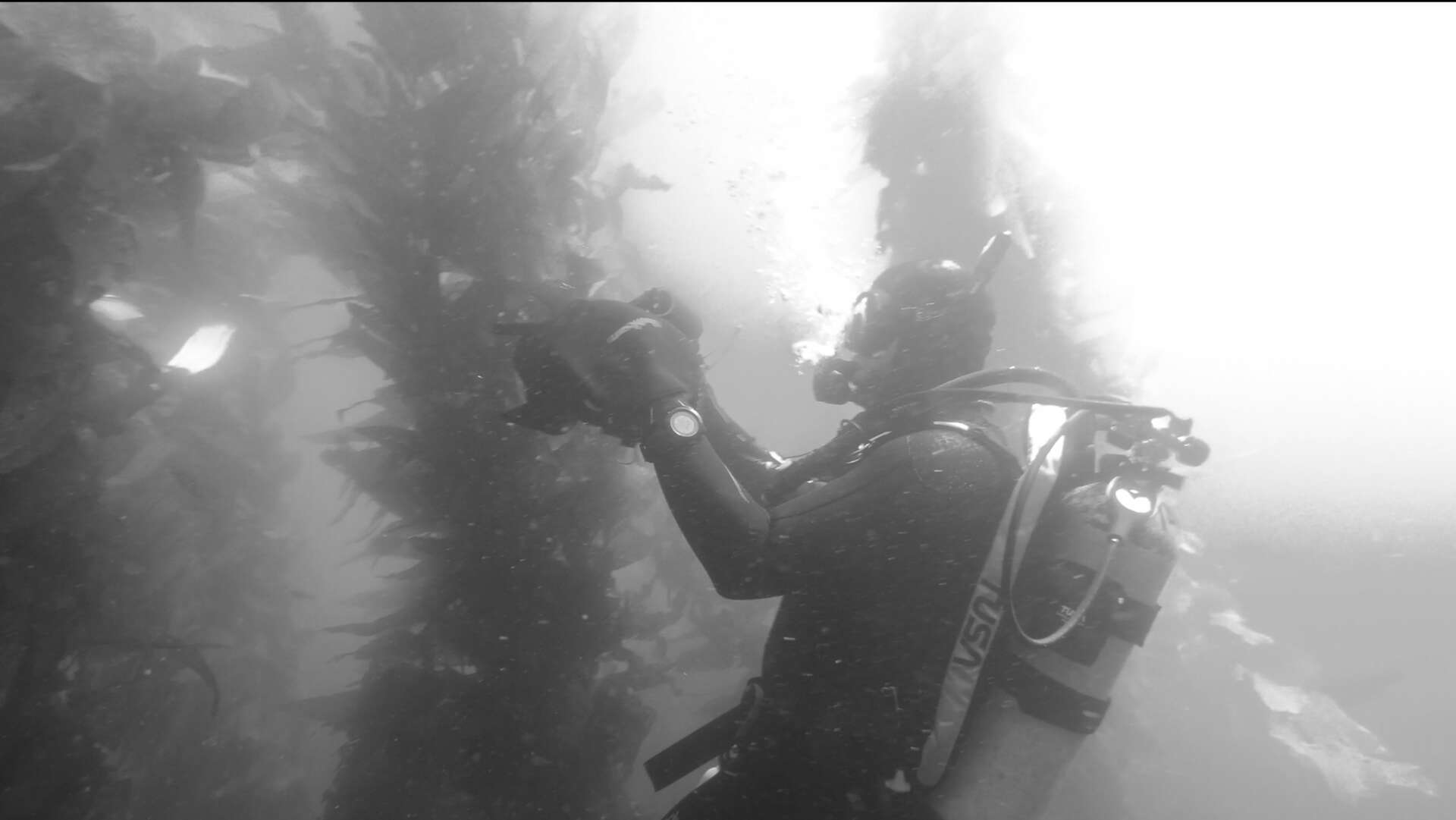
My background in documentary filmmaking gives me this desire to leave a legacy of understanding and inclusion. That is why I started shooting documentaries, I believed there are some stories that could change the world. Up to this day my documentary background comes in handy when shooting commercials or narrative films. The desire to understand other realities influences my decisions on set. Even most of my commercial and narrative work are related to this search for a better reality. If at the end all I can leave behind is the search and hope for a better world, I would feel proud.
Great, appreciate you sharing that with us. Before we ask you to share more of your insights, can you take a moment to introduce yourself and how you got to where you are today to our readers.
The movie theater has been my safe place since my childhood. Every weekend my mother or father, whoever was in charge of me, took me to the theater after some good food.That is how we found rest from our weekly duties in Mexico City. The comfort of darkness and a film makes me feel at peace, which lead me to becoming a cinematographer or director of photography in the film industry of LA.
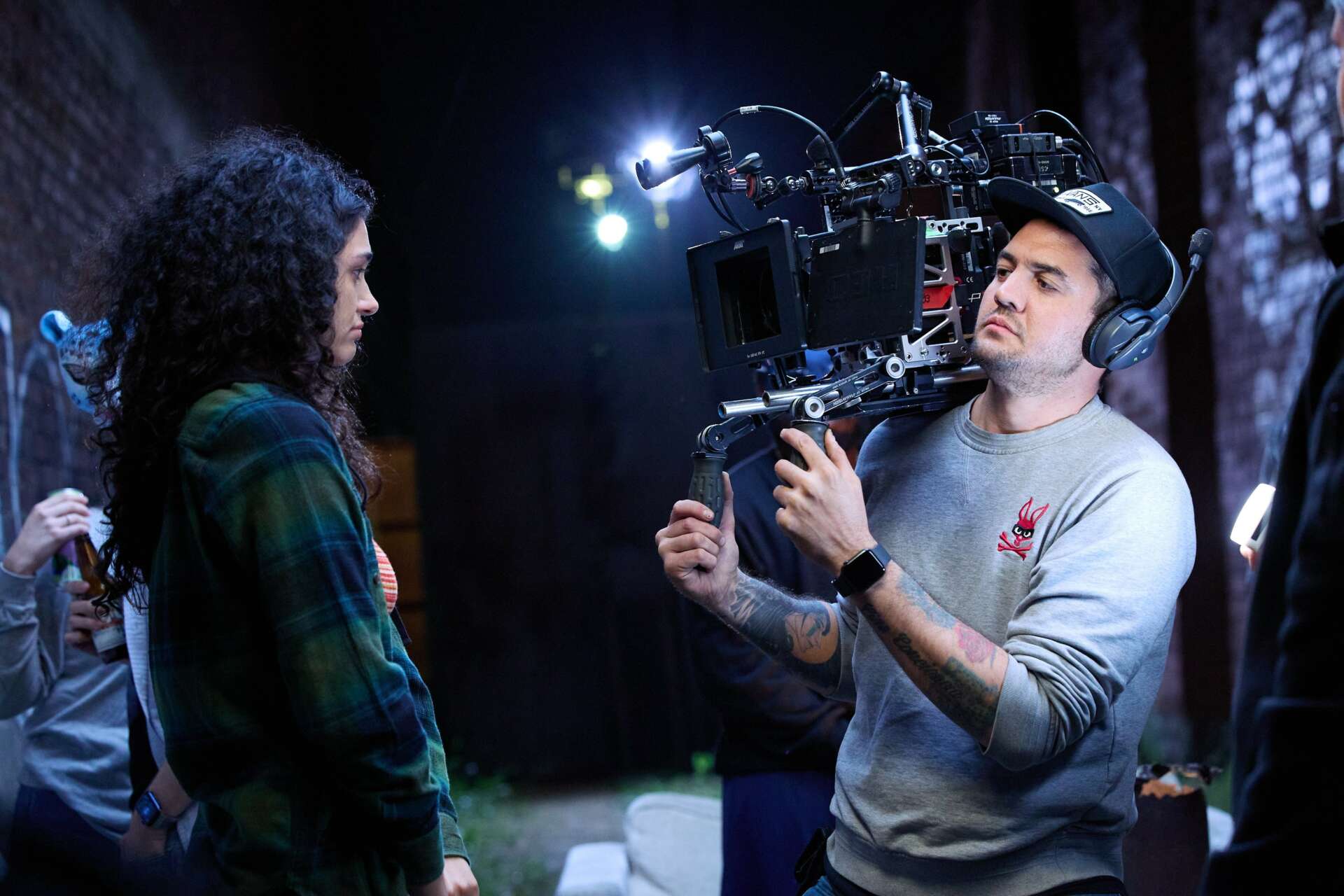
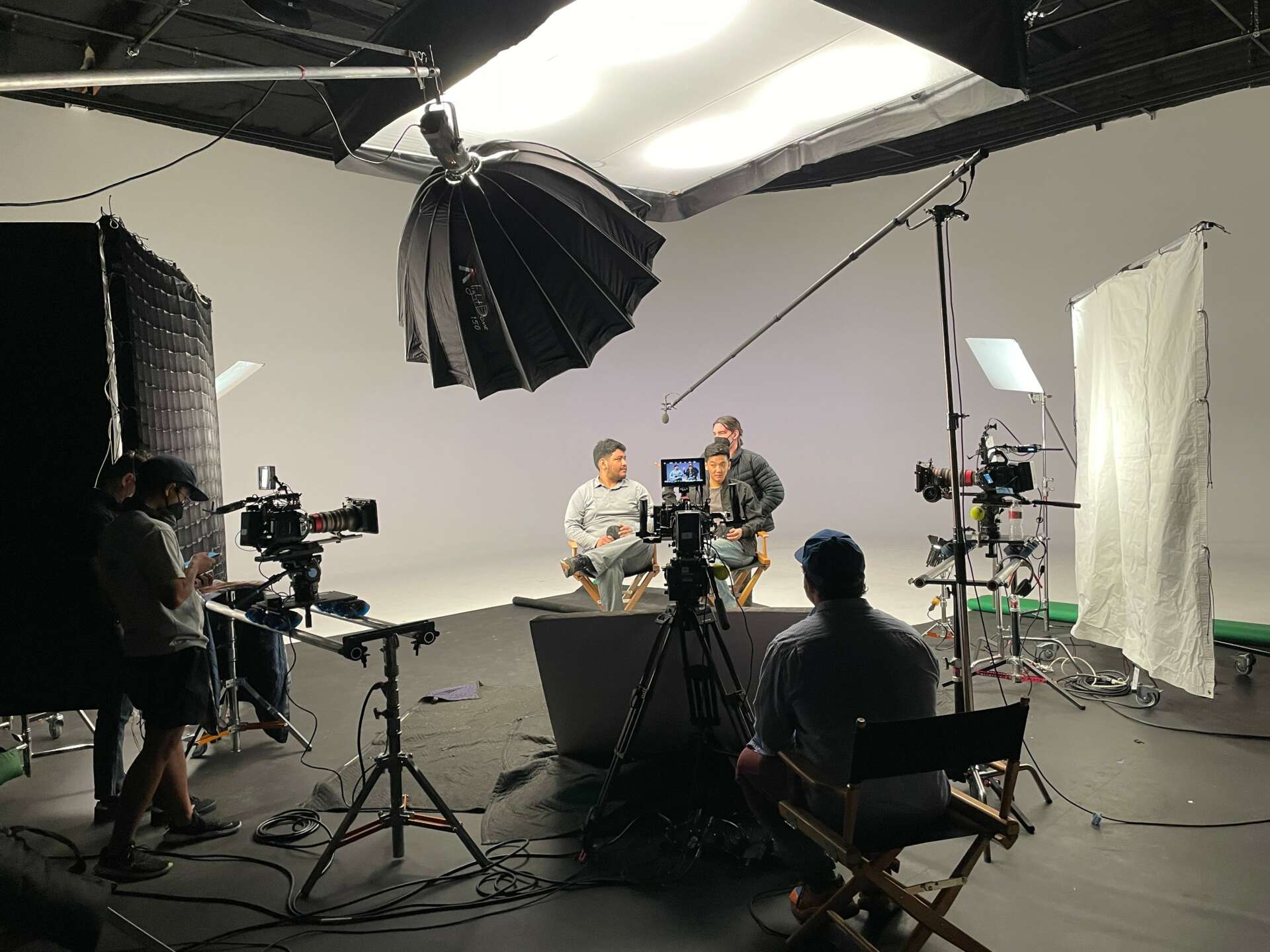
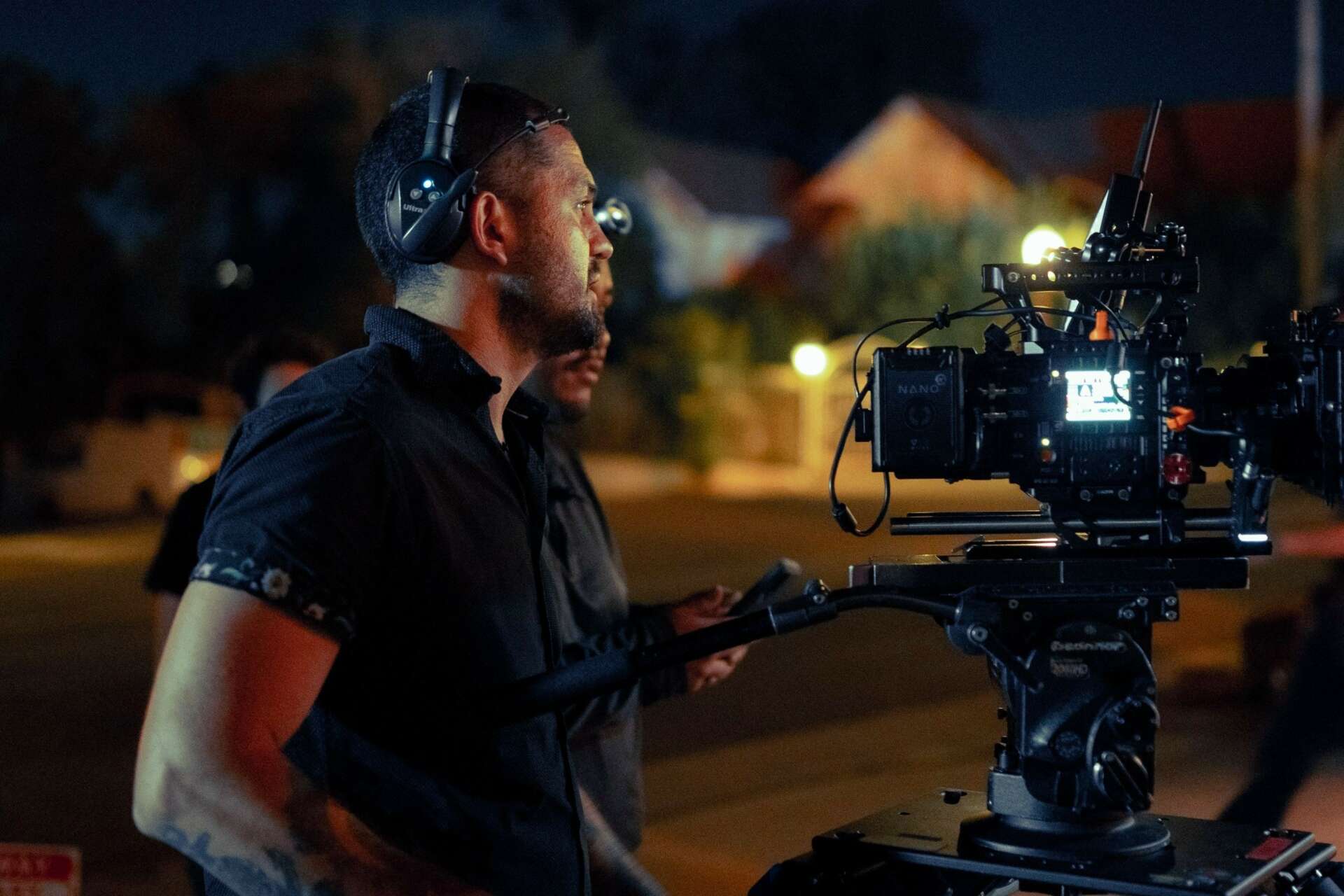
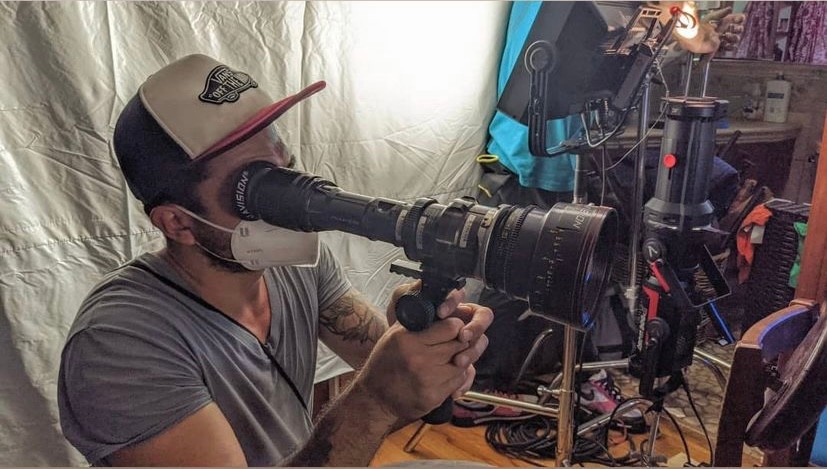
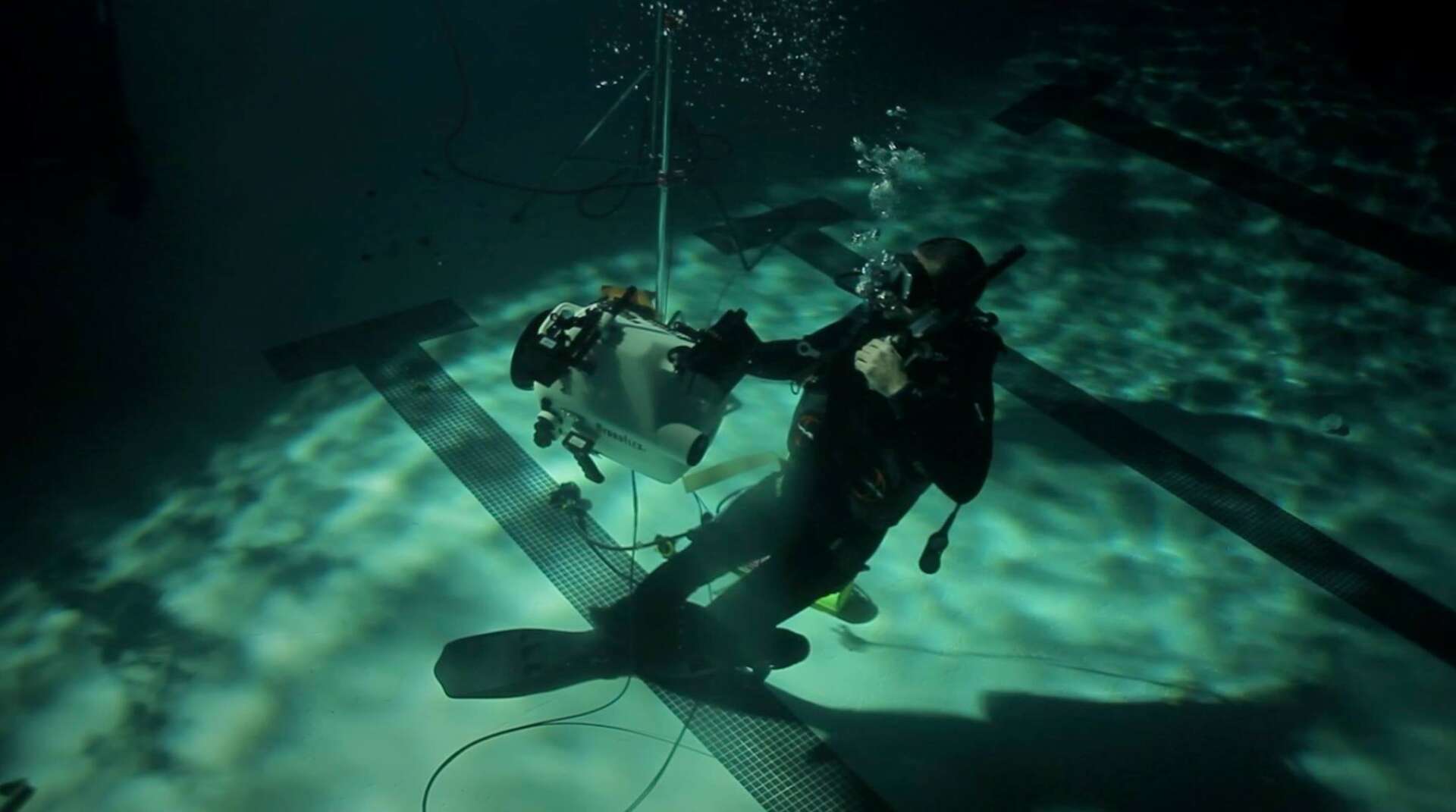
As a cinematographer my job is to use images to tell a story. To create images, there are many tools like cameras, formats, lenses, lighting, color, movement, VFX, and a multiplicity of tools and techniques you can use to craft an image that tells a specific story. I work on narrative films, documentaries, commercials and music videos. This year, 2024, will be 10 years of me working in the LA film industry. Feels crazy.
Getting into the LA film industry has been a crazy ride, but if I had to point at different milestones that got me here I would start with those Sundays afternoons during my upbringing in Mexico City, where my mom or dad took me to the movie theater. Another important moment of my upbringing was working for Red Bull Mexico inside their communication department. That allowed me to meet some of the top photographers in the world and also start crafting my first documentary films for the Red Bull Media House. A remarkable step into the journey of cinematography was to get accepted into The American Film Institute and to receive an MFA in cinematography. That is how I learned the craft of visual storytelling and what it really means to be a Director of Photography.
I love my work because every project is different. My job as a cinematographer is to create a visual language for every film I shoot. This language is always motivated by the story. That is why my job is so unique and ever shifting. With each new story there is a completely different way of shooting it. I really enjoy reading a script for the first time and starting to envision images inside my head. How the characters move, how this world looks.
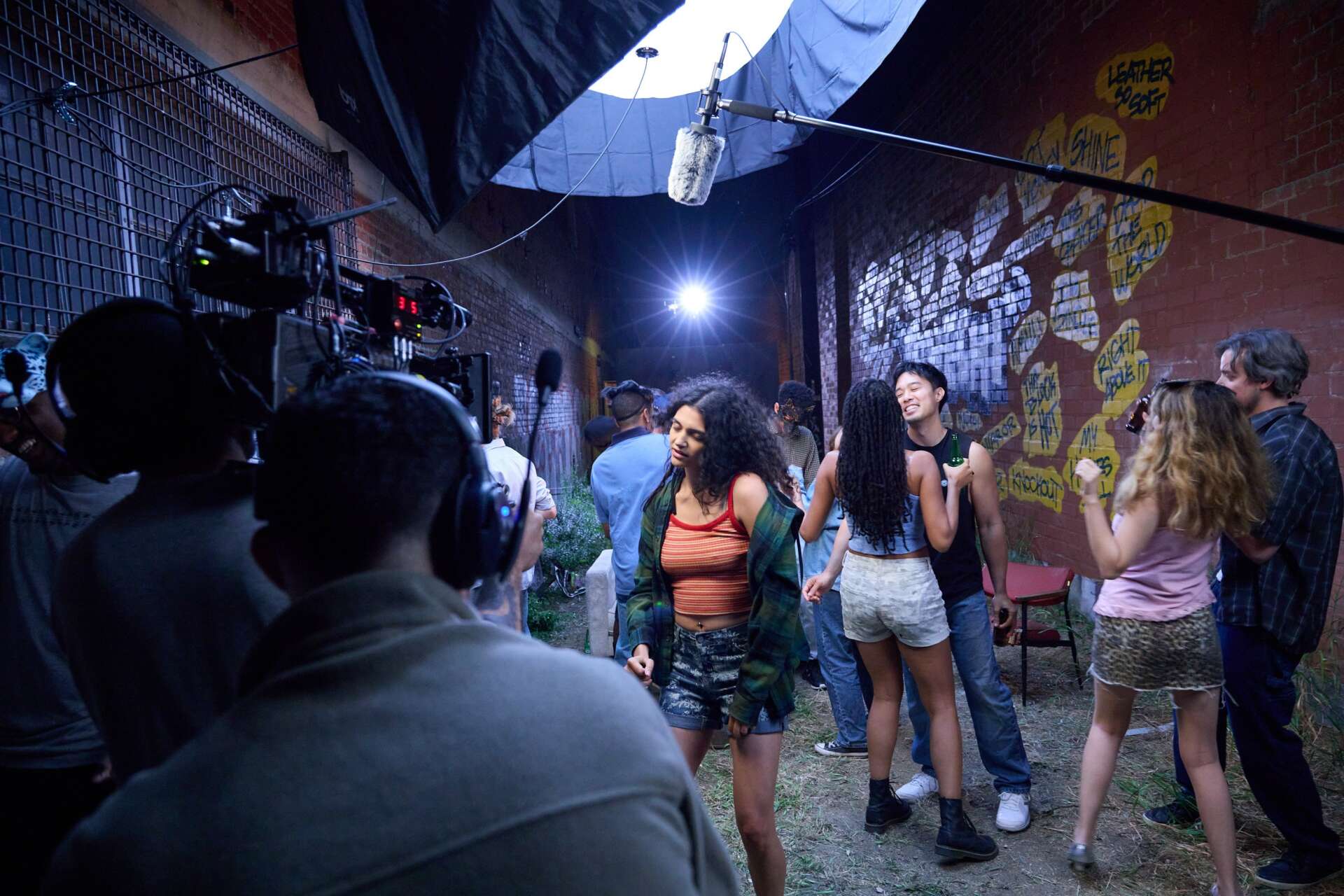
I believe what sets me apart from other cinematographers is my unique upbringing and how I merge that with my craft as DP. Since I grew up in Mexico City, I believe myself to be very resourceful. I also have a documentary background. This skill with my training at AFI and my experience in narrative films, commercials and music videos allows me to be able to maximize any project’s resources and make its movie look on screen as twice their actual budget.
My creative process utilizes traditional filmmaking techniques with the most modern technologies in cinematography. Creating unique images that enhance the story and create a world where the audience can be submerged. I love pairing lenses with different film formats and choosing each element of the visual language with intention.
One of my proudest moments during my journey inside the film industry of LA was when the two episodes of the third season of Your Attention Please went live on Hulu. I never imagined I would get to have a credit as a Director of Photography in two episodes of a major streaming company. It felt like I was on the correct path. When I started shooting documentaries in Mexico, I barely got paid. Most of my first opportunities I donated my time and gear. But with this Hulu show I was able to create a unique look to a documentary show, but also tell amazing stories that resonated with my spirit. What a dream.
Another proud moment was to see the first narrative film I shot in LA, Love and Baseball, find distribution on HBO Max. The main reason for me moving to LA was to pursue narrative films. So when this feature that was shot with very limited resources was finished and found a home over HBO Max it felt like a happy ending and a step in the correct path. I was watching this movie on my own over my apartment when it came out on the HBO app, but I screamed like I was in a stadium when I saw my credit as DP pop on my TV screen.
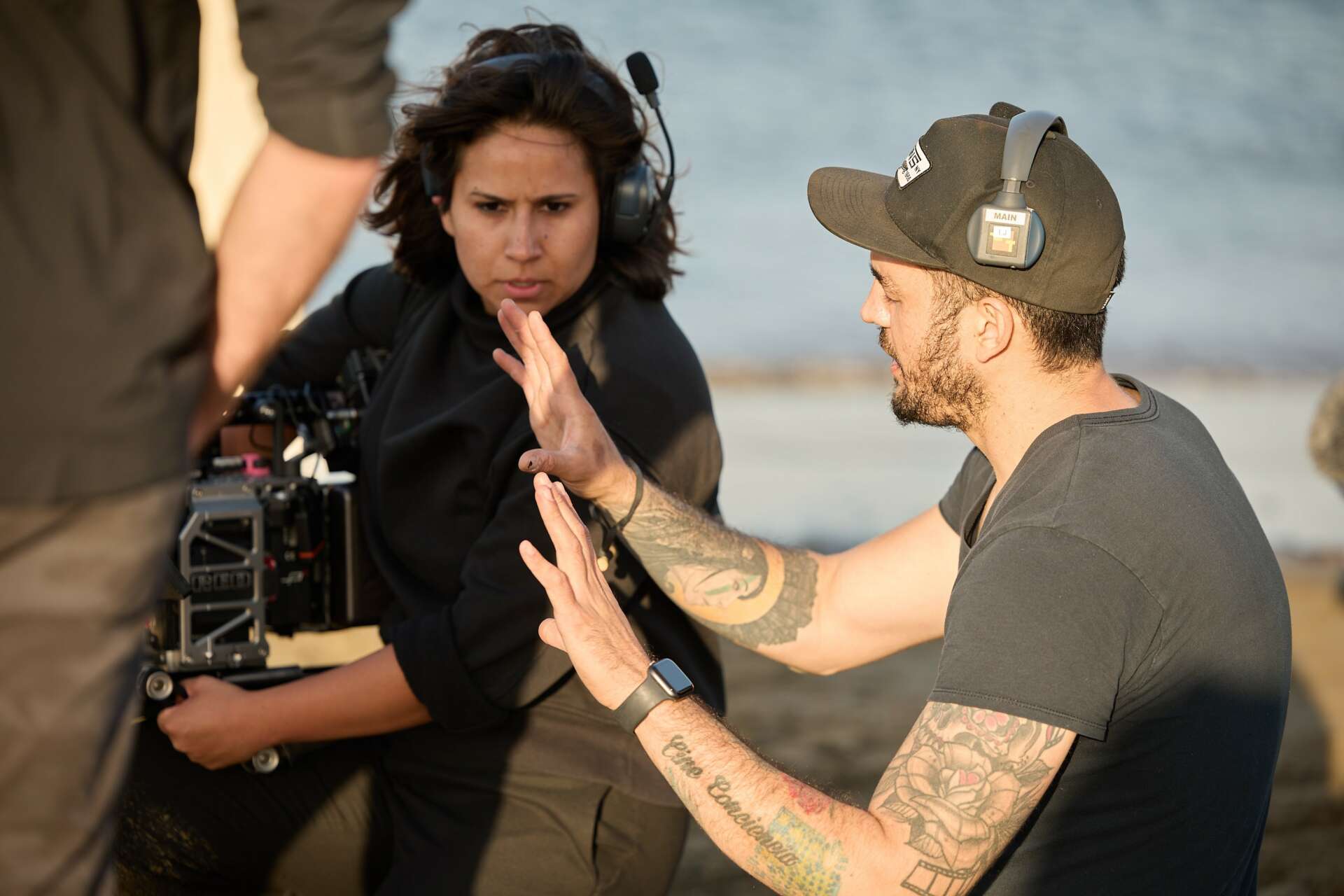
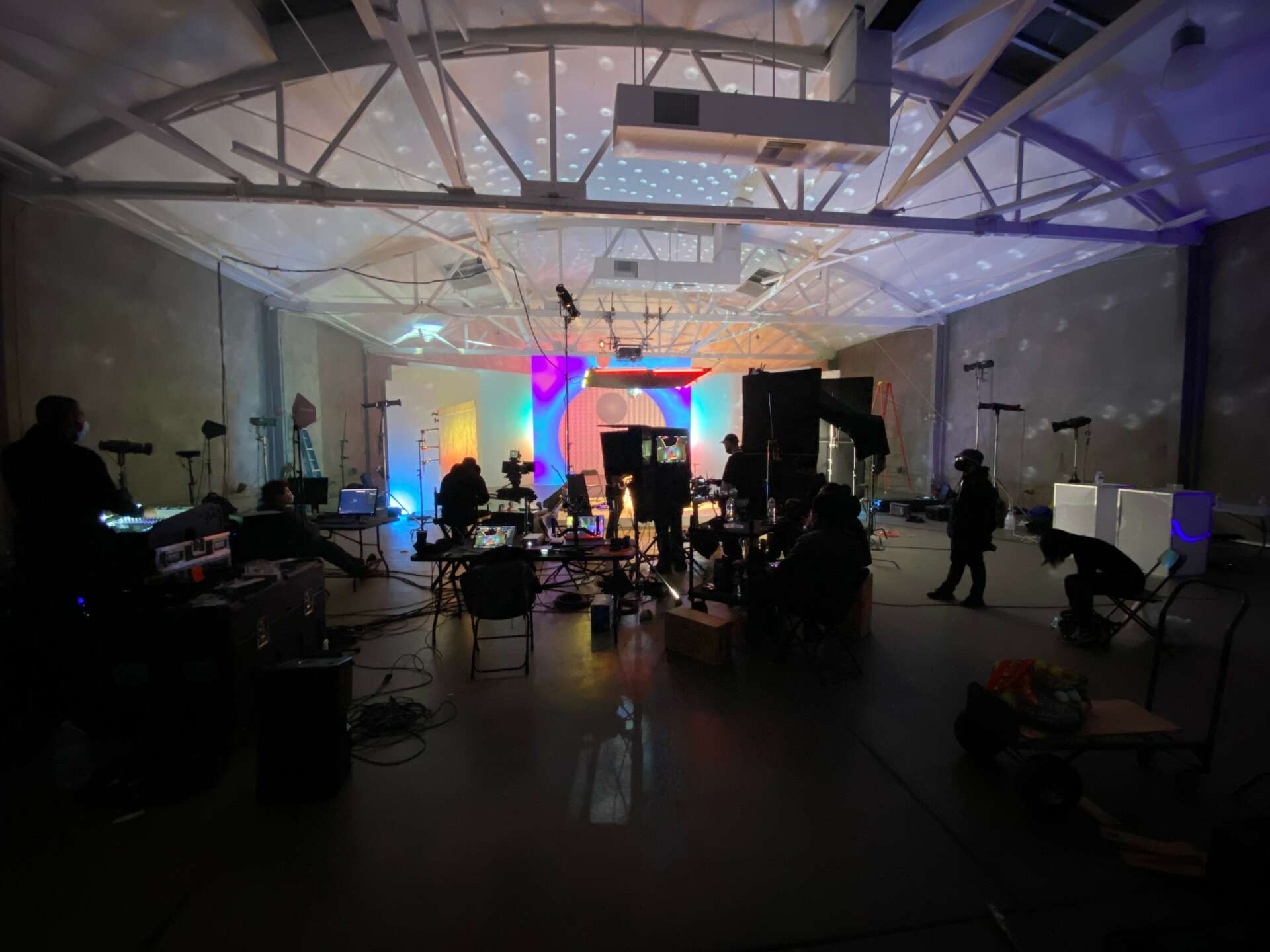
There was another special moment that is more like two different moments in time but they are related. Back in 2021 me and my good friend LJ Kim aka as Astro the Baptist, started shooting music festivals for Hennessy USA. LJ wanted to craft a unique music and lighting experience for one hour shows with different singers and performers. So we created two different live show experiences, with ever evolving lighting, set builds, map projection, and water floors where the talent could perform. At the end of both of these campaigns, we won multiple Telly awards. Getting recognition for the work of a team on a specific film or commercial always feels like a pat on the back.
I think the last memory I would like to share here was one my second narrative film in LA was in theaters. Luckily my mom was in town visiting from Mexico City. So I took her to see Behemoth, a horror film I had the pleasure to DP and that had a small run in theaters. It felt like a full circle moment. When I was a kid my mom used to read me the Spanish subtitles whispering inside the movie theater, because I could not read that fast. Now this time I was translating the English dialogue in the movie I shot. It felt like a big accomplishment to me. That is a moment I will always keep close to my heart.
Let’s talk about resilience next – do you have a story you can share with us?
I work as a freelance cinematographer, so I think the word resilience is key for this line of work. One of the most demanding things of the profession is mental health and how to deal with insecurities.
In this industry the highs might feel like you are flying, but the lows can easily make you fall into depression. This is extremely common since every time after you finish a project you go unemployed. This could be for a few days or for longer periods. That is why resilience is so important for your mental health. You have to be able to keep on moving forward, ¨the show must go on.¨ You have to be able to manage the lows and find ways to sort all the complexity this industry brings: strikes, AI, sketchy productions, pandemics, etc. Sometimes it feels almost impossible, but it’s important to remember in those moments why you got yourself into the movie business and what makes you love the film industry. For me there is no other job I can do in the world. I love being on set, I love the camaraderie of film crews, I love how cameras, lighting and darkness can create worlds that live inside our minds.
Can you tell us about a time you’ve had to pivot?
After I graduated from high school I decided to study economics since I was not sure what to do with my life. I studied economics for two years in a very demanding and competitive college in Mexico City. I remember sometimes studying in that library I felt like I was trapped and in the wrong place. One time, after studying for days for an economics test, I was really depressed and stressed. In a quick conversation with my dad over the phone, I told him I felt really unhappy. He told me to do what I felt was right for me. So I went and quit that college at that exact moment, and I decided to pursue filmmaking. At that time I felt like I was too old and that I already invested too much time pursuing economics. I felt left behind, but I couldn’t have been more wrong. I never regretted that change for a single second.
Another proud moment of pivoting for myself was quitting Red Bull after I graduated from college in Mexico City. At this point in time I had been managing the web page and social media for Red Bull Mexico for a couple of years. I was really successful doing it, and I had even been offered a job in Brazil at the Red Bull LATAM headquarters.I had no real job offers or projects in the Mexican film industry, but I still decided to take a leap of faith and quit my secure job at the Red Bull offices. This was the beginning of my journey as a filmmaker and led me to shoot my first feature documentary.
I strongly believe pivoting is one of the main skills you need to be successful in the film industry. This will allow you to solve problems on set and keep on moving forward in your career whatever adversities you find in your path. Because things will get complex for sure. But it’s important to be able to face each complexity with a good attitude and keep on moving forward.
Contact Info:
- Website: https://www.andresolorzano.com
- Instagram: https://www.instagram.com/andres_solorzano_dp/
- Linkedin: https://www.linkedin.com/in/josé-andrés-solórzano-becerra-72164a31/
- Other: Vimeo: https://vimeo.com/user5123234