

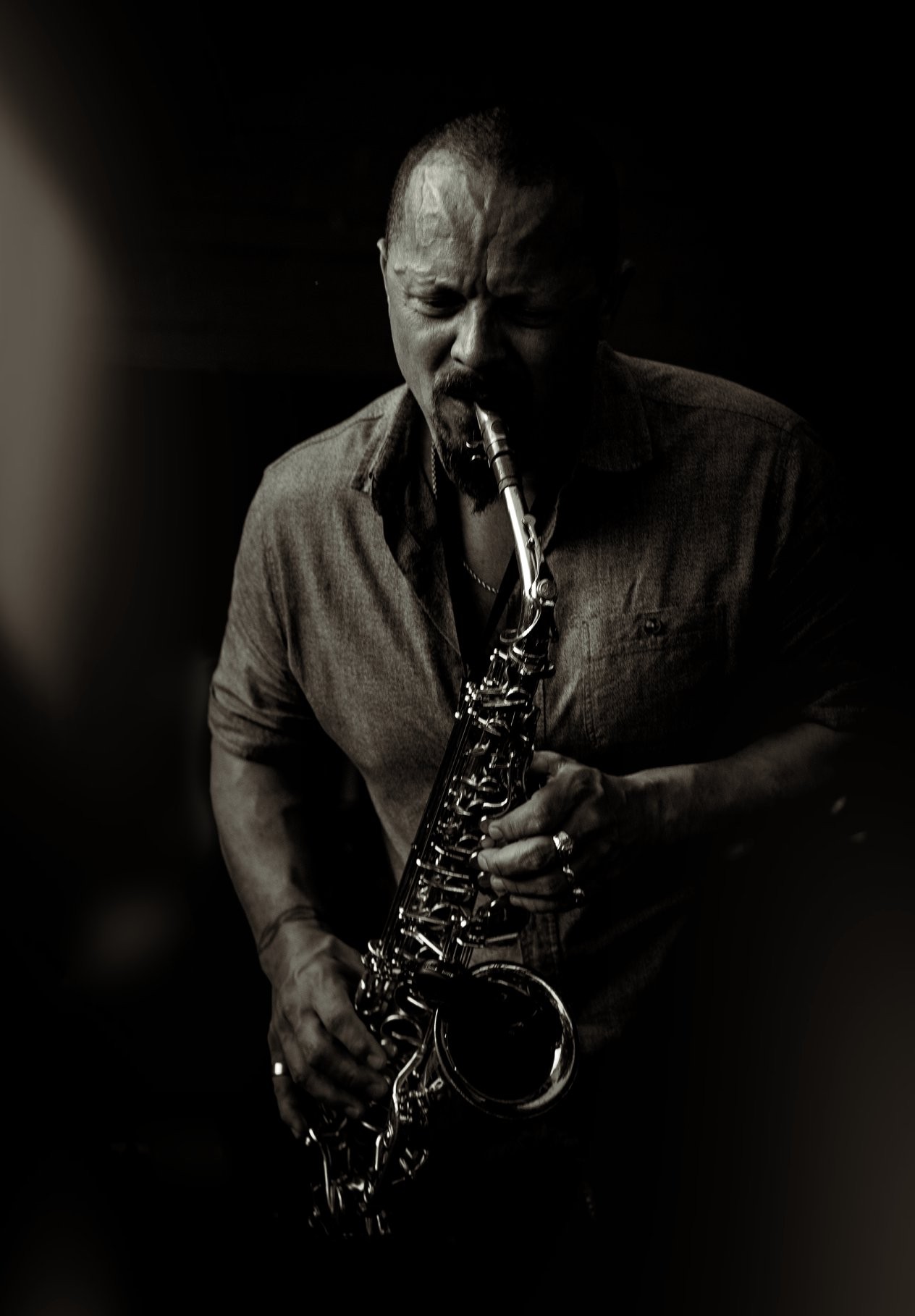

We were lucky to catch up with Noah Peterson recently and have shared our conversation below.
Hi Noah, thanks for joining us today. Have you been able to earn a full-time living from your creative work? If so, can you walk us through your journey and how you made it happen? Was it like that from day one? If not, what were some of the major steps and milestones and do you think you could have sped up the process somehow knowing what you know now?
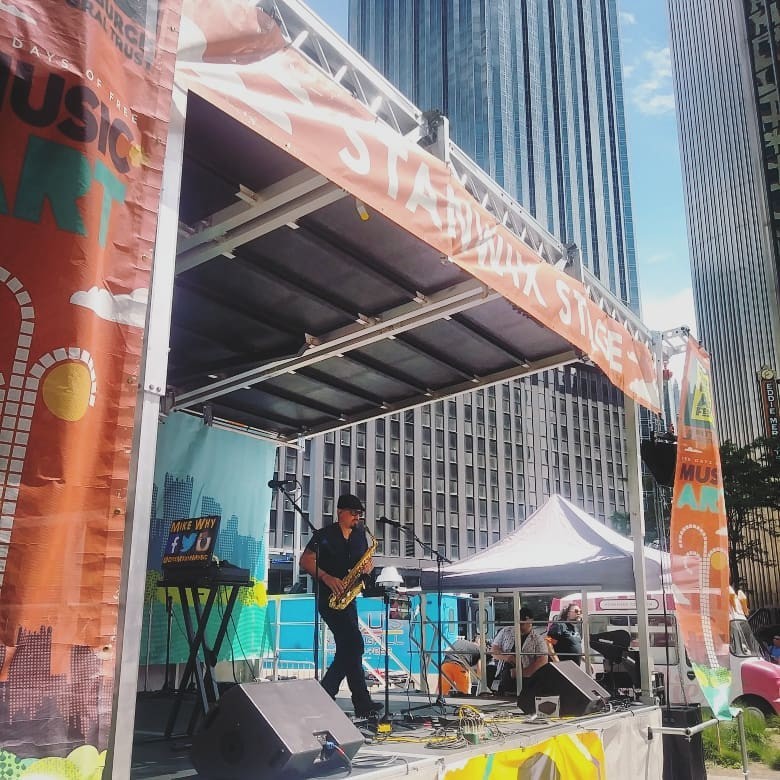
I spent the majority of my life making a living as a saxophonist. I played in a lot of bands and played a lot music. One of the important things for me was having my groups do recordings. I’m a big believer in original music and write/create a lot of original work. I publish this content on streaming sites and make videos for Youtube. It takes time to record and make videos and it’s not a lot of money. But when you and that into performances you can make a living doing it. It’s a beautiful, but hard life.
Somewhere around 2015/2016 I got into providing services for special events. Events are seasonal. So I found it best to make a balance between performing/recording/writing and working large events. Certain times of the year are going to be events, other times are performing, other times are studio. It makes life easier to plan for. And there’s a lot of overlap in these industries so I’m always meeting new folks and deepening relationships. I believe those things are critical to success in any industry.
I was lucky enough to have some good mentors in the music business that greatly helped in my understanding of royalties. And I was part of some very good teams for successful, large events. Those things saved a lot of trial and error on my part. I was smart enough to learn from those around me and smart enough listen to all those I was working with and working for. It’s amazing what can happen when you listen and it’s amazing the relationships you make when you listen.
I always try and find the win/win/win. Gotta be good for me, gotta be good for those I’m working with, and gotta be good for those who come to appreciate the music/event. Anything else is just bad business and will damage relationships.
Study your industry, ask questions, listen, look at what’s going on in the world and see how it affects what your doing.
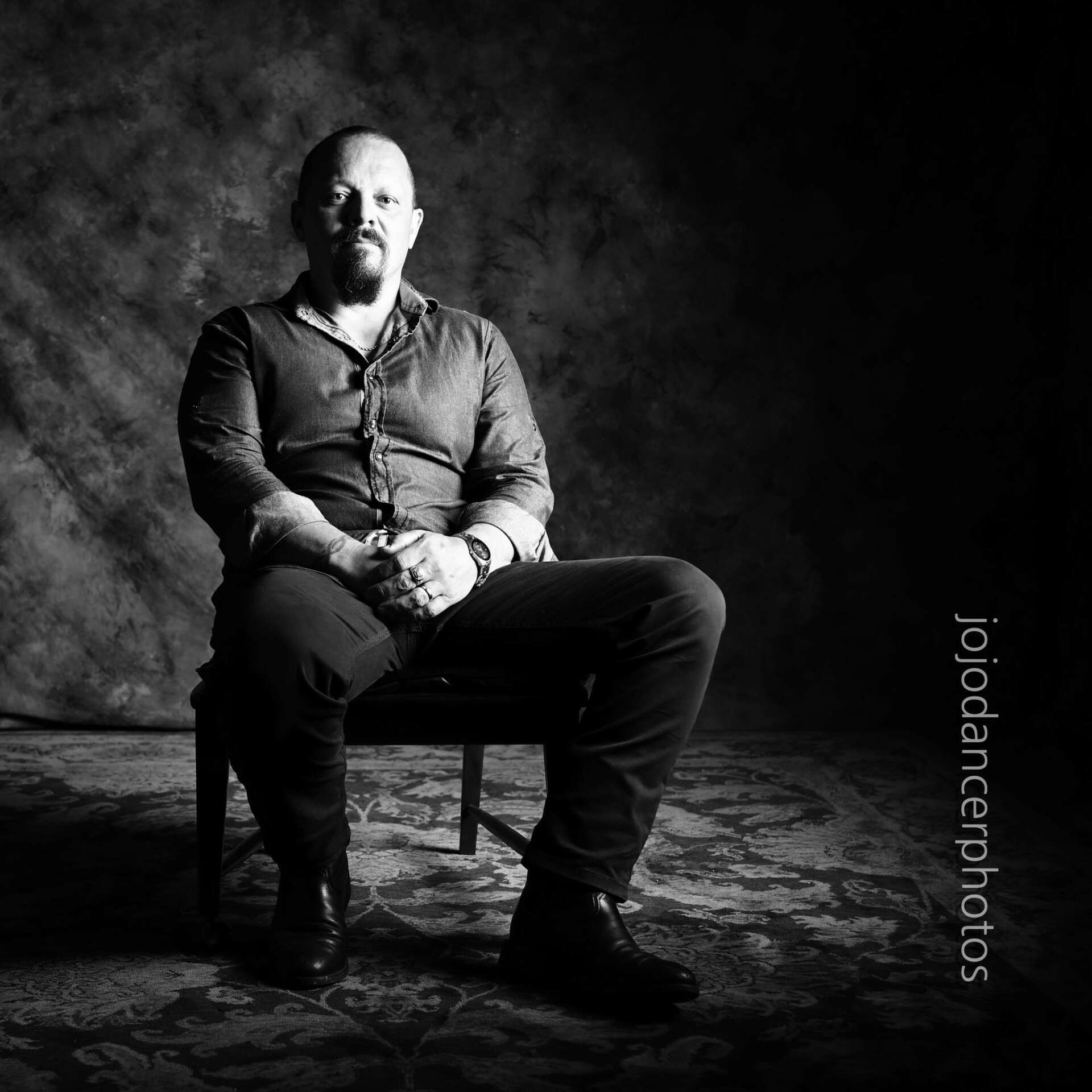

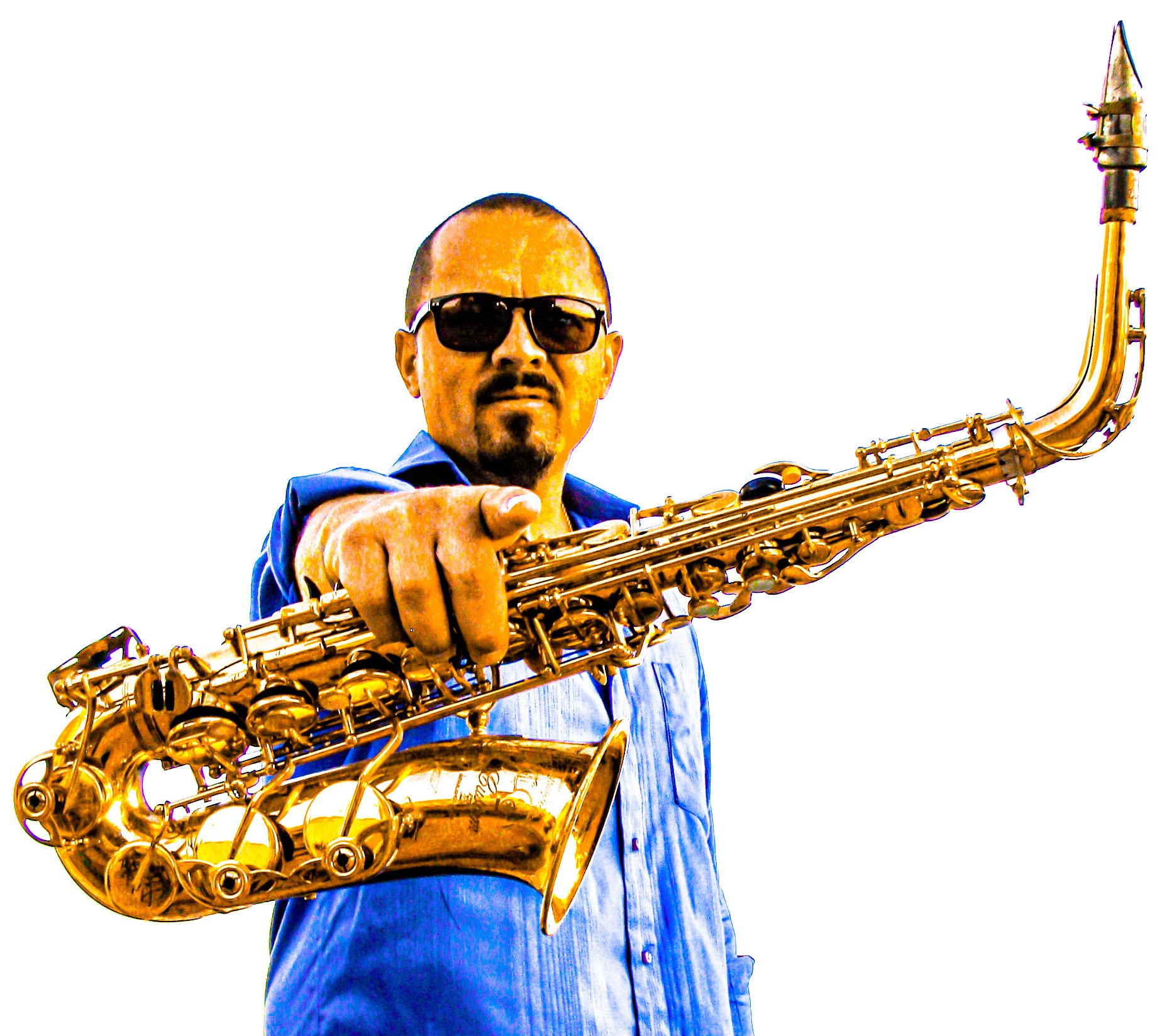
As always, we appreciate you sharing your insights and we’ve got a few more questions for you, but before we get to all of that can you take a minute to introduce yourself and give our readers some of your back background and context?
As a musician, this a life-long journey. And I’m a person who has a lot of interests and I’m the kind of person that will leave things behind to go down different paths. When I left the Pacific NW for Texas I left jazz behind. Up there, I was primarily a jazz musician. But I was frustrated with “the scene” and the low caliber of people involved in it. It was petty, cliquish, and people were difficult to deal with. In Texas, it was completely different. People were supportive, open, helpful, and looking to collaborate. I got in to rock and roll, I pushed very hard into looping technology, and started getting serious about electronic music. I had a lot of recordings that came from this and a couple of really fun projects. I still create in those areas. But this year, jazz has called me back. My looping gigs disappeared and a bunch of jazz gigs dropped in my lap. I put together a trio and focused on original jazz music. Since then, we’ve secured several weekly residencies, private gigs come up, I’m writing new jazz tunes, and we’ve got a plan for a new, serious, jazz recording. And it’s been great. It was nice to take break from it, and coming back to it has been beautiful. I’m enjoying playing jazz more than ever.
On the event side I focus on doing the best I can and doing everything I can for my internal and external vendors. I’ve got a great reputation in town, I’ve got a lot of clients that I work for, and it’s fulfilling to help people make money and put on great events. I’ve also made some enemies and there are folks that I will never work for again as I think they don’t treat their vendors and customers correctly. I stay away from the bad players as much as possible. I don’t need their work. I’m not greedy. I would rather make less doing a quality with quality people. That matters to me more than anything.
For you, what’s the most rewarding aspect of being a creative?
I find the effect I have on people to be the most rewarding thing. I think the biggest difficulty in dealing with the responses of people is getting over your own insecurities. Most creatives that I know are highly critical of their own work and abilities. I think this is because we have an ideal in our head that we’re trying to get out and it’s rare that we can get that ideal into the world fully formed and with a sense of actual accomplishment and satisfaction. We are aware of the shortcomings, the imperfections, and the limits of time and budget on what we do. This is further amplified by tools/gear being less than adequate, the amount of time available to put into a project, and the amount of time available to hone your skills. The manifestation of these things can make dealing with responses of people/audiences extremely difficult. For me, no matter what, my initial response to anything is “thank you taking the time to check it out.” People aren’t going like everything you do. Even if they like a lot of it, there’s some stuff the won’t like. Might even hate it. Doesn’t mean they hate you or think everything you do is worthless. You have to have a larger perspective about all of it.
One thing I always keep in mind is this: If someone wants to talk to you, that means you’ve moved them so much that they feel a need to connect with you in some way. They’ve stopped everything for a moment in their life to reach out to you. This includes negative and/or hostile responses. That means you greatly affected that person. It’s the exact same if it’s a positive response. You cannot take these things personally. You have to have some distance between what you’re doing and your sense of value as a human. Otherwise you’re chasing compliments and allowing negative feedback to destroy your own worth. I don’t most folks can effectively create in that kind of emotional space. It’s crippling. That fact is, if someone doesn’t like what you did, they still found it worthy enough of their time to check it out and see if they would like it. That’s an amazing thing. Be appreciative of that. Be nice. If you respond well to it, maybe they’ll check out something else and like that. The exact same is true if the individual loves what you did.
On top of all of that, you gotta remember you know nothing about this person that’s giving you feedback. They could be having a real bad day. They could emotional problems. Maybe they have terrible social skills. You don’t know. All you know is they overcame something in their head that made them so compelled by what you’ve done that they had to reach out to connect. And that’s an opportunity to make a new fan. I don’t get a lot of fan email, but I do get some. I love it. And I don’t mind rejection, at least they took me seriously enough to consider it. That’s more consideration that a lot of people get.
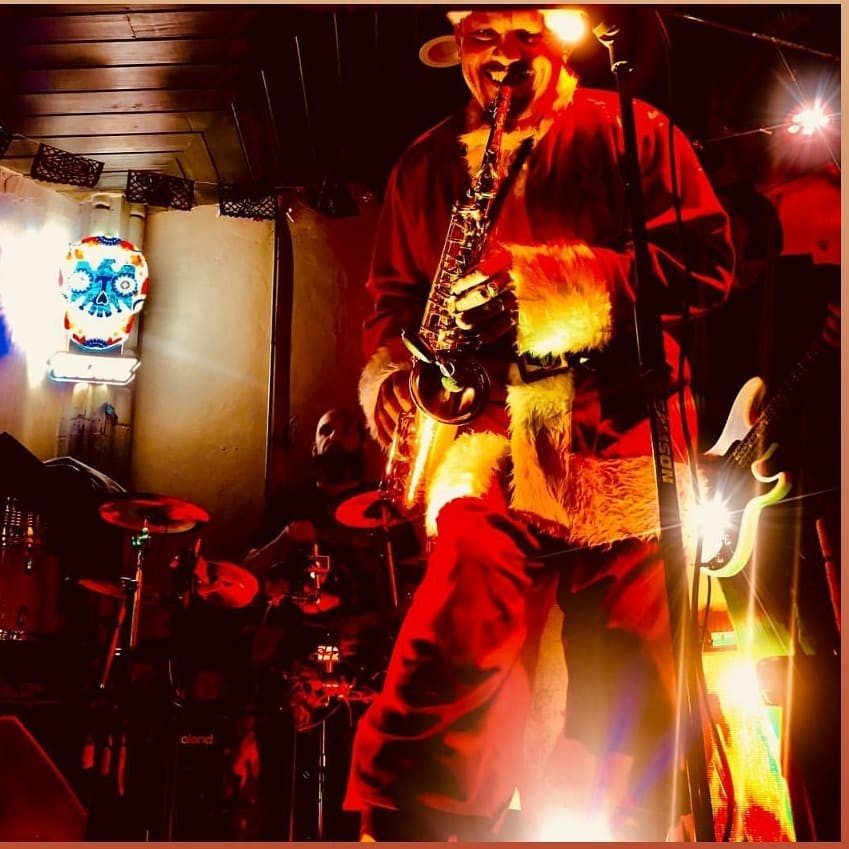
Do you think there is something that non-creatives might struggle to understand about your journey as a creative? Maybe you can shed some light?
I think everyone is creative. Some of us are just working in “the arts.”
The reality is, if you’re in any good at your job, you’re creative. You have to be. Dealing with people, problems, budgets, files, equipment… whatever. You have to solve issues to move forward. That requires a creative mind. Just because you’re an accountant, or a factory line worker, or a call center representative, or a janitor, or whatever doesn’t mean you’re not creative. It’s just the opposite.
I can tell you practicing scales is not creative. Just like scrubbing a stain isn’t creative. But using a scales and exercises jamming a solo on a song is creative, just like figuring out how to get a nasty stain out of a difficult material is creative. Knowledge and experience are the parents of creativity. The question is how hard are you going to lean into it? There’s always more to know.
What really taught me this was performing in assisted living facilities. I used to think I had the most interesting and amazing life traveling around playing music. And I loved to tell my stories. But those old folks had a lot of stories too. After the show, there was always a couple folks that would come up and chat. And they were always humble and didn’t think much of their lives. But I would always dig a little deeper with some pointed questions asking them about their lives.
One old lady spent 50+ years as the secretary to the President of a telephone company. Which means she watched telecommunications develop in the modern age. All that paperwork came across her desk, she was in those meetings taking notes, setting appointments, getting invoices put together, assisting the man in charge transform communications in the world as we know it. From party-lines to cell phones to satellites to government encrypted communications – she was there through it all. I thought it was amazing and she didn’t.
Another old man, who was 104 spent 70 years in the insurance business in West Texas. Which means he was selling insurance before some folks had indoor plumbing and electricity. He had some great stories.
After a few years of that, I don’t feel special about my life. People are amazing and do amazing things. Take some time and really find out what those around you do with their lives. You’ll be impressed if you’re genuinely interested and take the time to listen. It’ll give you a good perspective to examine your own life.
Contact Info:
- Website: www.noahpeterson.com
- Instagram: https://www.instagram.com/petersonentertainment/
- Facebook: https://www.facebook.com/noahpetersonmusic
- Linkedin: https://www.linkedin.com/in/noahpeterson/
- Twitter: https://twitter.com/NoahPeterson
- Youtube: https://www.youtube.com/noahpeterson
- Other: https://www.tiktok.com/@texasnoah
Image Credits
JoJoDancerPhotography DuWayne Greene Sonny Saenz