


Alright – so today we’ve got the honor of introducing you to Carson Fox. We think you’ll enjoy our conversation, we’ve shared it below.
Alright, Carson thanks for taking the time to share your stories and insights with us today. We’d love to hear about when you first realized that you wanted to pursue a creative path professionally.
I decided around the age of five I was going to be an artist. My dad was an art history professor, so I realized at an early age you could actually be an artist, and that was what I set my sights on. I never looked back. I can say honestly that everything I have done in my life has centered on the goal of becoming a professional visual artist.
As always, we appreciate you sharing your insights and we’ve got a few more questions for you, but before we get to all of that can you take a minute to introduce yourself and give our readers some of your back background and context?
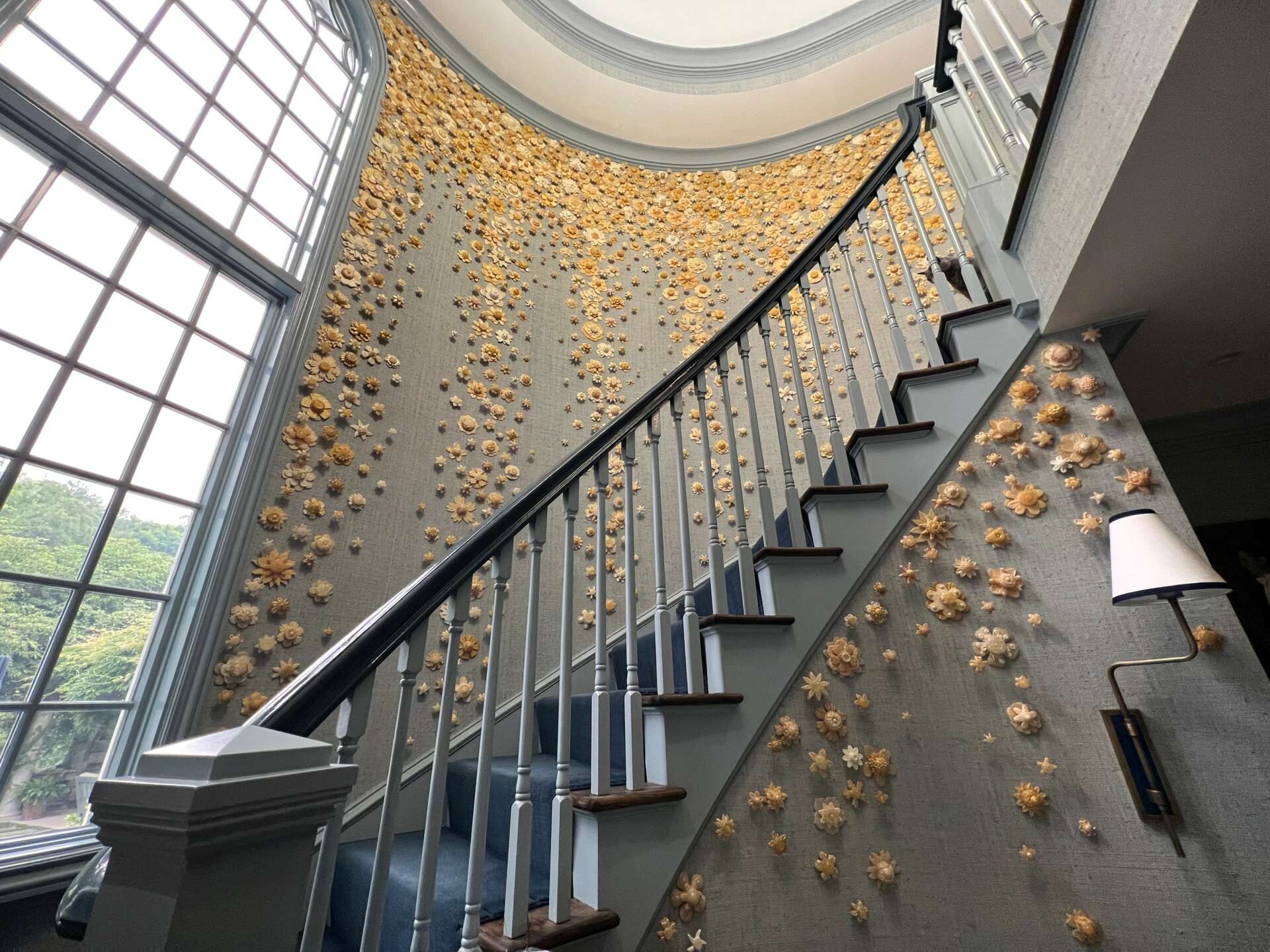
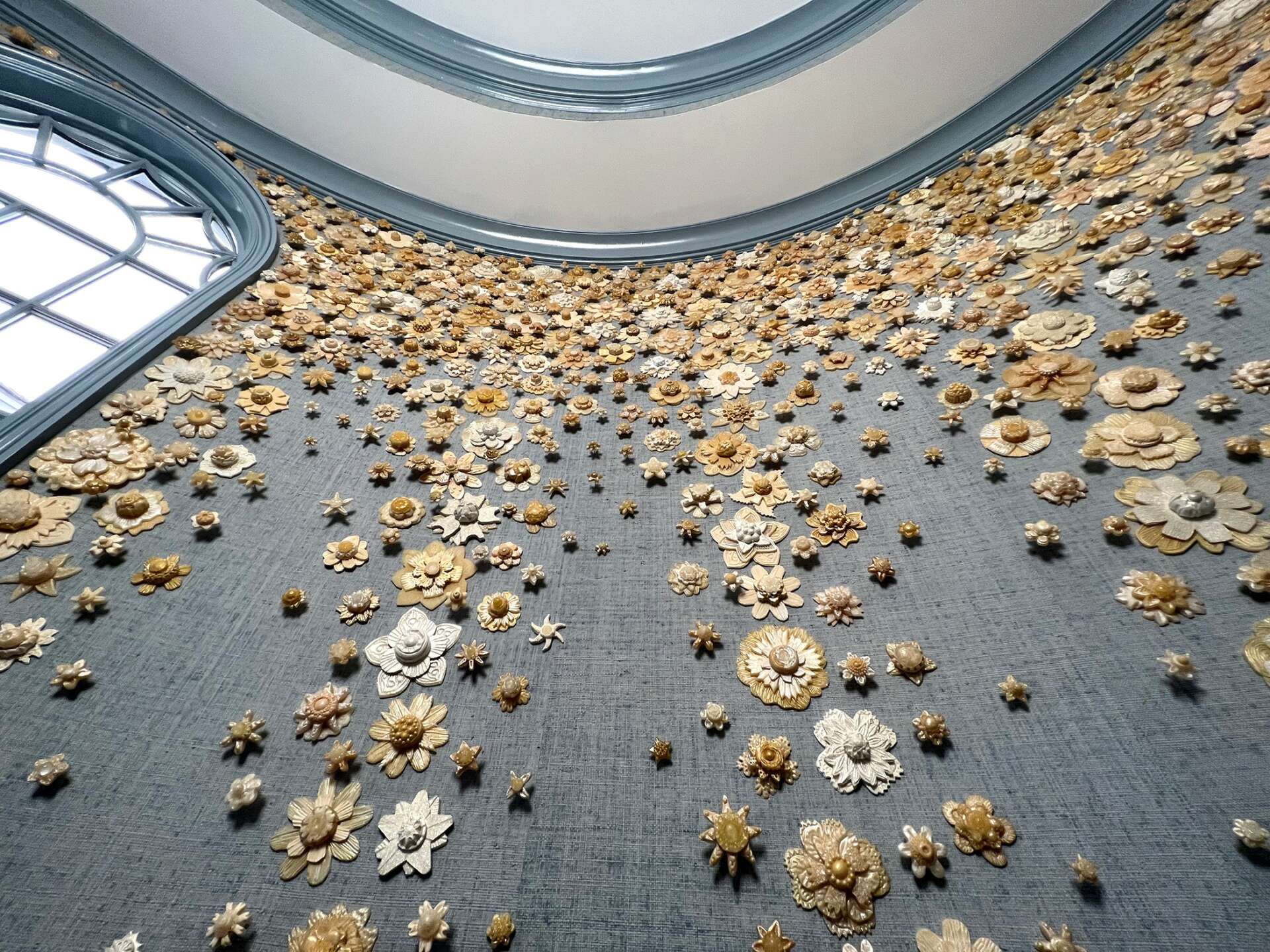
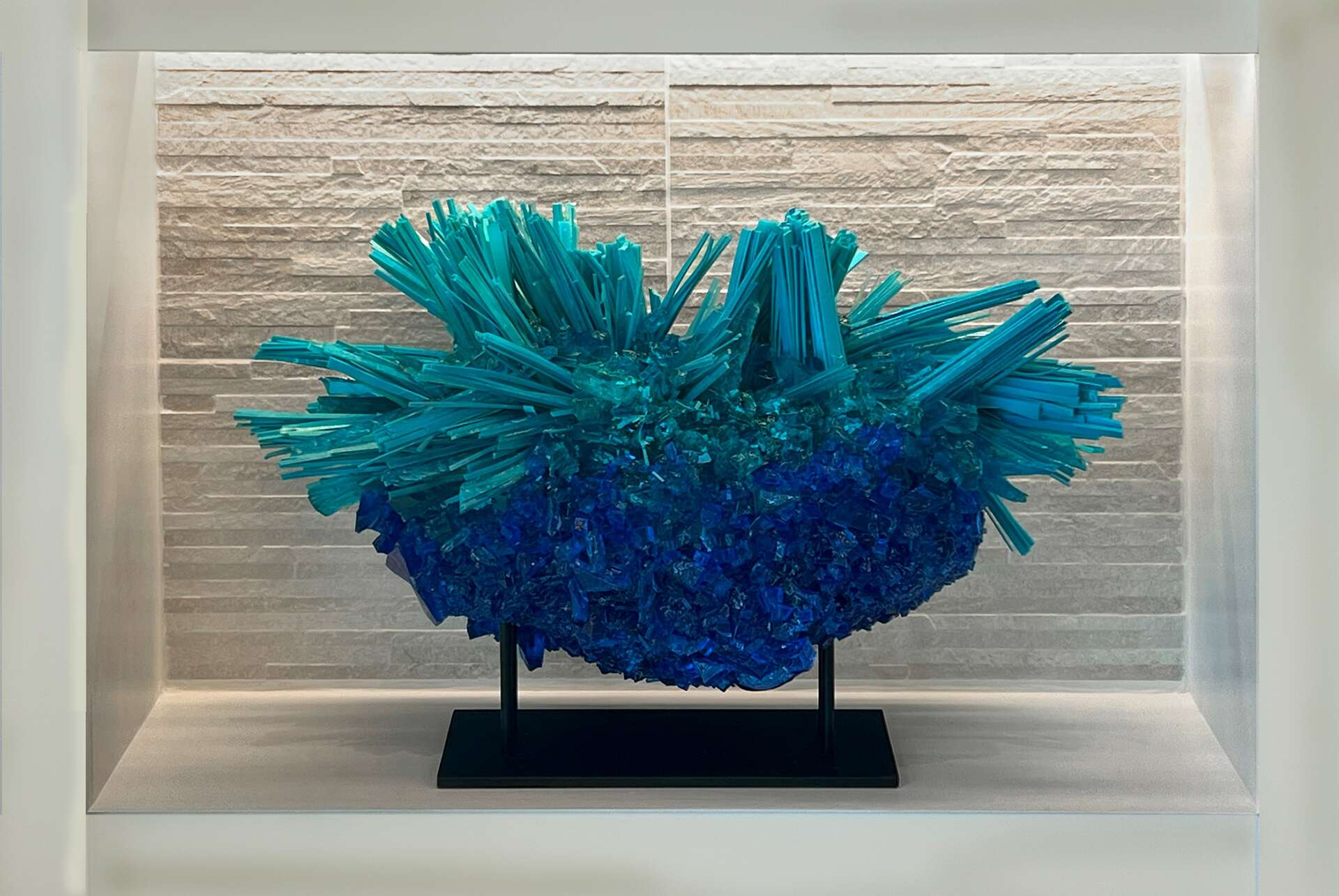
I am primarily a sculptor, and while I make plenty of stand-alone sculptures, my studio has specialized in site-specific installations for a number of years. These installations can be categorized as plant (flowers, vines and trees) sea (coral) or rock forms. Flowers interest me because of their potential as vehicles for riotous color, as I assemble them into wall installations composed of hundreds of pieces. Plant forms include cross-sections of wood, sticks, and grasses. Recently, I have begun making lacy vines that reach around curved walls and into spaces traditional artwork cannot. Coral and rock forms draw upon themes of continuance, as they refer to objects that are thousands of years old. My goal is for them all to seem both preposterous and wondrous, to underscore that nothing is more perplexing, complex, and extraordinary than nature.
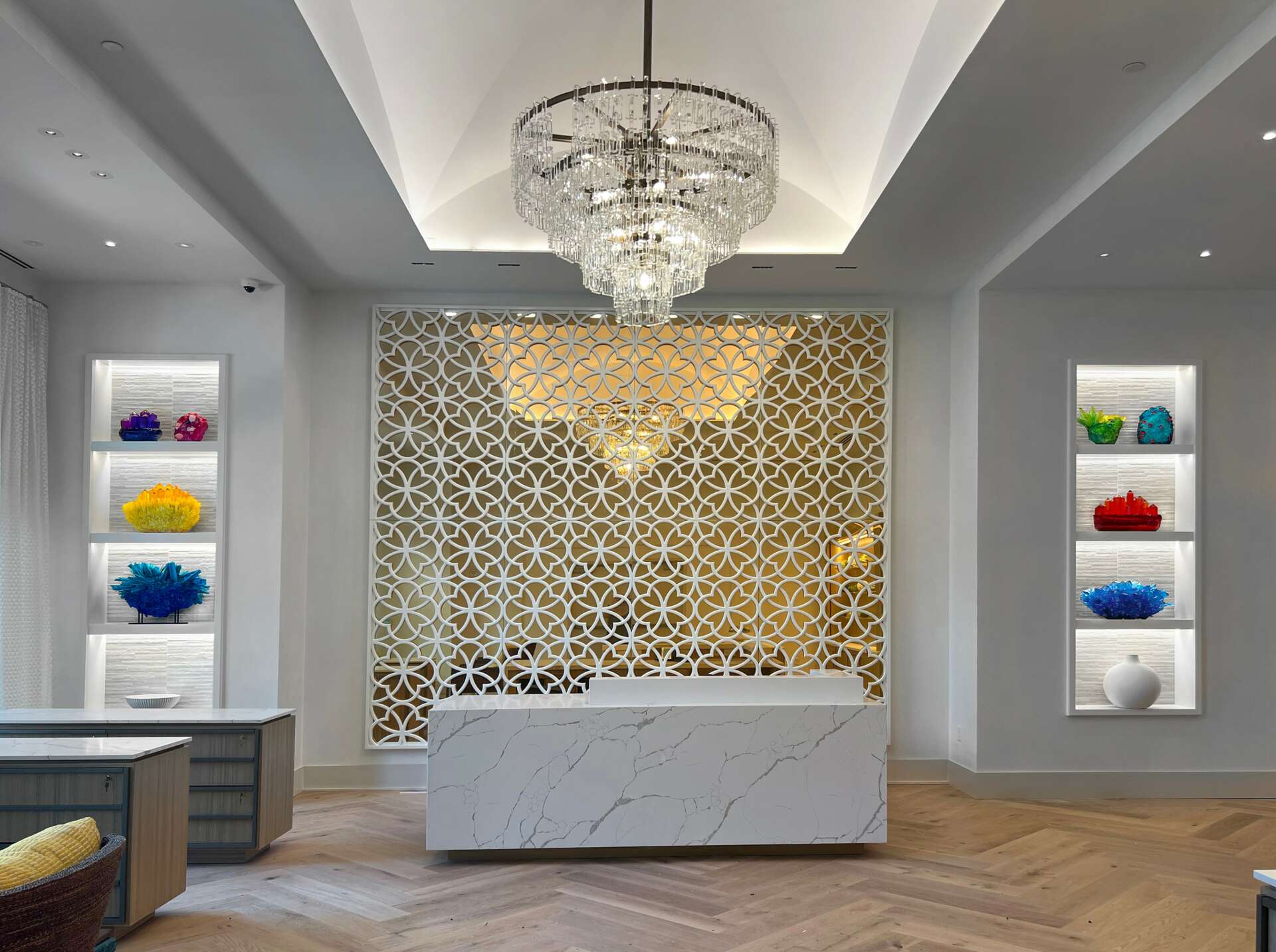
Commissions usually start with a collectors interest, a visit to the site, and then multiple photoshop imaginings of what could be possible for the space. I have made permanent public art commissions, corporate installations and my work is in many private homes.
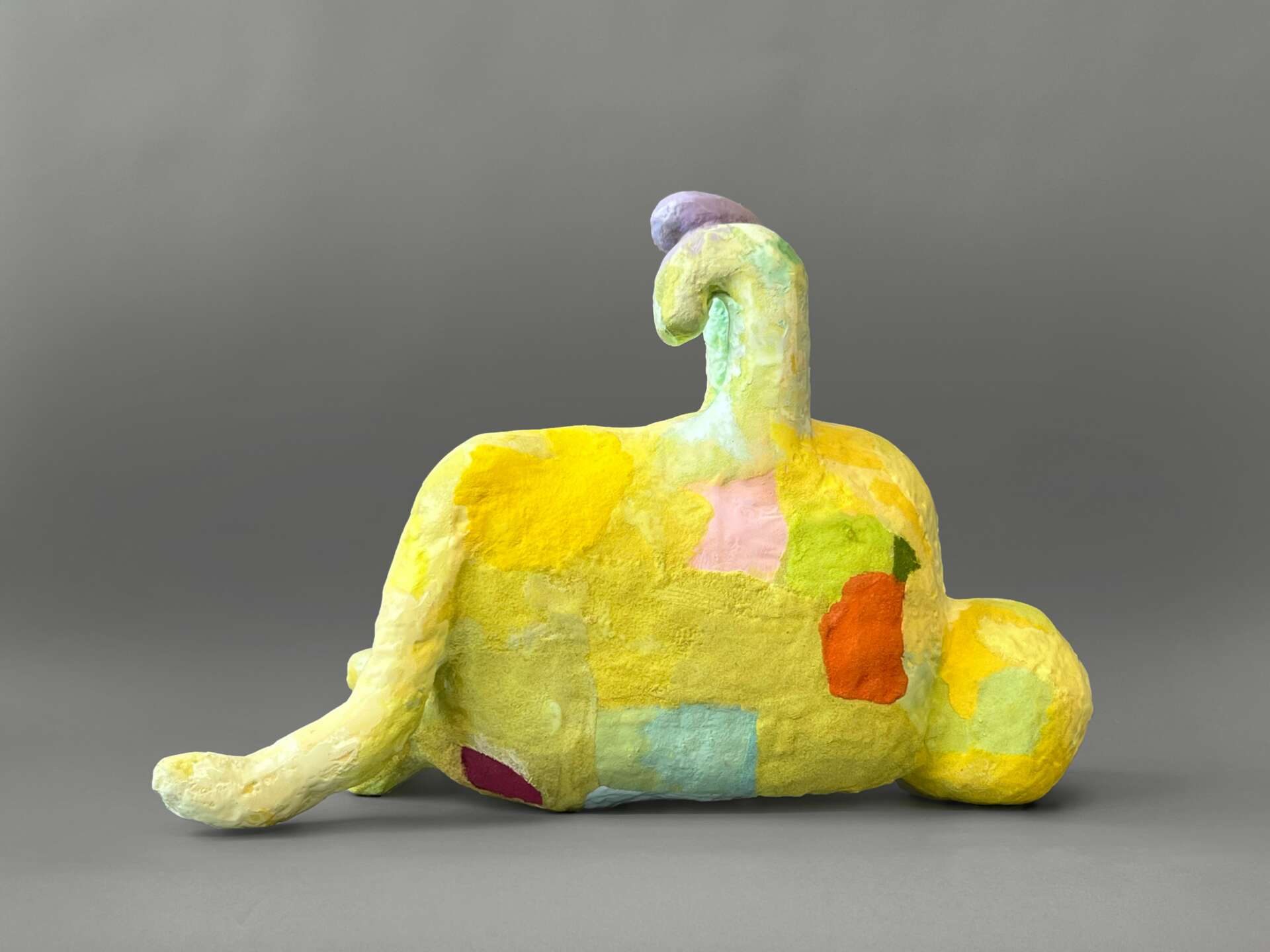
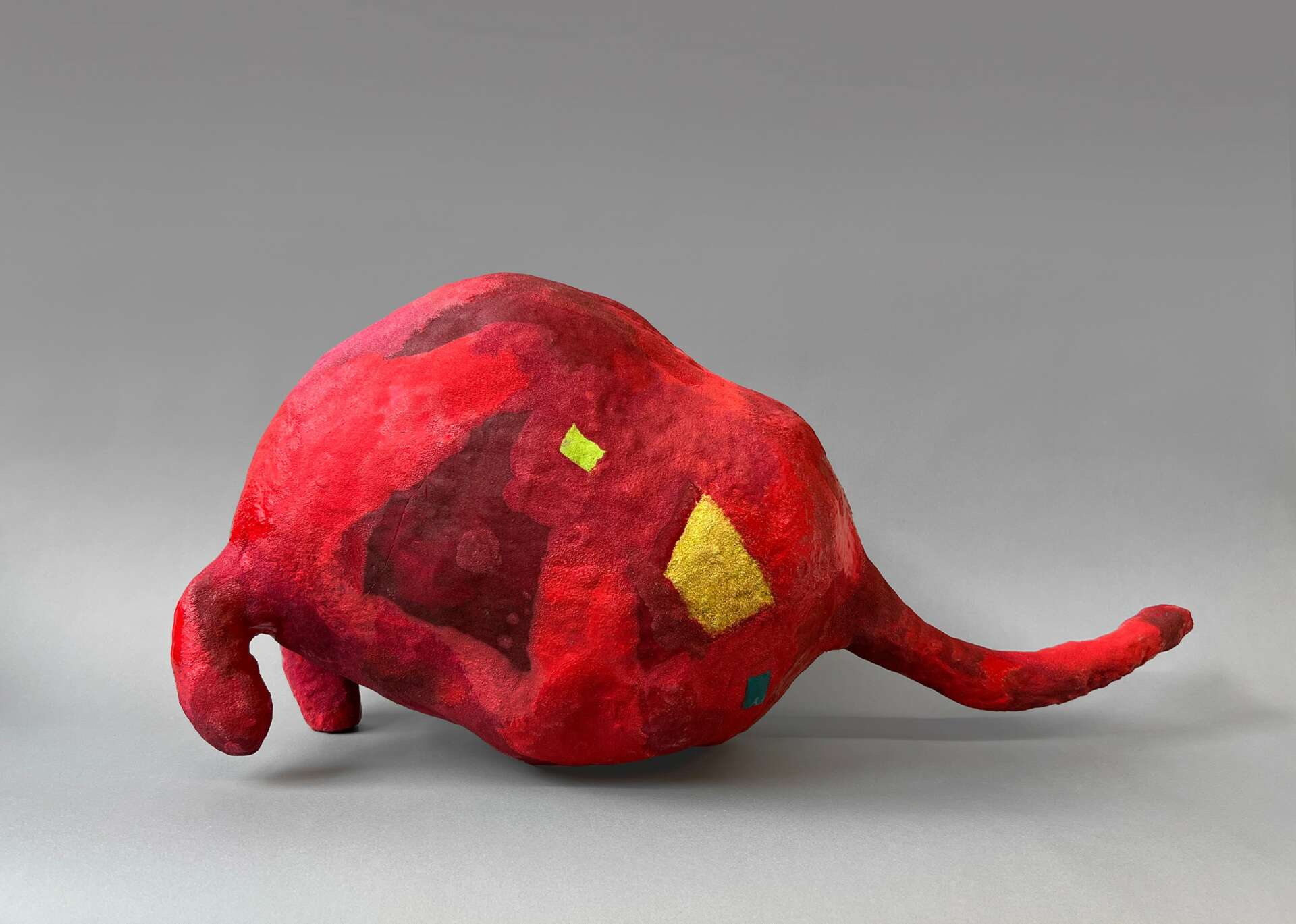
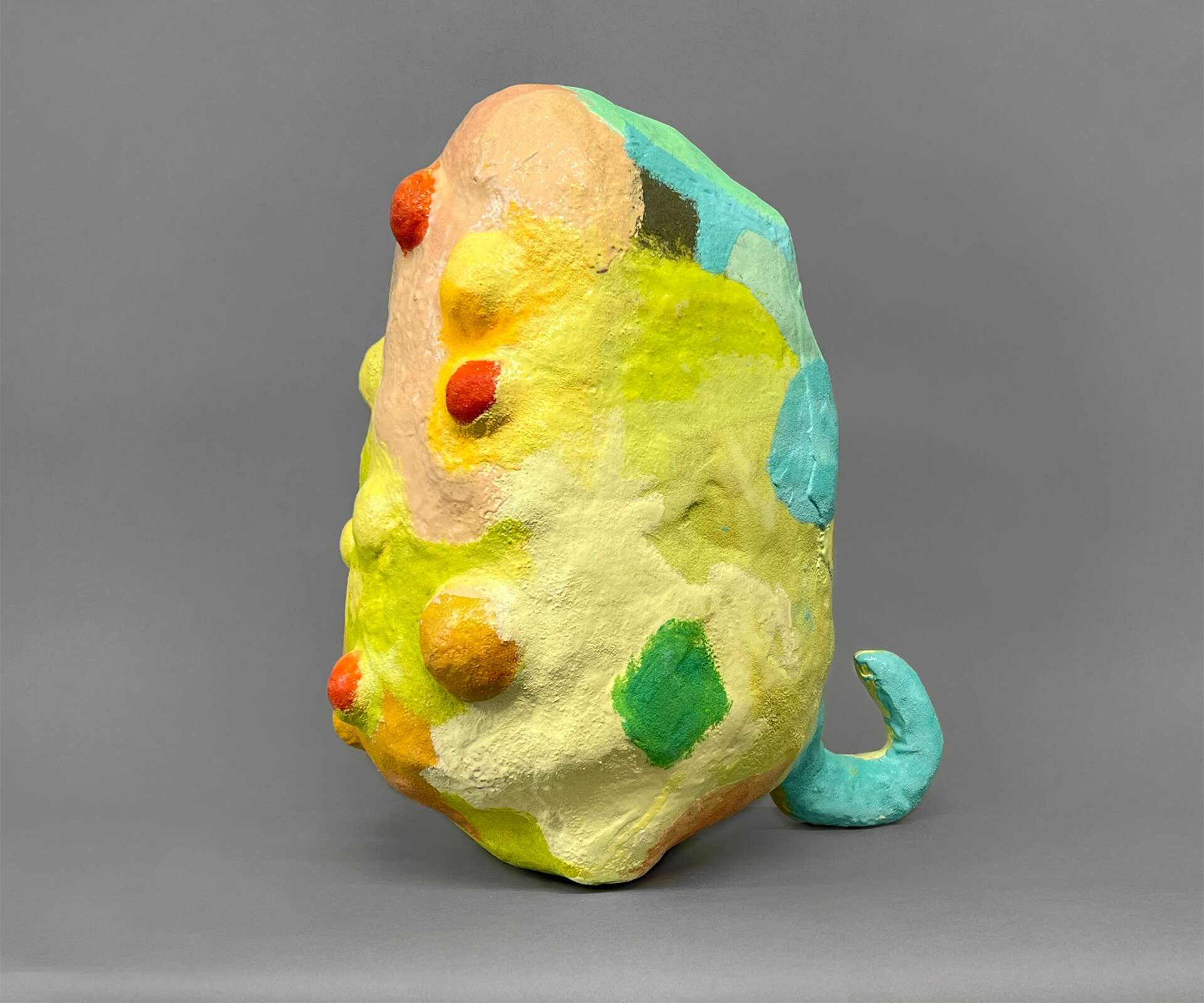
My free-standing sculptures are typically quite brightly hued and are made from poured, carved, and manipulated resin dusted with vibrant layers of raw pigment, flocking, and sand. The forms suggest the animation of figuration, but omit a sum of recognizable parts. A gesture remains, and color-saturated abstraction occupies the rest.
What’s the most rewarding aspect of being a creative in your experience?
I had a professor in undergraduate school who told me that successful artists were those who managed to be in the studio no less than three days a week. At the time, this equation seemed a bit simplistic to me, but as I get older I appreciate his wisdom. There have been a number of excellent things that have happened during my career- public art projects, large commissions and good shows, but when I get down to it, the moments I feel deep satisfaction are always in the studio, and that is success to me.
Is there something you think non-creatives will struggle to understand about your journey as a creative?
One of the things that sounds nonsensical for many is the notion that artists make things without any promise of financial reward, and spend a lot of time and energy on things that may not be “good” in the moment, but lead to something that is better in the future. It is hard to wrap your mind around the fact that making art is something that does not delineate specific rewards, and despite extreme devotion and toil, opportunities may still evade you. Being an artist is not about such business priorities, although the artists that thrive tend to think of their studio as a practice first, but don’t forget there are practical concerns that must be tended.
Another thing is this notion – despite the very real stresses of enduring a rollercoaster of financial uncertainty – is that at least I am “doing something I love.” Of course I am, but there is a lot that goes with it, and not all of it is nice. The romantic ideal of an artist who putters around in the studio waiting for inspiration to strike is a fantasy that just isn’t true, and allows some folks to discount the work I do because it isn’t viewed as what it is: a good deal of hard work.
x 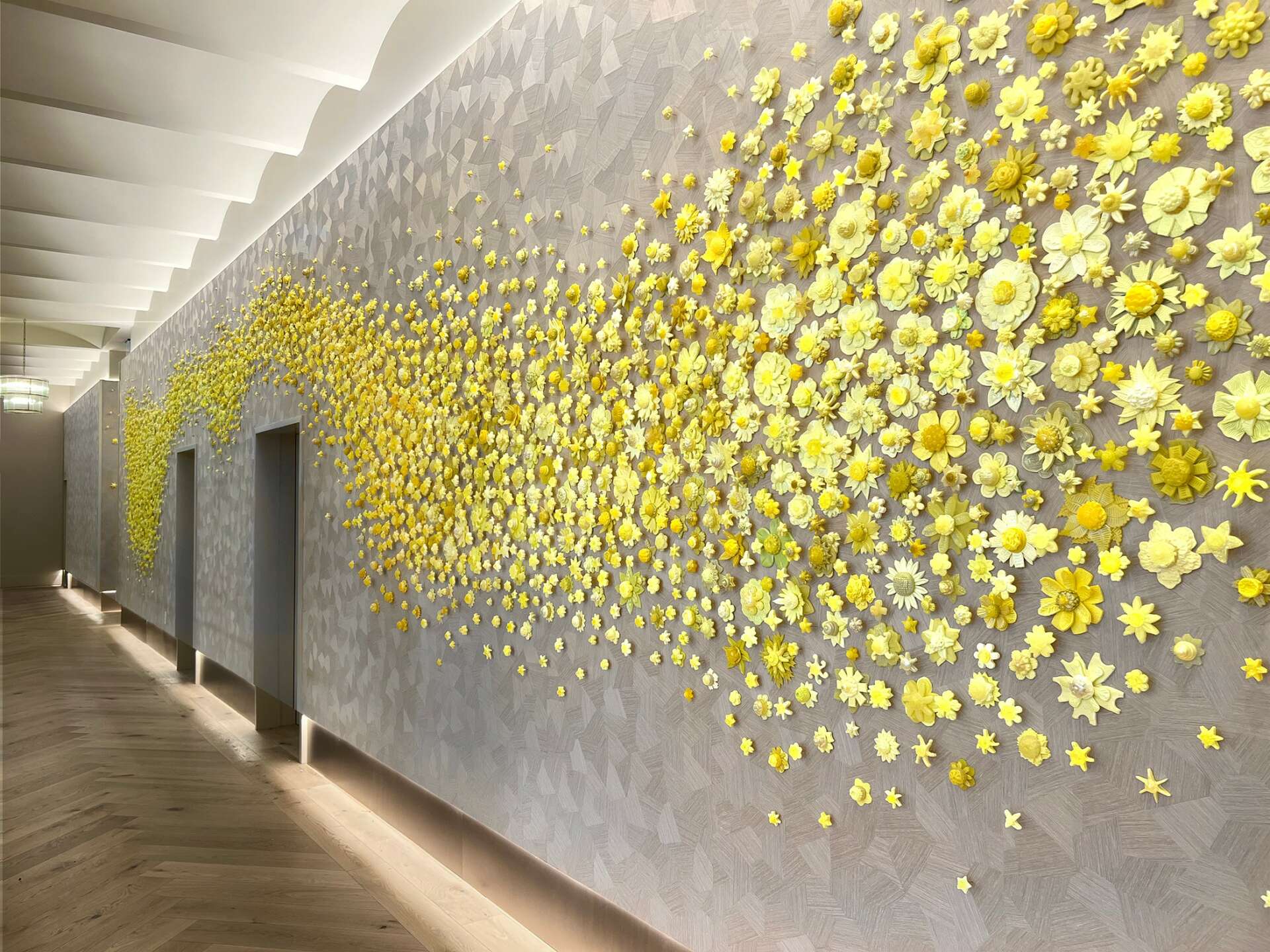
Contact Info:
- Website: https://www.carsonfox.com
- Instagram: carsonfoxstudio
- Facebook: carsonfoxstudio
Image Credits
photographer: Carson Fox