



We caught up with the brilliant and insightful Doug Tompos a few weeks ago and have shared our conversation below.
Alright, Doug thanks for taking the time to share your stories and insights with us today. Are you able to earn a full-time living from your creative work? If so, can you walk us through your journey and how you made it happen?
When I was starting out in New York, it was a point of pride among young actors to not have to wait tables or do anything to earn a living that wasn’t acting, and I was lucky enough to do that for 10 years. I wasn’t living well, mind you, but between jobs, I could get by on unemployment until the next Broadway or Regional theatre job came along. Once I got to L.A. where TV and Film employment was for much briefer periods – a few days on this show, a week on that movie – it wasn’t possible anymore. So, my ego took a hit and I had to resort to catering to get me by. And I struggled. The problem wasn’t the work. It was the pressure I would put on booking acting jobs to get me out of catering that was the problem. The joy left the process and anxiety began to kill my creativity.
It was reading Elizabeth Gilbert’s book, “Big Magic”, that began to turn things around. She tells the story of how even after 3 successful best-sellers, she still didn’t give up her day job because she never wanted to burden her creativity with the expectation of it having to support her. She wanted it to feel free to just play and create, like a child. That made sense to me. She also suggested not limiting yourself to just one idea of how to be creative. Once I did that, and allowed my storytelling to expand into writing, directing, and teaching, the pressure was off my acting as the sole provider, and I started to work more. And as they all began to feed my creativity, lo and behold, I got back to earning my living again solely from my creative work.
It’s easy to feel we must put all our attention on just one thing to be effective, but I’ve found that living a creative life means being flexible, resilient, and open to wherever your creativity takes you. The joy that has sustained me through the rollercoaster of this business comes from the art of it, not the commerce, and from the satisfaction of being of service through a story in whatever capacity I can. The playwright, John Patrick Shanley, said: “Acting is writing is directing is living your life. There is no separation.” It all feeds us and teaches us what it is to be human, to connect and to live, not simply endure, this time we have.
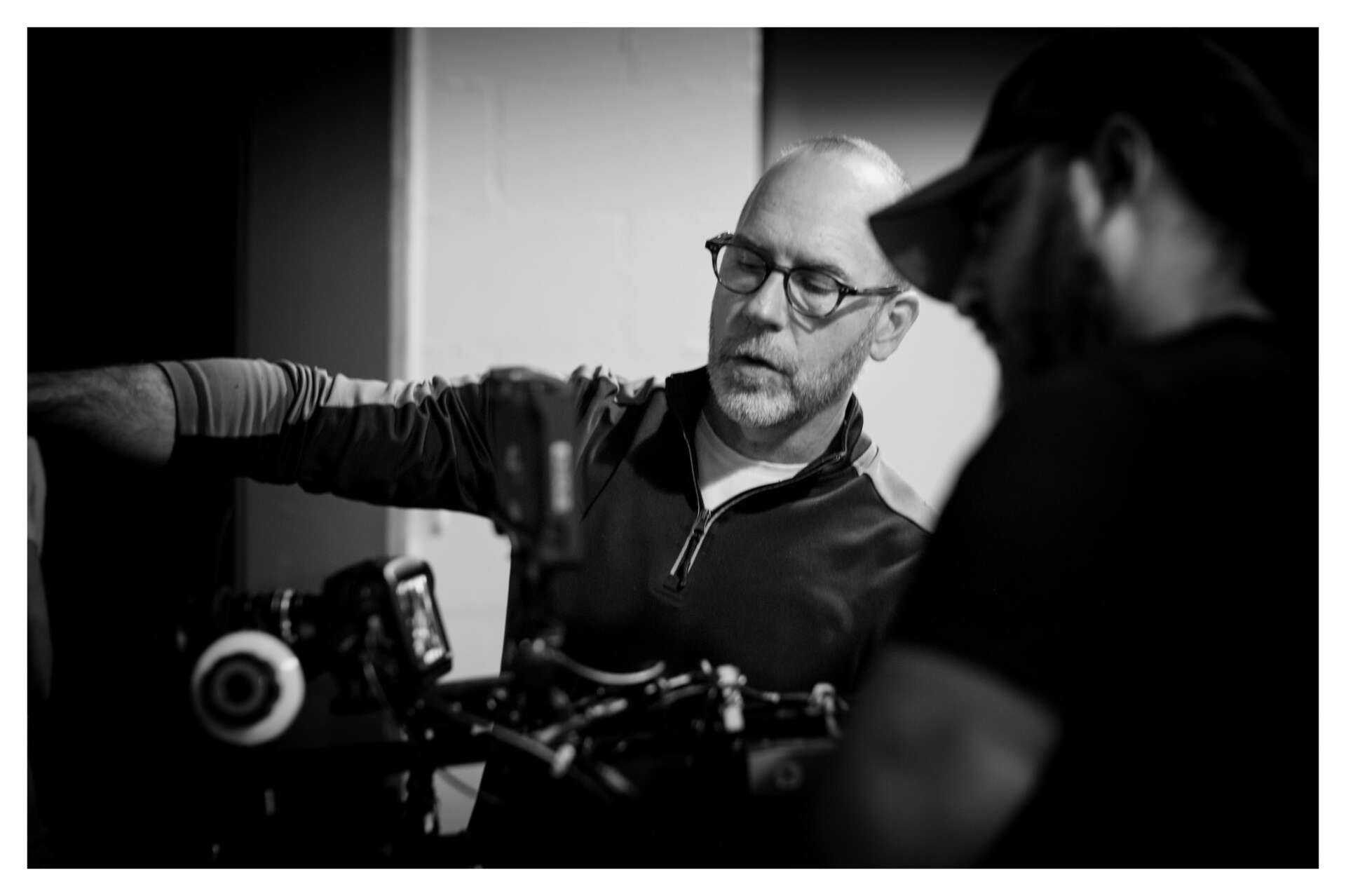
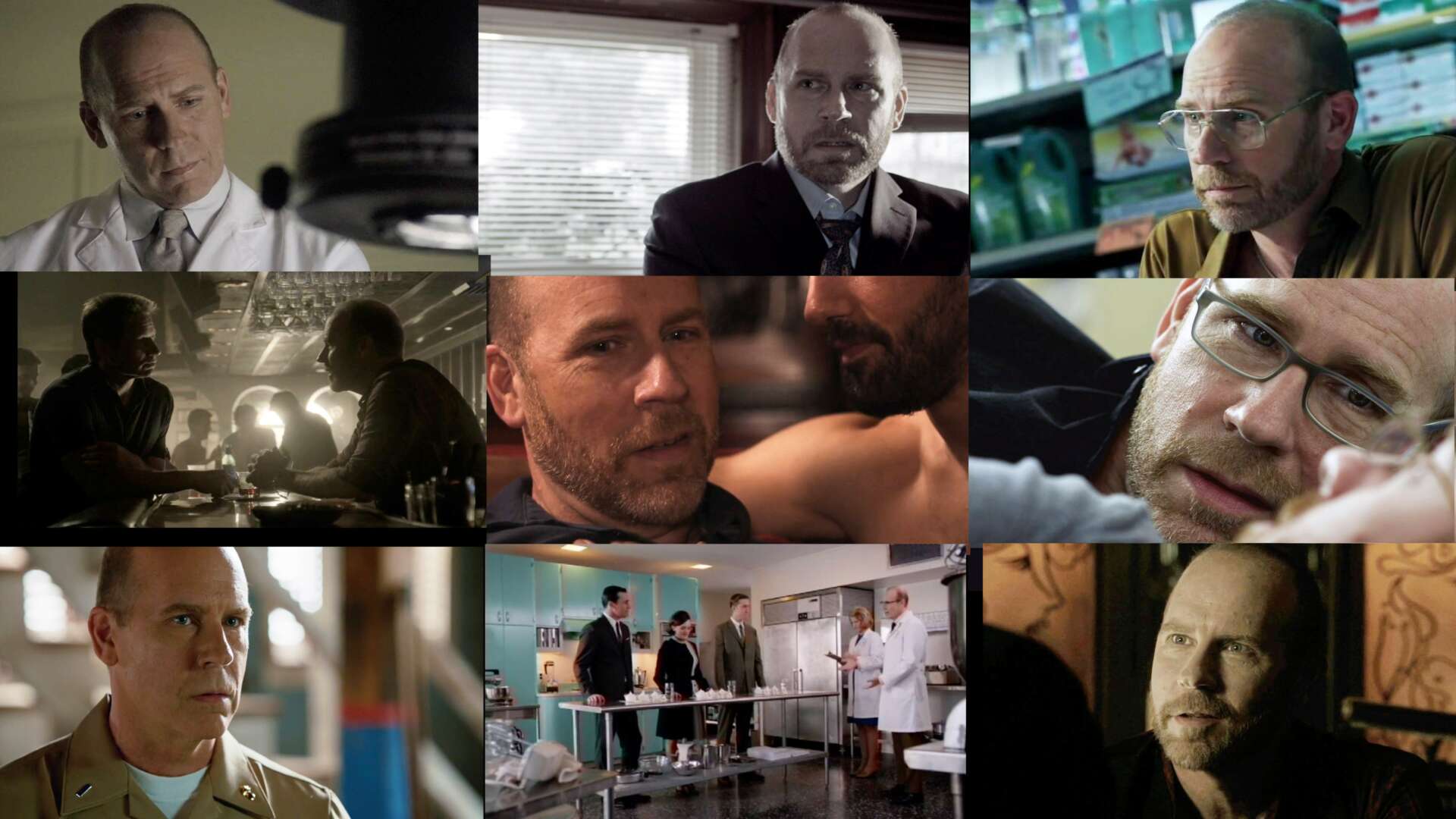
Doug, before we move on to more of these sorts of questions, can you take some time to bring our readers up to speed on you and what you do?
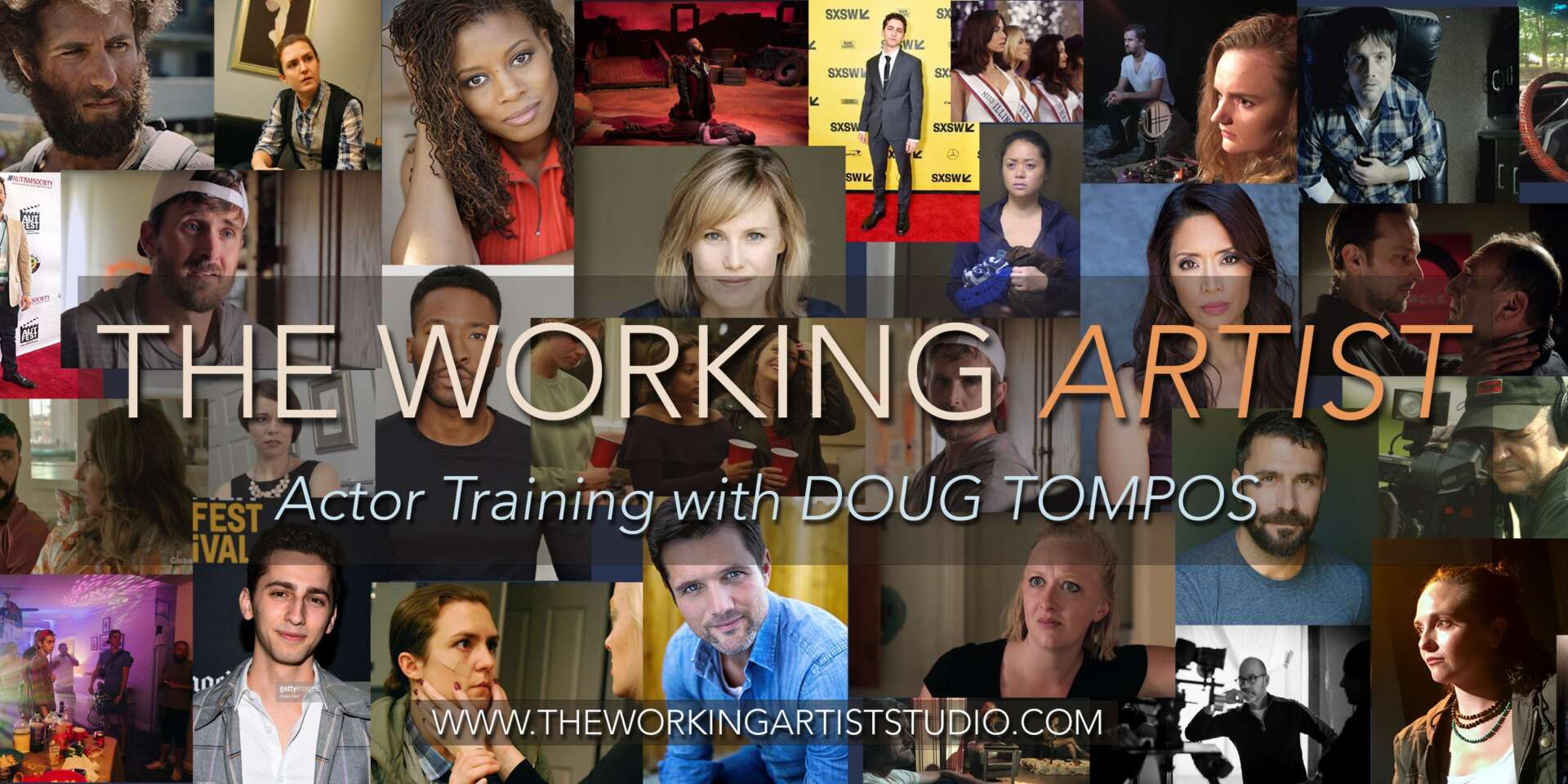
I’ve been a professional actor for over 35 years in both New York and Los Angeles, on Broadway and in a variety of film and TV productions. In the last 15 years I expanded my work into writing and directing films, as well as teaching acting. I now own and operate The Working Artist Studio where I work with professional actors in on-going scene study workshops, full productions of plays, and in collaborative development of original projects. While I continue to act professionally, the studio has become the consistent source of support in my life. Teaching, however, was something I resisted for a long time. The process of acting can feel a bit mysterious and private, and I was worried about having to intellectualize my process as I attempted to explain to other artists how to approach it. I thought it would get in the way of my own freedom and make me self-conscious. Which it did for a while. But as I continued, I found I was able to talk about acting in a healthy way if I used a more human rather than intellectual approach. I also realized that my years in the trenches gave me a knack for understanding where an actor’s mentality may be hindering them in their work.
That combination of not only expanding an actor’s empathetic imagination but also helping them build a healthy mentality to weather the ups and downs of a creative life has become the hallmark of my teaching. I create a collaborative, non-competitive environment for actors, and focus on the artistry of the work, not the business. While the business aspect of a career is important, no amount of self-promotion will help someone if they can’t actually do the job they are being asked to do. That must come first.
In my own training, I was exposed to some unhealthy environments run by ego-driven gurus, and my teaching is definitely a response to that. I don’t see myself as an authority or think my approach to acting is the “only way.” I want actors to find a creative home that works for them, and while I am here to inspire, challenge and expand an actor’s work, ultimately, they are the authority of their own creative life. They do the work and they are the ones who go into those audition rooms, and if someone books a job, they did it, not me. It thrills me when they do, believe me, but it is not because of me. I have only opened the door to a possibility for them.
I love what I do and I’m so grateful for the opportunities I’ve had. I view any creative endeavor as an act of service, of generosity. A lot of people see actors as being on an ego-driven quest for self-aggrandizement, and there are certainly a lot of people who embody that cliché, no doubt. But I see acting as something completely selfless. We are asked to let of our own identity and accept a whole other way of seeing and being in the world, to empathetically take on the problems in the story, and express the truth of that as an act of service, heroism in a way, a sacrifice of the self so someone else might see the messy truth of being alive and recognize that they are not alone. I fight for that truth every day. And my greatest joy is seeing another artist give over completely to a story, to live in the vulnerability and struggle of being human to such an extent that they forget self. It is what I am passionate about in my own work and what I seek to infuse in the artists I have the privilege to work with. I learn from them. They inspire my own work and challenge me to keep expanding creatively, and that is a huge gift. One that I continuously strive to give back.
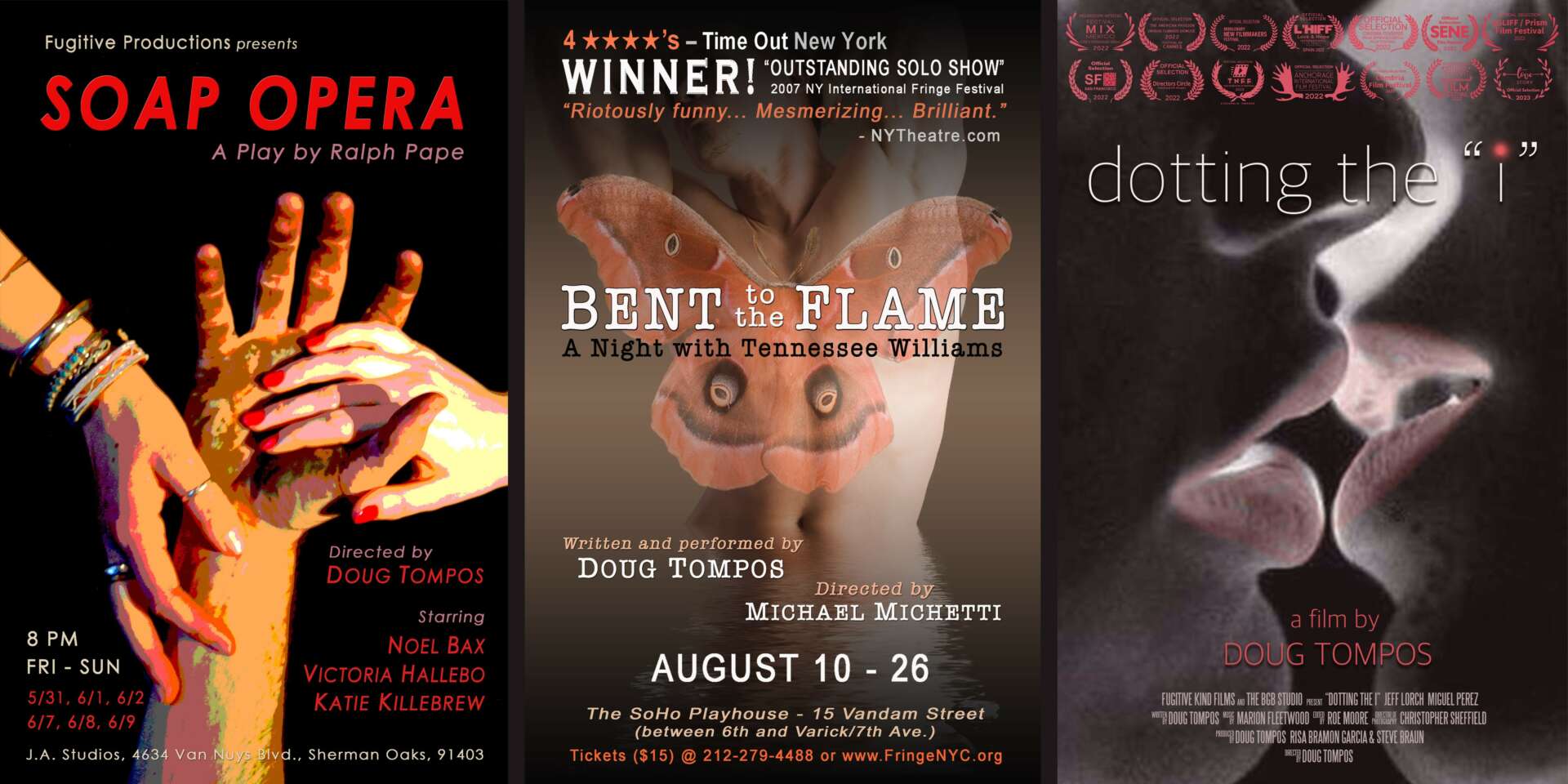
We’d love to hear a story of resilience from your journey.
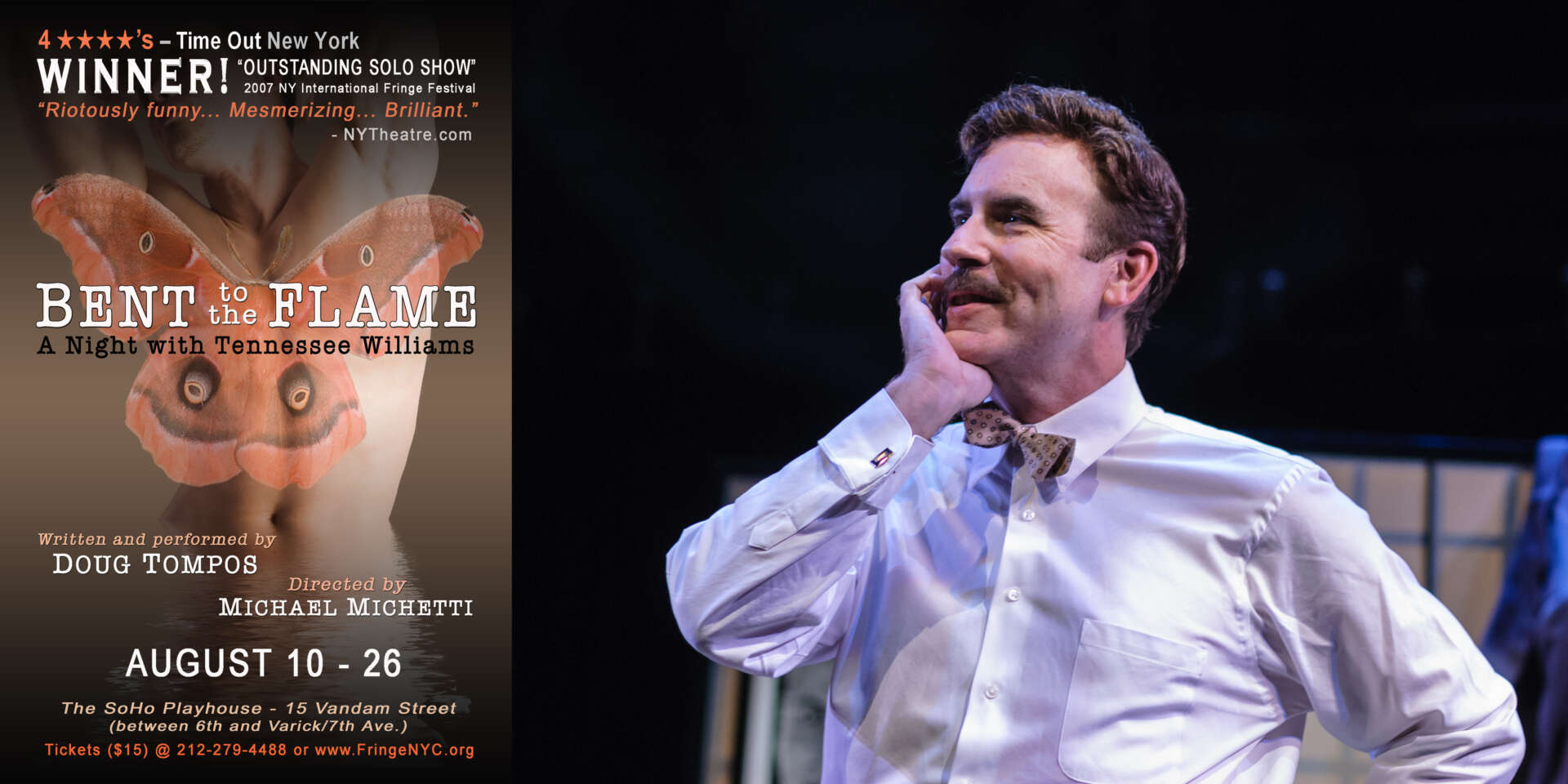
I think the hallmark of a life well-lived is the level of one’s resilience. One of the most influential acting teachers I had opened me up to the idea of “creating value” from everything that happens to us. To accept what is, not what we wished it was or wasn’t, and to learn from it, not just put a “positive spin” on something, which can be a form of avoidance. It’s a concept that is beautifully explored in Pema Chodron’s book, “Comfortable with Uncertainty”. I had read the book and heard my teacher talk about it for years, but I didn’t know if I embodied it until March of 2008. I was about to leave for New Orleans to perform a solo show I had written about the great playwright, Tennessee Williams. I was preoccupied with my preparations and stepped into a busy street in L.A. without looking. As I emerged from between two parked cars (not in a crosswalk), I was struck by an SUV and thrown to the pavement, stunned, bleeding heavily, and with multiple compound fractures in my left leg. As I rode to the ER, lucky to be alive but quite possibly about to lose my leg, life as I knew it seemed to be as broken as my body. During my first week in the hospital, an odd thing happened. A friend came to visit me encouraging me to get a lawyer and sue “the bastard who hit me.” That had never even occurred to me! He had done nothing wrong. I was the one who stepped in front of him. He didn’t “run me down”. And I realized that if I was going to recover, I could not see myself as a victim, as if this was done to me. It had happened. To both of us. Period. Now my job was to recover and move on with my life. Without thinking about it, I was already creating value.
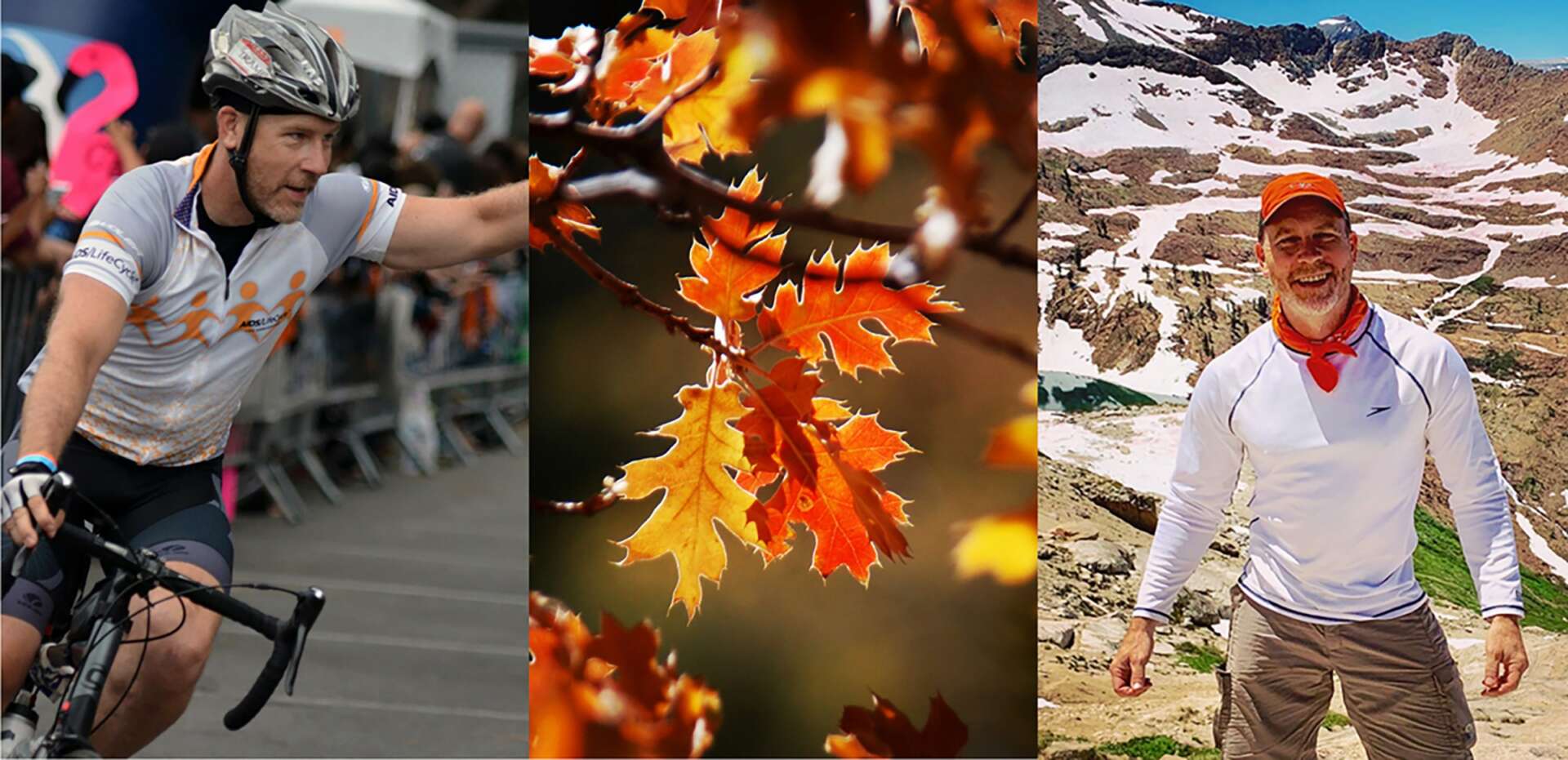
I’m fully recovered now and, fortunately, it has not inhibited my life in any way. It has actually expanded it, as I have now become an avid cyclist (suggested by my physical therapist) and continue to hike, ski, and explore nature photography. I see this time as my “bonus life” and I know I would not be where I am if I saw myself as victim or was unable to rebuild my life myself. The seeds of resilience were planted in me by my teacher which allowed me to not only create value from what happened, but also to thrive more fully than I had before.

Is there something you think non-creatives will struggle to understand about your journey as a creative?
I was fortunate as a young man beginning my life as an actor that I had a family who supported me, or at least allowed me to make whatever choice I wanted about my life. A lot of my students, however, have not been so fortunate. They are pulled between their desire to gain approval from their parents and their desire to create and express through a life of storytelling, a life that may terrify parents who come from a culture and work ethic that prizes security and comfort above all else, who feel that creating and telling stories has no real value or should be considered a hobby. I have seen people give up their dreams out of a need to live their parent’s life, not their own. To those parents and family members who fear for their children’s lives, I would first encourage them to read the book I mentioned earlier, Pema Chodron’s “Comfortable with Uncertainty”. In lieu of that, however, I would ask them to try to accept the possibility that some people are wired to love change, to seek variety, who have an adventurous spirit that thrives on challenging situations and the risk of failure, who could never be happy doing a nine-to-five job. There is nothing wrong with having a comfortable life and job or with the need for security and comfort. But there is nothing wrong with an adventurous life, either. We need stories in our lives. I don’t think any of us would have gotten through the pandemic without finding human connection through the struggles of the people we watched on TV, living vicariously through them, and allowing our hearts to escape into another world. Stories and storytellers have value in our lives. We need the people who sacrifice their security and live uncertain lives to remind us of our humanity.
The poet Hart Crane, who tragically committed suicide because the pull of conformity weighed too heavily upon him, wrote a note to his businessman father shortly before he took his life, in which he said: “And in closing I would like to just ask you to think sometimes, — try to imagine working for the pure love of simply making something beautiful, — something that maybe can’t be sold or used to help sell anything else, but that is simply a communication between man and man, a bond of understanding and human enlightenment – which is what a real work is. If you do that, then maybe you will see why I am not so foolish after all to have followed what seems sometimes only a faint star. I only ask to leave behind me something that the future may find valuable, and it takes a bit of sacrifice sometimes in order to give the thing that you know is in yourself and worth giving. I shall make every sacrifice toward that end.”
Creatives live a life of service and, yes, they often times struggle. But for us it is worth it. We are fine. We are resilient. We will take care of ourselves, have no fear.
Contact Info:
- Website: https://www.theworkingartiststudio.com https://www.dougtompos.com
- Instagram: dougtompos