

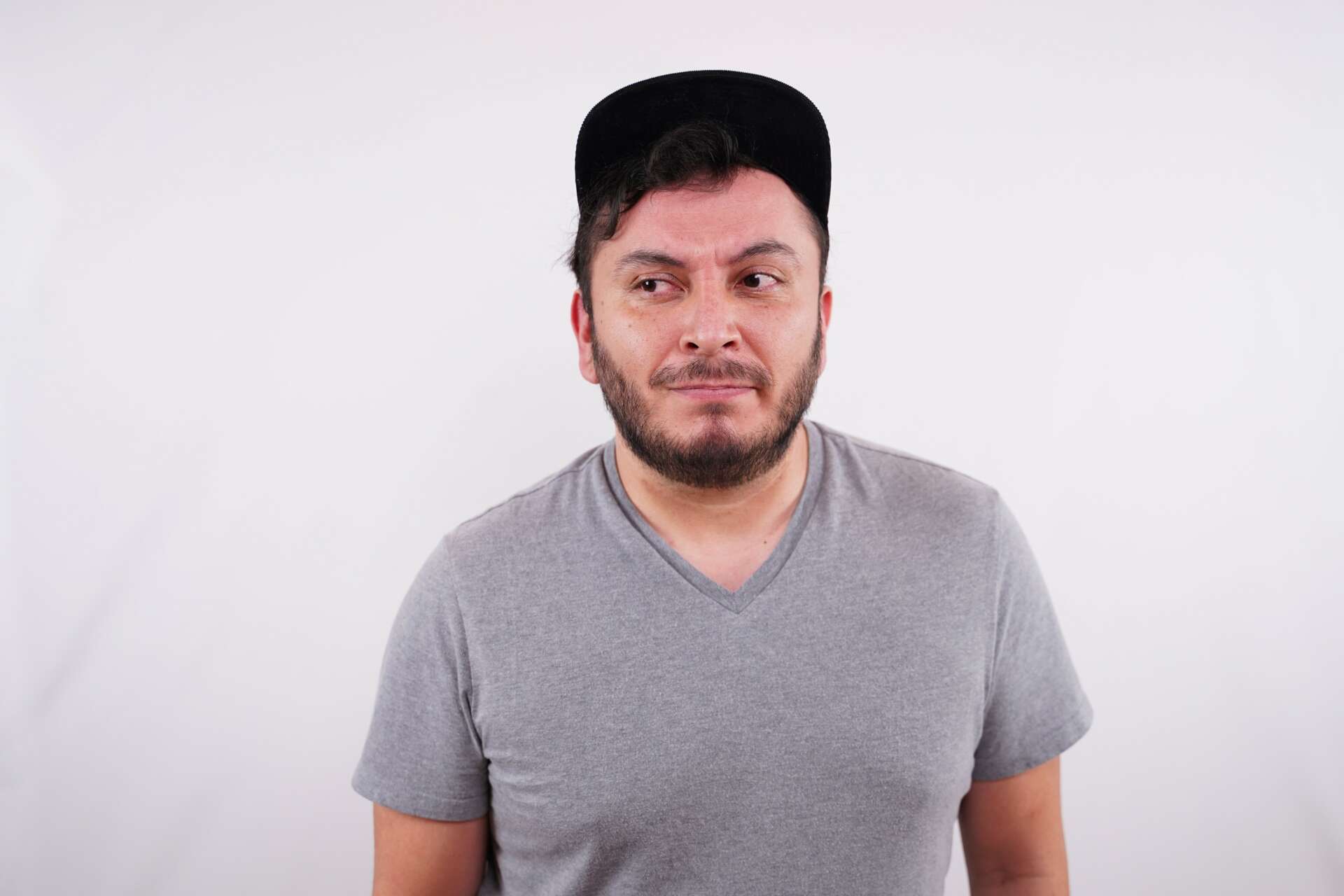

We were lucky to catch up with Adam Dominguez recently and have shared our conversation below.
Adam, thanks for joining us, excited to have you contributing your stories and insights. We’d love to hear the backstory behind a risk you’ve taken – whether big or small, walk us through what it was like and how it ultimately turned out.
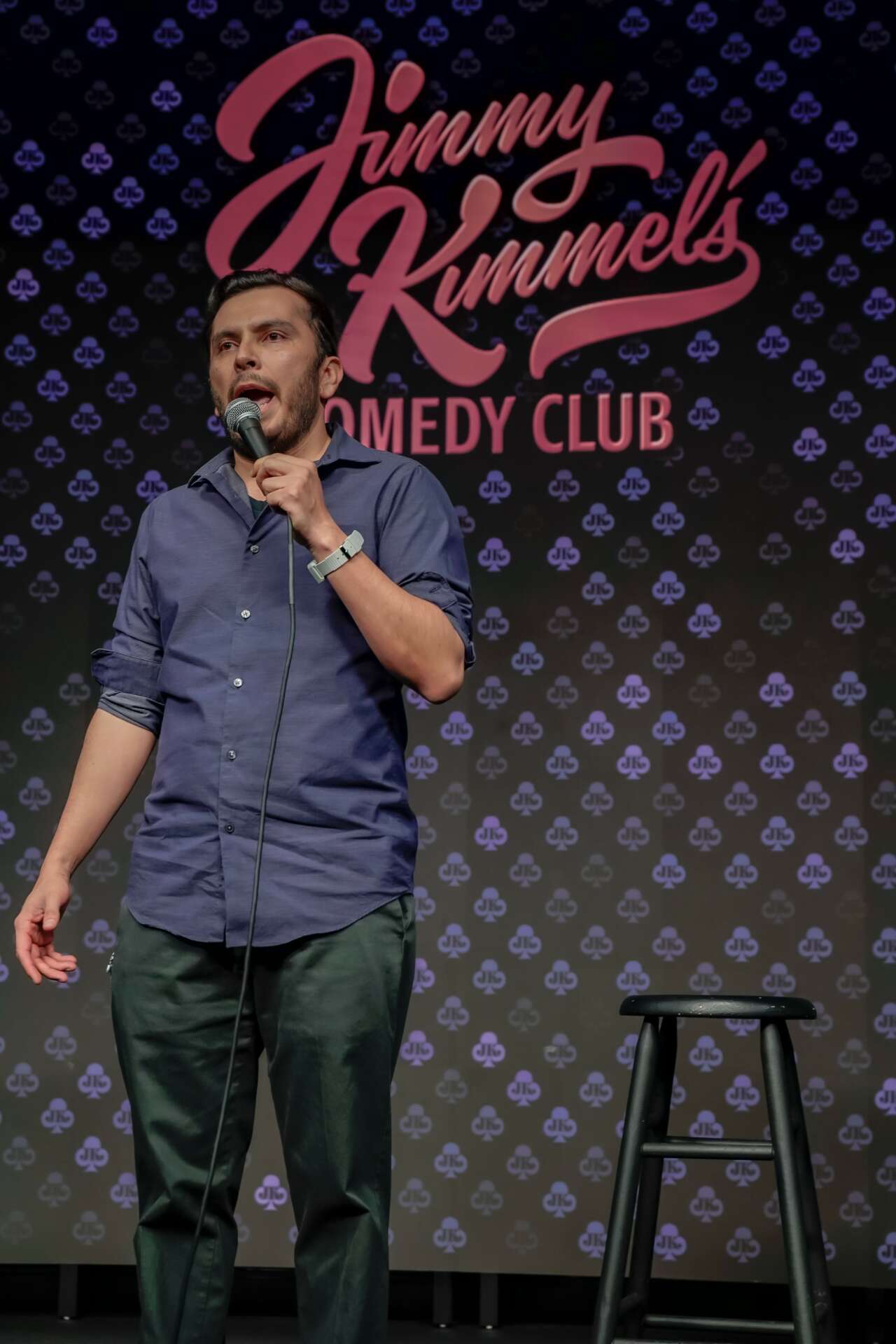
It almost feels like everyday we take a risk whenever we touch a mic. Especially in Vegas, where tourists come to enjoy themselves, it certainly can be assumed that not everyone has the same regional mentalities and sensibilities, so sometimes “safe” is the best way to keep your job at the comedy club and move onto the next booking. Unfortunately, that’s how comedy acts tend to get stale and dated. I had a penchant for pushing the boundaries, mostly with living a wanderlust kind of life and describing actual characters in my life and the misfortunes of being my friend during my addict days. In my early 20’s, I was in love with a girl who had a son who had been diagnosed with autism. In the late 2000’s, autism was not exactly a widely known about disability, so I had wrote a set about how in the dark I was about the subject and painted myself as the Goofus in this situation. I had been telling that story about my ignorance, and even put it on my first Amazon Prime appearance, and after a live performance in my hometown, I took the risk of telling the story, only to get threatened by an audience member who said that his child had autism and how it “wasn’t a joke.” Now, I knew this would happen at some point, and was prepared to tell him that at no point in my tale did I ever punch down or mock autism at all, and that I was indeed the punchline of my own tale of folly. But to my surprise, several fans of mine in the audience stood up, and defended me. They began to tell him that they were also diagnosed autistic and that people shouldn’t be automatically triggered when faced with, what may seem like, troubling subject matter. The fans told me later that they found me online, loved my material, and actually hoped that I would tell that story. A risk of being vulnerable and telling the audience about a topic that, by just mention of the word, causes audiences to go on the defensive ended up garnering me praise of my storytelling abilities and relatability.
Adam, before we move on to more of these sorts of questions, can you take some time to bring our readers up to speed on you and what you do?
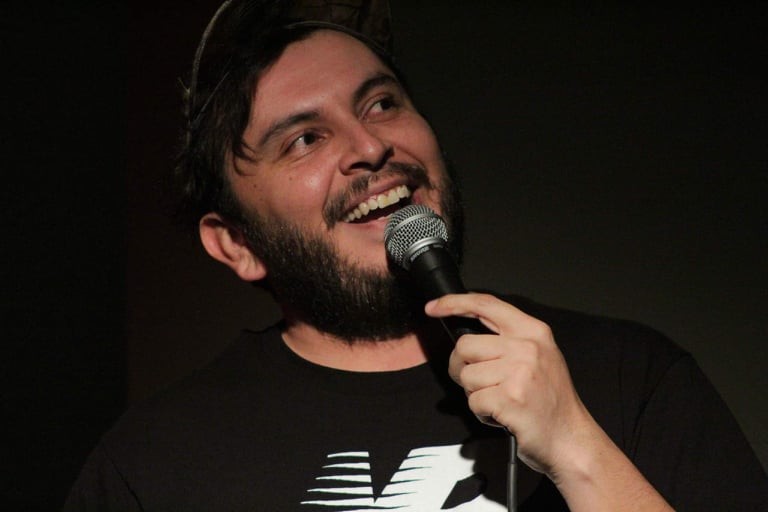
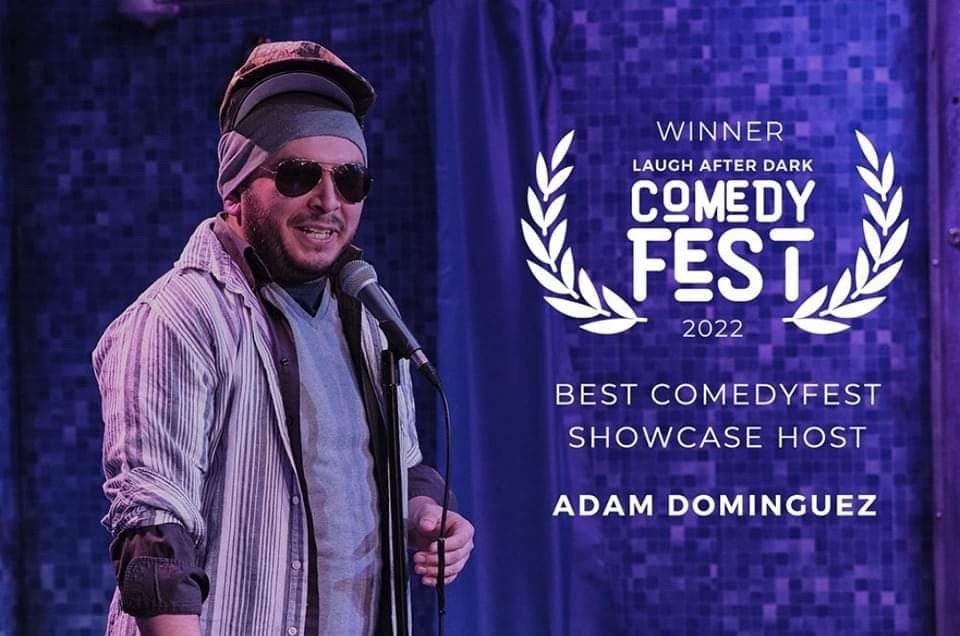
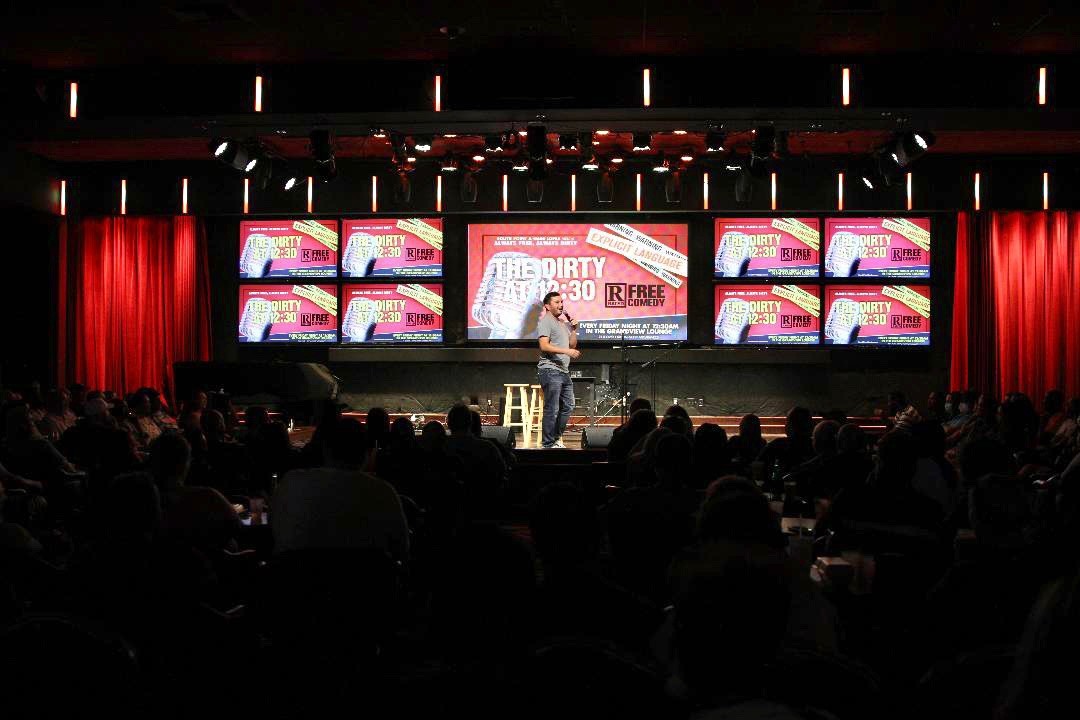
I started the way most comedians do; in the bottom of a beer glass. I had been working every type of job you can imagine. I delivered pizzas, worked in an office, and even worked in an adult store for a minute there, and during my 5-year stint of managing a hotel, I felt deeply unfulfilled. I was financially stable, and my family were happy that I was in a career that had benefits and upward movement, but I began acting out and drinking more. I have always been a performer since my days playing piano and percussion in school bands so I tried my hand at DJ’ing at events and parties, but it wasn’t enough. At some point, I ended up at a comedy open mic with my then-girlfriend, and I boasted about how funny I can be and certainly funnier than anyone onstage, only to find out that I wasn’t. I signed up, bombed so hard, and yet, I had fun. I vowed I would get better at this and I did. I worked hard and began to produce my own shows and had several weekly residencies in my hometown and it only grew from there. I began travelling and I did everything I can for the betterment of my brand. I emceed Roller Derby games, became the official Host of several annual festivals, and was a regular performer at my hometown’s comedy club. Since my hometown of El Paso, TX didn’t have much variety for events that I could shine my talents on, I did everything to get in front of a crowd with a microphone, and hosted karaoke and trivia nights for years before my wanderlust became too much and I moved to Las Vegas in 2017. One of the things I’m proudest of is the fact that I took a market that had no stages for comedy, and created a line of credibility that now, comedians who felt the way I did with no outlet, now have stages and shows that are strong and going to this day. From the quality of performers onstage to the business aspect of entertainment, I had pride knowing that anything with my name attached to it was going to be a great time and generate fans for each performer, but also revenue for the clients I worked with. All of this just because I hated working a 9 to 5.
What’s a lesson you had to unlearn and what’s the backstory?
It took a long time to unlearn “that’s the way things are.” El Paso was sometimes have a very negative place for creatives because their lack of faith in trying things new. It’s a very traditional space, which adds to its undeniable charm, but having an insatiable need for trying something new, it was very common for me to be met with “that’s just the way things are.” Early on, I was told how to tell my jokes and stories. I was told to pursue my dreams but I was told HOW to do it. The more and more I delved into my dream career, I was told how to carry myself and I once again felt like I was back in my corporate job, waiting for an email on how I was doing things wrong. It took a while and some friends’ words of clarity to realize that if I’m going to go about my dream career, it wasn’t going to be because of the already-treaded path of “tell jokes about relationships -> ???? -> PROFIT!” Now, I have a fanbase that enjoy my work for being genuine. I have been touring and travelling and rewarded for being myself onstage, and even moreso, my career has become easier because I don’t have to try to be the person they wanted me to be because they believed “that’s the way things are”.
Do you think there is something that non-creatives might struggle to understand about your journey as a creative? Maybe you can shed some light?
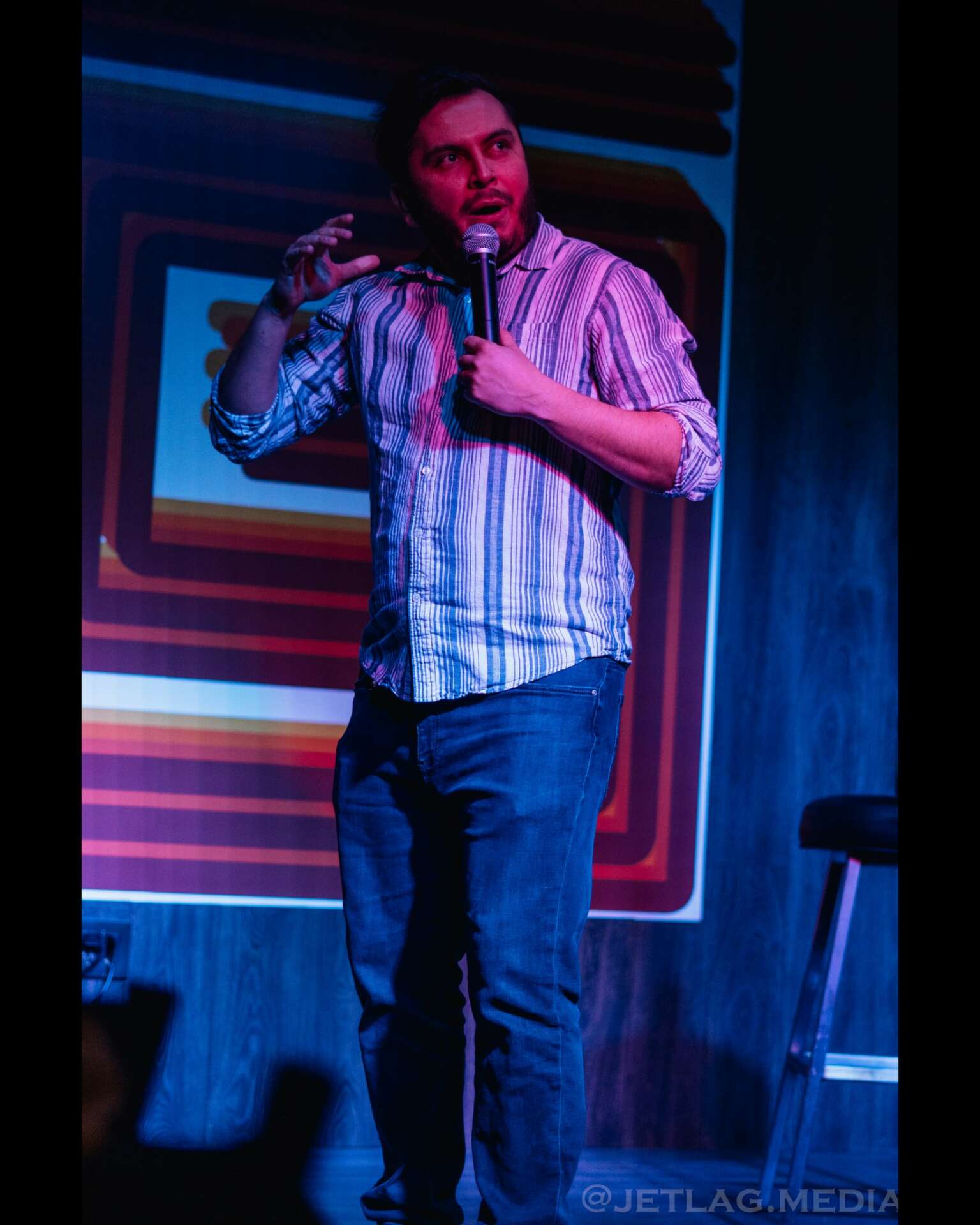
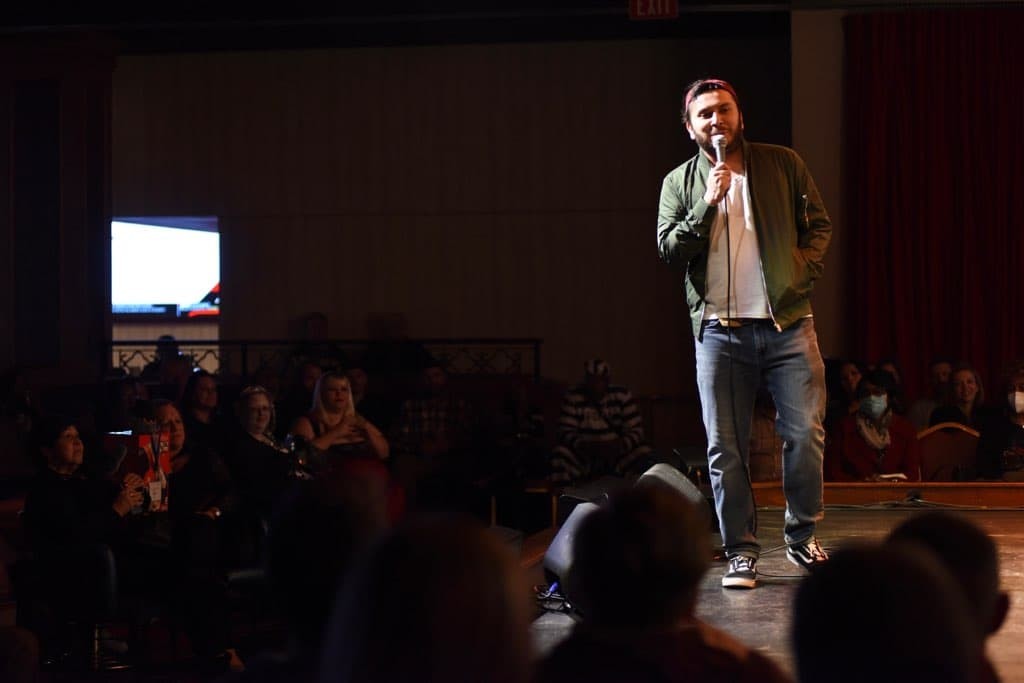
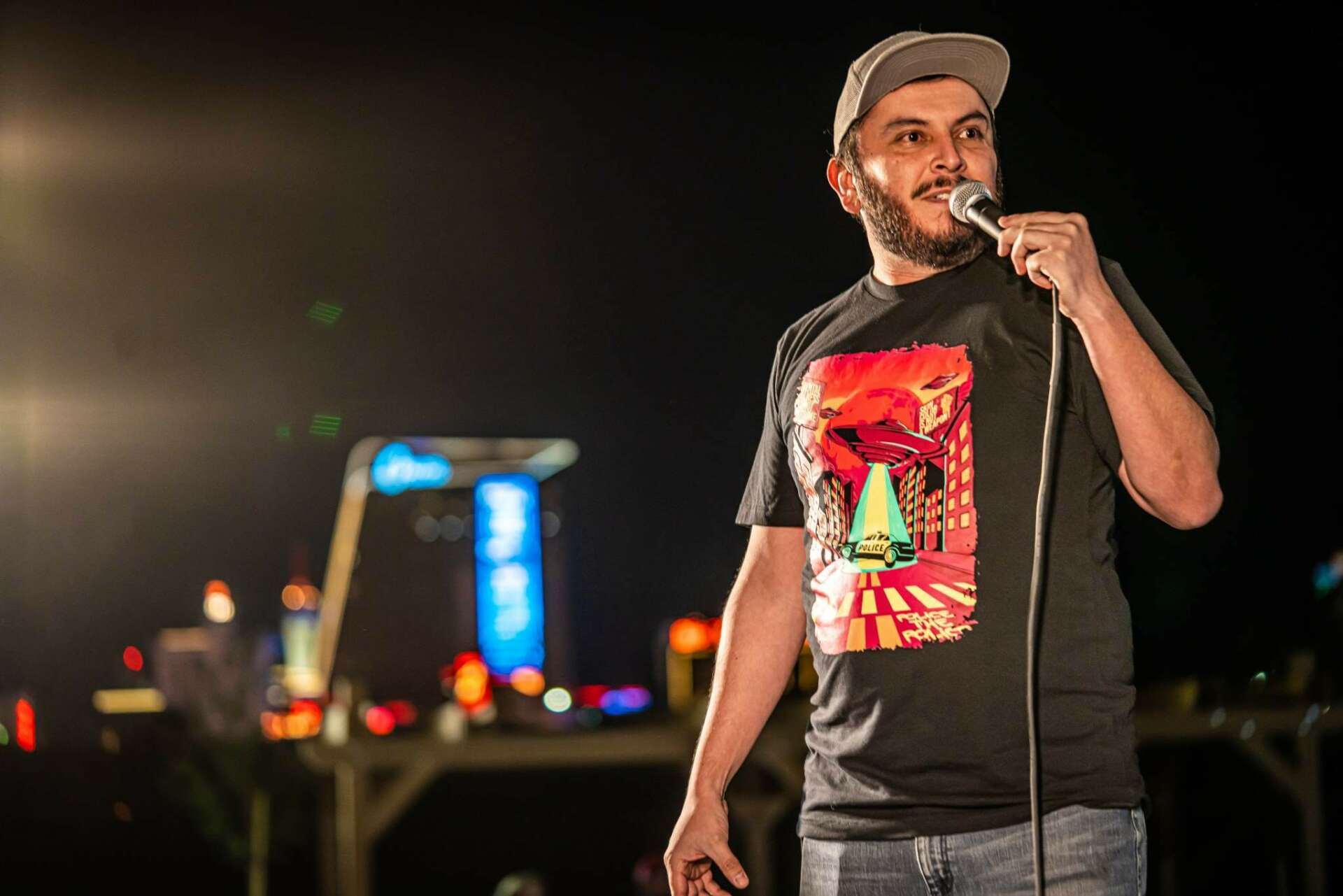
I have had family tell me that sometimes I only work “30mins a day”, but what they usually fail to see is the years it took to do that half hour. Most comedians start at open mics, in front of a crowd that wishes they weren’t listening to amateur comedy. Comedians at that point of their career have to be interesting enough to keep the audiences that are there and interesting enough to hang onto their attention for 3-5mins at a time. It’s unforgiving and unpaid. You dedicate your time and work on your skills to be trusted with bigger stages and audiences, and depending on the city you start in, those opportunities happen far and few between. I worked a full time job while spending 3-4hrs on some nights at a bar, watching people (who would later become my peers) work on their sets. The delivery, the inflection, the message all had to be great and MAYBE you would get $20 or $50 for best set of the night. And even now, after 13 years in my career, I still have to invest those unpaid nights to go “work out” in front of those dead audiences, just to try out the new joke and hear how it sounds in front of people.
Contact Info:
- Website: www.linktr.ee/AdamJDominguez
- Instagram: https://www.instagram.com/adamjdominguez/
- Facebook: https://www.facebook.com/adam.dominguez.comedy/
- Twitter: https://twitter.com/AdamJDominguez