

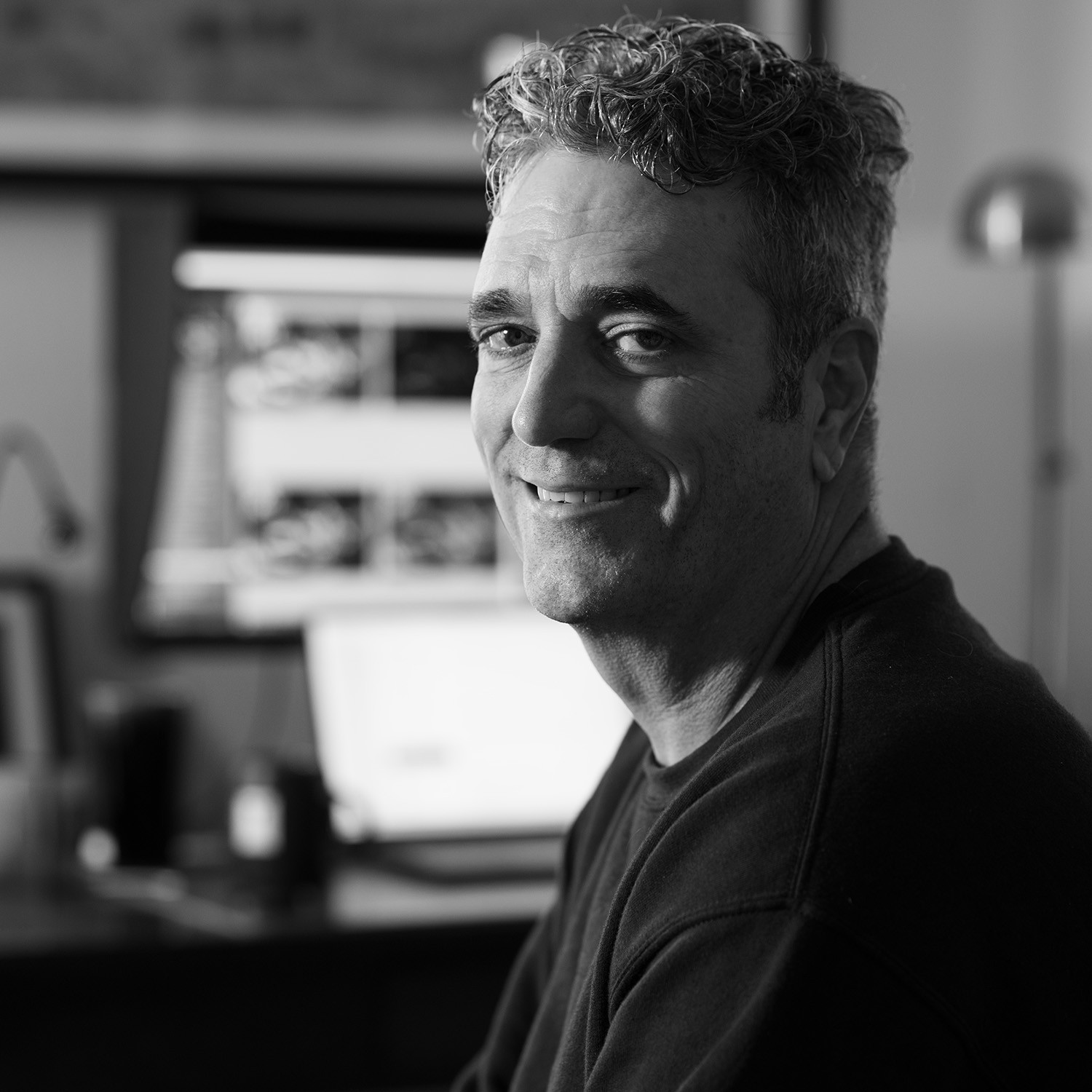

We caught up with the brilliant and insightful Martin Banks a few weeks ago and have shared our conversation below.
Martin, appreciate you joining us today. How did you learn to do what you do? Knowing what you know now, what could you have done to speed up your learning process? What skills do you think were most essential? What obstacles stood in the way of learning more?
I’ve worked in media all my life. However, I’ve always been a generalist and leaned toward the technical or management side of things. I was too chicken at the time to become a true creative. Having worked with both still and moving images, I decided to try and master the craft of photography as my next career move. My background in media and the arts helped me get started in the mastery of my craft. The thing is, for all the years I’ve been working in media, I have never truly mastered anything – it was always shallow, surface-level knowledge. Just enough to get the job done and move on to the next project. As much as I’d like to speed up the learning process, I’ve found that “doing the work” and putting in the time is the key to my eventual success. If I have any regrets, it would be that I spent too much time early on trying to get noticed and not enough time doing the work. Now, I spend time learning from others and taking classes. Free is fine for one off questions. However, paid mentors and classes provide the most value. Most of all – Do the work and practice the craft over and over.
Martin, before we move on to more of these sorts of questions, can you take some time to bring our readers up to speed on you and what you do?
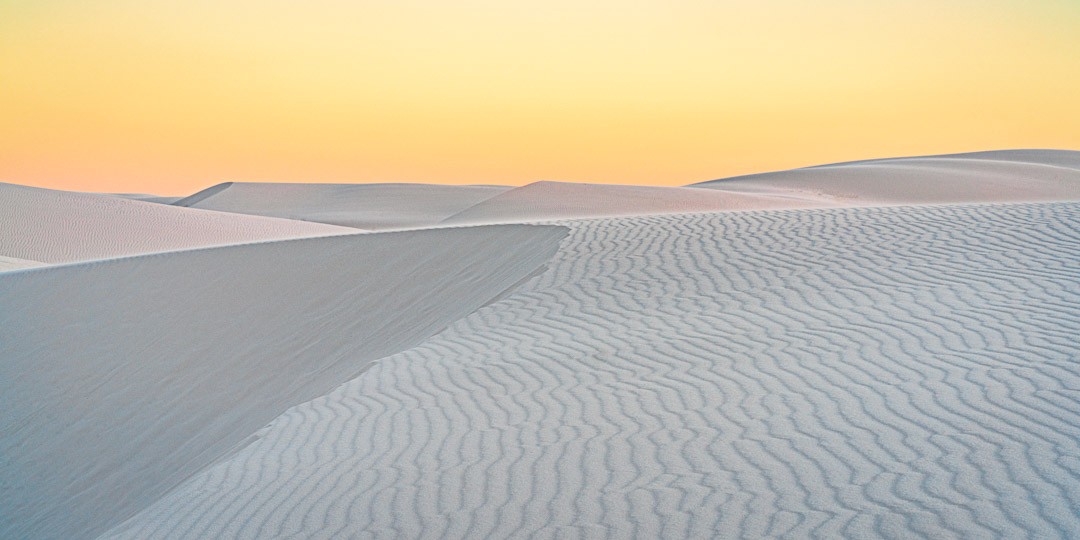
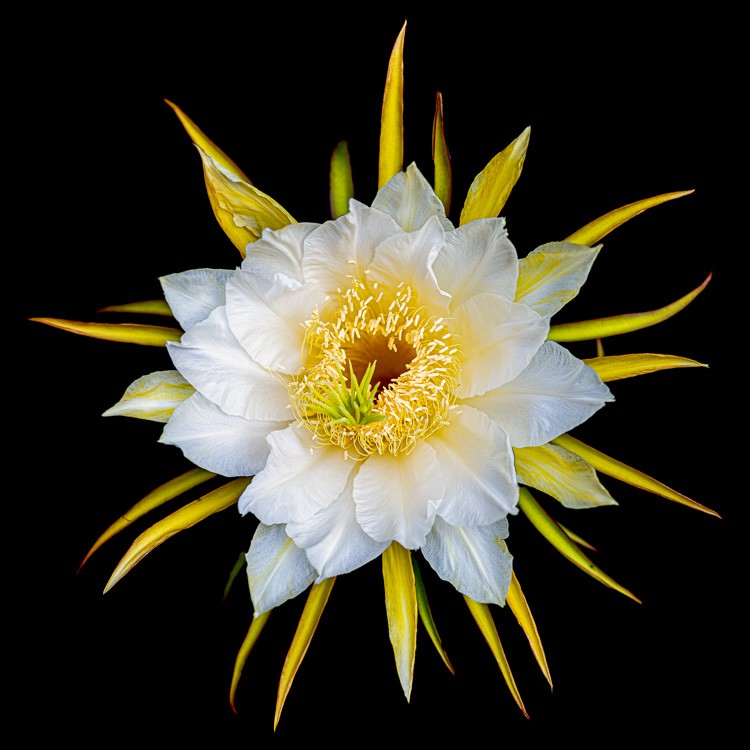
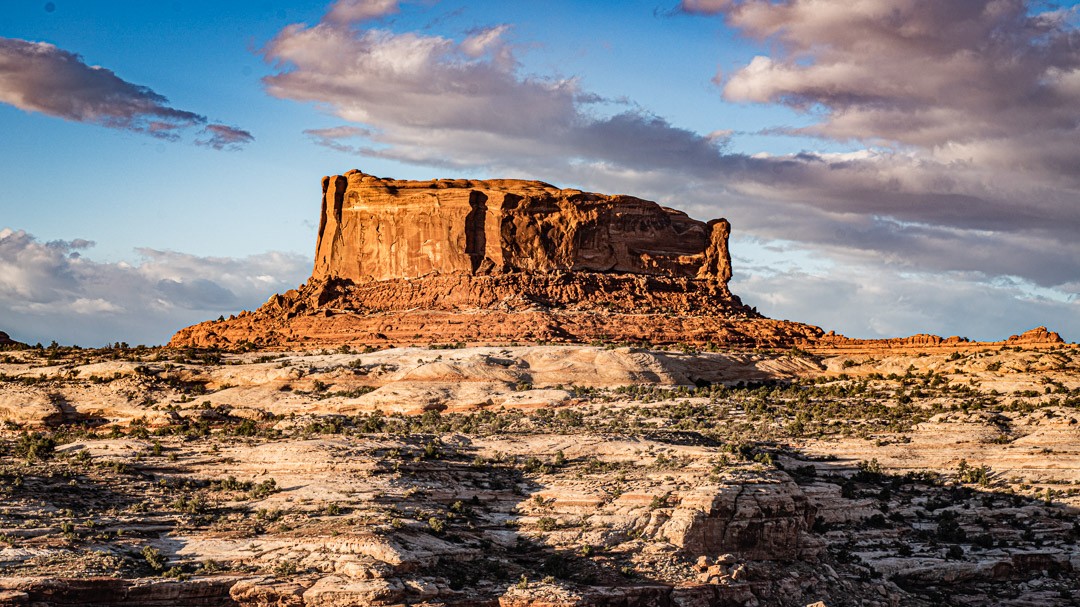
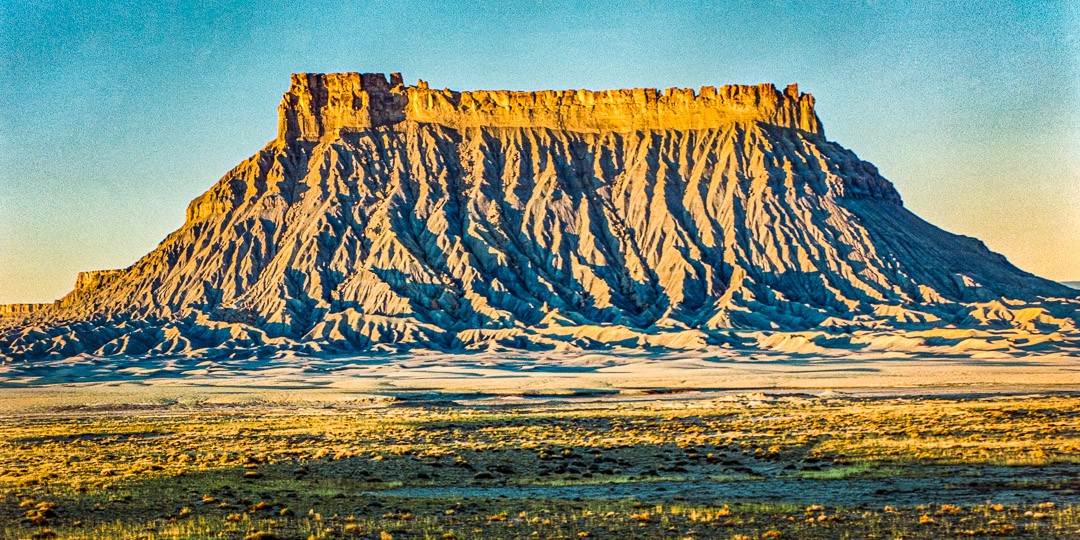
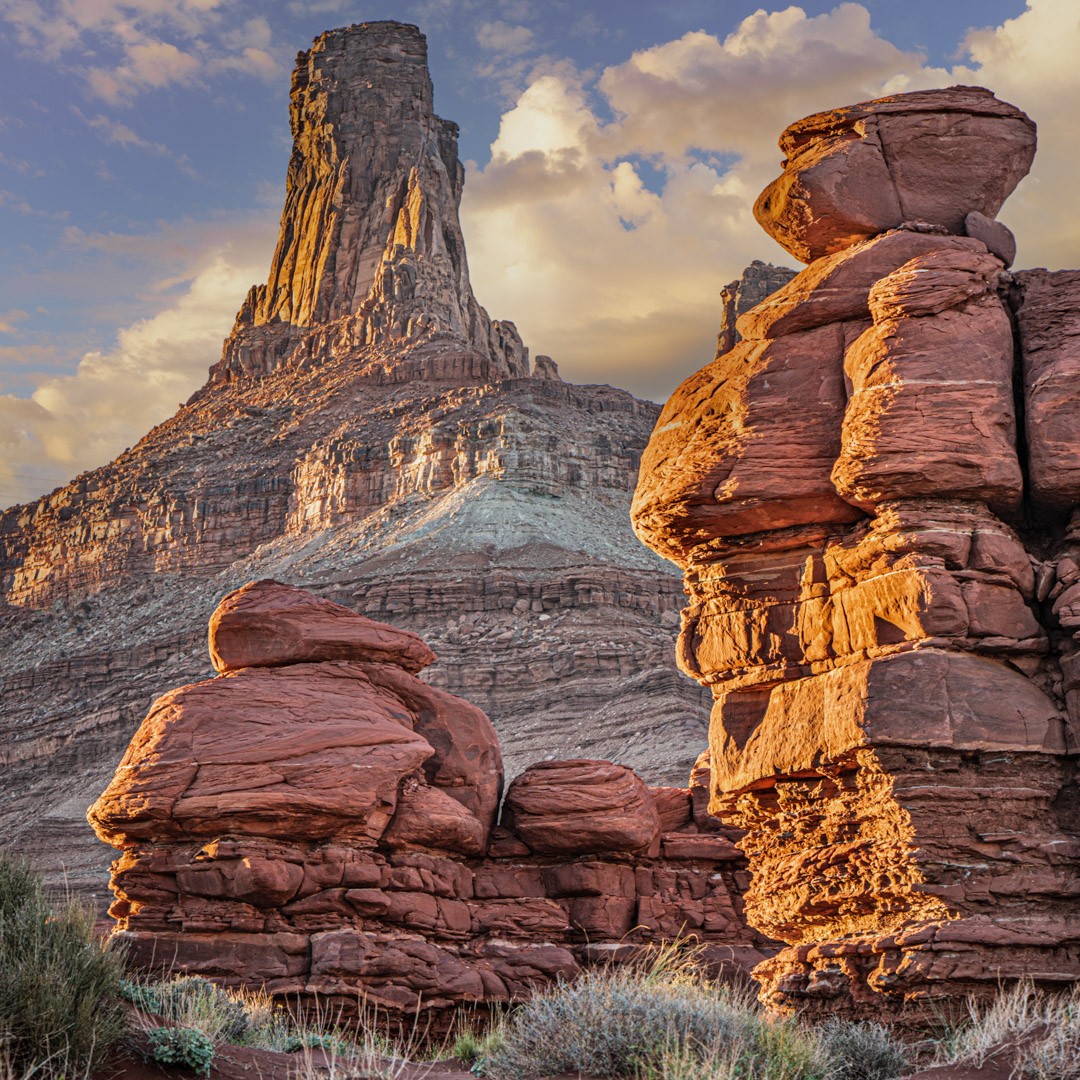
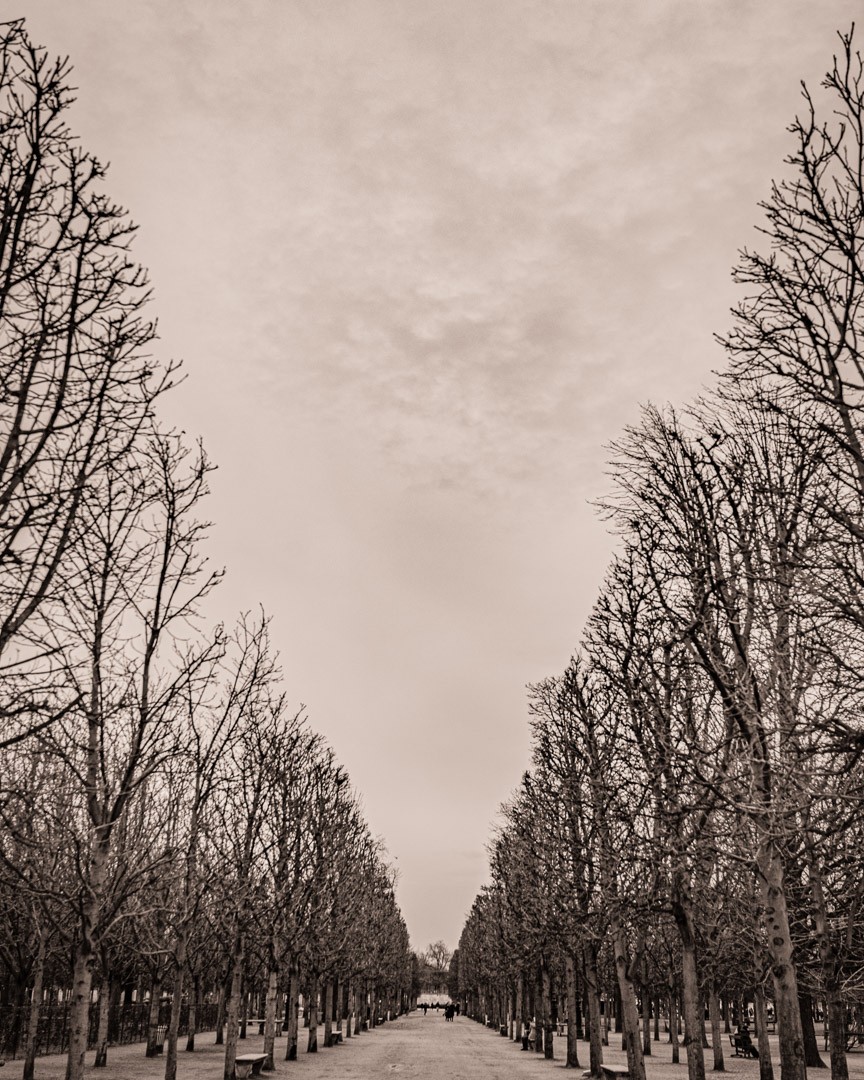
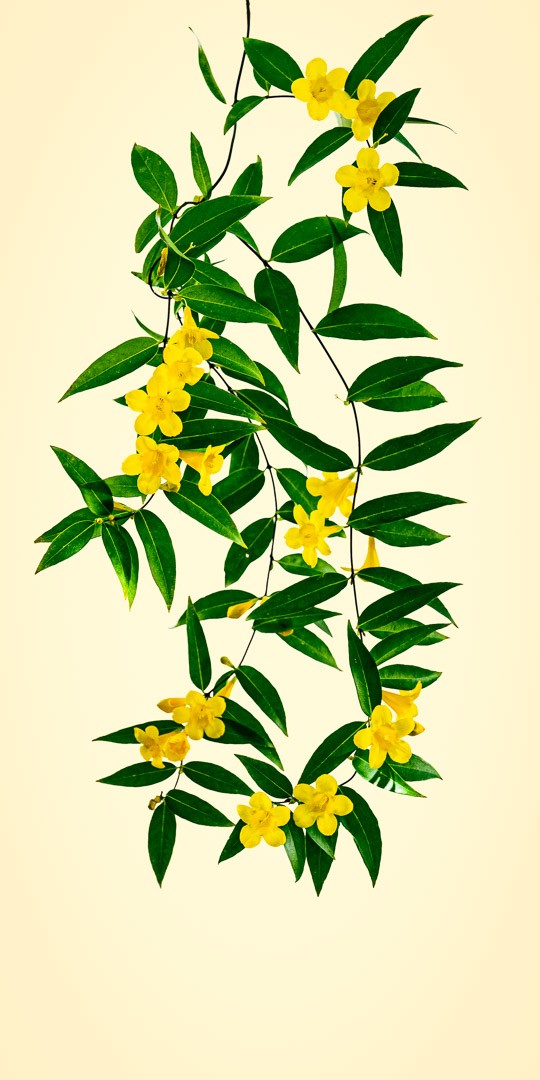
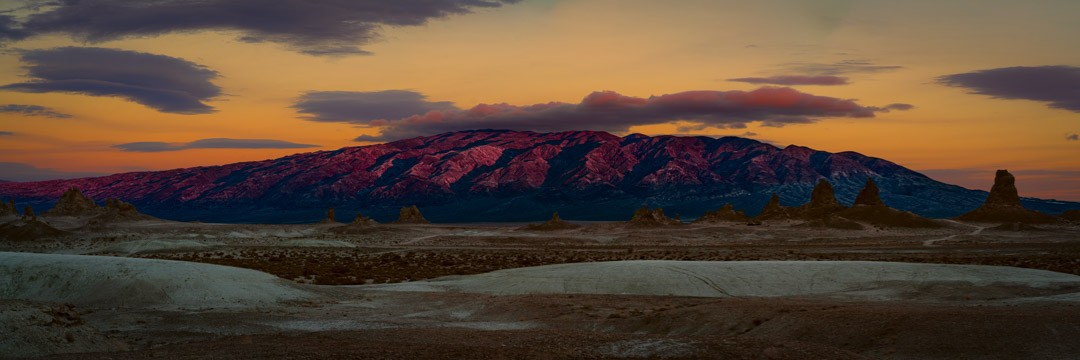
I decided to master the craft of what is commonly referred to as Fine Art Photography as my final career after decades working in media. I call myself an artistic photographer because I go to remote places to find the beauty of our world and record it with my camera. Since the recorded images don’t faithfully represent what I witnessed, I spend time processing the images to recreate my impression of the scene I recorded. The result is a collection of photos that are stunning in their representation of the world around us. Photography art isn’t for everyone. If you feel a connection with an image, it’s a powerful emotion that comes forth. It’s important to have things that give you joy, and hanging a piece of art on your wall brings that connection full circle.
How did you build your audience on social media?
My views of social media are contrarian to most. I worked like hell to build an Instagram and Facebook following and burned out. The worst part is I started posting work that wasn’t my best just to have something to post. It was not a good look. I have turned to email as my primary marketing tool since I can own my email list, and nobody (or algorithm) can suspend my account. It’s been freeing. I write a weekly email that goes out every Thursday to about 2000 people. I pay for Facebook ads to promote a monthly photo print giveaway that builds my email list. The photos I include in my weekly newsletter are reposted to my social media accounts when I find the time.
I took the pressure off myself to post to social media all the time and spend that energy on connecting with my email audience. It’s great when readers write me back about a story I wrote and how they connected with it.
Is there something you think non-creatives will struggle to understand about your journey as a creative?
I’ve been a supporter of Creative Mornings here in my hometown since they began holding meetings. As they remind us every month – Everybody is creative. You may not realize it, but you are too, Here’s the thing. When we go from working on things that don’t have any wiggle room, like bookkeeping, we have to trust the process. In other words, numbers are on or off, yes or no, right or wrong. Creativity, on the other hand, resides on a spectrum. There is no right or wrong. Creativity is all about the process of creating. You start with nothing, or at best a germ of an idea, and start the flow of creation and development.
In the journey of becoming a creative, you want to play the long game. There is no one-and-done, no shortcuts or quick fixes. You start and see where you go. When it feels finished, you start again. When you find yourself getting “lost” in the work of creating, that’s the sign that you have achieved flow. From there it’s a matter of doing the same thing over and over. That leads to mastery.
Contact Info:
- Website: https://www.martin-banks.com/Home
- Instagram: @martinbanksphotography
- Facebook: www.facebook.com/martinbanksphotography
Image Credits
Martin Banks