

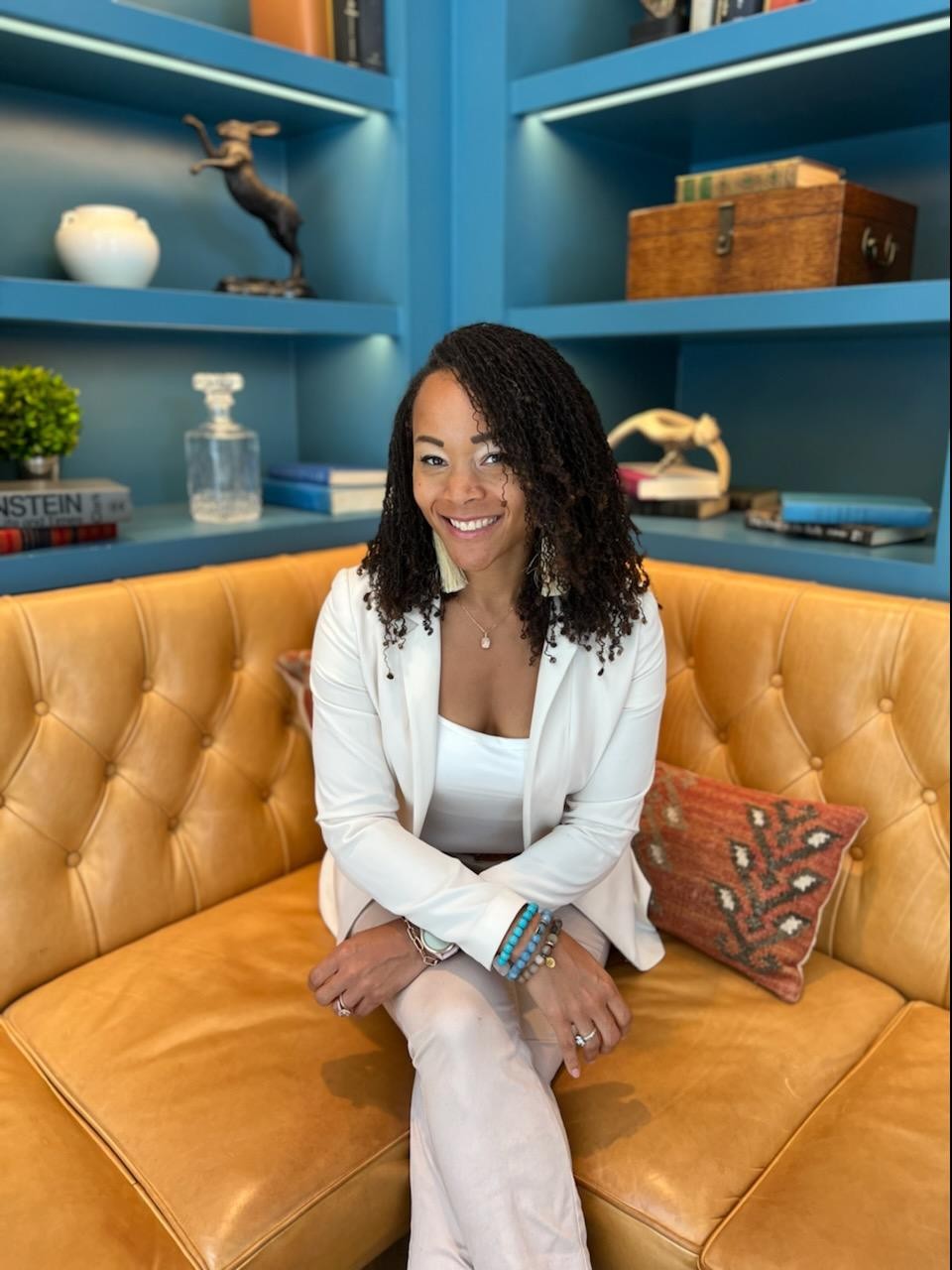

We’re excited to introduce you to the always interesting and insightful B. Nilaja Green, PhD. We hope you’ll enjoy our conversation with B. Nilaja below.
Alright, B. Nilaja thanks for taking the time to share your stories and insights with us today. Can you open up about a risk you’ve taken – what it was like taking that risk, why you took the risk and how it turned out?
I’ve always been a little bit on the different side from other people in my family. In fact, I often felt like I didn’t belong, like everyone else was speaking a language that I did not speak. This felt especially true when my family endured a significant transition and loss during my teen years and I had to learn how to figure out a lot on my own fairly quickly. My family should not have expressed surprise then when after graduating with my hard-earned degree from a very prestigious university, I told them that instead of getting a job or going to graduate school, I planned to fly halfway across the world, to spend a year volunteering in another country, living with strangers and getting paid basically nothing. Oh, I also had to pay for the program that was setting up housing and the volunteer assignment. At that point, I knew exactly one person in the entire country and he didn’t even live in the same city. My family thought I had truly lost it. To them, not only was this decision risky, but at worst, it was dangerous and at best, misguided and dumb. But for me, it was the greatest adventure that I could imagine at the time. I thought of all of the incredible experiences I would have, the extraordinary stories I could tell, the interesting people I would meet, the gratifying work I could do and the unpredictable ways I would grow. I saw this “risk” as the most complete opportunity I could imagine for learning how to really be in the world. And I was right. I will never forget my time living in Johannesburg, South Africa and the transformative work I had the opportunity to do. I have no doubt that experience informed both my personal and professional goals and mission.
B. Nilaja, before we move on to more of these sorts of questions, can you take some time to bring our readers up to speed on you and what you do?
I see myself as writing, speaking and engaging at the intersections of individual psychological distress and collective sociocultural oppression. As an Atlanta based Licensed Clinical & Community Psychologist, I am trained in trauma informed care and delivering specialized culturally responsive trauma treatments to vulnerable populations such as military veterans, Black women, and members of the LGBTQ+ community through my private practice, Atlanta Trauma Therapy & Consulting. In my practice, I utilize a person-centered approach in addition to gold standard trauma treatments such as: Prolonged Exposure (PE), Cognitive Processing Therapy (CPT), EMDR, DBT, Written Exposure Therapy, STAIR and Mindfulness based therapies. Additionally, I work with entrepreneurs at all stages of their businesses in helping support them in removing mindset blocks, staying connected to themselves throughout their business ownership journey and redefining success to align with who they are.
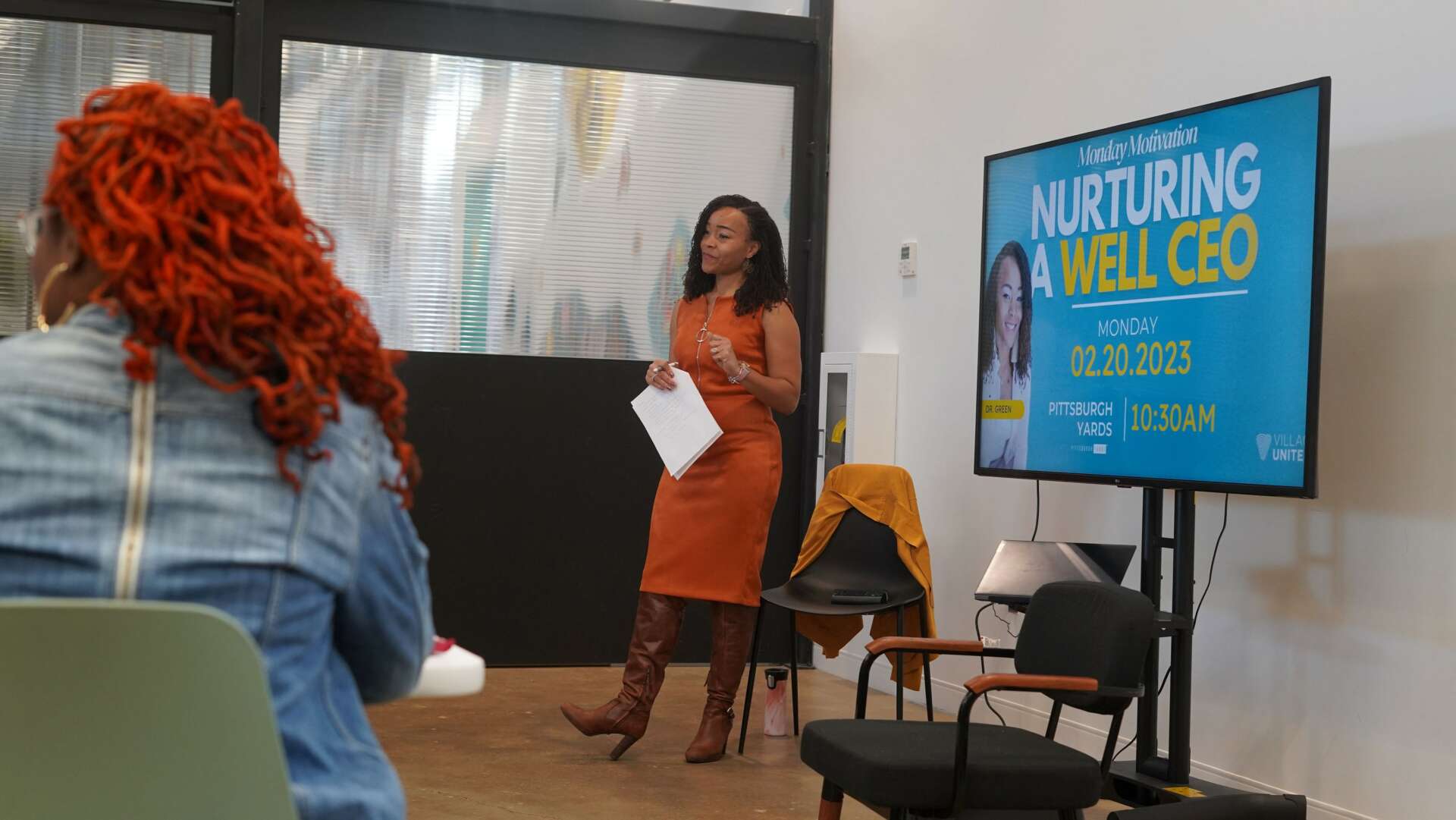
I have engaged in several community level initiatives, including collaborating with a local mayor in Atlanta to create community level conversations addressing, mental health, issues of race, class, history and equity. Having made appearances on several podcasts and in print media, I strive to share my message of culturally relevant, holistic mental health practice on various platforms. In service to my profession, I supervise, write, lead workshops and trainings asking clinicians to cultivate their own radical introspective practice and to approach care of clients with greater cultural humility.
In addition to my formal training and years of clinical experience, I have also incorporated my knowledge of the transformative powers of creative writing and journaling into my clinical work. In service to the community, I created an award winning, community writing group for healers that ran for four years in the Atlanta area, out of which I developed The Radical Introspection Method for Therapists and trainees and is presently utilizing this framework in my clinical supervision with doctoral students .
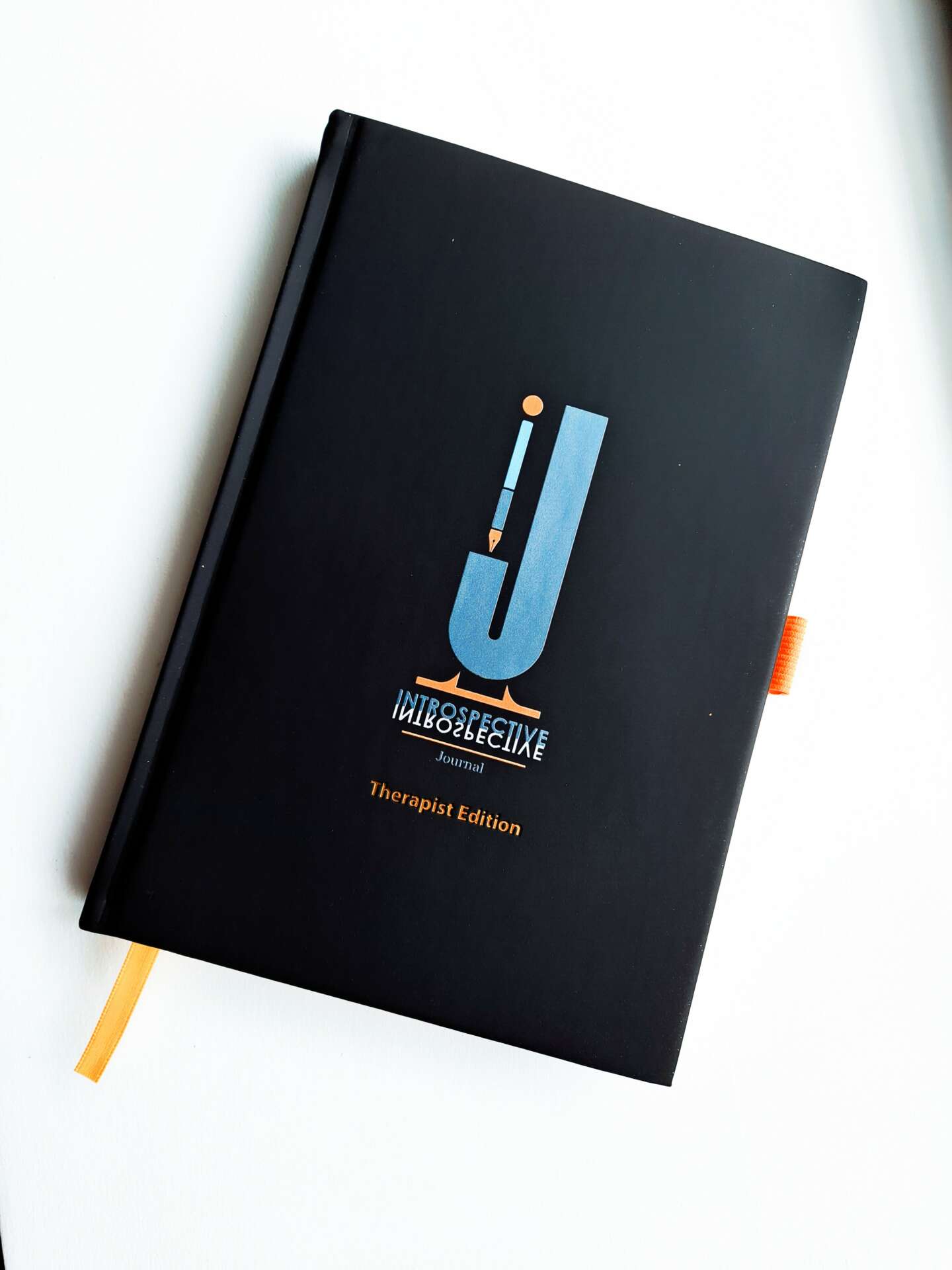
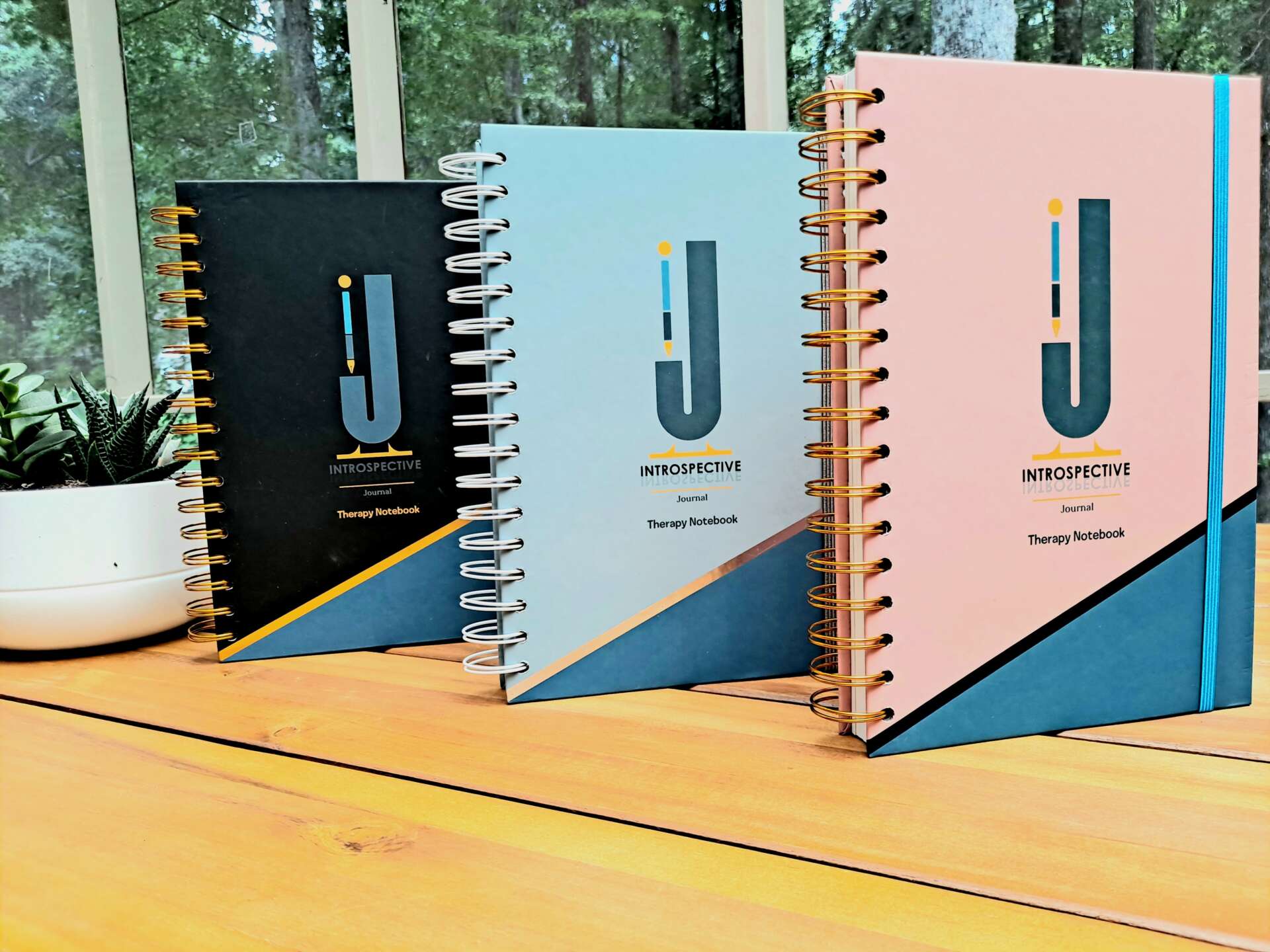
I have also been featured in the AJC and made appearances in the Huffington Post, Teen Vogue, WRFG, PeopleTV as well as on several podcasts addressing trauma, racial justice and the Strong Black woman paradigm. I created the Introspective Journal, an innovative tool to help therapists take better care of themselves, deepen self-awareness and create masterful therapy. In addition to managing my practice, I holds an adjunct professor role at Emory University in The Rollins School of Public Health where I lecture on Mindfulness and Public Mental Health.
Ultimately, I understand that my work involves helping people to remember that they are so much bigger than the worst thing that has ever happened to them. They are the authors of their own lives, They just have to choose to write those life stories with greater intention, awareness and commitment to finding joy and meaning for themselves.
Can you open up about how you managed the initial funding?
I know lots of practice owners have varying ways of funding their businesses and how you initially fund your business may not be how you continue to fund it. When I started in private practice, I already had a full time job. While I found this work to be rewarding, I knew something else was calling to me. However, while I was still working full time, I actually took on a second job to pay for the opening of my practice and to enroll in a business coaching course that gave me the fundamental knowledge I needed to confidently open my practice. Although having two jobs was grueling and letting the second one go before actually getting my first client scared me, it also allowed me to start without the pressure of a business loan for example. I could start, make mistakes, figure things out and work with less pressure than if I was worried about having to pay someone or something back the money right away.
For anyone starting out, whether you are using your money or someone else’s, I would definitely suggest that in addition to startup funds, you also seek startup education. Accurate knowledge is absolute gold in the journey of business ownership and although a lot of information is out there, if you can afford it, work with someone who has been where you have been and has done what you are doing. The amount of time you save is immeasurable.
If you could go back in time, do you think you would have chosen a different profession or specialty?
I think it’s important for business owners to set out on their journey with as much clarity as possible. I don’t believe in the separation between business and personal because contrary to what we might want to believe, business is also personal. Human beings are largely governed by our emotions, even when we think we are being governed by logic and emotions are personal. So, your business is also reflective of what is happening personally for you. This is true even down to the business you choose to spend your time in. I am a clinical and community psychologist not only because I am fascinated by human beings and committed to healing within communities, but also because my personal experiences led me here. I know that I am to do healing work in the world and I am meant to do creative work in the world, it just happens that I am doing both under the title of psychologist. Yes, I would choose this profession because the work aligns both with whom I am and whom I hope to become. And in some ways, this profession chose me.

Contact Info:
- Website: www.atlantatraumatherapy.com
- Linkedin: https://www.linkedin.com/in/drbnilaja
Image Credits
Photographer at Pittsburgh Yards from OVU