



We caught up with the brilliant and insightful Nancy Imbeau a few weeks ago and have shared our conversation below.
Alright, Nancy thanks for taking the time to share your stories and insights with us today. We’d love to start by getting your thoughts on what you are seeing as some the biggest trends emerging in your industry
There are multiple trends happening in the healthcare space right now, particularly around rehabilitation. As the baby boomer population continues to move towards the older adult phase of life and Gen X, Millenials and Gen Z-ers are prioritizing more active lifestyles outside of work, the need for physical and occupational therapy services is outpacing the supply of therapists. Our space in outpatient rehab really just skims the surface of where therapy can play a role in returning a human to optimal function. There are needs in industrial rehab, rehab in the inpatient/hospital/acute care settings, home health, skilled nursing, cardiac rehab, oncological physical and occupational therapy, neuro and pediatric rehab, among others.
With recent inflation trends, the cost of a graduate school education is becoming more expensive, as is cost of living, and graduates from doctoral programs are expecting higher starting salaries. At the same time, we’ve seen a declining reimbursement trend by major insurance companies for physical therapy, occupational therapy, and speech language pathology services in the last 2-3 decades, in spite of the known benefits and cost-savings that a rehab plan of care can provide. Multiple research studies support choosing therapy first when experiencing any type of neuromusculoskeletal symptoms. In many cases, it is less invasive, less risky, and less costly than imaging, injections, or surgery and provides superior or at minimum equal outcomes (at a lower pricetag).
Because of declining reimbursement rates by many of our major insurance payors, including Medicare, we’ve seen the rise of hybrid practices, cash-based, and out-of-network private practices around the country. These practices charge a flat rate fee-for-service that allows therapists to spend more time with each patient, but the patient is required to cover the fee at the time of service because these providers are intentionally not contracted to be in-network with area insurance payors. This model can be very successful and is not unique to the therapy space, but unfortunately, it does leave out the segment of the population that cannot afford a $120-$200 per visit plan of care. That is not to say that a well-trained therapist with a doctoral level degree is not worth every penny of that fee. It is unfortunately the route that many practices have opted to take because it is unsustainable to see patients one-on-one when you’re being reimbursed in some cases $40 per hour for the same quality of care by some insurance companies.
As a practice, we have always accepted most insurance plans in our region, but due to reimbursement trends, we have to be strategic with scheduling and tracking cancellation trend data so that we end up around the same patient arrival rate each day. There is no right answer to this issue until insurance companies appropriately recognize the significant value that PTs, OTs , SLPs and their licensed assistants bring to the table for humans with all kinds of movement problems. There is currently a disconnect between the cost of obtaining a doctoral level degree, the cost of living in many regions, and the value that is placed on the skills acquired by procuring that degree in the United States right now. The net/net is that there are a lot of patients who need care; as a result, we need more therapists and therapist assistants obtaining degrees, and we need insurance companies to recognize the value of the rehab professions through reimbursement that is fair, keeps up with the pace of inflation, and treats us like the doctoring professionals that we are.
Great, appreciate you sharing that with us. Before we ask you to share more of your insights, can you take a moment to introduce yourself and how you got to where you are today to our readers.
I grew up in Columbia and graduated from USC’s Exercise Science Program. My husband, Andrew, and I met while we were both at Carolina and we moved out west for several years after graduation. He went on to get his MBA at the University of Utah and I went on to get my Doctor of Physical Therapy degree at Pitt. Following my licensure, we both started working in Charlotte, NC. Just over a year after settling in Charlotte, we were presented with an unexpected opportunity to acquire a physical therapy practice in Florence county in 2015.
We contemplated things for several weeks and ultimately decided to take the leap to start our own private practice there in September of that year. We emptied the little retirement savings that we had at the time to get the practice up and running and moved in with my in-laws for several years while we built our caseload, brand, and reputation for excellence in the community.
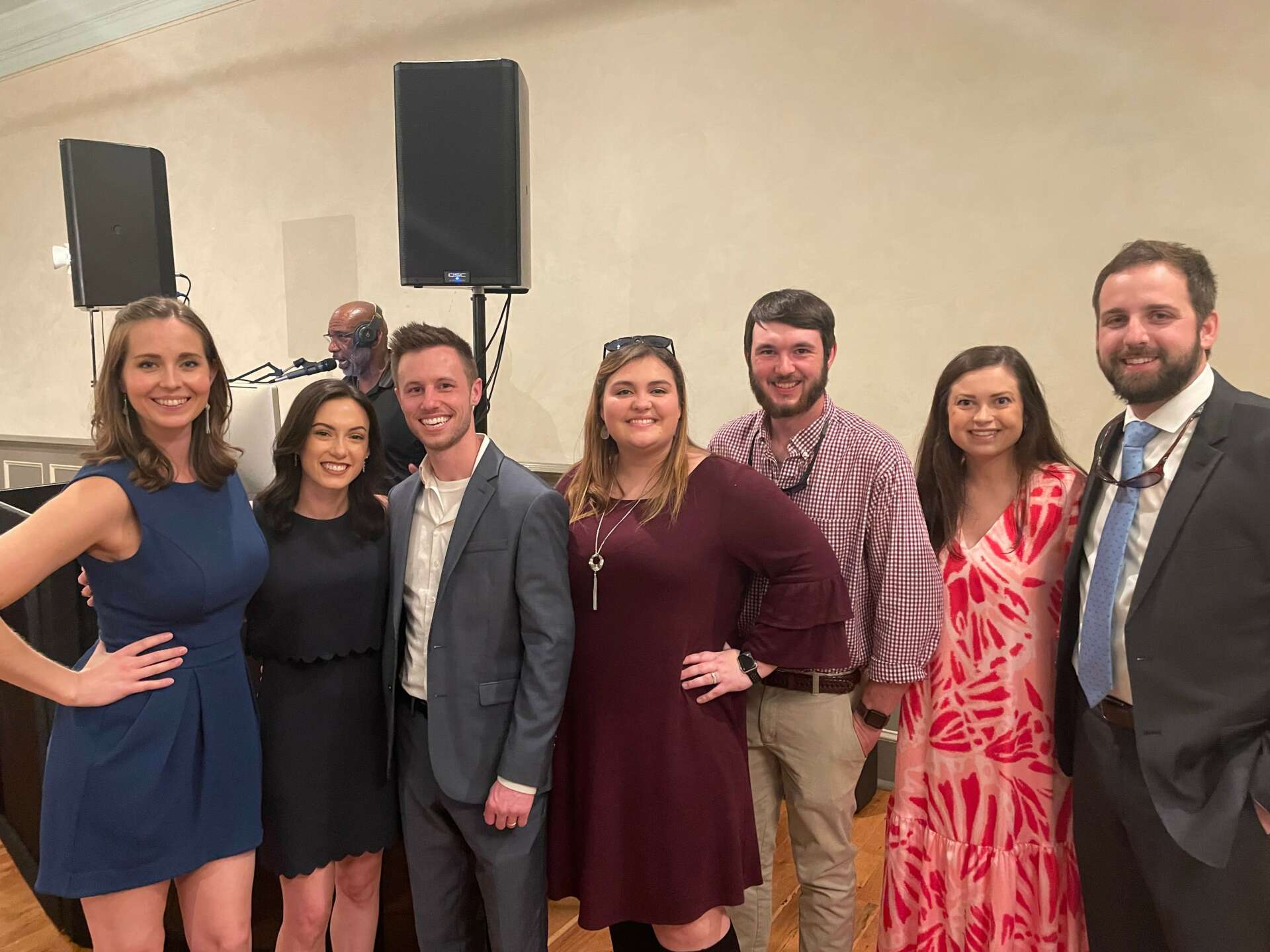
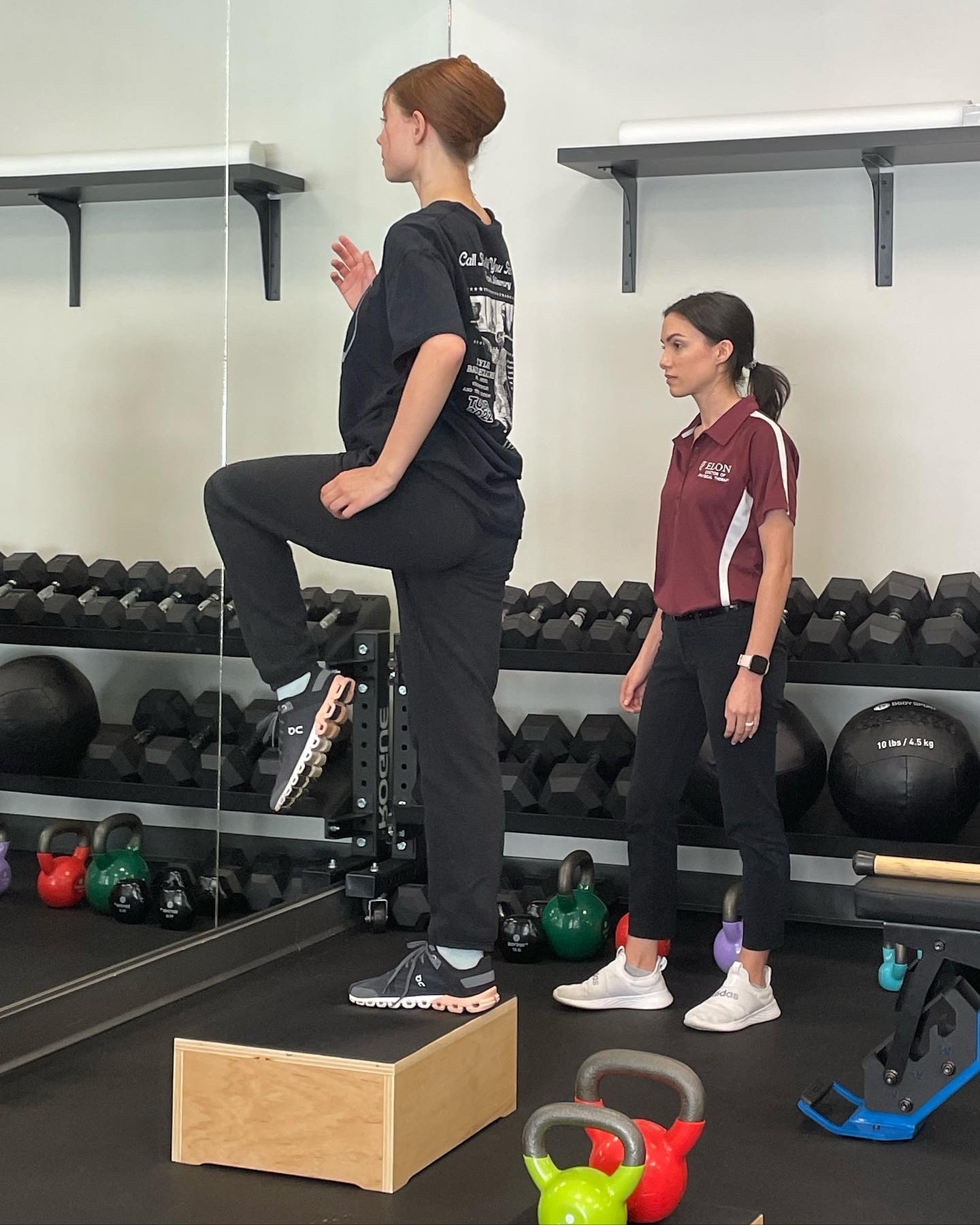
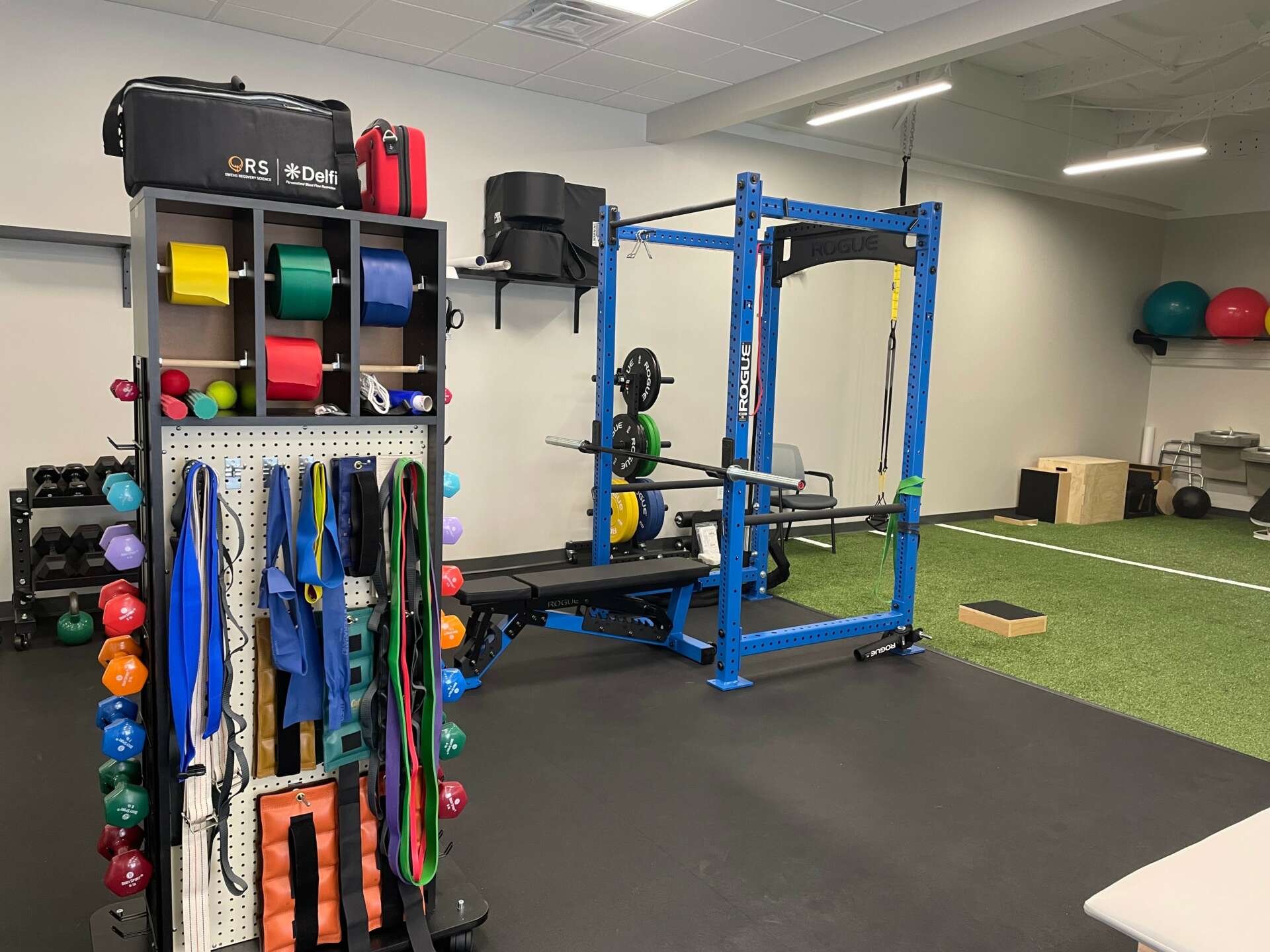
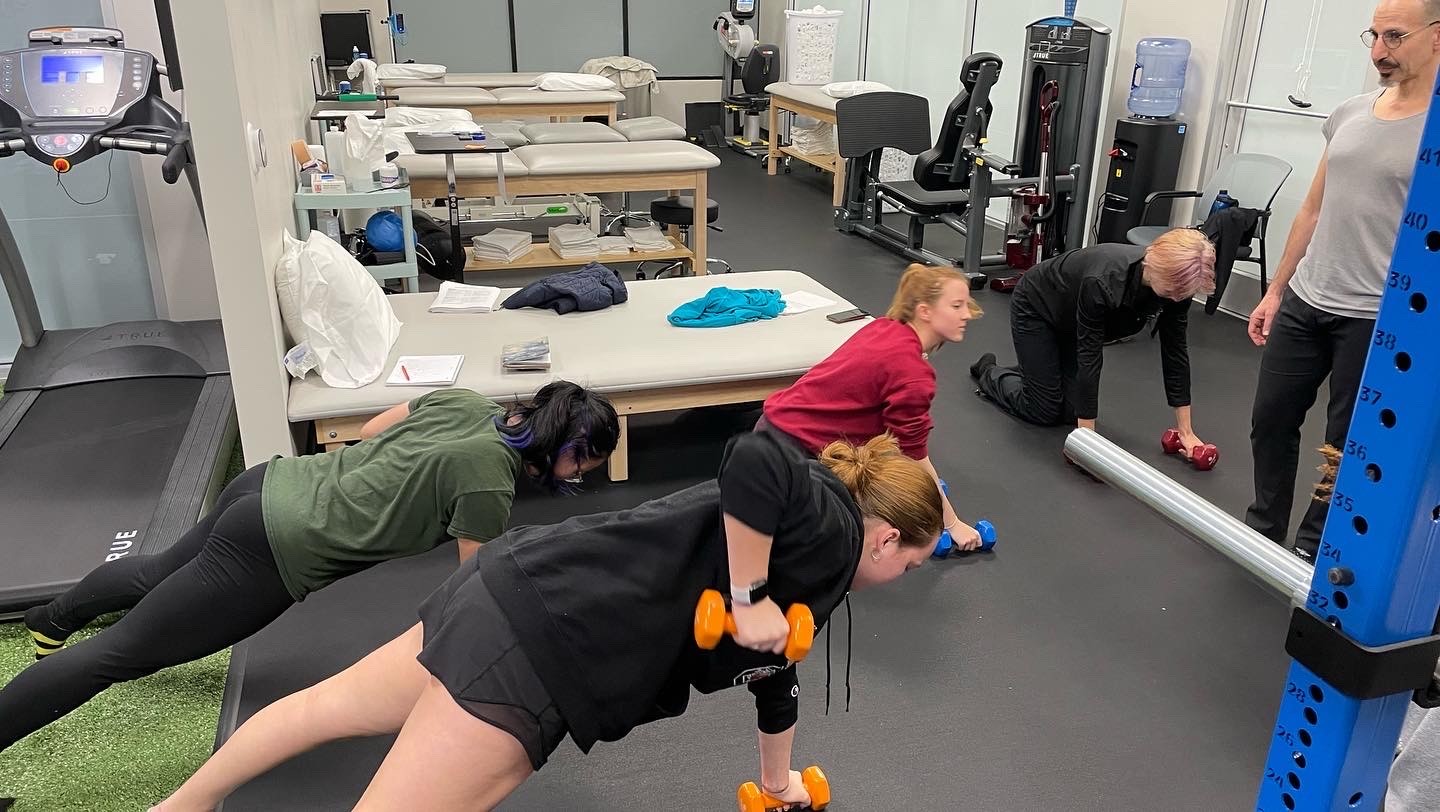
Fast forward eight years later, we have expanded from 6 team members (including ourselves) to 28 team members spanning 4 counties and 5 physical locations. We are proud to be a family-owned practice that prioritizes our team and our patients’ experiences and outcomes. We offer evidence-informed physical and occupational therapy services across the lifespan for patients from the ages of 8 to 108 and treat a vast array of neuromusculoskeletal diagnoses. Each of our clinical team members is facile with a variety of issues from head to toe while also developing niche or specialty practice areas in back pain, chronic pain, sports injuries, dance medicine, running and endurance athletes, foot and ankle injuries, dry needling, personalized blood flow restriction, ACL prevention and plyometrics training, etc.
With our diverse patient population in each of our locations, I believe it is important to have a broad range of knowledge and experience in a variety of diagnoses, as well as depth in a handful of specific areas. Medicine in the last century has really moved towards very specialized care, which can be really beneficial in some cases; in others, it can cause clinicians to provide care with blinders on sometimes. A broad understanding of all systems and body regions is just as important, in my opinion, as specialization in one or two areas.
For example, it is a fairly common scenario to have a patient come in with a previously diagnosed lower extremity issue, such as plantar fasciitis or patellofemoral pain, but their symptoms also include some numbness and tingling in the foot and ankle or the knee and thigh and they can be reproduced or increased with assessment of the spine. If the foot or knee is treated alone, but the spine is not addressed, the foot or knee pain is probably not going to improve because the foot or knee is not representative of the whole problem. It’s just where the symptoms happen to be.
From a systemic perspective, a patient’s depression symptoms or high blood pressure may be picked up for the first time in our office or we may have the first conversation with a patient about having their thyroid levels checked if they’re displaying symptoms of endocrine dysfunction. Those are times when we refer back out to a family physician or specialist for further testing in those areas, but the point is that if our clinicians don’t have a general and up-to-date understanding and active awareness of all body systems of the patients in our clinic, then we might miss something. Physical therapists and occupational therapists are trained to screen all body systems for that specific purpose. Fortunately, in the vast majority of cases, pain issues can be resolved with a tailored physical or occupational therapy plan of care, particularly when the pain is addressed early or as close to its onset as possible.
What do you think helped you build your reputation within your market?
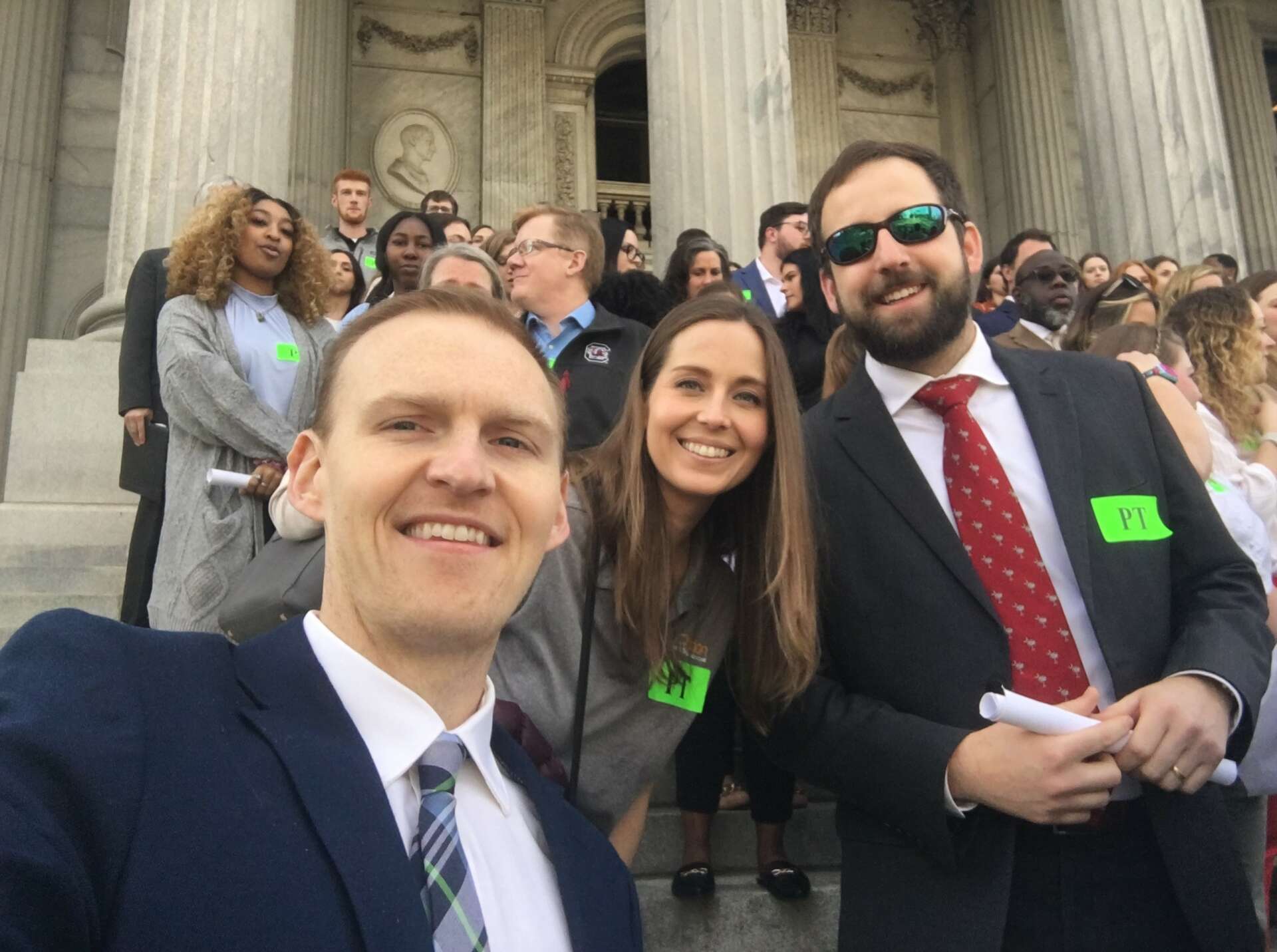
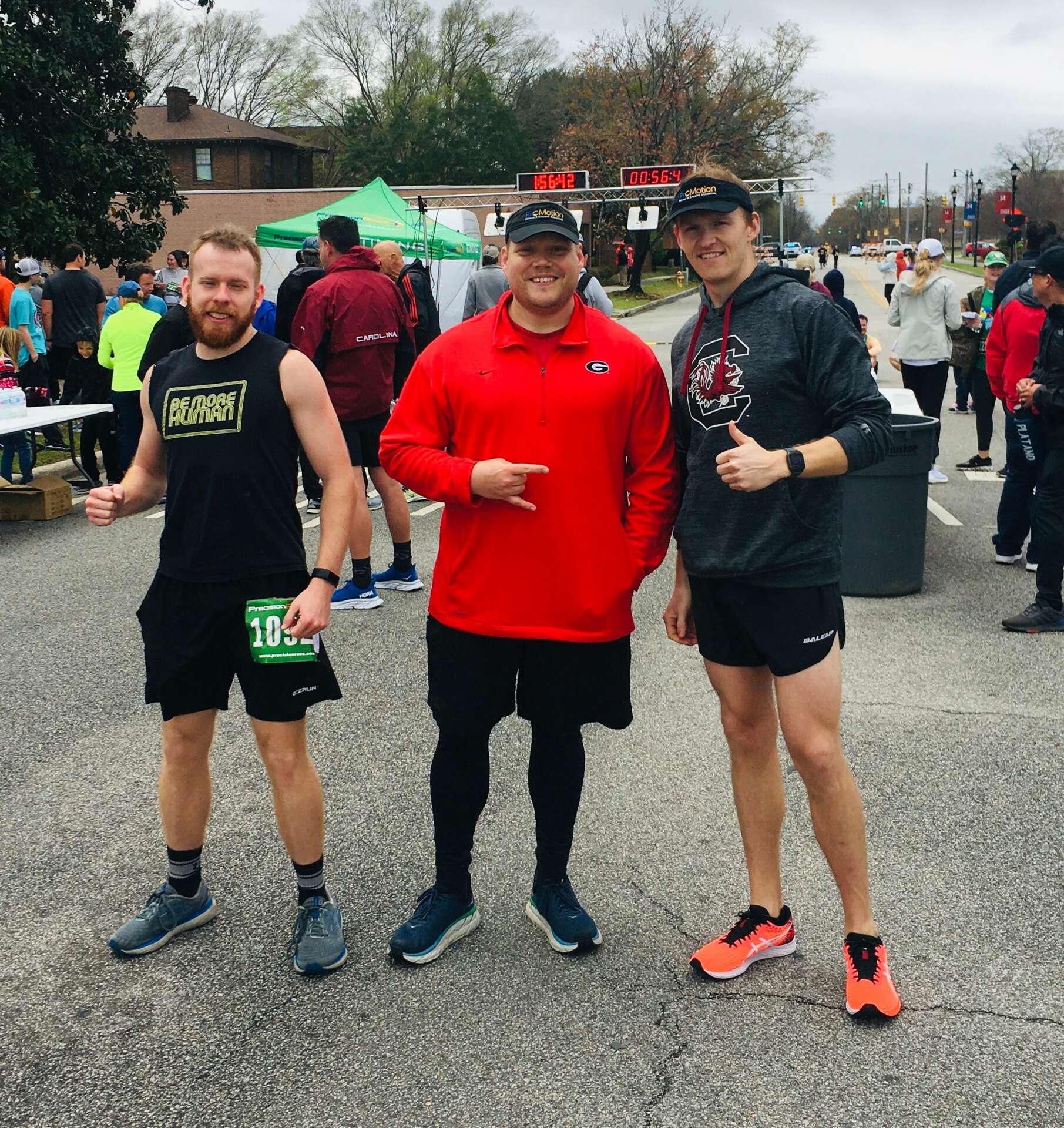
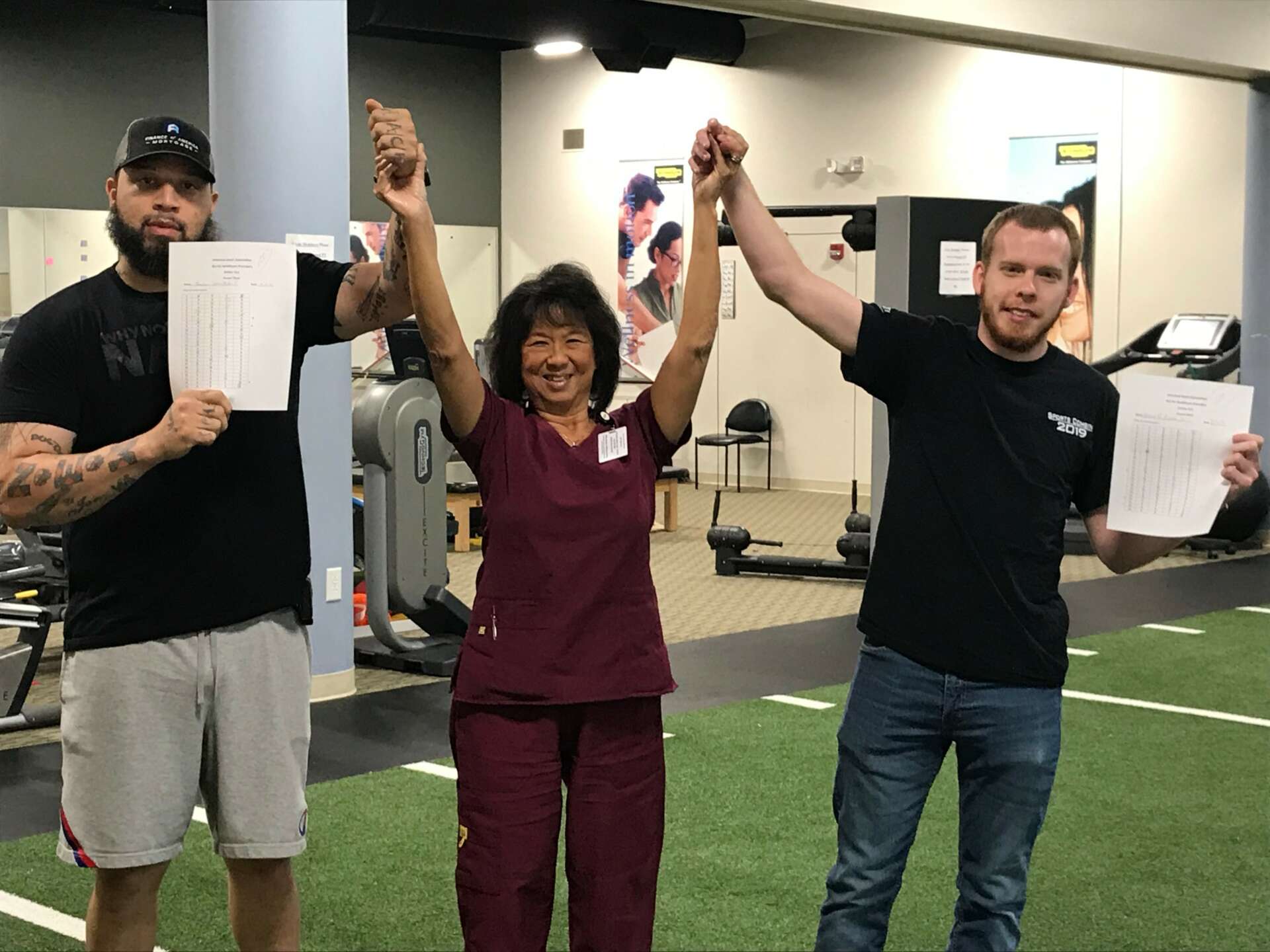
Our reputation has been built brick-by-brick over time through our commitment to excellence in clinical care. We rely heavily on word-of-mouth referrals via one-on-one interactions of patients telling friends and family about the care they’ve received, as well as positive reviews online. Those referrals wouldn’t occur without our clinical team striving for the best possible outcomes for each of our patients and our administrative team supporting our clinical staff effectively. We are very team-oriented and patients often comment on our family-like and positive atmosphere as well as their often superior experience with us, if they were previously seen elsewhere and didn’t achieve their therapy goals. This type of reputation building takes time, but it creates a much stronger and sustainable foundation for a business, in my opinion. There are a lot of gimmicky marketing tactics that can be used to get patients to come in the door, but our greatest priority is to show patients that we care and our work isn’t done until we’ve helped each of our patients achieve their goals. Whether they want to be able to walk to their mailbox, pick up their grandkids, lift heavier weights at the gym, or run faster in the next local race, we are here to help as many people perform at the most optimal level possible. Patients can tell when clinicians care and are passionate about what they do, and that’s really the message we try to convey at each and every appointment until we’ve met those goals.
Have any books or other resources had a big impact on you?
The best leadership and entrepreneurship book that I have read recently is The Healing Organization by Raj Sisodia and Michael Gelb. This book is a compilation of stories about how multiple companies are rejecting the notion that profits should come before people and the environment, because the epidemic of unnecessary suffering connected to business is causing the destruction of the environment and rising rates of depression and stress leading to chronic health problems and even untimely death for the working population in some cases. It outlines stories of multiple companies who have changed their policies to focus on healing their employees, customers, communities and other stakeholders, which has in turn allowed them to continue to recruit loyal employees and customers, preserve and restore ecosystems where they are operating, and still be profitable and in many cases more profitable than they were before making these changes. It is an inspiring read (or listen) with examples of actionable strategies to employ.
From a healthcare and lifestyle perspective, Lifespan by David Sinclair and Outlive by Peter Attia are two fantastic books that cover many facets of aging and chronic disease (cardiovascular, neurodegenerative, insulin resistance/Diabetes, and cancer), along with the interplay of lifestyle factors in the management or reversal of these issues. They address the importance of exercise (high intensity interval training, zone 2 cardio training, and maximal cardiac output training), as well as nutrition, sleep/recovery, and exogenous molecules that can impact longevity and chronic disease. These books point out our continued medical model of reactive care and the rampant issues that arise from this type of medicine, including the fact that while most humans are living longer relative to our ancestors, we are not necessarily living better in the last decade of our lives because of the way our current medical model is set up. They propose a more proactive approach to preventing, managing and reversing chronic disease to allow us all the opportunity to not only live well into our golden years, but to thrive well into our golden years with less disease, less pain, and less disability.
Another great book that touches on chronic disease prevention and management is Why We Sleep by Matthew Walker. Until 2-3 decades ago, there was very little research on sleep and the purpose of sleep. Matthew Walker’s book outlines the evidence that has been collected over the last 20 years or so that shows not only why we must sleep to function as human beings, but also how sleep can be one of the most powerful “drugs” we can use to heal from illness or disease and prevent chronic disease from arising. He is also featured on the app Master Class and provides a great synopsis of many of the concepts in his book for the auditory/visual learners out there.
Contact Info:
- Website: physiosc.com
- Instagram: pro_motion_sc
- Facebook: https://www.facebook.com/ProMotionSportsMedCOLA
- Linkedin: https://www.linkedin.com/company/promotion-rehab-and-sports-medicine/mycompany/verification/?viewAsMember=true