

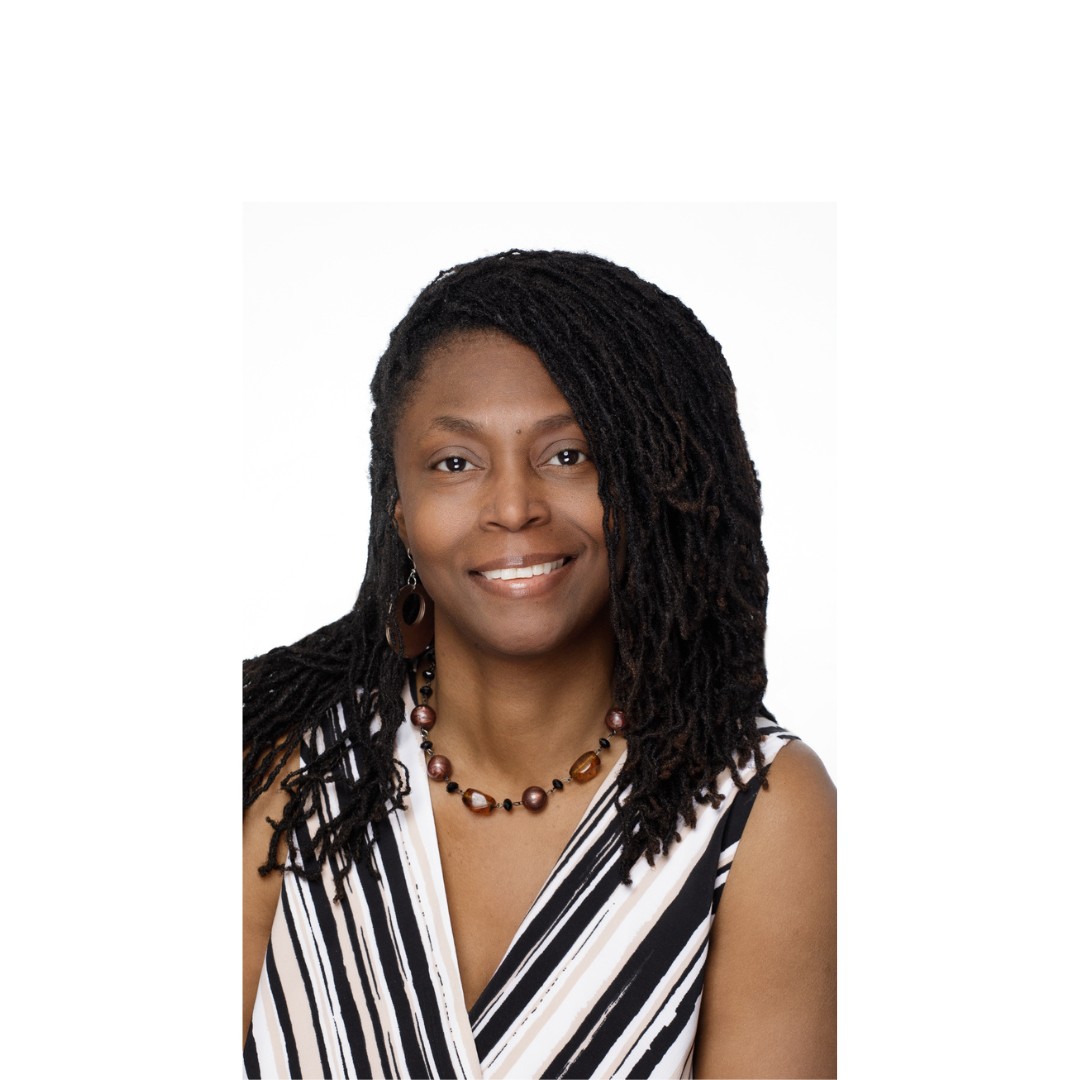

Alright – so today we’ve got the honor of introducing you to Chikeitha Owens. We think you’ll enjoy our conversation, we’ve shared it below.
Hi Chikeitha, thanks for joining us today. We’d love to hear the backstory of how you established your own practice.
In the early days of deciding to start my own practice, I was driven by a passion to make a more significant impact on people’s lives beyond the scope of my job as a Texas Works Advisor. While working with clients in social services, I became acutely aware of the deeper emotional and mental challenges they were facing. This realization inspired me to pursue a career in counseling.
The journey of establishing my practice began with enrolling in school to become a counselor. Gaining experience working for various agencies allowed me to develop my skills and expertise in the field. However, I soon realized that I needed more flexibility to be fully present for my family while pursuing my professional goals. This realization planted the seed for becoming an entrepreneur.
Taking the leap to start my own counseling practice was both exciting and daunting. The main steps I had to take were:
Identifying a Niche: One of the key challenges I faced was deciding on a specific niche for my counseling practice. Given the diverse issues people face, it was essential to determine the focus of my services and the population I wanted to work with.
Business Planning: Establishing a practice required careful planning, including creating a business plan, defining services, setting fees, and outlining marketing strategies.
Licensing and Credentials: I needed to ensure I had all the necessary licenses and credentials to operate legally as a counselor. This involved obtaining the required certifications and adhering to state regulations.
Finding a Suitable Location: Securing a suitable office space in a location accessible to my target clientele was crucial. My first office was a blessing. I was able to find a small space for a low cost.
Building a Client Base: Attracting clients and building a reliable client base was challenging, especially in the early days when my practice was relatively unknown.
Networking and Marketing: I had to learn how to effectively market my services, network with other professionals, and promote my practice to potential clients. I did this by attending networking meetings and trainings.
Looking back, there are a few things I might have done differently with the knowledge I have now:
Narrowing Down the Niche Early On: While it’s essential to explore different areas of counseling, narrowing down my niche earlier could have helped me focus my marketing efforts and attract clients more quickly. Starting out I focused mainly on trauma and worked with CPS and children in foster care. Now my focus is mostly on trauma, gut, and mental health.
Seeking Mentorship: Having a mentor or seeking guidance from experienced counselors who had already established their own practices could have provided valuable insights and shortcuts to success.
Investing in Marketing: In the early stages, I might have allocated more resources to marketing to reach a broader audience and increase my client base faster.
For young professionals considering starting their own practice, here is some advice:
Find Your Passion: Choose a specialization that aligns with your passion and values. Having genuine interest and enthusiasm for your work will fuel your motivation and commitment.
Research and Plan: Conduct thorough research on the market demand and competition in your chosen niche. Create a solid business plan that outlines your goals and strategies.
Network and Collaborate: Building a strong professional network can open doors to referrals and collaborations. Attend events, join online groups, and connect with other professionals in your field.
Stay Adaptable: Be open to adjusting your approach and services based on feedback and changing market demands.
Invest in Self-Care: Running your practice can be demanding. Take care of your mental and emotional well-being to avoid burnout and maintain a high level of effectiveness in helping your clients.
Embrace Technology: Leverage technology to streamline administrative tasks, marketing, and client communication.
Seek Support and Guidance: Don’t be afraid to seek guidance from experienced professionals or join support networks for entrepreneurs in your industry.
Starting your own practice can be challenging, but with dedication, passion, and careful planning, it can also be incredibly rewarding. Stay focused on your vision and purpose, and remember that every obstacle presents an opportunity to learn and grow as a professional.
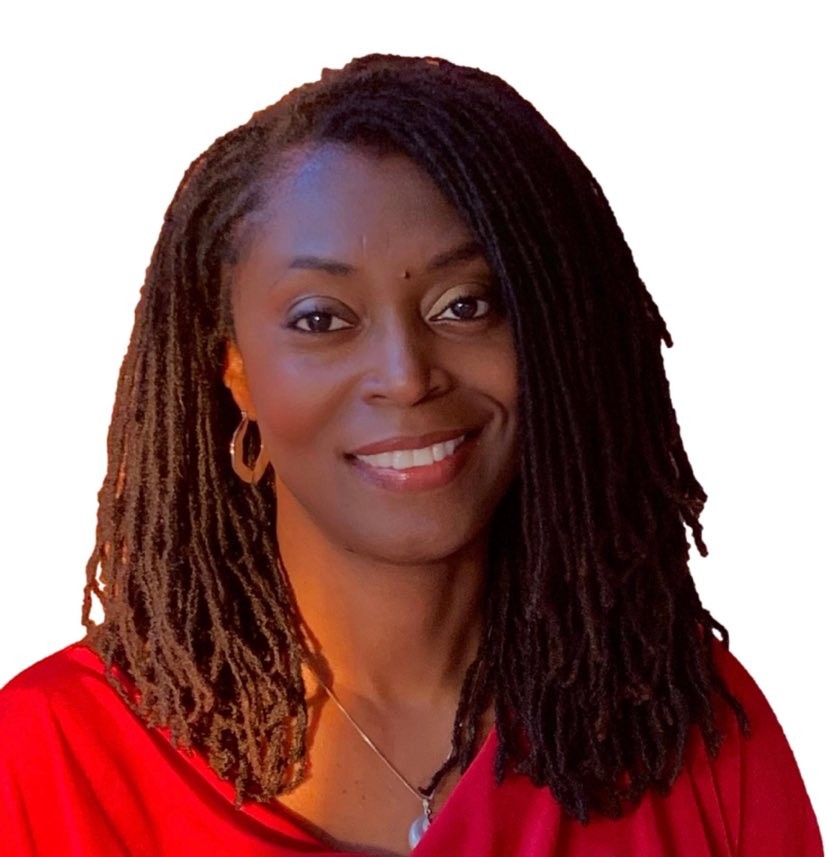
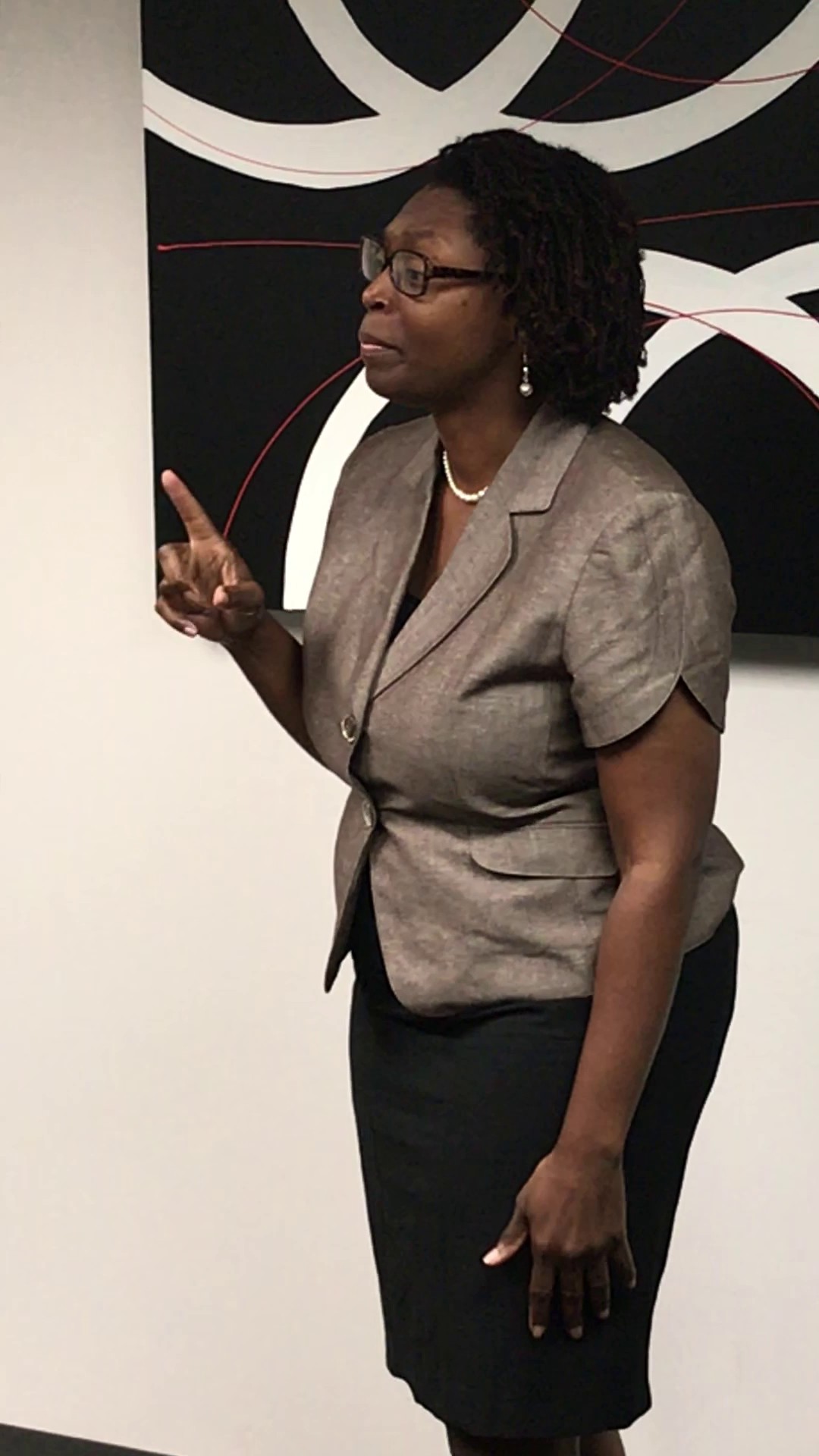
Chikeitha, before we move on to more of these sorts of questions, can you take some time to bring our readers up to speed on you and what you do?
Hello, I’m Chikeitha Owens, a licensed professional counselor based in Texas. My journey into counseling was sparked during my time working in social services, where I realized the profound impact of addressing people’s mental and emotional well-being alongside their practical needs. Witnessing the struggles and challenges clients faced, I knew that I wanted to do more to support them beyond the scope of my role as a Texas Works Advisor.
This newfound passion inspired me to pursue higher education, and I earned a Master of Arts in Professional Counseling from Argosy University in Dallas, Texas in 2007. Prior to that, I completed my Bachelor of Arts in Psychology at Southwestern Adventist University in 2004. Armed with knowledge, skills, and a strong desire to help others, I embarked on my journey to establish my own counseling practice.
In 2009, I founded “Abundance of Hope Counseling Services” with the aim of making a positive impact on people’s lives by providing comprehensive counseling services. One of the main challenges during the early days of my practice was defining my niche. However, my experience working with clients in social services and the realization that mental and emotional well-being was often overlooked in their struggles led me to focus on two areas: bariatric counseling and trauma-focused therapy.
As a licensed professional counselor (LPC) with the Texas State Board of Counselor Examiners, I am uniquely qualified to address both the psychological aspects of obesity and the trauma that many individuals face. I hold the distinction of being a “Certified Bariatric Counselor” from the American Association of Bariatric Counselors, which allows me to provide specialized support to individuals going through bariatric procedures and their unique challenges.
At “Abundance of Hope Counseling Services,” I offer a wide range of counseling services to meet the diverse needs of my clients. This includes bariatric assessments and ongoing counseling for those undergoing bariatric procedures. I also provide trauma-focused cognitive-behavioral therapy for individuals dealing with past trauma, abuse, and neglect.
Beyond individual therapy, I conduct counseling and psycho-educational groups, as well as skills training for clients seeking support in various areas. These groups foster a sense of community and provide a space for individuals to connect with others who may be facing similar challenges.
What sets me apart from others in my field is my genuine passion for my work and my dedication to making a positive difference in people’s lives. I take great pride in my publications, which have been featured in reputable platforms such as Today.com and Medium. My books, including “Living Life for What It Is Examination Guide” and “30 Days of Spiritual Encouragement,” further showcase my commitment to empowering and supporting others.
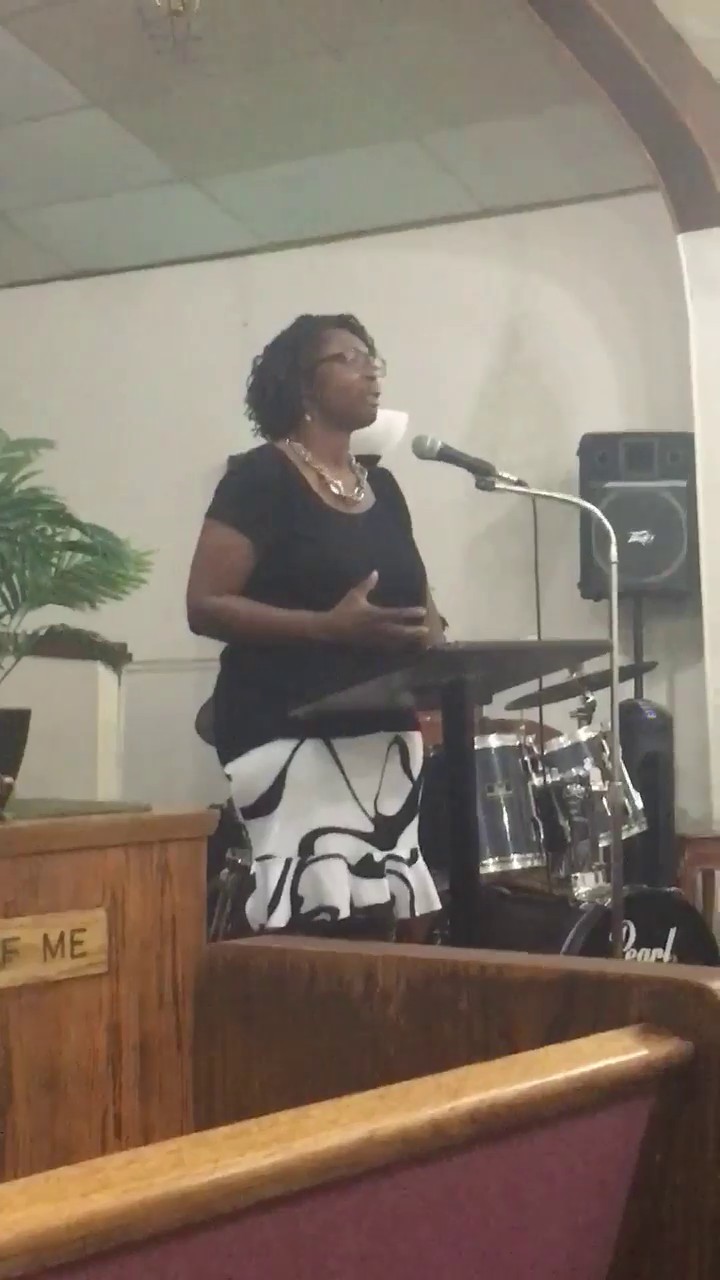
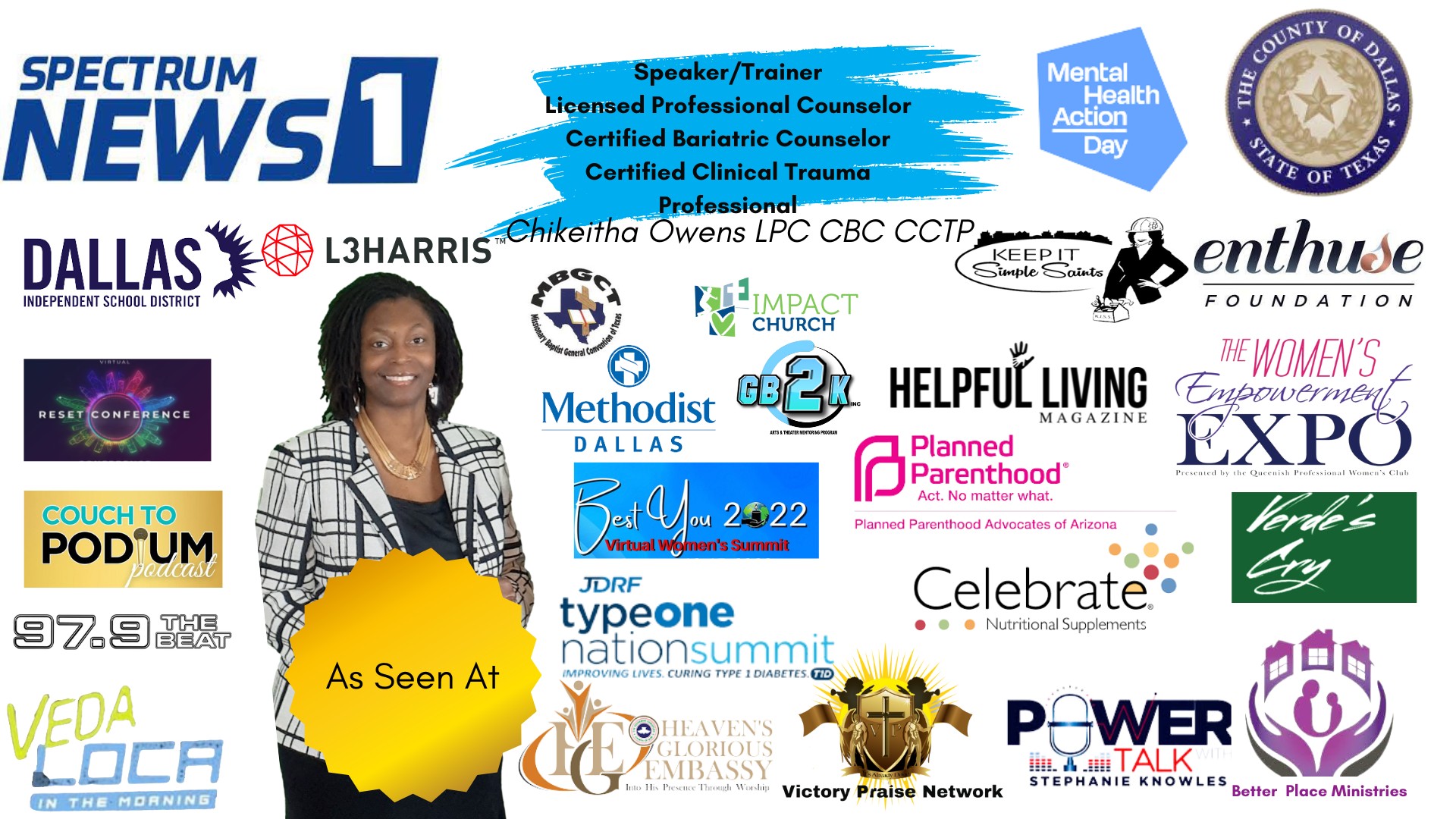
Moreover, I actively engage in speaking engagements and trainings on mental health and bariatrics. For instance, I had the honor of being a speaker on the Mental Health Action Day/MTV panel, where I discussed “Getting Past Trauma on Your Bariatric Journey.” I believe that sharing knowledge and expertise helps break down barriers and reduces the stigma surrounding mental health issues.
Outside of my practice, I’m actively involved in various organizations, serving as a board member for the Juvenile Diabetes Research Foundation. With my personal connection to diabetes, as both of my sons have juvenile type 1 diabetes, I understand the importance of advocating for those facing health challenges.
Additionally, I have been the director of mental health ministries at Antioch Christian Fellowship and Sweet Home Missionary Baptist Church, further emphasizing my dedication to supporting mental health initiatives in the community.
Ultimately, I want potential clients, followers, and fans to know that “Abundance of Hope Counseling Services” is a place of compassion, understanding, and growth. I’m deeply committed to providing personalized care and a safe space where individuals can explore their emotions, overcome obstacles, and discover resilience within themselves.
Whether you’re dealing with trauma, seeking support for your bariatric journey, or simply navigating life’s challenges, I’m here to help you find hope and healing. Together, we can work towards building a better and emotionally healthier future.

Can you tell us about a time you’ve had to pivot?
One of the most significant pivots in my career happened when the COVID-19 pandemic hit. Before the pandemic, I was providing in-home therapy to foster children and conducting therapy sessions in the office. However, when COVID-19 began spreading, it became evident that maintaining the same approach was no longer safe or practical.
At first, the shift to virtual therapy seemed daunting and unexpected. I had to rethink how to deliver effective counseling services while ensuring the safety of my clients and myself. However, I soon realized that this unexpected change was an opportunity in disguise.
Prior to COVID-19, I had been contemplating transitioning to virtual counseling because of the challenges and fatigue associated with extensive driving back and forth throughout the metroplex. Many of my clients lived in different areas, and commuting between locations was both time-consuming and physically demanding. Traffic was always a mess and I had many late nights. I had already begun exploring the process of going virtual and had put the necessary paperwork and technology in place.
When the pandemic hit, I had to make a quick decision, and I decided to fully embrace virtual counseling. Thanks to the groundwork I had already laid, I was able to transition seamlessly to online sessions. It turned out to be a positive shift in several ways.
Firstly, virtual therapy allowed me to continue supporting my clients without any interruption. It ensured continuity of care during a time when mental health support was crucial for many people struggling with the uncertainties and anxieties brought on by the pandemic.
Secondly, going virtual significantly reduced the amount of time I spent on commuting. This meant more time available for client sessions, self-care, and other essential aspects of my life.
Additionally, virtual counseling opened up new possibilities for reaching and helping individuals who might have faced geographical barriers before. I was now able to become temporarily licensed in the state of New Jersey and see clients across the state of Texas. It allowed me to connect with clients from different areas and provide counseling to those who might not have had easy access to in-person services.
The pivot to virtual counseling also encouraged me to expand my technological skills and explore innovative ways of engaging with clients online. I discovered various digital tools such as Zoom and Doxyme that enriched the counseling experience and fostered deeper connections with my clients.
Overall, the unexpected shift to virtual counseling, driven by the pandemic, turned out to be a positive change. It accelerated my plans to move to a virtual practice, ultimately benefiting both myself and my clients. It taught me to be adaptable and open to embracing change, even in uncertain times.
As a result, I am now more prepared for potential future changes and have learned the importance of being flexible and proactive in both business and life. The experience has reinforced my belief in the power of resilience and has shown me that even unexpected challenges can lead to new opportunities and growth.

Any advice for growing your clientele? What’s been most effective for you?
The most effective strategy for growing my clientele has been a combination of several factors:
Getting on Insurance Panels: Joining insurance panels expanded my reach to potential clients who were seeking counseling services covered by their insurance plans. Being in-network with insurance providers increased my visibility and accessibility as well as Employee Assistance Programs.
Attending Networking Groups: Engaging in networking events and groups allowed me to connect with other professionals in mental health and related fields. These connections led to referrals and collaborative opportunities, broadening my client base.
Establishing Social Media Accounts: Creating and maintaining active social media accounts helped me reach a wider audience and share valuable mental health information. Consistent posting and engaging content built credibility and attracted potential clients. This is an area I am still working on growing. Definitely working on being consistent.
LinkedIn Presence: Having a strong presence on LinkedIn allowed me to connect with other professionals, showcase my expertise, and be visible to potential clients seeking counseling services or collaborations.
Having a Website: A professional website served as a virtual storefront, providing essential information about my practice, services offered, and contact details. It allowed potential clients to learn more about me and the support I provide.
Making Myself Visible: I actively participated in community events, conferences, and speaking engagements. These opportunities allowed me to showcase my expertise and passion for mental health, making me more visible to potential clients and like-minded professionals.
By combining these strategies, I have been able to raise awareness about my counseling practice and build a strong client base. Consistency in my efforts, authentic engagement, and a genuine desire to help others have been key in growing my clientele. They key is not being hesitant in helping others. Do unto others as you would have them do unto you. It is okay to lend a helping hand.
Contact Info:
- Website: www.abundanceofhope.com
- Instagram: @chikeithaowens
- Facebook: abundanceofhopecounseling
- Linkedin: https://www.linkedin.com/in/abundanceofhopecounseling
- Youtube: https://www.youtube.com/channel/UCnvK1vuAP1ibXWD0XBIjn1g