

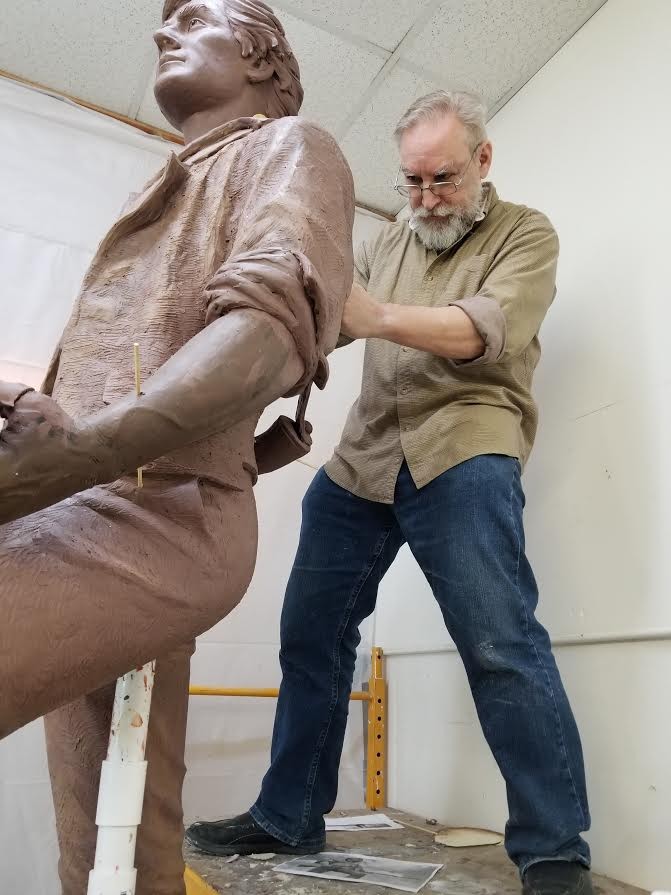

We were lucky to catch up with Deran Wright recently and have shared our conversation below.
Deran, looking forward to hearing all of your stories today. Earning a full time living from one’s creative career can be incredibly difficult. Have you been able to do so and if so, can you share some of the key parts of your journey and any important advice or lessons that might help creatives who haven’t been able to yet?
Earning a full-time living from my work? The very question is telling, isn’t it. Most people wouldn’t even consider a career that didn’t guarantee a full-time living. Studies have shown that less than 10% of artists scratch out a meager living exclusively from their art, and only around 3% actually make what would be considered a comfortable living. The vast majority of artists have a full time job (or a spouse) that pays the bills. Think back on random periods in history, and who are the people that come most often to mind? Besides the rulers, societies are defined by their creative people, the writers, artists, musicians, philosophers, most of whom barely eked by. Now think of all the people from those same periods who earned a comfortable full-time living, and are now forgotten.
That being said, I’ve been incredibly fortunate, and have been in the elite 3% for most of my 45 years as a sculptor.
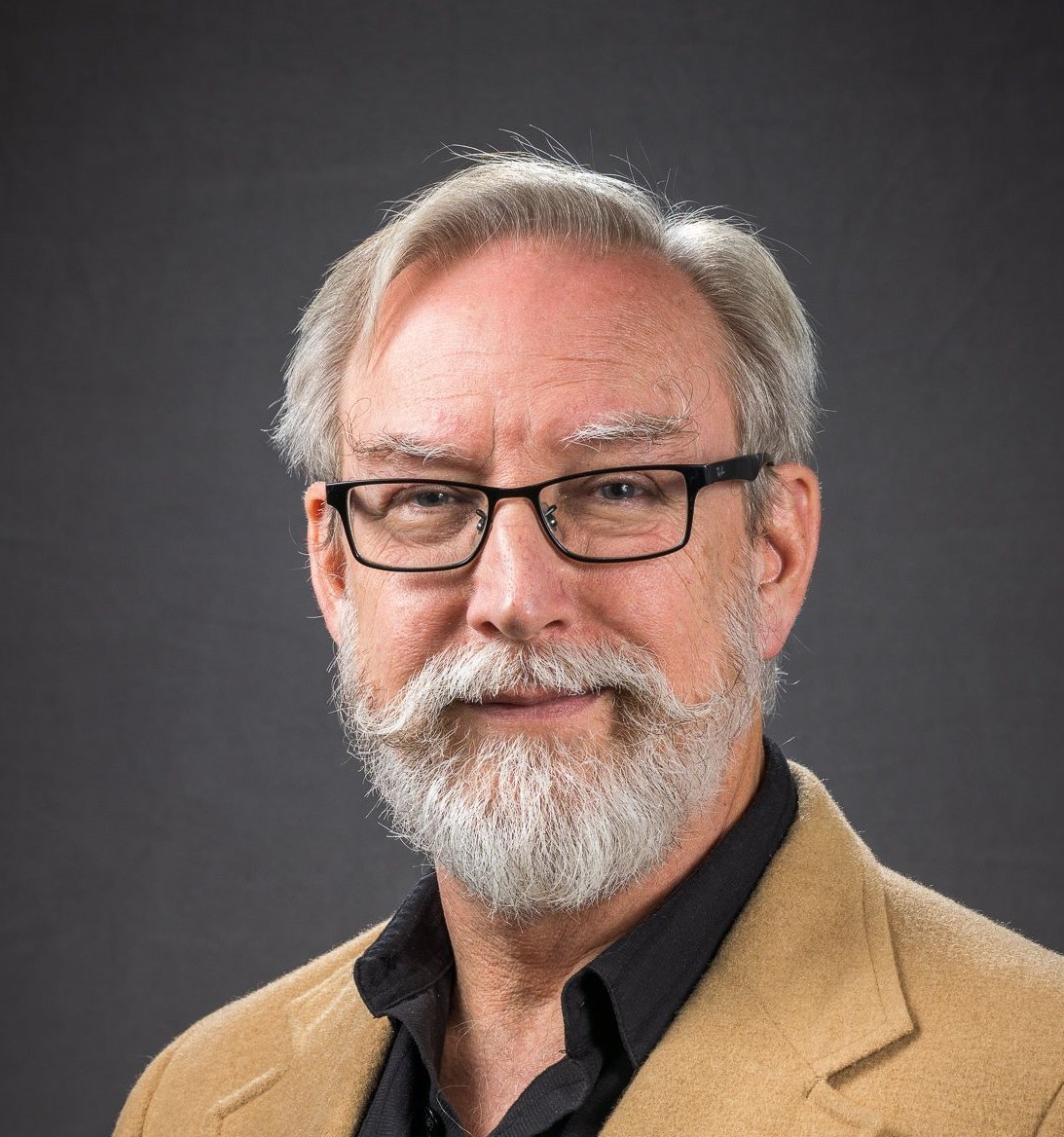
As always, we appreciate you sharing your insights and we’ve got a few more questions for you, but before we get to all of that can you take a minute to introduce yourself and give our readers some of your back background and context?
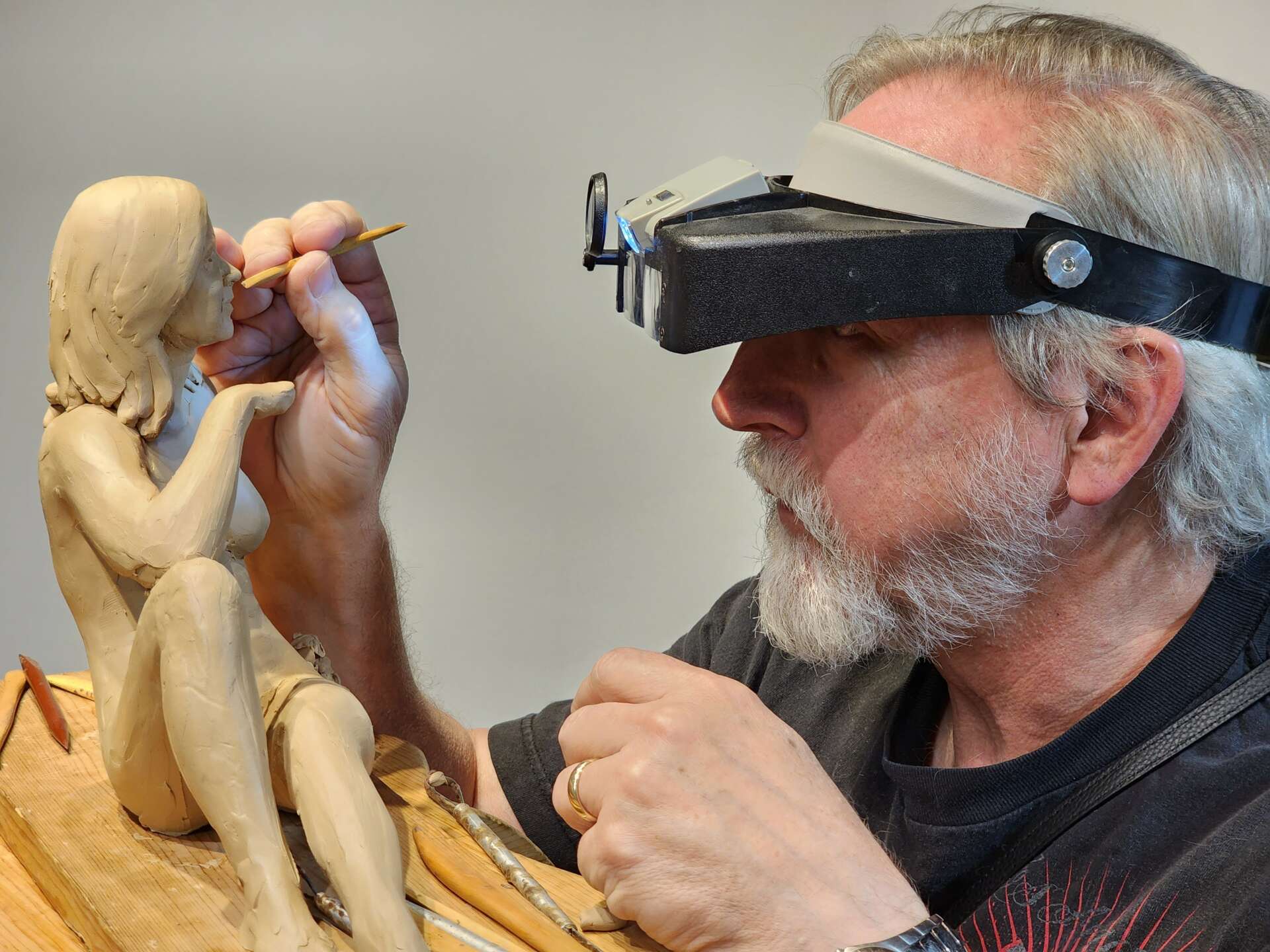
From an early age I was always drawing, like from age 3. Always had a sketch pad with me everywhere I went. One day, when I was about 9, I met a famous bronze sculptor, and he looked at my sketchbook. “Kid,” he said, “I can tell from your drawings that you see 3-dimensionally. You’re a natural sculptor.” And he gave me my first block of wax and sculpture tool.
Before I attempted sculpture, I practiced drawing an object, or person, then mentally turning it, and redrawing it from another angle. By golly I could do it quite easily!
I cast my first bronze at about 17. Almost immediately, I ran into the bronze sculptor’s dilemma. Bronze sculpture is expensive!
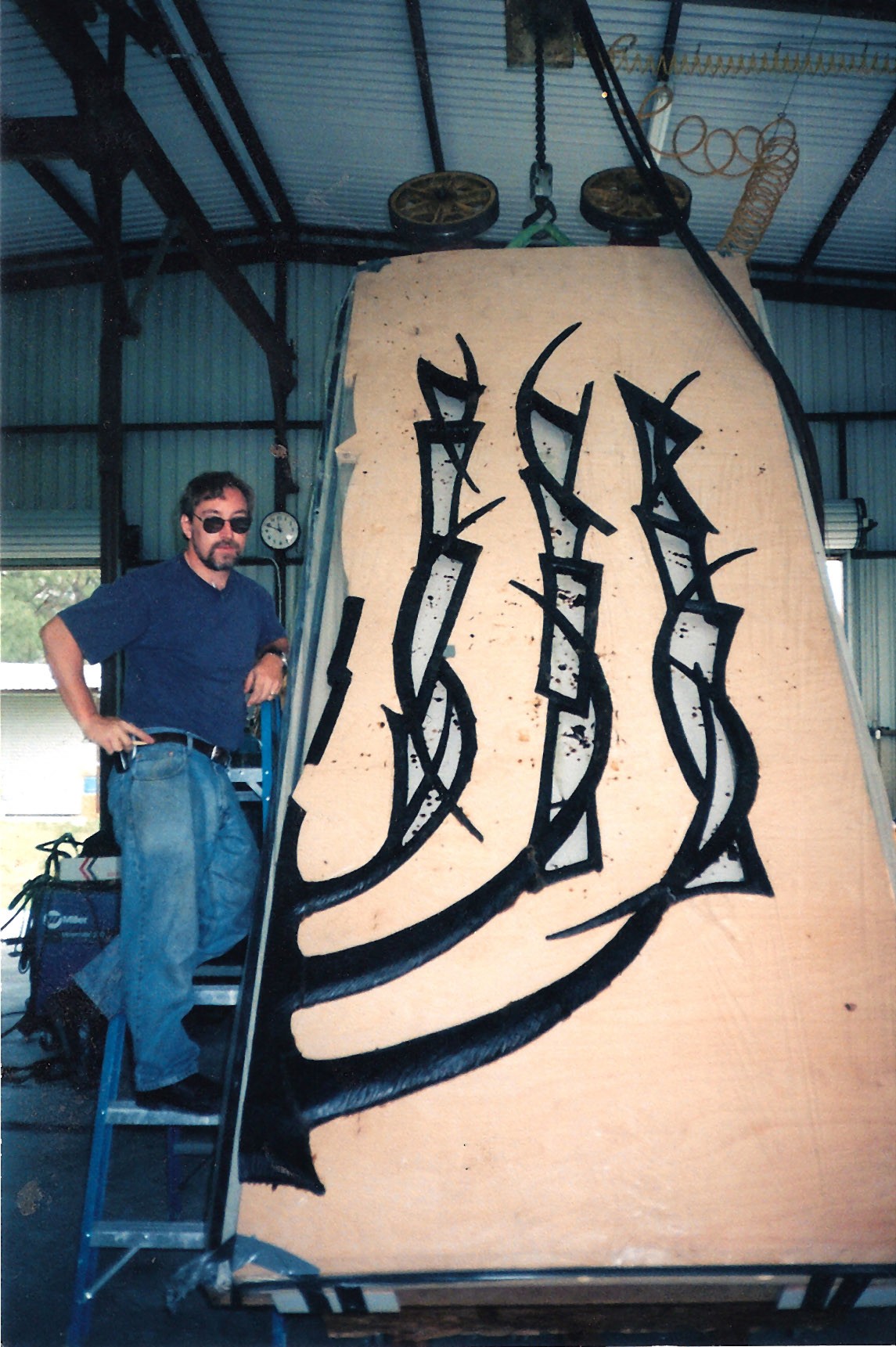
Unless they start out wealthy, most bronze sculptors could not create more than a few major works in their lifetimes. So a sculptor needs help. Commission work from patrons, corporations, civic organizations, etc. Some people feel that taking commissions is a sellout, that the sculptor is not following their muse. Michaelangelo’s David, and the Pieta, were commissions. Leonardo, Cellini, Bernini, Rodin… all accepted, relied even, on commissions.
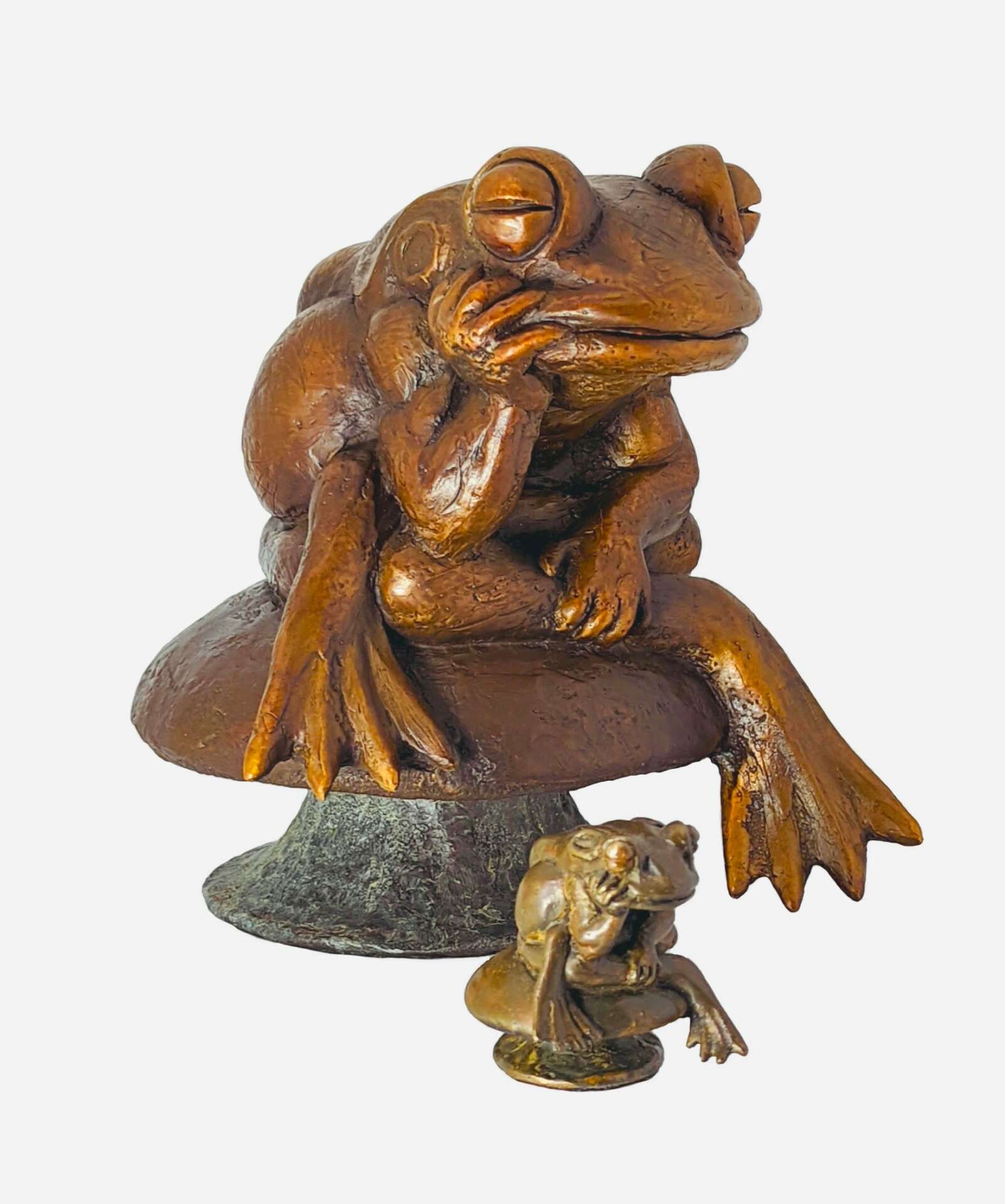
I cast a lot of small pieces, fantasy and mythology themed, because that’s what I was interested in. At the time, almost no one was doing bronze sculptures like that. People who like such things saw my work, and began to commission new works in the same vein.
And it just went from there.

For you, what’s the most rewarding aspect of being a creative?
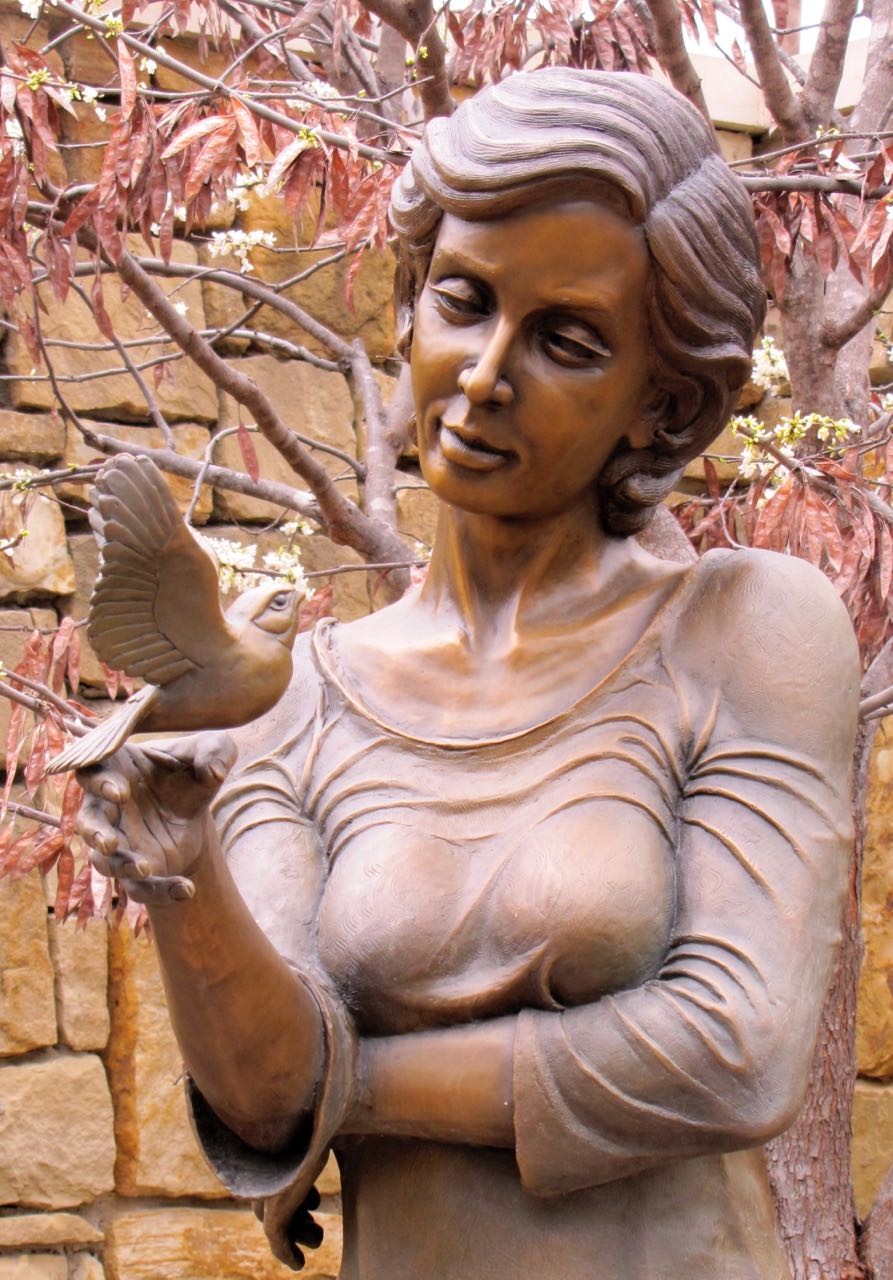
One of the nice things about being a sculptor who works in bronze, is bronze will last almost forever. If you dump it in the sea, it will just sit there until someone brings it up. Same thing if you bury it. To get rid of it you have to melt it down, and it takes a special forge to do it. Unless it is destroyed on purpose, the object could last thousands of years.
You can get ten sculptors to make a sculpture of the same subject, and each will be different. So when I make something, I know it is unlike anything ever made before. I have added something new to the world that didn’t exist before.
A little at a time, that changes things.

Do you think there is something that non-creatives might struggle to understand about your journey as a creative? Maybe you can shed some light?
Creative people aren’t motivated primarily by money, strange as that may seem to some. Obviously you have to make money to survive in this society, but money is always secondary (or thirdary?) in an artists approach to life. The work itself is by far the greater drive. And that’s how it should be. If an artist is only doing the work for the money, the spirit leaves the work. It becomes mechanical and lifeless.
Because of this, some people think that artists will work for nothing, or nearly nothing, maybe for exposure, in the hope they’ll be able to make money later, when their work is more well known. The old trope of the ‘starving artist’.
But if you don’t pay artists, what you get in the end is no artists. They’ll be working as baristas, or gardeners, or etc.
The arts are like a garden, they have to be cultivated. You have to tend to young artists from an early age to get accomplished mature artists. You ignore your garden, everything withers and dies.
Contact Info:
- Website: www.deranwright.com