


We were lucky to catch up with Charlie Petch recently and have shared our conversation below.
Alright, Charlie thanks for taking the time to share your stories and insights with us today. Can you tell us about a time that your work has been misunderstood? Why do you think it happened and did any interesting insights emerge from the experience?
When I came out in 2016 as a transmasculine person, a lot of people thought I would somehow have no sense of humour anymore. I honestly have never been happier in my life. Being trans isn’t a tragedy. I still hear “you’re the same person” and of course I am, I’ve always been trans, people in my generation had no access to queer education, unless we were in Drama Class. It’s strange now how many directors I had who cast me as a man, but won’t accept my transness now. When I came out I was still running “Hot Damn It’s a Queer Slam” a provincial poetry slam series I created, and other younger gender non-conforming people called me an elder, but in reality, youth were my mentors. Masculine trans people lost so many of their elders to the AIDS crisis. I seek older trans men for wisdom, but so many of us, in so many ways, just got here and never grew up with an understanding that we deserve respect, safety or inclusion.
As always, we appreciate you sharing your insights and we’ve got a few more questions for you, but before we get to all of that can you take a minute to introduce yourself and give our readers some of your back background and context?
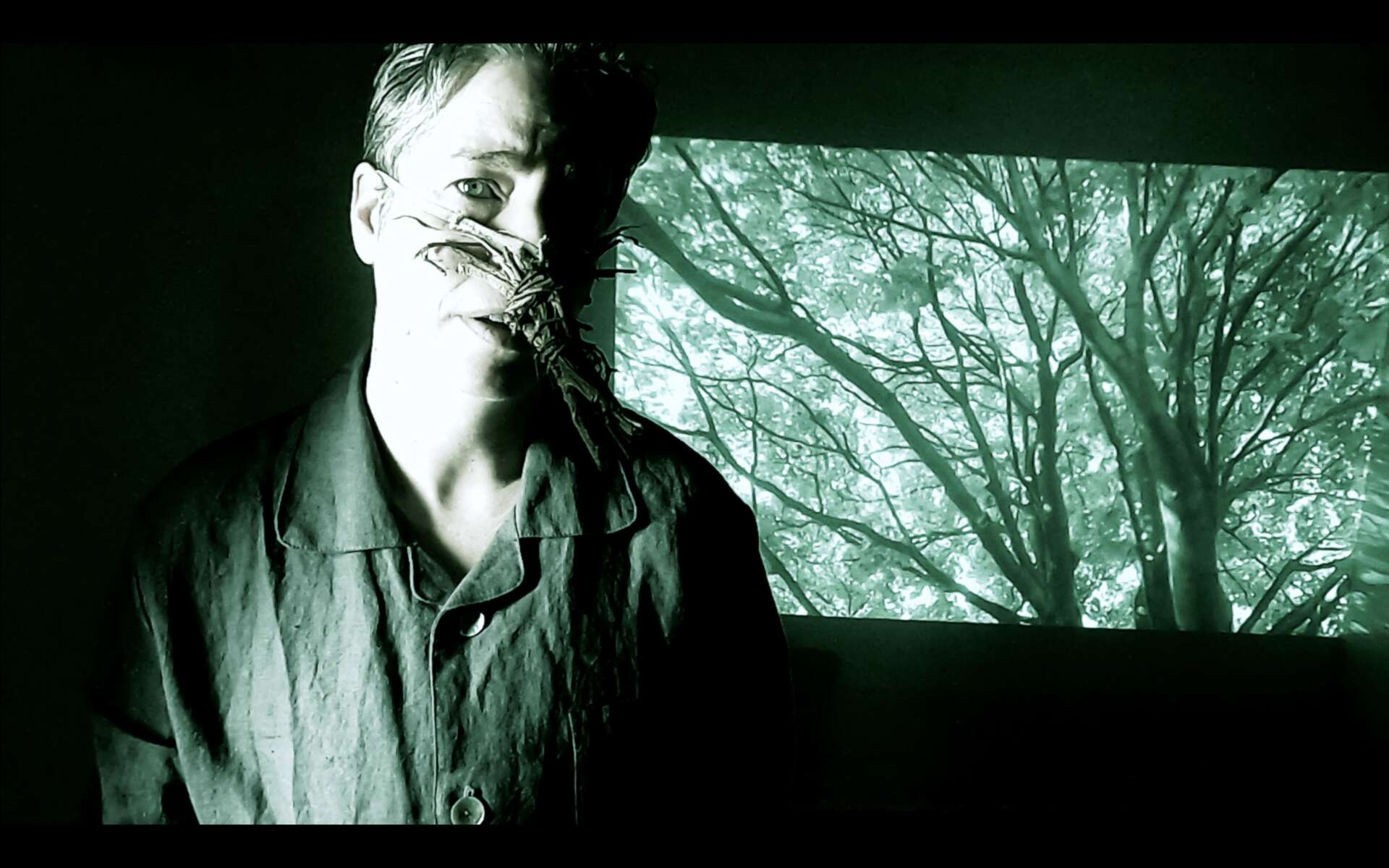
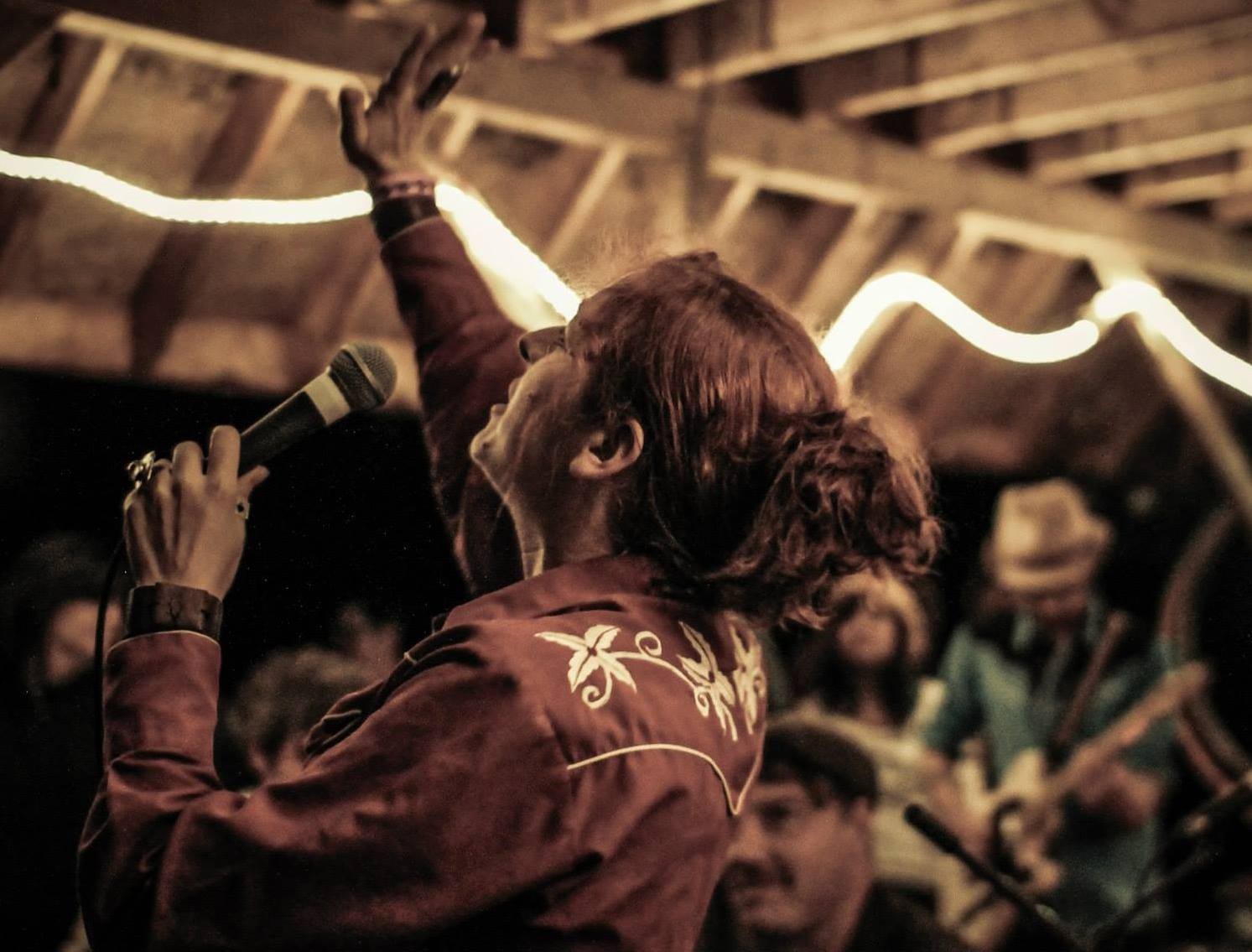
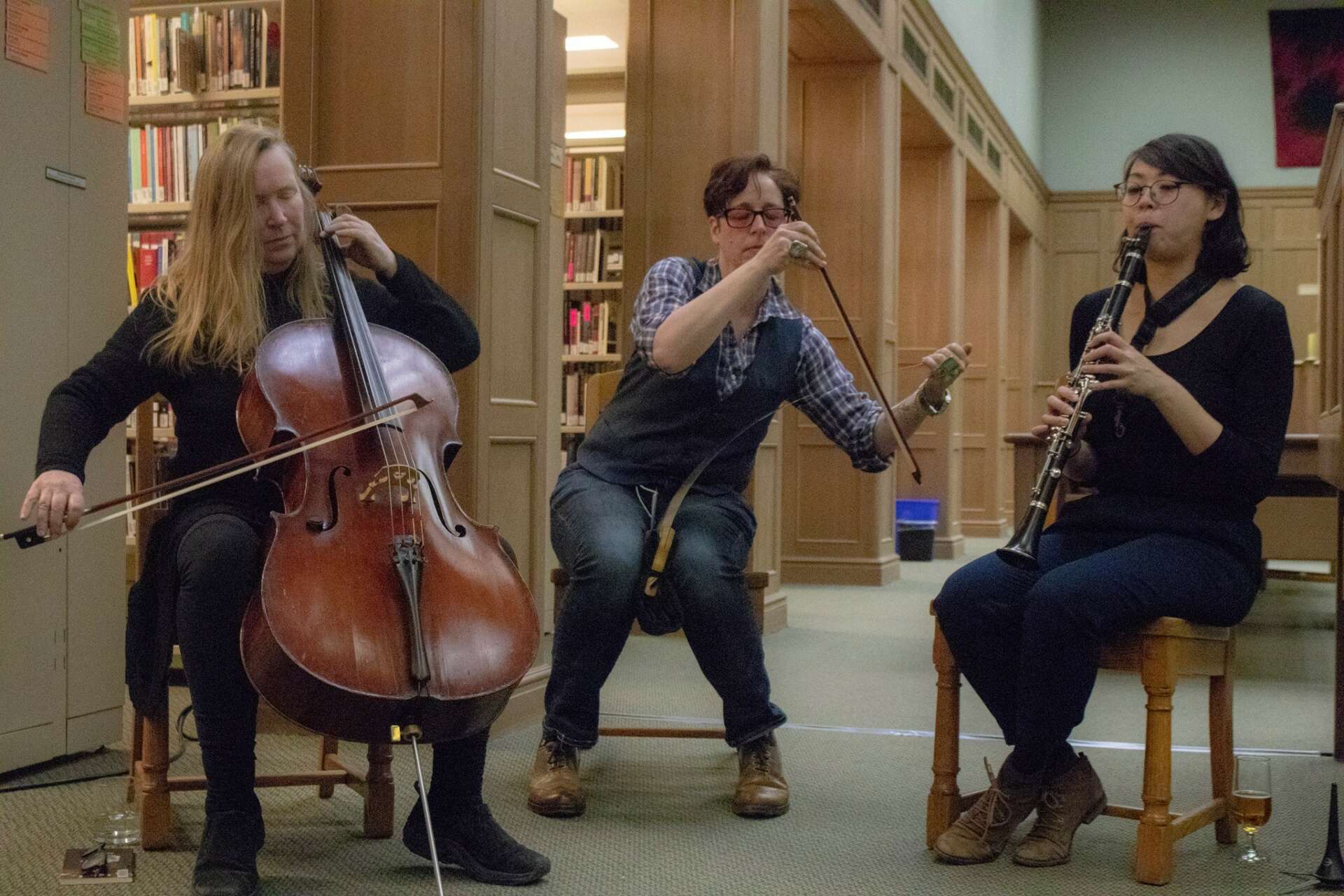
I was a very quiet kid with a lateral lisp who created whole worlds in my head and kept doing that. I really started performing in high school drama class and then moved into working in all aspects of theatre in Peterborough On. We had a small experimental theatre. I wrote plays, acted and did lighting design until I worked in film as a film union electric for 8 years. In film you lose any energy for another life, but when I left, I went right into poetry and performance. For many years I did slam poetry, performing, coaching and organizing. I was also in many bands playing many instruments. I have now moved back into theatre, creating spoken word theatre solo performance shows that have live musical elements. I do workshops in all of these disciplines and in the past few years have been getting some awards, like the ReLit for Poetry for “Why I Was Late” Brick Books, a lifetime achievement award from the League of Canadian Poets and I wrote my first libretto, Medusa’s Children, which was filmed in 2021.
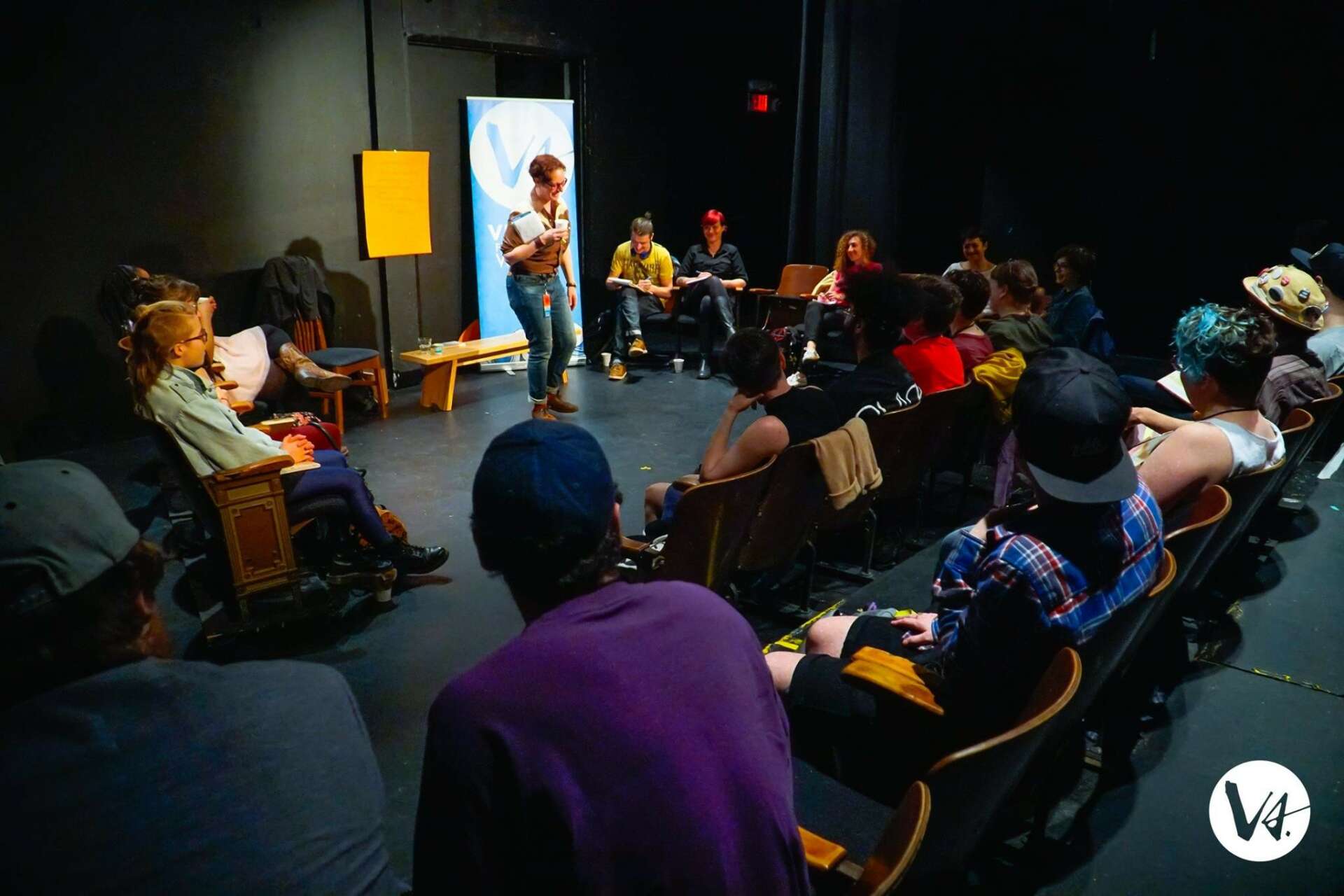
I love to do workshops for performers/public speakers to help them overcome fears and embarassment. I do a microphone / performance workshop that has trained hundreds of spoken word artists, from total social anxiety, to renowned artists, everyone learns something. I also do dramaturgy and a workshop about solo show creation, one for inclusive hosting, and one for loop pedal performance.
My most interdisciplinary workshop is called “Learning the language of tech” which I created a workbook for. It gives concept/production and technical terms for performers who are onstage/on film/ video/ or on camera. Having worked in so many mediums, I know performers aren’t told what they can expect in these situations and how to ask for it in a way that shows understanding. I give them phrases for each situation that the tech person will understand. I also do a lot of poetry editing and private coaching.
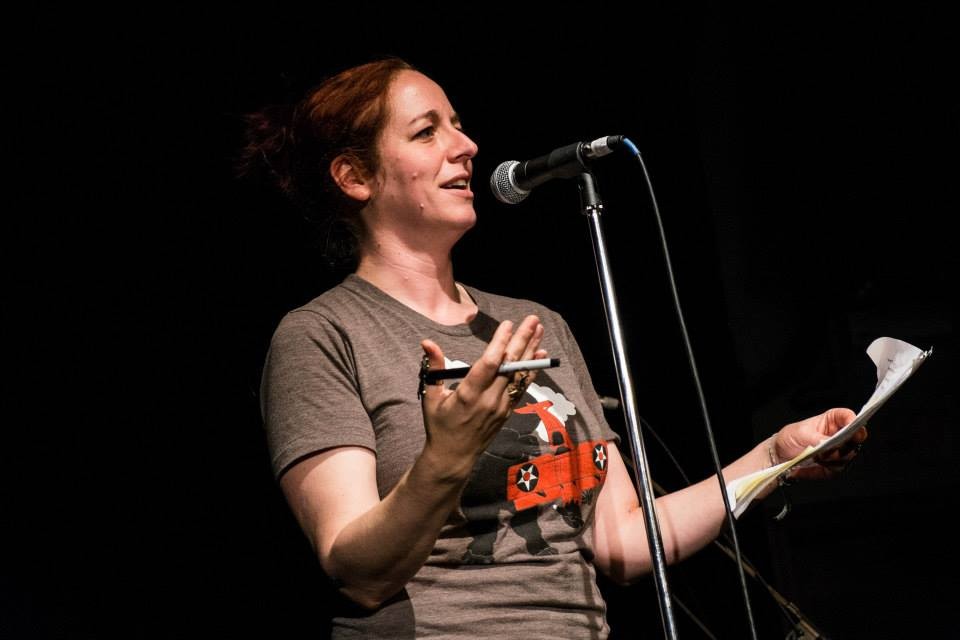
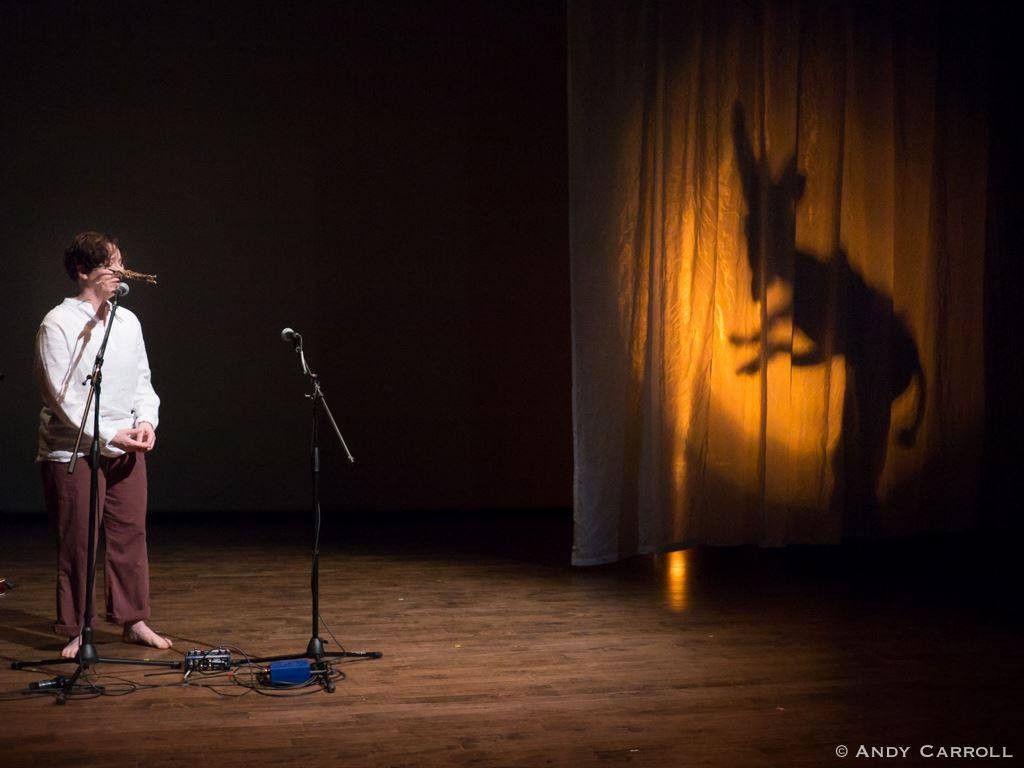
My performance/writing style is very bouffon clown based, in that I want to endear people to concepts that they normally would be very uncomfortable to approach. I want my audiences to feel seen, understood and empowered to change their minds about others, and even themselves. Every show I do involves hilarity in order to deliver more political messages.
Is there mission driving your creative journey?
My current goal is to create content that speaks to my values and identity in order to advocate for others. In March 2023, I will perform a solo show at Theatre Passe Muraille, “No one’s special at the hot dog cart”, which is about how I used to be a teenage hot dog vendor and later, an emergency services worker. It’s essentially a love letter to street communities, health care workers, as well as a de-escalation workshop for the audience.
I am a transmasculine person and I know my spoken word poetry has helped people understand and even change their votes (I once got some trumpers to change their votes with a gender poem). I want gender non-conforming people to feel a part of the themes I speak about in my own journey. We have such little content out there, so I make mine as accessible, honest, and funny as possible to demonstrate the deep joy I have for being who I am. We are great news.
As a transmasculine person I write a lot about masculinity in ways where I bring in humane themes, and understanding as to how we got to where we are today. I like to show paths and give deep understanding to men who are vulnerable to being targeted, or becoming bullies. It’s a wild thing to be raised as a female, and reject it in search of being “one of the guys”, then to come out and have all these perspectives.
We’d love to hear a story of resilience from your journey.
Some of my audiences are hundreds of people, and some are just three people. Even if you’re a big name, it does not guarantee audience. When I do have these audiences I give them the same amount of energy I would a large room. I act as if it’s filled, like my energy doesn’t just have to fill the room but blast the back wall off the place. I had a bad review when I was on tour one time and I had paid out of my own pocket for a space to do my very energetic (and previously award winning) show that was just myself, it had an enormous amount of physicality and I’d broken my toe, plus the sky was orange with smoke each day and it was so hard to breathe.
I had been told it was a theatre but it really wasn’t, it was just a big empty room with chairs. I had to operate my sound and lighting cues as well as create a stage. I borrowed a sheet and put it over two chairs on their sides, I also had to make the lighting all myself out of hardware store items, some clip lamps and I located lighting gels at a place just out of town. I clamped the light onto the chair/sheet structure and made two dimmer switches I could operate with my feet as I moved from one scene to the next. I’d already put all the music into a loop pedal with a volume pedal attached.
While I knew I was looking at a huge economic downfall and tiny houses, I knew that this is a part of being an artist. To show up and do your show like it’s the best night of your life, no matter what tragedies surround it, you have to give them the confidence that you expect them to love your show, or vehemently hate it, either way, a passionate response. My audience always told me how innovative the set up was (I come from small town theatre and lots of lighting design in burned out buildings) and how surprised they were that the show got a terrible review. Literally it was a guy who didn’t understand I was the main character in my one person show.
I used all that energy that was anger and frustration and brought it into my performances and made it into rambunctious passion.
Contact Info:
- Website: http://www.charliecpetch.com/
- Instagram: @sawpoet
- Facebook: https://www.facebook.com/cathy.petch.5/
- Linkedin: https://www.linkedin.com/in/charlie-petch-15450920/
- Twitter: @sawpoet
- Youtube: https://www.youtube.com/channel/UClN5_OiTgOR8XD_jxLL2-Og
Image Credits
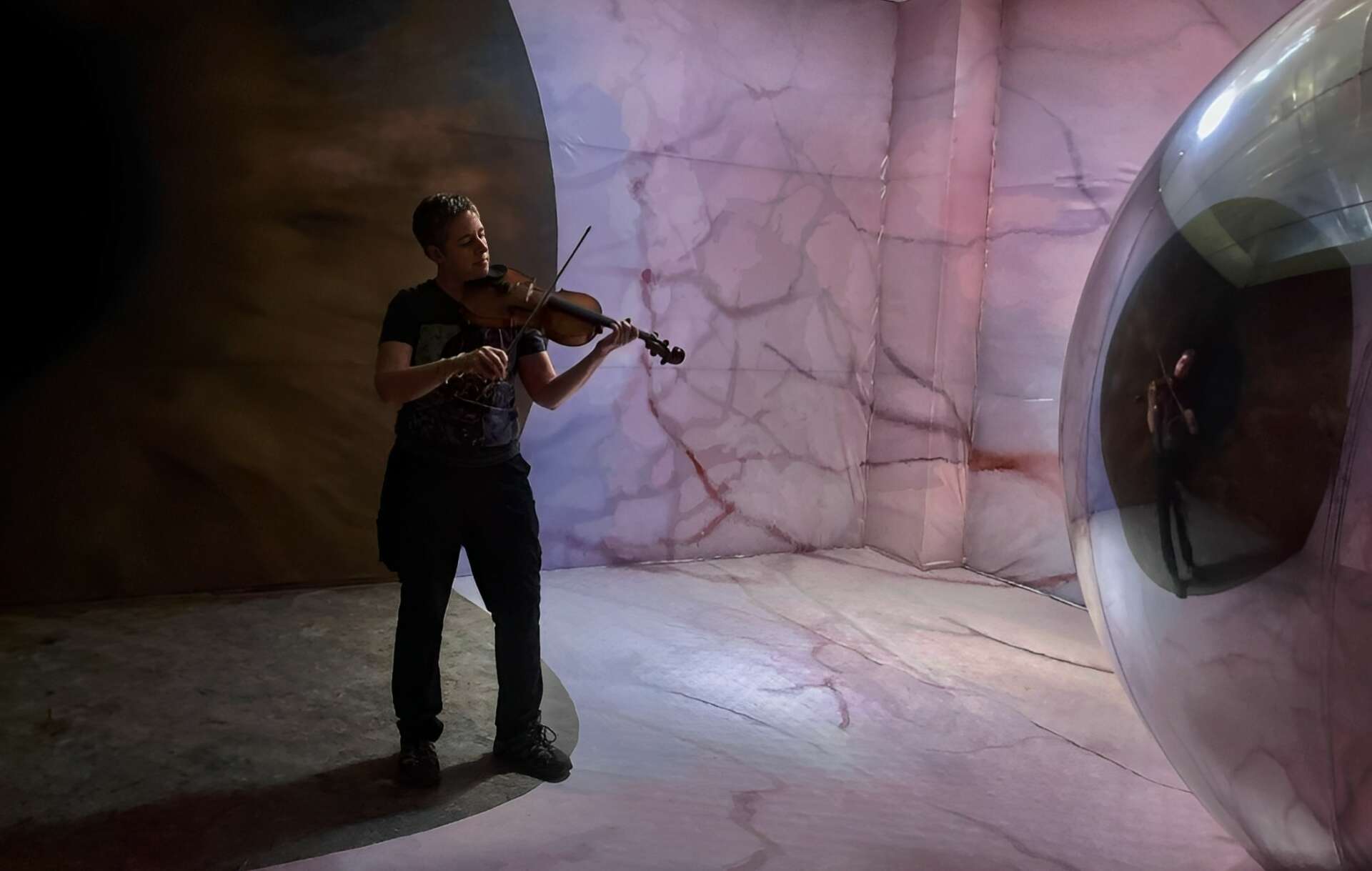
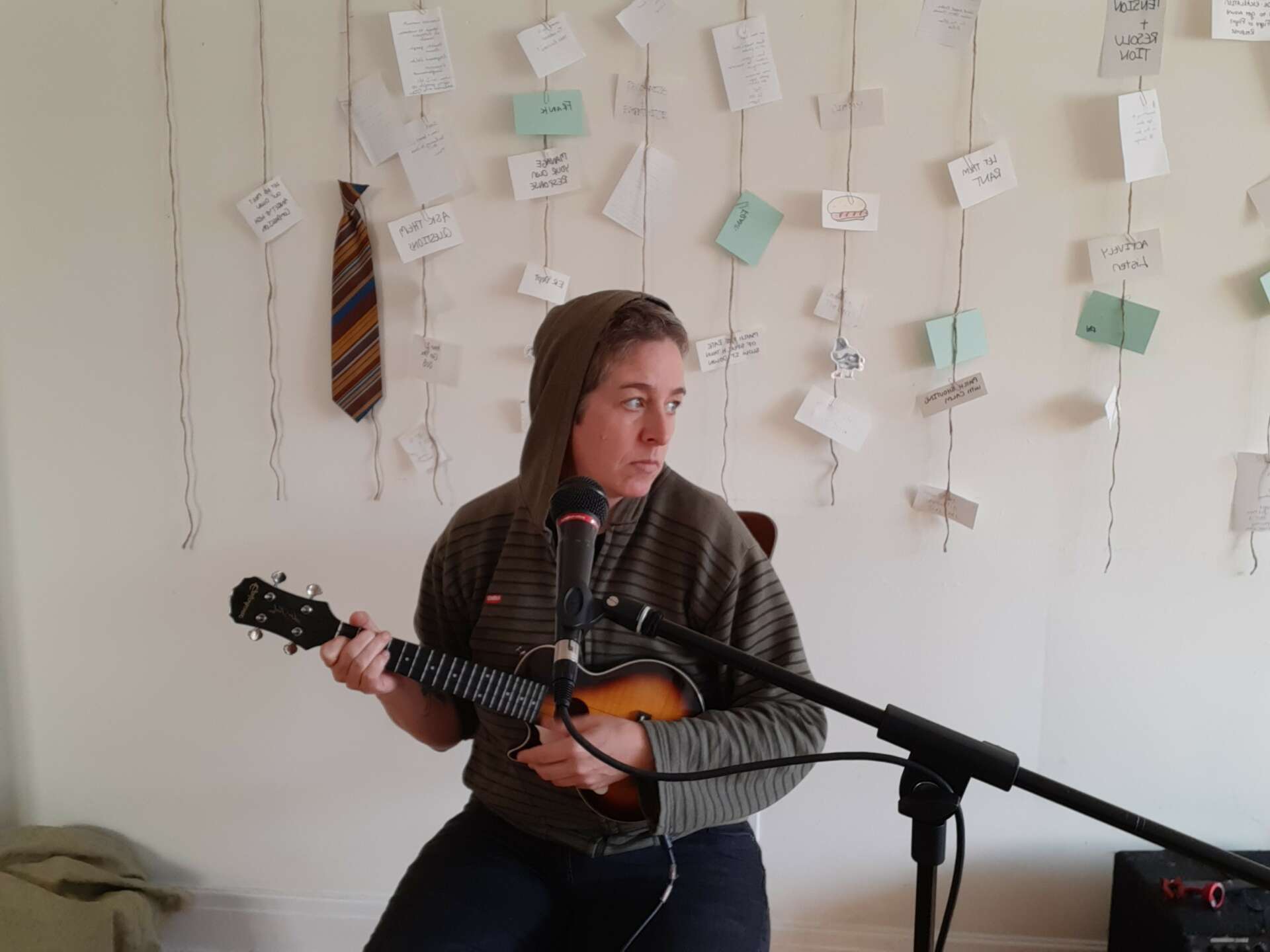
The headshot with the white background was done by Janice Jo Lee. The one where there’s a shadow donkey person is Andy Carrol. The one where I’m playing the viola to a giant eye is Angelic Goldsky, the one where I’m playing ukulele in front of a bunch of things pinned to long pieces of twine is from my House Ghost (I swear, it was a strange thing that kept happening in the pandemic). The first one I provided of myself doing a workshop was taken by innonative.ca/Patrick Shannon