


We’re excited to introduce you to the always interesting and insightful Meg LaPorte. We hope you’ll enjoy our conversation with Meg below.
Meg , thanks for joining us, excited to have you contributing your stories and insights. If you had a defining moment that you feel really changed the trajectory of your career, we’d love to hear the story and details.
For nine years I worked as managing editor of a trade magazine that catered to professionals who work in long-term and post-acute care. This work helped me to learn a great deal about the field and to tell the stories of the dedicated, passionate, and caring people who care for older adults. After I left that job, I decided to begin telling the stories of older adults — the people who received the care of the professionals I had come to know. I discovered many negative perceptions about older adults were not consistent with reality, so I started a blog that was fashioned after Humans of New York to help dispel the myths about what it’s like to be older and grow older. It is called Age In America, and it now is a collection of several dozen stories and images, along with each interviewee’s age, that counter the prevailing narrative that all older people are the same, that they all wish they were younger, they that are grumpy or sad or boring. Instead, it shows how different older people are and how our lives are not boring or sad.
Great, appreciate you sharing that with us. Before we ask you to share more of your insights, can you take a moment to introduce yourself and how you got to where you are today to our readers.
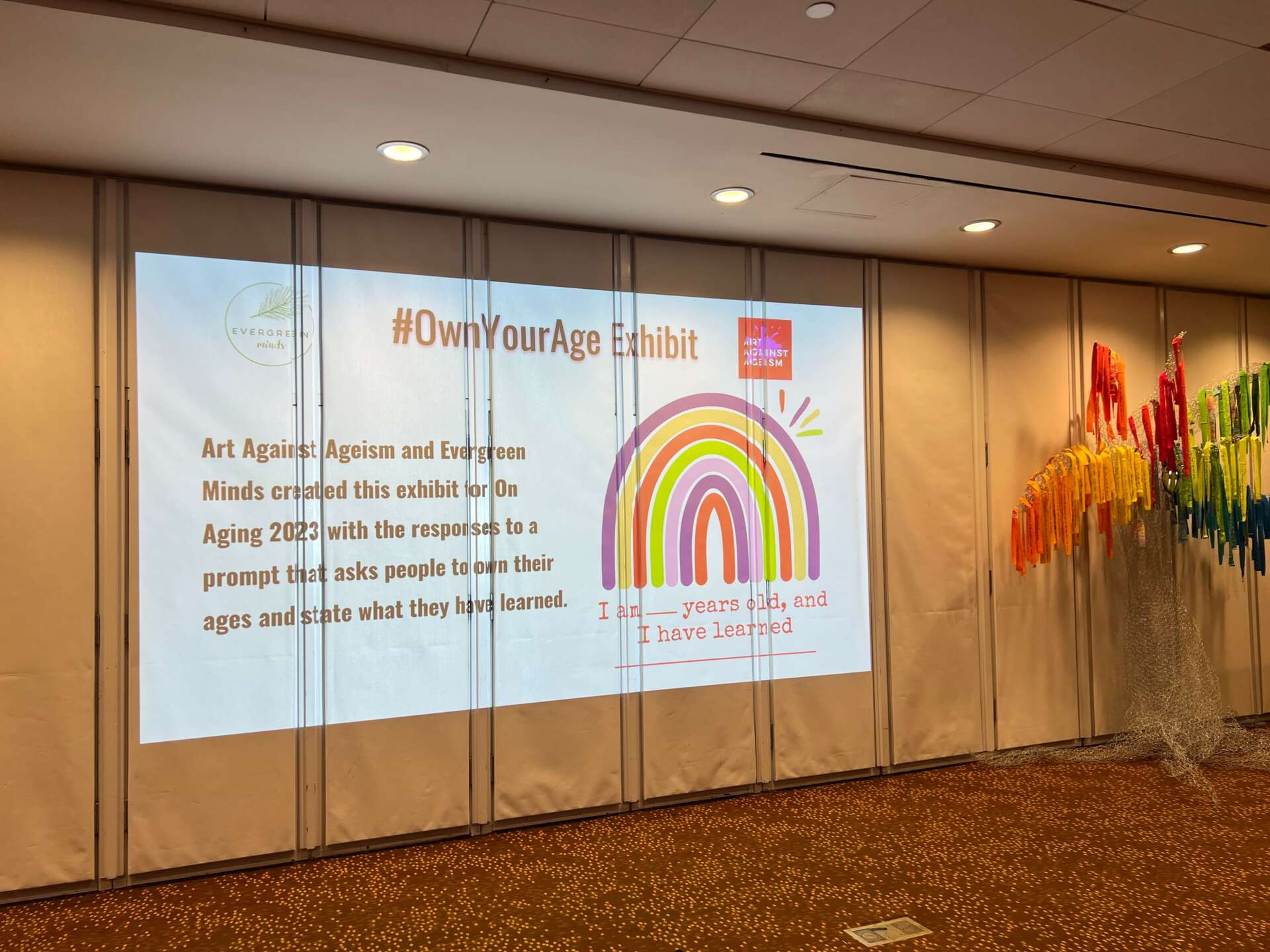
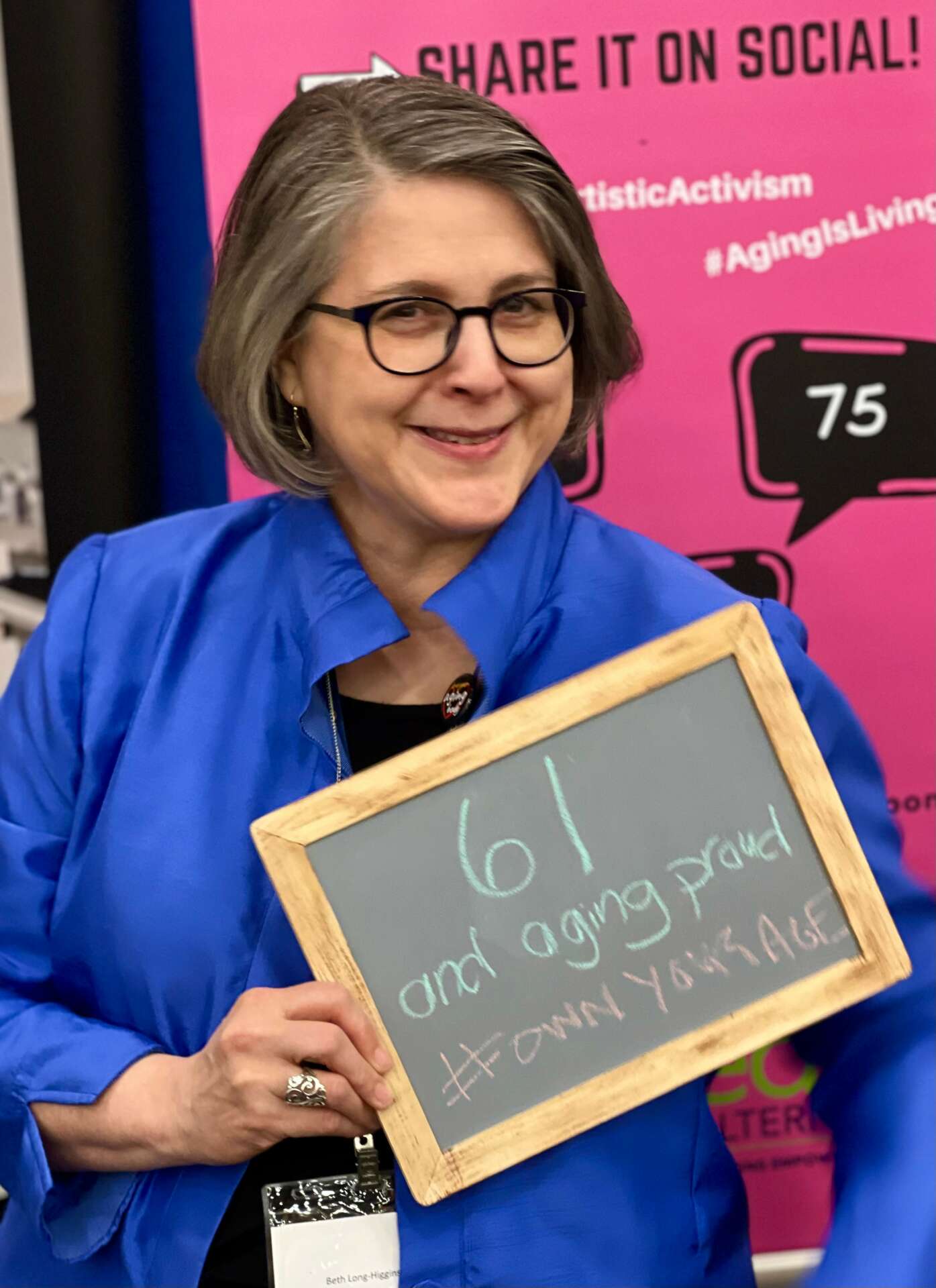
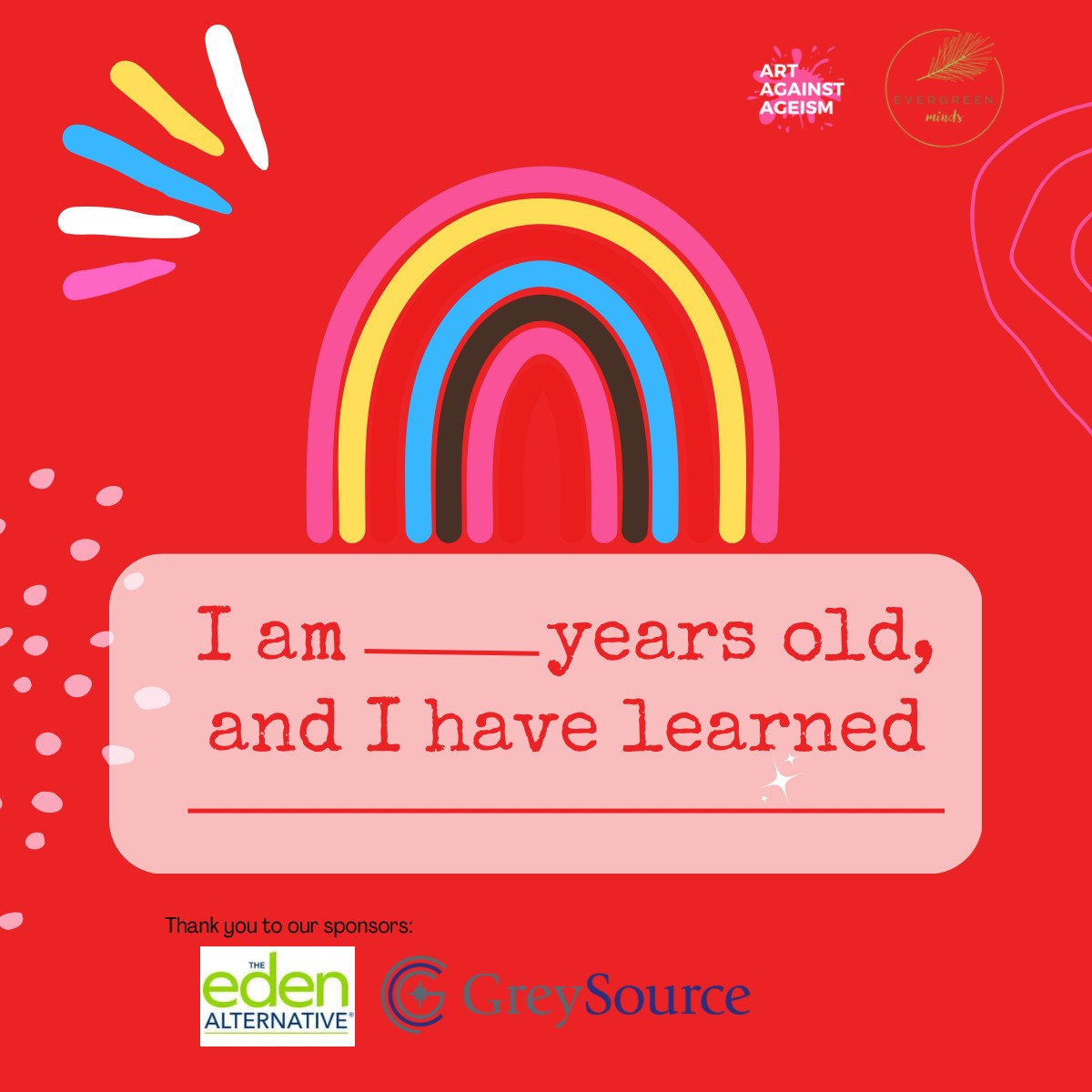
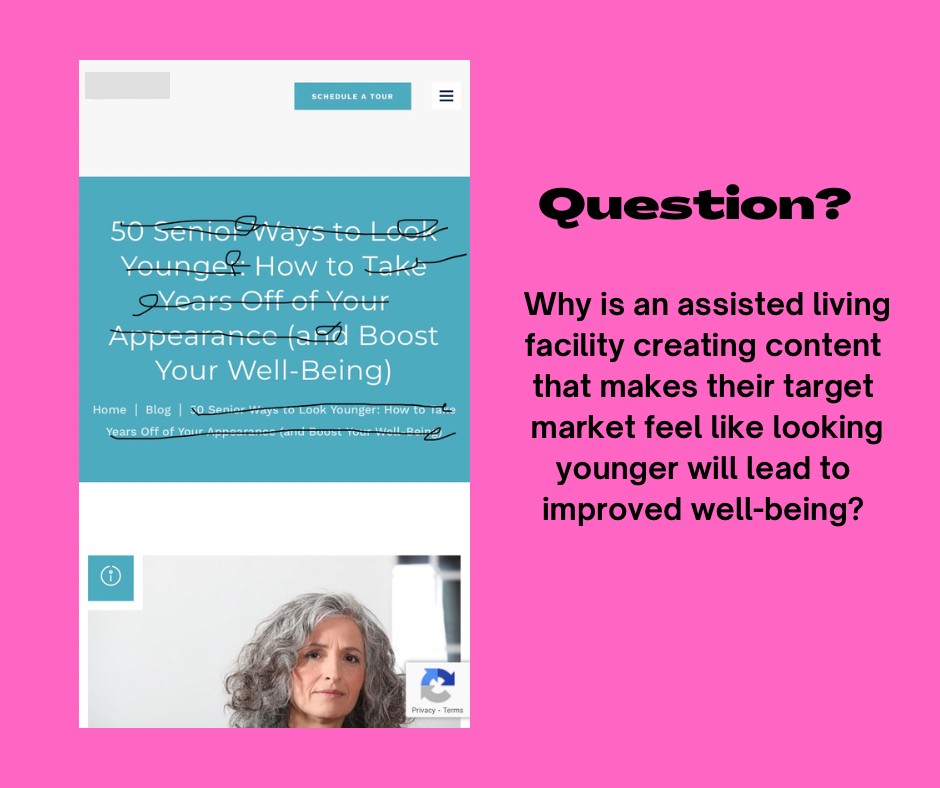
In my work getting to know the field of aging services, and the people who work in it, I have been struck by how much the original model of eldercare model in this country has served to “other” older adults. In other words, it segregates its residents into walled off buildings where much of society does not see them or hear them. This is an ageist framework and it has served to not only perpetuate ageism by hiding them, but also not give them a voice. When I realized this, and after the blog (Age in America) was underway, I realized I wanted to combine my passion for art and storytelling with my passion for elder advocacy to make a difference. This resulted in the creation of Art Against Ageism., a nonprofit that identifies, amplifies, and creates art that tackles and confronts ageism. I am proud of how my cofounder , Jordan Evans, and myself have helped to awaken the eldercare/senior living field to ageism and how art and creativity can be leveraged to raise awareness of and tackle it. We have presented at and installed interactive art at multiple national and state-level senior loving conferences, presented to the staff of the Maryland Department of Aging, among other places. Most importantly, we have worked with nursing homes and similar entities to install and create art that helps staff, residents, and volunteer better understand ageism, how they can counter it in creative and artistic ways, and how they can help end it. This work has been furled by something known as artistic activism, which combines the affective and emotional power of art with the effective power of strategy and activism. Art Against Ageism is founded in this principle and it guides us in how we approach the work of ending ageism so that all people, younger and older, can coexist without being pitted against each other and, importantly, olders are visible and not judged by their ages.
Can you tell us the story behind how you met your business partner?
During my work as managing editor of the trade magazine, I earned my master’s in aging services. In 2918, the dean of my school asked me to teach an course at the school about my work with Age In America. I decided to write the curriculum about how to leverage art and creativity to tackle ageism. Although I had only four students in the class, we had a great time examining ageism and artistic activism and it’s power to make social change. One of those students was Jordan Evans. We kept in touch after the course and in 2021 founded Art Against Ageism together, which really was an activation of the course I taught.
Are there any books, videos, essays or other resources that have significantly impacted your management and entrepreneurial thinking and philosophy?
In my journey to found Art Against Ageism, I read and researched a great deal about artistic activism and ageism. Some of the books and resources that have been important to this journey are: This Chair Rocks by Ashton Applewhite, Blue Ocean Strategy by Chan Kim and Renée Mauborgne, Breaking the Age Code by Becca Levy, Ageism Unmasked by Tracey Gendron, and the Art of Activism by Steve Duncombe and Steve Lambert. Some great resources for our work is the Center for Artistic Activism, Actipedia.com, and Old School Anti-Ageism Clearinghouse.
Contact Info:
- Website: www.artagainstageism.org
- Instagram: @Art_Against_Ageism
- Facebook: https://www.facebook.com/ArtAgainstAgeism?mibextid=LQQJ4d
- Linkedin: https://www.linkedin.com/company/art-against-ageism/
- Twitter: @AgingMeg
- Youtube: https://youtube.com/@artagainstageism9231
Image Credits
Meg LaPorte