



We recently connected with Karina Dayrit and have shared our conversation below.
Karina, appreciate you joining us today. Is there a heartwarming story from your career that you look back on?
Each student has their own specific needs, motivations, and wellness journey.
As a yoga teacher, my journey as a student never ends. Svadhyaya, also known as “self-study,” is part of the practice where we are called to deepen our knowledge, refine our methods, and explore new dimensions of yoga. Every interaction, every class, and every student can teach something valuable.
Students of yoga also have the capacity to be teachers. As they engage in their practice, they become attuned to their bodies, emotions, and thoughts. They develop self-awareness and cultivate a deeper understanding of their own needs, limitations, and strengths. In this process of self-discovery, students gain insights and wisdom that they can share with others. They become sources of inspiration, encouragement, and support for their fellow students and even their teachers.
In my classes, I usually have conversations with my students, and we get to learn more about each other’s lives. The learning and support continue even after the asana practice.
Every student is unique; they all have their own traumas, pasts, strengths, weaknesses, desires, motivations, bodies, and more.
These are some of the most memorable and heartwarming moments I experienced as a yoga teacher:
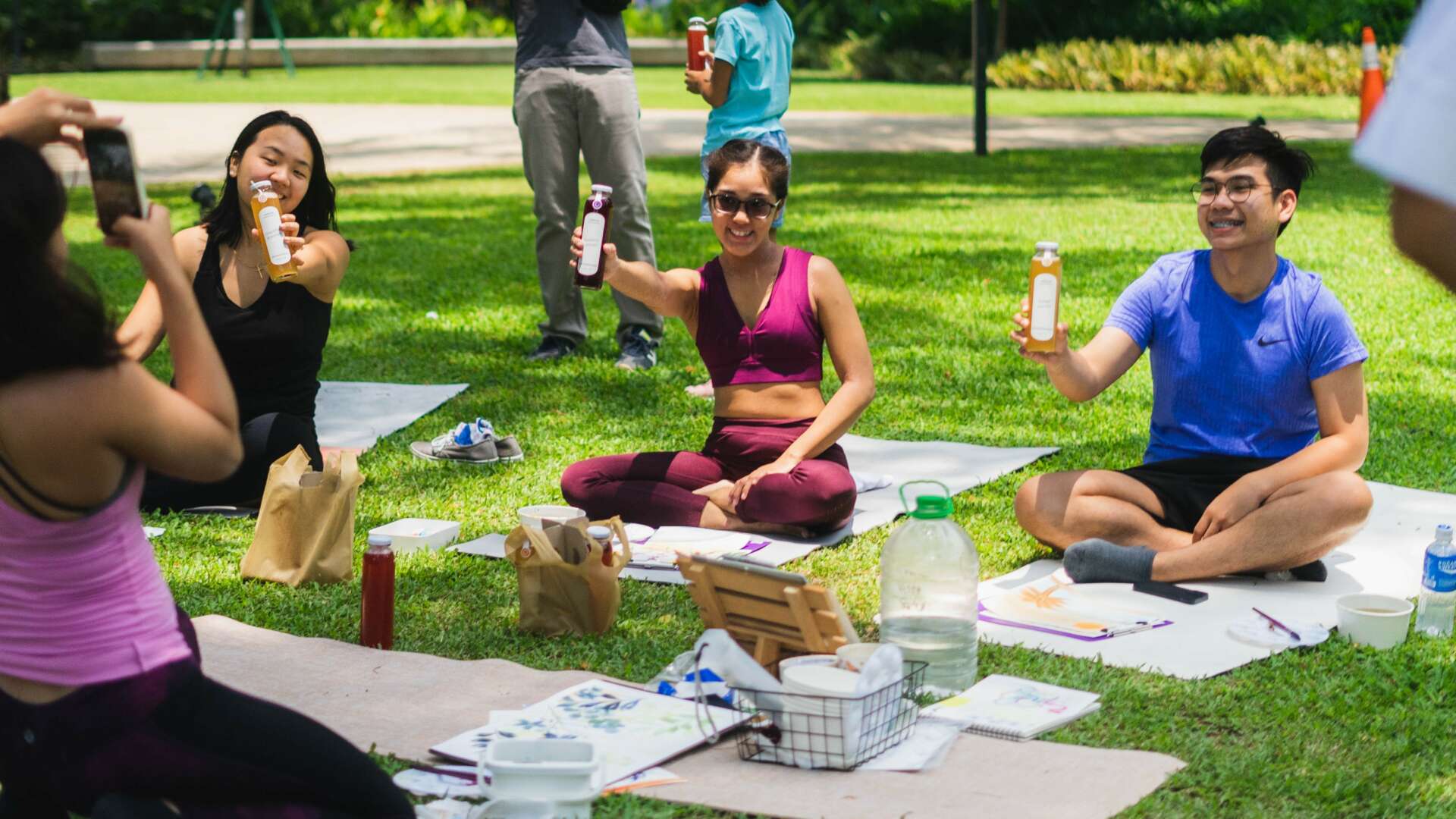
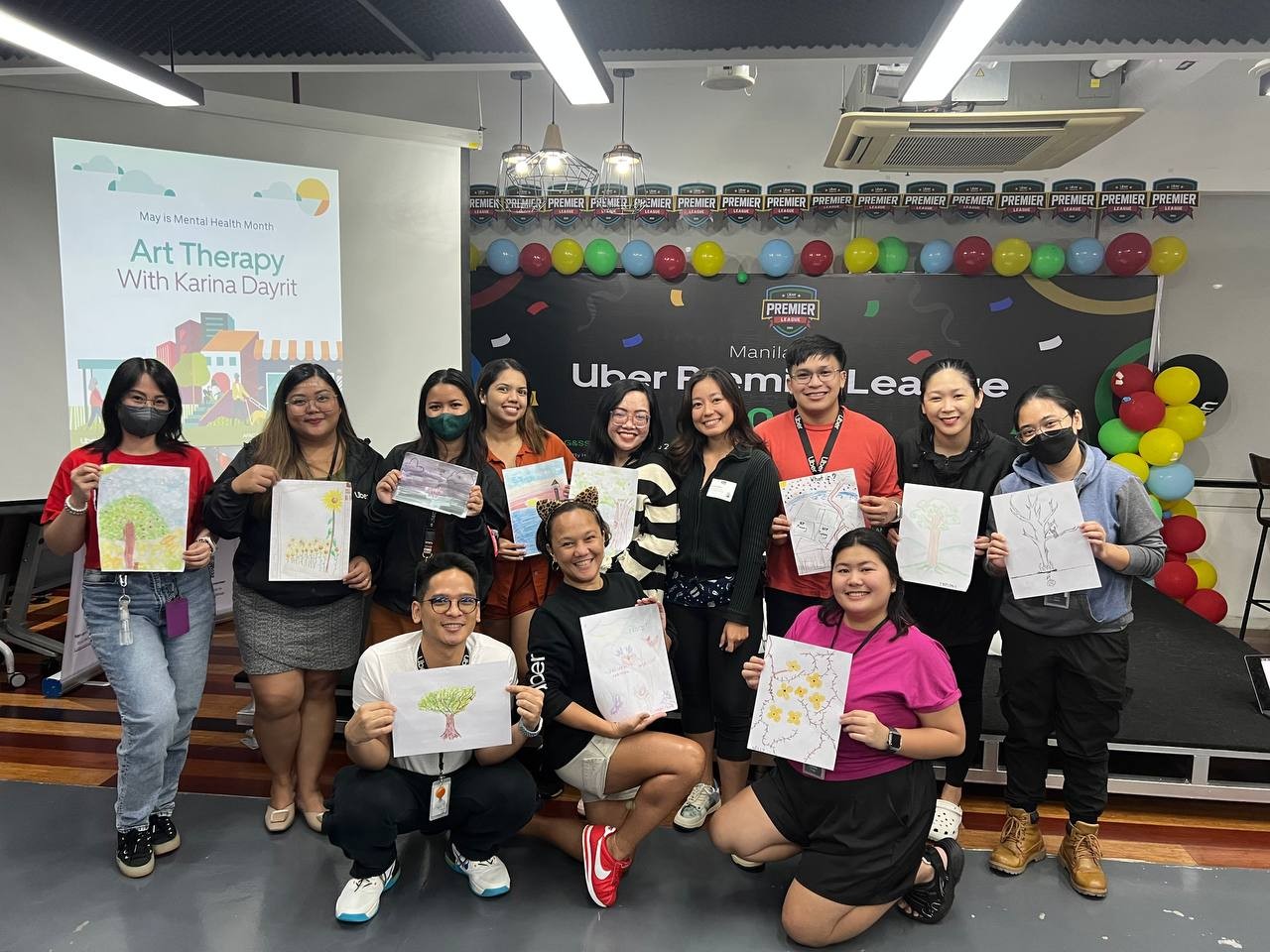
I held a yoga and art session for Uber Philippines, where I led them through a guided meditation ending with creating art based on their visualizations. The employees were grouped together to share their work and whatever thoughts, feelings, and realizations came up for them. It was a bonding session among colleagues where they got to know each other on a deeper level. Some cried, some laughed, some had eureka moments, and some listened intently to the stories of others. It was a beautiful sight to see because everyone was open to each other’s vulnerabilities. It was a safe space to share, to be heard, and to be understood.
“We have taken so much from the event – expecting only simply make artwork, but finding out there’s a great connection with what our minds and bodies tell us from the inside to the creations we bring outside. It was a pleasant surprise to have not just the art component but also helped us center through the meditation part. The event helped us emotionally and mentally.” – Uber
Another memorable experience I had was with Meritxell Children’s Home, where we planned a visit with sexually abused girls and abandoned orphans and introduced them to music therapy, interpretative dance, and meditation with sound healing. By the end of the session, one of the girls came up to me and asked me about songwriting. As a fellow music lover, I asked her more about her process of writing songs, and she was able to share and sing to me in person some of her works. I felt so proud of her at that moment. This further inspired me to continue on this path.
“I’ve been taking Teacher Karina’s classes since 2017. Her instructions are easy to follow, and she gives each student personal attention with every pose. Her students benefit a lot from her practice because of the way she prepares us for class and the precise way she teaches the different poses. Not only do I gain strength and flexibility, but I come out of the sessions with renewed energy, self-confidence, inner calmness, and a clear mind.” – L
“Karina is a yoga instructor who has specifics with that subject with mindfulness and Animal Flow and a general motion play class. She teaches a very well-structured class targeting regressions or progressions depending on where you might be at in your yoga skills. You can gauge how much meditation you want, a more athletic body, or if you would like a reflective journey. Always in a good mood making the experience playful, which is great when you are sometimes in a challenging flow. All around she is the absolute best anywhere!” – A
“The past couple of months have been an incredible journey towards physical strength and overall well-being. With each session, I feel myself becoming stronger and more in tune with my body. Karina keeps each session exciting by mixing it up and encouraging us to try new things. She makes us feel empowered and pushes us to our limits in the best way possible. Makes waking up early and sniffing my way (due to my allergic rhinitis) to yoga class super worth it! I come out energized, and best of all allergy free for the rest of the day” – R
Ever since going through my own rock bottom, I felt more students who have experienced trauma and depression be on my radar.
I used to pray for my testimony and I kept asking, “How I can be a better healer?”.
This is where I am now. I noticed conversations and connections with people are much deeper now as compared to before.
It’s helpful when the students ask questions, give observations, and unique perspectives, and provide valuable feedback so that I can also refine my teaching methods.
Ultimately, the concept that yoga teachers are also students and students are teachers reminds us that we are all interconnected and that we have the capacity to learn from and teach one another. It emphasizes the importance of humility, curiosity, and an open heart in the practice of yoga.
Karina, love having you share your insights with us. Before we ask you more questions, maybe you can take a moment to introduce yourself to our readers who might have missed our earlier conversations?
MOVEMENT EXPLORER AND KID AT HEART
As a child, I was always the one treating the playground as an obstacle course race, running, climbing, and jumping around. This energy stayed with me as I grew up, engaging in sports and thrilling activities like Badminton, Softball, Swimming, Cheer dancing, Wall Climbing, Hiking, and more!
My active lifestyle led me to explore teaching movement, starting in the yoga studio. Becoming a yoga teacher wasn’t initially planned, but I joined to deepen my breath. I fell in love with the integration of body and mind and how it helped with my body issues and overthinking tendencies.
Experiencing the powerful effects and changes, I felt a strong urge to share my love for movement with every person I meet.
YOGA TEACHER TRAINING
I completed my first teacher training at AV 108, mastering the Ashtanga Primary Series. I then explored other modalities such as Yin Yoga with Chris Su, Hatha and Yoga Therapy with Medicale Yoga, and Animal Flow (Level 1) with Alisha Smith. Alongside these disciplines, I incorporate gymnastics, contemporary dance/breakdancing, resistance bands training, strength training with weights, and more into my practice.
My practice is always evolving, with continuous learning and questioning of old beliefs. Having an open mind is crucial for growth.
NAMASKAR PHILIPPINES
In 2020, I started creating my own yoga products, including balms, yoga mat bags, yoga mats, and wooden yoga blocks. Check out the products here: https://www.instagram.com/namaskarph/
Designing and crafting supplies that benefit my practice and students has been a fun journey!
WORKING WITH HUMANS, NOT JUST BODIES
A conversation with a private client made me realize how trauma can begin in studios and gyms, triggered by coaches or instructors themselves.
Teachers have different approaches. Some use tough love and speak candidly, which can resonate with some and offend others. Others have a nurturing style, appreciated especially during vulnerable times.
While we can’t control others’ reactions, it’s important to make our clients feel heard, respected, seen, and supported.
I cherish how being in this field allows me to meet different people and gain wisdom from their stories. As a yoga teacher, I’ve learned that a quick chat after class and a compassionate ear can make a significant impact.
REMINDERS TO SELF
Here are 5 things I’d like to share with readers and my students:
1. Manifestations are real. We attract what we repeatedly express through words and thoughts.
2. Protect your energy. Not everyone deserves your time.
3. Send prayers and love to your enemies and haters. Sometimes they need it the most.
4. Let go of the need to control everything. Some things aren’t meant to be, and some fall into place at the right time.
5. Emotional states are as infectious as diseases. Surround yourself with people who uplift you.
> For group classes, check out our home studio in Posadas Village. We have classes every Monday, Wednesday, and Friday.
> For private and corporate classes or brand collaborations, schedule a discovery call and find more details here: https://karinmotion.com/ or say hello on Instagram @kar.inmotion.

Other than training/knowledge, what do you think is most helpful for succeeding in your field?
To succeed as a yoga teacher, several factors come into play.
1. Deepen Your Personal Practice: Cultivate a strong personal yoga practice and continue to deepen your understanding of yoga. Practice what you preach even if this may sometimes be more difficult than it seems especially the philosophy of yoga. We are always students in progress and there is always room for improvement and learning. Learning from others by attending classes, workshops, and retreats can help you refine your skills, enhance your knowledge, and inspire your teaching.
2. Obtain Proper Training and Certification: Acquire proper training and certification from a reputable yoga school or teacher training program. There are people who learn through mentors or are great practitioners, but it’s also a different skill to be a teacher. Others that I know of take the training not to be a teacher but to simply deepen their understanding of the practice. Through this experience, the training can provide you with a solid foundation in yoga philosophy, asanas (poses), sequencing, anatomy, teaching methodology, and more.
3. Develop Effective Communication Skills: As a yoga teacher, effective communication is essential. Learn to express yourself clearly, provide concise instructions, and offer supportive guidance to your students. Cultivate active listening skills to understand your students’ needs and adapt your teaching accordingly. Leave the ego outside the doorstep. It’s not about YOU, it’s about how you can best help your student.
4. Build a Diverse Skill Set: Expand your knowledge beyond asana practice. Explore other aspects of yoga, such as pranayama (breathing exercises), meditation, yoga philosophy, anatomy, and alignment. This well-rounded knowledge will enhance your teaching and enable you to offer a more comprehensive yoga experience to your students.
5. Adaptability and Empathy: Each student has unique needs, abilities, and limitations. Adapt your teaching style to cater to different individuals and create a safe and inclusive environment. Develop empathy to understand your students’ challenges and provide appropriate modifications and adjustments when necessary.
6. Continual Learning and Growth: The yoga field is continuously evolving, and new research and practices emerge regularly. Stay updated with the latest trends, advancements, and teaching methodologies by attending workshops, conferences, and further training. Continue expanding your knowledge and refining your skills to provide the best possible experience for your students.
7. Connect and Network: Connect with other yoga teachers, studios, and communities. Attend classes and workshops taught by other teachers to gain different perspectives and learn from their experiences. Networking can also lead to potential teaching opportunities and collaborations.
8. Develop Professionalism: Maintain professionalism in your interactions with students, fellow teachers, and studio owners. Be punctual, reliable, and respectful of boundaries. Build a professional image through clear communication, ethical behavior, and maintaining appropriate personal boundaries.
9. Market Yourself: Establish an online presence through a website or social media platforms to showcase your teaching style, philosophy, and offerings. Utilize digital marketing tools to reach potential students and promote your classes, workshops, or retreats.
10. Cultivate Self-Care: Teaching yoga can be physically and emotionally demanding. Prioritize self-care practices, such as maintaining a balanced lifestyle, practicing self-reflection, seeking support from mentors or peers, and practicing yoga and mindfulness techniques for yourself.
Success can be subjective and people have their own definitions and metrics. What’s important is staying committed, authentic, and passionate in the practice and teaching. Continually refine one’s skills, remain open to learning, and approach the teaching journey with compassion and dedication.

We’d love to hear a story of resilience from your journey.
I remember a few years back when life went by smoothly, I asked for a testimony. What do I mean by this?
Do you know how certain individuals online share about a great challenge or struggle that they were able to overcome and has now inspired millions of people to become stronger?
Well, I got my story in 2022.
How do you even prepare yourself for a series of unfortunate events?
Resilience.
How do you even bounce back when every aspect of your life is crashing down?
Just picture this: Anxiety attacks. No proper sleep for 3-6 months. Medications. Lack of appetite with extreme weight loss. Lack of concentration which affected work. Losing work. Sickness in the family. Bad mental headspace.
I remember during this time in my life when I still had classes that were already based in my home studio. There would be days when the anxiety attacks got really bad, my dad had to ask if I can just cancel the classes. But I remembered Katy Perry’s scene when she was asked for a divorce just before she was about to go on stage. People were counting on her and she still went on with a smile on her face even if her heart was devastated. What a pro.
Some people don’t even have a choice to rest and stop and cry for a long period of time. They have to work for their families. The children have no food to eat, so they have to keep moving forward.
Maybe no one in this world is left unscathed by life’s tragedies. Resilience is the ability to bounce back from adversity, overcome challenges, and adapt to change. It is a valuable quality that can be developed and strengthened over time.
Here are some key factors that contribute to building resilience that I found helpful during my times of distress:
1. Positive Mindset: Cultivating a positive mindset is crucial for resilience. Focus on the strengths and possibilities rather than dwelling on the negative aspects of a situation. Practice gratitude, optimism, and self-belief to foster resilience in the face of difficulties.
2. Emotional Regulation: Develop skills to manage and regulate your emotions effectively. This includes recognizing and acknowledging your emotions, finding healthy outlets for expressing them, and practicing self-compassion and self-care. Building emotional intelligence helps you navigate challenging situations with greater resilience.
3. Strong Support System: Surround yourself with a supportive network of family, friends, mentors, or peers who can offer guidance, encouragement, and emotional support. Having a strong support system provides a sense of belonging, connection, and resilience during tough times.
4. Problem-Solving Skills: Enhance your problem-solving abilities to tackle obstacles effectively. Break down challenges into manageable steps, analyze the situation, and identify potential solutions. Develop flexibility and adaptability to adjust your approach if needed.
5. Healthy Coping Strategies: Adopt healthy coping strategies to manage stress and adversity. This may include practicing mindfulness, engaging in physical activity, maintaining a balanced lifestyle, seeking professional help when needed, and engaging in hobbies or activities that bring joy and relaxation.
6. Self-Reflection and Learning: Regularly engage in self-reflection to gain insights from your experiences. Assess your strengths, weaknesses, and areas for growth. Embrace failures and setbacks as opportunities for learning and personal development. By cultivating a growth mindset, you can adapt and grow stronger in the face of challenges.
7. Flexibility and Adaptability: Life is full of uncertainties and change. Building resilience requires the ability to adapt to new circumstances and adjust your mindset and strategies accordingly. Develop flexibility, open-mindedness, and a willingness to embrace change and learn from it.
8. Self-Care and Well-being: Prioritize self-care to maintain physical, mental, and emotional well-being. Get enough restful sleep, eat nutritious food, engage in regular physical exercise, and practice relaxation techniques. Taking care of your well-being provides the foundation for resilience.
9. Perspective and Acceptance: Cultivate a broader perspective and practice acceptance. Understand that setbacks and challenges are a natural part of life. Instead of dwelling on what cannot be changed, focus on what you can control and work towards positive solutions.
10. Learning from Role Models: Seek inspiration from individuals who have demonstrated resilience in their own lives. Learn from their experiences and strategies for overcoming adversity. Reading biographies, attending talks or workshops, and engaging with mentors can provide valuable insights and guidance.

Contact Info:
- Website: https://karinmotion.com/
- Instagram: https://www.instagram.com/kar.inmotion/
- Facebook: https://www.facebook.com/kar.inmotion/?_rdc=2&_rdr
- Linkedin: https://www.linkedin.com/in/karina-dayrit-7321a088/
- Youtube: https://www.youtube.com/@karinadayrit
- Other: https://open.spotify.com/artist/6YxzddAFmMbhveJETqGPzf
Image Credits
Photographers: Regi Valenzuela & Kenneth Paz