


We’re excited to introduce you to the always interesting and insightful Austin Thompson. We hope you’ll enjoy our conversation with Austin below.
Austin, looking forward to hearing all of your stories today. What’s been the most meaningful project you’ve worked on?
A true artist is constantly tortured by the passion to produce what burns deep in their spirit. The art they create may speak to a zeal to bring attention to an injustice, to stoke the fires of change in a community, or the inception of an idea that dances in the artist’s head until they can bring it into the tangible world –merely because the artist had a vision of something beautiful. The artist does not think about how their piece should change to get the most fame or what satiates the needs of the all consuming masses, the artist’s vision is clear and their vision does not waiver. When the artist notices the large pile of bills stacked on the dining room table, or the rumble in their hungering belly, or the ever rising price of art supplies, at this crossroad the artist must make a decision: Suffer and persevere, or pander. When an artist worships at the altar of consumerism, pandering to the masses for the all powerful monetary system, the art loses its passion, its edge and becomes cold and stale. The Artist will slowly become bitter and empty, staring with longing at its half finished and forlorn art projects that now dull with a blanket of dust. One day that artistic passion becomes stifling and twisted until it dies and the artist wishes they had never picked up the tools of his trade, resentful at their representation of a dream deferred and one chained by their driving love and desire to create. It is an ever difficult path and balancing act: choosing projects that mean something to you vs. projects that will gain the most money.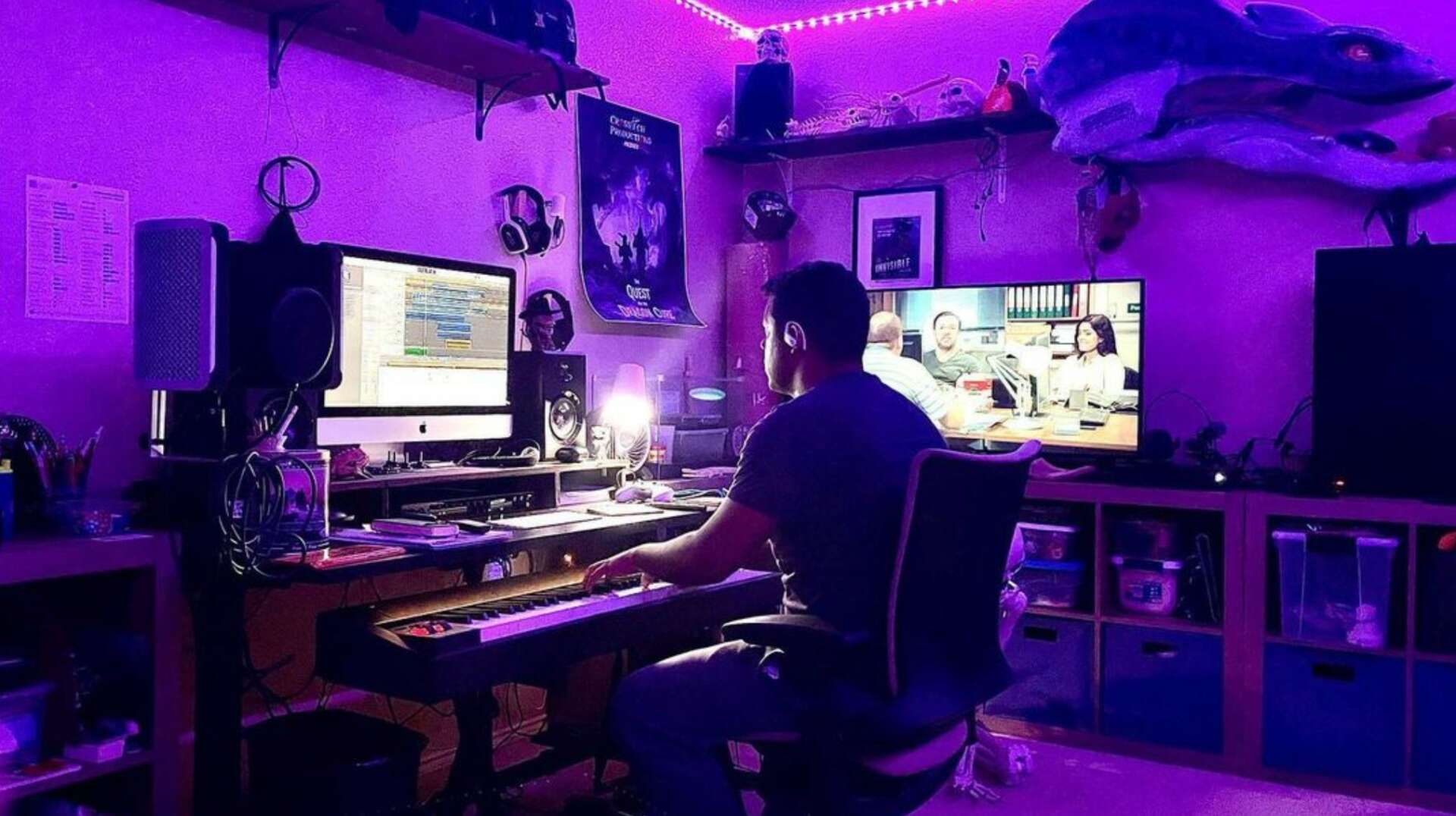
Awesome – so before we get into the rest of our questions, can you briefly introduce yourself to our readers.
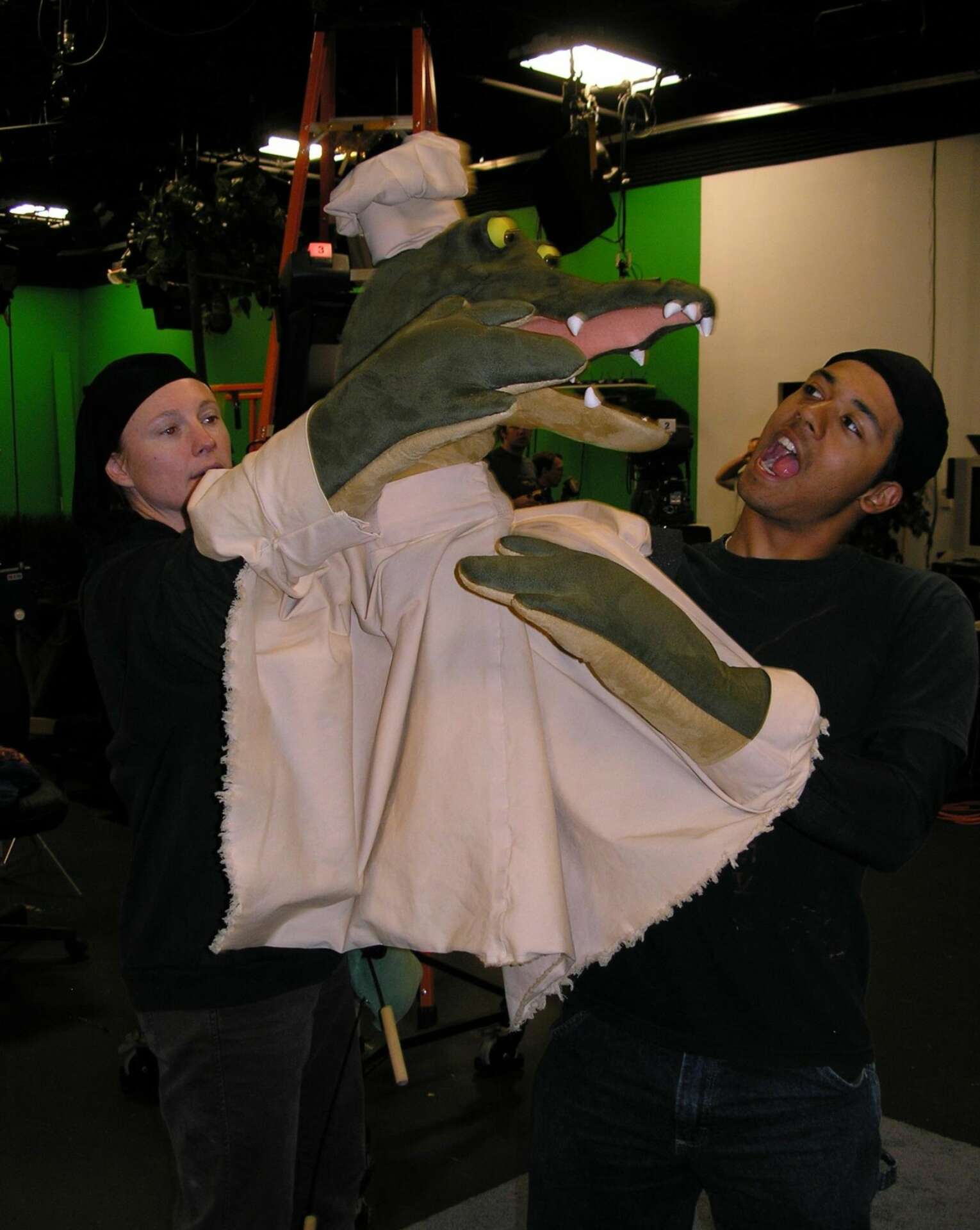
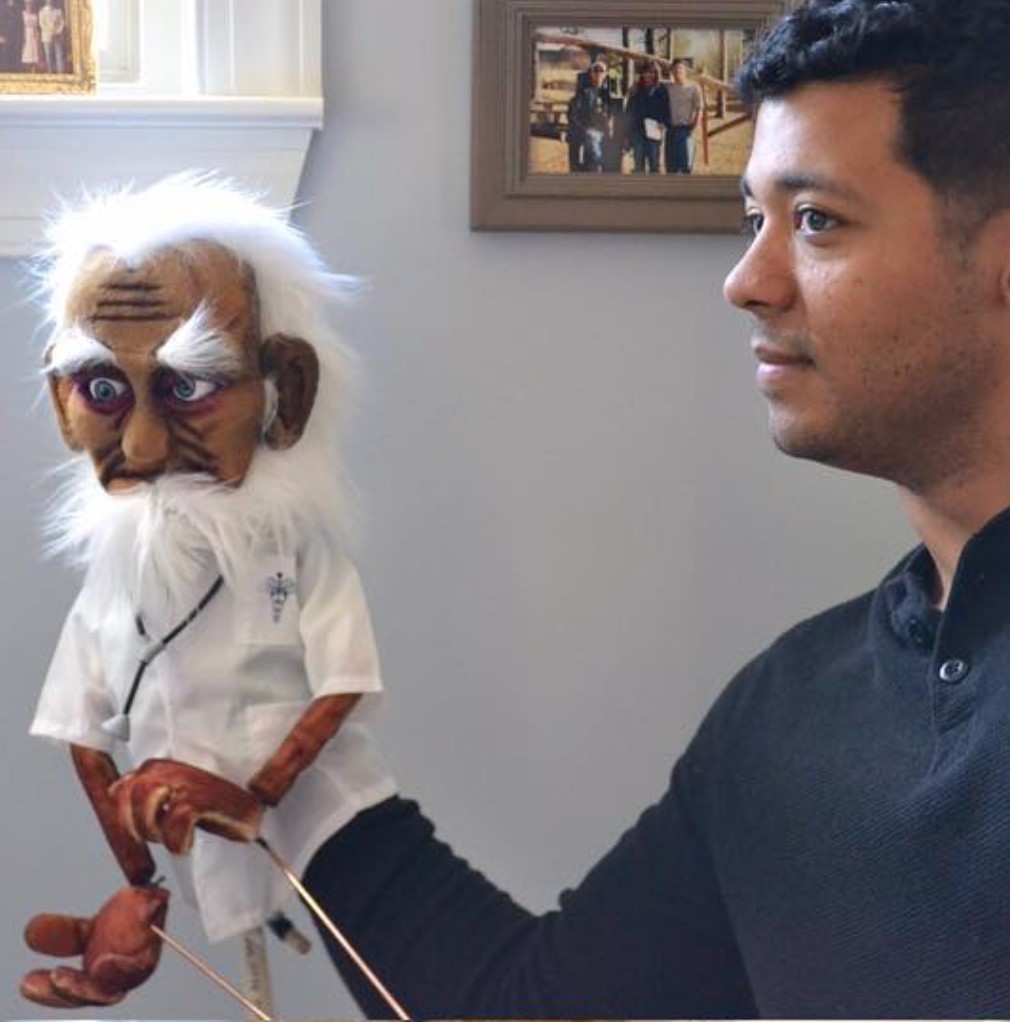
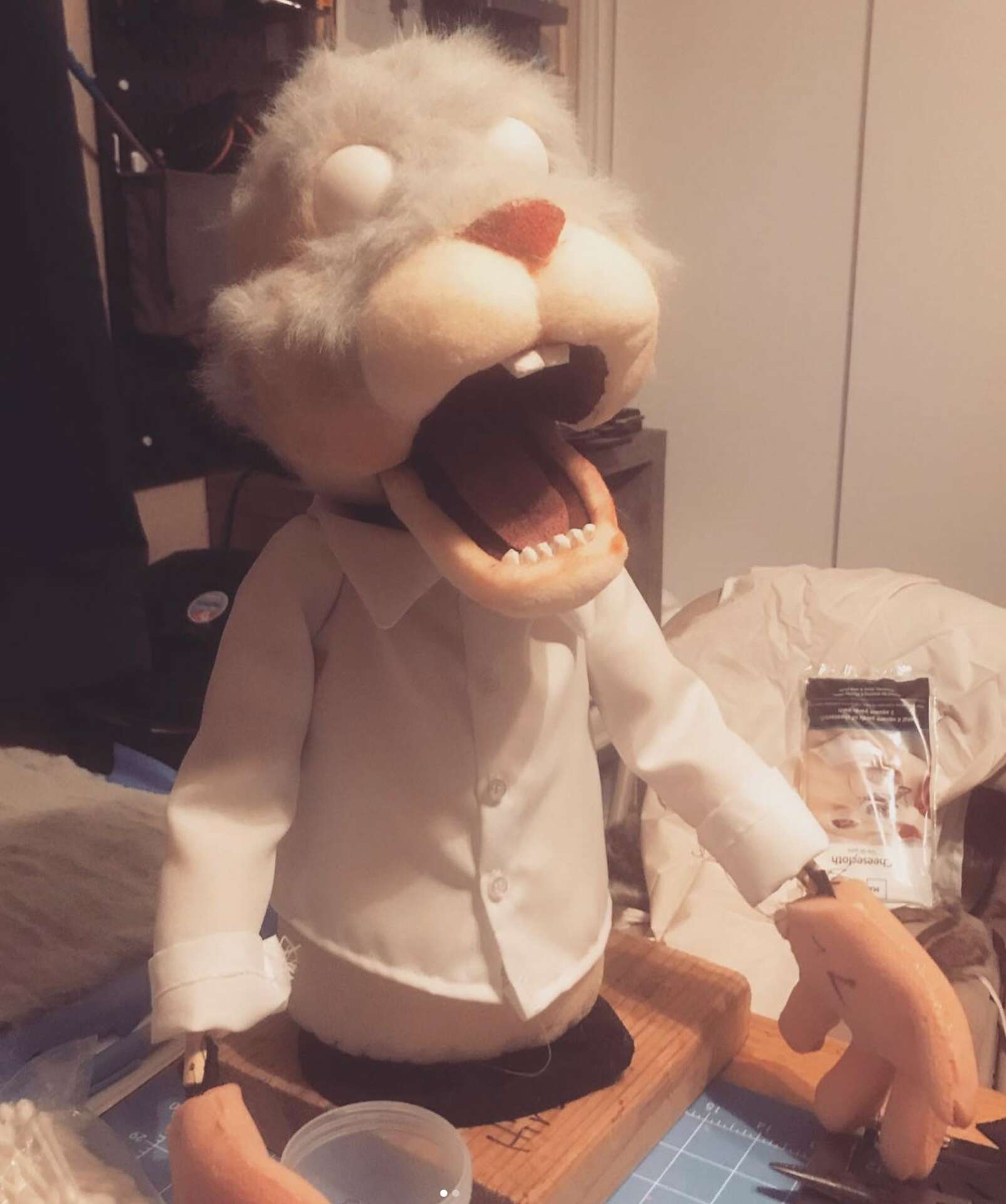
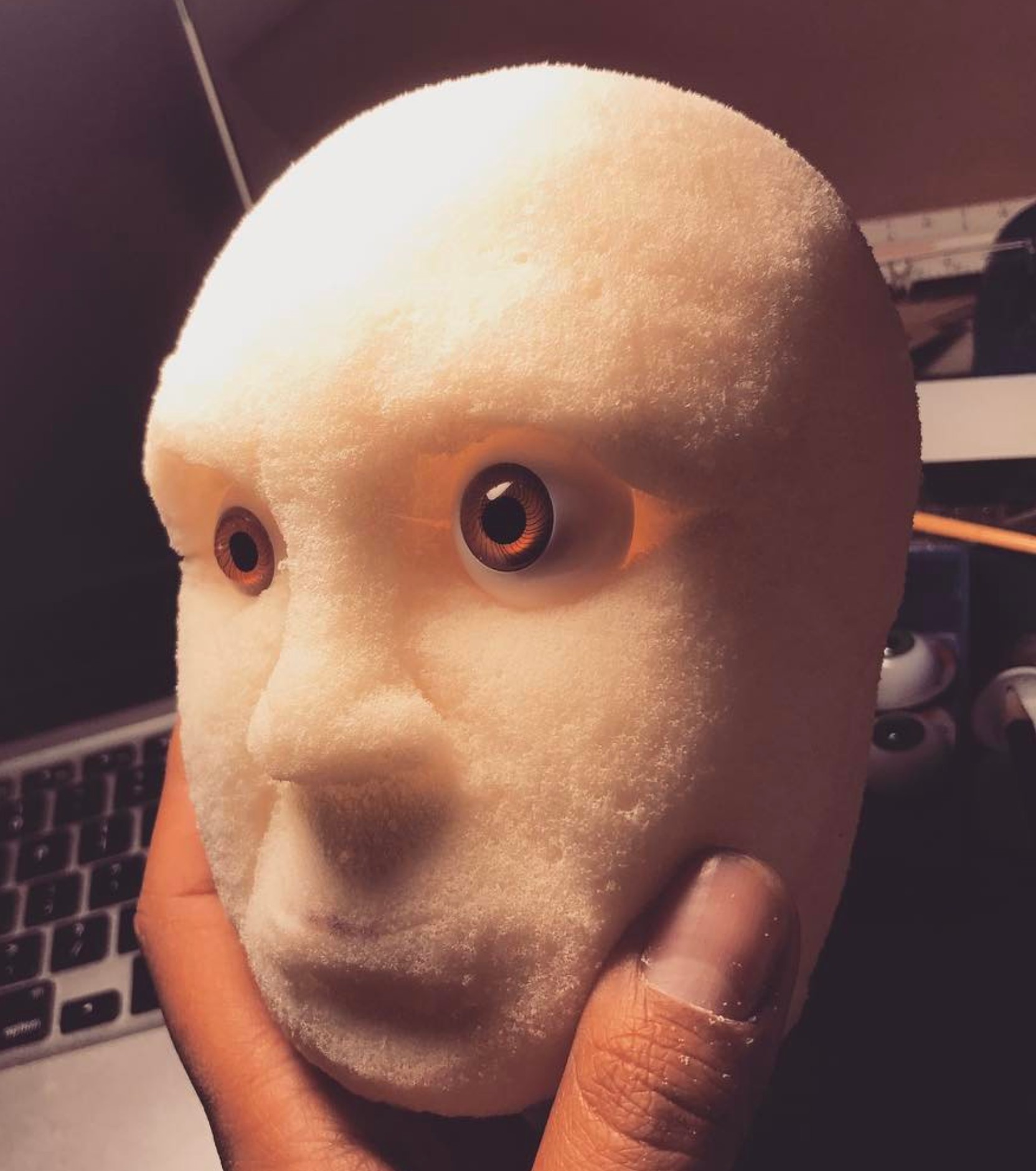
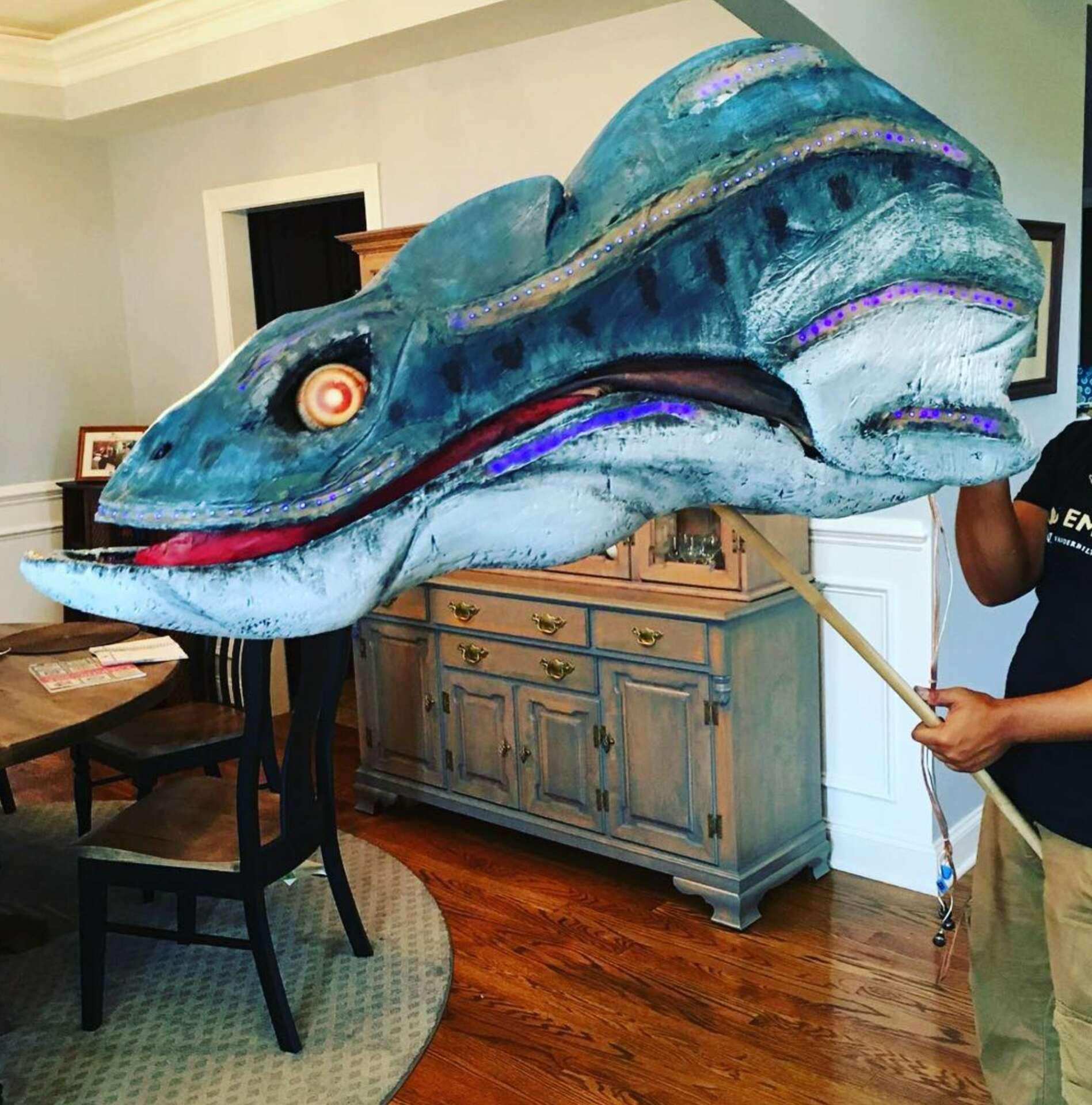
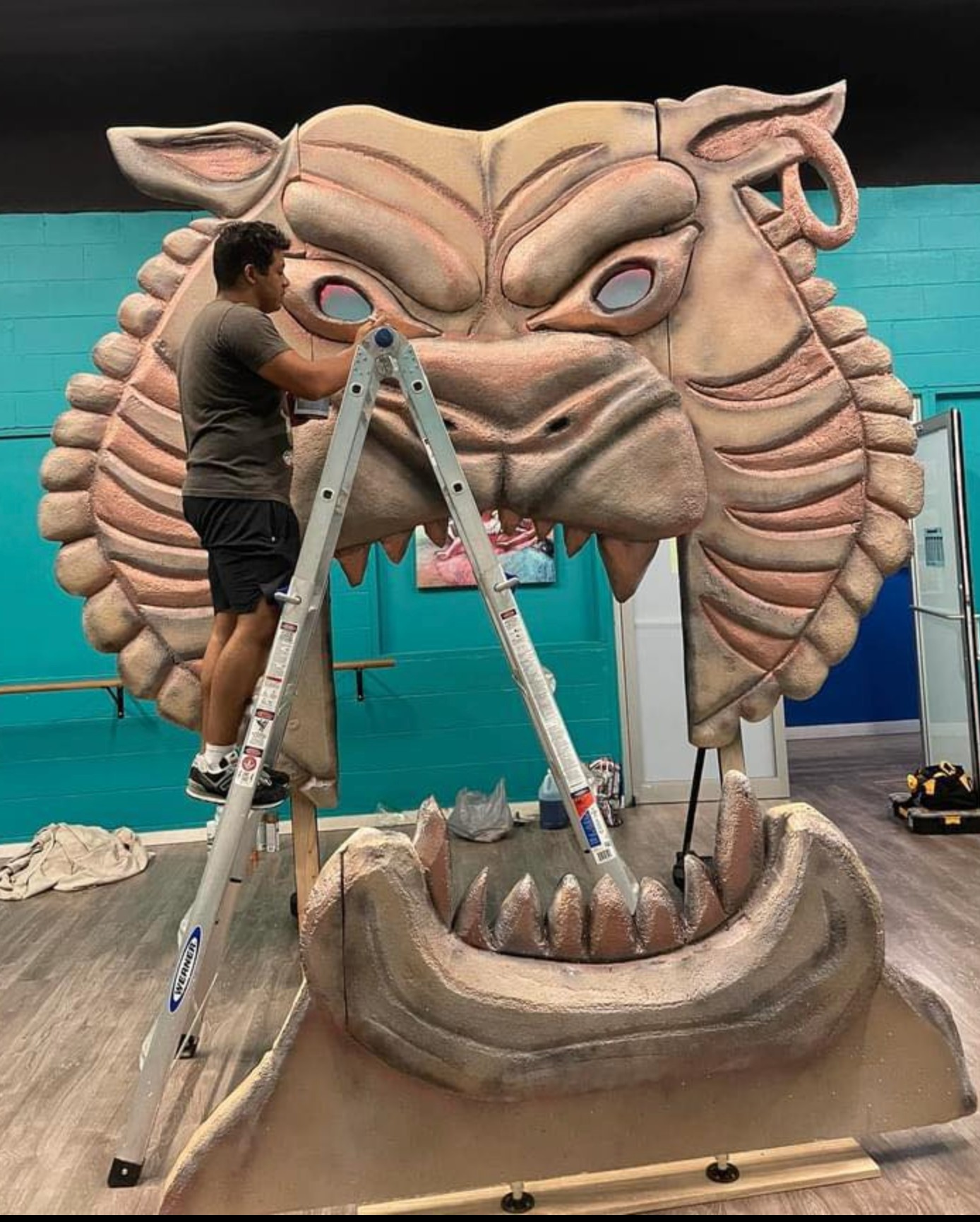
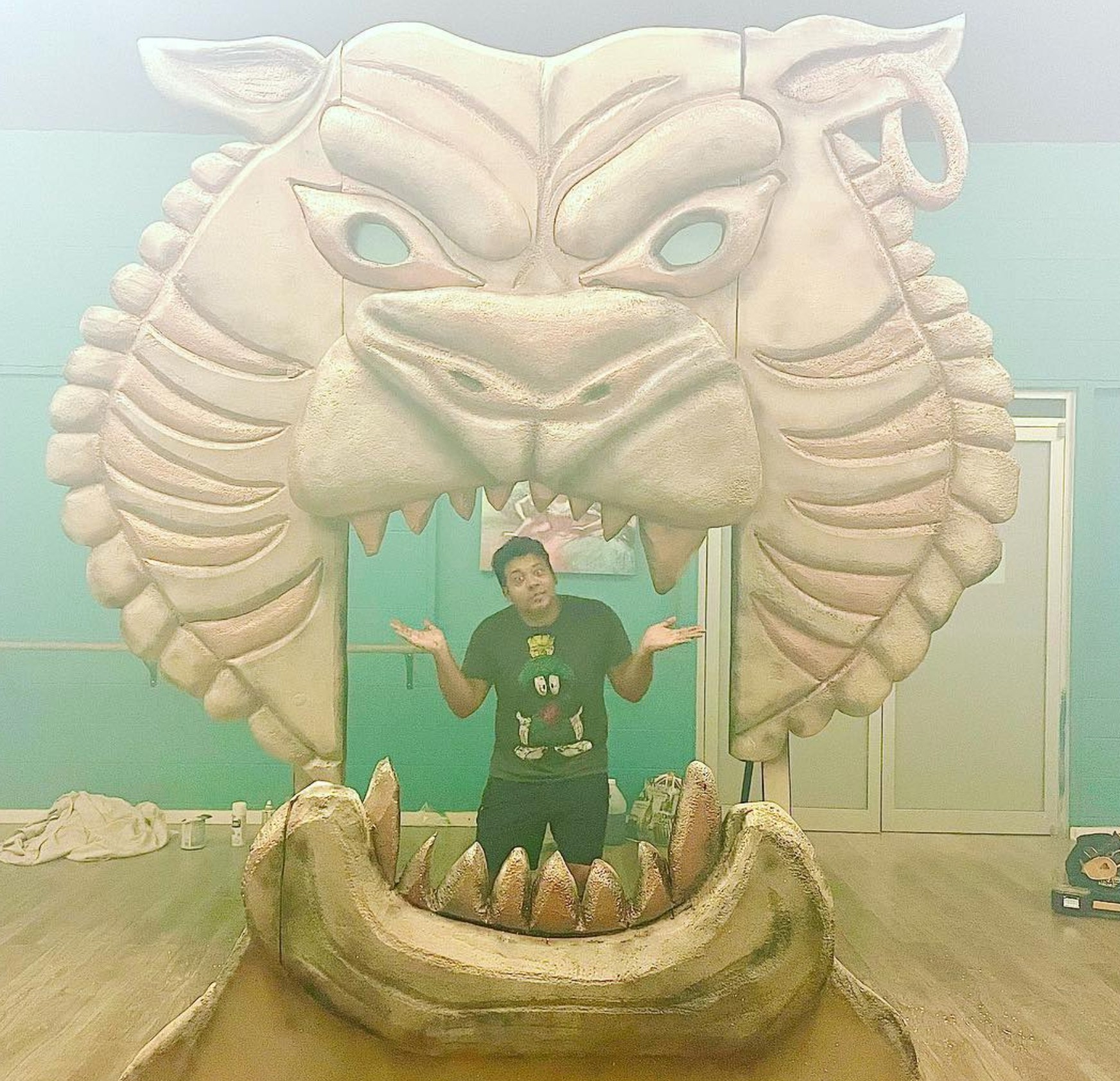
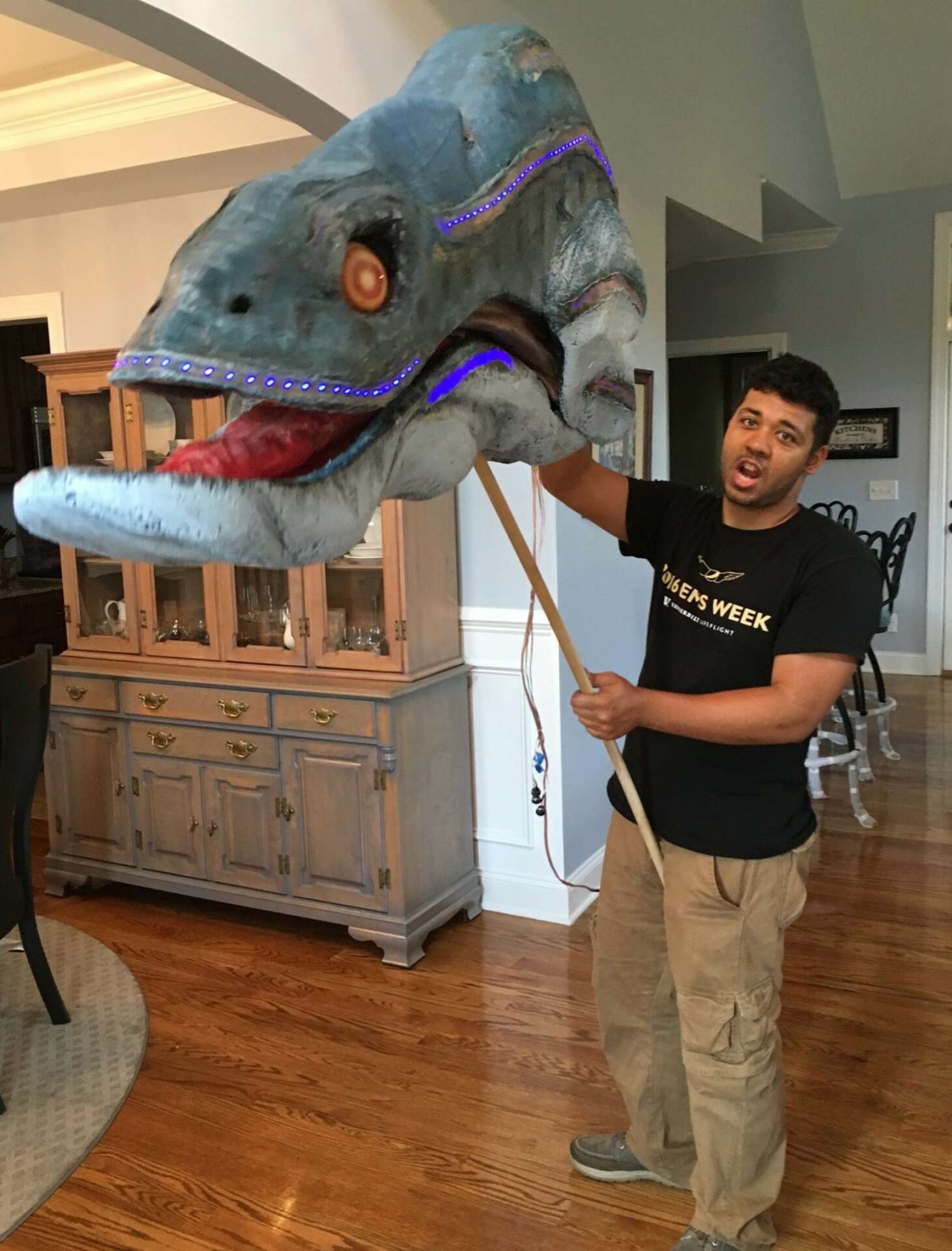
My company is Crosstitch Productions. I wanted to create a business that inspires children and adults to create and to ponder. I am, at my core, a storyteller. I love creating characters, worlds and stories. My primary medium of choice is puppetry. I started as a puppeteer in church,eventually I took workshop classes and learned from professional puppeteers. I was very proficient at performing and puppeteering, but always wanted to learn how to build the puppets I had been using. I went to Orlando for college where I got a job working for the City of Orlando Puppet troupe, which sadly became one of the first victims when the city had to tighten their budget. It was with the troupe where I learned from puppeteers all over the country. The puppet troupe had a profound effect on my career and I learned how to build and do voice over acting, sound mixing and how to use multimedia in a puppet performance. I found the work with the troupe challenging and it provided me with skills needed to approach and tackle obstacles. This skill has served me well in the industry where nothing ever goes as planned and you have to think on your feet and adapt in order to overcome. I have backed off in the past year from building and performing on shows for other companies and am now pursuing my passion. Currently I am working on a few puppet shows that will be released at the end of the Summer, “Ana’s Bakery” and “Jonah”. I also have started a New Podcast “YarnSaga” that features original, dramatized stories by myself and my very talented team.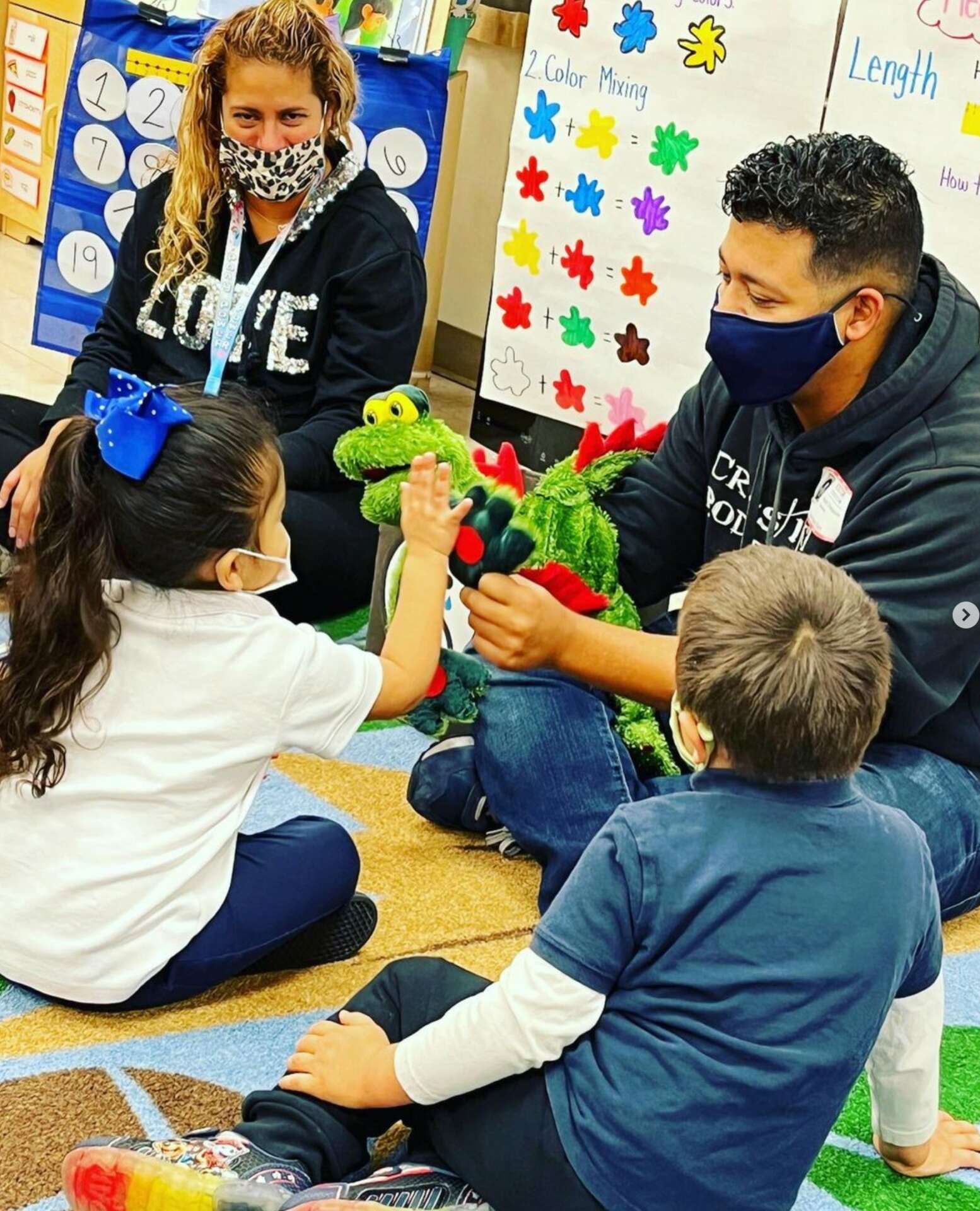
In your view, what can society to do to best support artists, creatives and a thriving creative ecosystem?
I think society as a whole would benefit by allowing artists more communal spaces for work. Artists want to create and their creations often veer away from personal meaning; in other words, sometimes we create just to create. . The art of an artist is not going to be enjoyed by everyone and that is a good thing. Art is an expression that often connects with only certain groups of individuals. I personally have no interest in interpretive dance – not my thing – in all honesty, I usually find it unnerving, however, I have seen others that are truly touched by this art form to the point of deep emotion. I cannot deny the power of this artistic medium to touch someone, so it has a place – it is an art that touches people. Another example of course are painters that in their day were ignored or despised and now decades after their deaths are celebrated.
Sadly, good feelings and artistic expression do not pay bills for the most part; so, in order to keep creating art, it often becomes kitsch in an effort to create a product that sells so the artist can make the necessary money to live. I am not a big fan of nonprofit organizations for the arts. Often these artistic homes are black holes for finances dedicated to the arts and these organizations with their boards and grant writers soak up the money to put out the next product that isn’t really art, but a way to keep them running until they can get more money to support them for the next year. Sadder still is that the artistic productions they produce are often mediocre and subpar, merely offering the bare minimum of a grant so long as they can show that people attended the event; there is no real measure of a lasting impact or way of determining if people enjoyed the “art.” So the push to take money from artists who might create something new and fresh, risky and inspiring to put on the same yearly production is just a scam to me. A lot of nonprofits create this illusion that you’re doing something beneficial for art, but really they’re just pandering consumerism.
Grant money should go to communal places to allow artists (free or discounted) places to work. Here’s an example of what I mean: allow a potter to teach classes at a pottery studio for the public and then have the potter create and put on a show of their work at said pottery studio. Inspire people to have an interest and appreciation for the art of pottery and then let the public see what a talented and disciplined pottery artist can do. In this way, you will create a community of the arts and artists will feel valued and that their work has a place in society. This is a much better model than having artists beg institutions for a chance to help or volunteer at the local arts organization where admins take the lion-share of funds and treat artists like they were given an “opportunity”. It’s a backwards system, in my opinion, and I hope it changes; it stifles art and crushes the dreams of talented artists that have a lot to offer.
Do you think there is something that non-creatives might struggle to understand about your journey as a creative? Maybe you can shed some light?
A successful artist would, by society’s standards, probably be determined by how much money is in the bank or by the measure of their fame. Often it’s pointed out that Vincent Van Gogh died penniless, but now is celebrated as an artist that has had such an impact on the world of art. Franz Schubert, considered a failure of his day, also died penniless at the ripe age of 31 – granted his contemporaries were Bach and Beethoven so he had some stiff competition. Most people will not recognize his name, but will recognize a little song he wrote known as Ave Maria. Which brings me to my point: A truly successful artist is not one that is rich, or famous; a successful artist would be one whose art has touched or inspired people – art that was created and cared for, perfectly honed and released out into the world to make people’s lives better by its very existence. That is art. The betterment of the human condition through artistic expression and medium. Not consumption, but inspiration.
Another struggle in understanding by non-creatives, although, I would argue that creatives wrestle with this thought process, the matter of proliferation. The idea of an “Artist” being lazy is common and, granted, with some it is not an idea, but a reality. Creation is difficult, especially when coupled with the unique creation of an art piece. Then to add the infinite battle of artistic perfection and you have an artist that is in constant battle with their mind. I used to think I was the only one or that I must not be very good at my craft because I would go through such an arduous battle in my head to create or “complete a project.” But the more I spoke to other artists the more I discovered that this phenomenon is very common among the artistically gifted.
In most artist’s reality, the art piece will never be perfect according to their standards and will always be looked upon with some level of disappointment. Claude Monet was an artist who struggled with perfection. He delayed a Paris exhibition after taking a knife to his paintings because he was so angry about the lack of perfection in his art. Art is our passion, the air in our lungs, and it’s not always about making the next deadline or accommodating the masses; it’s about taking what’s in our heads and hearts and putting it out into the world. Which means time management, though important, is sometimes difficult – it’s hard to find the balance. When creating an artist wants their final production to be perfect and, unfortunately this is usually impossible; so an artist has to learn to live with their art – imperfect as they feel it is – and move on. The struggle is real.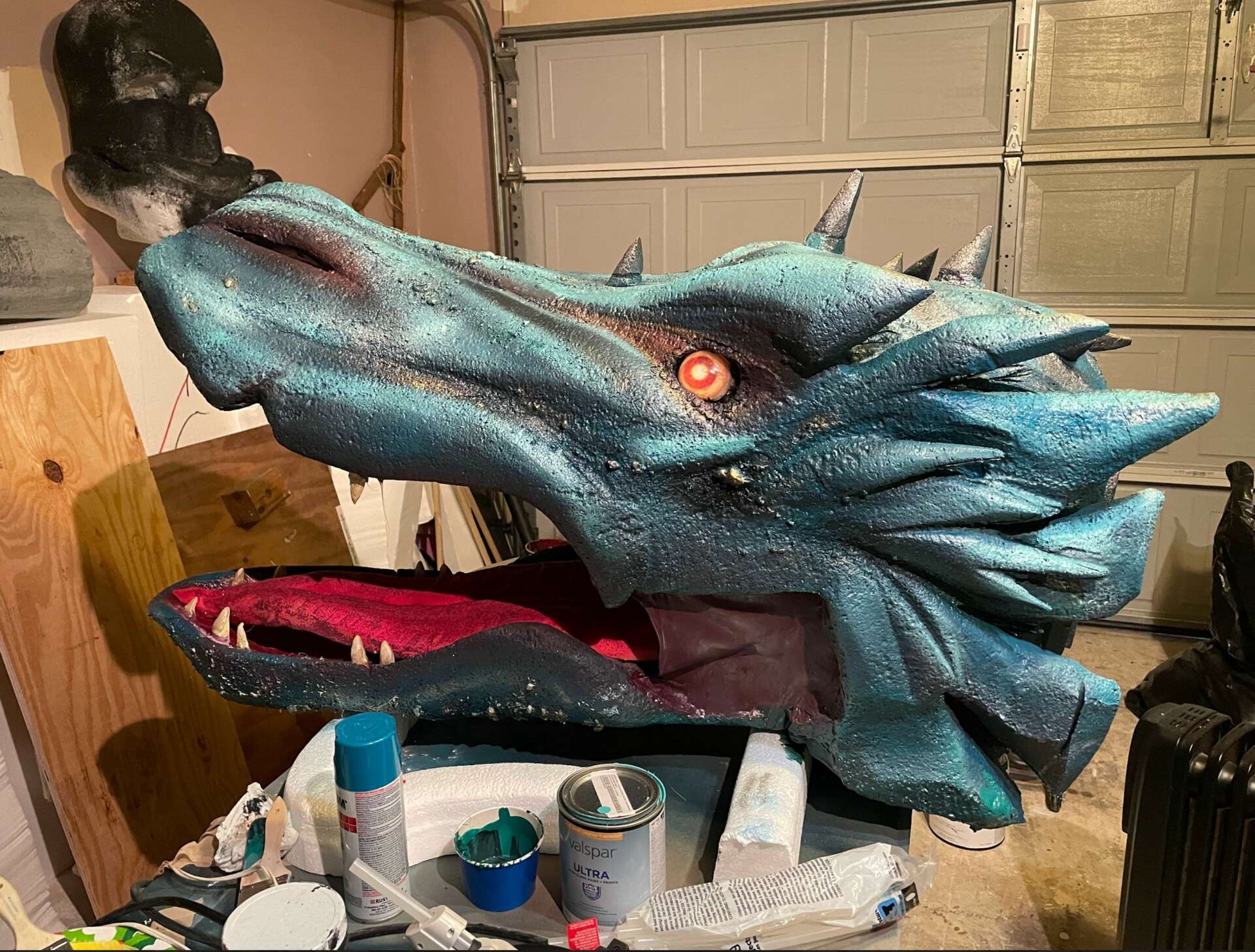
Contact Info:
- Website: crosstitchproductions.com and yarnsagapodcast.com
- Instagram: instagram.com/crosstitchproductions/ and instagram.com/yarnsaga_podcast/
- Facebook: https://www.facebook.com/Puppetproductions and https://www.facebook.com/people/YarnSaga/100089726640174/
- Youtube: https://www.youtube.com/channel/UC-iOCrSvG4kgXKLevz8qTuQ/videos?view=0&sort=dd&shelf_id=0
- Podcast: https://rss.com/podcasts/yarnsaga/Kofi https://ko-fi.com/yarnsaga