

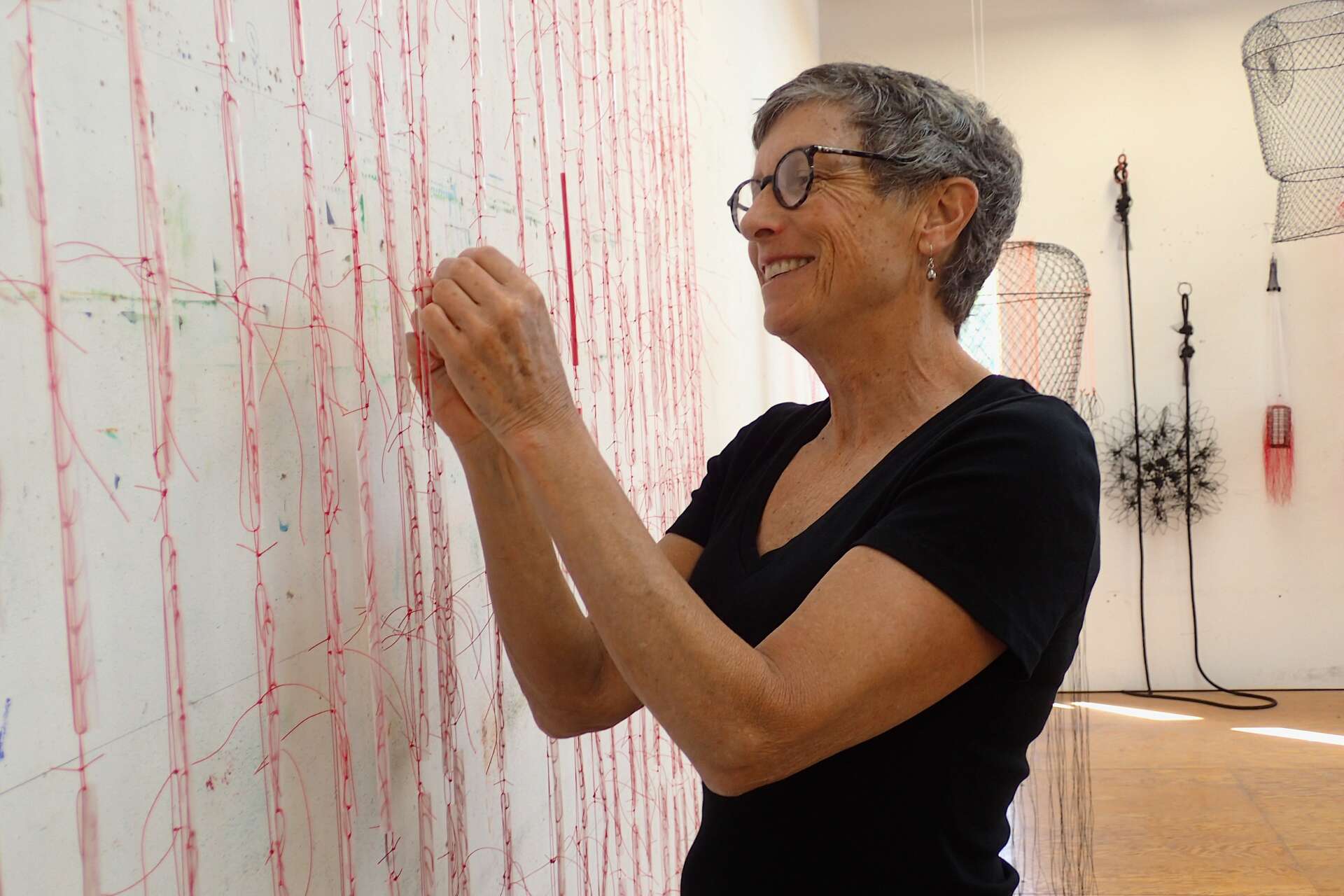

Alright – so today we’ve got the honor of introducing you to Blue McRight. We think you’ll enjoy our conversation, we’ve shared it below.
Blue, appreciate you joining us today. Can you talk to us about a project that’s meant a lot to you?
One of my most meaningful recent projects was Fathom (2018), presented at the Angel’s Gate Cultural Center in San Pedro, California. Fathom engaged the community through a series of in-person workshops to create a group of sculptures that would be shown together as an installation in the gallery. The artwork addressed local projected sea level rise as well as the urgent problem of ocean plastic.
How could we fathom, or understand, these issues? Originally, the word “fathom” also meant the span of one’s outstretched arms. In the workshops, we explored ideas about understanding and measuring by creating our own “personal fathoms” based on armspans, resulting in a group of artworks that are related, but unique to each maker.
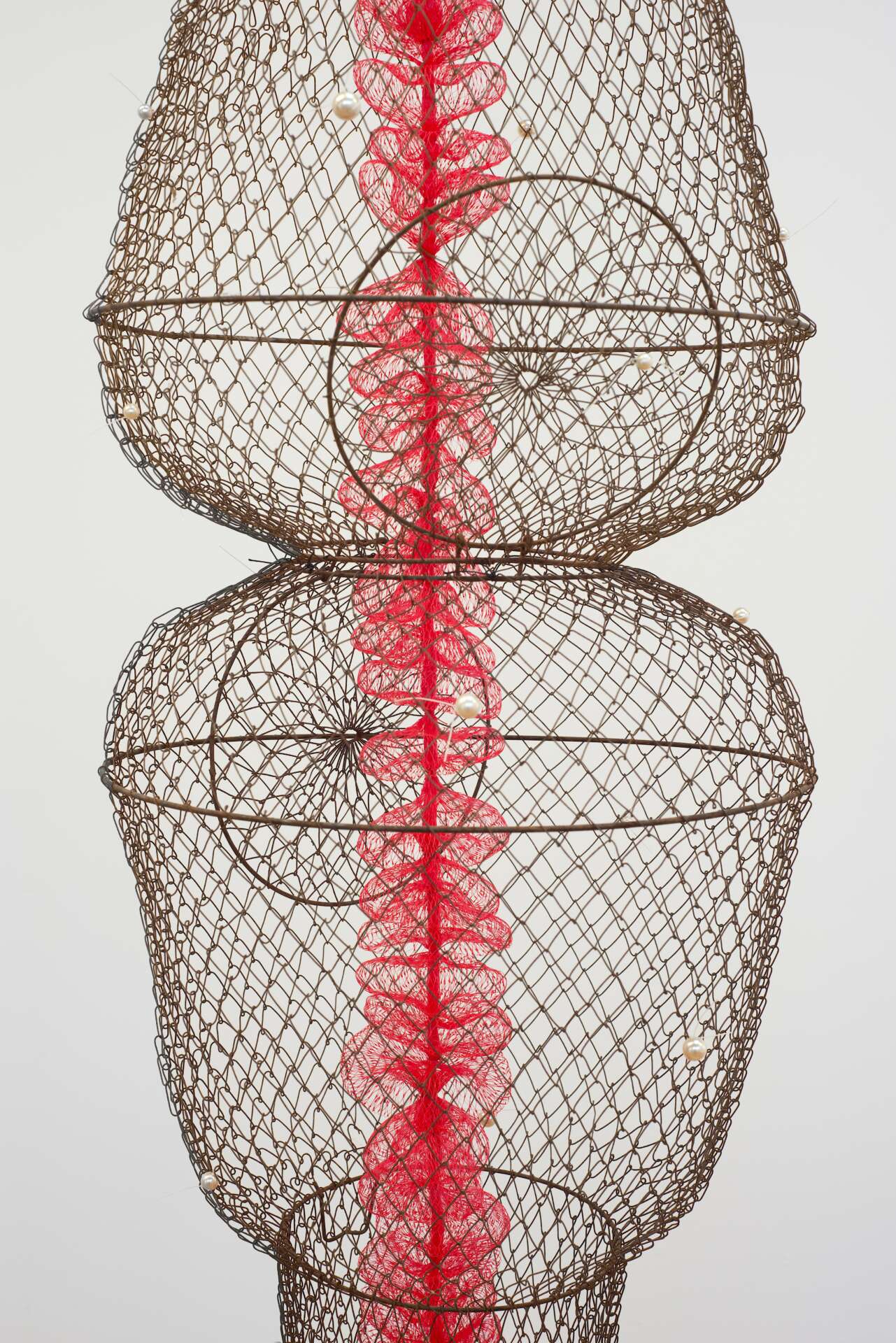
Using simple techniques for making suspended vertical sculptures utilizing rope, nets, and salvaged ocean plastic collected and donated by South Bay community members including Captain Charles Moore and the Surfrider Foundation, thirty Fathoms were created. Suspended from the gallery ceiling as a large group, with the top of sculpture at 66”, the installation referred to the height of the projected sea level rise at Los Angeles Harbor, which is adjacent to Angel’s Gate.
Here is a link to a brief video of me talking in the gallery about the project:
https://www.youtube.com/watch?reload=9&v=BMMN8Z8_Bpw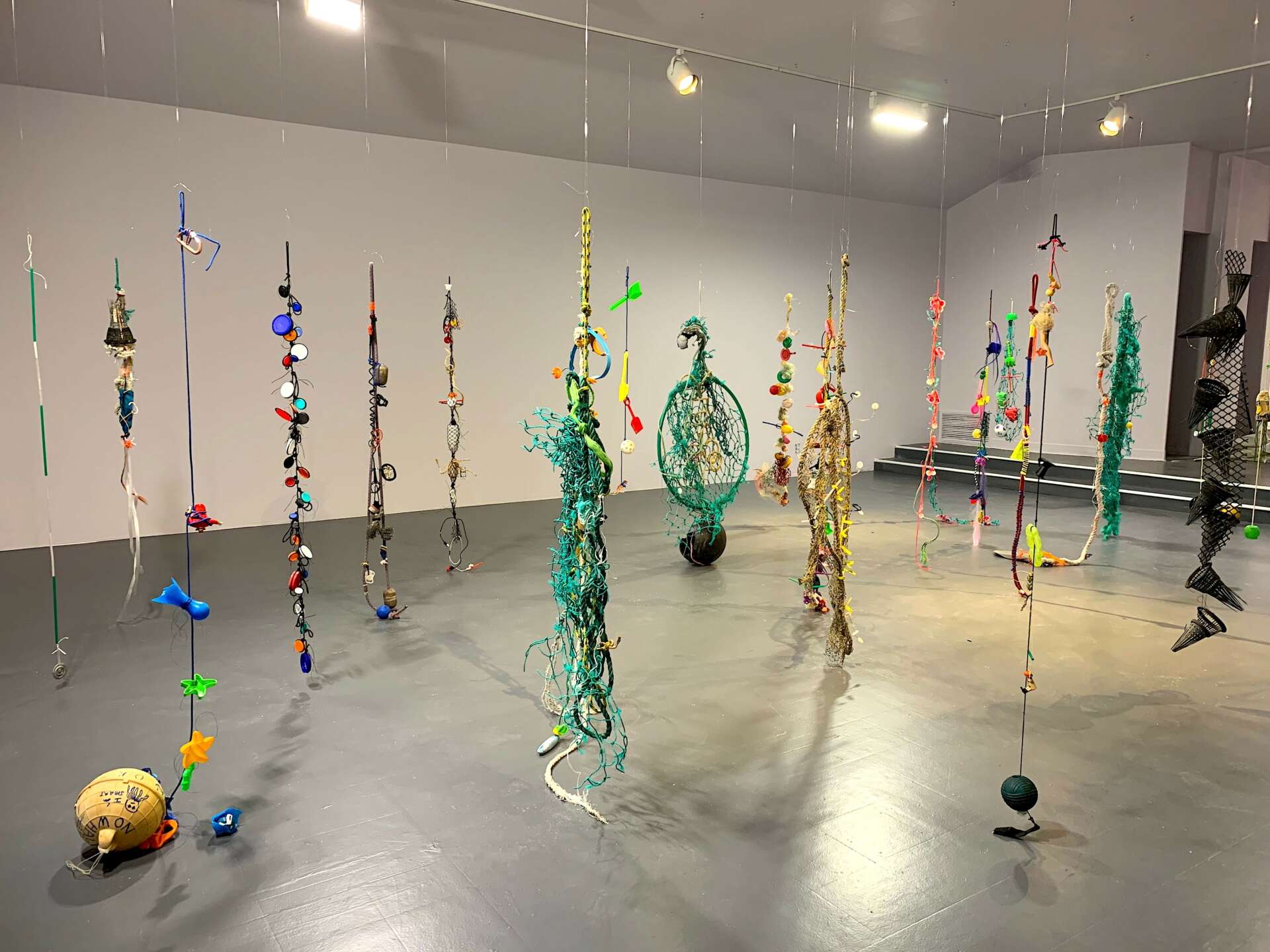
Awesome – so before we get into the rest of our questions, can you briefly introduce yourself to our readers.
I have always been an object maker. My curiosity, love of nature, and innate need to create things has inspired me throughout my life, from childhood through school up through the present time. Trained as a painter, my visual art practice has evolved from painting exhibitions and public art commissions to a practice devoted to the making of sculptures and installations. Over the last 25 years my primary subject matter has been water and its lack, allowing me to explore vastly different materials while remaining engaged with one of the most urgent environmental issues of our time. I have always followed the work where it led me and worked hard to keep up. Perhaps passionate curiosity, and my willingness to take risks, sets me apart from others.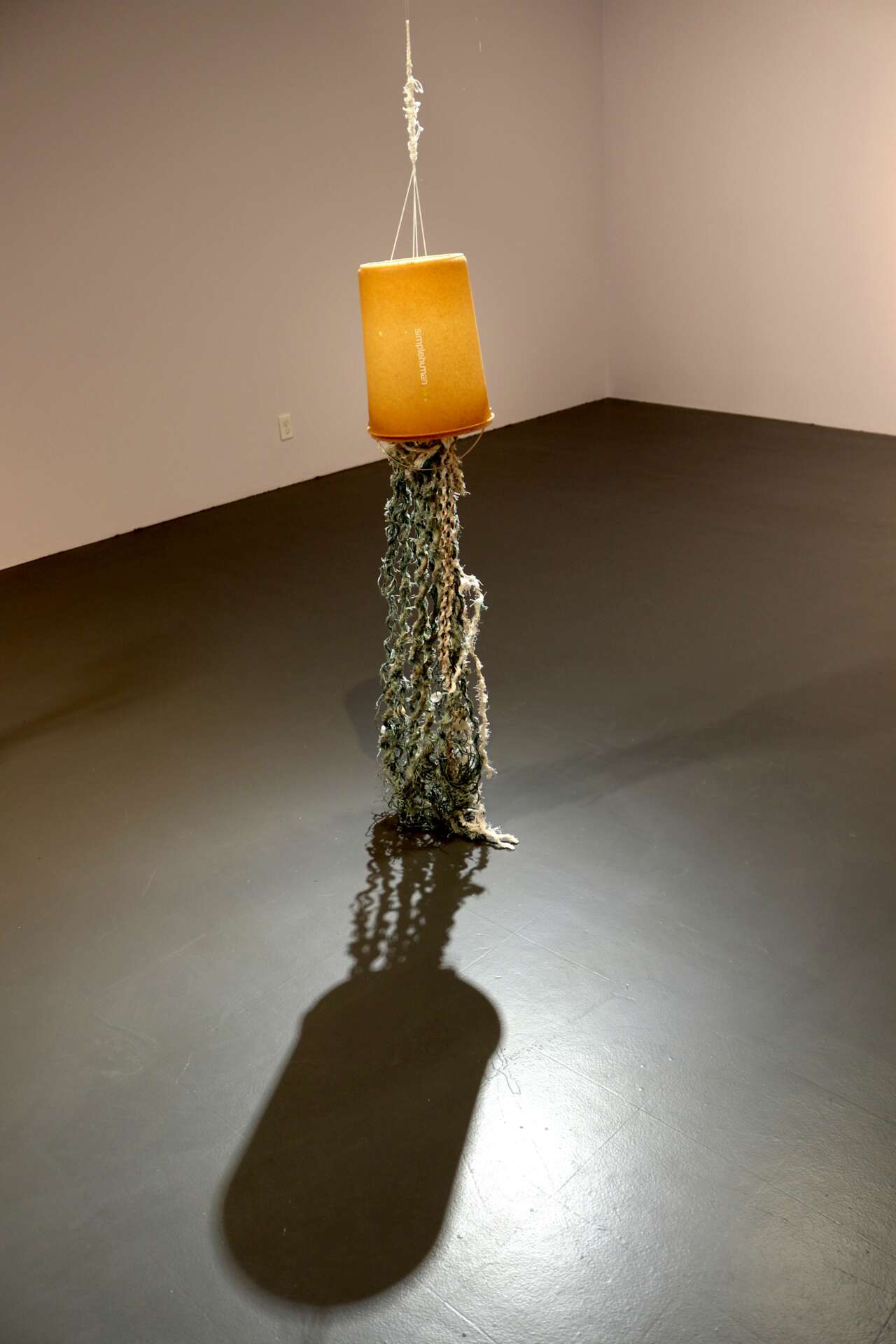
What can society do to ensure an environment that’s helpful to artists and creatives?
In my view, society needs to immediately commit to and fund increased arts education in visual arts, design, music, creative writing, theater, etc. to all students at all grade levels from early childhood through high school. This is critical not only to cultivating imagination and creative problem solving but to encourage the artistic spirit and the esteem for it in society, rather than its marginalization. And, when people are educated in the arts they have more points of accessibility and thus more engagement and a better understanding of the importance of imagination, design, and culture to society.
In order for artists to thrive, we as a society must want them to. We must raise our voices and votes to prioritize arts funding. Institutions, schools, and governments need to lead by example in consistently assigning value to the arts and artmaking. Besides comprehensive education, this should include: promoting the arts to the same degree that STEM curricula are currently promoted, increasing grant opportunities for individual artists as well as arts organizations, abundant art in public places, free museum admission wherever possible, support of existing arts venues, support of new nonprofit organizations that create opportunities for diverse artists and the public to come together, and a union for artists and arts workers so we can attain better working conditions, healthcare, and wages. Lastly, in many areas it is so difficult for artists ton find affordable housing and/or studio space – so I would like to see much more investment directed toward the creation of artists live/work communities in both urban and rural locations. Such communities are important local cultural resources in their accessibility, diversity, and collective identity.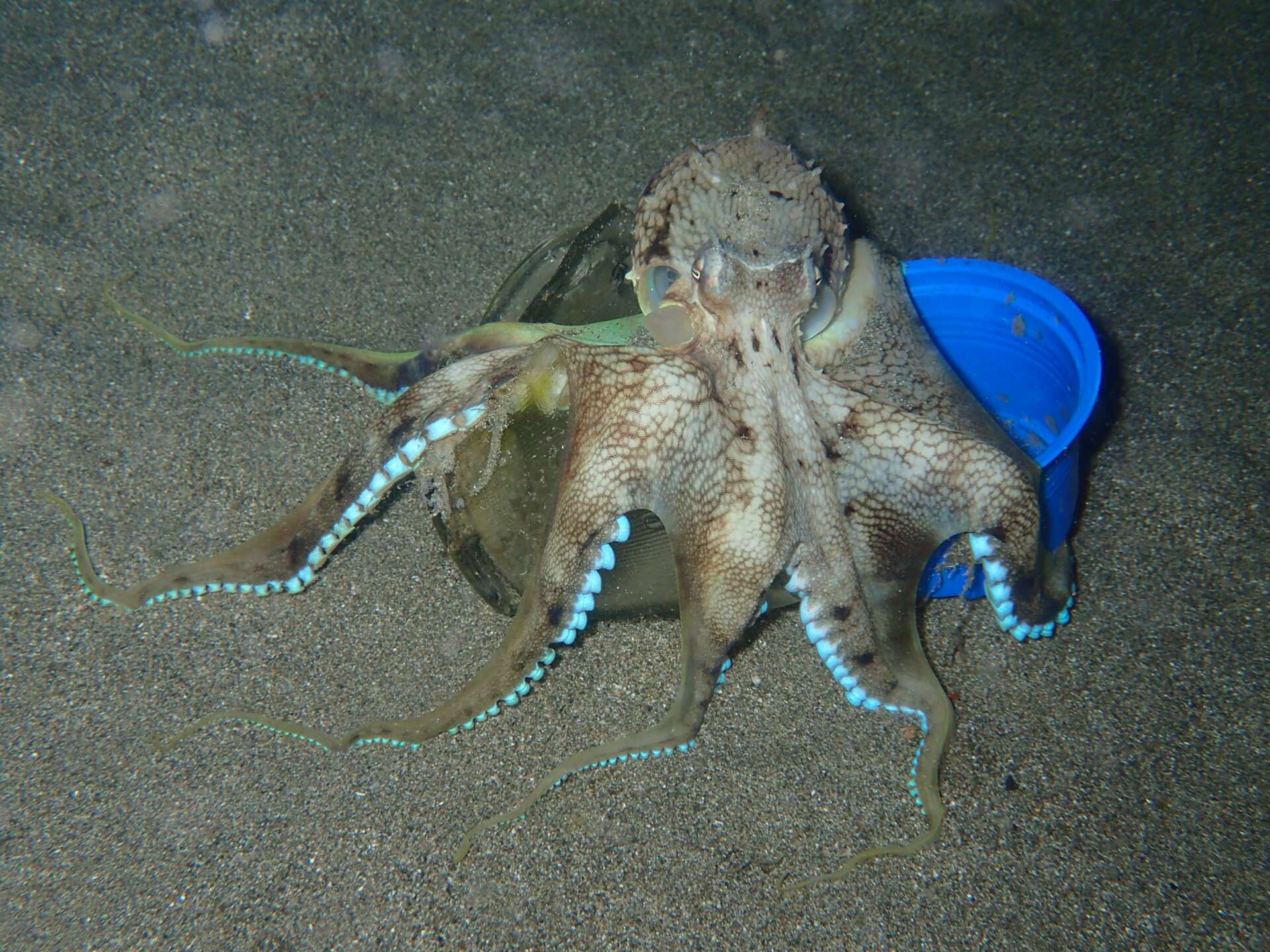
What do you think is the goal or mission that drives your creative journey?
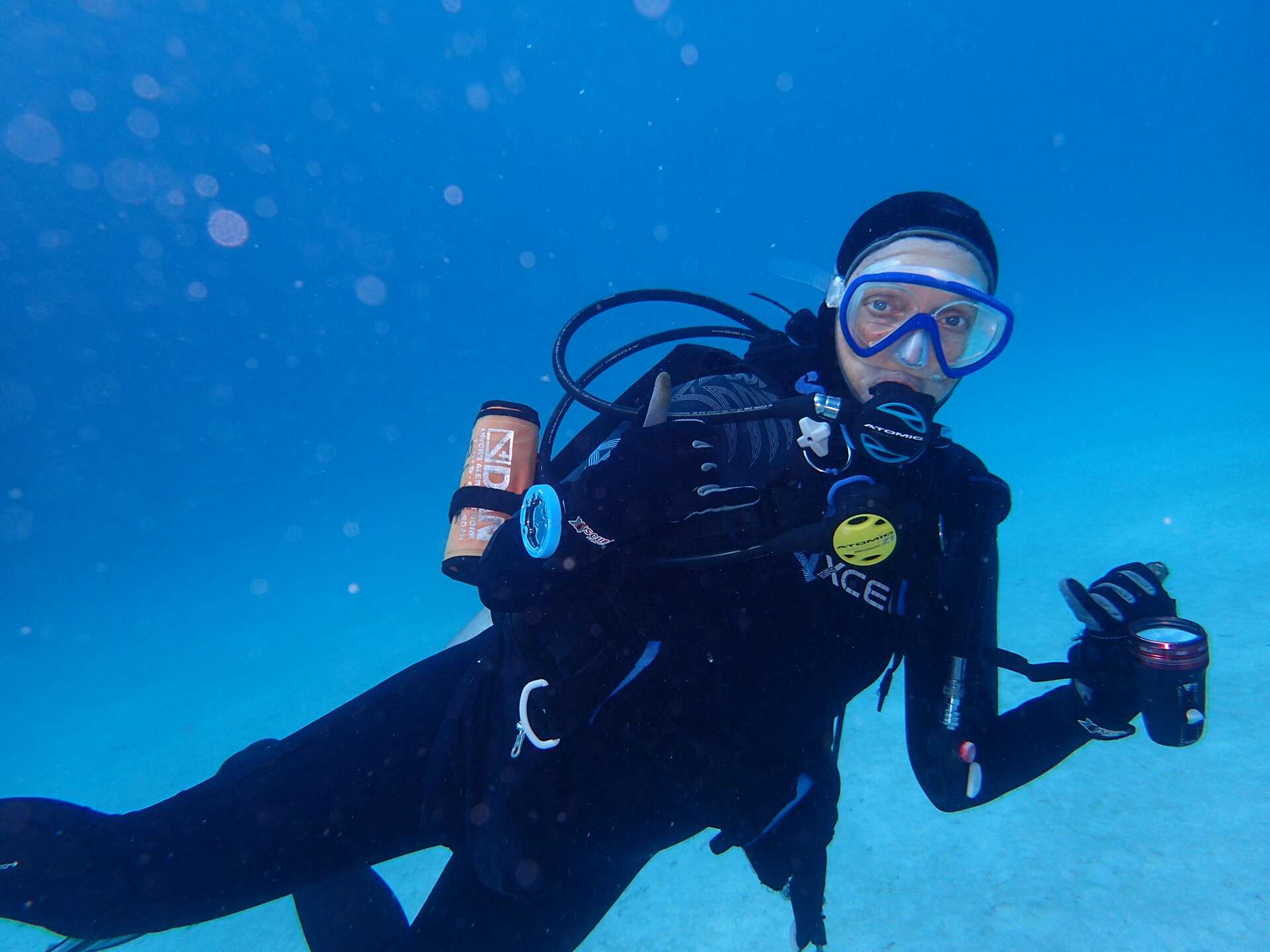
I am dedicated to creating a visual, metaphoric language about water and the ocean, synthesizing years of witnessing the undersea wilderness. In 2003 I became a scuba diver, and being literally immersed in my primary subject has concentrated my focus on the ocean and ocean life. Since I began diving, the devastating issue of ocean plastic has become both subject and material for me.
I’m constantly looking for plastic trash like straws, lids, nets, rope, and other objects on the beach, in gutters, along highways, and everywhere I go. I think of these things as the fallen urban fruit from the filthy orchard of our consumer culture.
I insist that salvaged plastic trash can be beautiful and important as material for artwork, forcing us to confront the possibilities of what we thoughtlessly discard, giving agency to the rejected as it assumes space in the realm of cultural dialogue, alluding to what is overlooked and wasted. 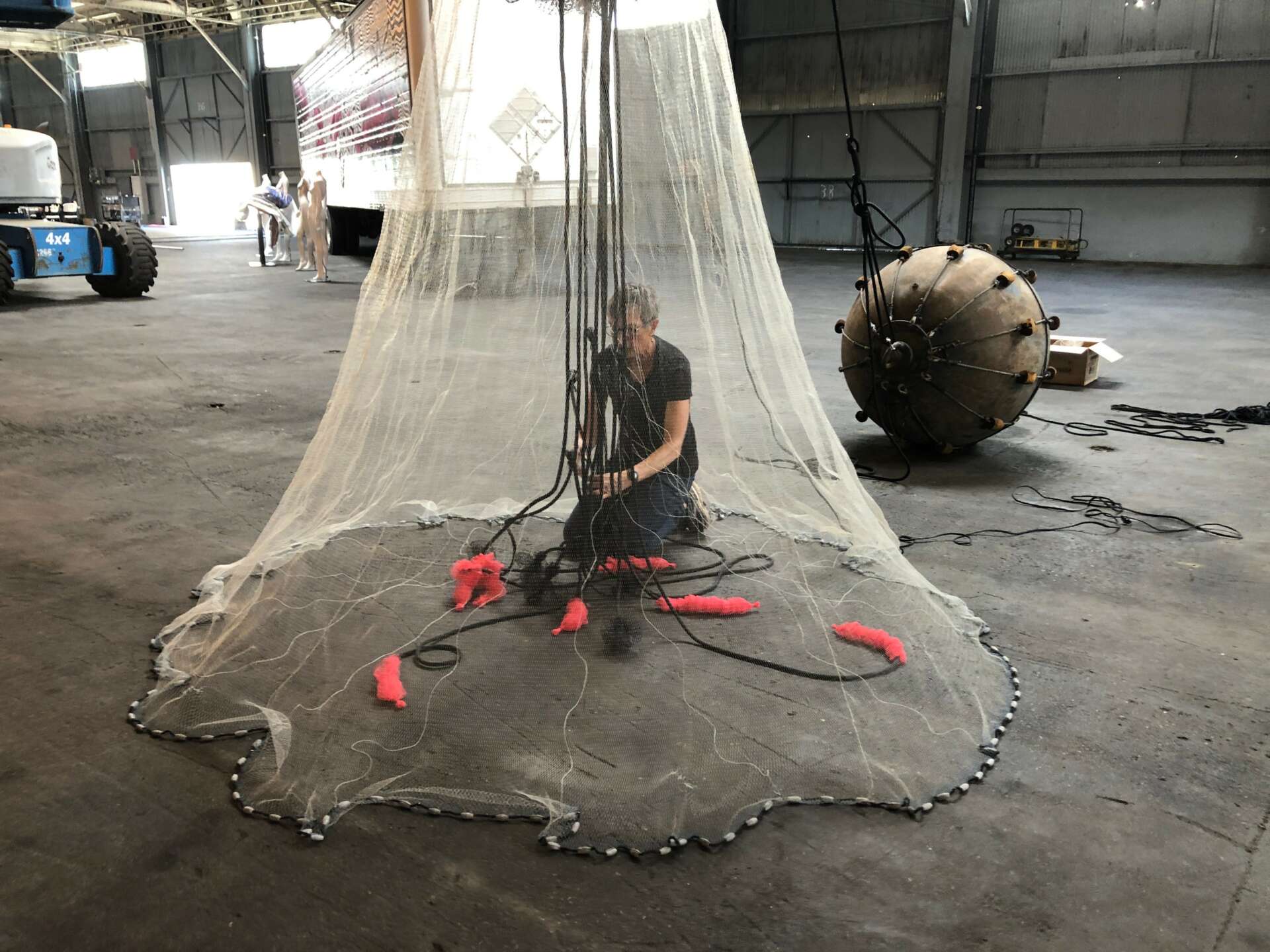
Contact Info:
- Website: www.bluemcright.com
- Instagram: @bluemcright
- Linkedin: bluemcright