



We’re excited to introduce you to the always interesting and insightful Naomi Carroll. We hope you’ll enjoy our conversation with Naomi below.
Hi Naomi, thanks for joining us today. What’s been the most meaningful project you’ve worked on?
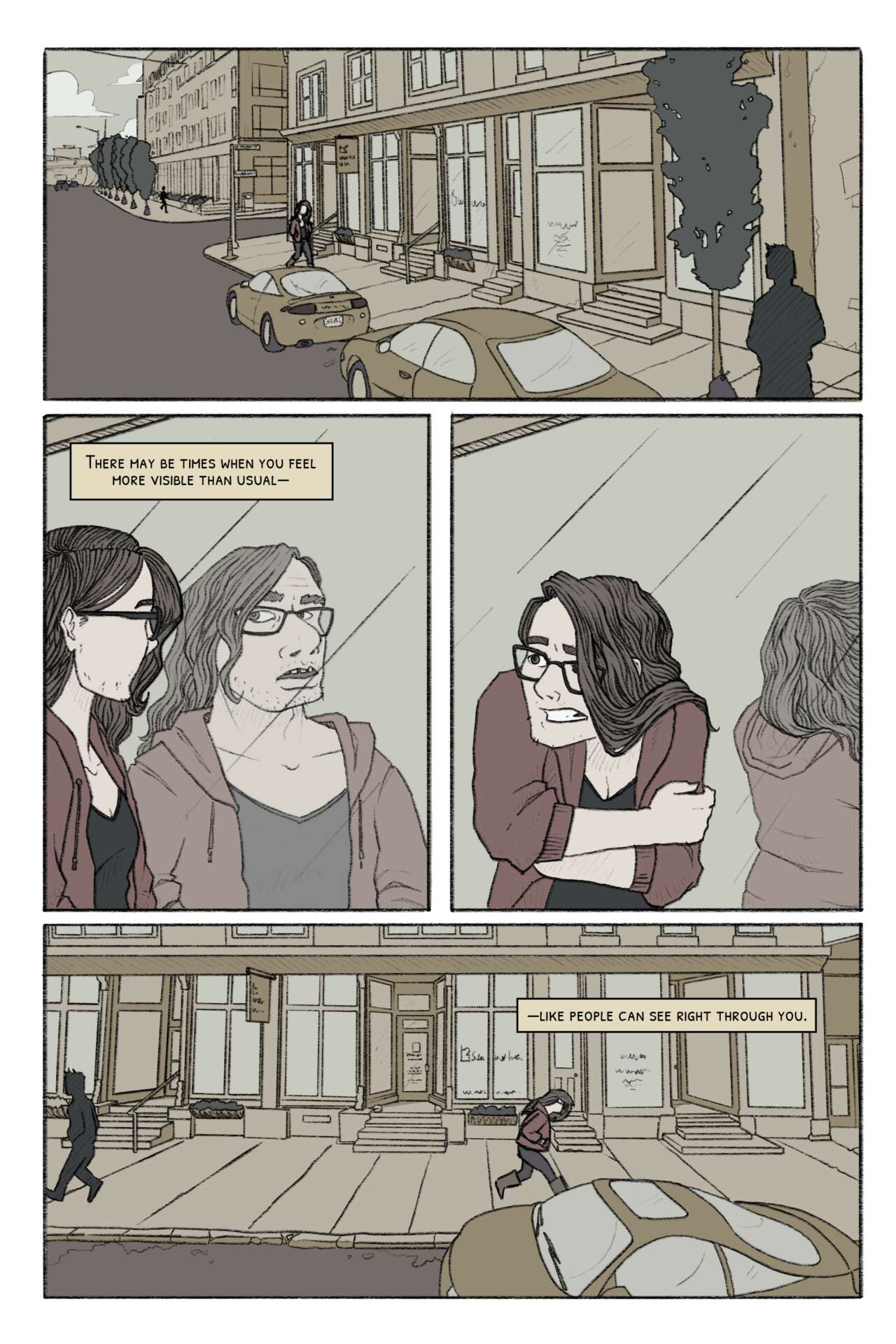
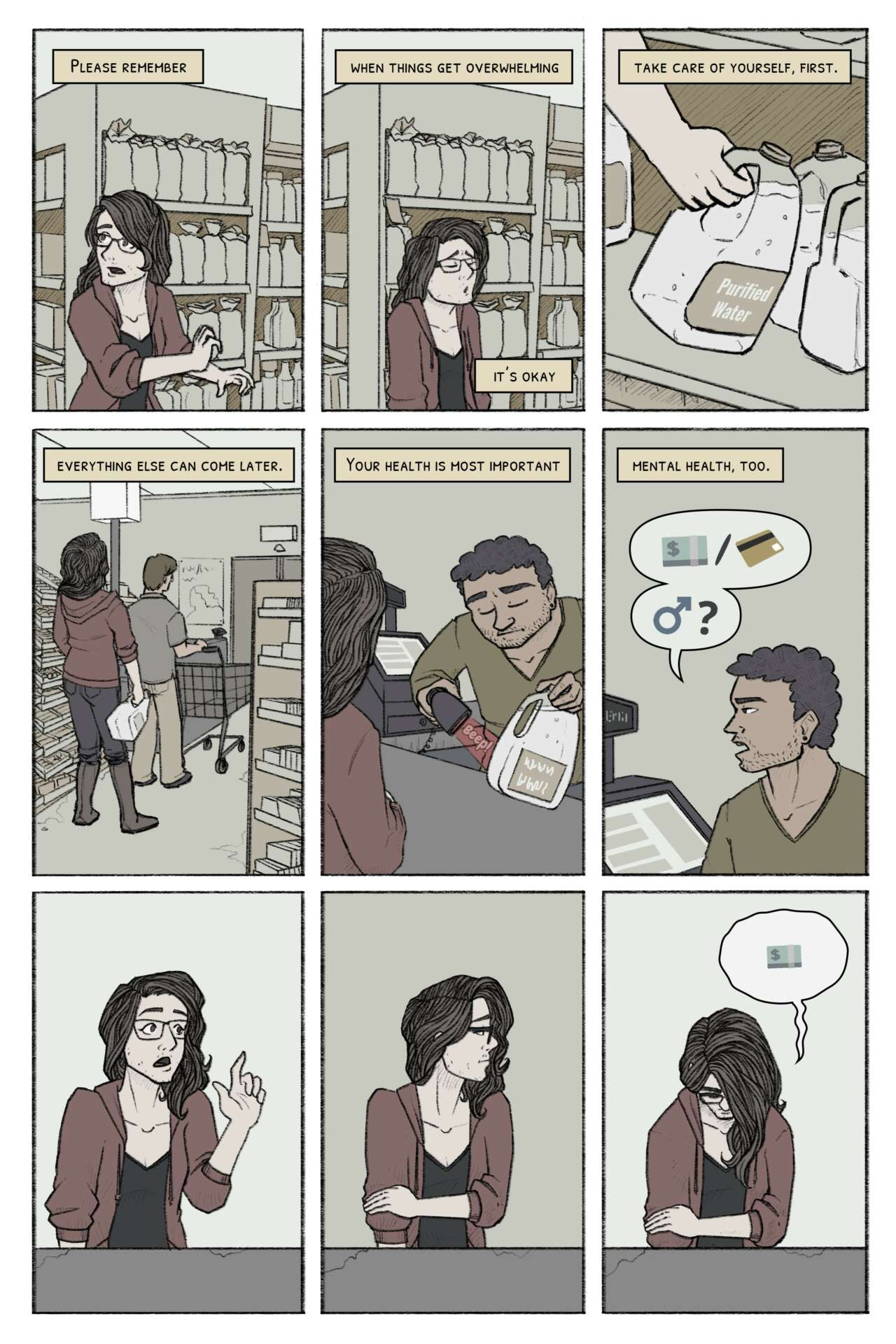
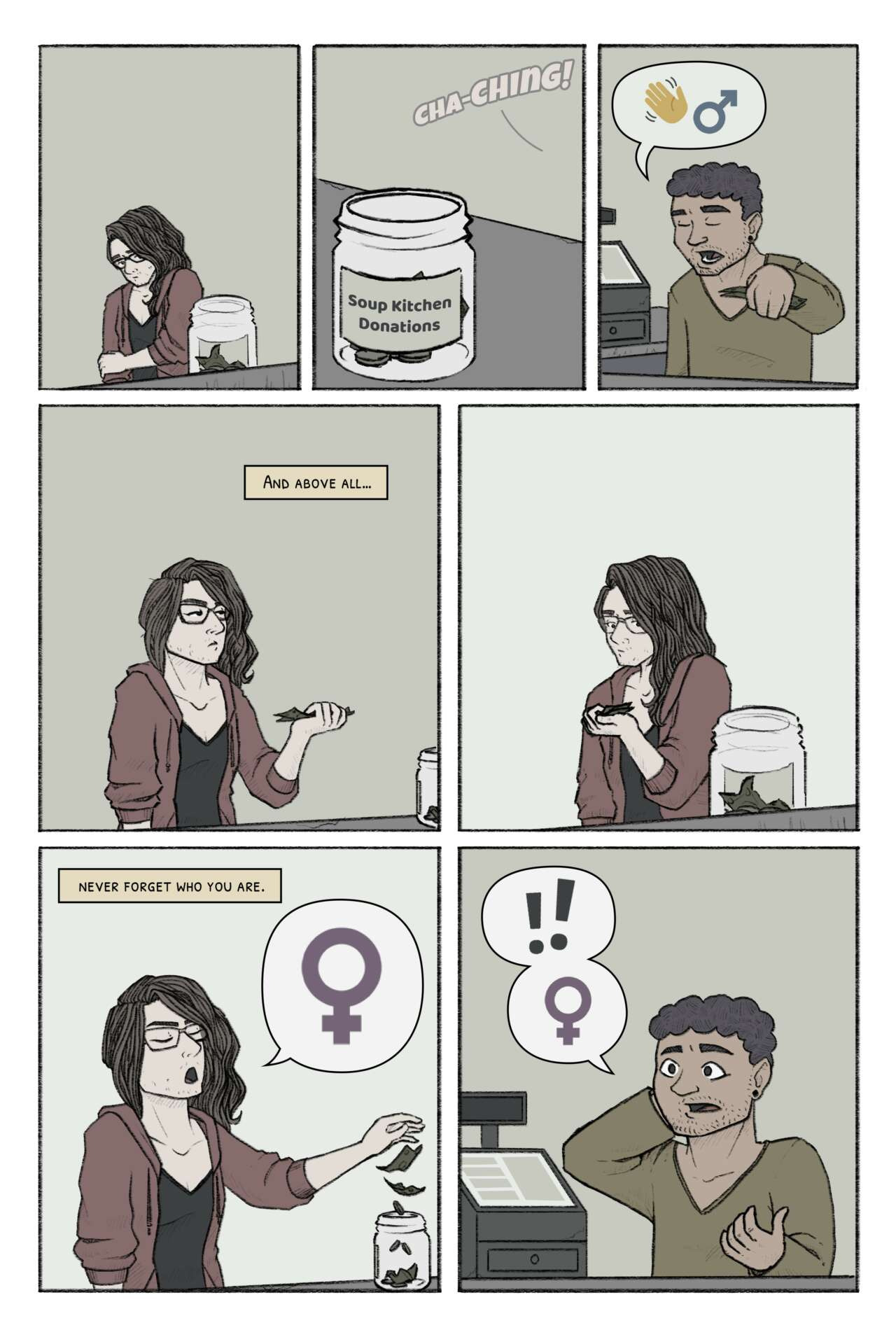
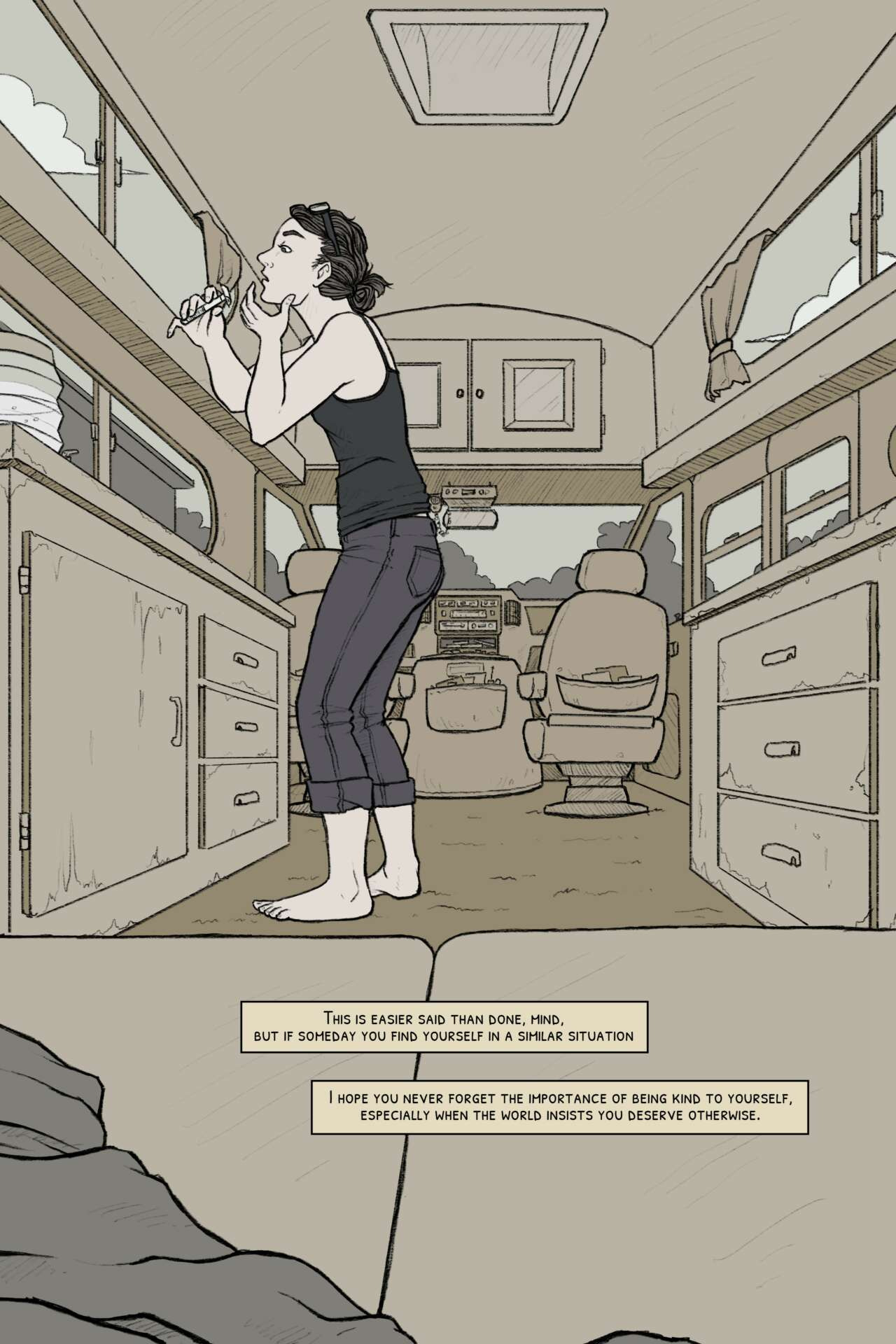
Up until recently I’d have said my Water Gatherer submission for the We’re Still Here All-Trans Comic Anthology was the most meaningful project I’ve worked on. I’ve always enjoyed telling stories involving deeply personal experiences, and that one specifically talked about the time I spent homeless and living out of my broken down camper van, and how that intersected with my experiences as a queer woman. Homelessness comes with a lot of challenges, as does queerness, and while my experience was far from uncommon, there was a lot unique to my stint spent unhoused that I felt worth touching on. It was great to hear so many folks say that it rang true to them as well, and the comic actually went on to receive and Ignatz award, so I’m pretty happy with how it turned out!
Recently I’ve strayed away from autobiographical comics and have been focusing again on sci-fi and fantasy works, mostly because of the liberties the genres give you, and how you get a measure of protection when talking about vulnerable topics, since you’re not actually admitting to the world that you’re talking about your own experiences.
My latest story, The Guild of Veiled Twilight, is based on a pretty cozy and familiar premise: an outcast girl moves to a big city to learn about magic from an older wizard. That’s nothing new, though it does serve as a comfortable and approachable foundation to build on. My goal with the story is to take that easily-accessible premise, and use it as a base to tell a story through a more nuanced lens: queerness and mental health. At its core, The Guild of Veiled Twilight is a love story involving the often-messy and rushed experiences many younger lesbians find themselves in, and how those situations often interact with mental illness. The term I often hear for these sorts of queer folks is “disaster lesbians,” which resonates a lot with me, to be honest. Disaster lesbians are often really competent in many areas of their lives, but for some reason there’s at least one aspect to their life that’s out of control. The idea that you can be a total badass and still not have your life completely together I think is a really powerful idea that a lot of folks can relate to.
In fantasy you sometimes see the idea of magic that’s powered by emotion rather than book smarts, or some external force like an artifact or amulet or something. Growing up I always thought how scary that sounded, knowing I myself was prone to mood swings from a young age. How much worse would it be if magical powers were involved every time? I thought that was a really interesting premise to explore, especially through the vantage point of somewhat younger lesbians still figuring out what love means to them. There’s a lot more to the story as well that builds on the premise: how generational trauma plays into our insecurities and bad habits, the weights of familial expectations, and the importance of community. At the end of it all, I think my favorite thing about the story is that I get to talk about these really personal, serious issues, all while drawing silly cartoon characters going on zany adventures. For me, the juxtaposition is half the fun.0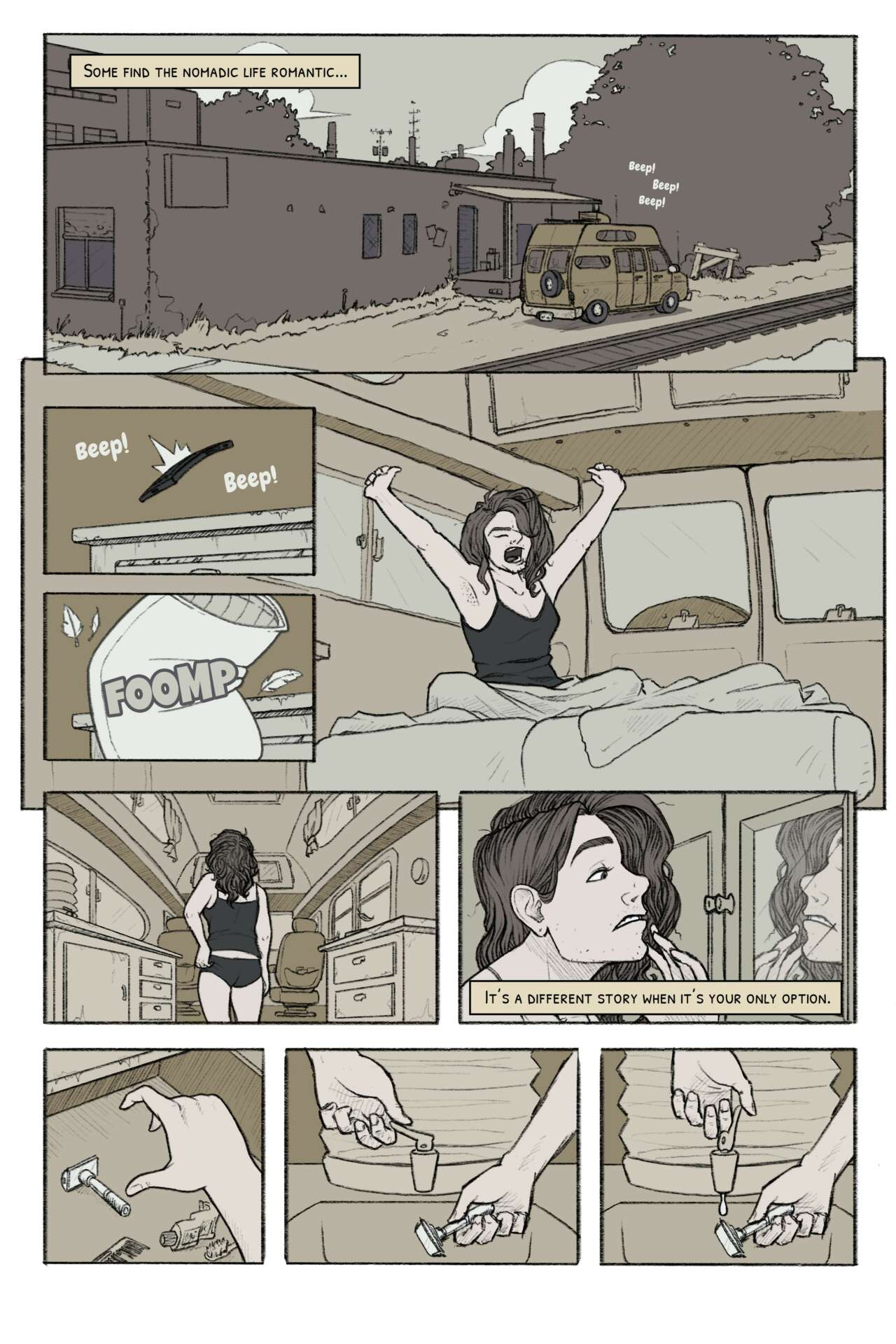

Great, appreciate you sharing that with us. Before we ask you to share more of your insights, can you take a moment to introduce yourself and how you got to where you are today to our readers.
Sure! I’ve kinda come from a lot of backgrounds, to be honest. I’ve been doing illustration, game design, and comics from a really early age, and went to art school for illustration, animation, and essentially game development. It wasn’t until my early teens that I started experimenting with computer programming, which became more of a hobby than anything. Once I graduated college though, I found it easier to find work as a programmer and tried to balance the two careers for quite a while before giving up on art entirely for a while. That was sort of a dark time, and I’m glad it’s behind me.
It wasn’t until a handful of years ago that I returned to illustration and design with a vengeance, participated in several comic anthologies, worked on a handful of video games and board games, and co-created a children’s-style picture book with an associate. A lot of what I bring to the table is holistic knowledge because I’ve worked in everything from UX design, story boarding for commercials, to software development and beyond. A lot of my freelance these days involves project management consulting, but I’m always looking for interesting illustration and design projects to join. That said, most of my recent free time has been spent focusing on The Guild of Veiled Twilight, and I’m excited to finally be in a place where I can start to share some of this new project as I make plans to launch it later this year.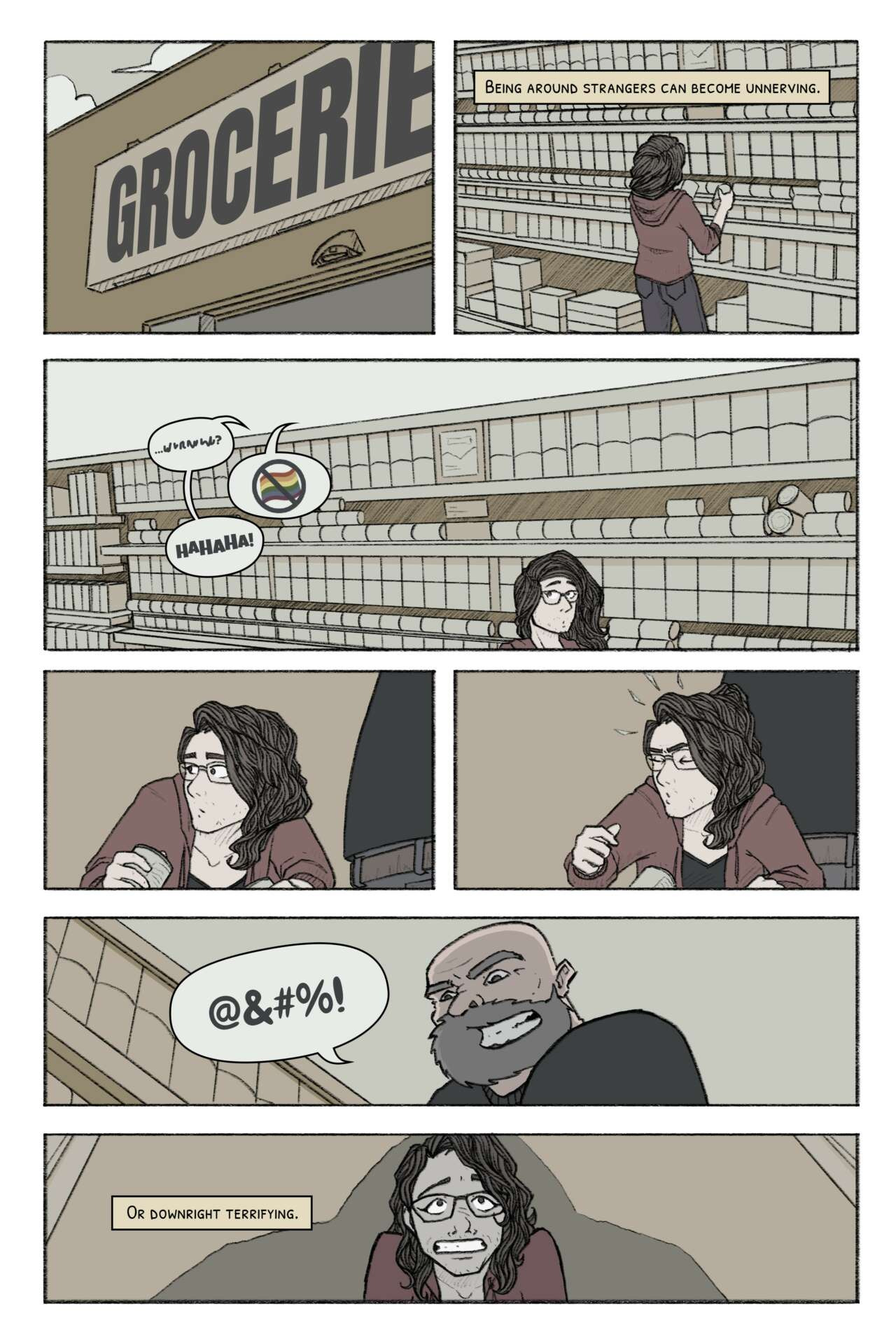
What do you think is the goal or mission that drives your creative journey?
I’d say the biggest goal I have is to leave something behind that I feel is important and worthwhile, even if no one else feels the same way. In the past handful of years I’ve lost two of my old creative partners to health issues: one was a game developer I worked tightly with for a couple years on a title of our very own, the other was a comic book writer who I co-started an indie publishing house with, and we went on to make several comics together over the years.
When each of them passed, it forced me to realize that we never achieved our visions together. The video game my dev friend and I made, while complete, never got to market before my partner passed away. The comic book saga I co-wrote with my other associate only managed to make it through a few issues before life got in the way—and eventually death too. It made me realize how important it is to prioritize the things that bring you joy and satisfaction; I’ve spent a lot of my life trying to help everyone else’s dreams come true, and it dawned on me one day my own dreams are going to pass me by if I don’t put them first for a while: so here I am.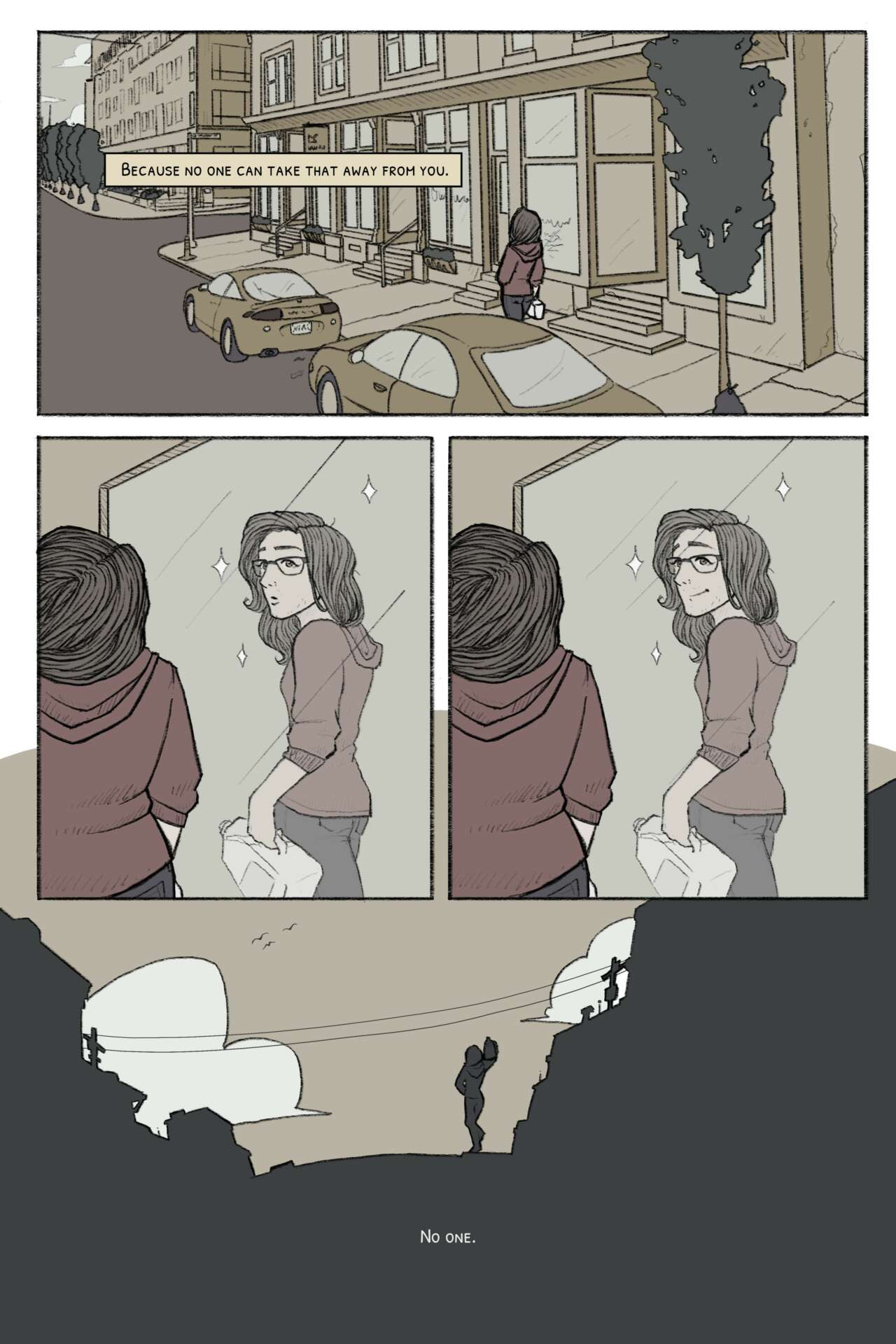
Learning and unlearning are both critical parts of growth – can you share a story of a time when you had to unlearn a lesson?
Oh this is a big one. I struggled for years thinking I was a terrible worker, despite putting in a massive number of hours on anything I touched, it seemed I could never make progress like other people. I put myself down for years, thinking there was something wrong with me, or I was lazy and unmotivated.
It turns out, like a lot of folks, I was struggling with undiagnosed mental health issues, which certainly make things more difficult than I’d have liked.
It took many, many years of unlearning to think of myself as broken and lazy before I realized I just worked different than other people. For example, my most productive times of the day are 11pm-3am—I’ll get more done in those four hours than a whole week of 9-5 shifts. Likewise, I work best at home where I can really stretch out, use white boards, note cards, talk out loud, or anything else that helps me organize my thoughts in a productive manner. There’s plenty more examples, but the core message is the same: everybody’s different, listen to your body and listen to your mind, they’ll help you understand what is and isn’t working for you.
Contact Info:
- Website: https://www.naomijcarroll.com
- Instagram: https://www.instagram.com/vexadecimal
- Linkedin: https://www.linkedin.com/in/naomi-carroll-7a30031a/
- Twitter: https://twitter.com/naomijcarroll
- Other: For more news on my upcoming comic story: The Guild of Veiled Twilight, follow me on Instagram! I’ll be posting pre-production art as things continue to come together, and linking to the comic’s page once it’s live.
Image Credits
The “Water Gatherer” by Naomi J. Carroll, as part of the We’re Still Here: All-Trans Comic Anthology by Stacked Deck Press.