

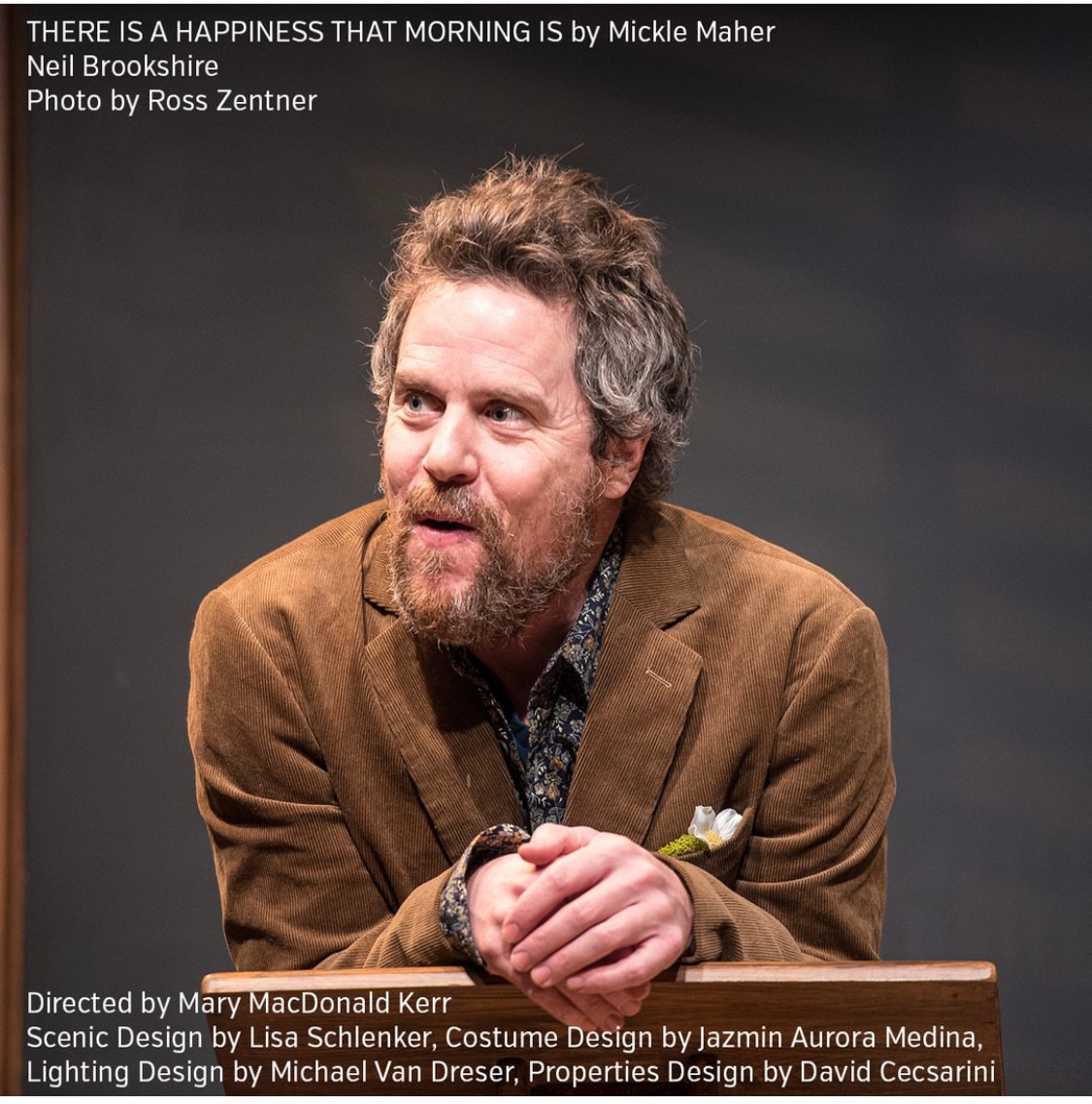

Alright – so today we’ve got the honor of introducing you to Neil Brookshire. We think you’ll enjoy our conversation, we’ve shared it below.
Neil, thanks for joining us, excited to have you contributing your stories and insights. Are you happier as a creative? Do you sometimes think about what it would be like to just have a regular job? Can you talk to us about how you think through these emotions?
For me, a life in the arts is very satisfying. But yes, I often wonder what regular work would afford me. Depending on the day, those things change. Ultimately, though, I have found a certain freedom of spirit and mind in pursuing the arts that I think I’ll always gravitate towards. So even if I get a regular job from here on, creativity will be an integral part of my life.
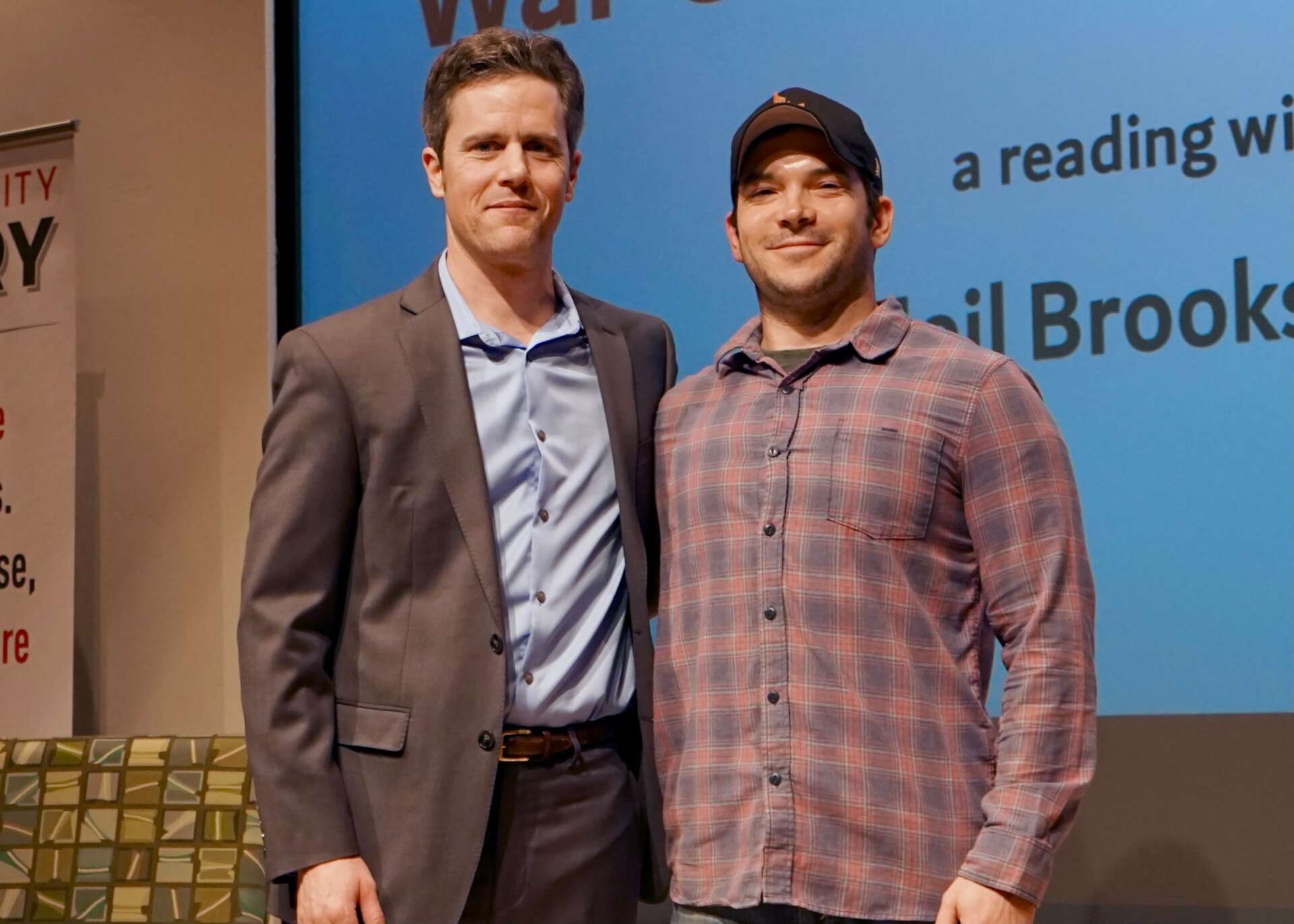

Neil, love having you share your insights with us. Before we ask you more questions, maybe you can take a moment to introduce yourself to our readers who might have missed our earlier conversations?
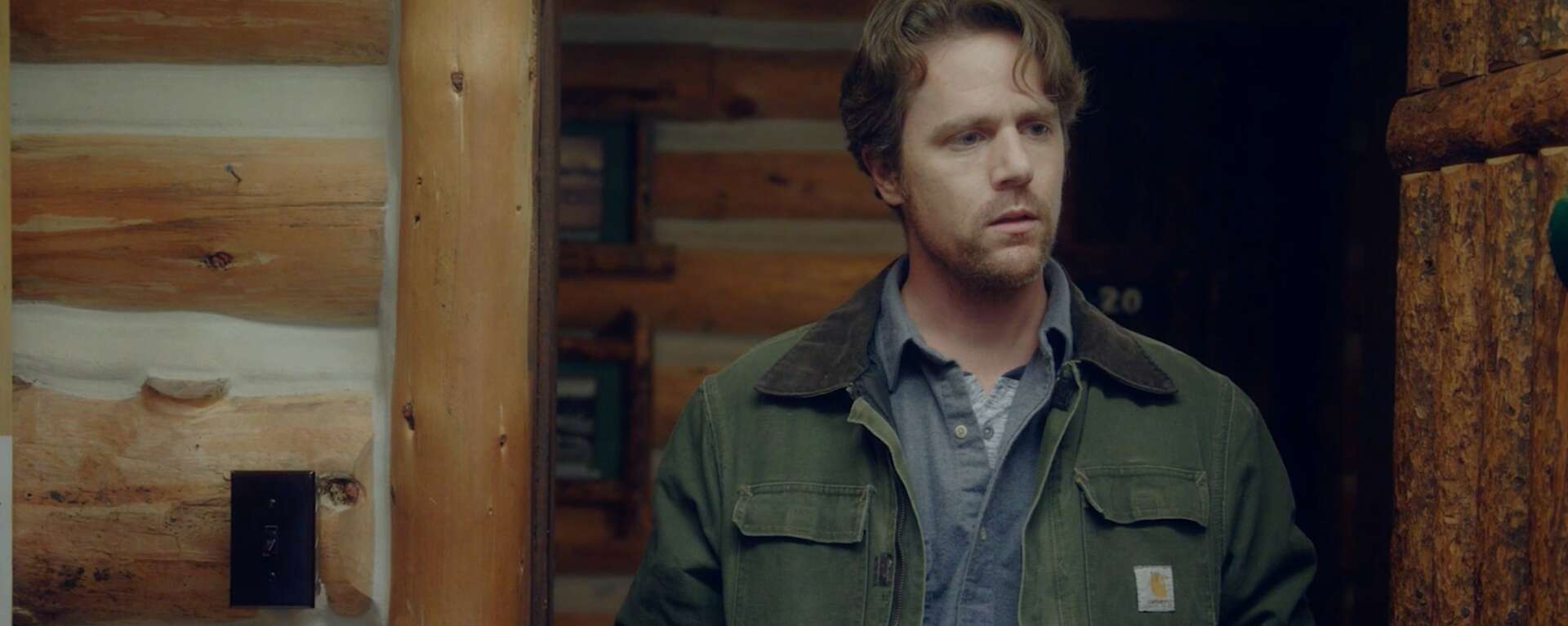
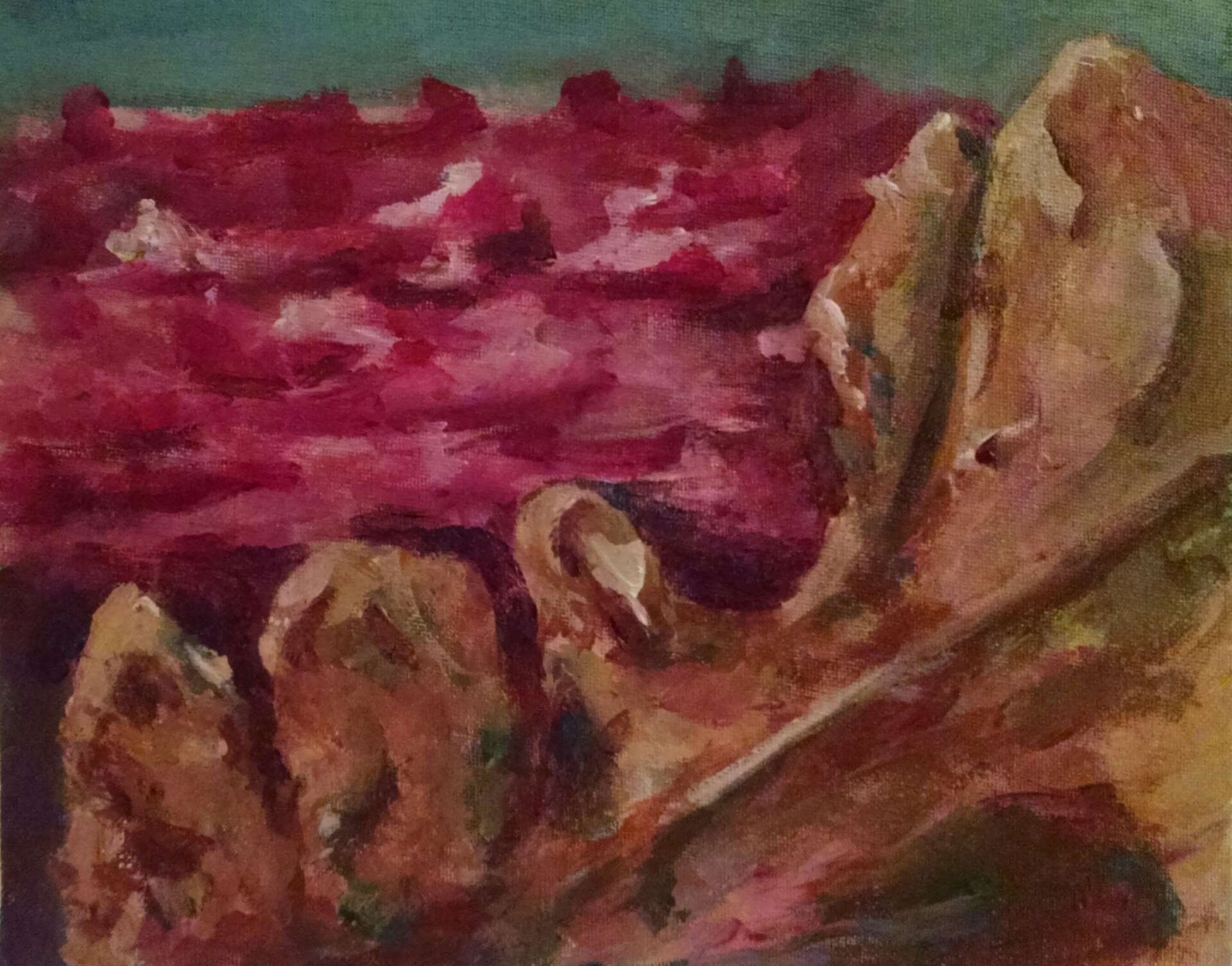
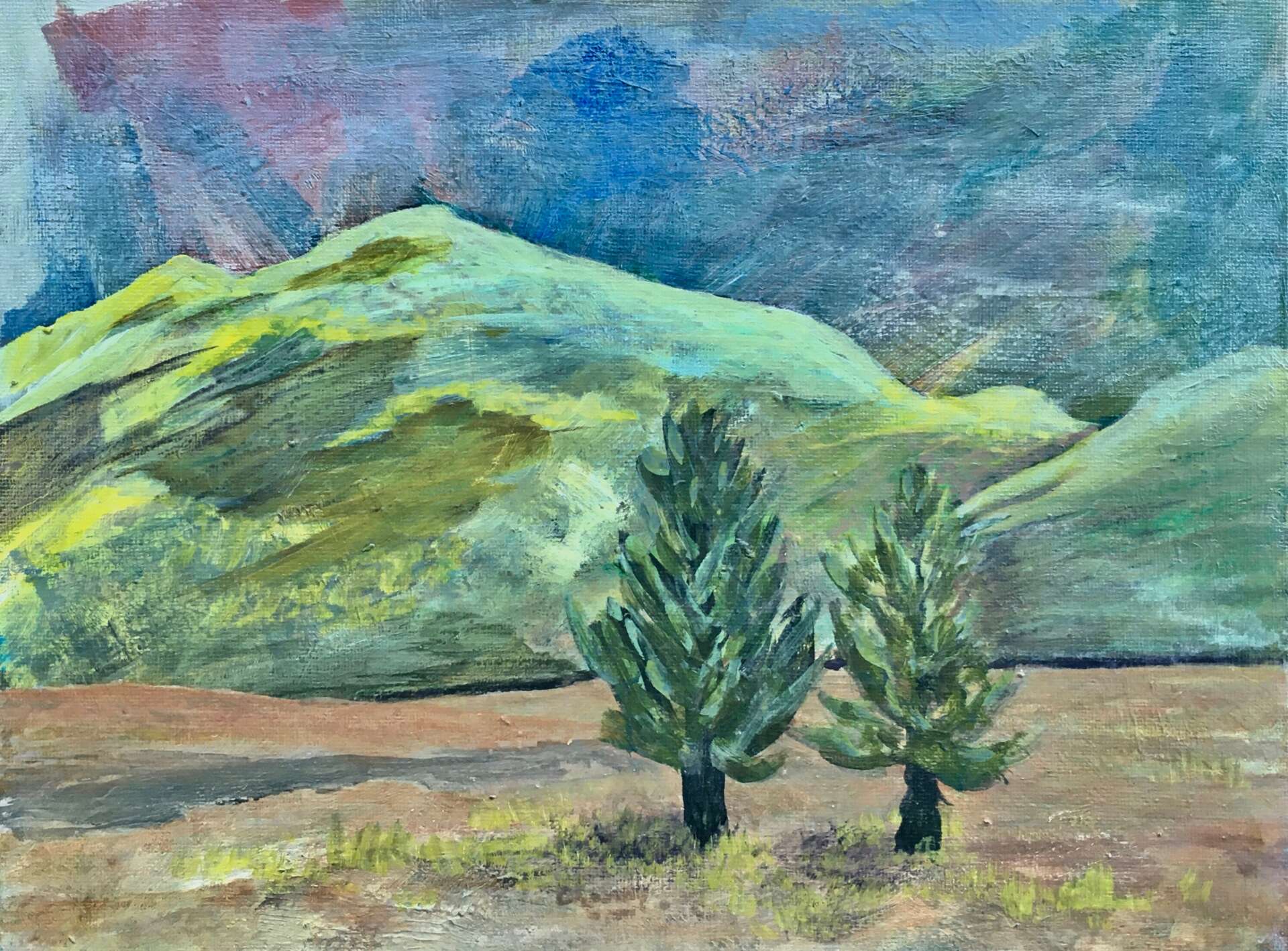
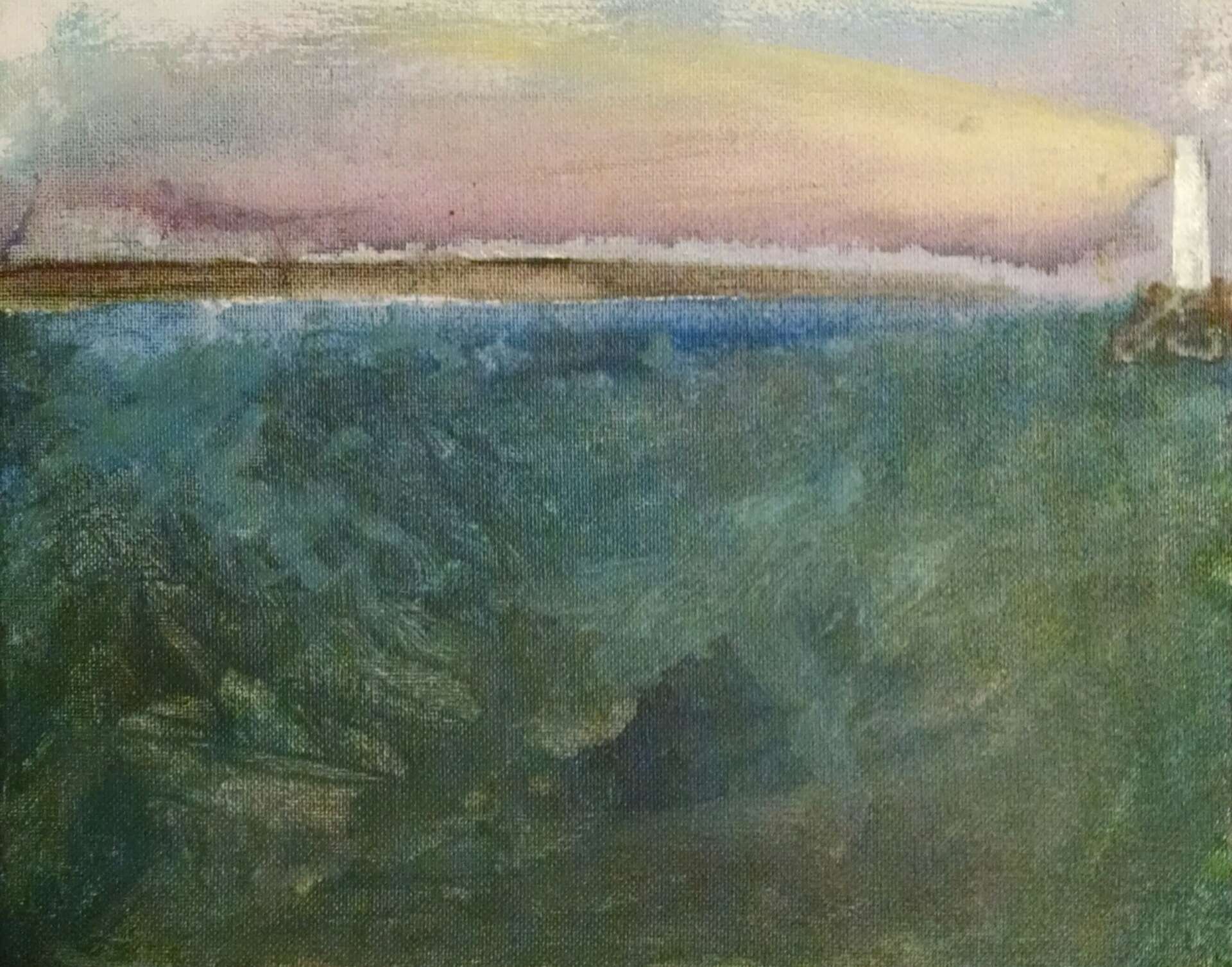
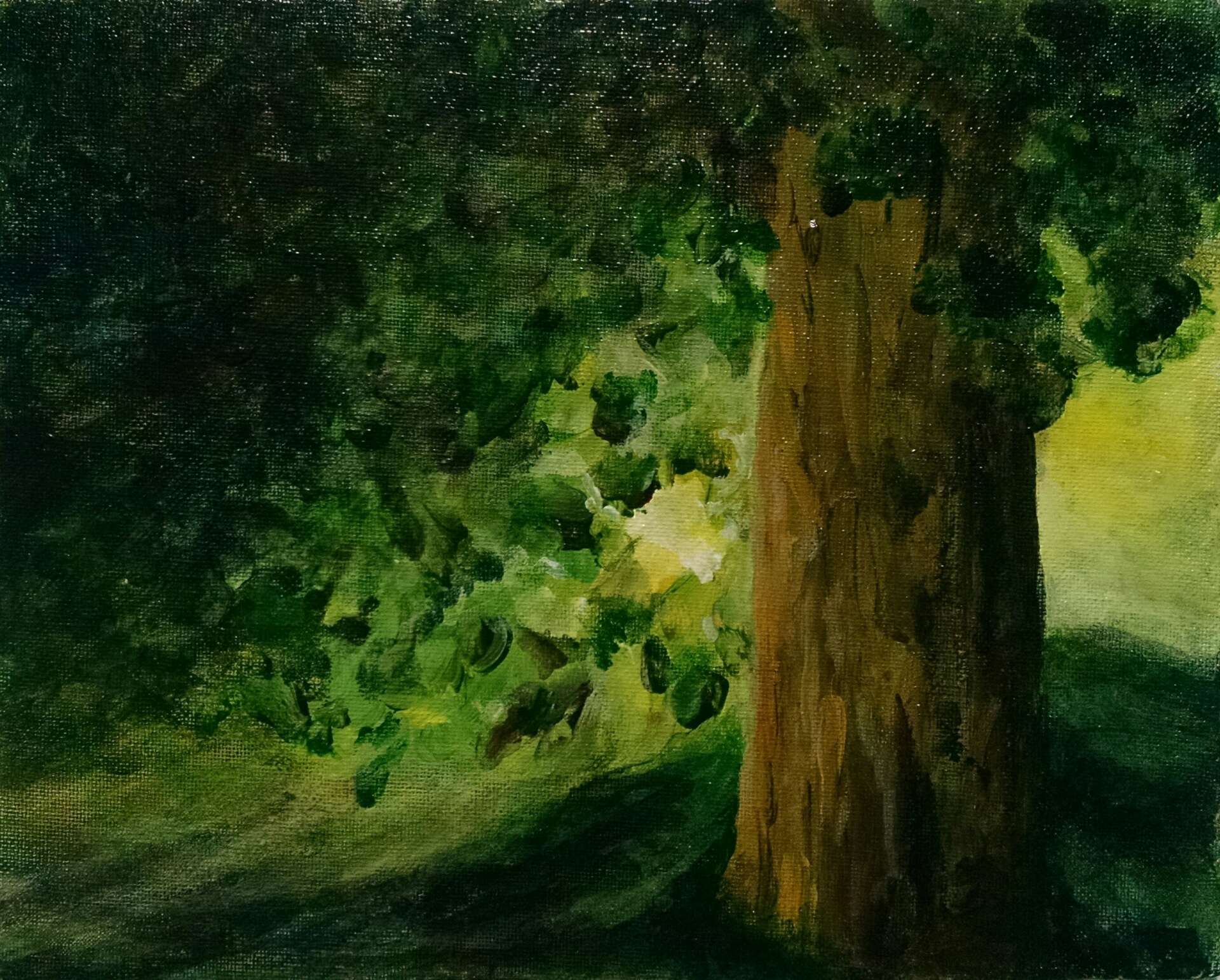
I am an artist who is focused in three primary areas: acting, writing, and visual art. I’ve been a professional actor for over 25 years, but I find time to write, draw, and paint in part because each of those endeavors complements the other. It’s almost as if diving into one art form provides the opportunity for another to rejuvenate. I can then return to it with a fresh perspective.
My first high school play opened the doors for me to a new form of expression. I was fascinated by creating different worlds, different realities, that audiences could visit for a time. There was a magic to it, and I have never lost touch of that. Over the years I have developed a deep appreciation for process. This has been reinforced by various teachers and mentors, who have graced my life with their experience and wisdom. Exploration is key. Without experimentation, there can sometimes be an unfulfilled feeling. I find this focus on process carries over to all aspects of life. The ability to see something for what it is, though sometimes challenging, is a worthwhile and ongoing endeavor.
Currently, I am working on a project called “Bent Compass,” a solo show I wrote with a friend of mine about his experiences as a Combat Army Medic. We have a script that I’ve been performing for a couple of years now, but we still see it as a living document. We continue to add stories, fine-tune what we have, and brainstorm new ideas. In addition to our own script work, there is always something to be learned from audiences. It is a fascinating process.
For you, what’s the most rewarding aspect of being a creative?
There is a fascinating paradox that exists in the creation of art. On the one hand, you learn a great deal about yourself, and on the other, you learn a great deal about the world around you. This paradox is especially acute when you are learning about someone or something that is very different from your own experience. In the process of exploring someone else’s point of view, or exploring another way of life, or exploring an idea that’s new to you, you illuminate parts of yourself you may not have been aware of. Then, there is an opportunity to apply what you’ve learned, and to continue the process of broadening your own experience, connecting to others, and expressing something personal through it all. The end result is that you’ve gone through a change. You’re a different person. In the best possible way.

Is there something you think non-creatives will struggle to understand about your journey as a creative?
Firstly, I believe everyone is creative in someway. How that creativity is applied is infinitely varied, but simply existing as a human is an endeavor in creativity. One of the key components I depend on for my own creative journey is downtime. This is often misunderstood. From the outside, it can look like you’re not doing anything. But that’s not necessarily the case. There may be ideas and thoughts swirling around that you cannot quite connect. Productivity slows. Then one day you strike up a conversation with a stranger, or read a sentence in a book, or take that last sip of tea, and it crystallizes. Then you’re off and running. But without that seemingly unproductive time, you would not have been able to make those connections. There are studies that address the importance of indolence. Einstein spoke to this idea, as well, and look what he contributed. In a society where productivity and hustle seem to be valued above all else, it can be confusing for onlookers, and frustrating for creatives, to feel like they are valued only for how much they produce, rather than their personal process. It’s an unfortunate pressure.
Contact Info:
- Website: https://neilbrookshire.com
- Instagram: https://www.instagram.com/bentcompass/
- Facebook: https://www.facebook.com/bentcompass06
- Twitter: https://twitter.com/bentcompass06
- Youtube: https://www.youtube.com/@neilbrookshire/featured
Image Credits
Ross Zentner, Greg Bayne, William Bowers, Neil Brookshire