


Alright – so today we’ve got the honor of introducing you to Emma Crutcher. We think you’ll enjoy our conversation, we’ve shared it below.
Alright, Emma thanks for taking the time to share your stories and insights with us today. I’m sure there have been days where the challenges of being an artist or creative force you to think about what it would be like to just have a regular job. When’s the last time you felt that way? Did you have any insights from the experience?
I am happier than I’ve ever been as a full-time creative. I worked a full-time job in education for several years before deciding that I owed myself the time to explore the ideas that kept me awake at night. All I wanted to do was make beautiful and functional pieces out of discarded materials. Once I was finally able to quit my job and do this full time, I have enjoyed every minute of it and I have never doubted my decision. I knew in my gut and in my heart that this is is what I am meant to do.
Emma, love having you share your insights with us. Before we ask you more questions, maybe you can take a moment to introduce yourself to our readers who might have missed our earlier conversations?
My name is Emma Crutcher and I am based in South Minneapolis, Minnesota. I’ve been a creative and inventive person since I was very young. Growing up as an independent and curious personality, any time I wanted or needed something I tried to make myself. The concept of “DIY” almost felt redundant to me when I learned what it was because it felt like the only option I had to get what I wanted most of the time.
A HUGE influence on my hardiness, resourcefulness, and creativity is the now defunct Readymade magazine. I remember reading it avidly as an 8-year-old and strategizing ways I could build projects that required power tools without bothering my parents. I usually just tried to make the same type of thing out of cardboard and had fun doing it even if it wasn’t particularly functional.
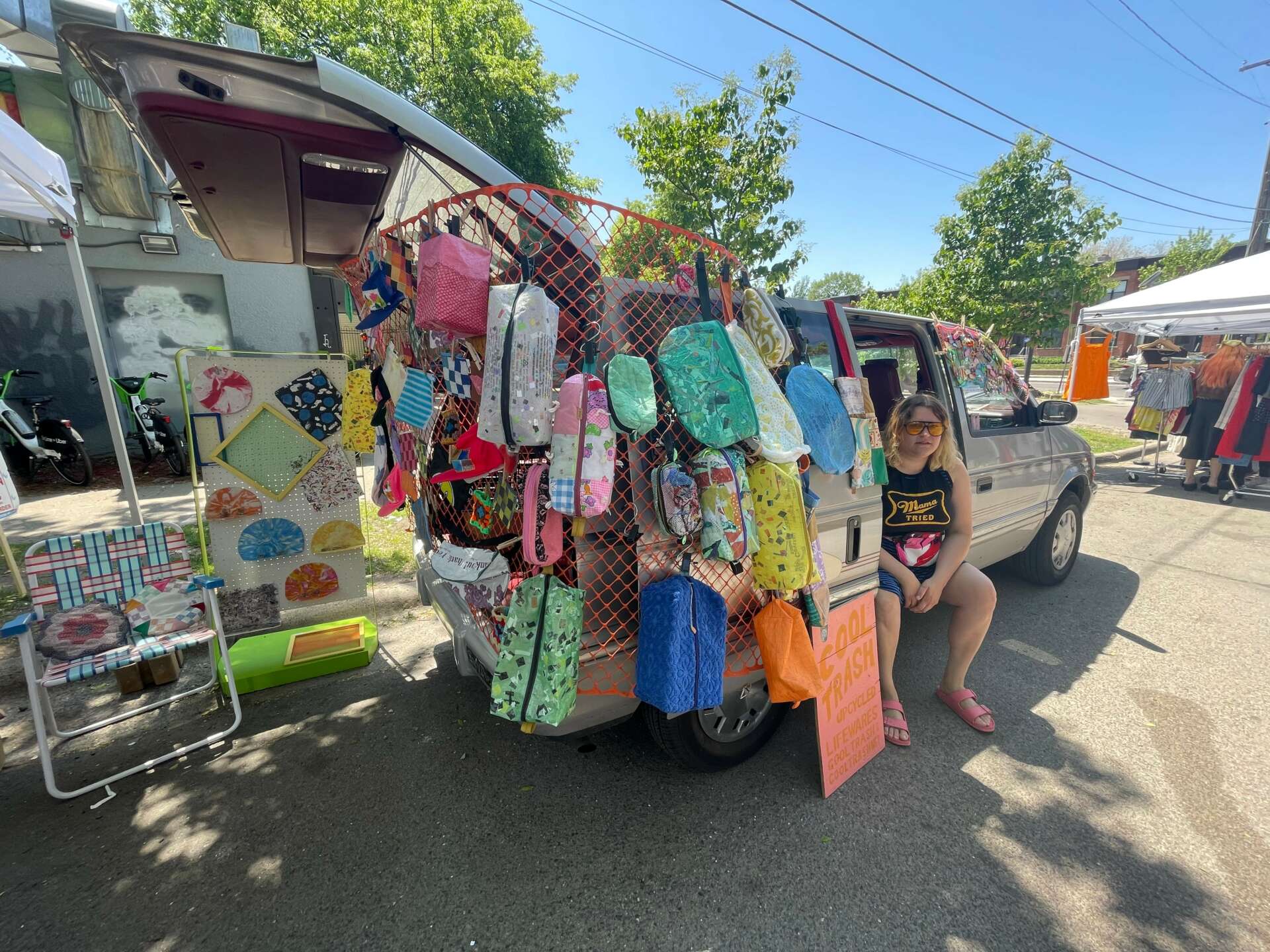
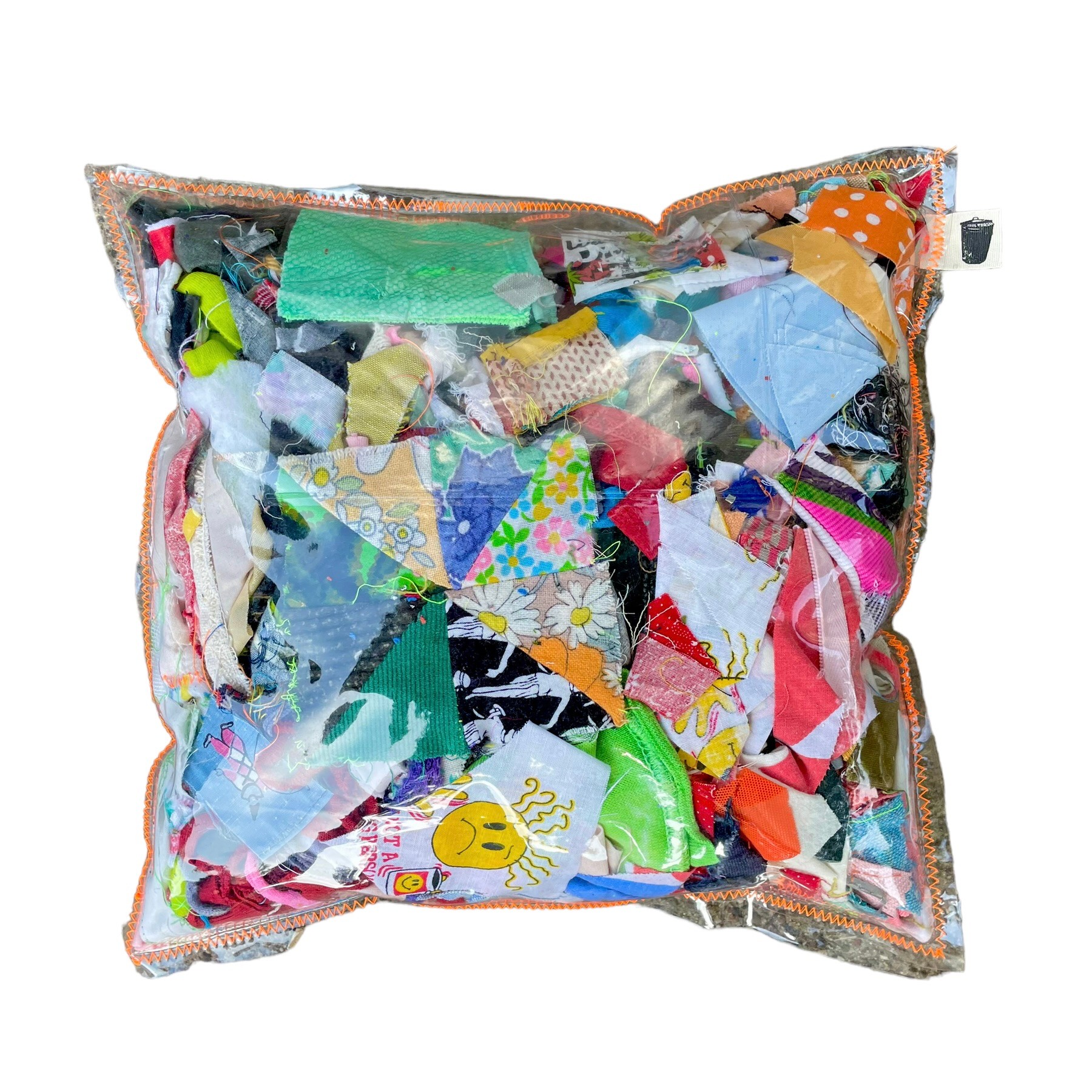
I started my business, Cool Trash, in January of 2022. It had been brewing in my mind for a long time – I’d been messing around with the materials I currently work with for a while and sometimes making what you could call a “product” but not having any direction or plan for what to do with the items I made. I always joke that I’d still make things even if I didn’t sell them. I just love making things. Fortunately, people seem to like what I make.
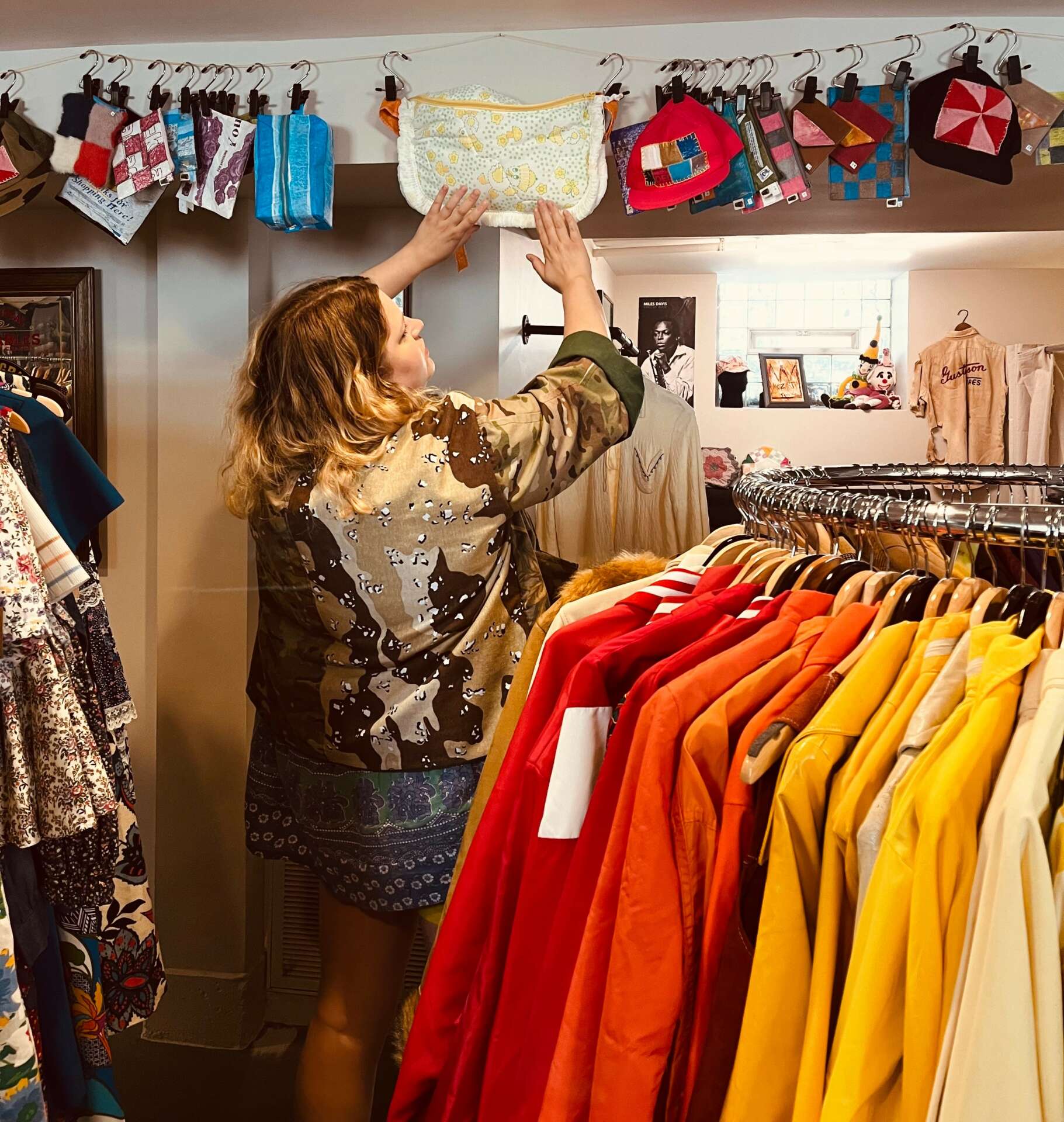
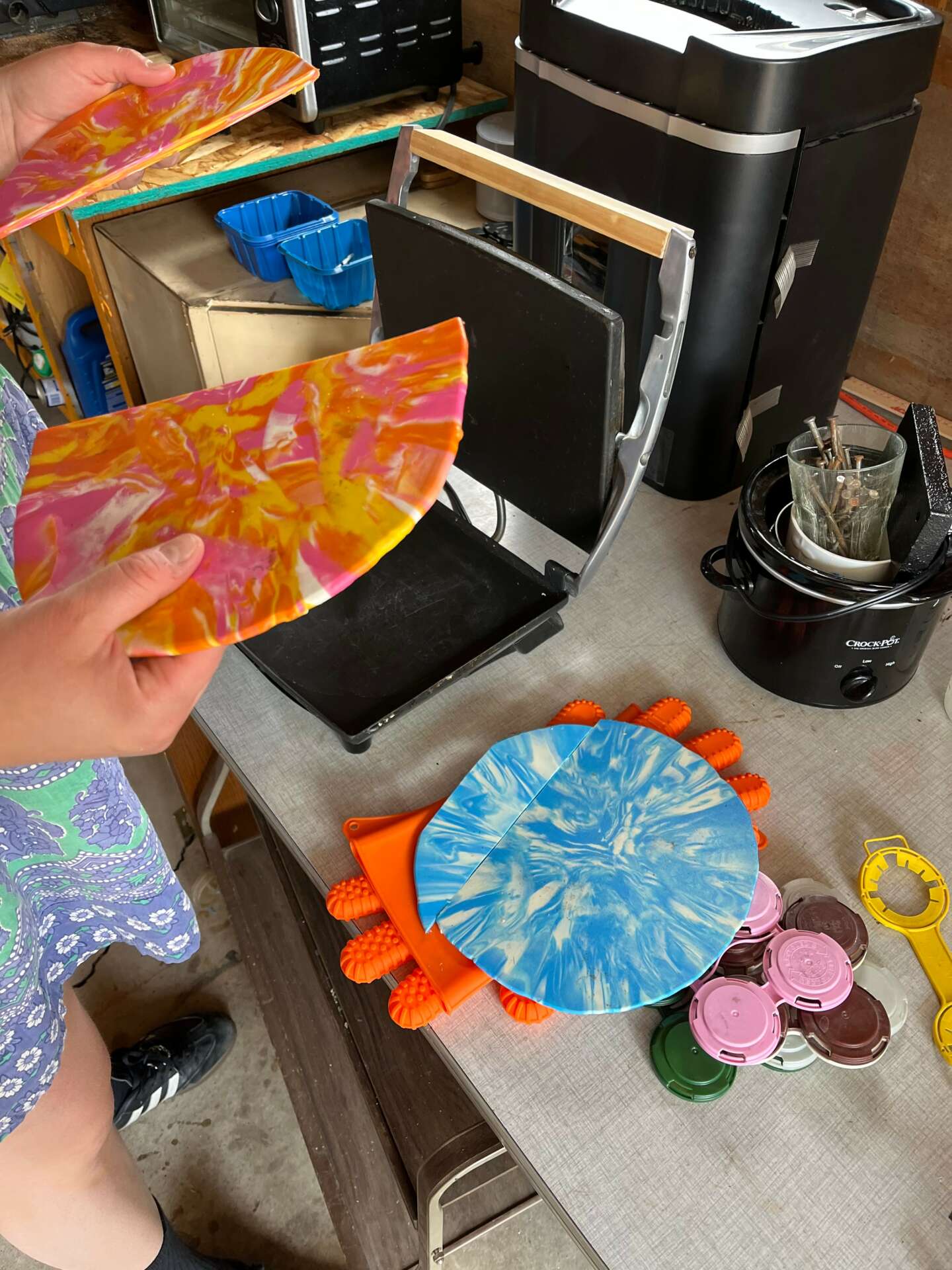
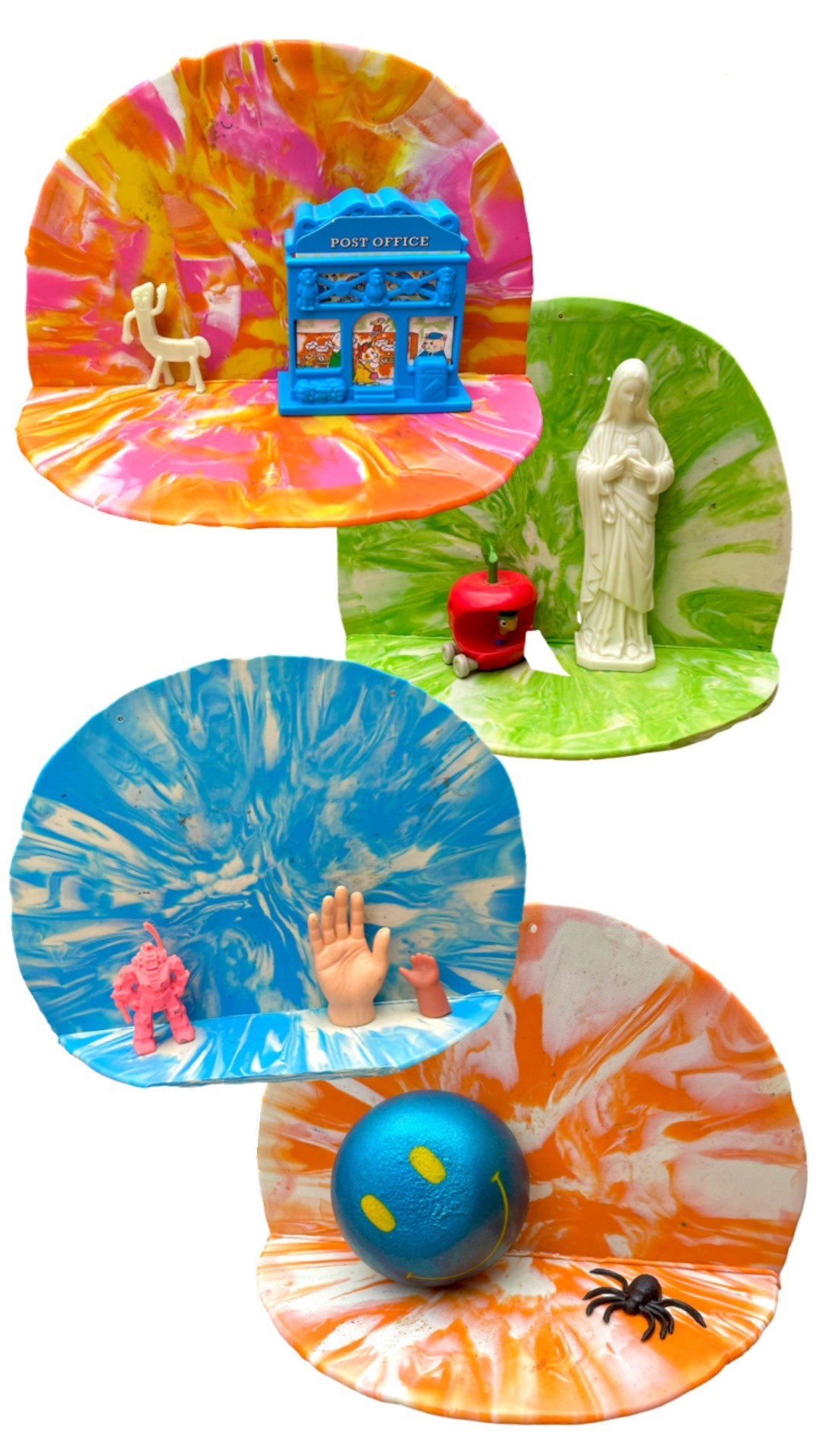
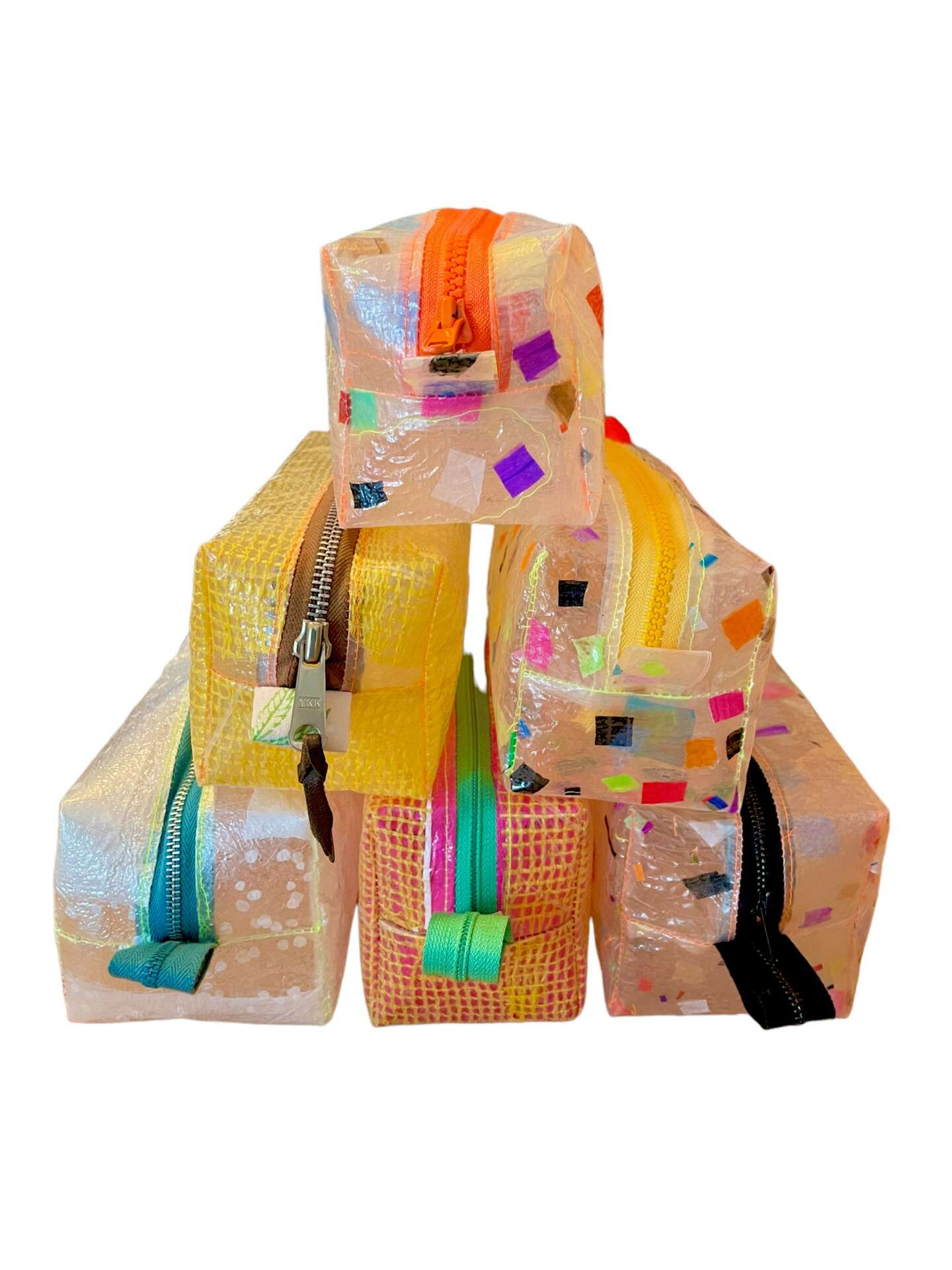
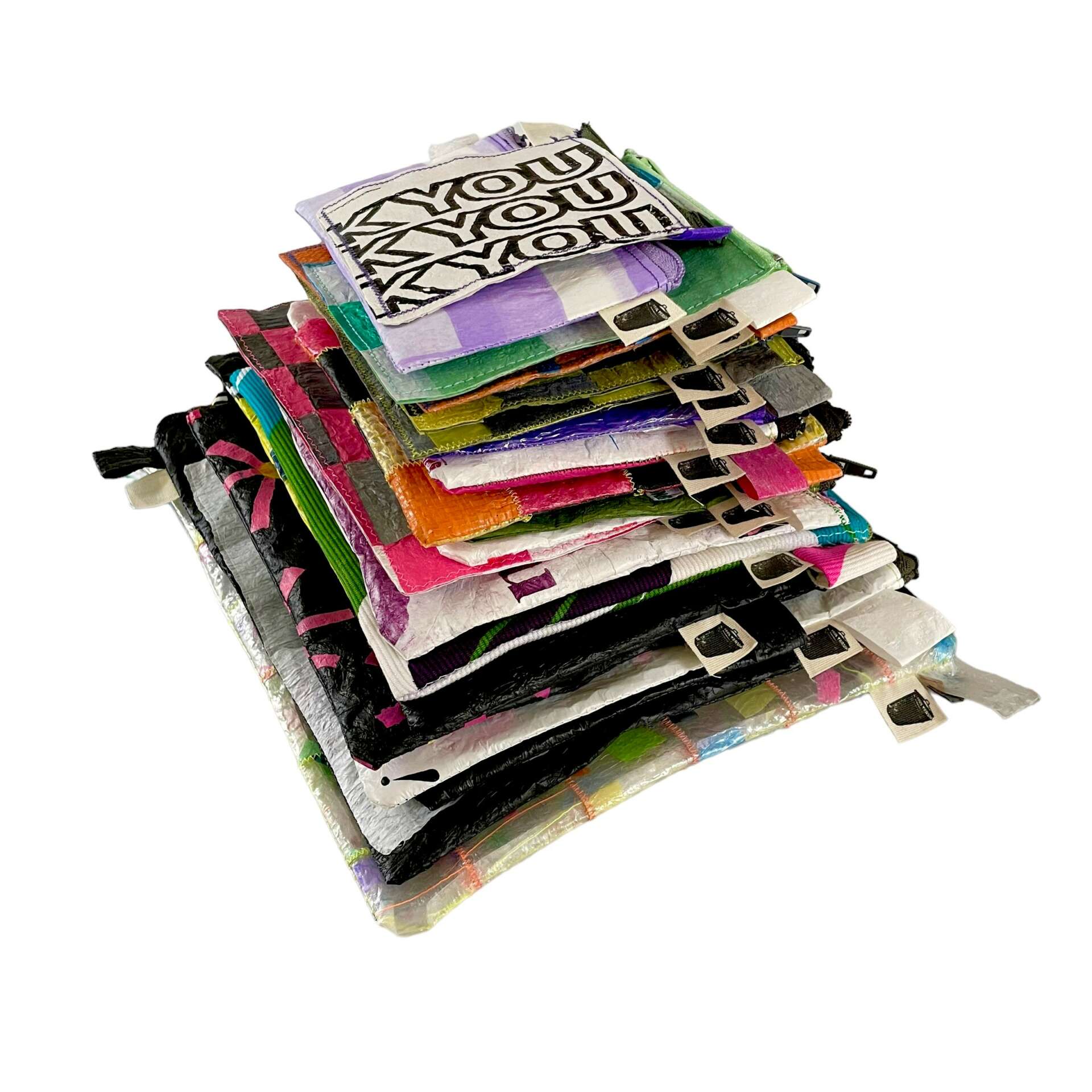
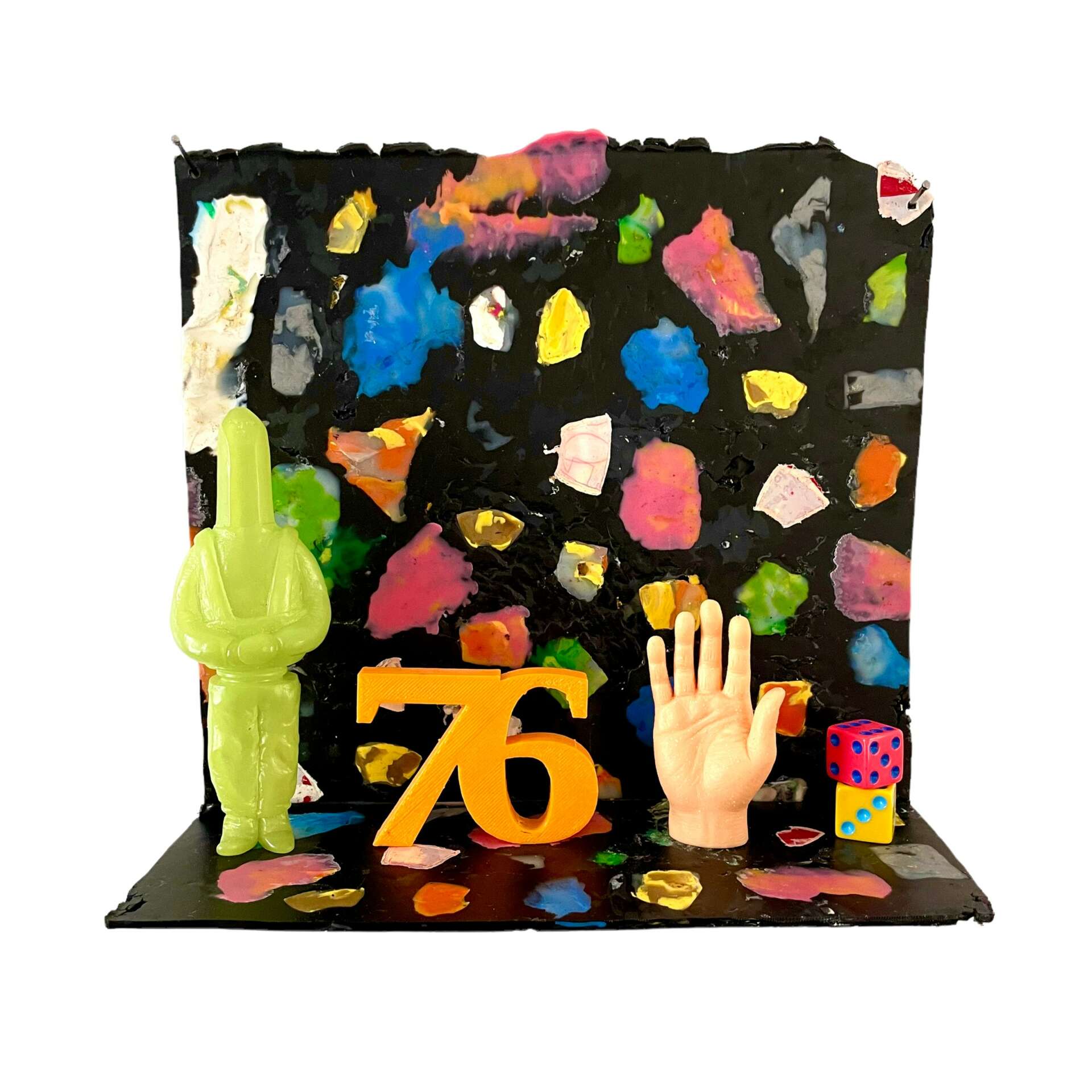
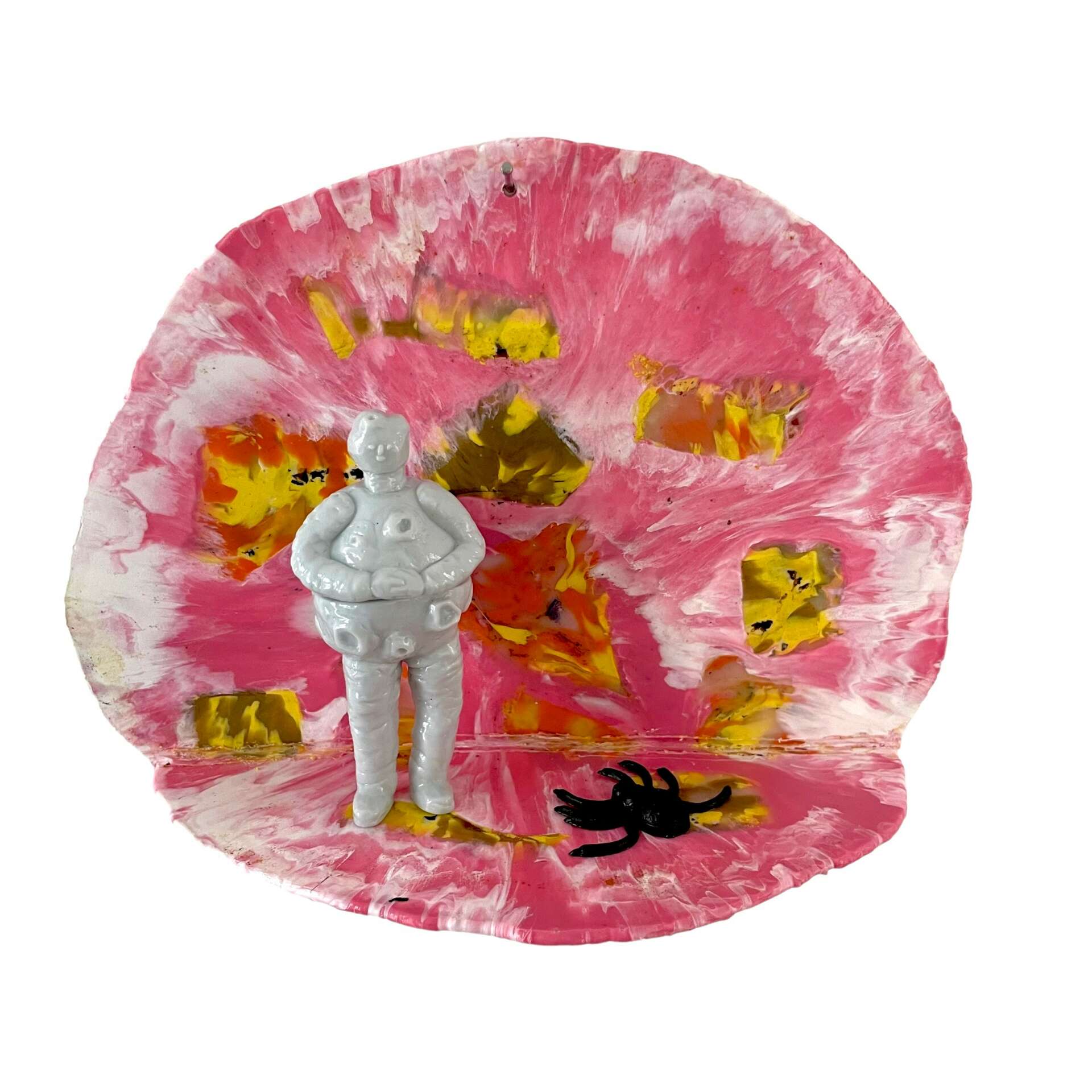
My business is centered around reducing plastic and textile waste in my immediate community. I currently use a modified microcut paper shredder and a panini press to process household waste plastic like bottle caps, 6-pack holders, milk bottles, etc. I shred the plastic, then melt it into a panel in the panini press. From these panels, I use shop tools to make cutting boards, display shelves, jewelry, and anything else I can dream of. Another process I use to make material is one of fusing together layers of plastic sheeting or plastic bags with an iron. The resulting material is durable, lightweight, and easy to sew. I make pouches, fanny packs, and custom products with this fused plastic.
My main goal is to eventually purchase machines that will process household waste plastic more efficiently than my makeshift tools. These machines will enable me to do higher-yield jobs. I plan to contract with local businesses to provide a local, sustainable alternative to the single-use plastics. Examples of products I could provide are recycled plastic countertops, bench seating, non-toxic food-grade plastic kitchen tools, and flatware.
I’m most proud of the fact that I’m able to use my experience and skills to create useful and beautiful items out of materials that would otherwise enter the waste stream and pollute the earth for the rest of our lives. Just by keeping waste plastic out of oceans and landfills I’m doing a service, but I get to make something fun and cool for someone to treasure on top of that.
Is there a particular goal or mission driving your creative journey?
My main goal is to eventually purchase machines that will process household waste plastic more efficiently than my makeshift tools. These machines will enable me to do higher-yield jobs. I plan to contract with local businesses to provide a local, sustainable alternative to the single-use plastics. Examples of products I could provide are recycled plastic countertops, bench seating, non-toxic food-grade plastic kitchen tools, and flatware.
What do you find most rewarding about being a creative?
The most rewarding aspect of being a creative is that I get to use my skills every day. I have worked jobs at which I felt creatively stifled because I wasn’t in a decision-making position or there wasn’t time or resources for creativity. Most mornings I wake up and immediately have an idea I want to try, so I do it. It’s my job to be creative and nothing will ever be better than that.
Contact Info:
- Website: https://cooltrash.net
- Instagram: https://www.instagram.com/cooltrashnet/
- Facebook: https://www.facebook.com/profile.php?id=100087942381854