



We’re excited to introduce you to the always interesting and insightful April Jones. We hope you’ll enjoy our conversation with April below.
April , thanks for joining us, excited to have you contributing your stories and insights. Learning the craft is often a unique journey from every creative – we’d love to hear about your journey and if knowing what you know now, you would have done anything differently to speed up the learning process.
Learning the craft is about practice, perseverance, curiosity and developing your own way of mastery. Setting your own path and creating not only a lifestyle but a career that fits your creative urges and aligns with your true self.
Great, appreciate you sharing that with us. Before we ask you to share more of your insights, can you take a moment to introduce yourself and how you got to where you are today to our readers.
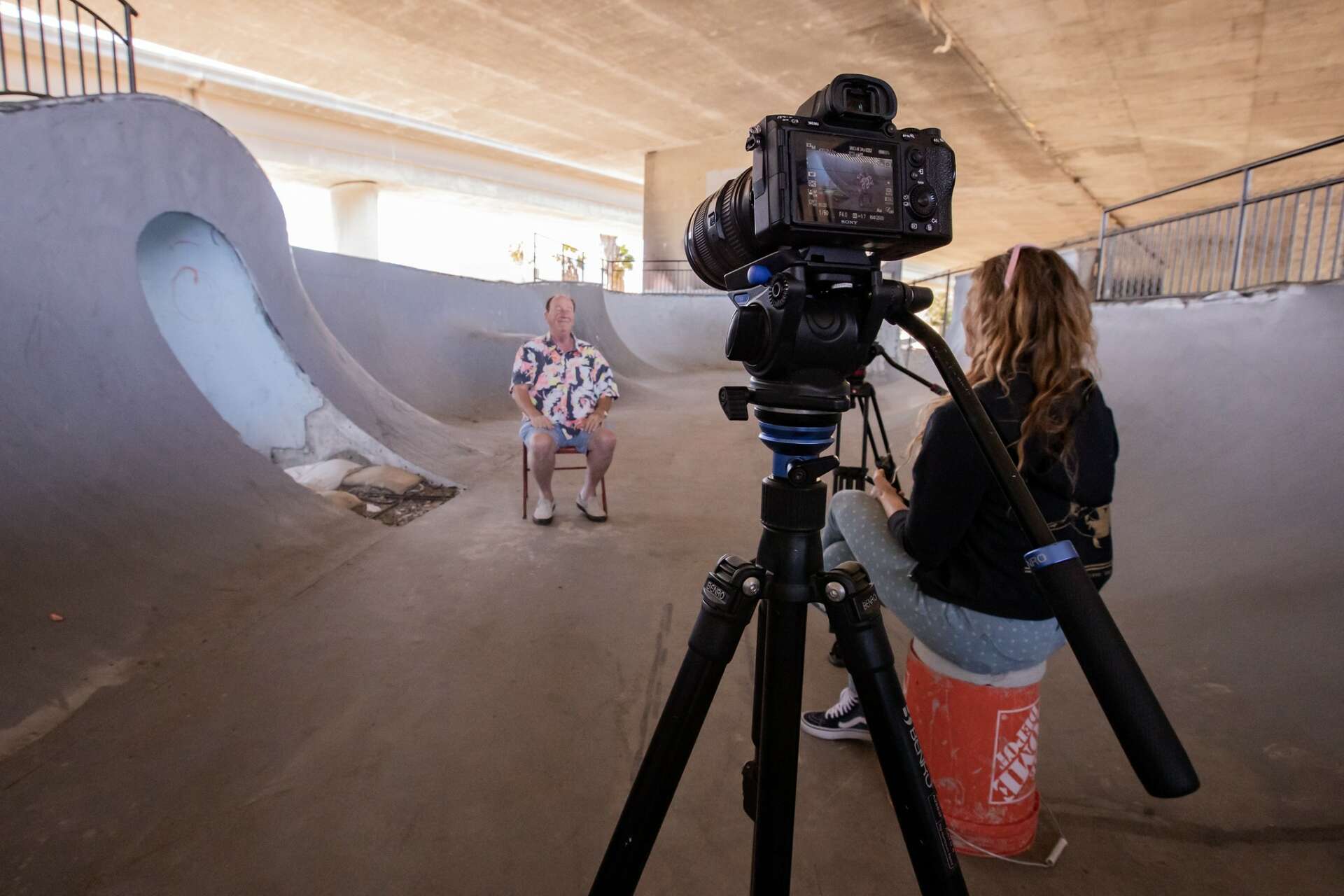
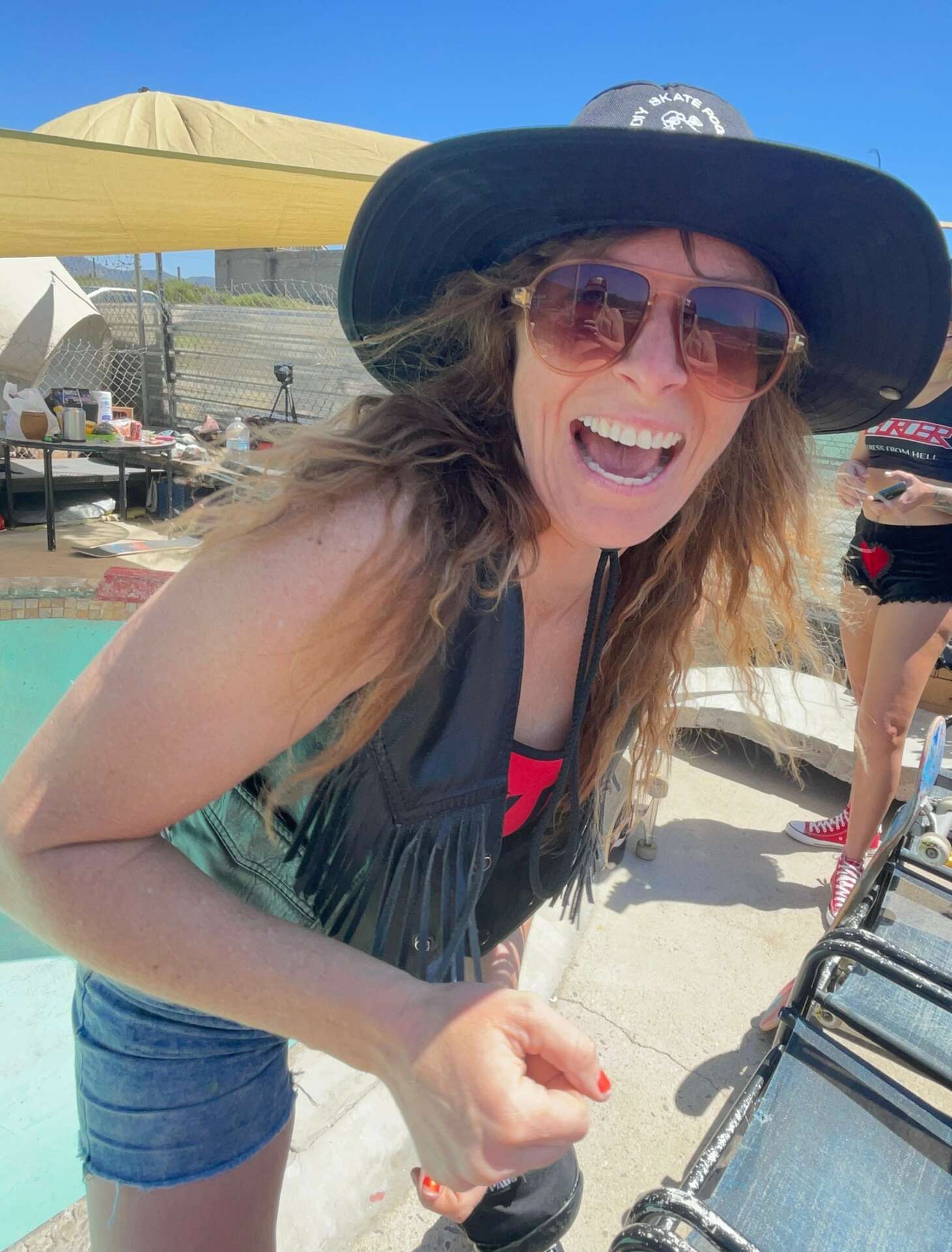
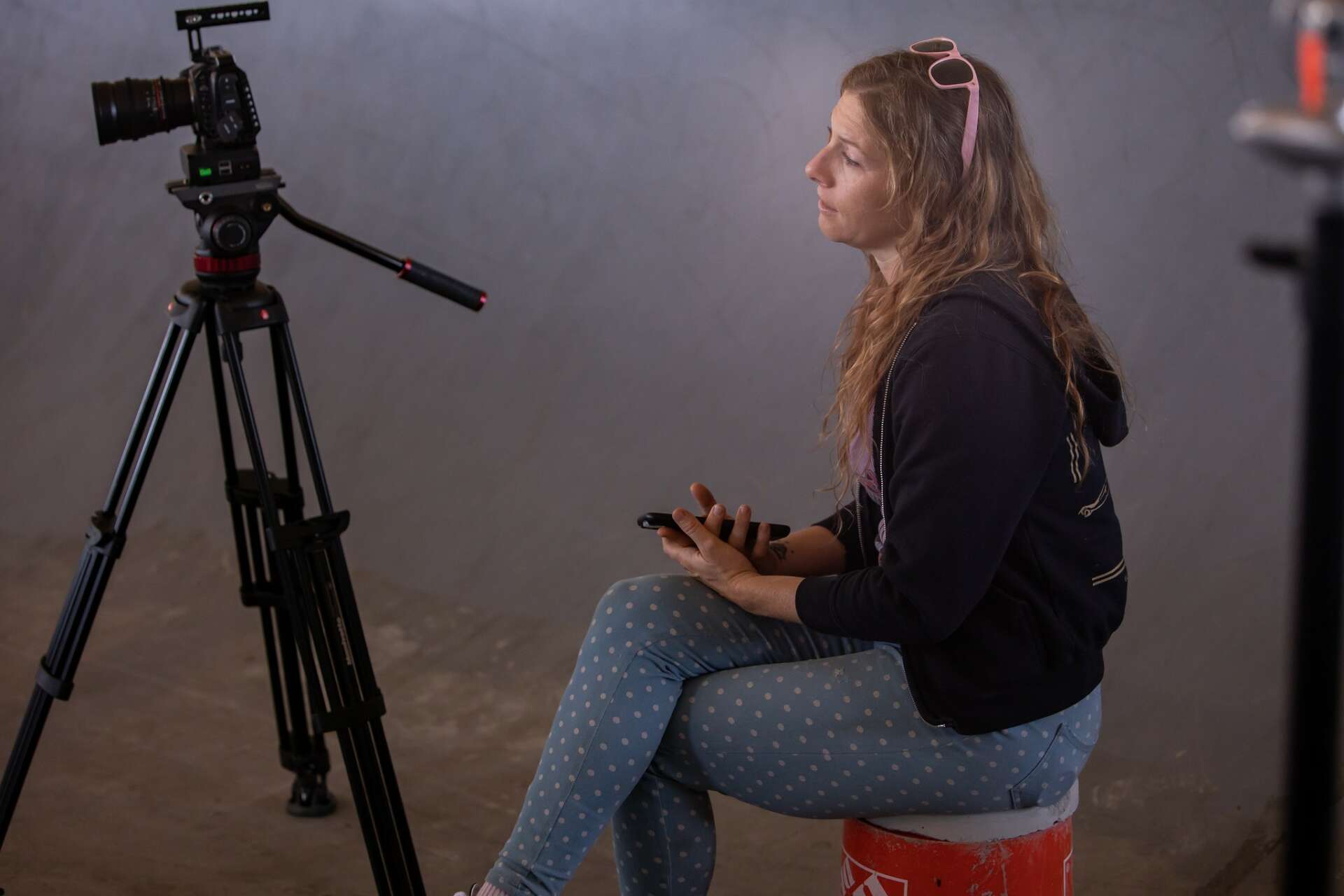
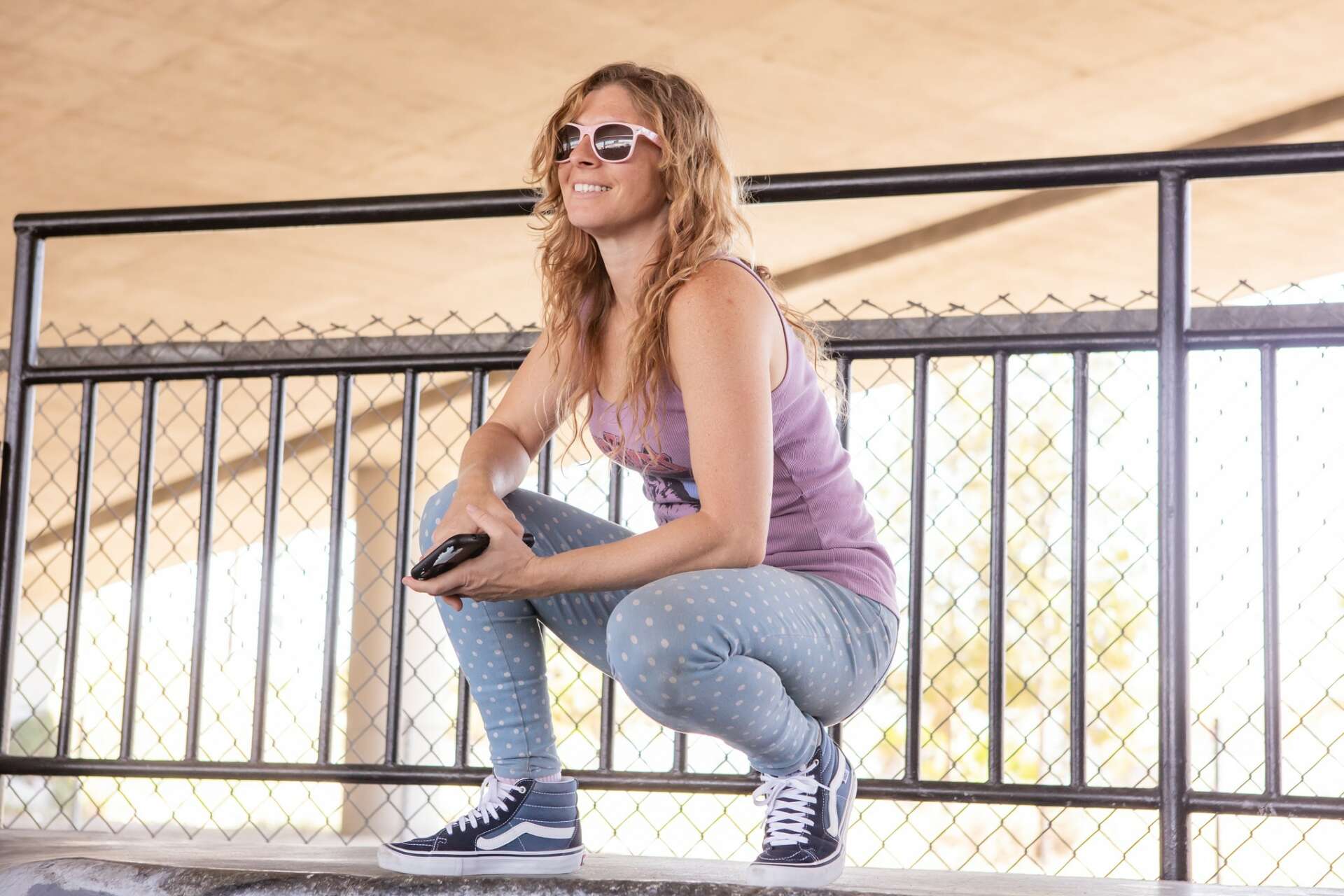
My name is April Jones. I am a professional visual storyteller. I make short and feature length documentary films and help underrepresented creative cultures magnify their voice and the impact they are creating in their communities. These communities range from heavy metal and punk rock musicians to the world of underground do-it-yourself skateboarding and small businesses and nonprofits.
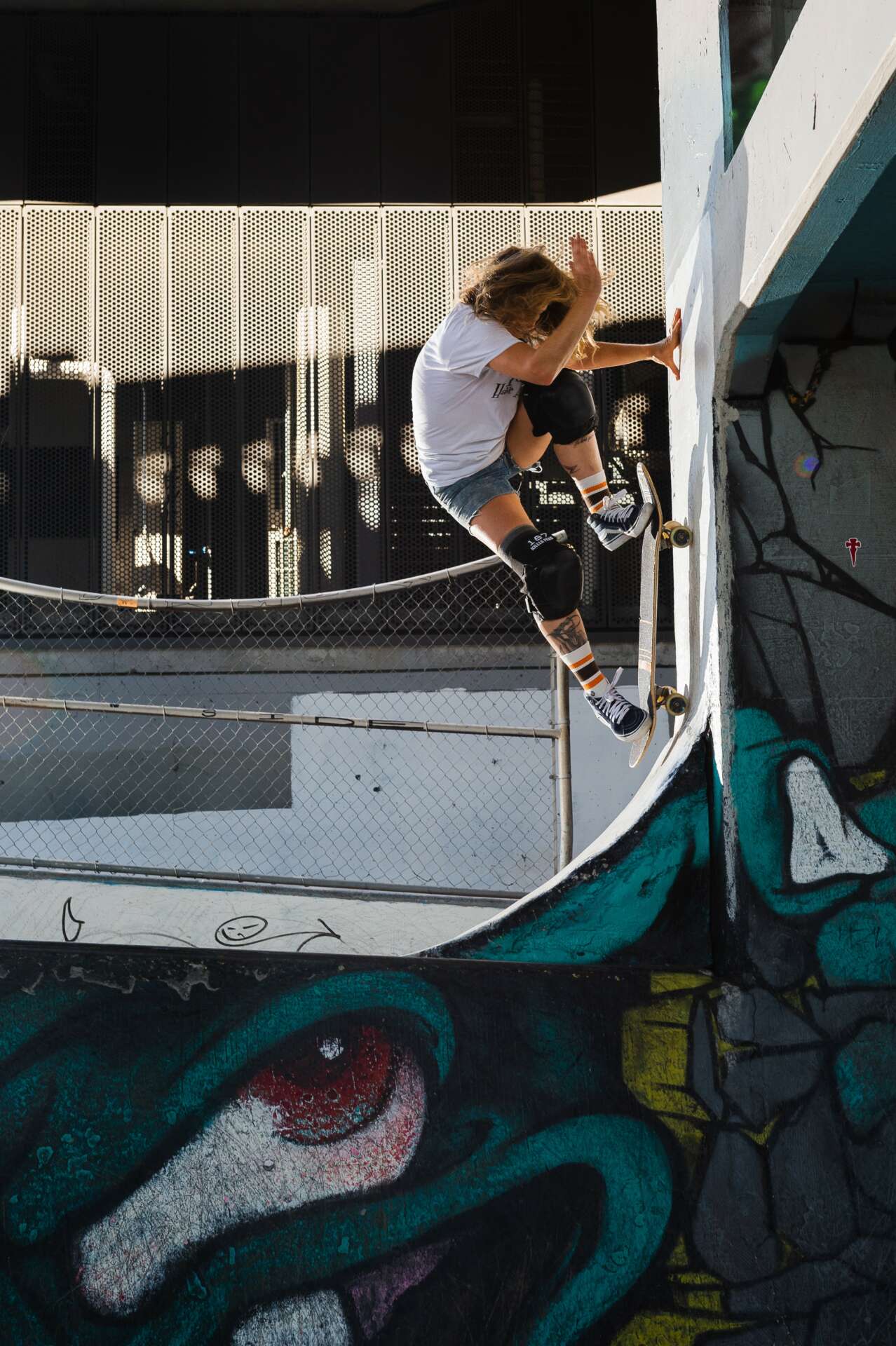
Creativity was a survival skill learned at a very early age. Making something from nothing was absolutely essential to eventually climb out of the depths of poverty. This upbringing created a type of drive, ambition, and work ethic that has allowed me to design a path of forward momentum and constant creativity through the art of visual storytelling . I am more than a filmmaker, but also an artist, musician, writer, and skateboarder. All of these activities collectively support each other in a way that elevates my quality of life and I aim to help people do the same.
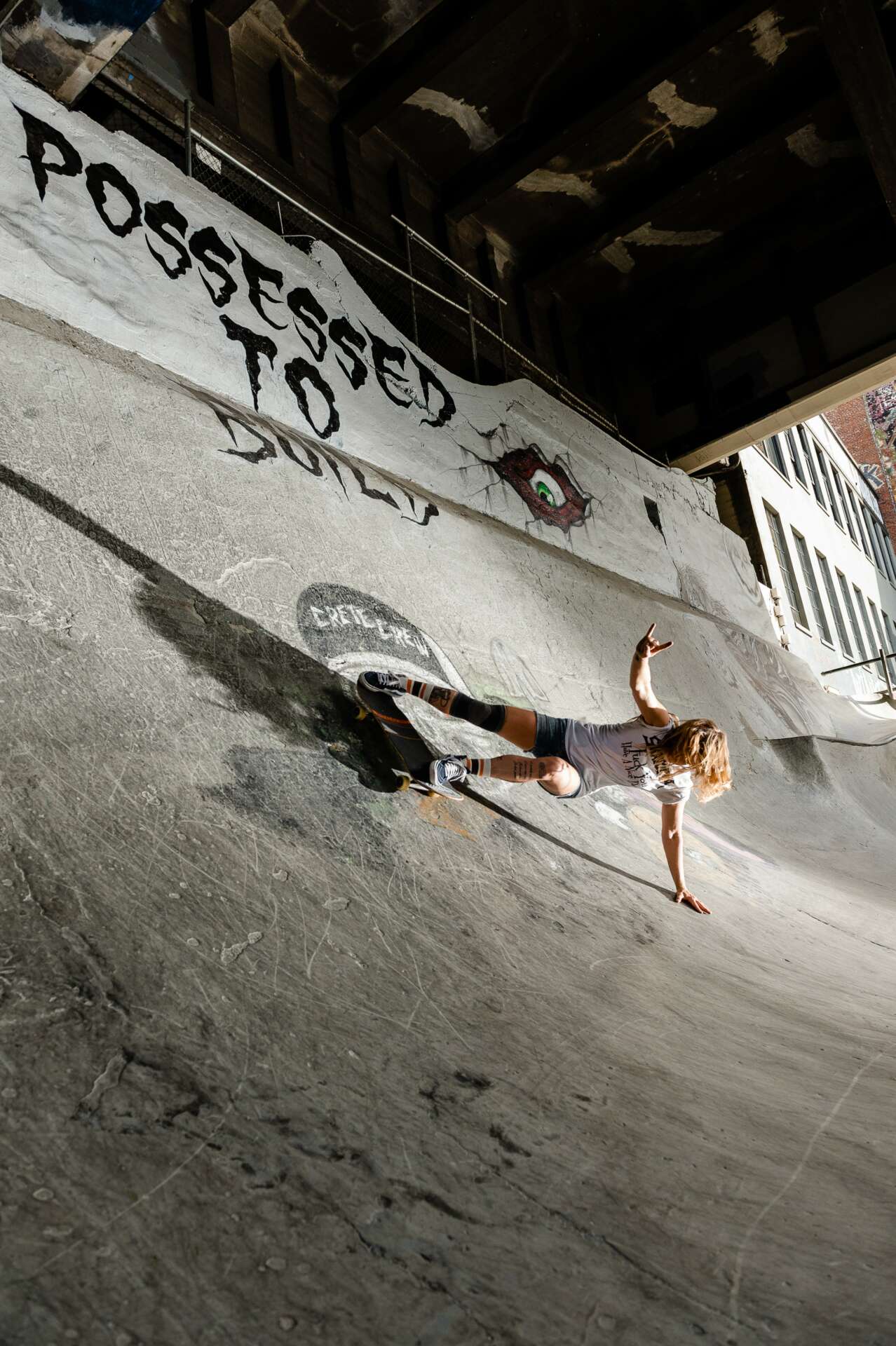
I help elevate the stories from punk rockers, heavy metal headbangers and the DIY group of skateboarders. Throughout history, skateboarding has always been looked down upon in a negative light. My most recent film dives into the 7-year bureaucratic battle between Channel Street Skatepark and the City of LA. Even though skateboarding is much more widely accepted, the stigma still exists, specifically for the do-it-yourself communities.
As skateboarders, we have an emergency on our hands. A substantial number of community-built cultural hubs around the country are being demolished. This is a dilemma and the powers that be don’t seem to be committed or interested in this type of community.
This feature-length film is called Concrete Law: Saving Channel Street Skatepark. Channel Street Skatepark successfully existed for over a decade under Interstate 110, despite its unpermitted creation, until overpass construction led to an ongoing shutdown. Channel Street founders and advocates continue to push for a reopening but the legal matter proves to be a much more complex task than anyone ever imagined. Concrete Law explores the battle between Channel Street Skatepark and bureaucratic control. This film uncovers the history of the park, from creation to current status, through interviews with park founders, local and pro skaters, business owners, and city officials.
Skateboarding is a huge part of our creative class, a major economic driver and is one of the fastest growing “sports” in the world right now. Things must change.
We’d love to hear a story of resilience from your journey.
Back in the day as a young adult freshly out of high school, I had big dreams about going to film school. Finally, a chance to get an education and make something of myself even though I grew up poor! So, I applied for a very well-known prestigious film institute and was denied for not making enough money. I applied for student loans and I was denied for lack of credit and low-income. I applied for grants, but that wouldn’t cover barely any of the costs. I was told “sorry, good luck.” I was devastated that being low-income was going to prevent me from getting an education.I was skateboarding around Portland one day and popped into the public access TV station (PCMTV) and inquired about volunteering in exchange for an education and so they put me to work. I started volunteering on everything from political talk shows and music videos to Christian Gospel shows and short community documentaries. I eventually got certified to check out the camera, audio, and lighting equipment and started bringing it home with me every night. I went on to interview all my friends’ bands and started interviewing national touring artists, and the local skateboard community. I was working at a pizza joint at this time and saved up enough money to attend community college (PCC) to pursue a Video Production Certificate. Between PCMTV and PCC, I went on the create almost 40 short documentaries on a $0 dollar budget, all with borrowed equipment. I eventually pitched these journalist-style interview documentaries and it became Portland’s only heavy metal public access TV series, which aired on Independent Television Network (ITN). From there, people were reaching out to me for art direction and production design. I started working on music videos and commercials and then local TV shows! I moved up really quickly, probably because of my work ethic and my ability to figure shit out and create something from nothing. My teachers at PCC were incredibly helpful in giving me individual feedback that would help my growth and they hooked it up with a couple of interviews in the film industry. One of which was for Portlandia, buuuut it was for an office assistant position. I really did not want to work in an office. I am an artist. I needed to be creative for the livelihood of my passion and vision, but with minimal experience, I decided to not be picky and pursue the job anyway. Before the interview, I came up with a brilliant strategy! I would go to the interview and tell them I wanted to be interviewed for the art department instead. I didn’t tell anyone my plan, cause I knew they would talk me out of it, so I created an art portfolio, an artist resume, and artist business cards. I walked into this interview for an office assistant job and told the Associate Producer that I would like to be interviewed for the Art Department instead of an office job. He was speechless and told me that no one has ever turned the interview around on him like that in his 30+ years of working in the film industry. I just laughed and said, “well…”. He admired my grit and looked over my portfolio and resume. I thought he was going to tell me no, but he looked at me and he said: “follow me”. He took me back to the art warehouse on the other side of the studios and introduced me to the art director, production designer, and art coordinator. I handed out all my resumes (I made 5 of them), and business cards, and shared around my portfolio. I was invited for a secondary interview with the board of the art department themselves.
After the interview, I was hired and went on to create, draw, paint, build, and hand-make a large majority of the “hero prop” you see in Season 3. I became an art-making machine! This really catapulted my art career forward and started art directing on local music videos and eventually got into corporate commercials.
My whole concept is, the answer is already no if you don’t try, so if you might as well try and if they say no, then you’re already back to square one. Might as well try, right?

Have you ever had to pivot?
Sometimes life happens and you have to pivot. Right around the time I was rocking my heavy metal public access TV series and freelancing full time in the film industry through Art Directing, Set Dressing, and Production Design, I had a major knee injury that led me to having a reconstructive knee surgery, which also led me to being on crutches for nearly 9 months. I simply did not have the money saved to be able to survive on this. I was eating at local soup kitchens, food banks and scraping nickels for a sack of potatoes and butter each week, but this wasn’t unfamiliar territory. I did what I do best, I got in survival mode and figured shit out. So I taught myself how to video edit. I already knew the basics through PCC and PCMTV because that is how I was editing my TV series, but I really had to put in the work. I had no money and had to figure it out fast! So, I took up video editing and started getting side gigs here and there. During all of this, I had lost 3 family members and 2 really close friends all within 2 years of each other. It was a gnarly time of grief, physical disability, and complete lifestyle transformation. I eventually lost my apartment because I could not afford it between gigs and became homeless. I was not sleeping on the streets thanks to my friends, but I was couch surfing in the condition I was in. I could not skate so I picked up a guitar (instead of the bottle) to help me escape from the brutality of reality. I put all of my energy into music and with a few girlfriends wrote and recorded a full-length album. Our first 3 shows, I was on crutches while fronting the band, singing and playing guitar. When times are tough, you have to create something and shift for survival. I am very thankful for all my friends who helped pick me up and get me on my feet. I am now fully healed, back on the board, and working from home full-time as a visual storyteller.

Contact Info:
- Website: www.dreamevilpictures.com
- Instagram: https://www.instagram.com/dream_evil_pictures/
- Linkedin: https://www.linkedin.com/in/themindofapriljones/
- Youtube: https://www.youtube.com/c/DreamEvilPictures
Image Credits
Veronika Reinert of Motionskate Photography Sean Bascom
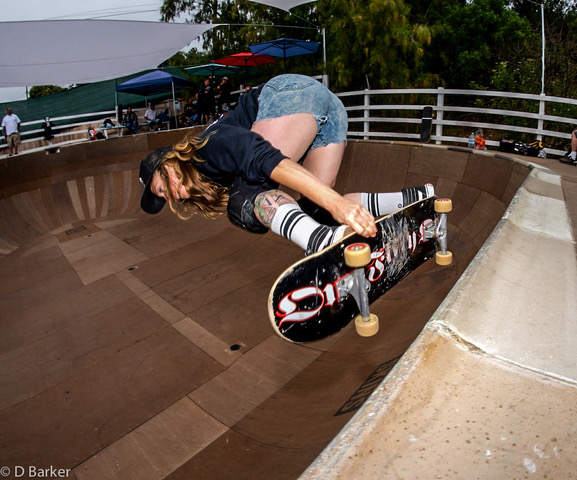
Backside Air Credits by Dave Barker