

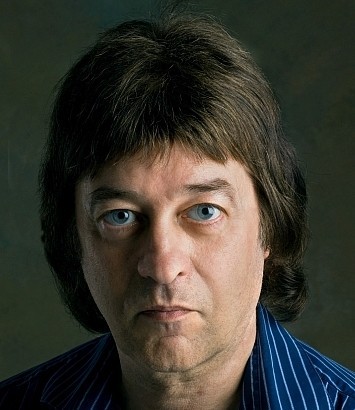

We’re excited to introduce you to the always interesting and insightful Tony Rockliff. We hope you’ll enjoy our conversation with Tony below.
Tony, thanks for joining us, excited to have you contributing your stories and insights. Can you tell us the backstory behind how you came up with the idea?
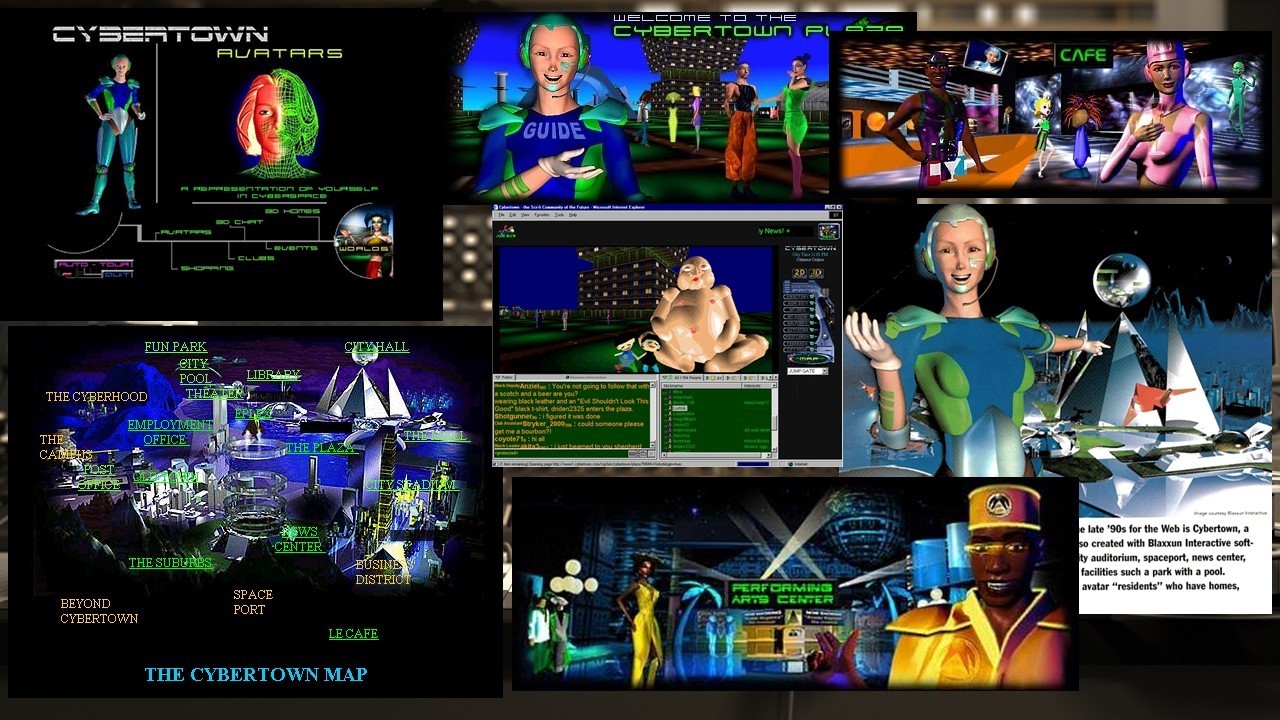
I’m going to tell the story of how we created the Cybertown online community because it led to such an expansion of my multimedia and AI services, and also because it is coming back online after an 11-year hiatus.
After a fair amount of success as a record producer in England and Europe, I moved to the States, and my partner Pascal Baudar and I had a company that was making educational and entertainment DVDs. We also created EPKs (Electronic Press Kits) for record companies like Sony, where we compressed a lot of data to get images, text, audio and even videos all onto a 1.4K floppy disk. And we were also just starting to make videos.
One day in early 1995 I got a call from a company saying they wanted us to create a video, and I asked what it was for, and they said, “The internet” and I said, “What’s that?” They said you better come over and check it out and I went to visit them for the next 2-3 hours and started looking at the net. I got very excited about the possibilities, because back then it was like the Wild Wild West where you could do pretty much anything. But it was also very bland, being mostly text with blue links and occasionally, if you got lucky, a picture that took often forever to appear.
Nonetheless, as an artist it felt to me like a huge international canvas on which I could create anything. And I got Pascal excited, and over the next 3 months we surfed the web exploring, making great new friends and discovering what was out there.
We started to look at what could we create to give back to this great international community that we had gained so much from, and we created a directory of the Best of the Web from all the most valuable sites that we had discovered.
Then I started to look at how could we make it more interesting than just a directory, and we realized that all the different categories of sites that we had found could fit well into the metaphor of a town – literature and books could fit into a Library, music sites could fit into a Music Hall, shopping could fit into a Mall etc. – and there were no towns on the net back then.
Then we started looking at what kind of town, and our first sketches were more like a cartoon-style town, but it just didn’t feel right. One night in a dream I had this vision of a futuristic city set about 100 years in the future, and I got very, very excited because it meant that there would be no limit to what we could create.
When Pascal came in the next morning, I said. “I’ve got to tell you what I’m looking at for our town.” and he said, “You mean this?” And it was his sketches for a futuristic city set about 100 years in the future!
Now we really got excited! And we got to work. By June we had created 250 pages and we launched Cybertown as a 2D town that housed our directory of the best of the web. Because the graphics went so far beyond what was the norm on the web at the time, Cybertown started to grow. We supported our first couple of years of work on Cybertown by creating web sites for other companies.
But still something was missing. We had started to play with VR and in 1996 we added a VR space in Cybertown where a single user could go in and interact with himself! We very soon realized that this wasn’t very exciting, and so we started to look at really shooting ourselves in the foot and trying to do something with multiuser VR on the web.
You have to remember that this was in the days of 14.4k modems and 486 computers. Fortunately, our experience in highly compressing data for our EPKs came in super-handy when trying to get multiuser VR to work across such a tiny bandwidth pipe.
Somewhere in 1996/1997 either we found a company in Germany called blaxxun, or they found us (we had become quite popular by then and were starting to win multiple awards). They had developed a multi-user VR community engine and it was just what we were looking for. Unfortunately it cost $250,000.
I suggested to their CEO, Franz Buchenberger that perhaps we could do a partnership where we became the showcase for their technology as we had a lot of traffic and eyeballs, and they had the technology that we needed to really successfully implement community-based 3DVR into Cybertown.
Fortunately, Franz could see the potential, so Pascal and I went to Munich to meet with his team and to start the planning for the merge and to build the blaxxun technology into Cybertown.
Now we had a budget and we got to hire a couple of local VR artists, and I got to run a large team of German programmers, and in mid-1998 we were ready to launch Cybertown as a fully functioning 3DVR multiuser community.
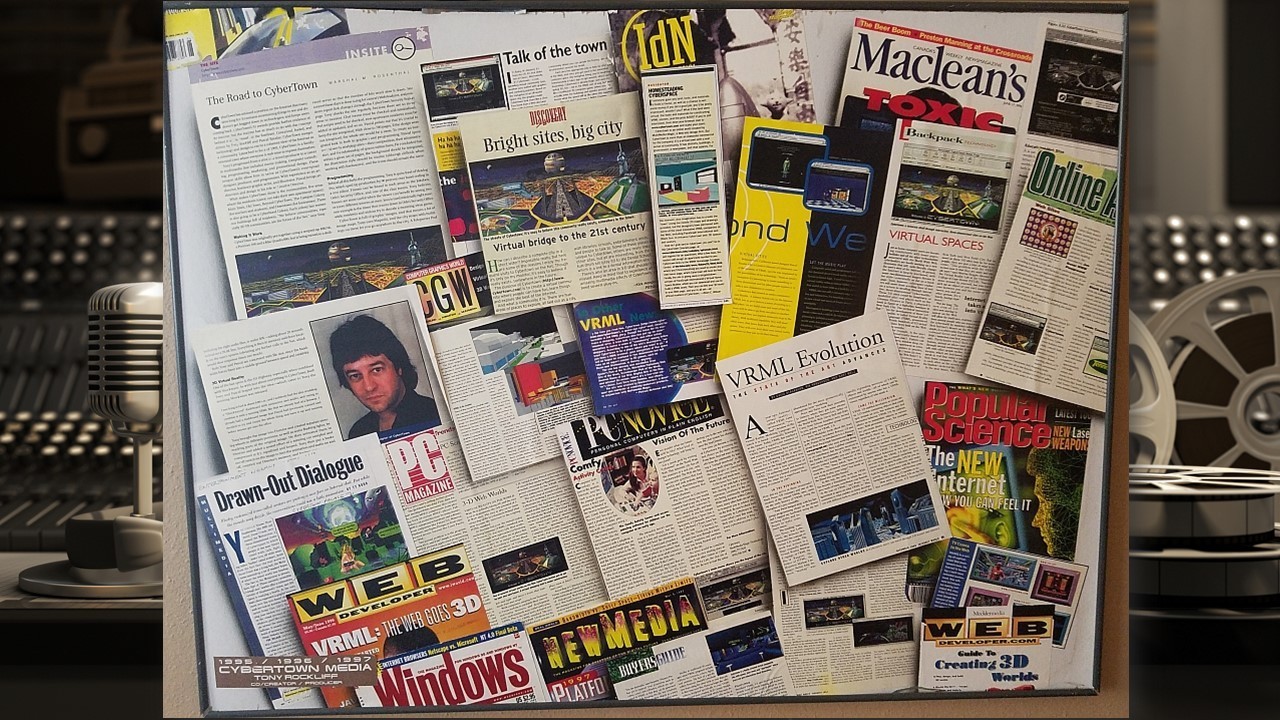
We also had a promotional budget so we did things like create huge multi-colored multi-page press packs with photographs of Cybertown, its awards and testimonials etc. etc. and sent them to the editors of numerous technology and web magazines. This resulted in a ton of press for CT, which also led to TV shows around the world. We also did full page ads in sci-fi magazines and even advertised our “Escape Earth” campaign in movie theaters, and many other things, including creating CT-based mugs and making business card sized CT DVDs.
All of this was great but suddenly we had a rapidly growing community and I had to learn how to manage hundreds of thousands of people in 160 countries in all time zones. Back then, there were no books or internet papers on how to run an online community, and I had to learn the hard way by trial by fire.
Because a certain percentage of people, luckily a small percentage, are dedicated to destroying anything that helps other people or gives them enjoyment, I had to create the Cybertown Constitution and the Cybertown Security force to enforce it. And many and wild were the adventures we had over the years!
Because Cybertown involved so many media types we got to learn a great many related technologies. Cybertown became hugely popular all over the world, had partnerships with USA Networks Sci-fi Channel, Sony Interactive, Intel, Hallmark Entertainment, SETI, Centropolis Entertainment (producers of “Independence Day”, “Godzilla” and “The Patriot” movies), Warner Brothers for VR music concerts, the Star Trek Online Convention in VR, and many others, and it had 1.3 million citizens when we sold it.
For technical reasons it went offline in 2012 but, while I can’t go into details, it is coming back in all its former glory and will also be expanding into “Cybertown, Next Generation”.
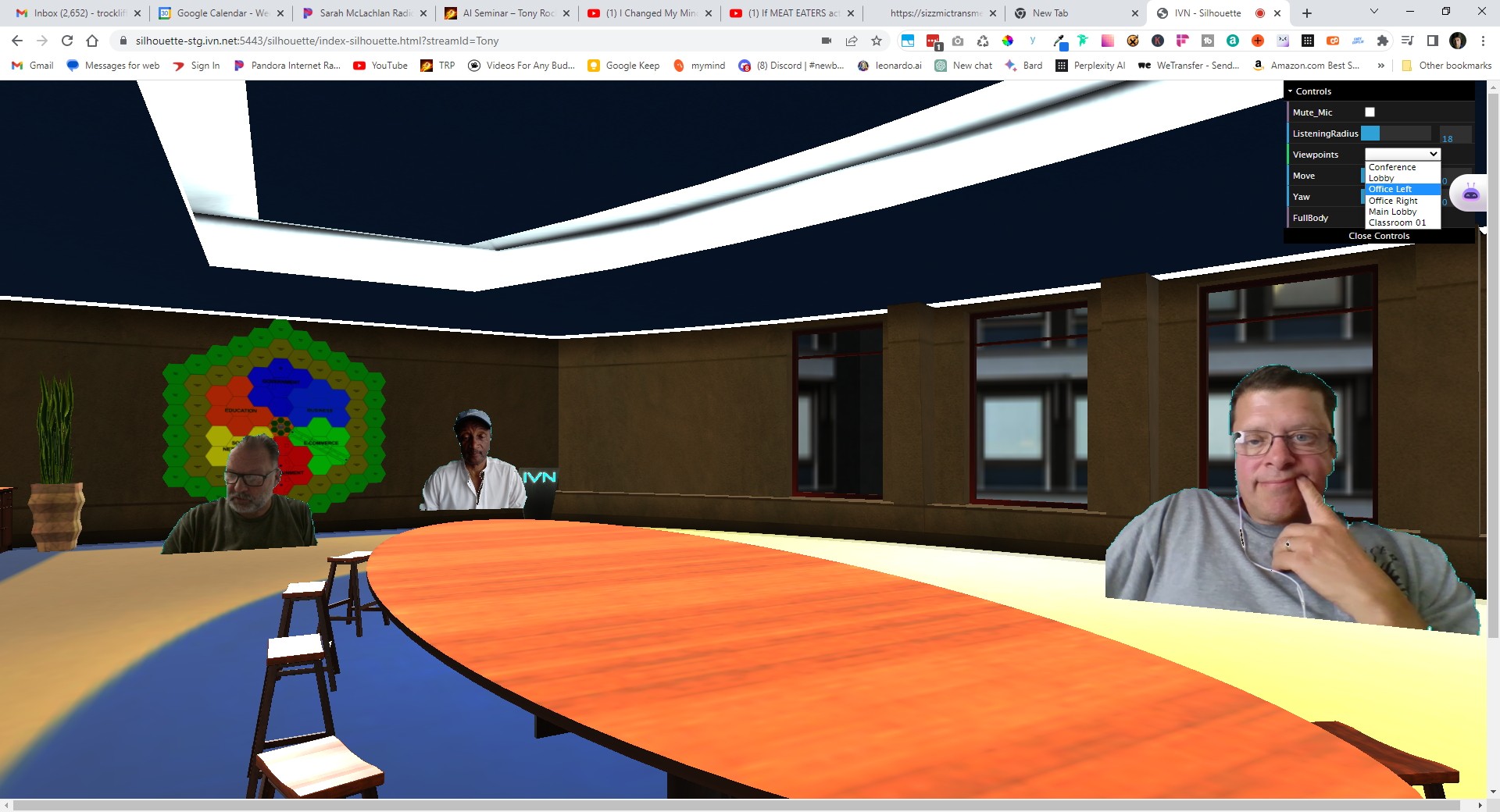
Because we have learned so much since then in the multimedia realm, as well as in the AI realm (Cybertown had an AI chatbot who hung out in all the numerous chat rooms and 3D spaces and answered visitor and new member questions), CybertownNG will feature quite a number of AI technologies, including Silhouette, a technology from Integrated Virtual Networks that puts your extracted live video into 3D spaces – https://ivn.ai
In 1997 I wrote this article predicting where the web would be going: https://tonyrockliff.com/the-future-of-the-net-1997/
Awesome – so before we get into the rest of our questions, can you briefly introduce yourself to our readers.
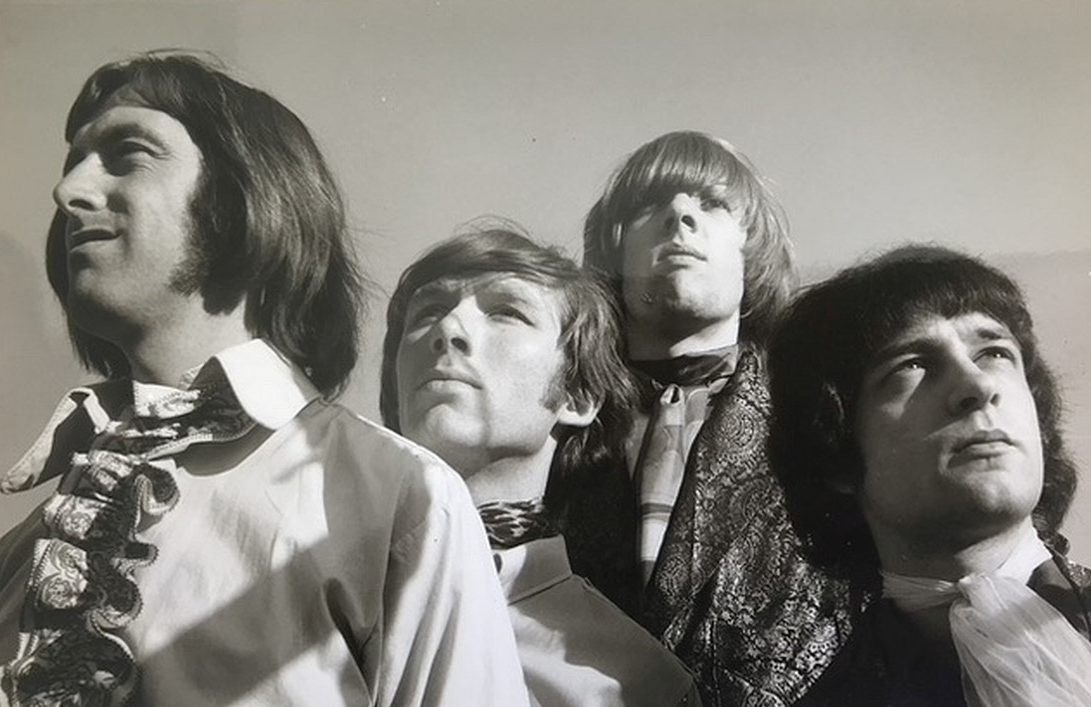
I was born in Liverpool, England, and sent away to a boarding school at age 8 where I was raised by Jesuits who wanted to make me into a lawyer, doctor, priest, or politician, none of which I wanted to be. At 17 I escaped to London in the middle of the night and formed a band which got booked in Beirut. We arrived just in time for the airport to be bombed as the 1967 war started in the area. When we returned to London our manager said he wanted us to make a record and booked us into a local studio.
As soon as I walked into the control room I went, “Ahhhhh….” and I knew I was home. I felt like the proverbial kid in the candy store. After the session, I went over to the studio manager and said, “If I just hang around and watch – you don’t have to speak to me or teach me anything – and if after a month I can do a session successfully, will you hire me?” He said, “You’re nuts!” and I said, “Yeah, but will you?”
And so after a month of quietly watching I did my first session with a band called “Sounds Incorporated” – who were the group who played the brass on the Beatles “Good Morning, Good Morning” – and it went well and thus I started my career as a recording engineer in London in the 60’s and 70’s where I was lucky enough to work with many wonderful artists, many of whom you would be familiar with.
Here are a few: https://tonyrockliff.com/about-tony/
At this point, I thought I wanted to be a recording engineer as I was having so much fun doing it but something happened a couple of months later that changed everything.
Just for fun I picked up a bunch of instruments and non-instruments from around the studio and started making up and recording a song. One day a couple of very successful record producers walked into the studio while I was editing it and they asked me what it was and if could they have a copy.
Two weeks later I had my first record deal as a record producer – and my first international hit record – and also a very large sum of money in my pocket. And it was at this point that I finally realized what I really wanted to be and what I have since spent decades very happily doing, including at Abbey Road Studios, which led to the many other things that I have loved and still love doing. I’ll mention a few of them briefly.
After moving to the States in 1978 and opening my own recording studios in Hollywood and doing a lot of work with Motown artists during the eighties, in the early 90’s I got a call asking me if I made videos, and I tentatively said, “Yes” and had to learn on the 1st job and found that I loved doing that too. And that led to Cybertown, which has been called the 1st Metaverse, and which I covered in the previous section.
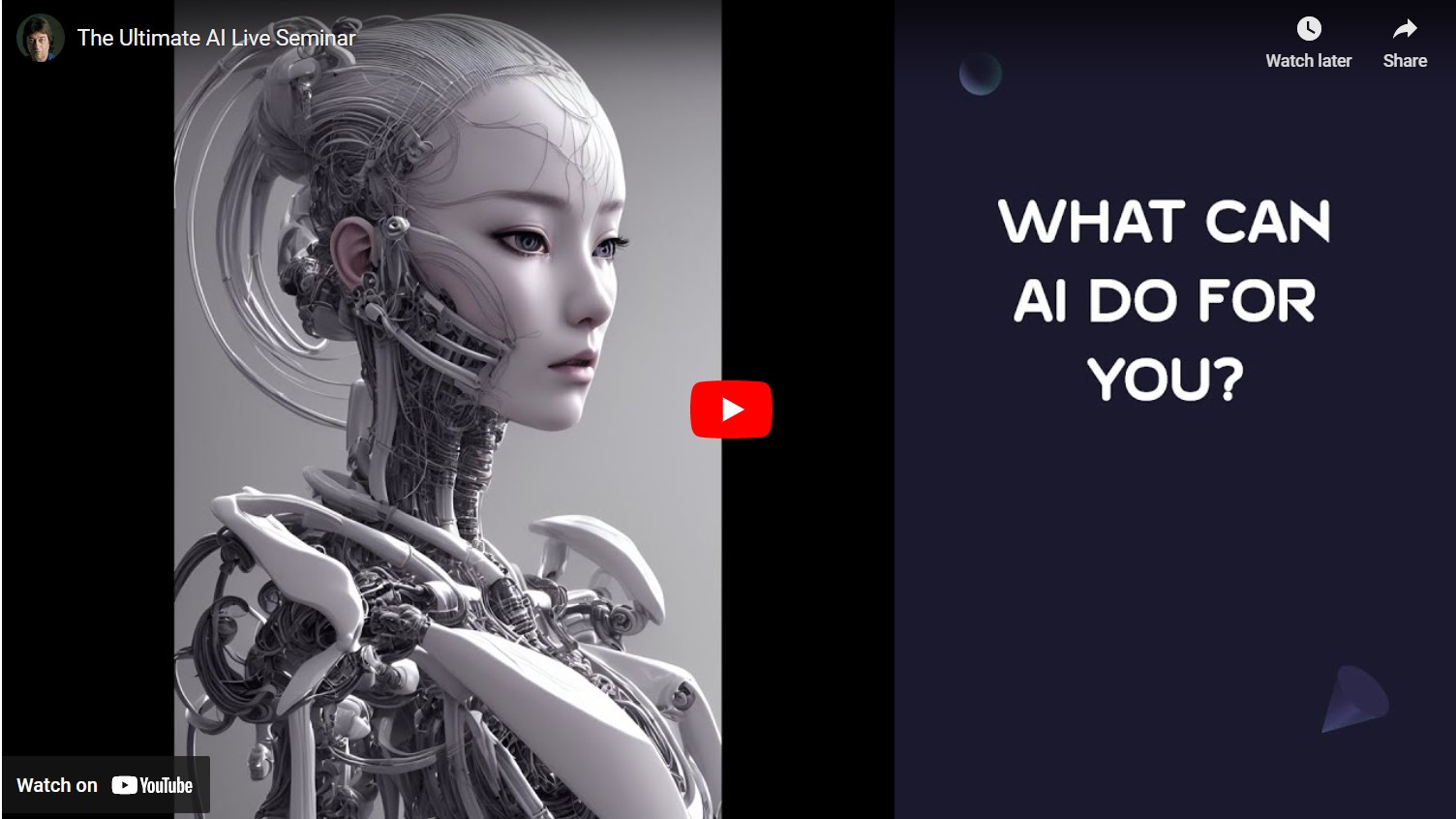
As a media producer, I do videos, music production, live-streaming, audio, graphics, websites – anything media-related, and now I am also an AI Consultant – https://tonyrockliff.com/ai-seminar/.
Can you tell us about a time you’ve had to pivot?
After Cybertown, I went back to making videos and music albums, making websites, giving seminars, etc., and I got my clients through word-of-mouth referrals and from the seminars.
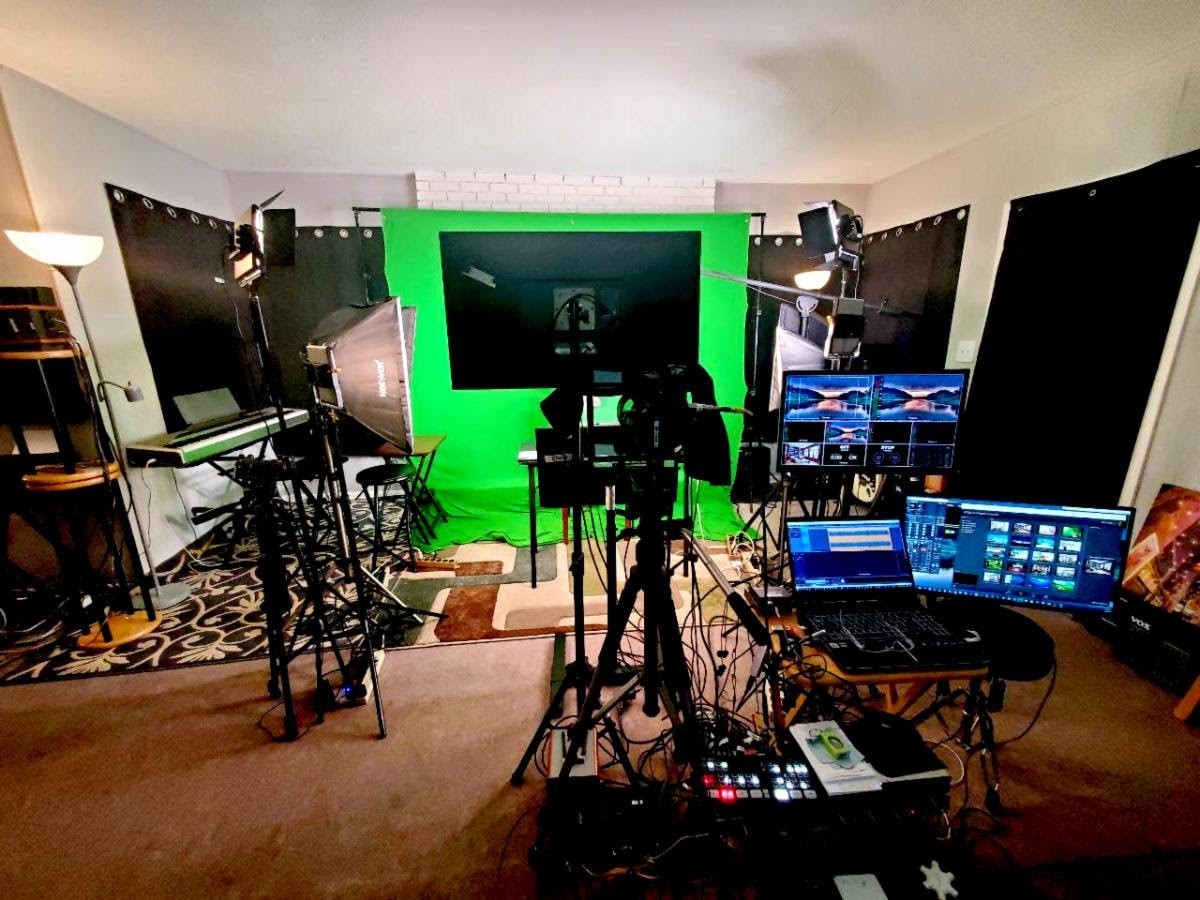
Then COVD hit and I couldn’t give seminars or have people come to the studios – so had to find alternative ways to survive and had to re-invent myself and got very strongly into very high-quality live streaming, as well as learning and doing YouTube Optimization, because there’s no point in putting videos on YouTube if no-one’s ever going to find them.
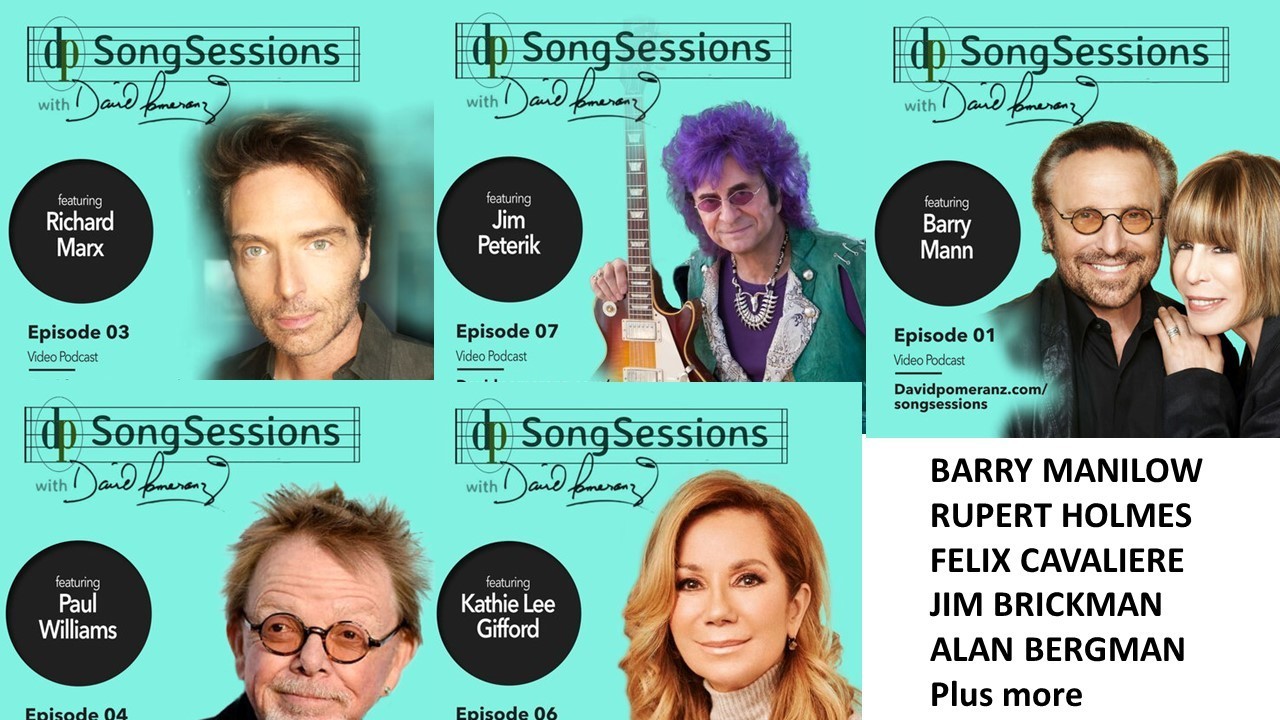
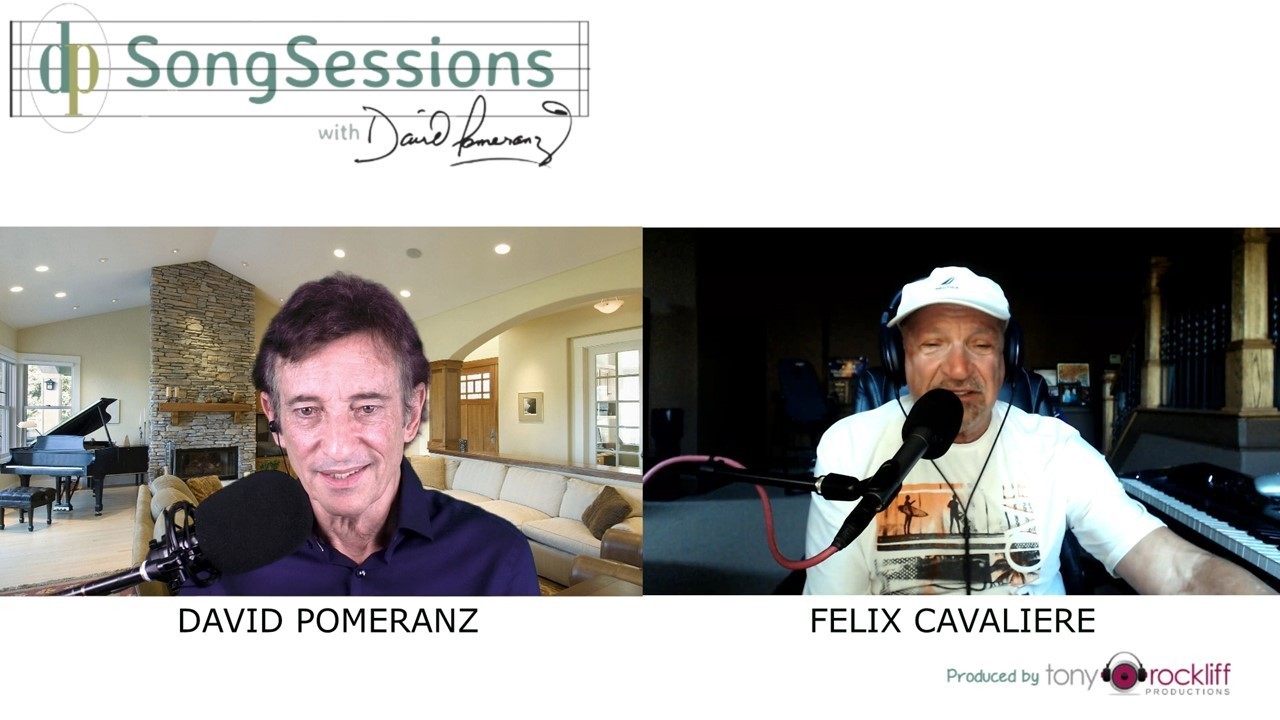
Last year we started the SongSessions Video podcast where we interview legendary songwriters around the world and now, coming full circle from Cybertown in the late 90s, in February 2024 I will be producing a 3D VR NFT-based live concert in the current Metaverse for 100,000 attendees, as well as being involved in the revival of Cybertown, which is mostly being created by very dedicated citizens of the original Cybertown..
Covid produced the challenges outlined above but also the learning curve involved in getting live streams to be stable and high quality was quite challenging. I wasn’t happy with the quality produced by Zoom so had to look into alternative approaches to enable us to have control over the quality of the streams being sent by the interviewees in other parts of the world.
Now we have it. https://www.davidpomeranz.com/episode-9-felix-cavaliere
So, what lessons have I learned?
What you think may be your purpose or goal may turn out to be something else entirely. Don’t be afraid to think outside the box or the norm of how “it’s normally done”. Don’t be afraid to ask for what you want. Be a pit bull about doing what you love doing. Your purpose is paramount. Veering off it will only make you unhappy. I can’t stress that enough. Recognize potential opportunities and be willing to take the necessary risks. An old but true one – when life gives you lemons, make lemonade – be willing to switch and re-invent yourself on a dime.
More info here: https://tonyrockliff.com/how-to-not-break-into-the-music-business/
For you, what’s the most rewarding aspect of being a creative?
For me, the most rewarding aspect of being an artist is you get to create something out of nothing. There is a true joy to creating something that hasn’t been seen or heard before. If in the process what you create gets to help people, that’s the icing on the cake. I’ve been very lucky in that regard.
Contact Info:
- Website: https://tonyrockliff.com/
- Facebook: https://www.facebook.com/tony.rockliff/
- Linkedin: https://www.linkedin.com/in/tonyrockliff/