

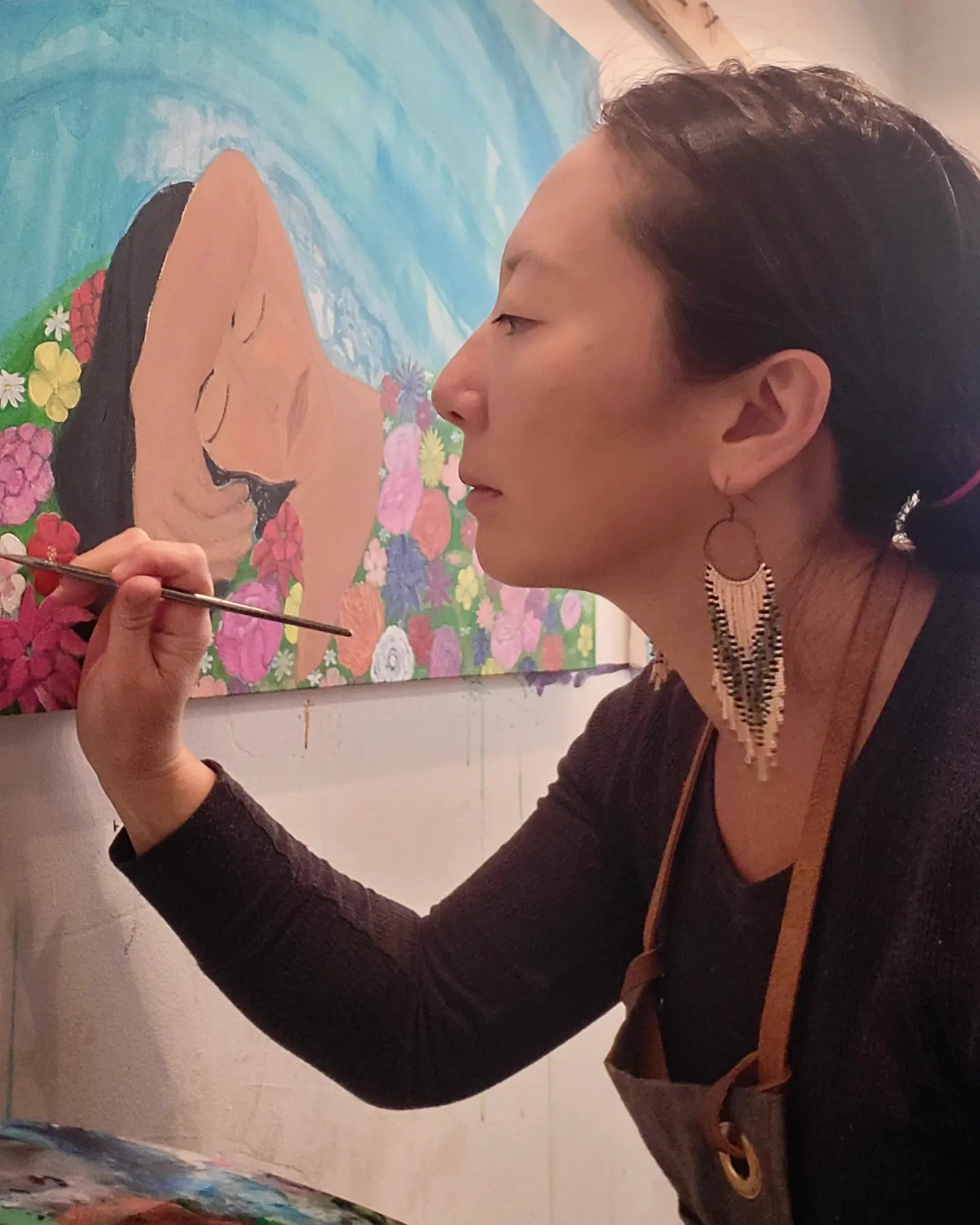

We caught up with the brilliant and insightful June L. Park a few weeks ago and have shared our conversation below.
Hi June L. , thanks for joining us today. What’s been the most meaningful project you’ve worked on?
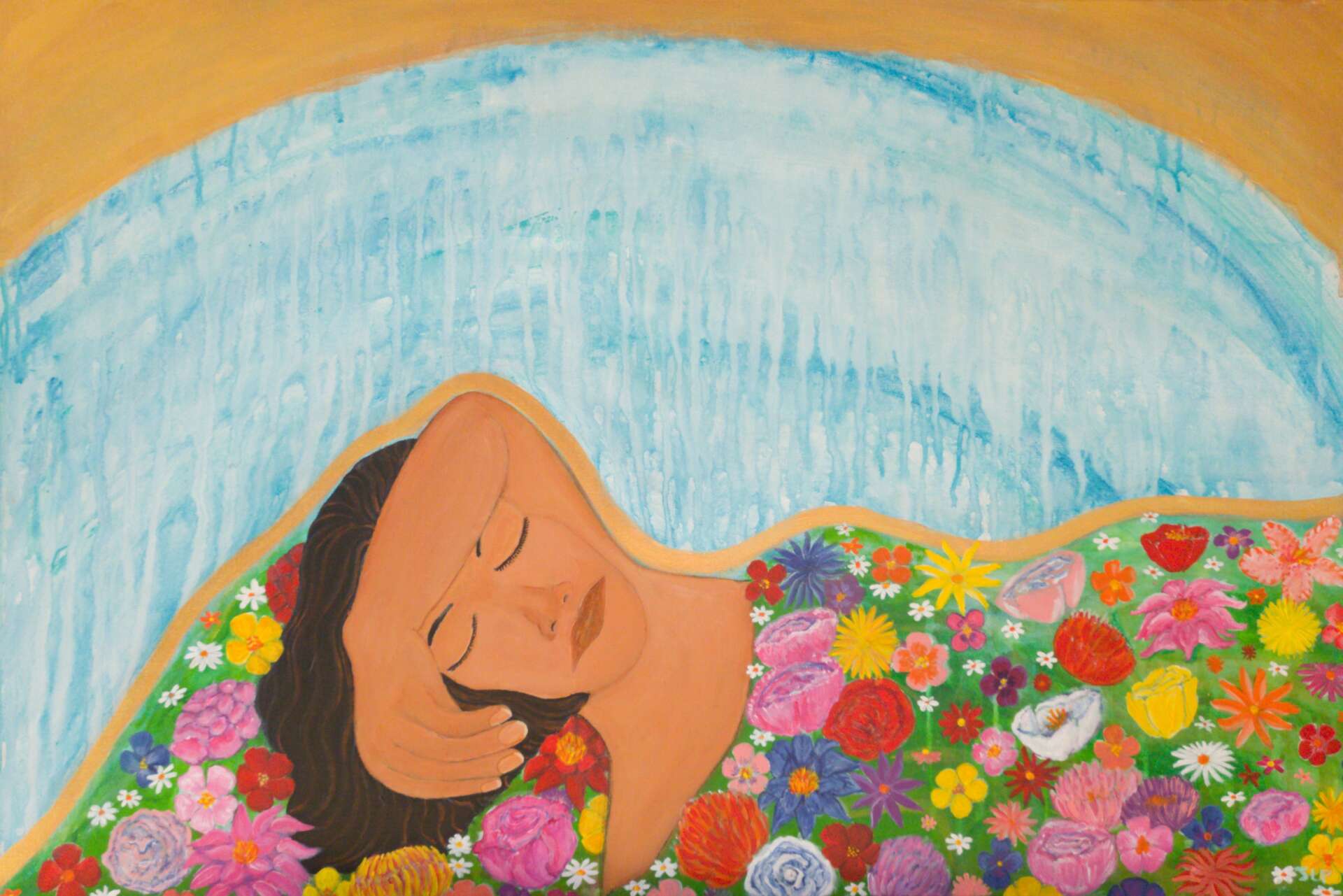
A lot of my work as an artist and curator/gallery manager is about raising awareness about our internalized assumptions and tensions and being a conduit for promoting a broader view of our humanity.
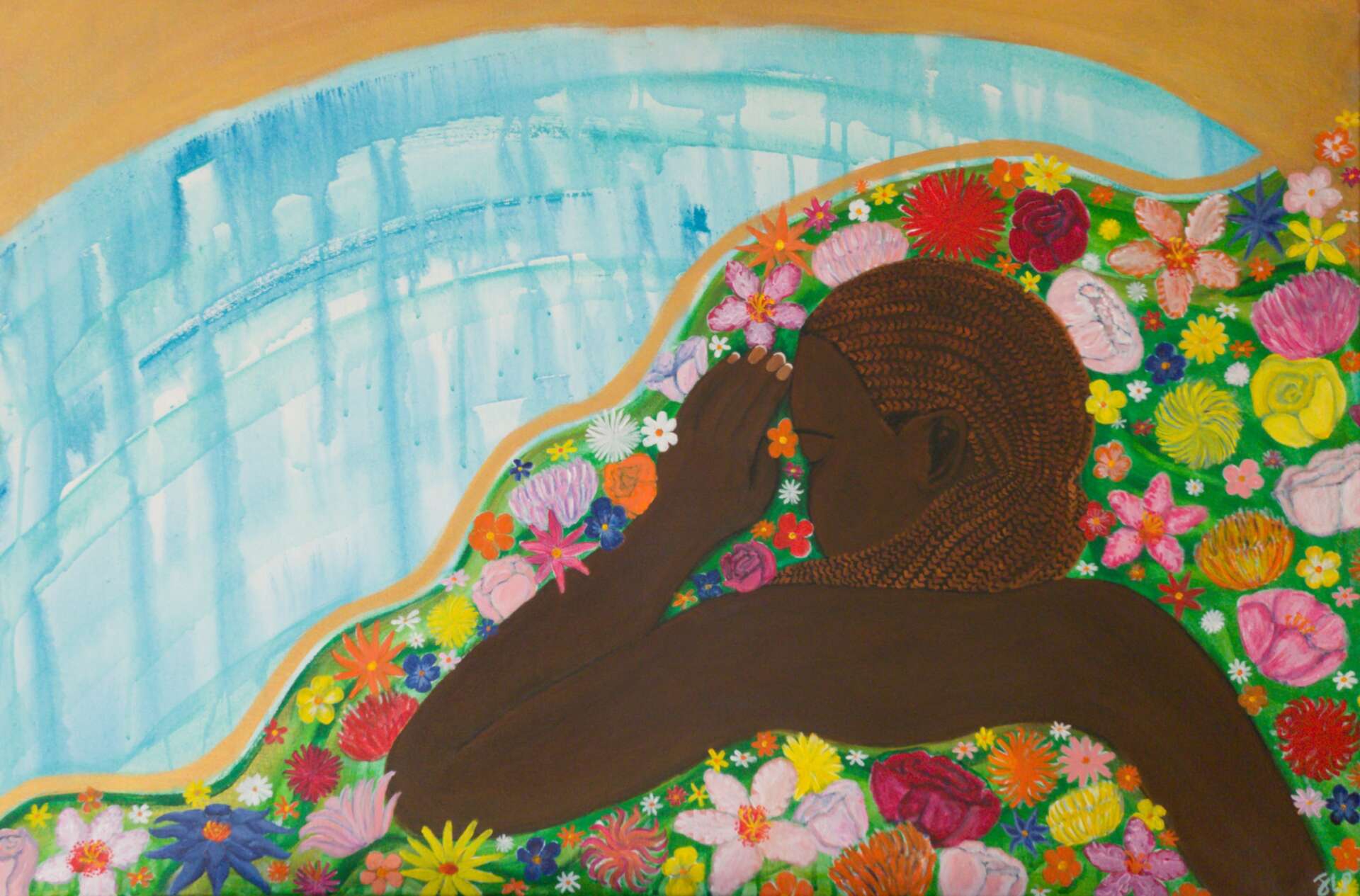
The majority of my artwork is focused on creating art that raises awareness about internalized assumptions and tensions around stereotypes and labels. When people hear that I’m Korean/Asian American and grew up in rural America, the reaction is generally one of horror and fear. When in reality, I felt that my childhood was actually very safe and pleasant, and I was lucky to know different kinds of people who cared for me as a human being. How do we help interrupt that programming and build new neural pathways that help us see the world with more nuance and understanding for our individual humanity?
I’m currently managing and curating the Pinckney Gallery in the Art Department at Central Oregon Community College. So I’m committed to being a conduit to bringing largely neglected narratives and stories to our gallery so that students, faculty, staff, and the broader community can have exposure to another perspective, as well as creating a sense of community around underrepresented perspectives. Because having that exposure to different perspectives in art can help drive contemplation and invoke our greater sense of empathy and humanity in a way that other forms of media can’t. So I don’t dictate anything in this role, but work to bring people’s stories to the gallery in the most direct way possible so that perspectives to connect and uplift can be seen unedited. An example of this is the Black Excellence Art Showcase I organized at the Pinckney Gallery this last January during Black History Month. We were showcased on OPB – that was pretty cool. And I got to work with a lot of my friends local to Bend, OR that I deeply care about and respect.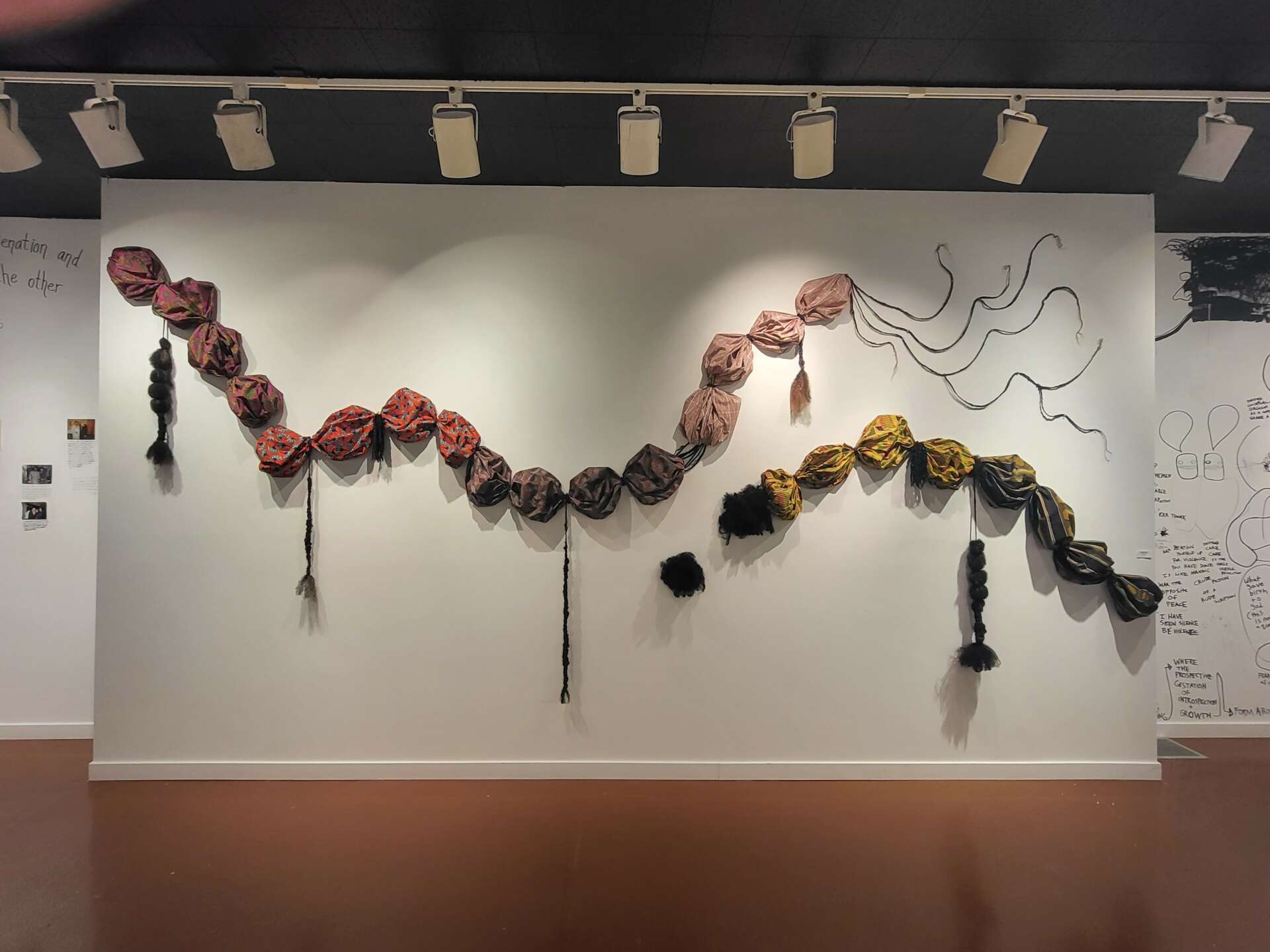
As always, we appreciate you sharing your insights and we’ve got a few more questions for you, but before we get to all of that can you take a minute to introduce yourself and give our readers some of your back background and context?
My parents, despite not encouraging us to become artists or musicians, always encouraged music and art in our home. I played the piano, cello, and did vocals and made a lot of art and did other creative crafts from a pretty young age, and my mom, who was a trained pianist and art lover, always created, and my dad, although a chemical engineer, was a talented photographer and poet in his free time. It was never explicitly said, but everyone in our home was creating, making art, and playing music together for fun. But I never took it seriously, I alway saw it as a hobby that helped me decompress from my jobs.
I had a pretty long career in Product Innovation as a User Experience Designer at technology companies because I had to make money to survive and pay off my college debt since my parents didn’t really have generational wealth to send me to school. But after working in that career, I knew it just wasn’t for me. So I left after feeling pretty burnt out, and on a whimsical suggestion from a friend, I became a Career and Technical Education (CTE) in a middle school where I developed and taught a Digital Innovation and Art class where students learned how to use technology and the creative design process to make digital art, animation, and build websites.
One day during class, my middle school students asked me what I dreamed of becoming when I was their age. I told them and artist and writer. They asked me why I wasn’t pursuing that – after all, I was always telling them to discover their dreams and pursue them. I realized they were right, and that I wasn’t honoring or following through the advice that I was giving them for myself, and I love them for calling me out. So I became a full time artist after a lifetime of trying to squeeze it in. It’s not always easy financially, and I’d say I’m a semi full-time artist, but I’ve committed to putting my art first to be an example for students.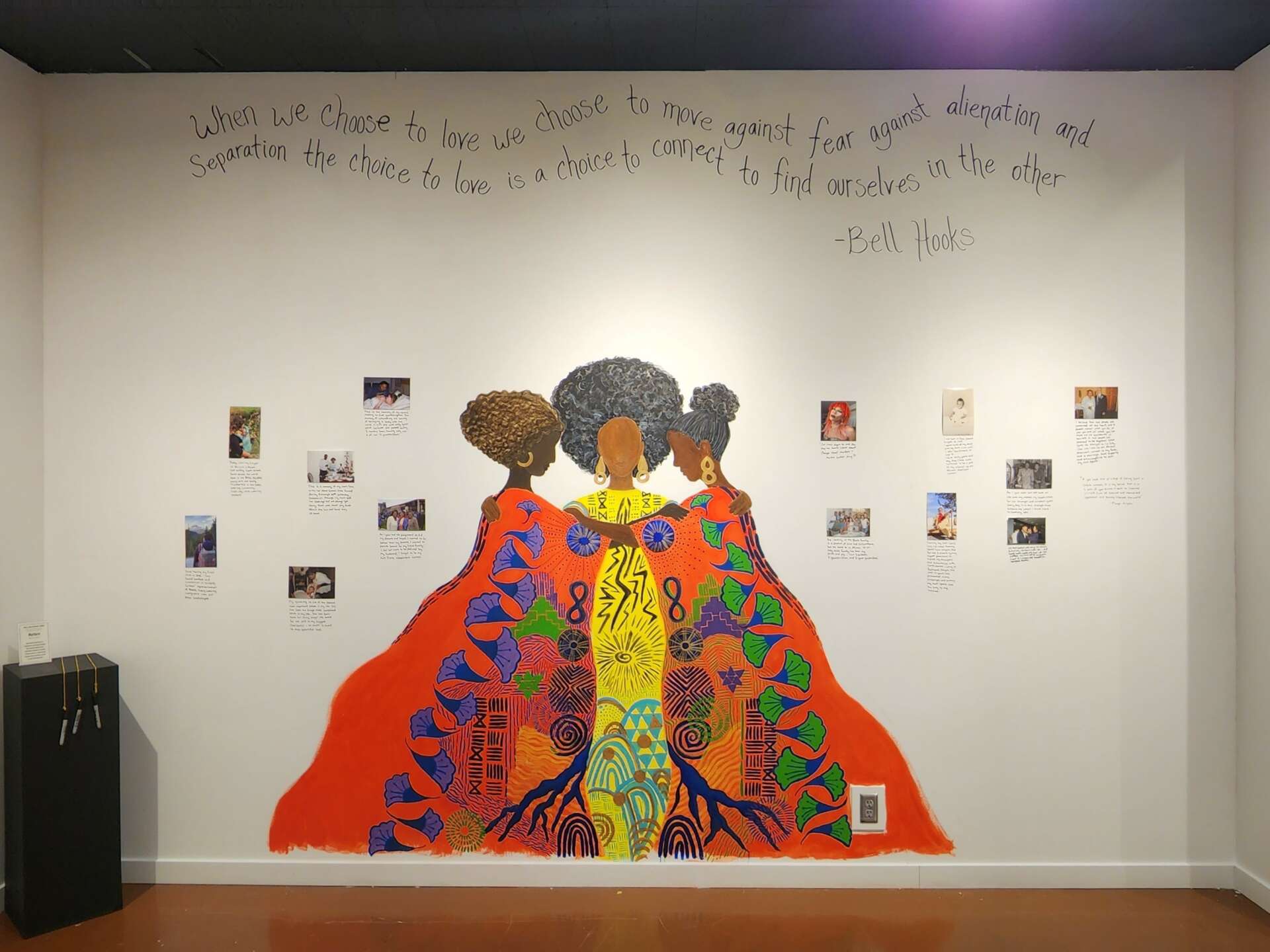
What do you think is the goal or mission that drives your creative journey?
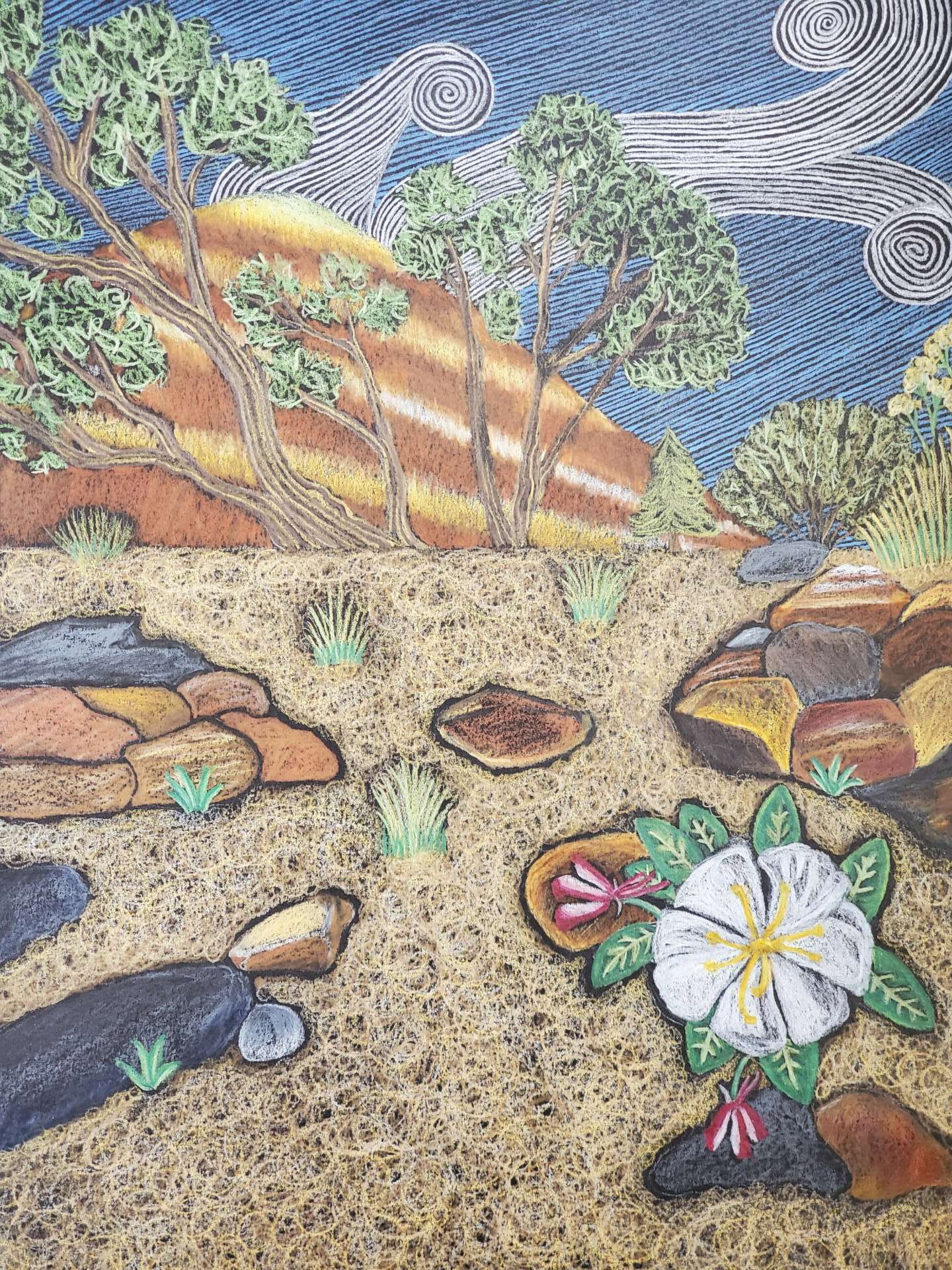
I grew up in rural Idaho as a non-binary queer, femme appearing, Korean American immigrant. And then moved to Seattle, WA to pursue my higher education and career, thinking somehow that world would be more open and accepting. And what I realized is that “the -isms” exist everywhere in the United States, and how they manifest is sometimes different, but still the same at the core. And I really realized that I was homesick for the climate and landscape I grew up in, so I decided to move to Bend, OR to be closer to the region I grew up in, and also wanted to focus my art on uplifting these stories that don’t really fit into the stereotype monolith about who I am in my identities. Because stereotypes dehumanize us into categories and check boxes, and I want us all to work individually on getting better at listening to each other, and seeing us for the unique individuals we are, instead of always saying “you’re not {fill in the blank} enough…” or “you’re so {fill in the blank}”; We need to start saying, “wow, I listened and now see that you’re a complex human with many nook and crannies. I’m so glad we know each other better now, and I appreciate you as a human, even if you’re different than me.”
I grew up around people, despite being totally different than me racially, religiously, and value-wise, and not seeing eye-to-eye with me on things, who still loved and cared for me despite our differences. I feel like that quality in rural communities is overlooked and really similar to this concept in Korean called Jeoung, which is just sort of this concept about deeply caring and being considerate of the people around you because they’re near you. We’re kind of in a place as a culture where that’s really hard right now.
Even the other day, I had the most beautiful conversation with this elderly white woman when I was ordering food in Burns, OR. I asked her what her favorite dessert was from the table, and she kept pointing to things and saying, that’s pretty good, that’s pretty good, until she got to a particular cookie and her eyes widened with absolute joy when she pointed to it and said that one… that one is the best. I told her that I knew that was the cookie I should get, just seeing how wide her eyes got when she pointed at that one… Again, just connecting with people in the most simple ways sometimes is what generates the creative fuel for my art.
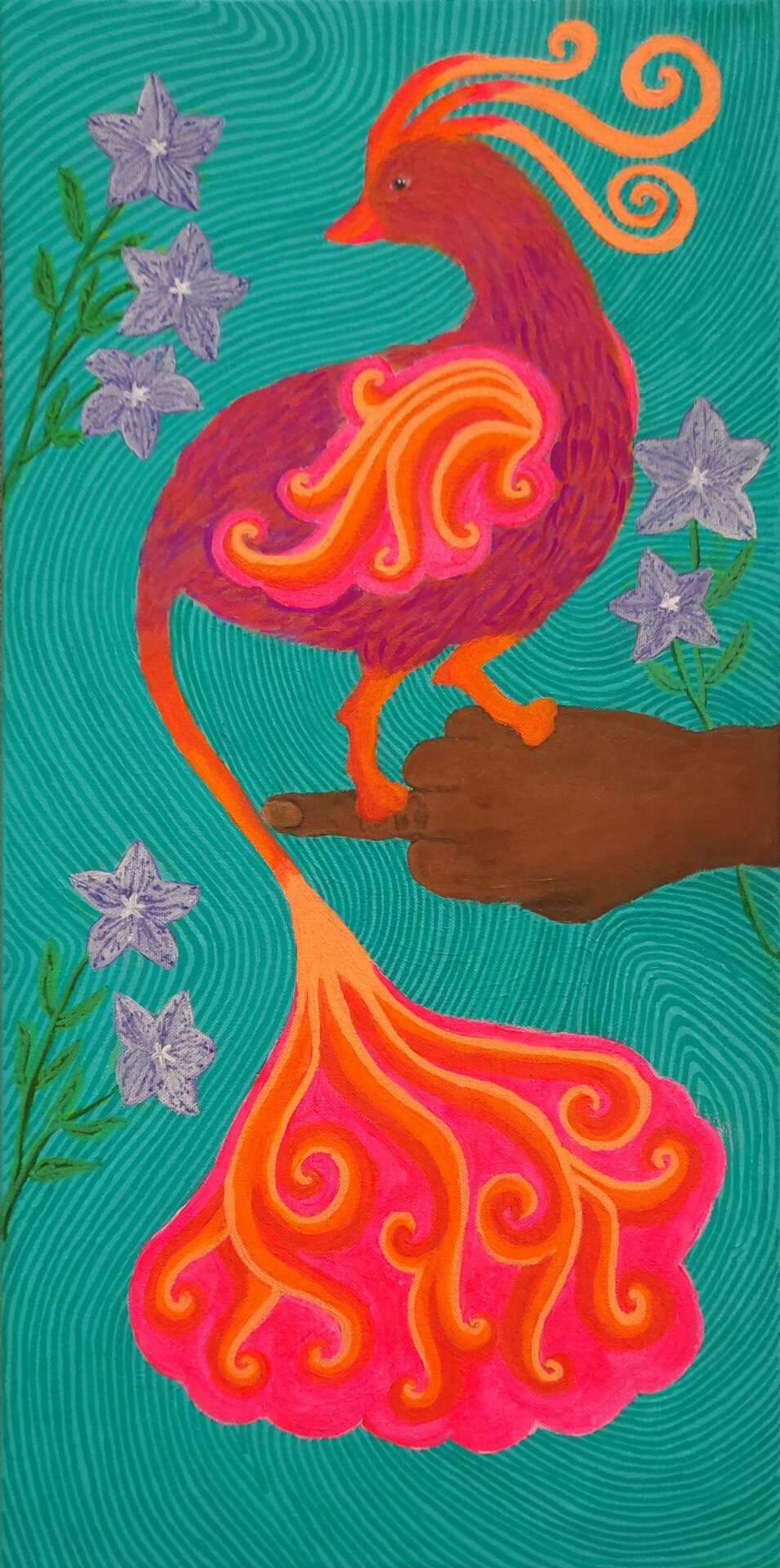
So a lot of my work focuses on dispelling stereotypes about my identities as a rural, immigrant, Asian, non-binary queer, femme person, and the stereotypes around other people who have non-mainstream narratives as well. I do things to show up and be a conduit for other people, especially those who are underrepresented and in rural areas to share their stories and art so that we can break up the notion that there’s only one way to be embodied and one way to be in any space.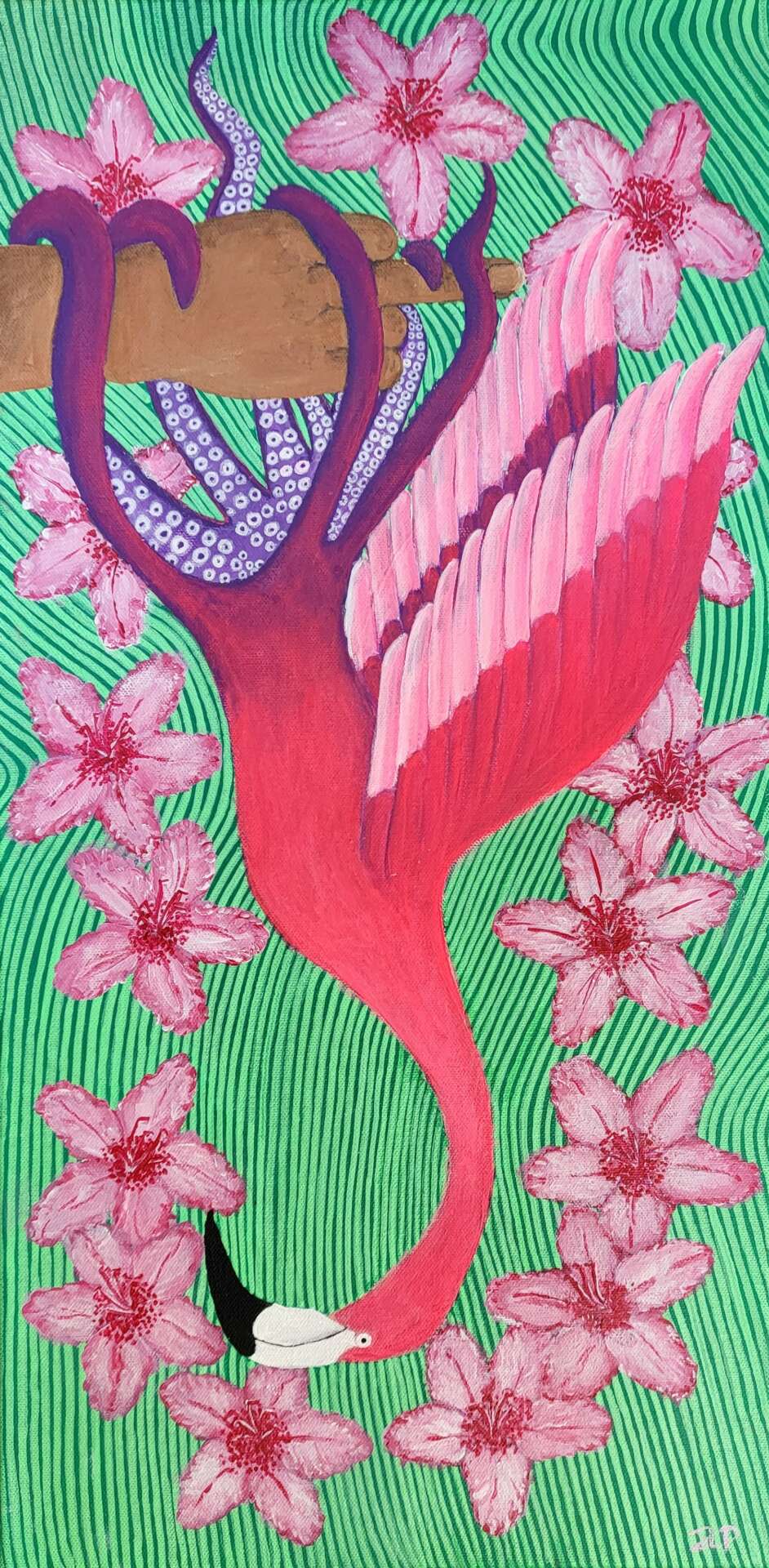
In your view, what can society to do to best support artists, creatives and a thriving creative ecosystem?
Curators and collectors can expand their view about their art preference. When I curate, I think a lot about artistic merit over what I personally prefer, and pick art that is not what I prefer but things that really speak about the artist and their experience. I generally prefer to pick things with a unique perspective. Every artist wants to create honestly about who they are, and I think we’ve set up a lot of artists to create for demand, and I don’t know any artist who wants to create things that are at the whim of consumers. The art that changes mainstream thinking into change for a better humanity, are often the things that are not appreciated by the mainstream. Artists should be valued as culture changers and bearers.
Organizations should figure out how they can support developing living artists, especially those with that unique story or experience. The seventh generation culture holders are amongst us now so instead of investing in art from auction houses, support the living artists with a living wage so they can make and capture art now for future generations. The living artists are culture changers and bearers for future generations. $20 million dollars can help quite a few artists live and make art right now.
And the most obvious one, support living artists by showing and buying their art. 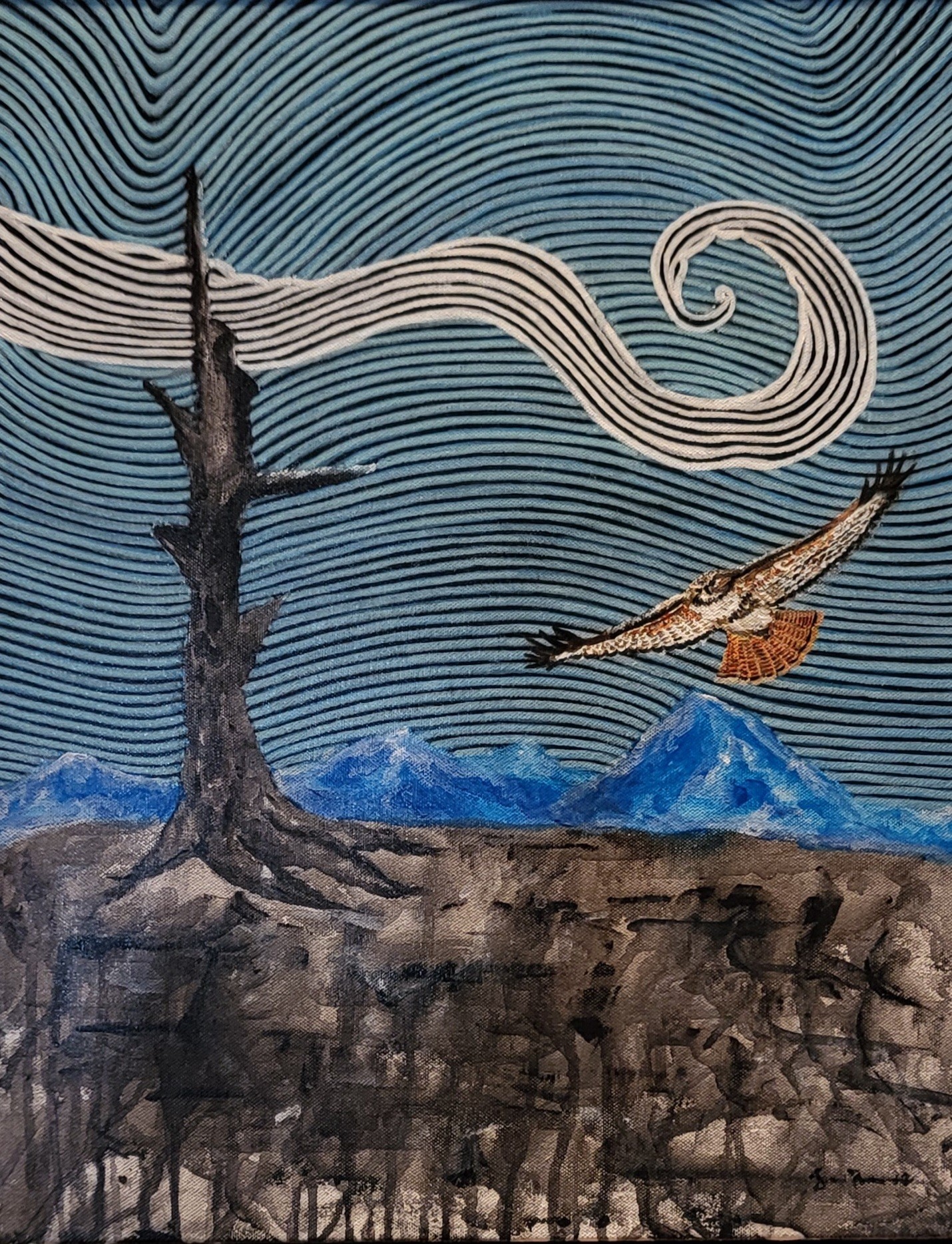
Contact Info:
- Website: www.junelparkart.com
- Instagram: https://www.instagram.com/junelparkart
- Facebook: https://www.facebook.com/junelparkartist
Image Credits
June L. Park Runa Lehtonen