

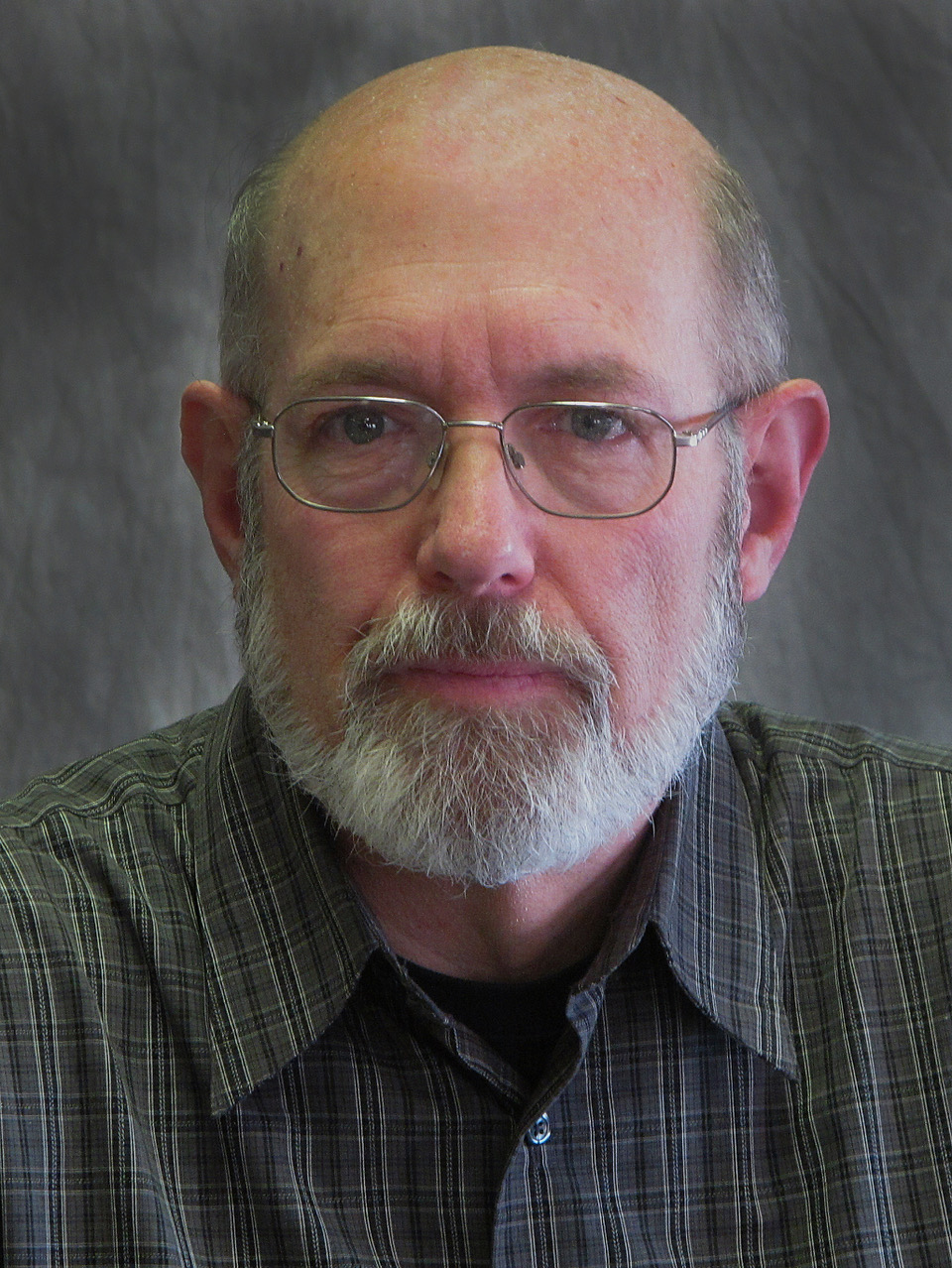

We were lucky to catch up with Rich Dunoff recently and have shared our conversation below.
Hi Rich , thanks for joining us today. Can you share a story about the kindest thing someone has done for you and why it mattered so much or was so meaningful to you?
Early in my career I accepted what I thought would be a portfolio job. In commercial photography, a portfolio job was one that would allow you to do incredible work for a high visibility client. In doing the job I called in several favors to get into difficult locations such as hospital operating rooms, research laboratories, and industrial locations. The client was thrilled with the results as was I. I thought I would have a great portfolio piece as well as make a decent wage. None of these things came to be. The designer that hired me never paid the bill and never gave me any samples.
At the time I went into a real funk. I had wasted favors and went in debt because of the job. To stay in business, I had to sell off some equipment. To be honest, my attitude was pretty bad. Potential clients would meet me and instead of being positive and upbeat, I was open about my problems and must have been a bummer to be around.
A friend of mine heard me complaining one day and called me on it. He set up a luncheon for me and another acquaintance and the two of them proceeded to read me the riot act, telling me how my attitude sucked, and I needed to change if I ever wanted to get my business and career back on track. They gave me a step-by-step plan on how to turn things around and it mostly dealt with my attitude.
They encouraged me to get out of my hole, shoot more work so that I could be excited again, and to show it to more people. They encouraged me to become more involved. As part of that plan, I began teaching photography and enlarged my potential audience as well as developed a better understanding of my creative process. I contributed articles to my local professional photography organization and gave up on the idea of ever collecting money from the dead-beat designer. It took some time for these changes to take effect, but they worked.
That friend, a man named Steve Leimberg, did the kindest thing anyone ever did for me by confronting me on my need to take action and turn my life around. Unfortunately, Steve passed away this past winter, but his memory lives on in me and many others he influenced.

Awesome – so before we get into the rest of our questions, can you briefly introduce yourself to our readers.
During my junior year in college, I became interested in photography. The school I was attending had a three year waiting list to take a photo course. I decided to transfer as a senior to Temple University with the assurance that I would be able to enroll in an introductory photography class. At the same time, I was able to obtain a position in a photo studio as a black and white printer. Truth be told I knew nothing about how to work in a darkroom and actually wrote the initials DSF on my fingers in case they were to ask about the order of the chemicals used in the darkroom. (Developer, Stop bath, Fixer).
I learned the basics of darkroom work on the job. The class I took at Temple required me to shoot and, in addition, the instructor was very big on teaching composition and the history of photography. The lessons I learned in that class I still use whenever I photograph.
Later I attended photo workshops in NYC given by some of my favorite photographers, Pete Turner, Douglas Faulkener and Burt Glinn. From these experiences I learned a great deal. I also began to assist other photographers which helped shape how I deal with a variety of different subjects.
When I began my freelance career, I was especially interested in working on annual reports, advertising, and industrial photography. I love the challenge of working on location in new and different environments.
As a professional commercial and industrial photographer, I used my compositional skills on every job. Back in the early 1980’s, shooting annual reports was for me the most exciting and fun thing to do.

How about pivoting – can you share the story of a time you’ve had to pivot?
My career as a commercial photographer was going fairly well, I had published two books of my photographs, one titled “Philadelphia a Photographic Portrait” was a successful picture book of the city of Philadelphia and the other book was “Celebration the University of Delaware.” I also published numerous calendars and posters. All of these projects had been shot on film. I was getting calls from designers and ad agencies to show my portfolio and then two things changed: I reached the ripe old age of 50 and digital photography became the norm.
I knew something was up when a hot design firm called in my book and I went on the appointment to show it. The designer was in his mid to late twenties. He went through the book and was really complimentary about the samples and then asked when he could meet the photographer. When I said that I was the photographer, his attitude immediately changed. I was too old. I then had a couple of other experiences in which I had gotten the same reaction. The writing was on the wall. Younger art directors and designers did not want to hire someone who could have been their father.
At the same time I was also teaching part-time at some colleges and an Art Center. My wife was a teacher in the Philadelphia public school system and found a vacancy listing for a Commercial Photography teacher. I applied and a year later was hired to the most challenging job of my career, teaching photography to inner city high school students in Philadelphia.


How can we best help foster a strong, supportive environment for artists and creatives?
Working with high school students was the most difficult and challenging job of my career and the most rewarding. Few of my students had ever used a camera other than their cell phone and when I first started teaching, cell phones were not very good at capturing images.
My students were under achievers; they were not academically talented. They came from impoverished neighborhoods where education was not highly valued in their community. School was the place they went to get fed and stay out of trouble with the police.
I was lucky to work for a progressive principal who had an idea that if you could teach the kids a way to express themselves visually and could expose them to new ideas, they might develop the desire to attend school and improve themselves. He and I thought along the same lines. Before I went to the interview, I had written up a list of things I thought I would be able to do in the school. At the beginning of my interview, he went into a litany of the things he expected me to do with my students as well as in the school. When he was done, he asked me what I thought, and I pulled my list out of the same things he had said. I got the job.
I taught for 12 years, and my students were involved in local and national competitions. Each year we won awards and cash prizes for their work.
Education in the arts is significant and helps build confidence in not only the arts but in other activities as well.


Contact Info:
- Website: https://phillyphoto.com
- Instagram: @richdunoff
Image Credits
©Rich Dunoff