

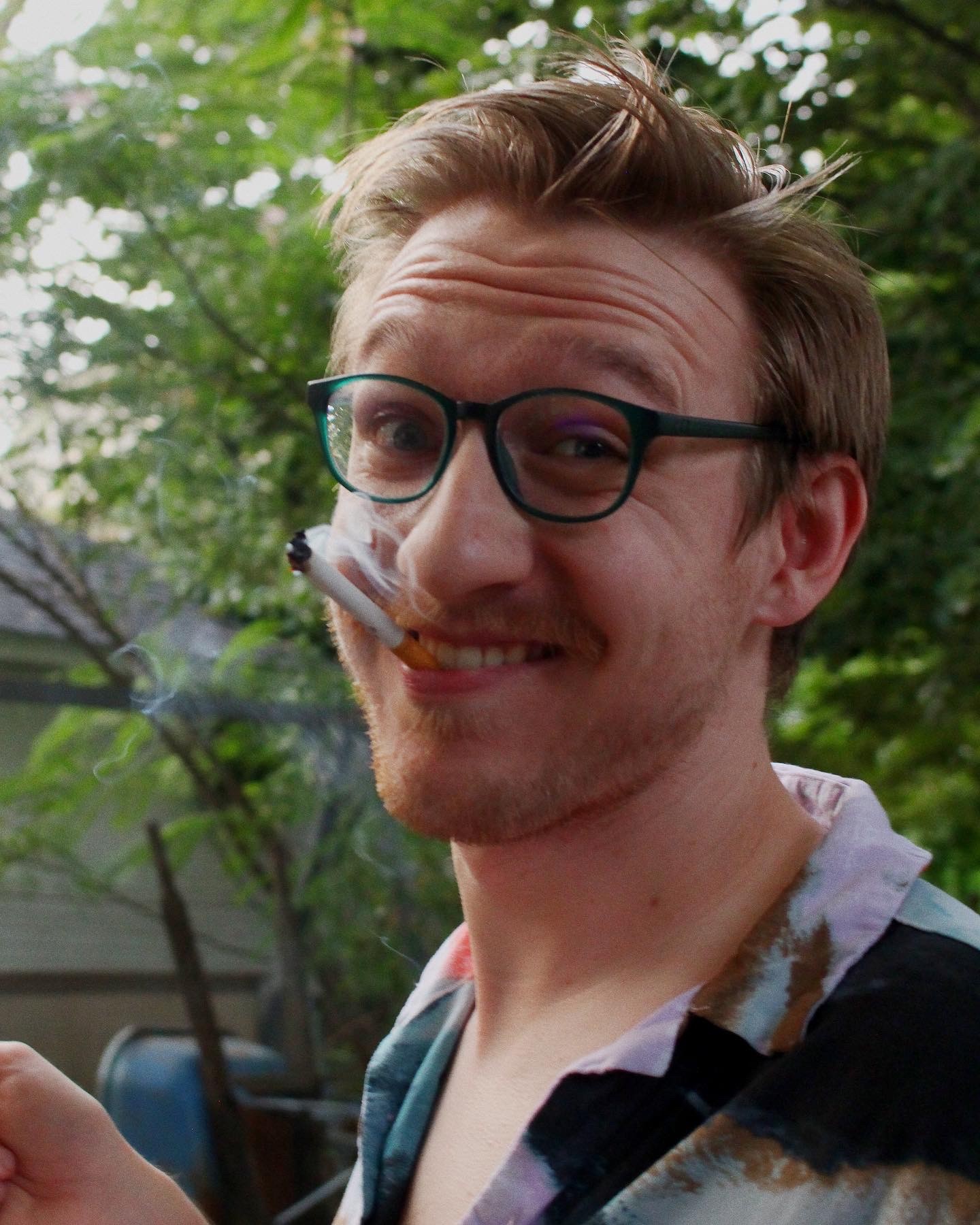

Alright – so today we’ve got the honor of introducing you to Brooks Vernon. We think you’ll enjoy our conversation, we’ve shared it below.
Brooks, thanks for taking the time to share your stories with us today How did you learn to do what you do? Knowing what you know now, what could you have done to speed up your learning process? What skills do you think were most essential? What obstacles stood in the way of learning more?
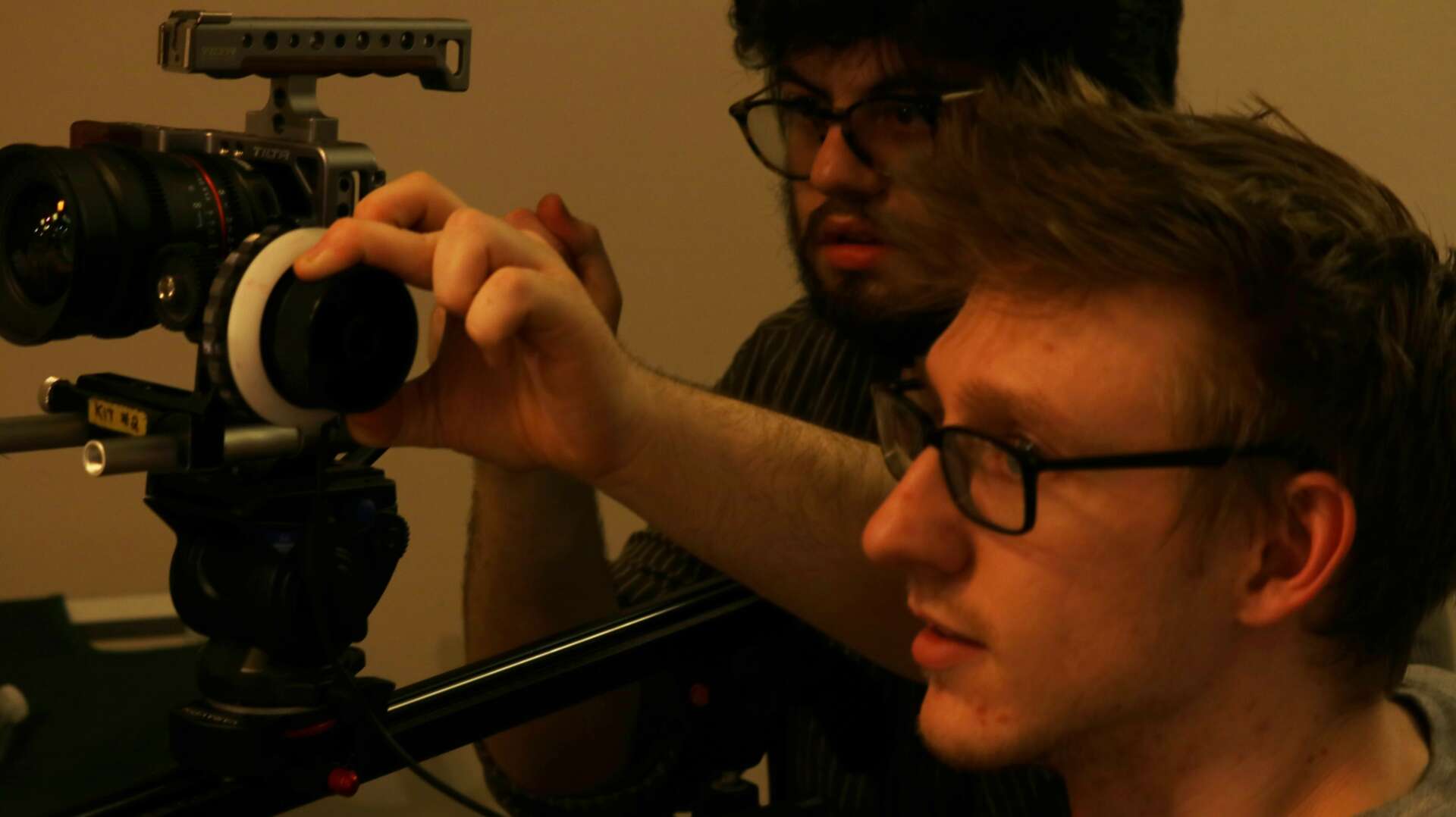
Filmmaking and writing are things that don’t come naturally to anyone. Like any other craft, they take time and patience in order to develop into real skills. My interest in both of them started when I was very young. My parents have told me that even when I was toddler, if they put a movie on for me I’d sit still and watch the whole thing, unlike my sisters or any of our friends. That love went deep, so it made sense that I’d want to make my own. My way in was actually through stop-motion animation. Another love of mine was legos, and I grew up during the initial boom of YouTube. Those days were the wild west, and one of the niches I fell into were brick animations movies. I loved them. Eventually I realized that I had legos, I had a camera, and I had access to a computer. My dad bought Sony Vegas for me, and I was off to the races. I made a bunch of lego shorts throughout middle school, and even got a lot of attention from my friends and classmates for them. Sadly very few of them have survived. There was a period of extreme self consciousness in high school and I impulsively deleted all my old shorts, which I regret to this day. Still, they were my first learning experiences. Stop motion takes ages, and I was an impatient kid. I had to learn how to tell a story quickly and effectively, choosing the right shots and learning to put them in the right order. I learned the rhythm of editing and putting music to images, and I learned the nature of a camera. Soon after that I graduated to live action filmmaking, and eventually I went to Towson University as part of their Electronic Media and Film department. I was surrounded by talented people, and it pushed me to hone my skills even further. I will admit, I often neglected the more technical aspects of image making. I’m a big picture story kind of person, more suited to be a director than a cinematographer, so I made sure to know really great cinematographers. But to make their jobs easier, post-college I’ve been putting in the work and doing my best to learn everything I can about all the other aspects of the filmmaking process. Ignorance will never make you a better artist, and I can respect the talents of the people I work with more effectively if I understand their craft on a deeper level. I never want to stop learning. It’s the same with writing. From early on I wrote all the time, almost exclusively as a means to make my friends laugh. I never stopped, and I like to think I’ve only gotten better at it. Sometimes I go for long periods without writing, and then all of a sudden that drive hits me and I can throw out thousands of words in a single, very very long night. I am putting in the effort to read more, to sharpen those skills as well. I don’t believe that talent or skill is a mountaintop. It’s not something you climb for a while and then finally reach the top and call it a day. There can always be improvement. There can always be new ways to stretch as an artist. There can always be new things you can discover about yourself.
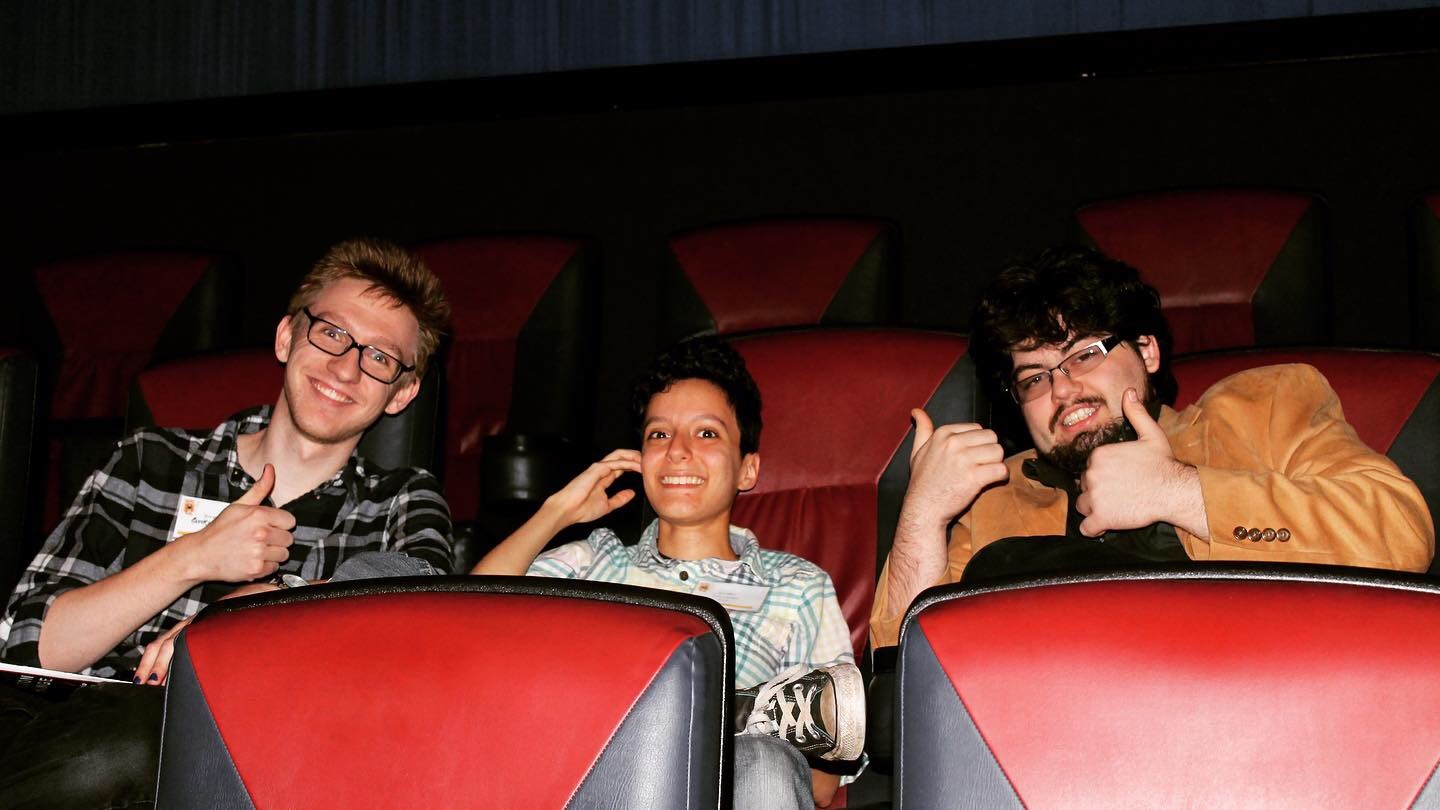
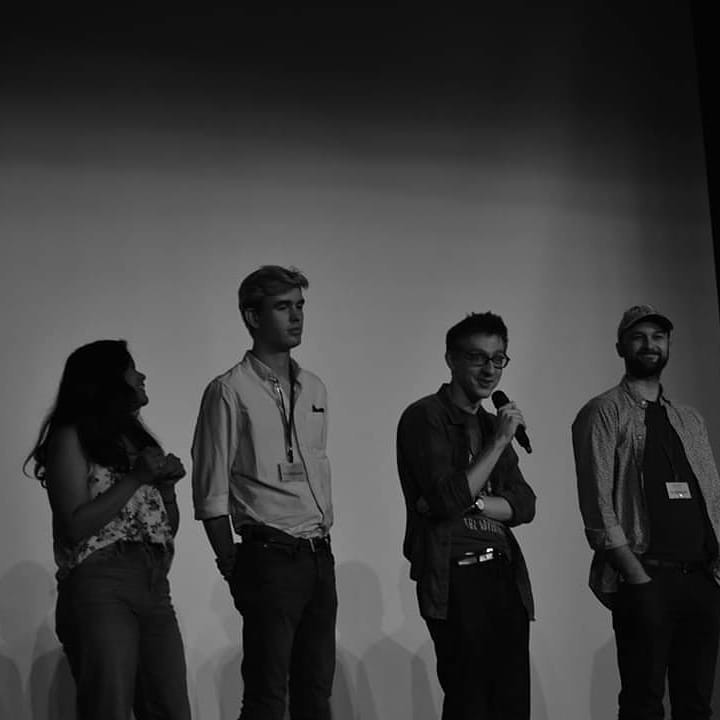
Awesome – so before we get into the rest of our questions, can you briefly introduce yourself to our readers.
I was born and raised in Maryland, just a little ways outside of Baltimore. This was out in the real rural parts, where there wasn’t much to do besides roam around with your friends outside and watch movies inside. Growing up wasn’t always easy for me. I was a weird kid, didn’t always have a lot of friends, and so I gravitated to art and media. I’ve always been a sort of cultural omnivore, someone who likes to take in whatever he can get his hands on. I love classic literature, paintings, and arthouse cinema just as much as comic books, monster movies, and power rangers. It’s all art, and it’s all worthy of being judged on its own merit. I’ve tried to take that approach to my own art. In the movies I make and the stories I write, I don’t want to be held back by what’s considered worthy of serious appreciation and what isn’t. I want to pour myself into everything I create, and just the part of myself that’s smart and sophisticated but the parts that are emotional, honest, and vulnerable too. I won’t be restricted by genre either. I’m currently in pre-production on a horror short film, and while I adore horror I don’t want to just be a horror director. I want to play in every genre, and find ways to tell stories that are uniquely my own. I’m not just a filmmaker either. I’ve got a handful of novels I plan on revising and selling too. A big goal of mine this year is to really put myself to the grindstone and build up a body of work. I’m seriously proud of everything I’ve filmed and written up to this point, but it’s just the beginning. I have every intention of having an eclectic career, and to some day be truly worthy of the moniker of artist.
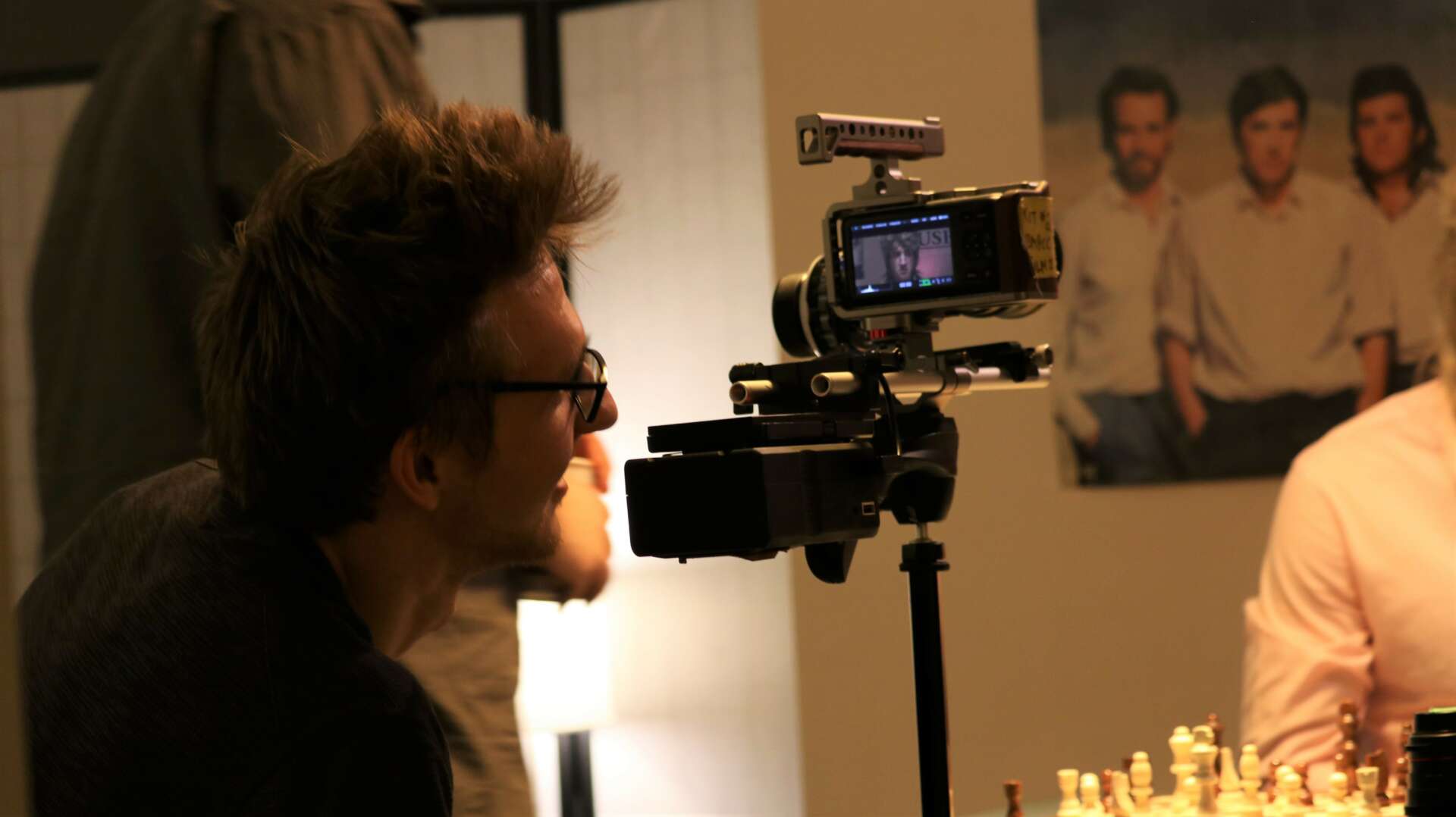
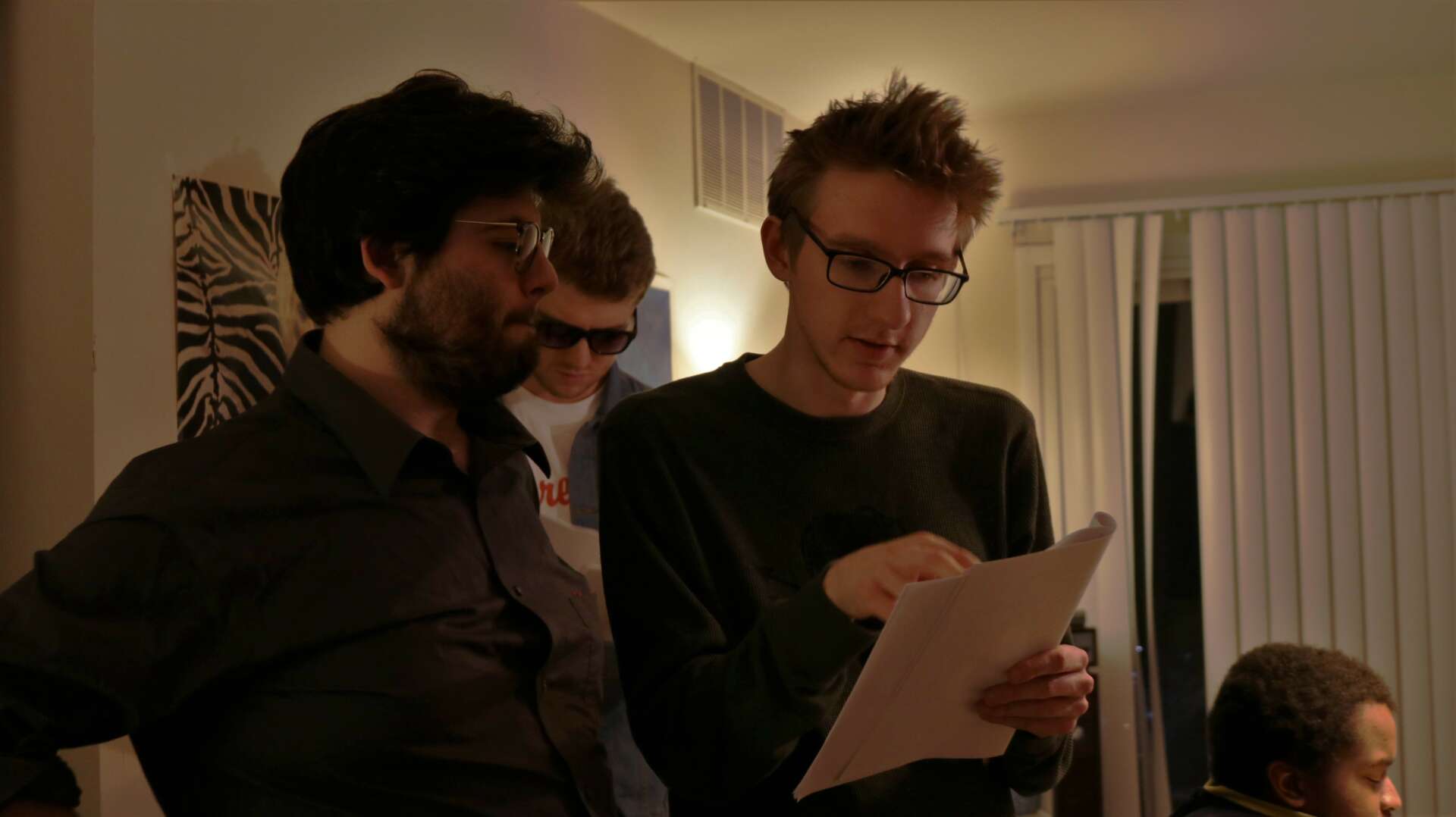
Is there a particular goal or mission driving your creative journey?
Like I said before, I think what’s really driving me is this idea of a “body of work” I’d like to someday have. All of the artists I respect the most have a lot of stuff they’ve put out in their lifetimes. Not all of it’s good, but not all of it needs to be good. What it is, is interesting. They’re all a bunch of little alleyways and sidestreets of a particular person’s being, their interests, their obsessions. It’s fascinating and often richly rewarding to explore. It’s always been an exciting idea to me, and I like the notion that when I’m gone people will be able to explore a similar body of work that I’ve left behind. They’ll never know the real me, but maybe they can get something out of the pieces.
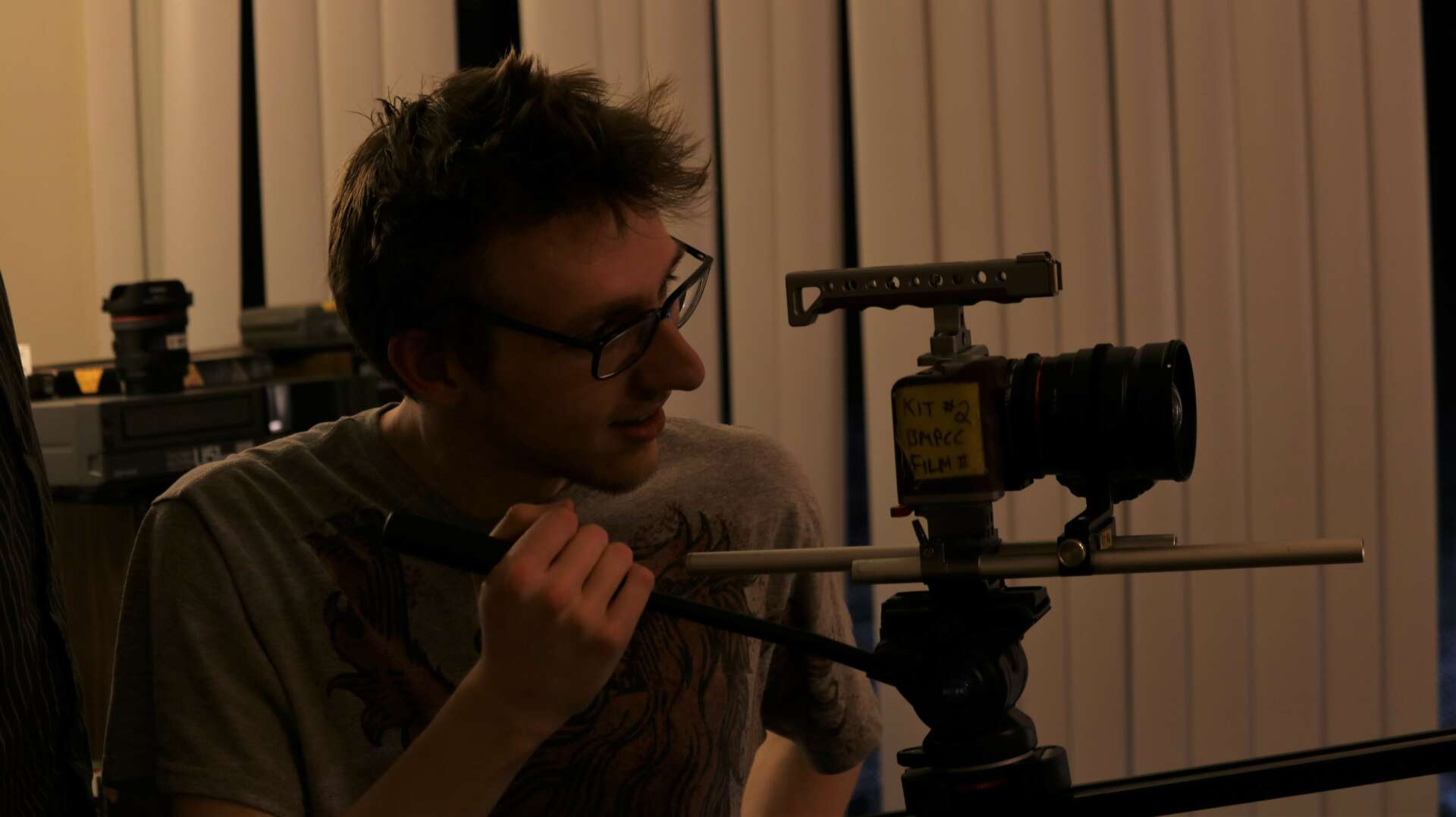
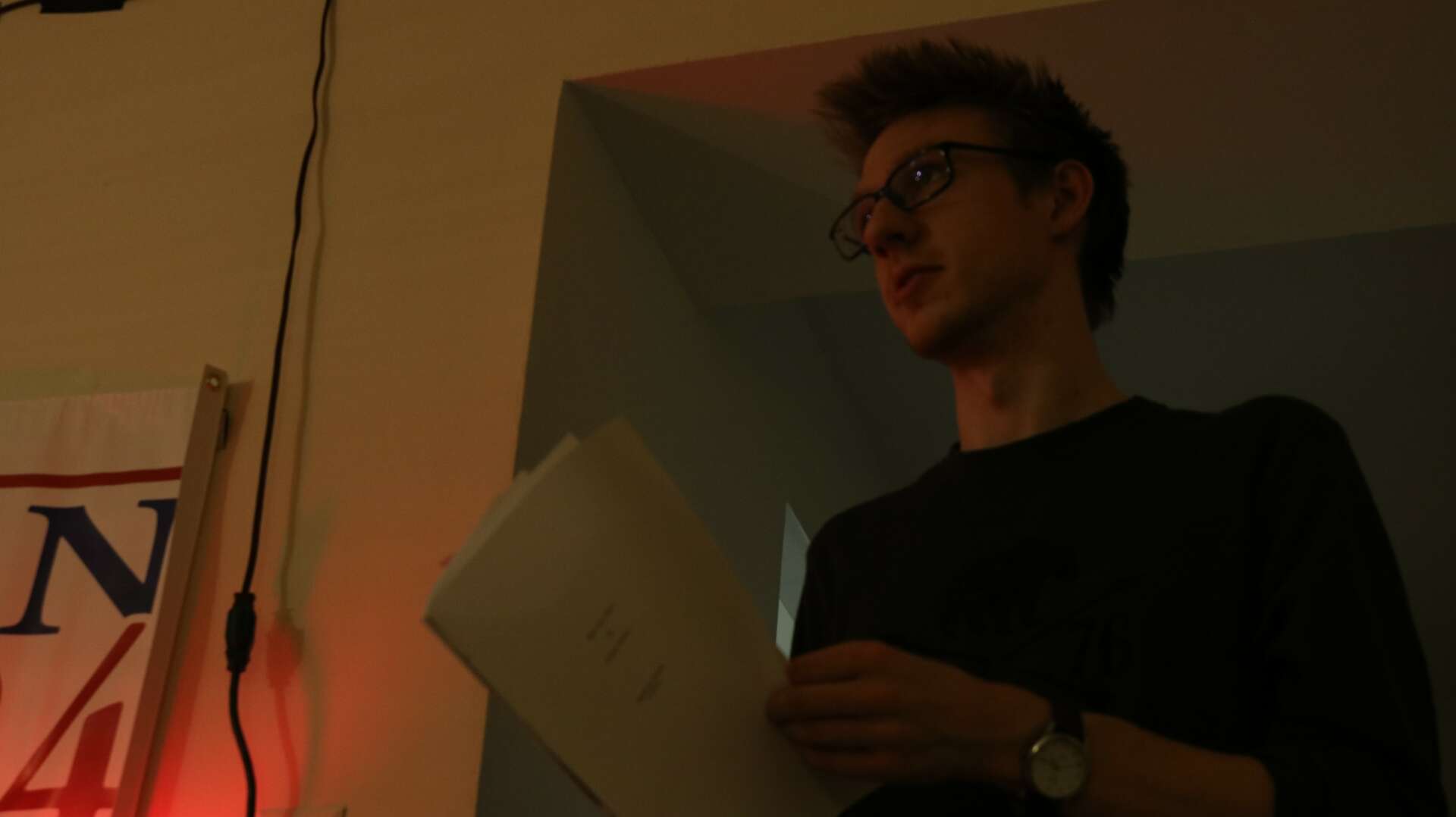
What’s the most rewarding aspect of being a creative in your experience?
The act of creation itself is rewarding, and it’s cathartic, and it’s painful, and it’s everything. A close second is the experience of seeing other people experience what you’ve made. Seeing them genuinely engage with it, to feel the emotions and the ideas that you’re playing with, is unlike anything else. I had that experience a few times before. The most memorable was maybe towards the end of college, I had made a comedy short film as a final project for a higher level filmmaking class. It got screened in front of the whole department with the other finals, and it went off like gangbusters. People laughed and clapped and had a great time. I was sitting next to my producing partner, and when the credits rolled we hugged each other and just said “We did it. We really did it.”
Contact Info:
- Website: https://www.brooksvernon.com/
- Linkedin: https://www.linkedin.com/in/brooks-vernon/
- Youtube: https://www.youtube.com/channel/UCCAP14A_8AhZgfhEBsE7ang
- Other: https://www.potentialstrangers.com/
Image Credits
Jenna Cipolloni, J.B. Yaskovich, Alexandra Shanklin