



Alright – so today we’ve got the honor of introducing you to Kate Josephson, LPC (she/hers). We think you’ll enjoy our conversation, we’ve shared it below.
Alright, Kate thanks for taking the time to share your stories and insights with us today. We’d love to hear the backstory behind a risk you’ve taken – whether big or small, walk us through what it was like and how it ultimately turned out.
The most life changing risk for me happened thirteen years ago–in my early thirties– when I left my career in the theater and started a new one in the field of psychology. At 31 years-old I paused my life’s trajectory as a theater professional, which was my full blown identity at the time, and went back to graduate school to become a psychotherapist. I was at the height of my career when I left, but I was so deeply insecure that my career would not take off. I was working at my favorite theater at the time, The Public Theater in NYC, doing lots of part-time work for them that I adored. For the theater geeks out there, that place was–and still is–complete theater gold. I loved it, but I was insecure and didn’t quite feel like I was good enough to be there. So when a full-time position came up, I literally told them to hire my colleague as she might be “better”. And, they did! Looking back I lived for the theater, I had a Masters Degree in the theater, and quite frankly– I was good at what I did. But, I didn’t know myself and I didn’t really understand what I had to offer. So at a certain point– after a few more unconsciously thwarted efforts–instead of trying to push my career forward I stopped everything. I chose–right then and there–that I would focus my energy on my inner work.
Serendipitously at the time, I had taken a couple of workshops at a place called Kripalu Yoga Center in the Berkshires. During those workshops, I felt like I could just let go over my external veneer and be myself. I felt like I didn’t have to hide my insecurities, and instead I could shine a light on them and actually talk about them. For once, I didn’t have to put on a show. I could just be a nobody with nothing to prove, which at the time–and quite frankly still is–the best practice I could lean into. I decided that I would leave the theater world behind, and some version of myself that I was desperately trying to be– and move to Kripalu as a volunteer for four months; which subsequently evolved into an entire year.
When I lived at Kripalu, the things that changed me were threefold: First, I was living with the seasons, walking outside everyday in the magical Berkshires, and connecting to nature in a way that I never had in all my life. I had always lived in a city, Toronto and then New York City, so living a full year immersed in nature changed my perspective on what I thought was important and grounded me in what really mattered. Second, I had to lose my identity as someone in the theater, and see who I was by focusing on other things. I worked as kitchen staff, literally cutting vegetables all day, and later I worked on the grounds. Losing my “professional identity” was crucial to learning who I was without it. It was a freedom that I had never felt before: I was free from trying to prove myself 24/7. Third, I started to bring my body back to life with a daily yoga and meditation practice. Slow and steady, they helped me contact my emotions that were waiting to be felt, thoughts that needed to be seen through, and creative parts of me that I had locked away somewhere in the adulting process. After some time, I realized that I wanted to work with folks on a more intimate level, serving those who were struggling and needed someone to listen. I wanted to be a psychotherapist.
I had a minor in psychology from college and I asked myself, could I go back to graduate school–be a broke student–in my early 30s? At first I thought, no f-in way! All of my friends were partnered, house-bound with kids, well into their careers, and I didn’t see this reality reflected anywhere. At the time I did a visualization of my 40-year old self. She could either be a psychotherapist, fully immersed in her new field, or she could be exactly where she was now– same career, same place. I chose the challenging route. I was incredibly passionate about Buddhism and mindfulness, so after leaving Kripalu I began a Masters program in Clinical Mental Health Counseling at Naropa University, which specializes in Buddhism, Mindfulness and Psychology. I became a psychotherapist after a three-year clinical training, got my license two years after graduation through working with victims and survivors of intimate partner violence, worked as an eating disorder clinician, and have since taken many immersive trauma and somatic therapy trainings. And here I am now: 44 years old, and almost a decade into an incredibly rewarding and challenging second career.
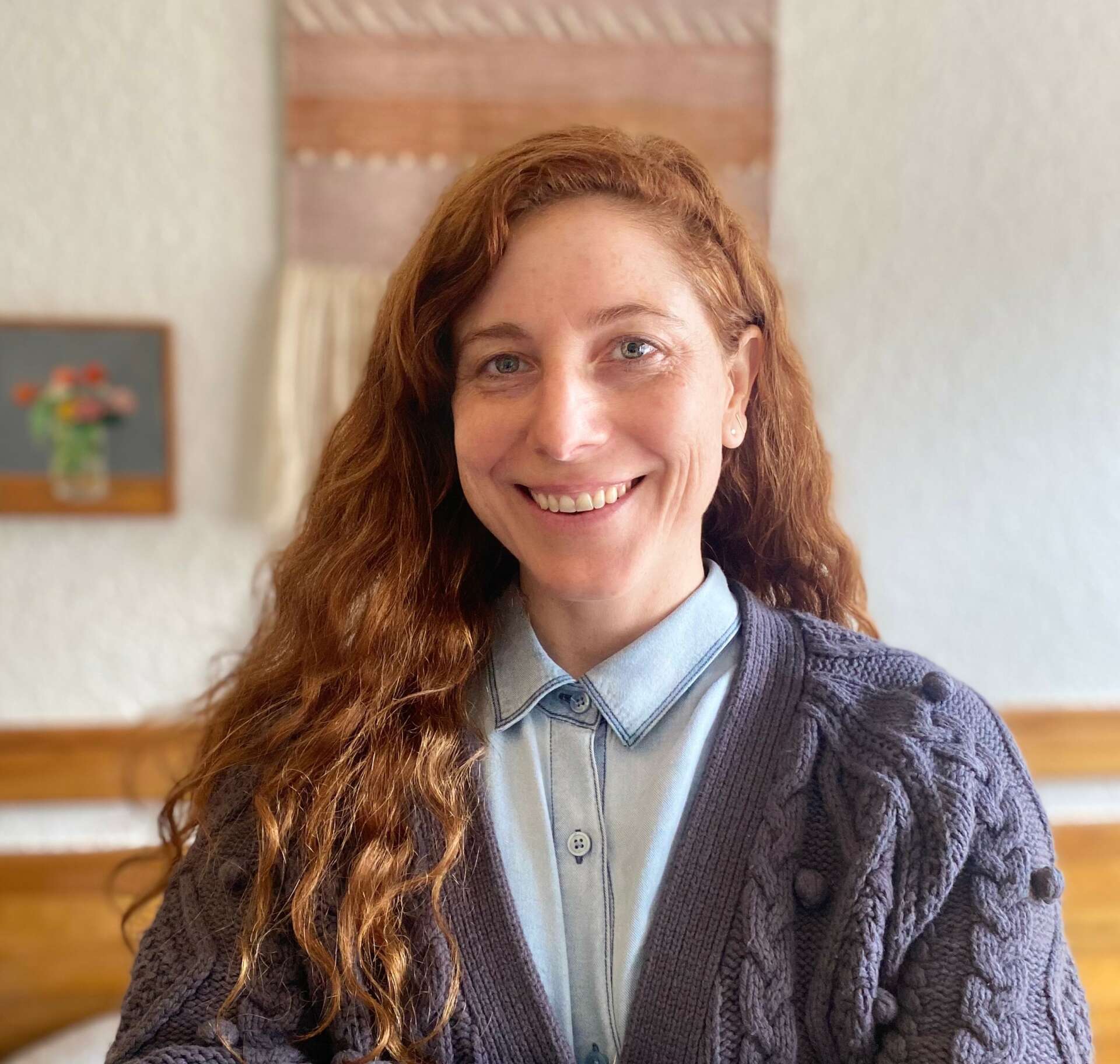
Kate, love having you share your insights with us. Before we ask you more questions, maybe you can take a moment to introduce yourself to our readers who might have missed our earlier conversations?
I am a mindfulness and somatic based psychotherapist in private practice in Boulder, and I specialize in working with trauma. After seven years of agency work– working as an outpatient counselor with victims of intimate partner violence and then at an eating disorder treatment site–I shifted into my own private practice about two years ago. Working with folks who have survived very hard things, be it big “T” traumas or other painful life circumstances, is a great privilege and passion of mine. Helping clients move through traumatic experiences or old developmental wounds, which keep them stuck in outdated belief systems, is central to my work. It’s incredibly hard to shift deep-rooted belief systems, especially if they were brilliantly developed by a younger version of ourselves to help us cope with our lives, family systems, or whatever was happening at the time. Once we know our bodies can do or feel something different, something they couldn’t do at the time of an event or life circumstance, our belief systems have the potential to change too.
I also help my clients lean more into somatic literacy in a very safe way. For many survivors of trauma, hurts, losses, or life experiences, living in our bodies and feeling emotions can be painful and sometimes overwhelming. Over a decade of meditation practice in the Buddhist lineage has helped me understand that bringing mindfulness to our emotions, body sensations, thoughts or identities can be healing and rewarding, but also very tough. It’s super challenging to bring non-judgmental awareness to places that we regret or are ashamed of, or to emotions that we don’t want to feel! But it is through bringing our awareness to our minds and bodies– without fixing or shifting anything immediately–that we can grow to deeply listen and respect our body’s messages. Our bodies really know how to heal and what they need, especially if we listen up!
.
Let’s talk about resilience next – do you have a story you can share with us?
To me, resilience is surviving something that you didn’t think you could make it through, and yet here you are: standing, working, eating, being. I see this resilience in my clients who have survived hard experiences and are living good lives. So for me, it feels true to share some indispensable lessons from making it through a year-long depression cycle.
A big lesson was: if our life isn’t working out the way our minds thought it should, no matter how hard we fight, we need to pause. And pausing can be painful. It is in this pause–whether it’s taking a breath or taking a year– that we can gather new ways of seeing and being. I also learned to deeply listen to my body again, and the call for rest. When I was down, my body taught me to find appreciation in the simplest moments: like a great cup of hot coffee after a tough sleep, or a quiet hike alone in the woods with just you and the sounds of snow melting into the earth. I also know the value of a strong therapist when you are low. Good support is essential, and sometimes we need to ask for help.
Making it through, or learning to live with, any mental health issue– depression, trauma, a loss, an eating disorder–is resilience to me. This is post-traumatic growth: the resilience we glean from the hardest times can be the most important thing we have to offer.

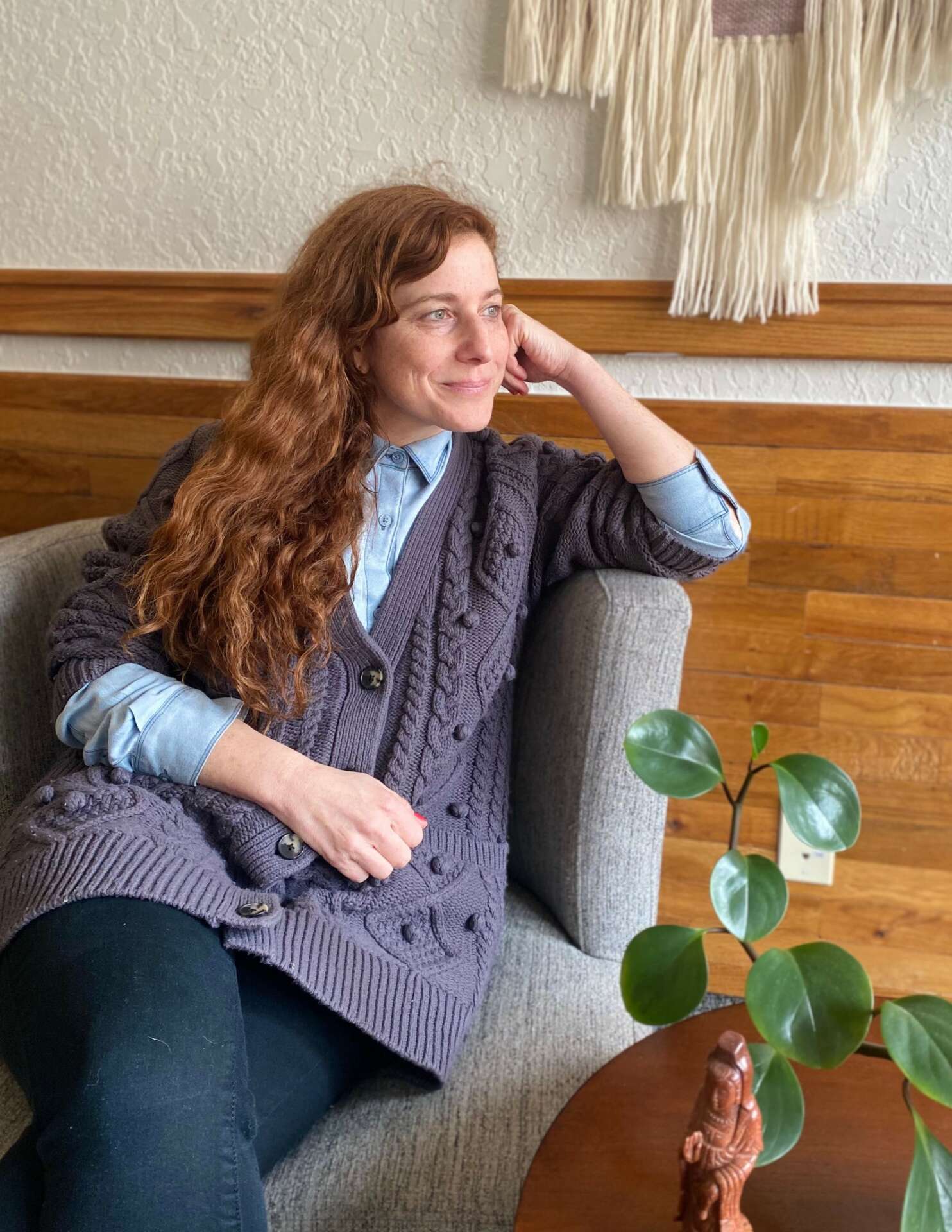
Training and knowledge matter of course, but beyond that what do you think matters most in terms of succeeding in your field?
Having an excellent mentor or supervisor, especially when you are starting out, is critical for a counselor’s success. A supportive supervisor–who shares your values–is the most amazing way to ease into this field with confidence. Another crucial element to being a solid psychotherapist is having a therapist yourself! It’s interesting the way clients can reflect the main thing we need to work on. Therapists need therapists! The last thing I want to say is that, at least for me, having a daily contemplative practice is crucial. The point of these daily practices is not to “feel calm and good,” although that can be a great benefit when it happens! The point is to greet oneself, day after day in a kind-enough way, just to see how we are actually doing. Even if it’s just for 5 minutes.
Contact Info:
Image Credits
R.P Whitmore-Bard