



We were lucky to catch up with Jeffrey Dale Lofton recently and have shared our conversation below.
Jeffrey, appreciate you joining us today. Can you talk to us about how you’ve thought about whether to sign with an agent or manager?
“It’s easier to get elected to the United States Senate than it is to get a literary agent,” opined, well, any number of published authors and industry pundits when I found myself with a novel in hand and—at least at the start—not a clue what to do next. That counsel was soon an earworm, one of life’s little levelers as I think of them, that kept me grounded in the reality that it could take months and months and hundreds of query letters before I connected with a literary agent who wanted to partner with me to build and shape a writing career.
I steeled myself for the long game and turned to desk research, as a favorite professor euphemistically called frantic googling. I read about what agents want, how they want it, and why they sometimes say “yes.” Among the best advice I got was to look at books not unlike my manuscript and read the acknowledgments where literary agents are invariably lauded and thanked. Those folk—the reasoning goes—might well be predisposed to liking my brand of storytelling. And that, I did. I also listened to podcasts featuring agents chatting about both their frustrations and those moments of discovery when they find a literary star in the making. With that knowledge in hand, I briefly considered running for Congress! (I live in Washington, DC, after all.) Just kidding.
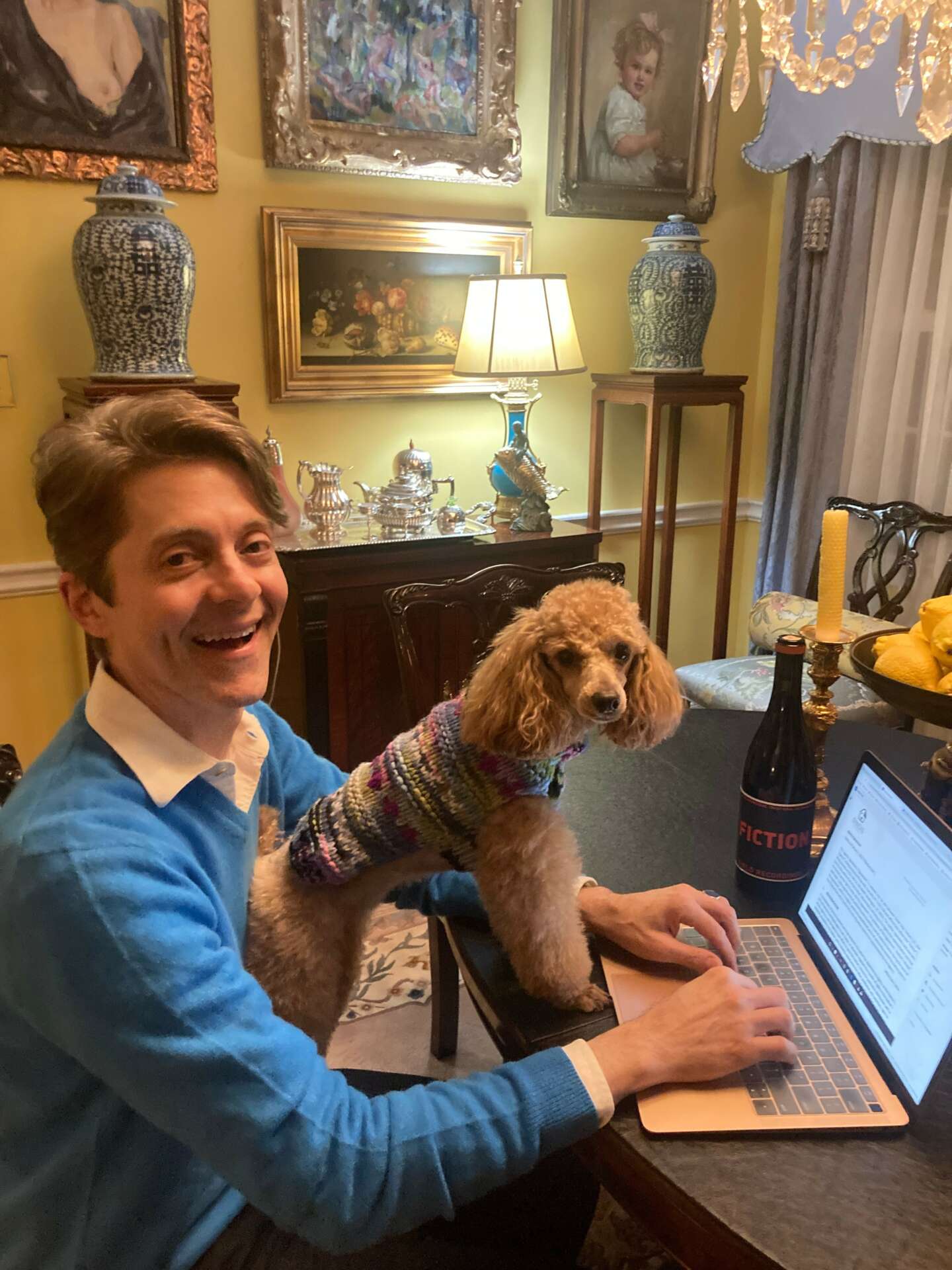
I turned to my (now retired-ish) partner, who happens to have had a rather storied career in public- and private-sector public relations, for query-letter help. He was all in. Together we carefully crafted letter after letter, sending them off into digital space, only to receive “no” after “no” and more often, utter silence. After letter 32 I think it was, I got a swift reply in the affirmative from my incomparable agent at Great Dog Literary, signed with them shortly thereafter, and then had to break it to Petunia, our 7.5 pound toy poodle, that there was now more than one “great dog” in the family. She was taken aback at first, but then came in for an epic snuggle, so all was well.
Why did I decide to work with my agent? Because she loved my fictionalized memoir and convinced me that she would be a tireless advocate for and promoter of my prose. And having just celebrated our first year together, I can report that she has more than delivered on her promise. She and my partner are the core of my A-Team, augmented by talented book publicists who specialize in one facet or another of public outreach. Would I have kept at it if I were on query letter 232—not 32—without any literary-agent interest? Yep. Because I changed the channel on that deafening, sobering earworm to another one: “It takes just one person to believe in your work. Just one.”
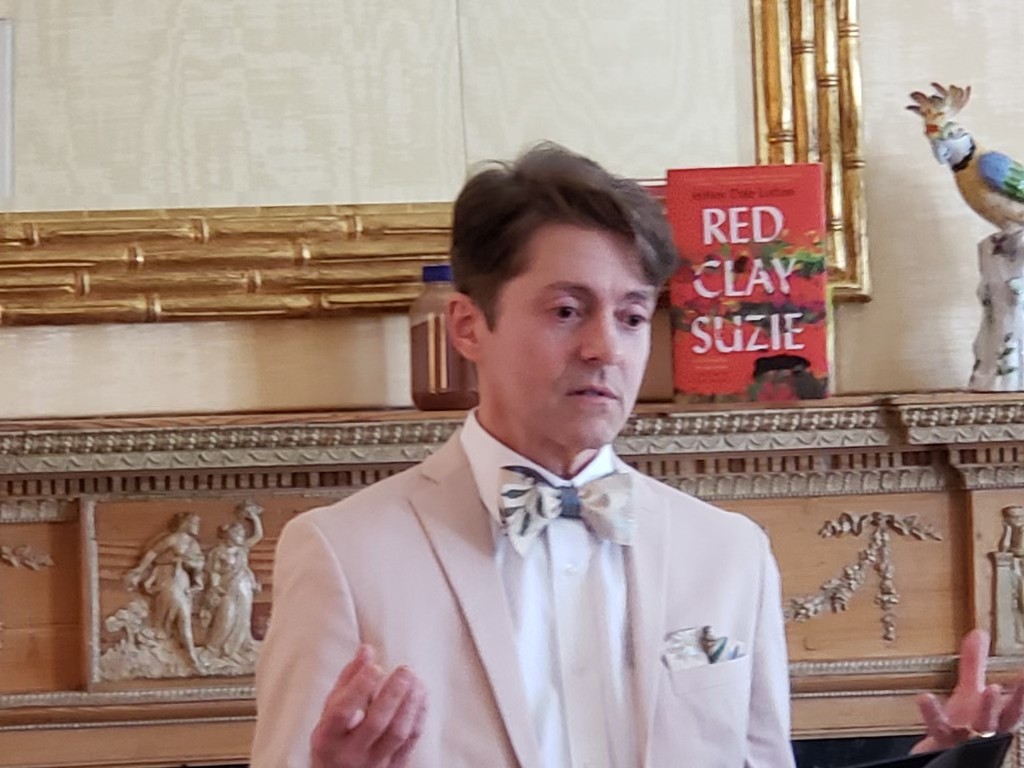
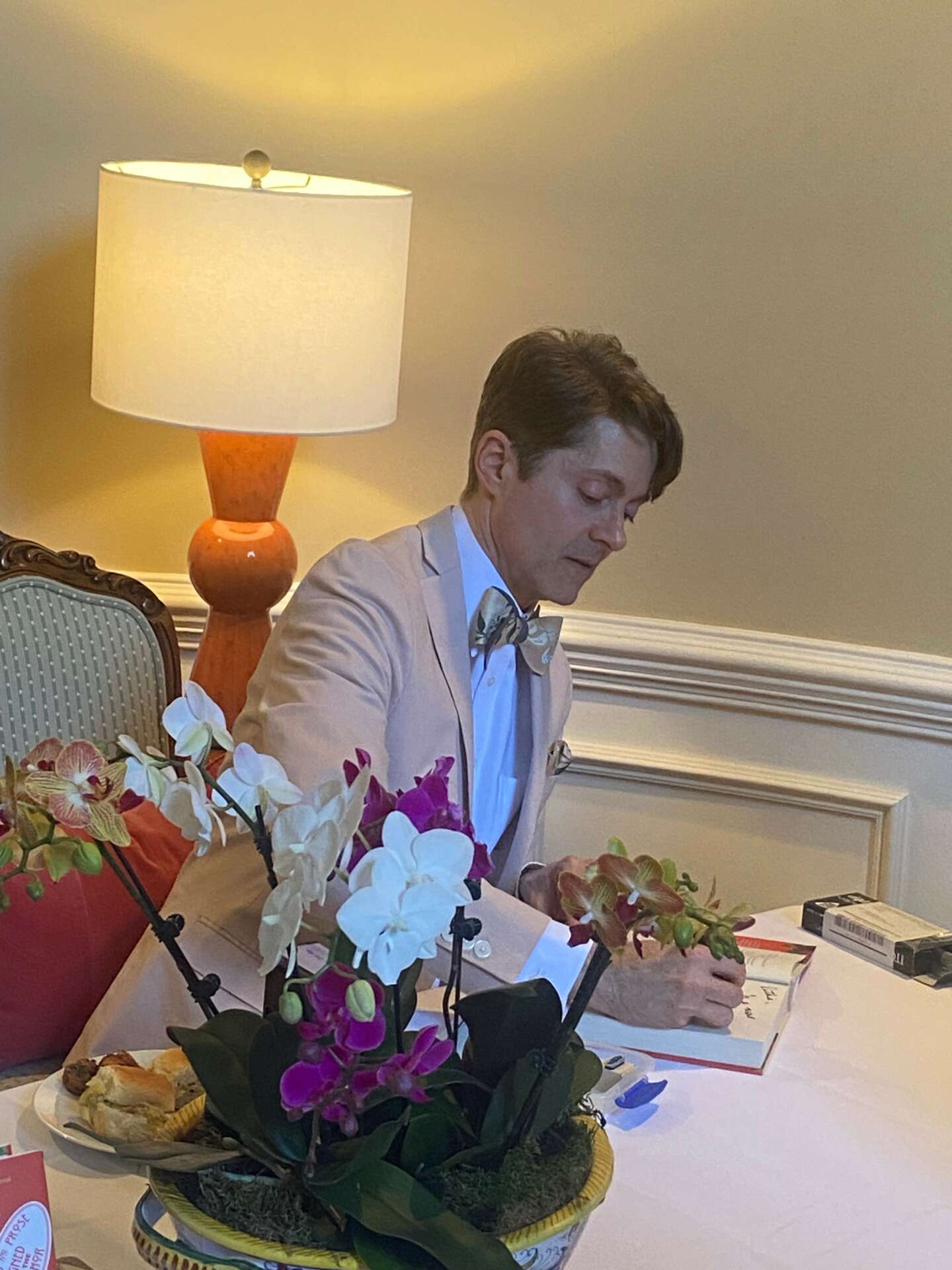
Jeffrey, before we move on to more of these sorts of questions, can you take some time to bring our readers up to speed on you and what you do?
My career has been something of a patchwork affair, united by one fact about myself that was present from the beginning—I am an inveterate storyteller. After graduating college with a degree in communication and theater, I moved to Washington, DC for an acting job—if you want to call dressing up like a court jester at the Maryland Shakespeare Festival an acting job. It paid precious little, but it paid, so I settled in for “nine weekends of merriment,” fully intending to leave after my inaugural post-university gig, to where, I knew not. But I never left, because I began to get legitimate professional acting jobs, working in time in most of DC’s theaters and performing arts centers and even landing a few television screen appearances. One was a three-episode arc as—improbably—a bank robber turned plane hijacker. I remember saying to the casting director: “A hijacker? Have you taken a good look at me? I’m 125 pounds.” But she smiled the vaguely bored smile of someone who’s heard it all, took a long drag on her unfiltered cigarette, and said with a Harvey Fierstein rasp, “Honey, I cast against type. That’s my brand.”
No complaints here; it kept the lights on for a few months. A residuals-rich Super Bowl half-time commercial came next, the pinnacle of my undistinguished foray into acting—a gig my accountant wisecracked “Is the finest work of your career.” Apparently my CPA secretly longed to be a stand-up comic. When my Super Bowl showcase didn’t result in a single telephone call from a producer begging me to audition for a role, any role, I more or less threw in the acting towel—leaving “the business,” but not abandoning what I most loved about acting—storytelling. Next, I took a job helping some of this country’s leading landscape architects communicate the beauty of inspired gardens that delight the eye and nourish the soul. When I couldn’t write about one more landscape that “playfully suggested authority without a trace of impertinence,” I went to work at the Library of Congress helping our nation’s veterans tell their profoundly personal stories destined for the library’s permanent collection, there to add nuance of historians’ accounts of global conflicts. Again, storytelling. Today, I am a senior advisor at the Library of Congress surrounded by books and people who love books—my own personal Eden.
Does any of this set me apart from others? I tend to think not, but one thing I do know: My devotion to telling stories that enlighten, challenge, and entertain has never waned. I consider myself fortunate in that. I’ve never had to cast about for a calling; jobs, yes, an avocation, no. Storytelling has been my professional, indeed, my life’s, throughline.
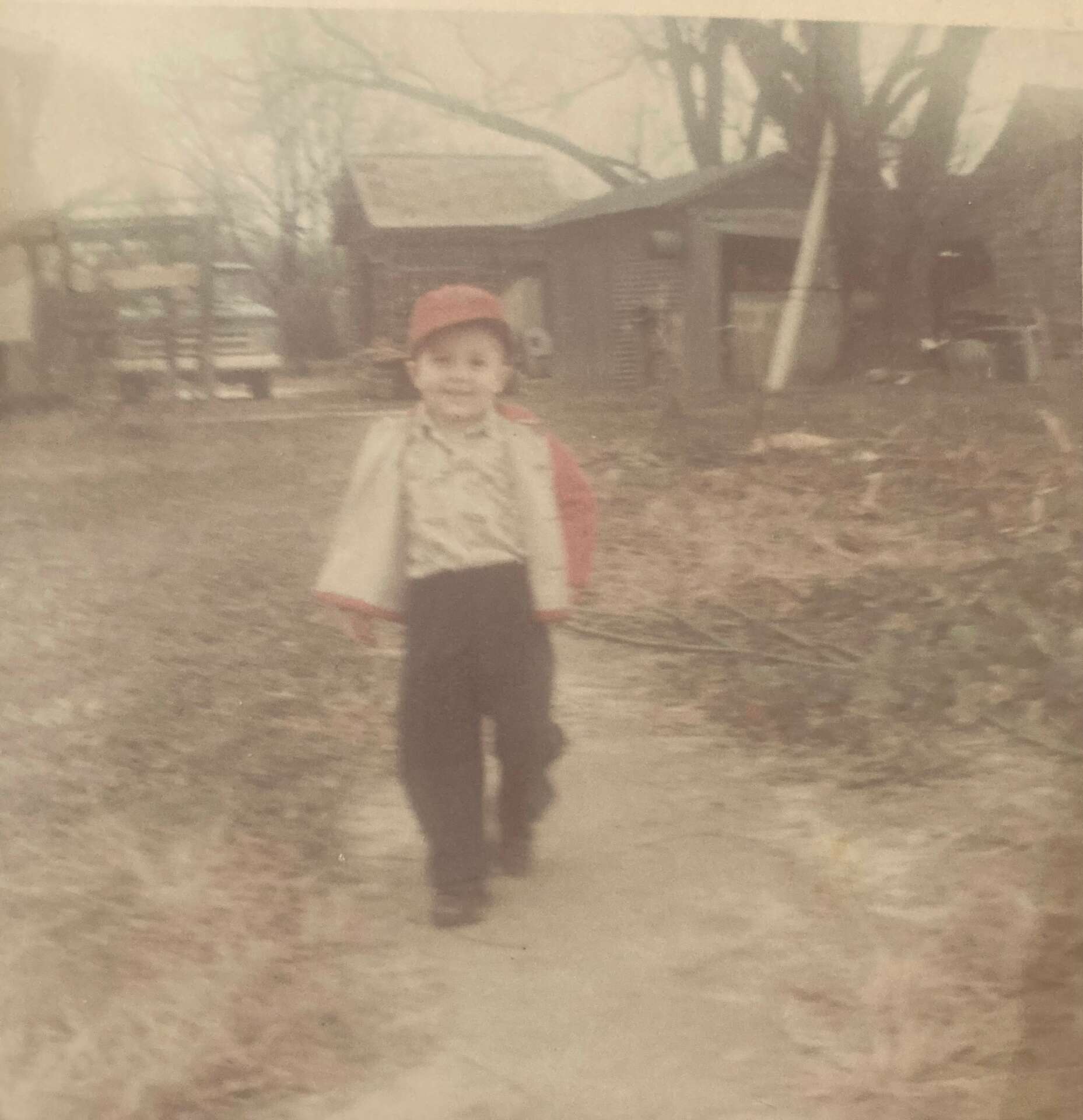
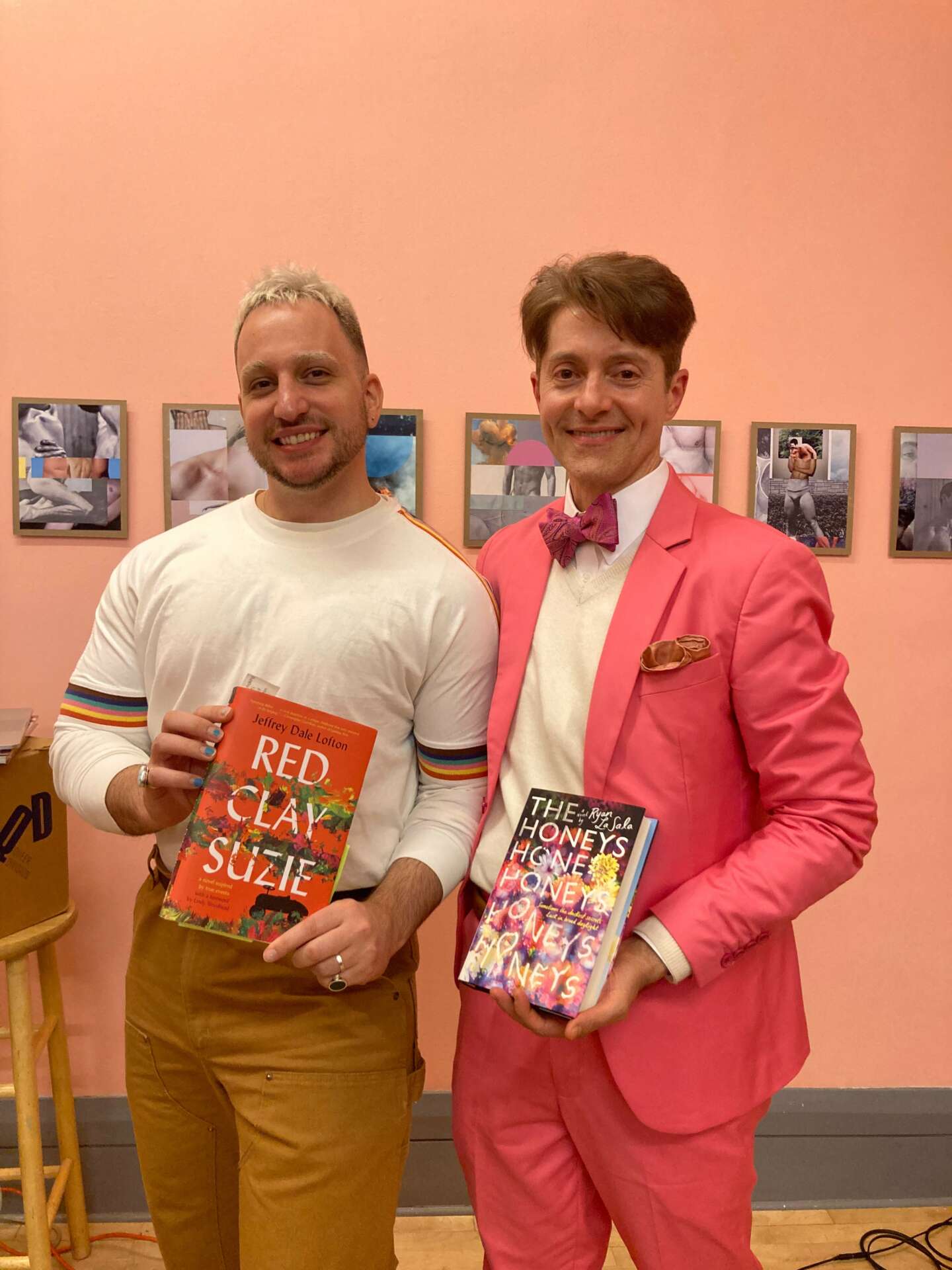
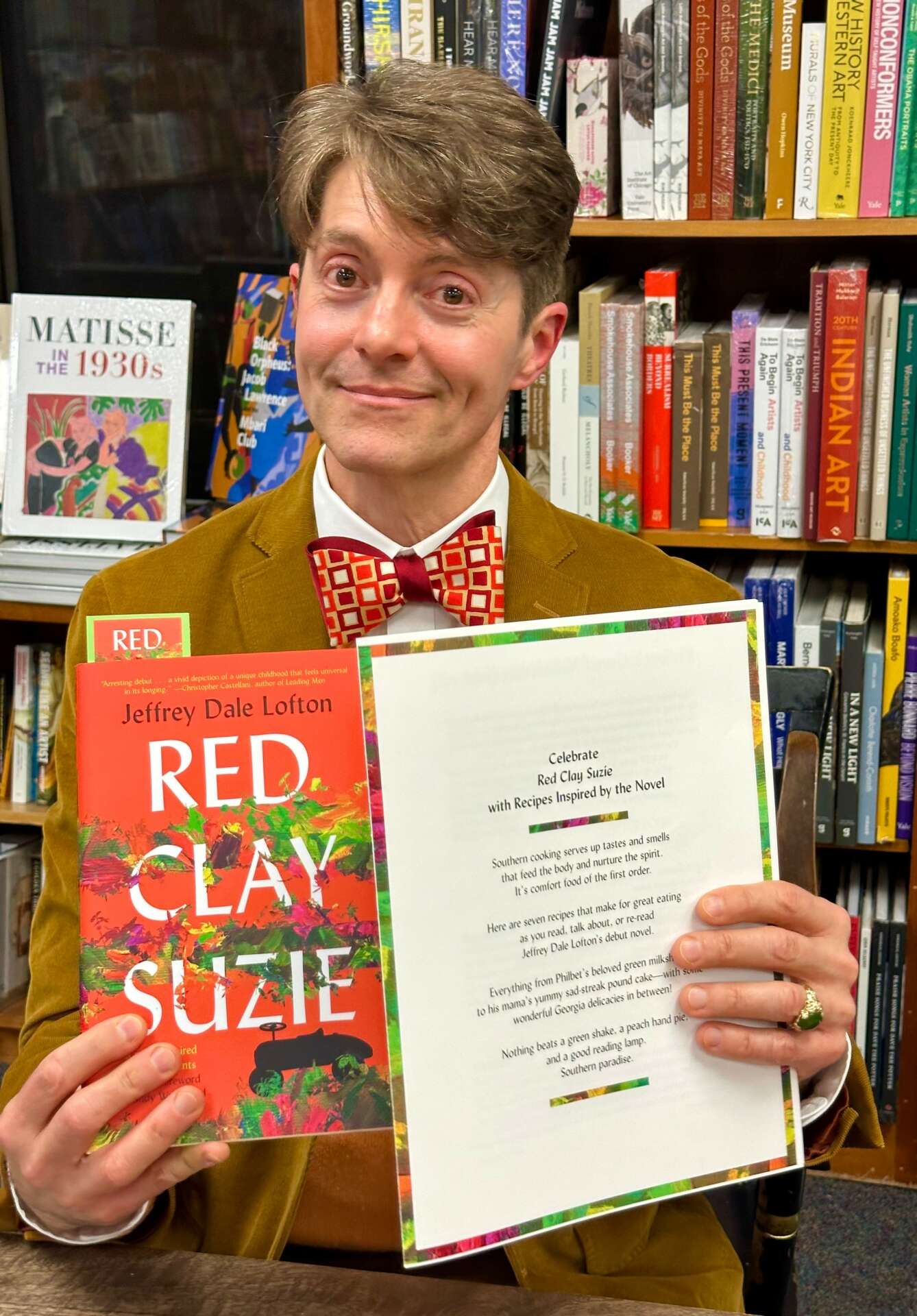
RED CLAY SUZIE, my debut novel, is in many ways the culmination of that calling. Based on my own life growing up gay with a significant skeletal deformity of the chest in a deeply conservative family and community whose every signal to me—intentionally and unintentionally—was that I was inadequate, someone to be pitied, an abomination, a source of shame and disgrace. It is a fictionalized memoir, an account of my life as it was and, in some cases, how I wished it had been. It’s storytelling of the most introspective kind. Writing it was an exorcism by exposition. And, it awakened the inner-novelist in me. I am more than halfway through the next chapter of my protagonist’s journey in what I have come to think of as something of a roadmap for kids living, as I did, on the fringes, looking in from the outside at a world that doesn’t square with what is in their minds and hearts. It is the accomplishment of which I am most proud. Whatever happens next, my life has an exclamation point.
In your view, what can society to do to best support artists, creatives and a thriving creative ecosystem?
I would love to see more endowments and grants to creative artists in whatever medium—much needed funds that keep the lights on whilst a book or painting or sculpture or piece of decorative art or musical composition is in the making. Beyond that, I advocate consuming the art we create. For me, that’s buying and reading books with a voracious appetite. Being so immersed in the written word makes me a better writer, for sure, but just as importantly, it supports a fellow author who may create something else equally engaging or even better if there is an established readership that speaks directly to the business side of publishing.
And, I urge anyone who reads this to patronize independent booksellers—they are always so much more than a destination to buy books; they are a gathering place for lovers of words, pictures, and word-pictures; and, they are at their best a celebration of community. Last, support local and national arts organizations and libraries when you can, giving whatever you can—a monetary pledge, the gift of your volunteer time, or just a word of encouragement. They nurture creative talent and are frequently gateways to events that bring artists and lovers of the arts together, the foundation of any thriving creative ecosystem.
For you, what’s the most rewarding aspect of being a creative?
Just recently I received a letter from a reader of my debut novel who wrote “I have rarely read a book that so memorably presented a setting (a geographic setting and an emotional setting) with such a masterful hand or a protagonist so carefully and movingly presented. How your characters will live in my memory!” To write something that elicits such a response transcends “rewarding.” It is creative-art affirming. It inspires me to write more. It unlocks both tears and a profound joy. It makes the solidarity, the loneliness of writing so worth it. And in the case of RED CLAY SUZIE, it gives me hope that my story of a gay, physically misshapen boy struggling to understand life and love in rural Georgia just may be a roadmap for my fellow fringies, people who have always lived life from the outside looking in, trying to make sense of a world so often intent on dividing and excluding. That’s the power of the creative arts—to reach deep within our hearts and minds to educate, to enthrall, to challenge, to seduce, and to delight in what binds us all: our humanity in all its frailty and splendor.
Contact Info:
- Website: JeffreyDLofton.com
- Instagram: https://www.instagram.com/jeffreydlofton/
- Facebook: https://www.facebook.com/JeffreyDLofton/
- Linkedin: https://www.linkedin.com/in/jeffreydlofton/
- Twitter: https://twitter.com/JeffreyDLofton
- Other: https://www.tiktok.com/@jeffreydlofton
Image Credits
Alyona Vogelmann