

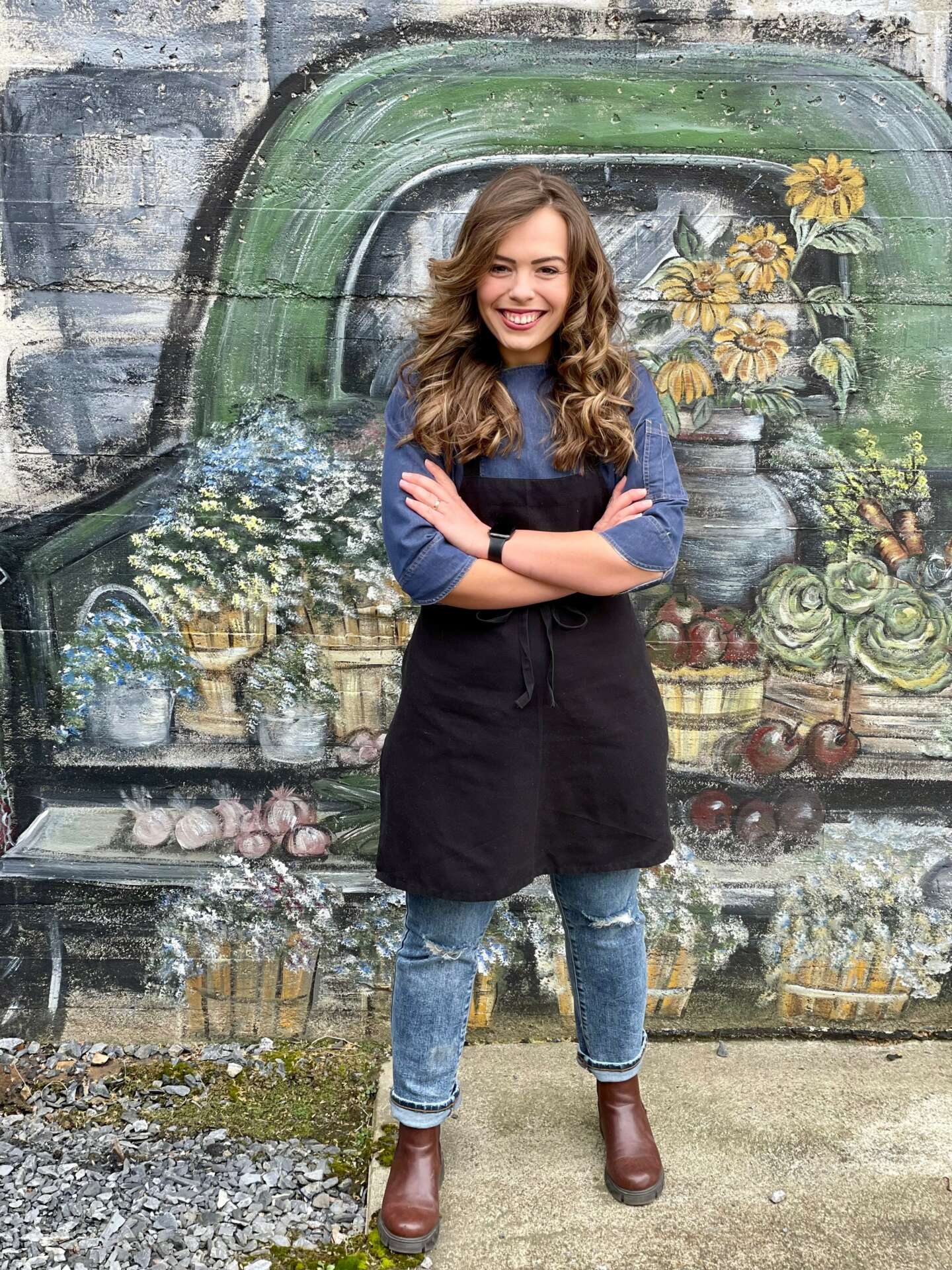

We were lucky to catch up with Amanda Pietrobono recently and have shared our conversation below.
Alright, Amanda thanks for taking the time to share your stories and insights with us today. It’s always helpful to hear about times when someone’s had to take a risk – how did they think through the decision, why did they take the risk, and what ended up happening. We’d love to hear about a risk you’ve taken.
It was 2017 and I had just graduated from the Culinary Institute of America in Hyde Park New York. If anyone knows anything about the CIA; it is that you meet incredible people, learn an amazing amount of information, are given opportunities that you could only dream of, all while going through the biggest mind f*ck you have ever come up against. Schedules are hell, expectations are high, competition between students is even higher, you are overseen (and judged) by the culinary field’s top experts, and you are truly just trying to survive. Most of us go into it with a love of food, but throughout our years there you are forced to come up against one of the hardest questions: commit to the world renowned “food is life journey” or choose to continue showing your love through food through a different lens.
There is this pressure, that if you went through years of training, took on countless challenges, cried in the walk-in more times than you can count; you start to feel like if you don’t go the Michelin Star Restaurant route you are doing yourself an extreme disservice. You could work your ass off and most likely rise to the top of some of the country’s top restaurants, food companies or media establishments by the time you are in your early thirties. Your picture could be in some of the top food magazines, social media outlets, and maybe you could even make it on The Food Network. But the trade-off for this, of course, is overall mental stability, bodily health, a regular schedule, and any sense of healthy relationships within your friends, family and especially yourself.
The other option is to carve your own path in the culinary field and go the way much less traveled. You could work on a farm, teach cooking classes, start a food blog, become a personal chef or even a food artist. All of these jobs, though on a much smaller stage than our Top Chef counterparts, seemed to provide a life where you could show your love of food all while keeping some of that love to give to yourself. But it’s a risk: what if you can’t become successful and you wasted all that time and energy to just end up failing and baking cookies in your kitchen at 2:00 AM?
But as I walked across that stage, along with some of my classmates who now work for the likes of Buzzfeed & Tasty, are top food scientists for McCormick & Dole, as well as Executive Pastry Chefs for some of the most innovative restaurants in the country; I chose to ultimately take that risk. More so even, I decided to try my luck in a field that I had never taken a class on or written even a single paper about at the CIA: the magical world of nonprofits and Culinary Medicine.
Now it’s no secret that life in a non-profit is not exactly easy: long hours, boots on the ground, hard work and not a lot of funding. But when I was presented with the opportunity to join a non-profit that was focused on “Making The Healthy Choice, The Easy Choice” within their surrounding communities, I saw a life where I could help people with finding their love of food, all while nurturing my own at the same time.
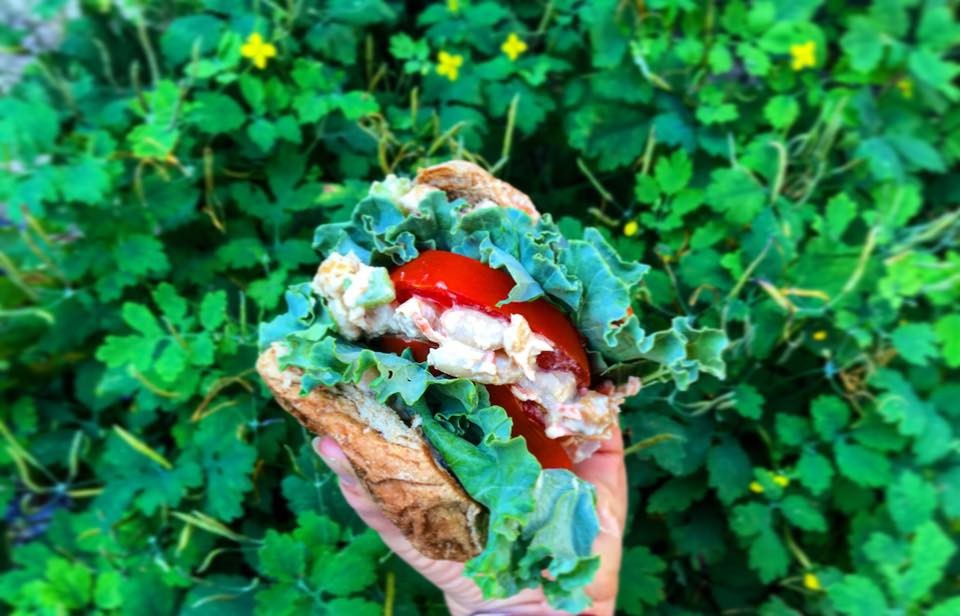
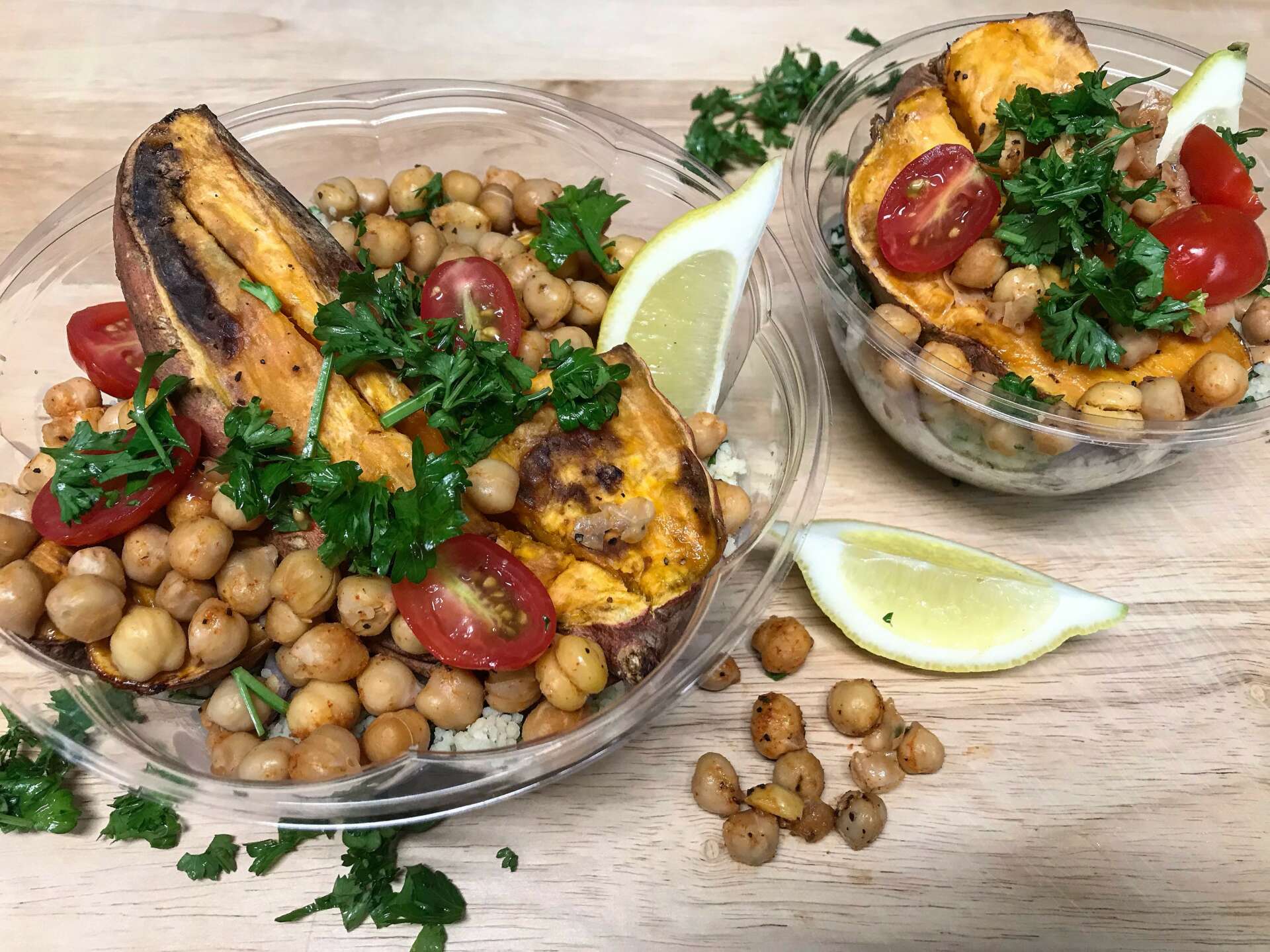
The past 6 years at Kellyn Foundation have been filled to the brim with hard work, endless recipe testing, countless days spent in community gardens, cooking demos, elementary school nutrition classes, adult intervention programs, and long nights cleaning up all the dishes. But from this wide range of experiences; I am happy to say that, along with my team, I helped build a whole food plant-based commercial kitchen where we not only make healthy food for our surrounding community, but I am also able to teach medical professionals, kids, families and the elderly on how to cook sustainable and delicious food for themselves. In addition to food production in 2021/2022 we also distributed over 144,000 pounds of nutrient-dense produce and plant-powered meals throughout the Lehigh Valley as well as engaged over 10,000 students in 35 elementary schools in our Eat Real Food, Healthy Choices, Eating Out Survival Skills, and/or Garden as a Classroom education programs.
It probably comes as no surprise to hear that I am thrilled with the direction I chose to take, because I can now wake up every morning knowing that I help people live a healthier and more enjoyable life through the food that I create. Does my day-to-day work contain a lot more garden beds, soil stains on all my clothes, and crazy vegetables than I was originally expecting? Of course: but to me, this career path helped me find the balance between everyone’s love of food: and the love we deserve to give to ourselves.
I want to give credit to my peers & colleagues who took their own personal risks after graduation (no matter which career path they chose to pursue): we are positively altering the overall culinary landscape for the next generations to come and I hope you all still find joy in what you are choosing to create. And what does my future look like you ask? I look forward to changing everyone’s expectations on plant-based food in Kellyn Kitchens by bringing together local farmers, community partners, medical students, and the residents of the Lehigh Valley to improve the health and vitality of our surrounding community, one plant-based meal at a time. So, take the risk; I promise in the end it will be 100% worth it
Amanda, love having you share your insights with us. Before we ask you more questions, maybe you can take a moment to introduce yourself to our readers who might have missed our earlier conversations?
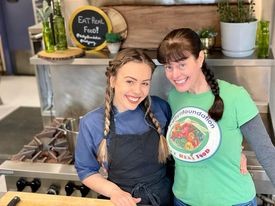
My name is Amanda Pietrobono and I am the Director of Operations & Culinary Medicine at Kellyn Foundation. Kellyn Foundation (www.kellyn.org) is a 501(c)3 non-profit dedicated to making the Healthy Choice the Easy Choice. Kellyn’s “Healthy Neighborhood Immersion Strategy” provides school-based healthy lifestyle and “Garden as a Classroom” education; affordable and convenient access to nutrient-dense produce and delicious plant-powered prepared meals via the Eat Real Food Mobile Market; engages participants in hands-on, plant-based cooking classes in community settings; and offers intensive medically-based therapeutic lifestyle change interventions to employers and community groups.
I am a magna cum laude graduate of The Culinary Institute of America, where I obtained an Associate Degree in Baking and Pastry Arts and two Bachelor Degrees; one in Applied Food Studies and the other in Business Management.
As a longtime lover of food, I have spent several years in the food industry and have become frustrated with our society’s current relationship with what we eat. I believe the food that nourishes our bodies should taste just as amazing (if not more so) than “The Standard American Diet” and be enjoyed with the people that we care about. The fact that I get to embody this concept in my career path is part of what helps me get up in the morning: I am just that excited to show others how delicious and satisfying healthy food can actually be. Furthermore, I hope by teaching others to cook this type of food themselves, that these skills will help nurture their love of food for not only themselves but for their families for generations to come.
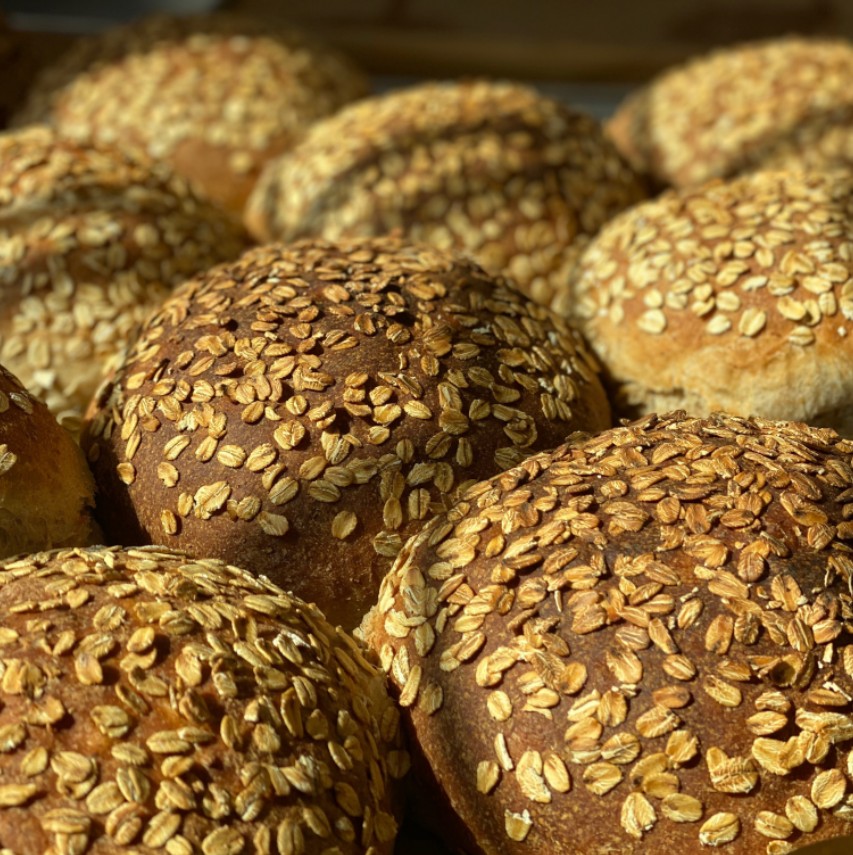
When I am not at work, I am spending time at home with my husband and our three puppies: Basil, Fennel & Nutmeg. The perfect day off for me would consist of a long hike, all the board games, snuggling by the fireplace, drinking a glass of red wine and enjoying a large bowl of pasta topped with all the veggies and a loaf of fresh baked bread.
How do you keep your team’s morale high?
I have worked in a lot of toxic kitchens (as almost everyone in the culinary industry can relate to) and when it was time for me to lead my own team, I decided that constant communication was going to be at the forefront between all staff members.
Kellyn Kitchens was built to be a place where anyone can learn, there are no dumb questions, where you can make mistakes and there won’t be any pans thrown in your direction, and a place where you can find what food truly means to you. Now that doesn’t mean that my team is allowed to mess up 90 loaves of bread and keep going on with their day like nothing happened: but they know that if they do end up messing up, they are going to learn how to be better in the future and be held to that level of expectation moving forward.
My door is always open for staff to come and talk to me, and I truly want the best for them inside and out of work. We really have become more like a family than just work friends: we lean on each other when challenges occur and lend a helping hand whenever needed. I think the key to high morale is for all staff members to feel valued, appreciated and supported by their fellow staff and their management team.
What do you think helped you build your reputation within your market?
Relationships: that has been the key to Kellyn Foundation’s success from day 1.
If you say you are going to do something, or help someone, then you have to follow through to keep that person’s trust. Food and its correlation to health is a touchy subject for almost everyone, so in order to change people’s relationships with food and themselves you have to be willing to truly get to know them to understand what they need to succeed. If you really listen to people, give them the support and knowledge that they ask for, and keep coming back, they are going to learn to trust you. And if you continue to do this in communities, schools, intervention programs as well as other programs throughout your community, people are going to learn to trust your knowledge, your products and, most importantly, your promises on what you can do next.
Contact Info:
- Website: https://www.kellyn.org/
- Facebook: https://www.facebook.com/kellynfoundation/
- Linkedin: https://www.linkedin.com/in/amanda-pietrobono/