



We were lucky to catch up with Afrika Afeni Mills recently and have shared our conversation below.
Afrika Afeni, thanks for taking the time to share your stories with us today Risking taking is a huge part of most people’s story but too often society overlooks those risks and only focuses on where you are today. Can you talk to us about a risk you’ve taken – it could be a big risk or a small one – but walk us through the backstory.
After participating in an information session with an editor at a conference, I submitted a nonfiction book proposal. This already felt like a risk because I had written a novel a decade before, and hadn’t found a literary agent or a publisher for the book. The nonfiction proposal process felt doable. Creating an outline for the book and writing a sample chapter was definitely doable after writing a 350-page fiction manuscript. I had written a blog post called A Letter to White Teachers of My Black Children that went viral, and so I wrote from a place of excitement building from that experience. This editor took me out to lunch at another conference we were both attending, and I had the impression that my idea was promising. Unfortunately, the people who reviewed my proposal didn’t recommend moving forward with me. I couldn’t help but wonder if there would have been a different outcome had I submitted the book’s first chapter instead of following the editor’s guidance and submitting a sample chapter closer to the end of the book.
A few months later, I was approached by an editor from another publishing house who invited me to write a proposal. This editor also offered to take me out for dinner at an upcoming conference we’d be attending. Even though I was tempted not to, I did allow myself to be excited about the possibility in spite of my previous experience. Unfortunately, because the conference was in March 2020, we were unable to meet because of the COVID-19 pandemic. We continued to talk, though, and I decided to proceed with a new proposal idea. I was already familiar with the process, so I wrote the proposal and crossed my fingers that this would be a different experience. Again, I was encouraged to submit a sample chapter closer to the end of the book, and though that request gave me pause, I followed the advice of the editor.
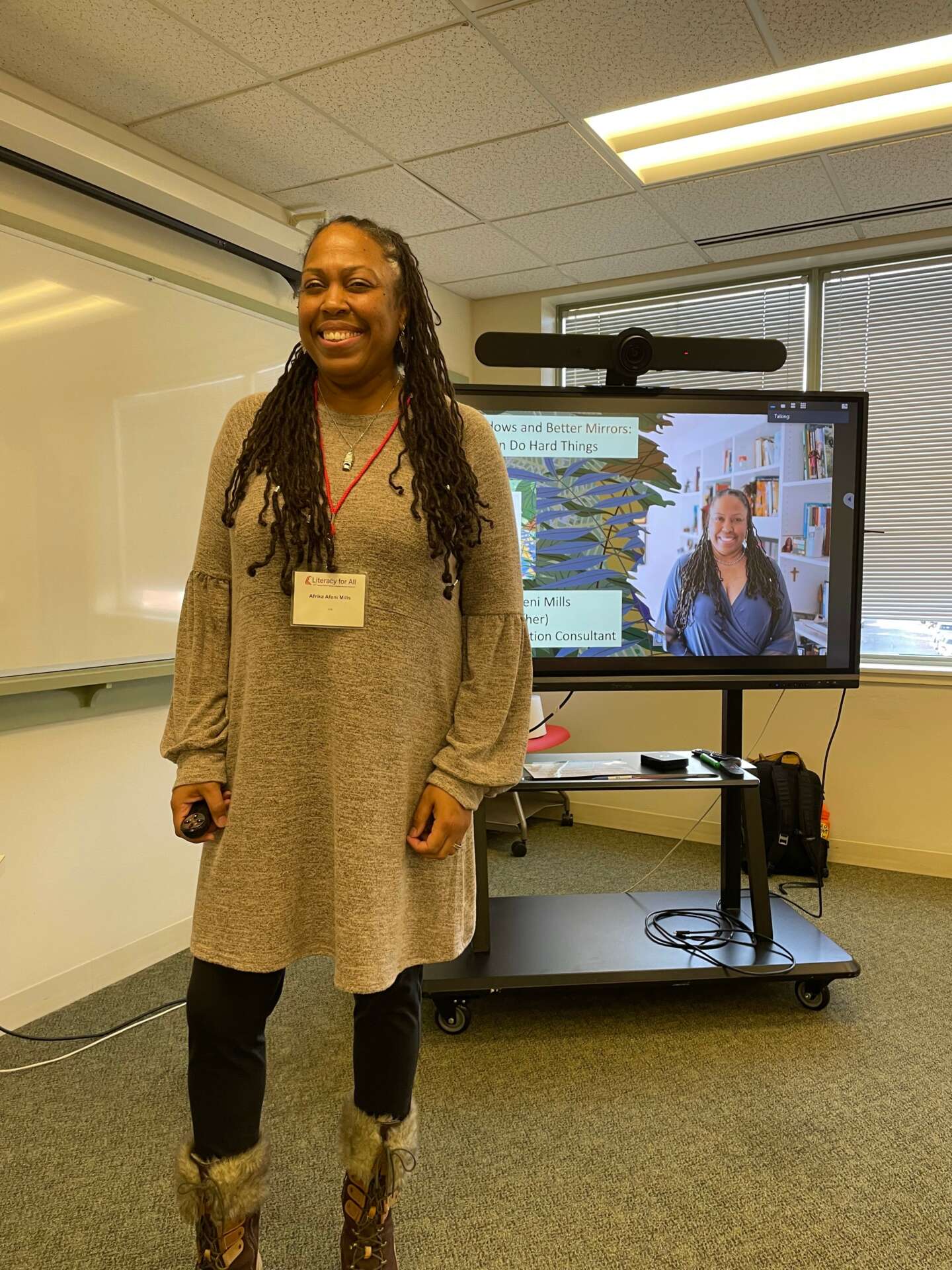
While I was waiting for feedback about my proposal, my good friend and colleague and I co-facilitated a session at the Literacy for All conference. After our session, an editor from another publishing house approached us and invited us to have a conversation about shaping the content of our session into a book proposal. But we met and discussed an idea for a proposal. We didn’t end up proceeding with that process, but something was different about this editor.
This time the reviewers didn’t say no, but they recommended substantial edits. I knew my topic well, and it was clear that the people who reviewed the proposal were uninformed about the topic. Because of their lack of familiarity with and awareness of what I knew to be true about my topic, I didn’t feel comfortable proceeding with that publisher, so I chose not to proceed with that publisher.
I was frustrated and disappointed, but this proposal idea stayed with me. After a few months, the editor that we met at the Literacy for All conference came to mind, and I wondered if I should share my proposal idea with her. I was hesitant and wasn’t sure I was up for facing potential rejection and roadblocks again, but I took the risk anyway, and I’m so glad I did! After she reviewed my proposal, she was so affirming, and asked me to submit it to her, but asked me to write the first chapter of the book, since that would help the reviewers to get a good feel for the book. Right away, I felt seen, supported, and well-guided.
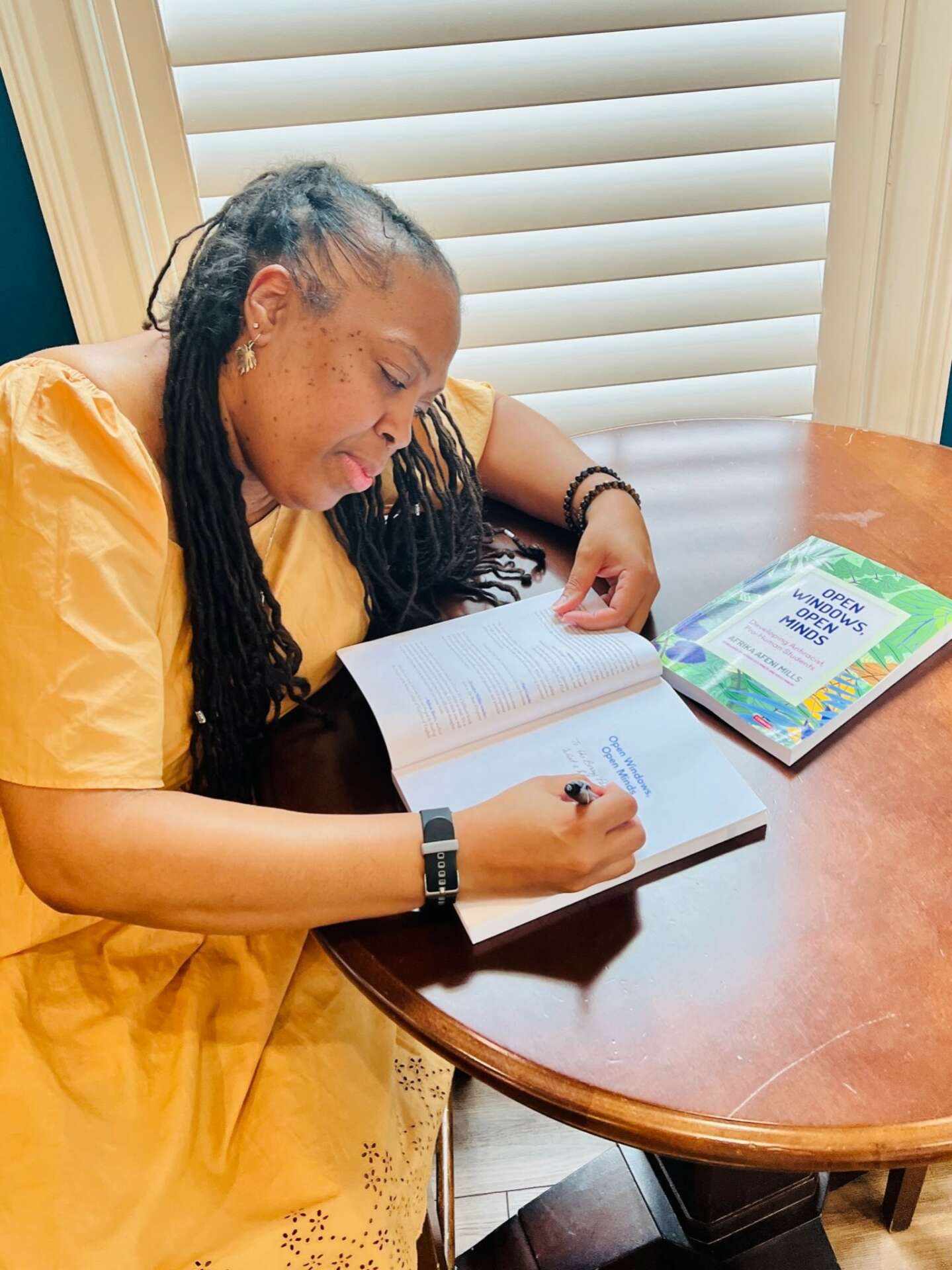
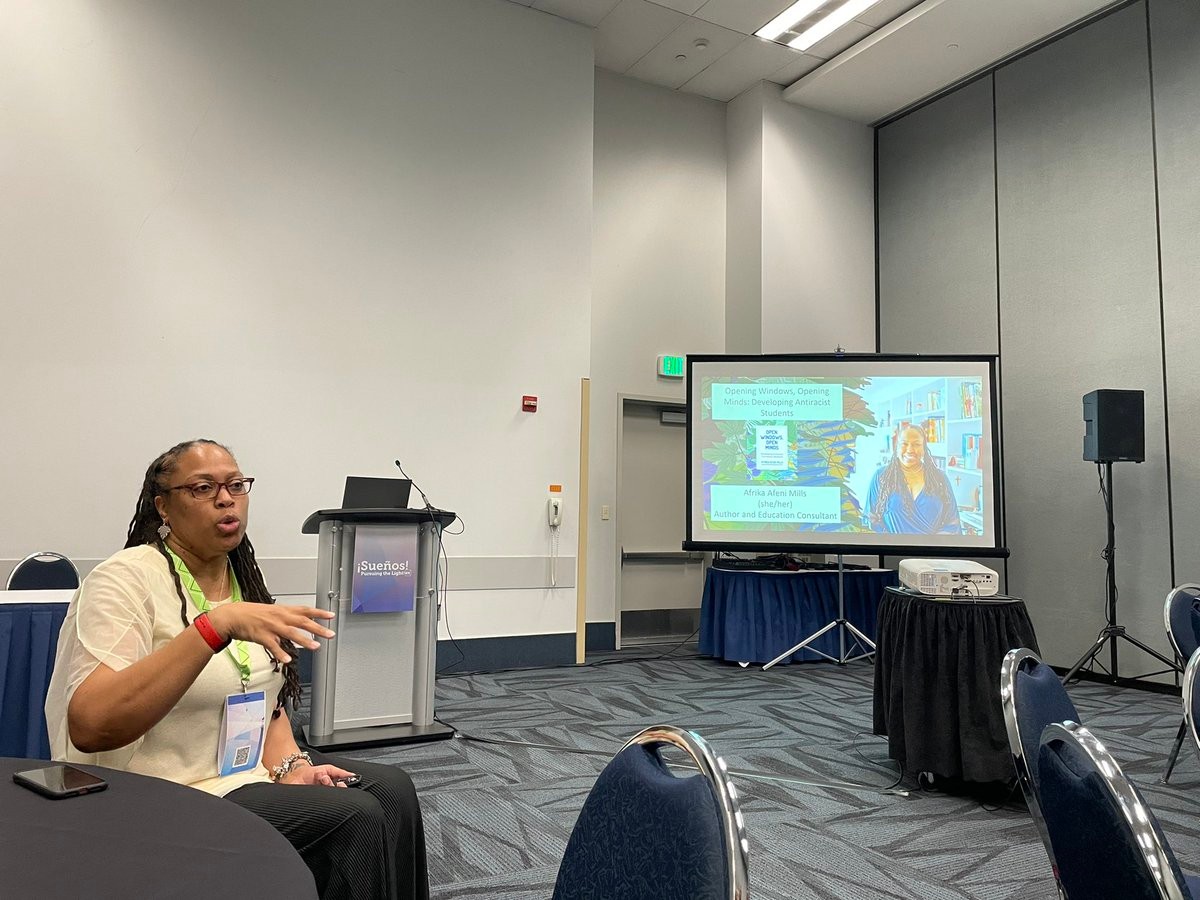
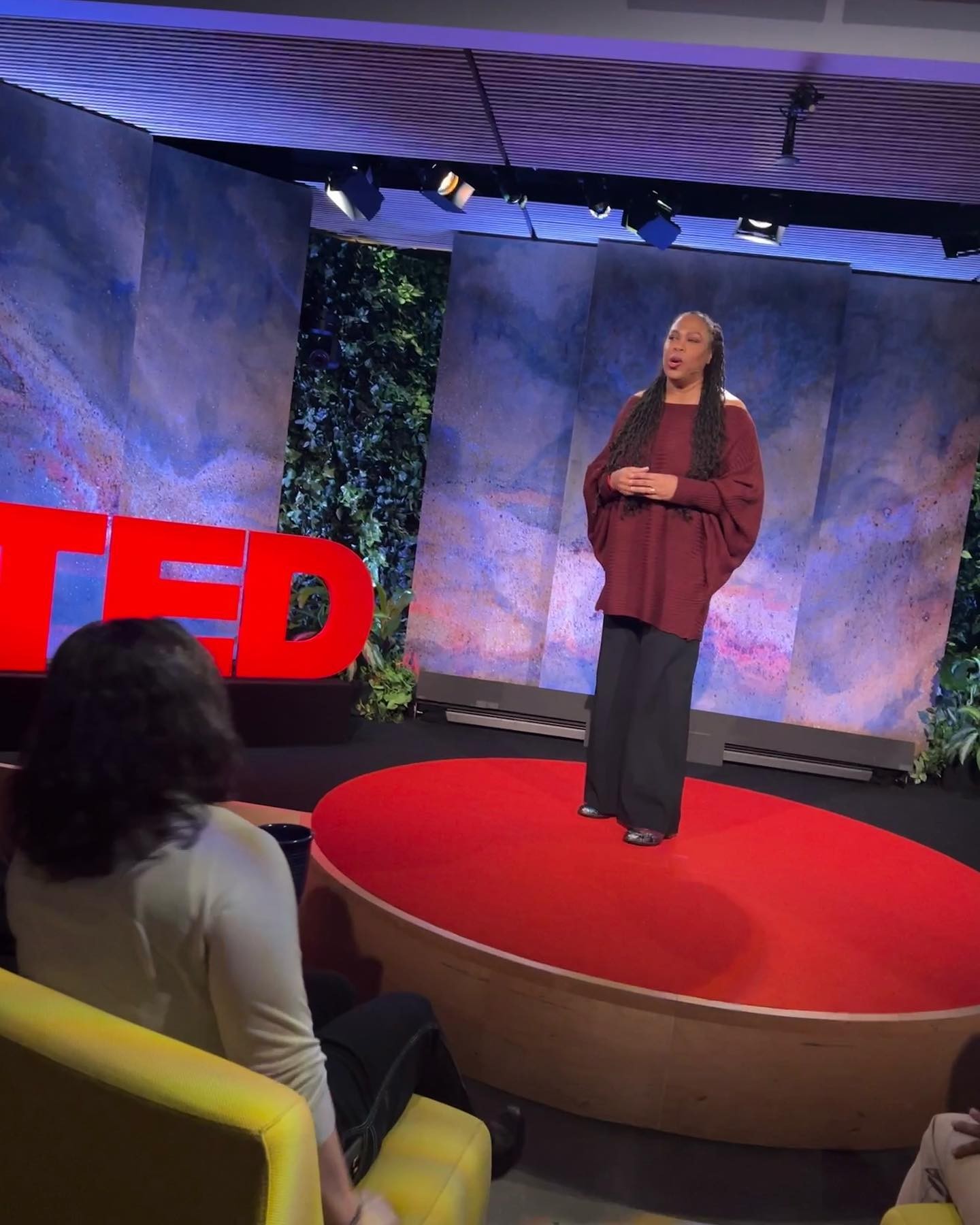
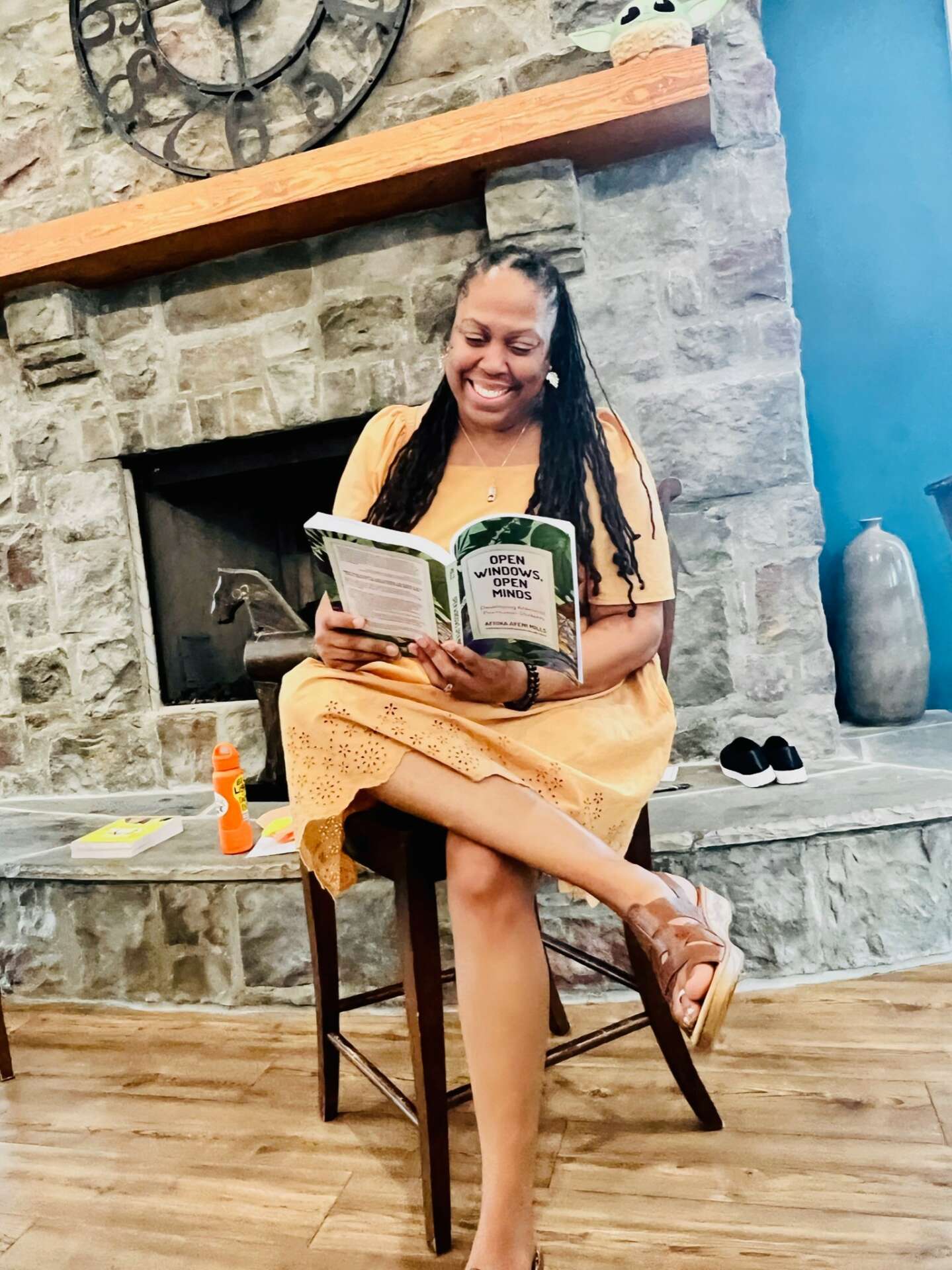
That was one of the best decisions I’ve made! I was offered a book contract by Corwin Literacy, and my book, Open Windows, Open Minds: Developing Antiracist, Pro-Human Students was published in June 2022. Publishing a book opens up so many doors, and not only have I had increasing opportunities to present at conferences around the country based on the content of my book, but I also recorded a TED-Ed Talk that will be released in the next several weeks. I don’t think I would have had the confidence to pursue that opportunity had it not been for the experience I had with the third editor I met. She is now not only my editor and book doula but also a good friend. As hard as those experiences were, I’m so glad for the earlier experiences that led me to the right editor and publisher for me.
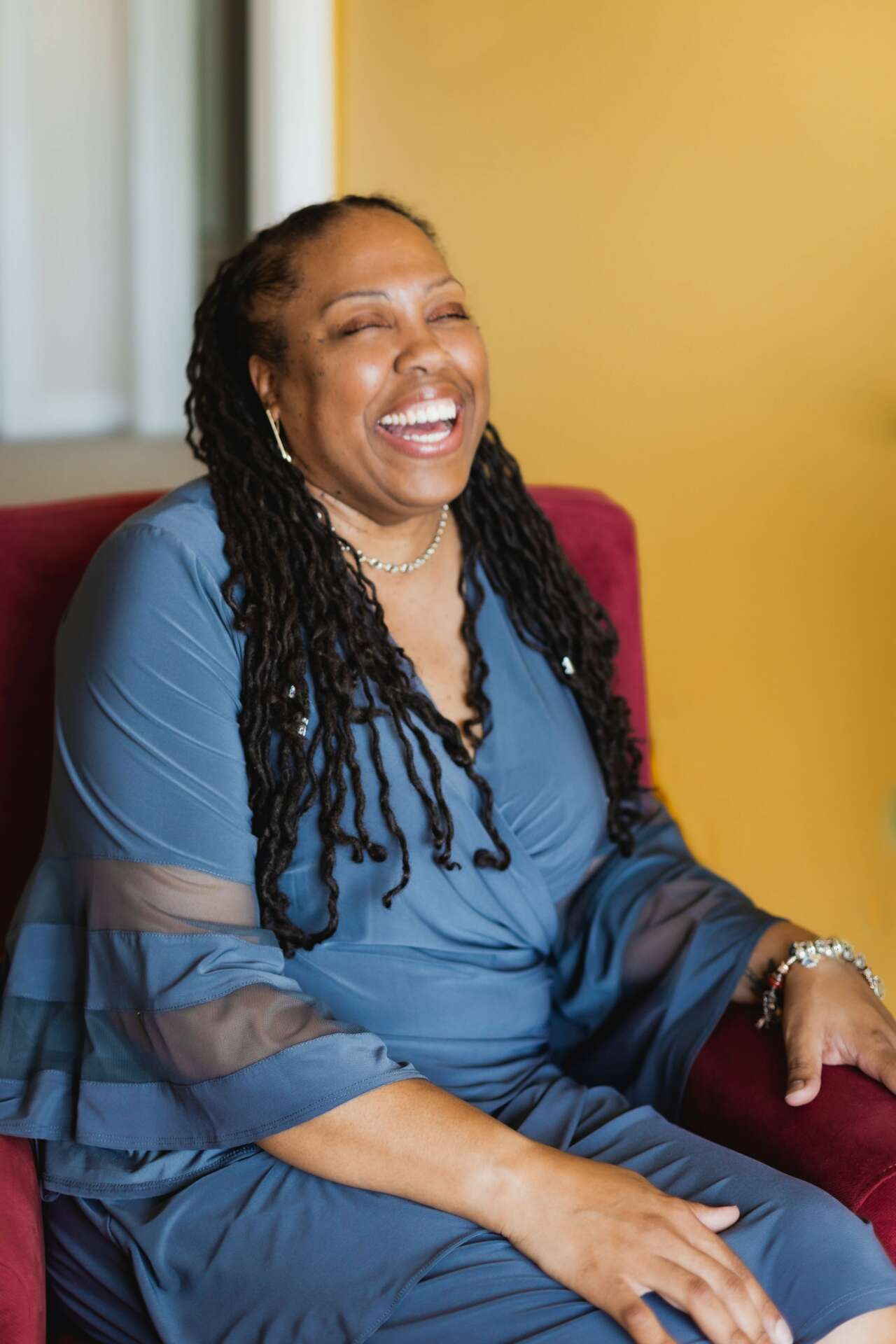
Great, appreciate you sharing that with us. Before we ask you to share more of your insights, can you take a moment to introduce yourself and how you got to where you are today to our readers
I started my education as a fourth-grade classroom teacher, and in addition to teaching fourth and fifth grades, I went on to become a teacher developer in different roles (Literacy Coach, New Teacher Developer, Instructional Coach, Literacy Director, and Curriculum and Instruction Director). Throughout my career as an educator, I was drawn to culturally responsive teaching and learning, racial and historical literacy, racial healing, and antibias, antiracist instructional practices.
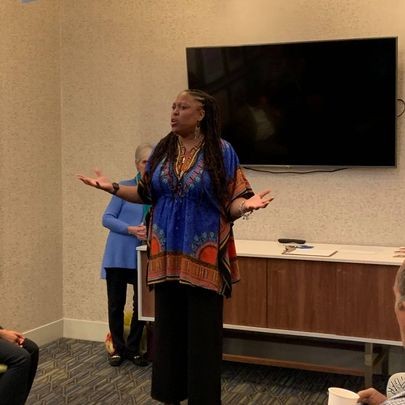
Now I am an education consultant who continues to focus on these topics with educators across the United States as a keynote speaker, workshop facilitator, coach, and professional developer. I approach this work from a pro-human perspective, which for me means recognizing that race is a social construct, naming the destructive impact of racialization on everyone, not from a place of shame or guilt, but from a place of wholeness and solidarity across the human family. In addition to my book and TED-Ed Talk, that approach is what I’m most proud of. Our society is becoming more and more fractured and polarized due to a broken social imagination. I help to equip educators with the tools to focus on becoming good and beautiful and kind as Langston Hughes said and to build a society where we all truly value one another and support each other to flourish.
How did you build your audience on social media?
After A Letter to White Teachers of My Black Children went viral, I began to receive invitations to appear as a guest on podcasts and to write additional blog posts. Initially, whenever I was featured on a blog or podcast, I would share the link on my personal Facebook page. Then I began to share them on Instagram, LinkedIn, and Twitter. I continued to do the same when I presented at conferences and then decided to make a separate Facebook page to feature my work and invited people to follow me. Once my book was published, I continued to share my work, and more people began to share it on their social media platforms, and it became a cycle of invitations leading to sharing on social media and more people learning about my work, and extending more invitations. I launched a website and keep it updated with my work. I was advised by a mentor to develop an email list and send out a newsletter, so I did that, too.
What’s worked well for you in terms of a source for new clients?
The best source of new clients is educators who want to learn how to create inclusive, intellectually, and historically honest learning communities where they genuinely value and celebrate one another. These educators realize that in order to do this work well, we all need to engage in self-work that includes racial healing, really learning about the historical roots of the systemic injustices that exist, and how to build the society that we espouse.
Contact Info:
- Website: https://www.afrikaafenimills.com/
- Instagram: https://www.instagram.com/open_windows_open_minds/?hl=en
- Facebook: https://www.facebook.com/Open-Windows-Open-Minds-108149118445074
- Linkedin: https://www.linkedin.com/in/afrikaafenimills/
- Twitter: https://twitter.com/AfeniMills