



We caught up with the brilliant and insightful Andrew Kung a few weeks ago and have shared our conversation below.
Andrew, thanks for taking the time to share your stories with us today Let’s start with a story that highlights an important way in which your brand diverges from the industry standard.
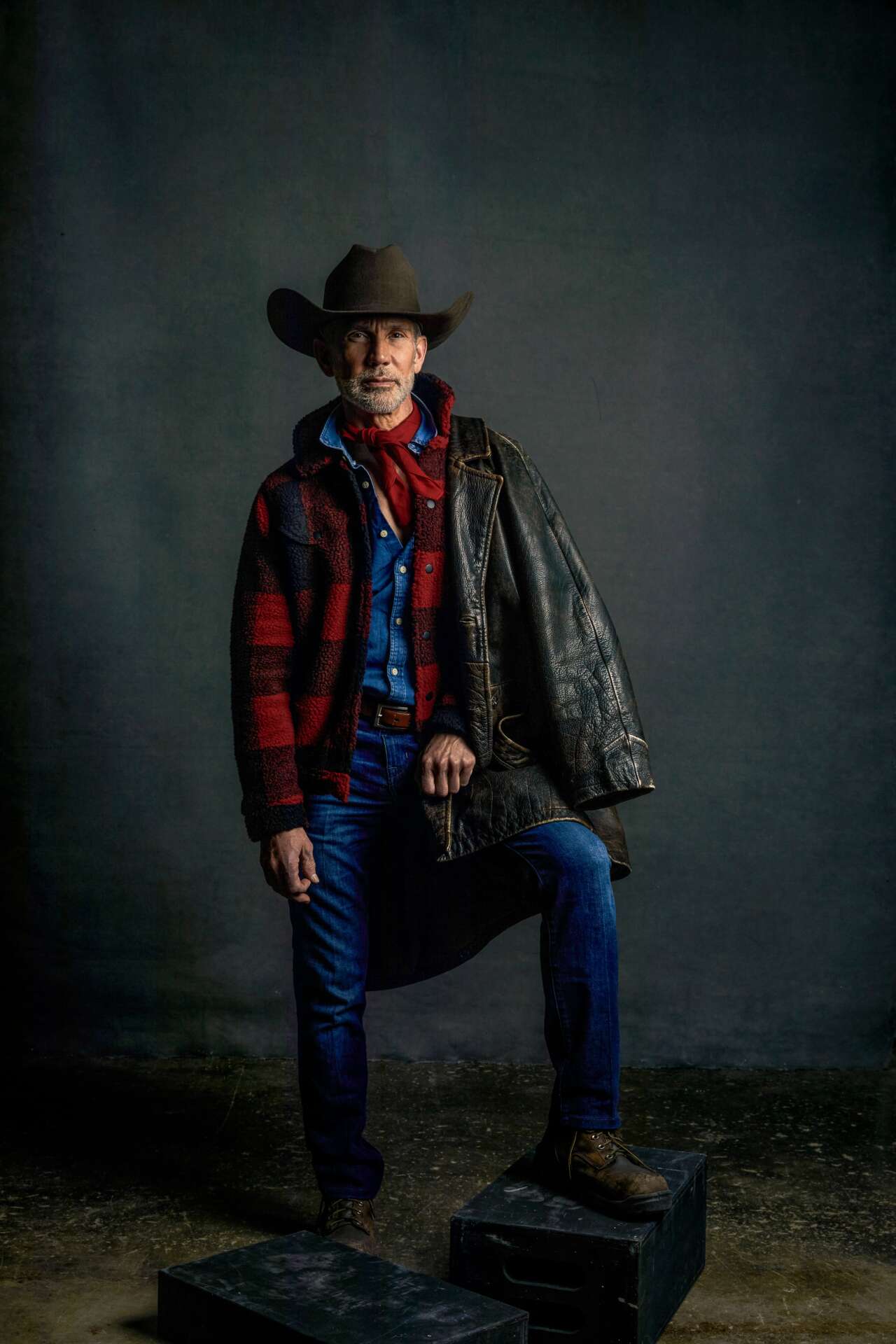
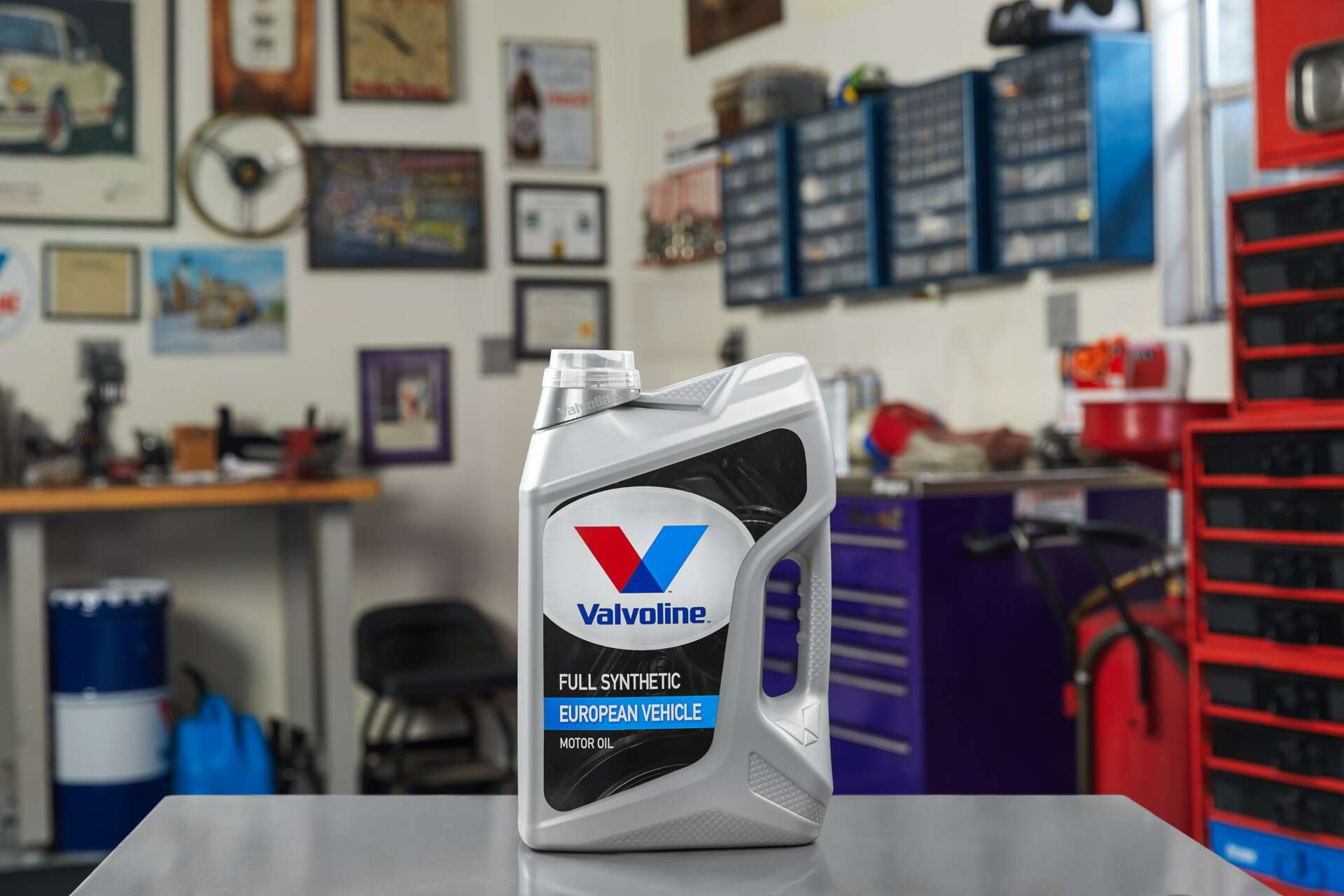
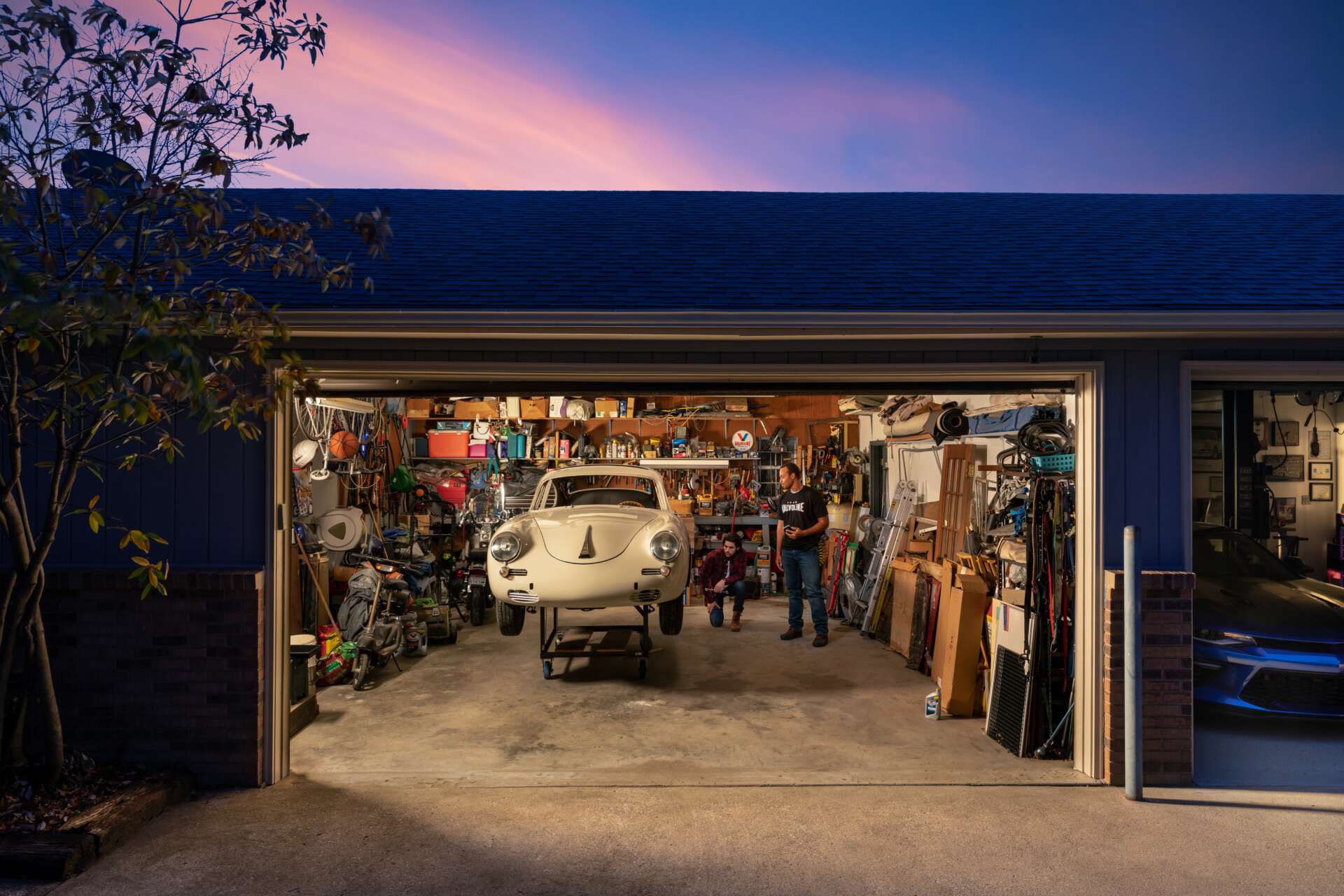
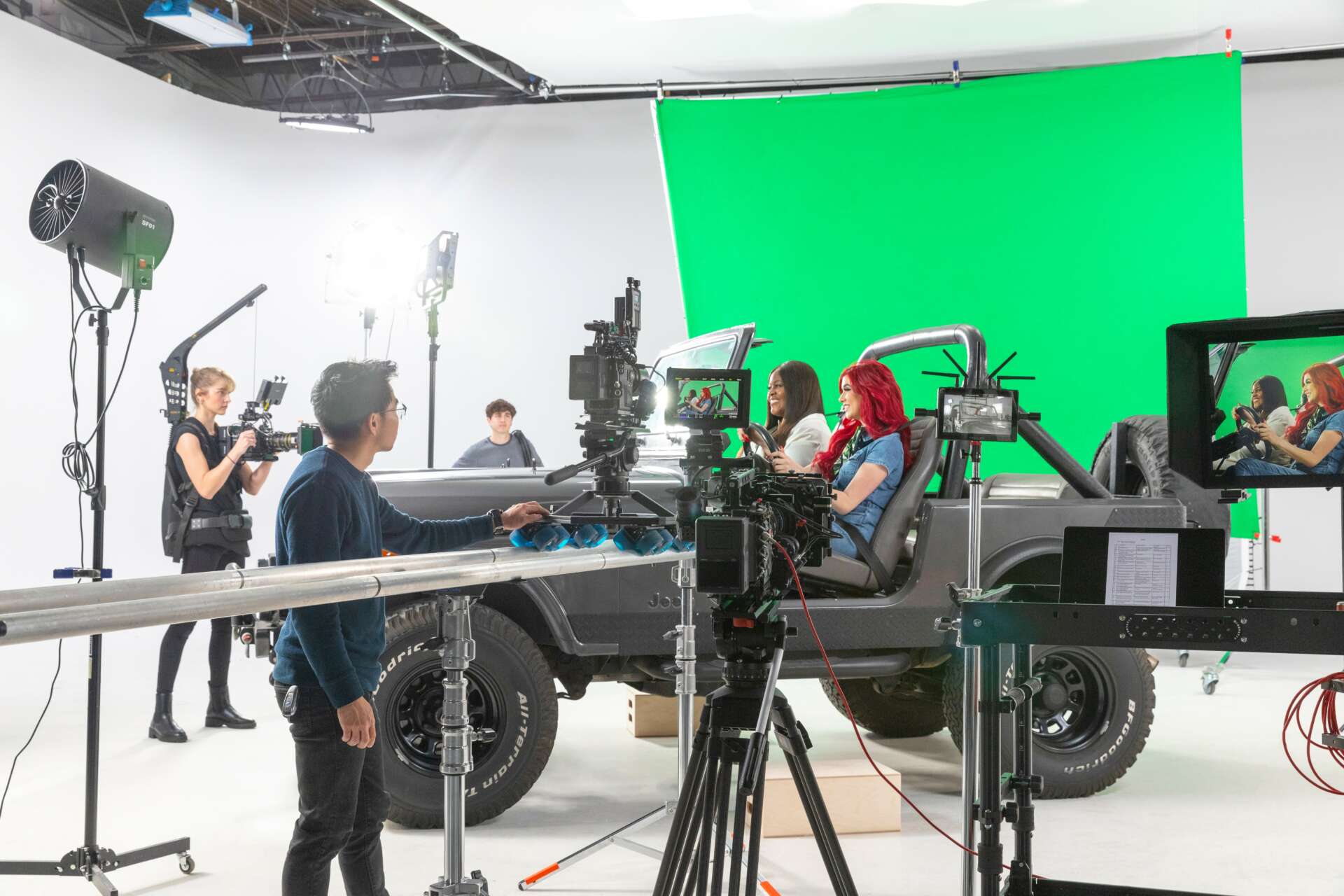
At Andrew Kung Group, a commercial and advertising media production company, we maintain a small but powerful stature, producing visual content for regional and national businesses. Due to our size of being under 10 employees, our team does not get to commit to being fully specialized in any particular discipline for their job position, which is in general, quite contrary to the operation and hiring practices of most film production companies. Instead of seeing this as a drawback, we capitalize on this cross-training for all members of our team and embrace being multi-disciplinarians which we have found, allows each team member to explore other areas of expertise that they may not have realized they could excel in. Whenever the opportunity presents itself with scheduling and less hectic weeks, we encourage and try and involve all team members in the training of all aspects of what we do, often times led by the most senior/experienced employee for the particular task at hand. This cross-training also allows our team to not be without department coverage when we have team members who are out-of-office on sick leave or vacation and it has helped us on many occasions when unexpected occurrences pop up that impact team member availability. It’s true that spending the time and effort in constant training results in our company having to sacrifice a certain amount of profitability but we often find that overall, in the long-run, we make up for it by being able to be a more fluid and capable resource for our clients, resulting in more successful outcomes.
Andrew, love having you share your insights with us. Before we ask you more questions, maybe you can take a moment to introduce yourself to our readers who might have missed our earlier conversations?
I started out at a young age, probably around 9-10 years old, photographing various friends from school and numerous family vacations using a 35mm point-and-shoot film camera that my father had given me. I had some basic instruction from my father about photography and though he did enjoy taking photographs and dabble in some camera collectibles, he wasn’t a professional photographer per se. I don’t know if I truly had an affinity for framing up the shot and image composition but I’d like to think that I knew what I liked and what I didn’t like. For all I know, had anyone reviewed my photographs at that time, they could have all been terrible so perhaps it was best that no one informed me so as not to have altered the course of history.
From there, I continued to dabble in film photography through my teenage years but ultimately, became distracted with other hobbies and musical ventures that had me leaving the world of photography until I was almost at the end of my college career. During my last few years in college, my peers and I had been immersed in the whole auto(mobile) and performance car culture and out of this hobby, surfaced a resurgence of my photography which was mainly to capture images of my cars and those of my friends. I think the subject matter was a big catalyst to my improvement during this time as was the advent of more accessible digital photography technology; switching to a DSLR from a 35mm film camera that allowed for instant gratification also allowed for faster and more efficient learning.
The Beginning
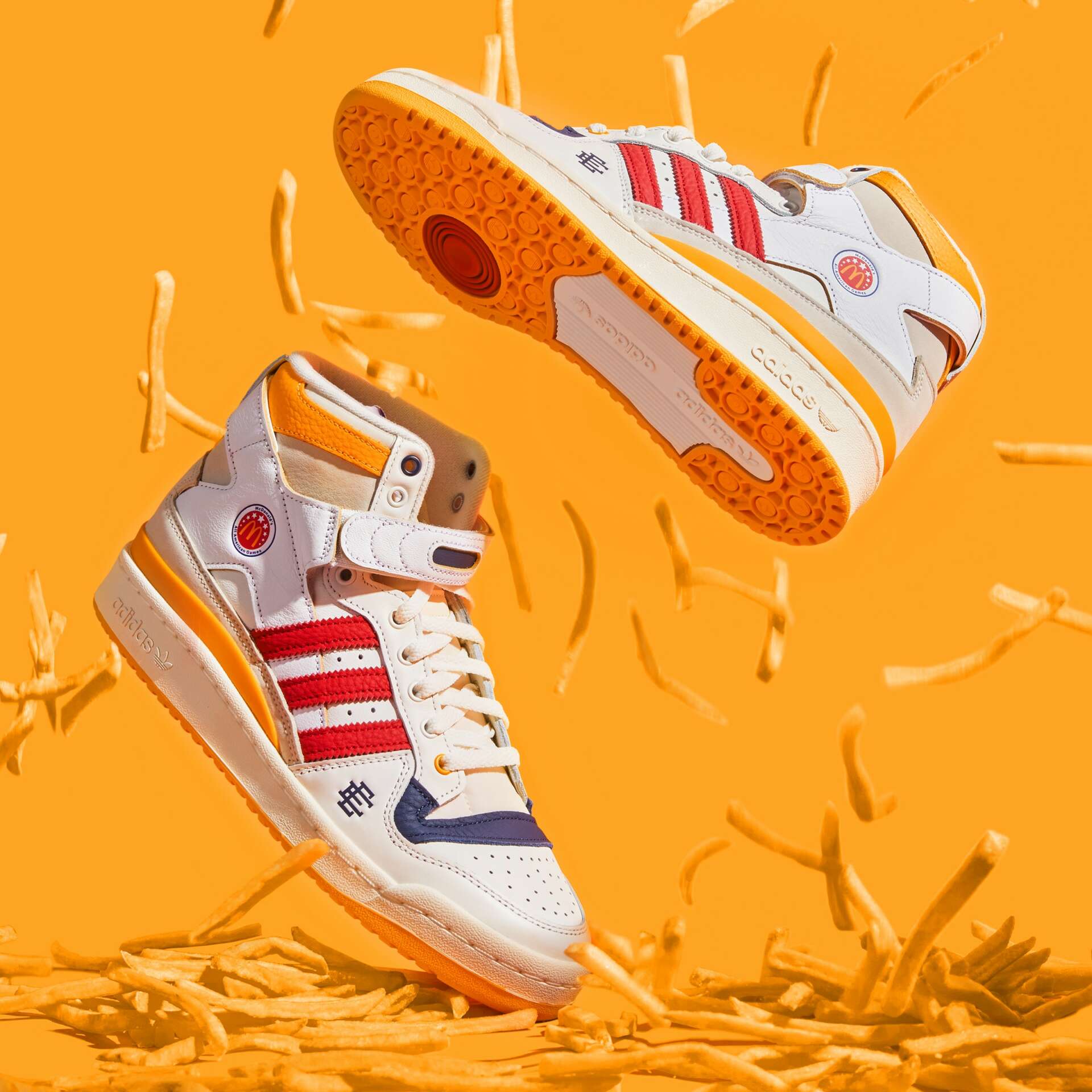
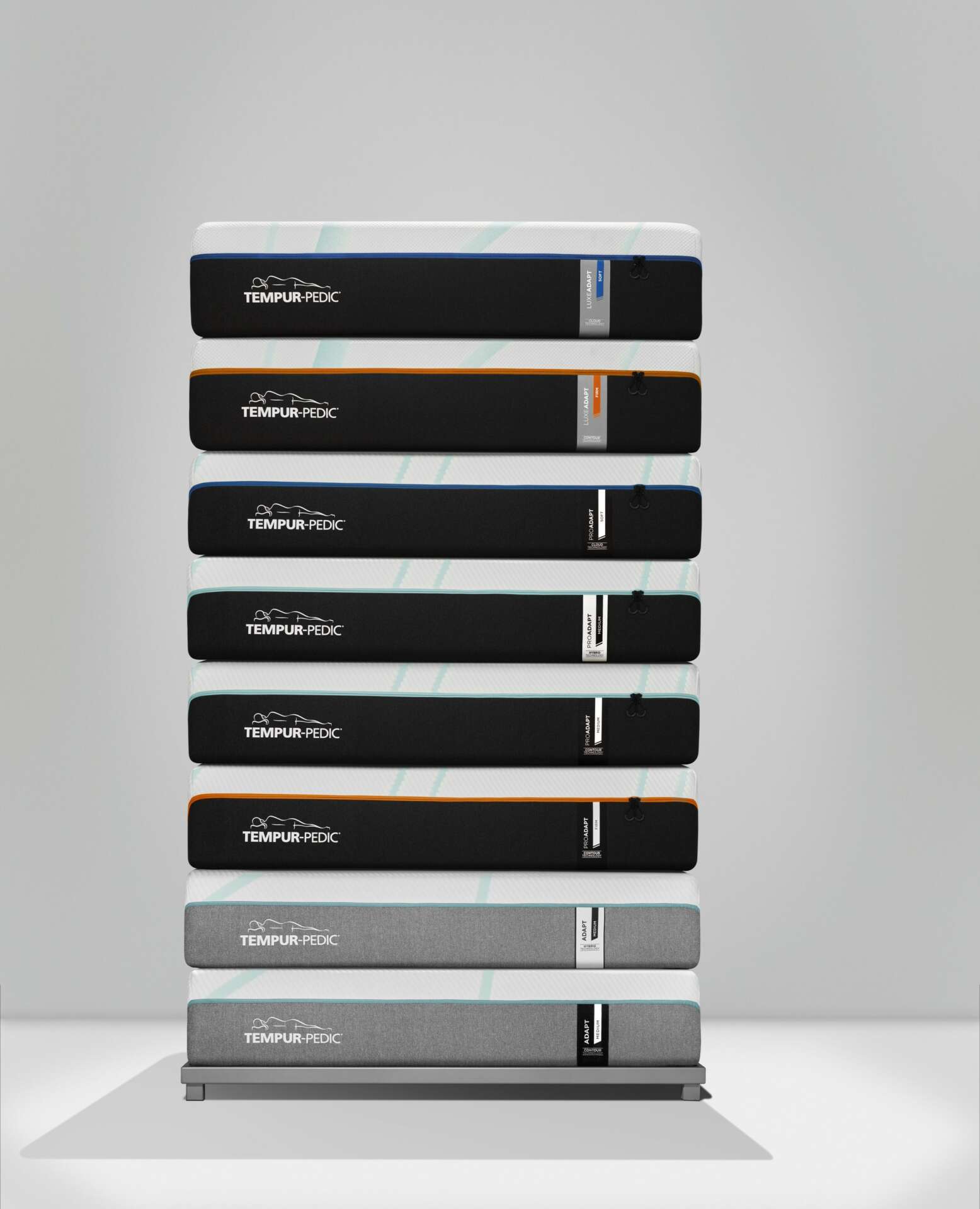
The turning point, if there was any, would be when my photography was pitched by my friends during that time who were immersed in the performance car industry to various automobile magazines and I was, to my surprise, hired to shoot a cover for a national auto magazine. Even though I have grown as a creative professional since then, that cover still makes me proud today. It seems that after that, there was somewhat of a snowball effect, again, mainly driven by the encouragement and help from my friends to get me more commercial work. I think this is where the transition from hobbyist to becoming a commercial photographer occurred and I was quickly hired to work on a few other commercial projects for Tempur-Pedic and Lexmark. This then led to being hired for various regional magazines which continued to open many doors for me in the commercial photography realm.
Plateau Moment 1
My journey as a commercial and advertising photographer didn’t start out as a full-time career as I had a day job working in higher education which started after I graduated from college. It started out as a part-time solo endeavor and over time, I realized that it was difficult for me to A) Scale up to bigger/multiple/better jobs, B) Not overwork myself and C) Maintain availability for the client and so two things had to happen; I had to quit my day job if I were to pursue a proper career in commercial photography and I had to hire someone to assist me. Even though logic and reasoning told me that if I truly wanted to be a full-time commercial photographer, I’d have to leave my current job which came with a healthy salary and benefits at the time, it was a scary proposition. So I lingered for 8 or so years, continuing my work in higher education during the day but also honing my craft and building my client list using any available hours outside of my day job which was truly exhausting. To help alleviate some of the strain, I hired a part-time assistant who was instrumental in sustaining my pursuit of taking this career full-time.
Plateau Moment 2
I tried and failed to quit my day job 3 separate times but finally made the transition to becoming a full-time commercial and advertising photographer. I definitely recall that it was a scary place to be for the first two months. Thankfully, business picked up at an exponential pace, likely because I was now dedicating all my energy into it and probably also because I was driven by the fear of failure and the need to have to make it or lose everything. I was not about to reverse course. However, shortly after this I knew that I would soon become overworked, especially with all the prior years behind me of burning the candle at both ends. Furthermore, in order to scale up and provide better and more services to my clients, I knew I would have to increase the size of my team. At this time, hiring an employee was another terrifying proposition as it meant that my profitability would dip substantially. I was not sure if I would be able to sustain myself much less and employee as well. Well I took a chance and hired my first true employee and quite possibly, fueled by the same fear of failure and utilizing the capabilities of a now, 2-person team, this allowed me to scale up, learn and offer new services (like video production) and the business grew tremendously.
Plateau Moment 3
Over the next 7 years, we outgrew many of our studio spaces and moved in to our current 7000sq ft full production studio facility and office space. We added on to our team, let some of our team go and rehired new ones. We went through the tough times of COVID and times of gaining (and losing) huge clients. Today, our team stands as a small but formidable force that is capable of producing national level content but at regional market rates. With our in-house equipment resources and personnel, we are large enough to take on a wide number of commercial projects at all different levels but small enough to be agile to avoid delays with any changes and updates to the creative direction and project execution.
In looking back and assessing all of this, I feel that I would have done a few things differently in order to achieve a different outcome (not necessarily better) but perhaps with less stress:
1) I would have left my day job earlier.
2) I would have focused on building more long-term clients instead of trying to purely increase my client base.
3) I would have hired a salesperson/marketing associate as my third hire after the hiring of my first employee (production related).
4) I would have invested in owning a space for my business (perhaps unrealistic at the time).
5) I would have networked more with other industry professionals.
Here are the things I felt I got right:
1) I built a solid framework for business operations before going into it full-time.
2) I gave myself ample opportunity to make mistakes in my photography business while I had the cushion and security of my day job.
3) I did not take out a loan to fund my photography endeavor and used all profits from photography to reinvest back into equipment and the business.
4) I made sure that we hired team members with the right attitude, personality and mindset first and foremost and prioritizing their skillset second. Since we were heavily focused on training, I felt that I knew we could train our team accordingly if they had the right attitude and mindset and those attributes in itself, would help us become successful as a team.
5) I learned early on that the media we create is important but not the only reason why our team gets hired; we get hired because our clients find us reliable, trustworthy, hardworking and always prioritize their success.
6) I treated every client like I wanted to retain them for life – always going above and beyond to make sure they had every inclination to come back to us for future work.


Do you have any stories of times when you almost missed payroll or any other near death experiences for your business?
At the end of 2018, we had just finished a milestone year for us, essentially tripling our annual gross revenue over the course of 2017-2018 compared to prior years. We had increased our full-time staff and added on a lot of production equipment and other infrastructure. However, as Q1 of 2019 wrapped up, I had noticed a steady decline in client bookings and started to wonder if it would continue to decline. We moved into a new studio facility in the Summer of 2019 which also tripled our monthly expenditures, not to mention, our opening was delayed till November 2019 because of various construction challenges. For us, Q2 and Q3 numbers were quite dismal as well and I contemplated letting some of our team go but held on as long as I could, hoping to fund payroll and expenses out of my own pocket. By the end of Feb 2020, I had no choice but to let some of our team members go which truly broke my heart and I felt enormous guilt having to do so. COVID happened shortly after that which was tragic and unfortunate for many but that forced us to regroup/restructure and form a new iteration of our team that stands today. The team today even with original members from the very beginning, is in a sense a new team that is very much more resilient and agile. We’ve been through a lot together and I believe that has helped us become a stronger team.
What do you think helped you build your reputation within your market?
Always delivering what we said we would deliver. We’ve heard it time and time again but always underpromise and overdeliver. Over time, we built a reputation for being not only creative but also reliable and an incredible value for money.
Contact Info:
- Website: www.andrewkung.com
- Instagram: instagram.com/andrewkungphoto
- Facebook: www.facebook.com/andrewkungphotography
- Linkedin: www.linkedin.com/in/andrewkung1/
Image Credits
Photography: Andrew Kung/Andrew Kung Group www.andrewkung.com