

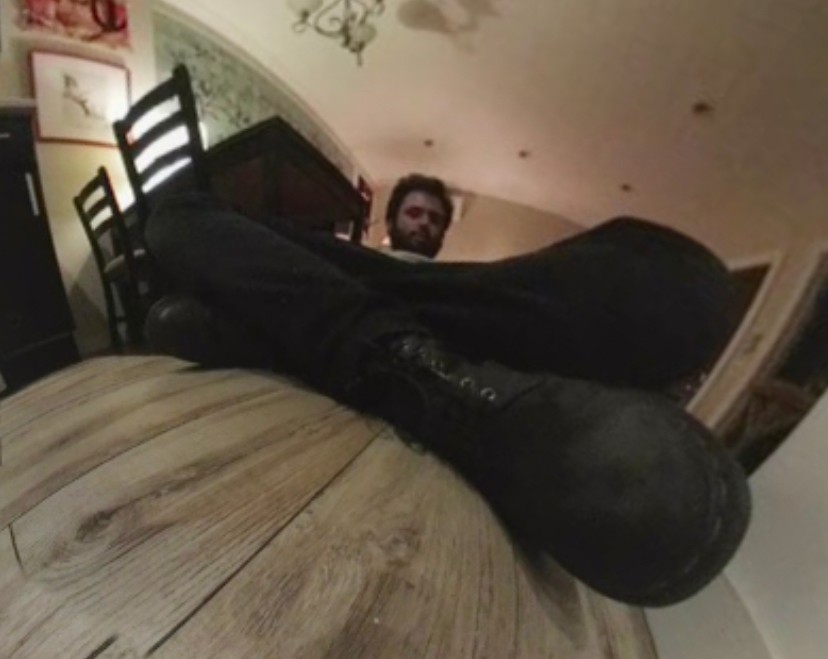

We caught up with the brilliant and insightful Tomas Vallecillo a few weeks ago and have shared our conversation below.
Tomas, appreciate you joining us today. Learning the craft is often a unique journey from every creative – we’d love to hear about your journey and if knowing what you know now, you would have done anything differently to speed up the learning process.
I’ve always been interested in learning and understanding animation from a young age. I remember borrowing books from the library promising to teach animation. A lot of it became very mundane information very quickly, I had understood concepts like eases and squash and stretch but didn’t have a lot of tools to actually animate myself. Then I got a book that had suggested a software that I looked up online and it turned out to have a free trial that I took advantage of, and attempted to draw an animation using my computer mouse. I still pretty clearly remember finally successfully drawing a little animation of a penguin waddling. It wasn’t much but the dopamine surge of seeing a drawing move kept me invested. I was about 10 or 11 around that time?
After understanding the basics of animation, theres still a huge barrier because I really didn’t know how to draw. I put a lot of the animation tools to the side to get better at drawing (and frankly drawing with the mouse wasn’t cutting it). I doodled a lot at school. But I was trying to self-teach and avoided traditional drawing classes like the plague- I don’t recommend this. I think it really stunted my practice to be paying more attention to cartoons I saw on TV than studying the fundamentals that would allow me to still draw those cartoons- but with a deeper understanding of the nuances of form, yadda yadda.
I couldn’t afford a wacom tablet to use with a computer and software throughout high school, so I continued to do comics and sketch a lot. But once I got into college and finally got access to those tools, I tried to re-apply the animation rules I had remembered while also applying new ones the teachers were sharing to be more effective, studying work I admired for techniques I could attempt myself.
I got really lucky with an internship with a smaller studio and there I had my ass put to the flame a bit more than ever before and thats when I learned how the professionals really do it. I think I got humbled in a lot of ways there too, realizing I still had a lot of work to get better.
Obviously, a lot of obstacles that get in the way is human nature- laziness, ego, naivety. These traits vary with the individual but I think we all have them to some degree and need to work on them constantly throughout our lives.
But less obviously, getting into animation is a lot easier depending on your financial situation. I came from a well to-do upper middle class family which afforded me the luxury of having enough free time to work on art, and meant my school provided a nice art education program which probably helped me in ways I’m not even aware. Maybe I would’ve been even better now if I came from a wealthier family who could get me the wacom earlier, but that would come with another set of challenges including many more distractions. To be really good at animation is to be able to draw/design/observe more than anything if you ask me, and that only requires pen and paper. Focus on those skills first and foremost, draw comics, experiment often, learn the foundations. Those are the difficult skills to learn, once you understand those- animation is a cakewalk.
As always, we appreciate you sharing your insights and we’ve got a few more questions for you, but before we get to all of that can you take a minute to introduce yourself and give our readers some of your back background and context?
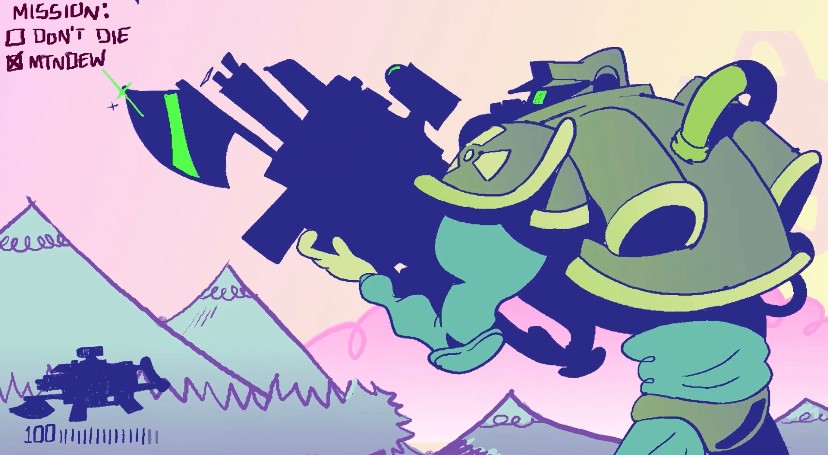
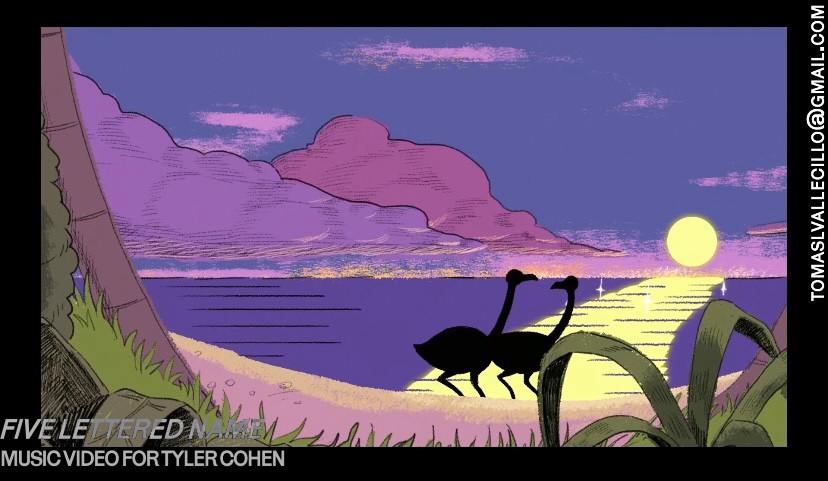
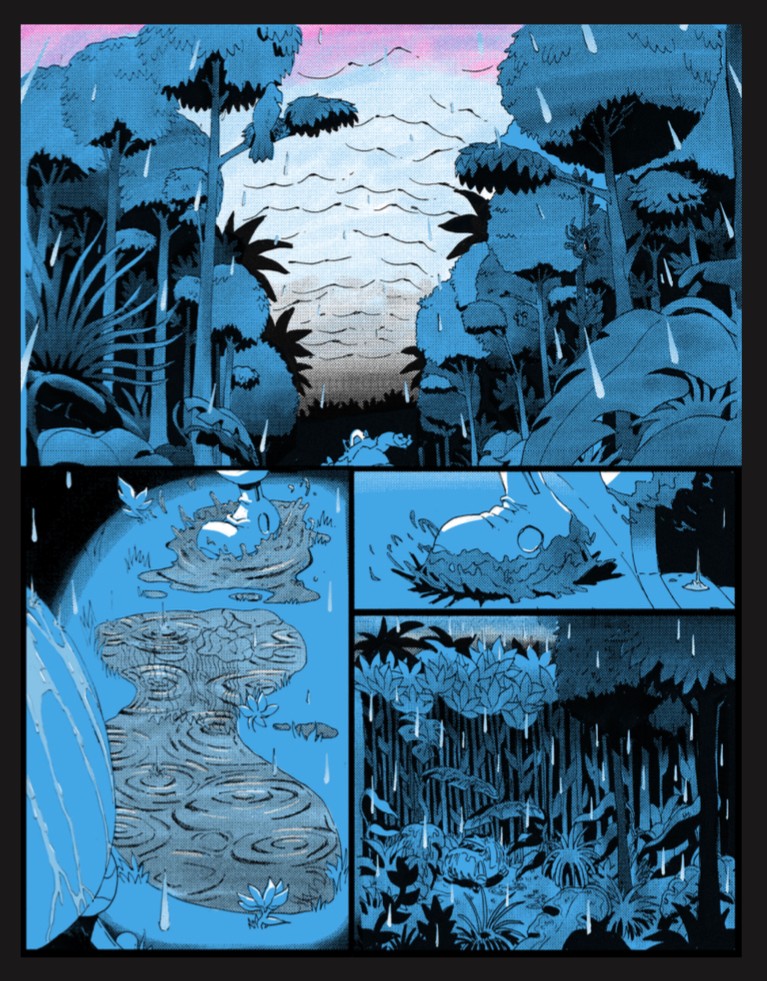
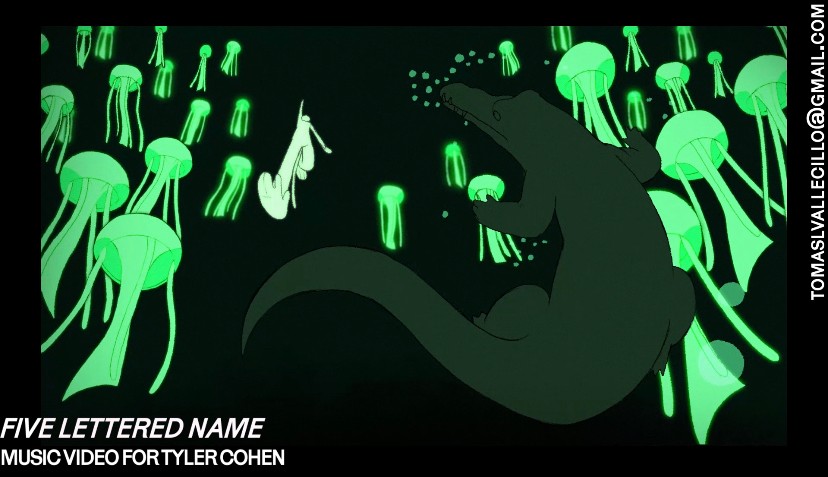
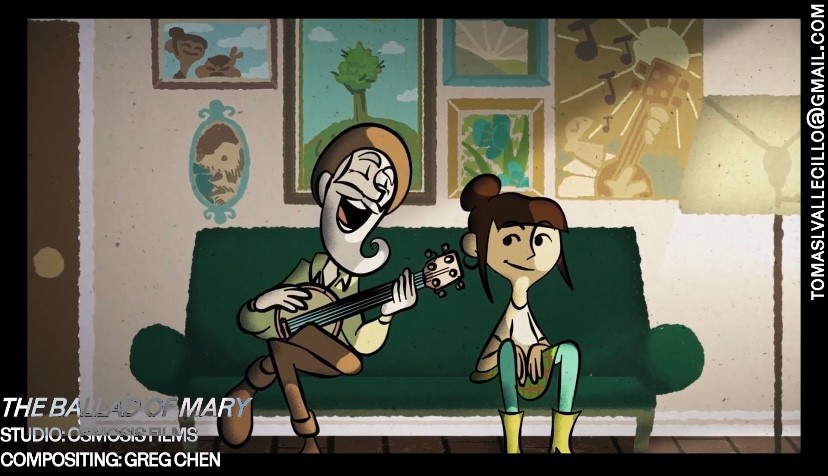
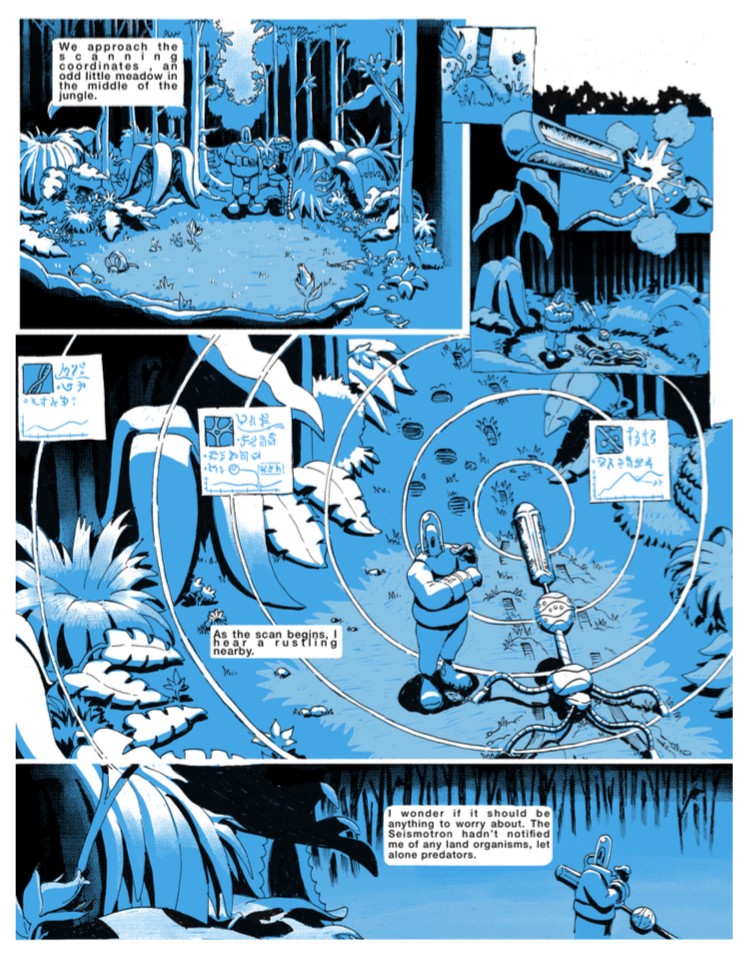
I specialize in 2D cel animation, which means I do frame-by-frame animation- a more time-consuming expensive method but one that normally catches the viewer’s attention as being more interesting and higher quality than cheaper methods.
Most frequently I am hired as a freelancer by studios who are trying to produce a commercial, music video or a segment of a documentary. I attempt to create the most impressive product possible within constraints such as deadlines and budget. I would say I’ve had a pretty successful history of that, but I might be a bit biased.
But I’m currently trying to be more of a generalist with an understanding of the entire pipeline of a production. So I’ve jumped back into boarding, design, compositing and other important aspects of animation production, so that I can more effectively take on a directorial role in future projects.
I’ve been steadily trying to seek bigger and more challenging projects with every year I’ve worked professionally, and with only three years working, I think there is a lot more I have to give that people haven’t seen yet.
In your view, what can society to do to best support artists, creatives and a thriving creative ecosystem?
A lot of support needs to come from the top. I think there are a lot of people who work very hard to give lots of young and interesting artists opportunities as it currently stands. There are residency programs, grants that you can access for education. I think these are all great efforts and I wouldn’t discourage the continuation of these sorts of programs.
What I would think would be interesting to have a subsidized or publically-owned studio akin to PBS where animation productions can be produced without anticipating market trends. Many american animated films will follow popular trends, some of those interesting and some of those not- but creating a lot of safe feeling films without bold artistic visions. Understandably, these films need to be approachable to the broadest audience it can be- but it’d be interesting to highlight the unique talents of american animators through an effort like this. Similar programs to this exist in Canada, Europe, and throughout history in China and Russia. Barring the politics of the societies programs like this exist within, they have consistently made some of the most interesting films that are still studied and show an impressive height of artistic excellence of the artists they are created by.
I don’t think it could happen because the US already feels very confident in its control of culture, and the last time something like this was possible was during the cold war. It’s my pessimism speaking, but the US would need to feel some cultural or ideological pressure before it’d start funneling budgets towards the arts again.
So, in the meantime, support the artists that make work you like! Kickstarters, patreons, etc are all useful to help provide artists with the funding they need to dedicate more time to personal projects that may not be able to compete in a marketplace as a product.
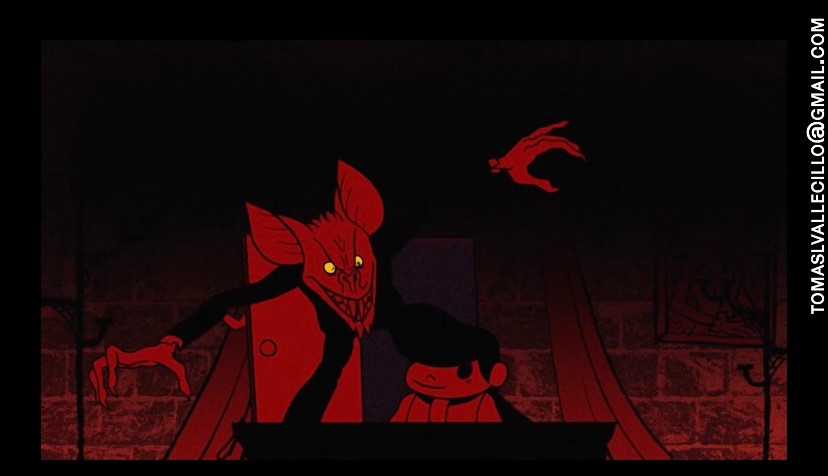
Any resources you can share with us that might be helpful to other creatives?
Rewording of the question a little- I’m amazed by how many more resources are available NOW as opposed to when I was younger. Lots of incredible teaching tools on a site as easily accessible as youtube. Made by really impressive artists and animators that have the resumes to back up the education they provide! Of course… lots of inexperienced artists providing advice I disagree with but it’s up to the discretion of the “student” to figure out what advice is worth taking and what isn’t to accommodate their own preferences.
With such an overwhelming amount of resources available now- its difficult as ever to know when you’re “ready” to start a project. But it’ll be the projects that you do outside of the lessons where you’ll get the most experience points. That will never change!
Contact Info:
- Website: tomasvall.com
- Instagram: @wackocozy
- Other: Wacko cozy is a separate account for personal projects, while @tomasvall is sort of a general account for all the work ive done.. though a bit inactive right now.
Image Credits
Julian Bata – design for the Very Haunted Jojo Bros Greg Chen – compositing for the Ballad of Mary The Modern Woznian published by zinehug everything else is 100% Tomas Vall