

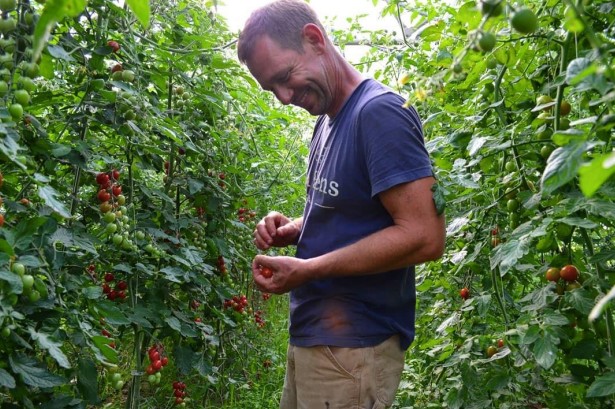

We caught up with the brilliant and insightful Adam Montri a few weeks ago and have shared our conversation below.
Adam, thanks for taking the time to share your stories with us today We’d love to have you retell us the story behind how you came up with the idea for your business, I think our audience would really enjoy hearing the backstory.
We knew we wanted to have a farm, but sometimes coming up with a name that really fits a business can be a challenge. I used to help people build greenhouses as part of my job at MSU, and would often do it outside of my job for people near our farm on weekends or evenings. After Dru and I helped a woman who also raised chickens build her greenhouse not long after we moved to our farm, she offered us 1-day old chickens as a trade. We had an old coop we had cleaned up so it seemed like a great idea. day-olds are notoriously hard to s*x so we got ten of what we thought were hens, brought them home, and the name for the farm, Ten Hens, came almost immediately. But, as they grew we realized we had five hens and five roosters, but the farm was already named! So, we traded her four of them so we had nine hens and a rooster, then we increased to 20 hens, then at one point we were up to 70 hens and no roosters. As the vegetable part of the farm grew we phased out of chickens and egg production all together and haven’t had chickens on the farm since 2010. We love our farm name and chose it when we thought that was the number of hen we had, but in reality, at no point have we ever actually had exactly ten hens on the farm.
Awesome – so before we get into the rest of our questions, can you briefly introduce yourself to our readers.
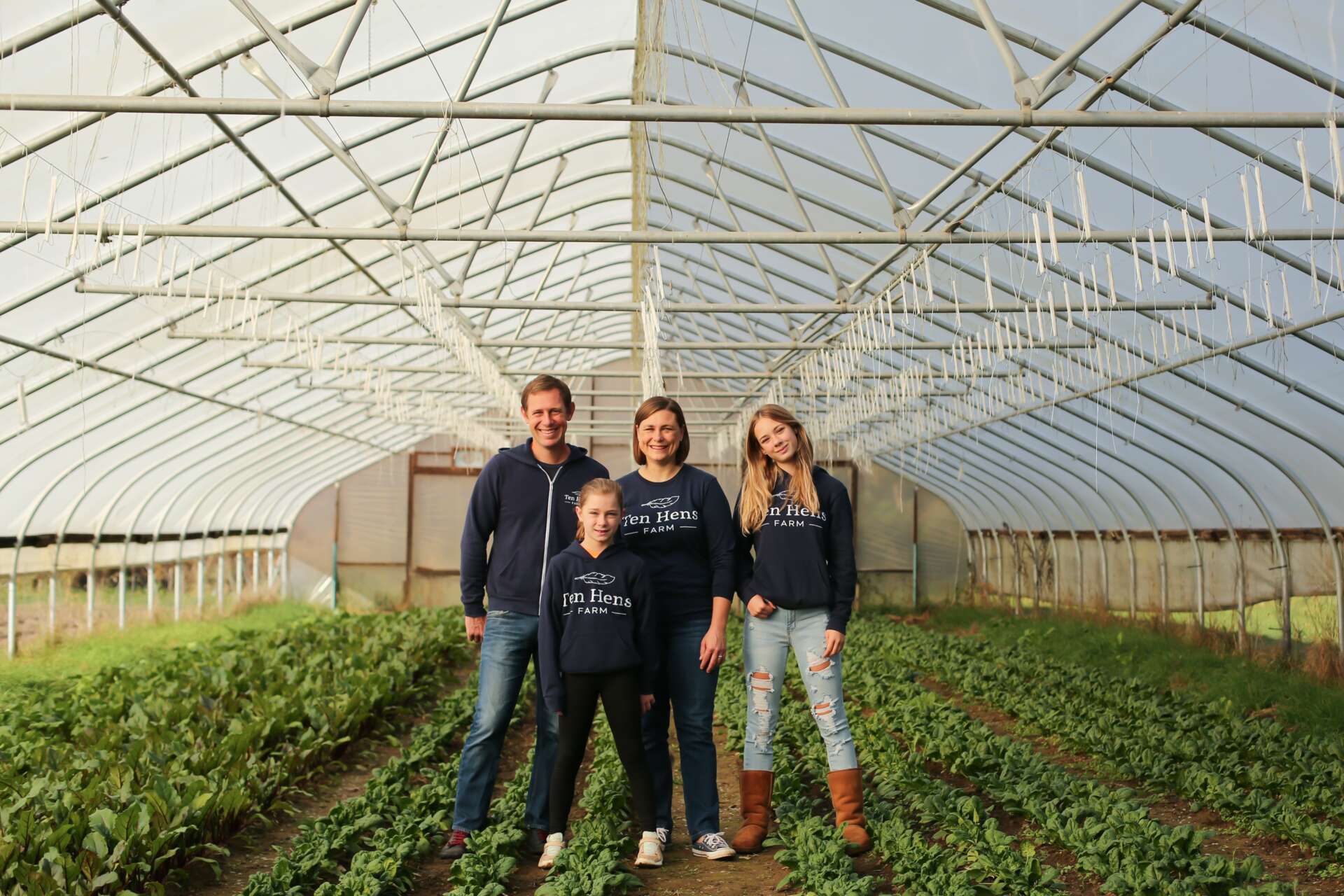
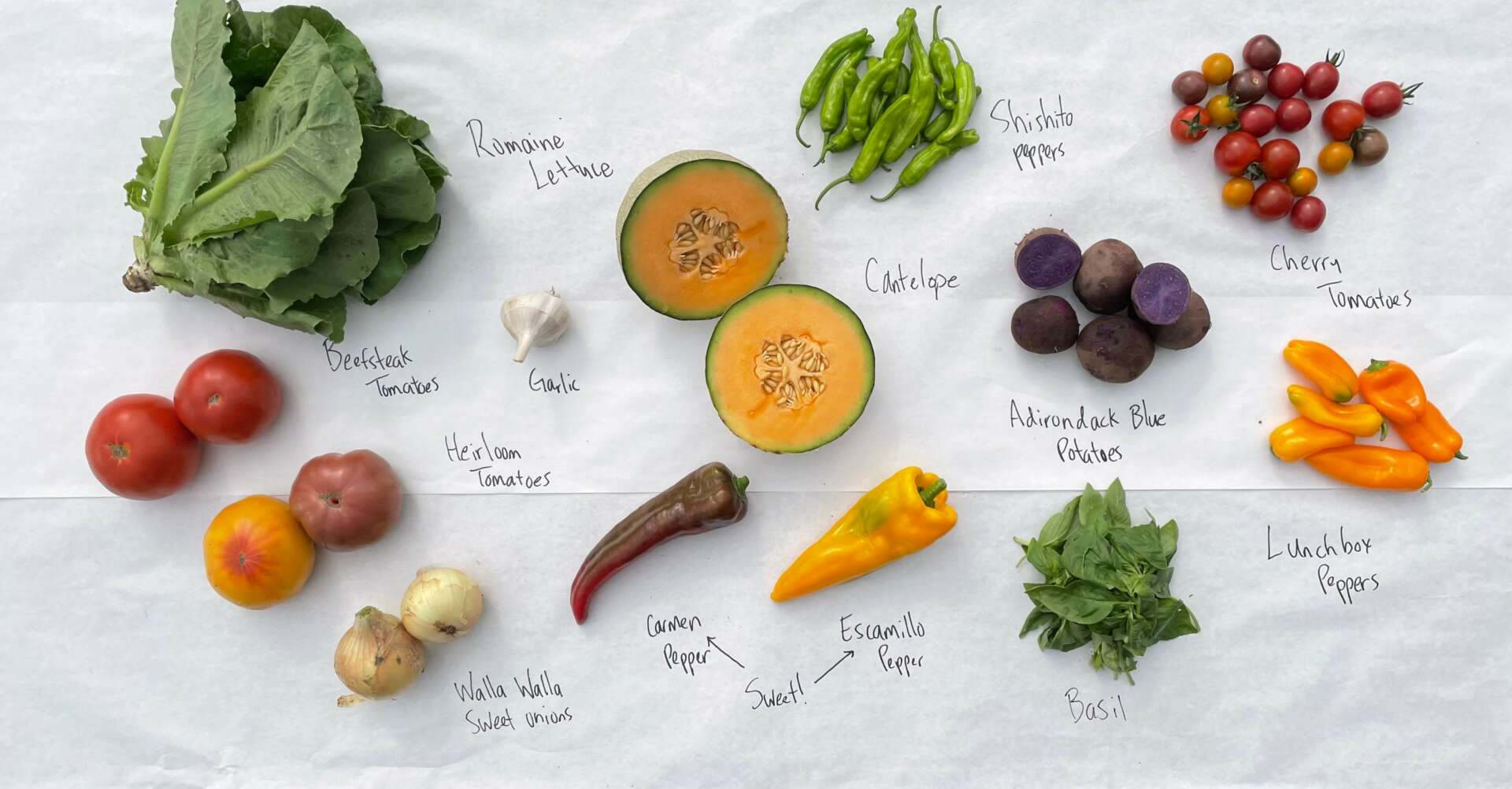
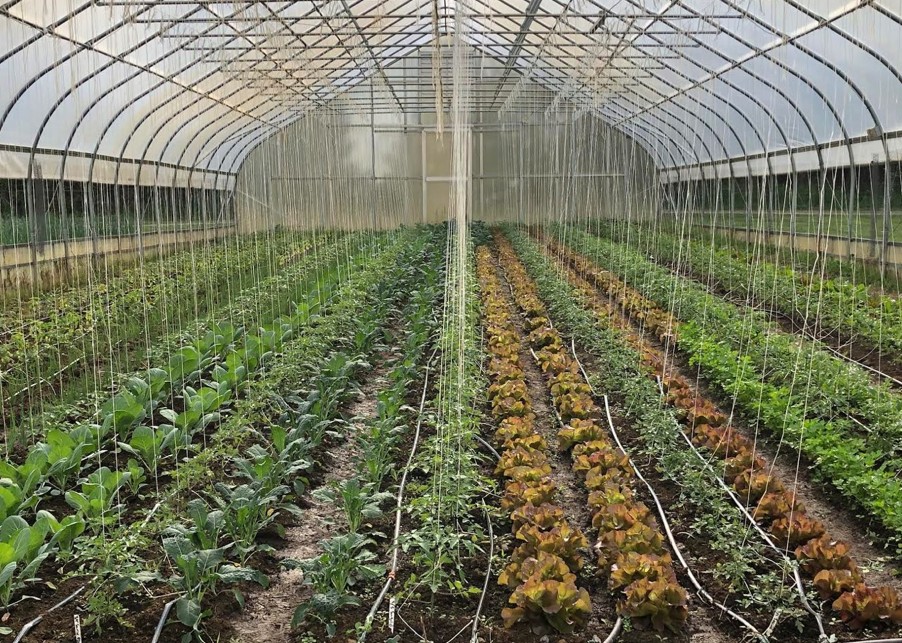
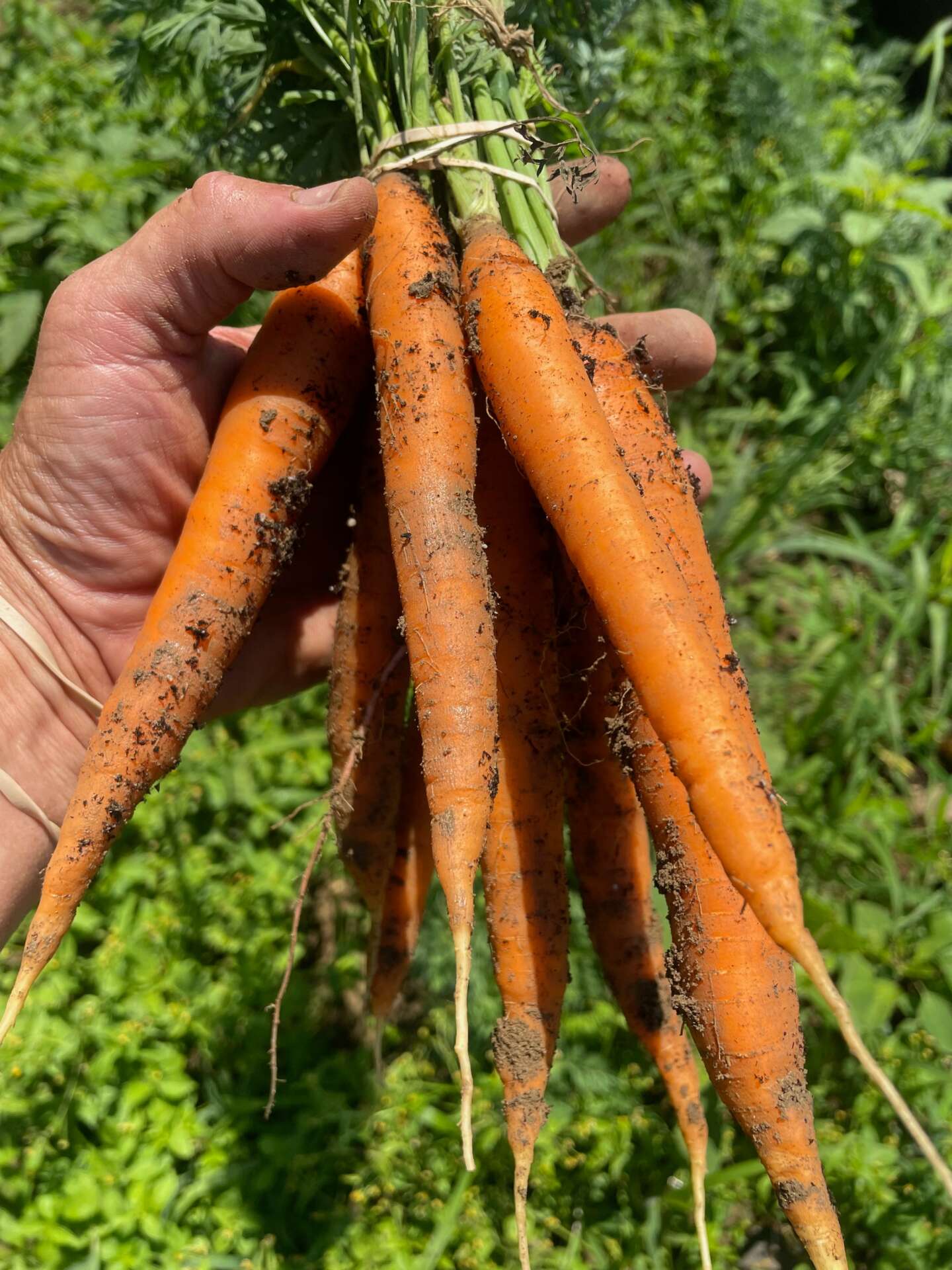
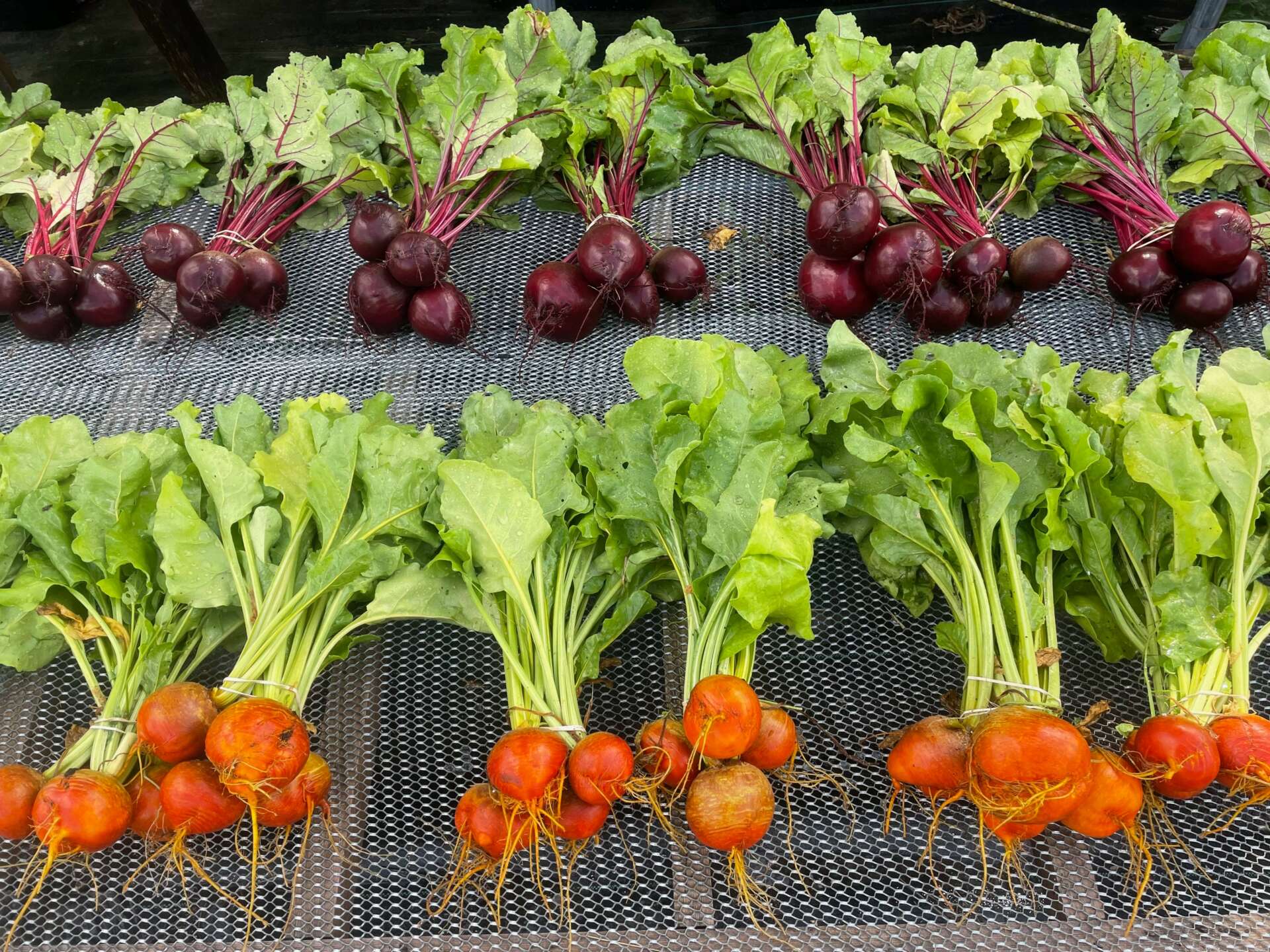
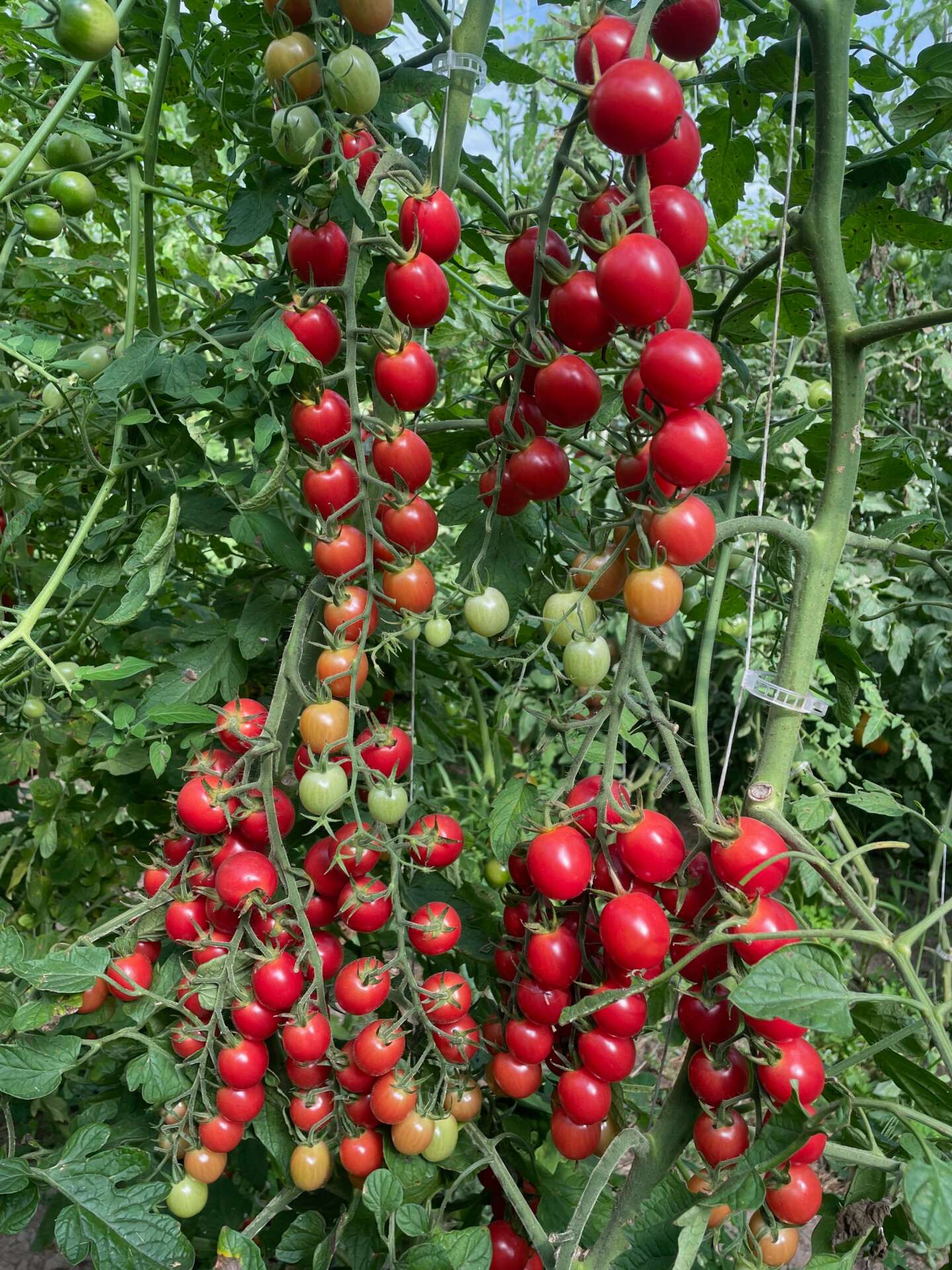
We own and operate Ten Hens Farm, a diversified vegetable farm in Bath, MI (about 10 miles from the state capital in Lansing, MI and an hour and a half NW of Detroit) that grows around 50-60+ different types of vegetables. Our fresh produce is sold through a nearby farmers market that we were a part of starting with a great group of citizens and our township government, through a Farm Box subscription program where customers pay for 25 weeks at the beginning of the season and then receive a weekly box of produce containing approximately 10-15 different items each week, through a Lansing neighborhood center that purchases produce from multiple farmers and collates them into weekly boxes, some area restaurants, an assisted living facility, an occasional on-farm pop-up market, and through some other farms that we sell to directly. My wife, Dru, and I both studied Horticulture at Michigan State University (MSU), both completed MS degrees in Horticulture at Penn St, and Dru also completed a Ph.D. in Horticulture from MSU. I also completed a BA in English with a focus on creative writing from MSU. We both knew that one day we wanted to own a vegetable farm, but spent time working on and learning on other farms. One of the things that we feel most fortunate about (and also feel that sets us apart) is that we have both the practical hands-on experience of working on farms as well as the the formal technical and science-based background that comes from completing programs and degrees at two of the foremost Land Grant Universities. This combination allows us to approach and solve problems that arise on our farm as well as work collaboratively to solve problems or challenges that our farming friends send our way.
We are most proud of the high quality produce that we grow, the delicious way it tastes, and the relationships we are able to form with our customers since the majority of our produce is sold directly to the end user. It is also really incredible to be able to have a very hard science based business that includes careful planning, long-term projections in terms of seeding and harvesting dates that are 120+ days after seeding and 200+ days after seed ordering, dynamic and often changing weather patterns that are out of our control, and changes in customer preferences coupled with a creative aspect in terms of poetry writing and submitting to national journals, sharing and teaching in our township school district, and involvement with our local city/statewide poetry communities. It is fun and refreshing to be able to use those very different parts of my brain and body in very different ways.
We’d love to hear the story of how you turned a side-hustle into a something much bigger.
I have now been working full-time on our farm for five years (since 2017), after it being a side hustle that we started in 2008. We knew we wanted to have a farm, but weren’t ready to just jump right into it and work on building/funding all the infrastructure that goes into farming without a back-up/other secure monthly stream of income. I worked 50% time for a food and farming non-profit and 50% time in the MSU Department of Horticulture as we began to build out our farming business. Eventually I moved to MSU full-time working with farmers that we growing on a similar scale and using similar techniques that we were. This allowed us to share ideas, brain storm, troubleshoot, and problem solve based on what we were learning on our farm and what we were learning from other farmers. I was fortunate enough to have a great supervisor, John Biernbaum, that let me scale down my time at MSU as our farm grew and needed to have more of my time dedicated to it. Early in our farm development we self-financed greenhouses, equipment, seed and tool purchases, etc. so that the farm didn’t carry any debt for a number of years. The key milestone in our business development was when we reached a point where we were comfortable with the the farm taking its first loan to fund multiple greenhouses, a walk-in cooler, and labor to help us build that infrastructure. We were able to say we can make these monthly payments plus continue to have the farm contribute to household income, The other clear milestone was Dru and I deciding that it was time for me to either stay with my off-farm job or make a switch to full-time on-farm. It was (and still very much is) an interesting choice and balance. I could make more money working off-farm, but there is a flexibility that comes with on-farm work (especially in the winter months). We are in a very privileged position that allows me to be more involved in getting our kids to and from school, have the flexibility to pick them up or stay home if they are sick, and help more with household demands/needs than if I had an off-farm job. There are trade-offs that come with that. Specifically, we don’t get to travel/take a vacation in the summer when people most often do because I can’t be away from the farm for extended periods of time during the growing season. We are fortunate that Dru’s job provides enough income to our family that we can make decisions that ask is my time to contribute more in non-financial ways more valuable than additional household income. Again, we clearly acknowledge that this is a privileged position to be in and one that we don’t take lightly or for granted.

Can you tell us about a time you’ve had to pivot?
Like every business in March and April of 2020, we had to figure out what was going to happen to our business when Covid emerged. At that time, the majority of our sales were directly to restaurants that were unable to continue business as usual and we were unsure if the farmers market that we sold at was going to be able to open in May of that year. On top of this we learned that nurseries and garden centers that sold transplants (including vegetable transplants) were temporarily closed without a known opening date. With those things in mind we quickly created an online marketplace and listed the most popular transplants (tomatoes, peppers, cucumbers, and lettuce) and ordered additional seeds with the expectation that many people would be interested in purchasing transplants for home gardens. We also created our 25 week subscription Farm Box program nearly overnight, listed it on our online marketplace, and began selling in March for a May start date. Nearly three years later we now not only sell spring transplants to individual home gardeners, but we are also growing a large amount of transplants for other farms. This provides a much needed cash flow in the spring when most of our expenses occur, and also fills up our greenhouse benches where it costs the same to heat wether we have one bench or all the benches full. We are working on expanding our Farm Box program thorough partnerships with other businesses as pickup locations where our subscribers can pick up their weekly shares as well as purchase from the business(es) where they pick up.
Contact Info:
- Website: www.tenhensfarm.com
- Instagram: www.instagram.com/tenhensfarm/
- Facebook: https://www.facebook.com/tenhensfarm/
Image Credits
Kat Logan – First photo of Adam harvesting cherry tomatoes Stephanie Cluley-Reuter – Family Farm photo in greenhouse with spinach and beets growing all other photos courtesy of Ten Hens Farm