

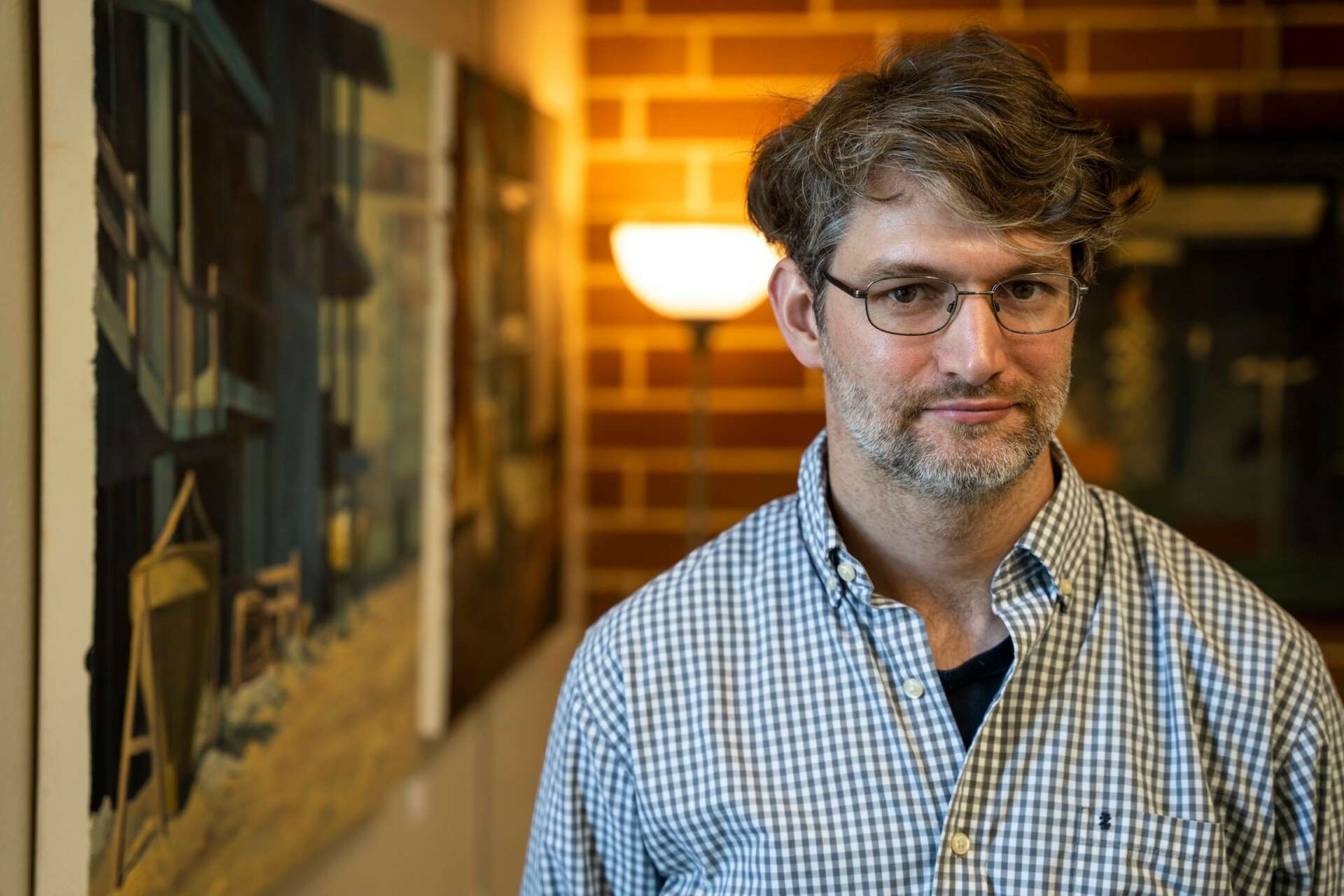

We’re excited to introduce you to the always interesting and insightful Alex Vietti. We hope you’ll enjoy our conversation with Alex below.
Hi Alex, thanks for joining us today. How did you learn to do what you do? Knowing what you know now, what could you have done to speed up your learning process? What skills do you think were most essential? What obstacles stood in the way of learning more?
Art has been a part of my life since I was very young. When I realized I wanted to make art my main profession I took art classes and then went on to study at college. I received a Bachelor’s degree in drawing and a Master’s degree in painting. But more important than taking classes or receiving any certification, was practice. Whenever I can get a free minute, I am always painting, sketching, and making work. Learning through doing has been the most beneficial to improving my artistic capabilities.
I have often found that taking on more projects and having several things to work on at once has been the best way to make the process move at a faster pace. While it may seem overwhelming to work on many things at once, it is often helpful to have another painting to work on when you reach a wall on another. Through work comes inspiration. One idea will lead to another and generate more projects to work on.
The most important skills to have for an artist is having drive, patience, and an ability to criticize your own work. If you have the perseverance to see your vision through to the end, then you will take the time necessary for it to come out right and make the necessary corrections to improve the work. Often a project will come together once you step away from it and revisit it with fresh eyes and be willing to make alterations whether they are major or minor.
Getting to complete a project can be difficult if the creative process is constantly being interrupted. The biggest hindrance that I have run into has been time. Organization is not always copacetic with the creative mind but if you can master time management it can free you up to accomplish more creative endeavors.

Alex, before we move on to more of these sorts of questions, can you take some time to bring our readers up to speed on you and what you do?
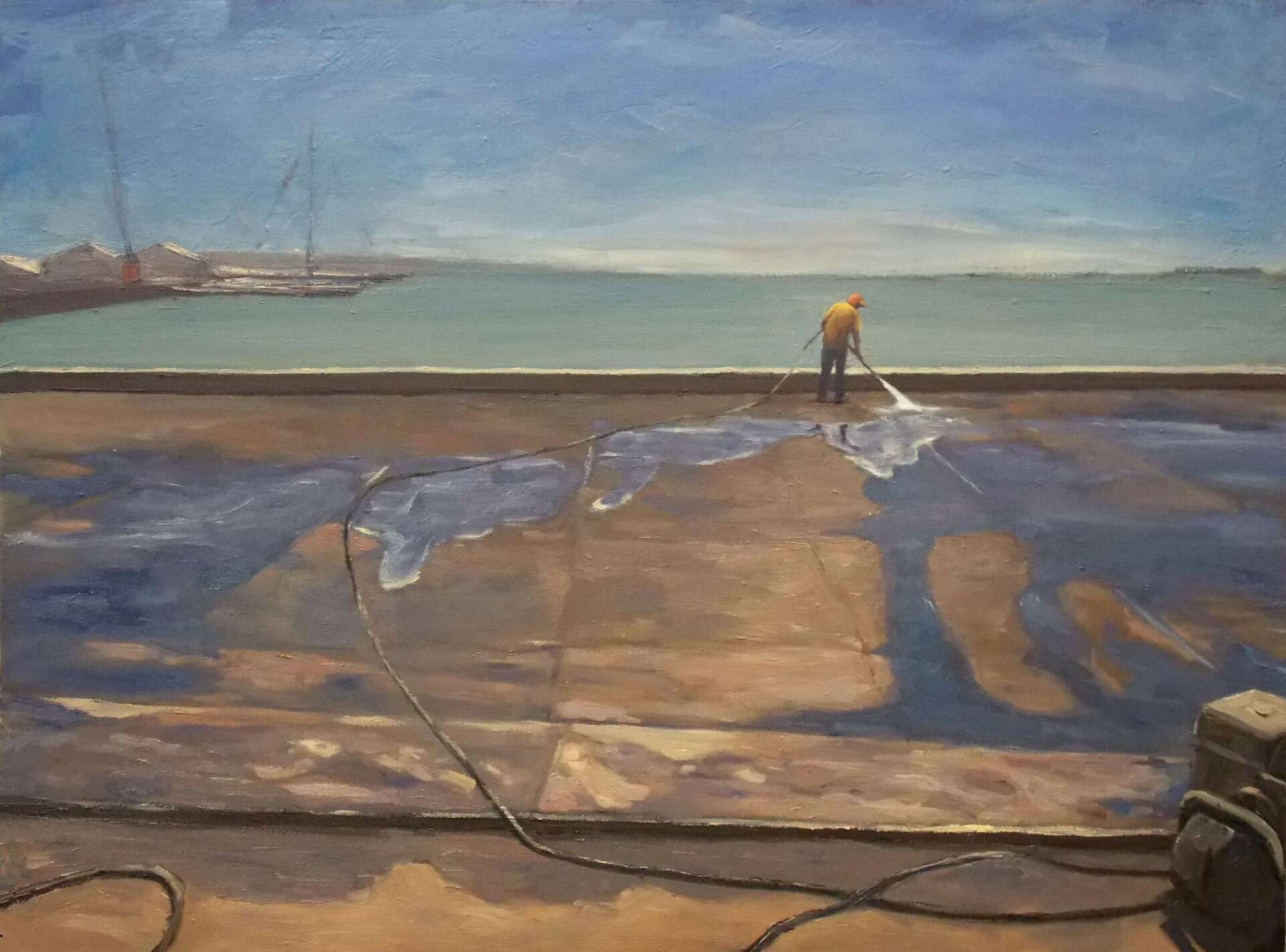
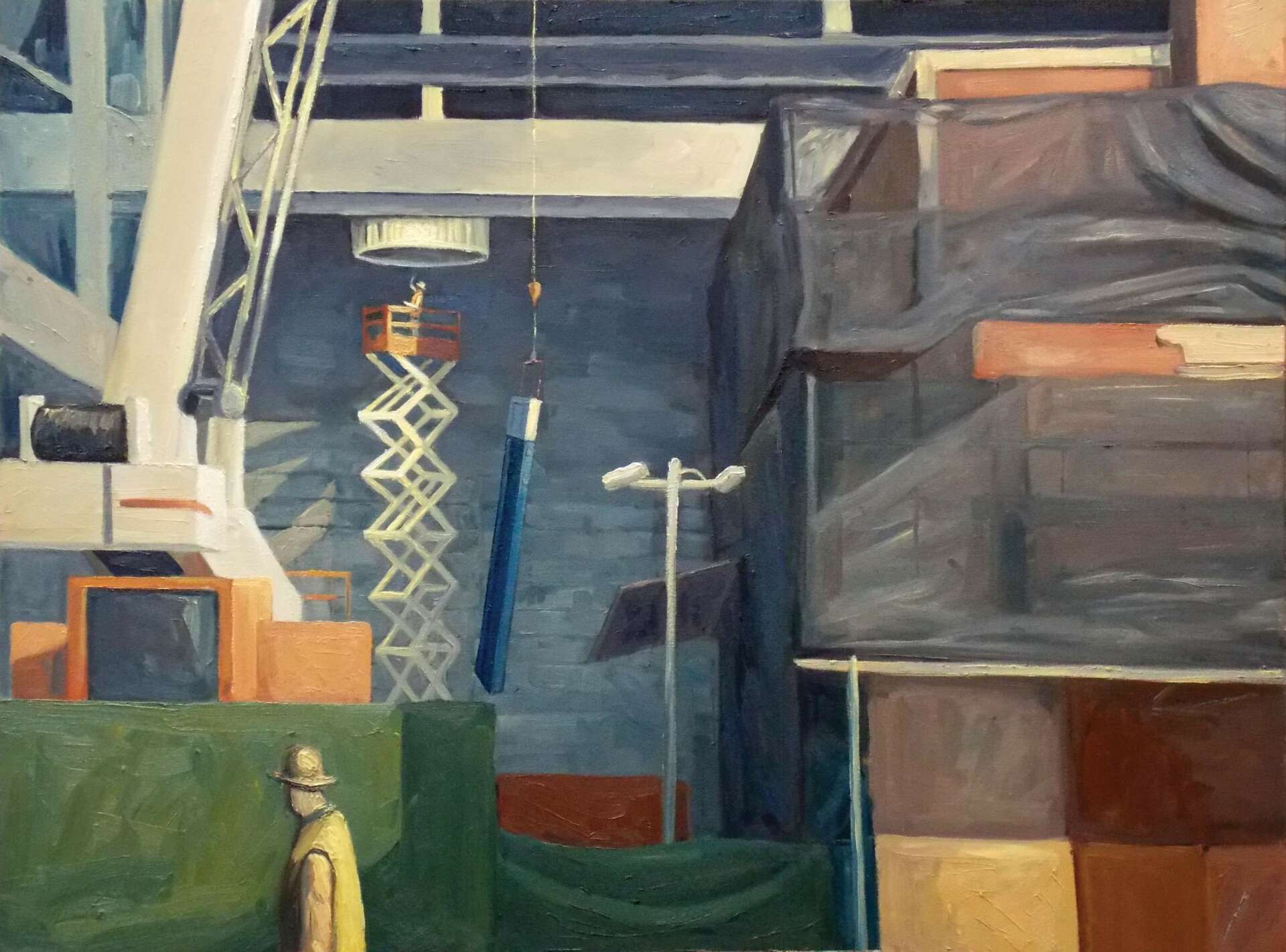
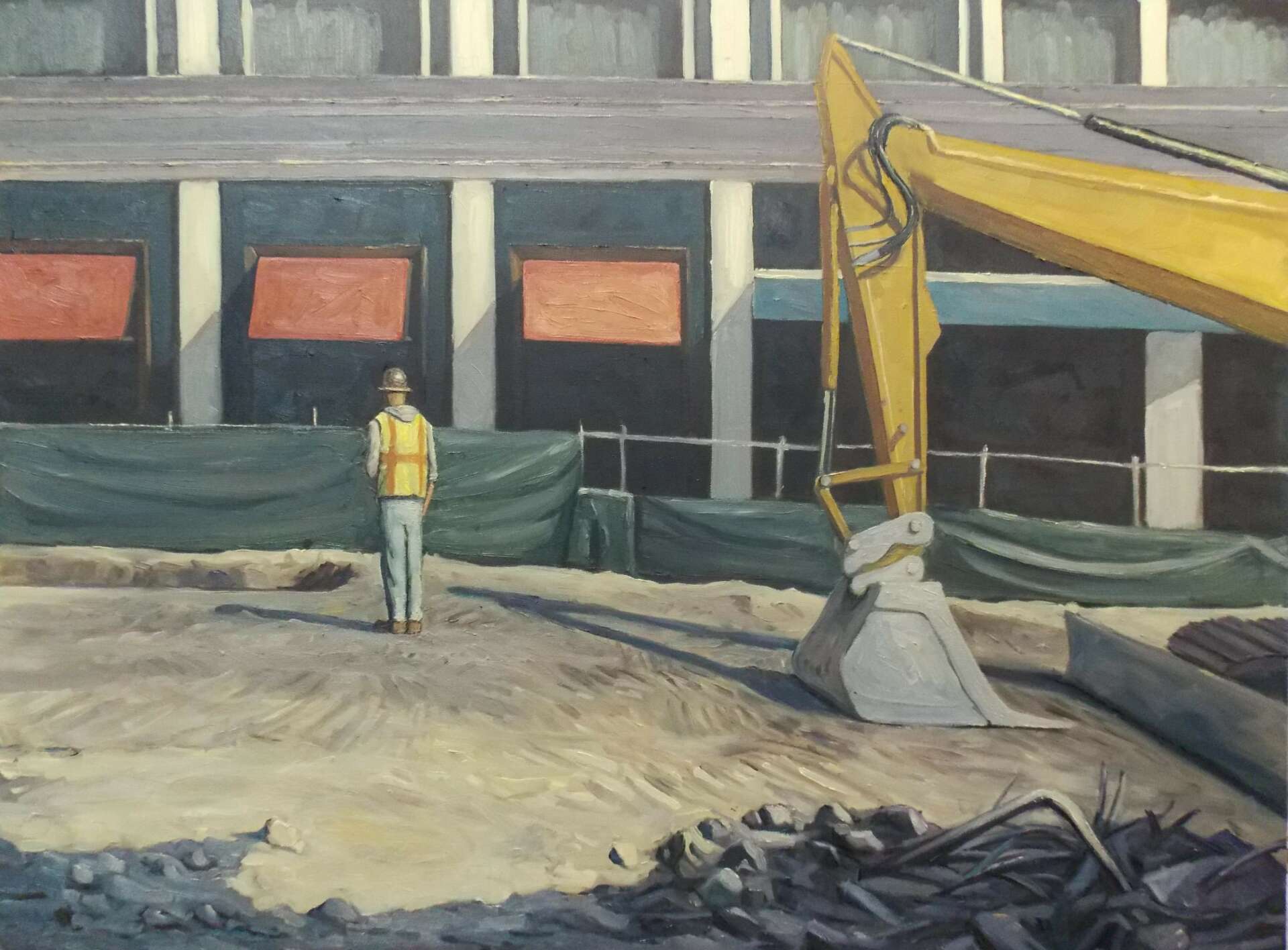
I have been a painter nearly my whole life. My work focuses on scenes of people interacting with modern technology. Whether it is people at laundromats, subway passengers, worker operating machinery at construction sites or just people on their cellphones I take inspiration from the seemingly ordinary. Our modern world seems to always be in flux and new technologies expedite the multitude of changes. Capturing moments from this evolving world in the timeless medium of oil paint gives us a chance for reflection long after the moment has passed.
Painting gives me the opportunity to examine my own environment. One of my series focuses on workers on construction sites. These paintings depict how these people transform the world using jack hammers and wrecking balls. It is often taken for granted that through their labor construction workers lay the foundations for our ordinary lives to carry on.
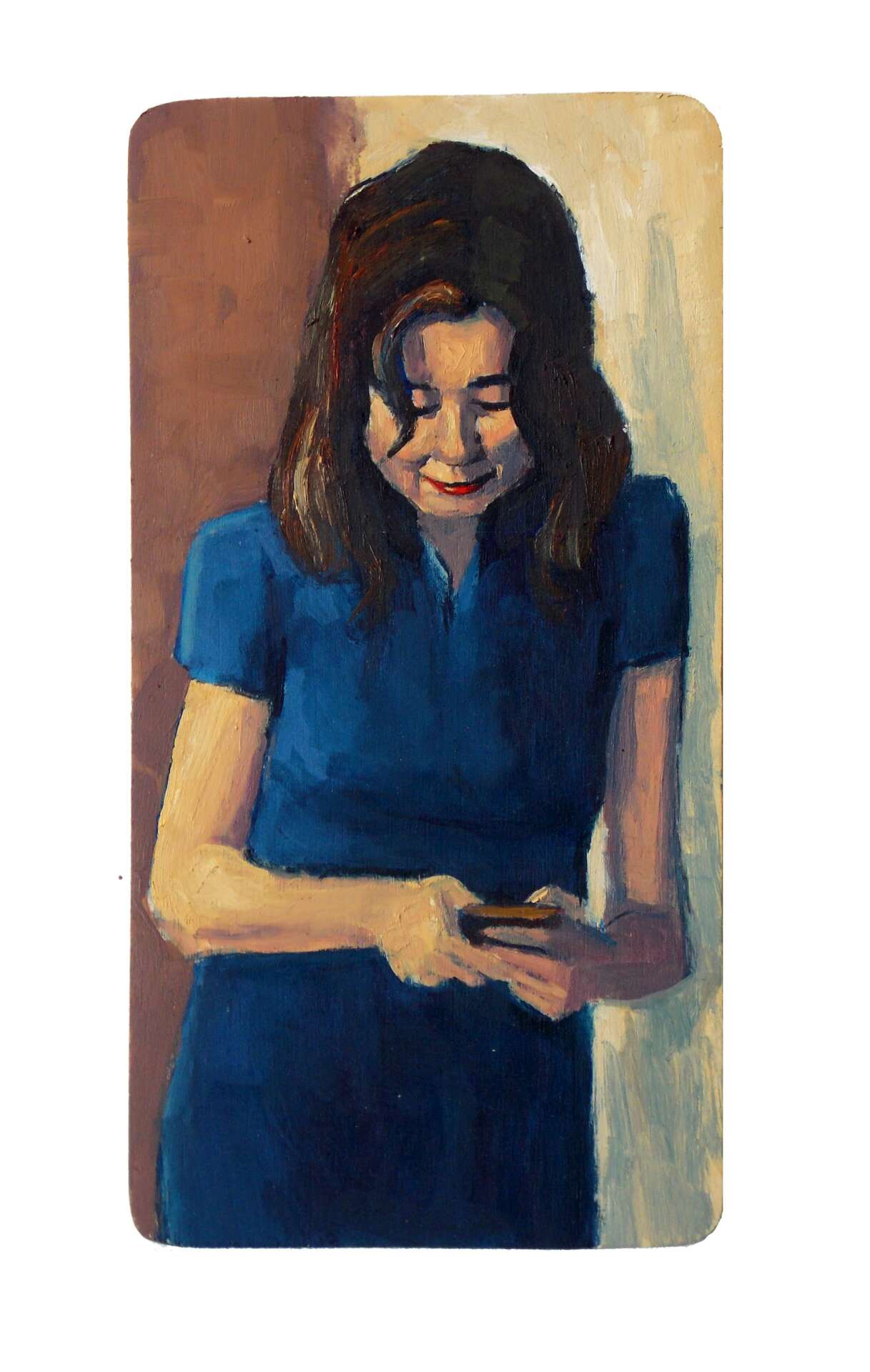
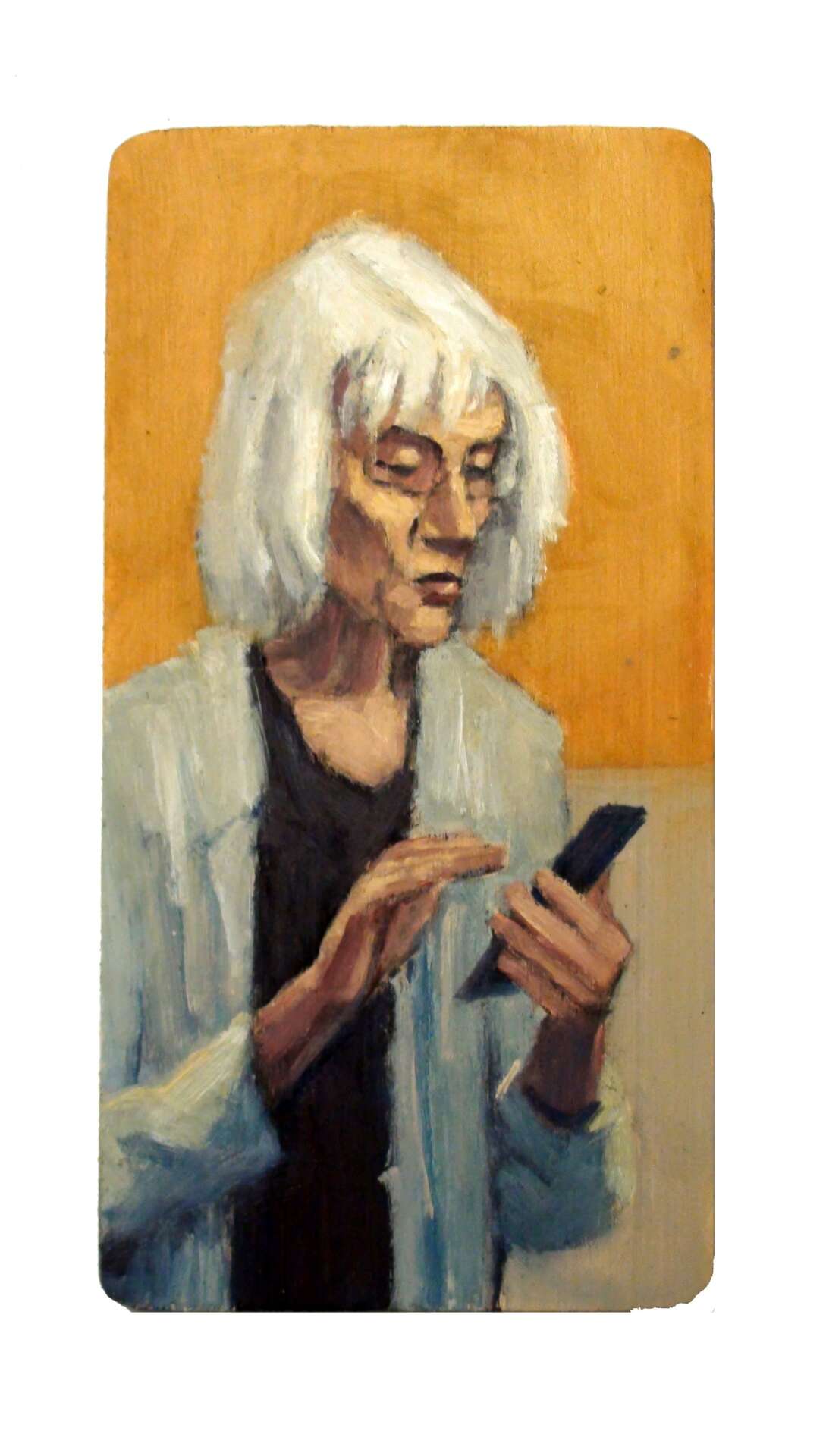
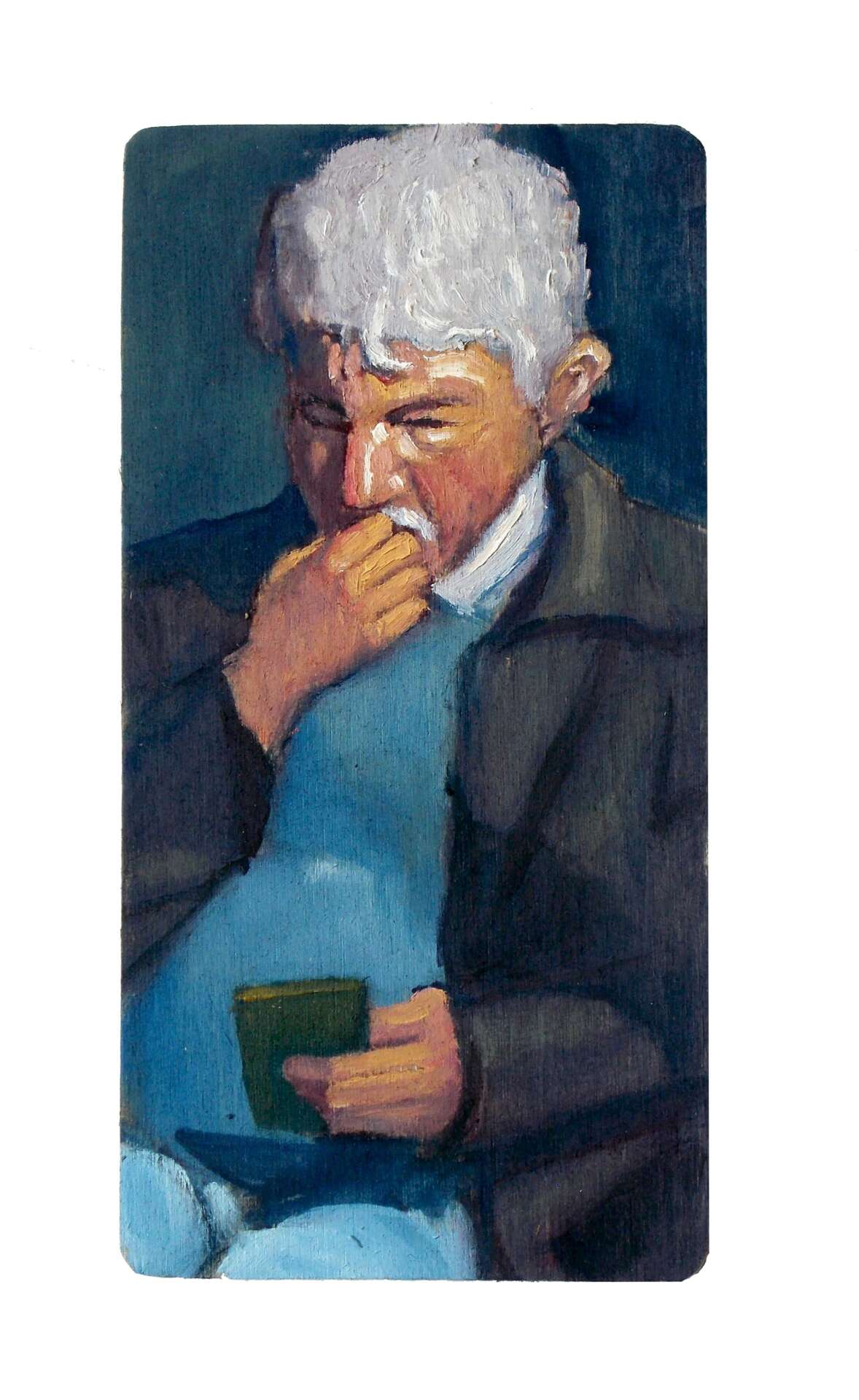
Another subject I focused on was people on their cellphones. I made over a hundred portraits of people interacting mobile devises that I painted on wooden panels about the size and shape of a cellular phone. Placed together the small portraits made a kind of mosaic of isolated people staring intently into the powerful piece of technology in their hand.
Can you share a story from your journey that illustrates your resilience?
One of the challenges I faced after graduating college was having no studio space to work in and very little time to work on my projects. I used any free time that I could to make art. My commute to my day job took about two hours round trip so I utilized that time to make sketches. Looking at the passengers my eyes were drawn to people who were on their cellphones because they were sitting still and therefore easier to draw. From my sketches I began a series of paintings of people on their cellphones. I made the artistic choice to make the size of the paintings the same size and shape of the cellphones that the people were using. This worked artistically but also practically as the project did not require a large studio space to work in and could be completed at a small desk in my apartment until I eventually got a proper art workspace.

What’s the most rewarding aspect of being a creative in your experience?
The rewards of being an artist are many. It is often a profound struggle to get anything close to one’s vision on the canvas but when it happens, usually in a way you never anticipated, that is a tremendous feeling. Sharing your completed work with the public is also a significant part of this triumph. My work has always been accessible to a wide audience. Depicting scenes most people are familiar with on some level. People will often come up to me at an art show and share stories of their own experiences that they related to from my work. They themselves engage in the art making process by looking beyond the frame and extending the piece further than the confines of the canvas.
Contact Info:
- Website: www.alexvietti.com
- Instagram: www.instagram.com/alexviettiart
- Facebook: https://www.facebook.com/alexviettiartist
- Linkedin: www.linkedin.com/in/alex-vietti-0b68a61a/
- Twitter: twitter.com/AlexVietti